
_435x320?&)
Discover everything to know about the Fallas celebration in Valencia
Find out all the exciting details about Las Fallas, Valencia, celebrated every year in mid-March with fire, traditional dress, music and street food, all making for a fiesta you’ll never forget
Las Fallas are one of those mythical Spanish fiestas that so many people, from Spain and all over the world, are determined to witness for themselves at some point. And for good reason. This festival in Valencia is an unforgettable experience.
Although this Mediterranean city is a fantastic destination at absolutely any time of year, this is when it truly comes alive. Every year between the 14th and the 19th of March (with the warm-up kicking off from March 1st), it’s flooded with locals and visitors alike, who come for the nights lit up by burning sculptures and fireworks, and the infectious party atmosphere.
If you’re thinking of seeing Las Fallas, Valencia, for yourself, then you’ll be wanting to know exactly what to expect and how to get the very most out of your trip.
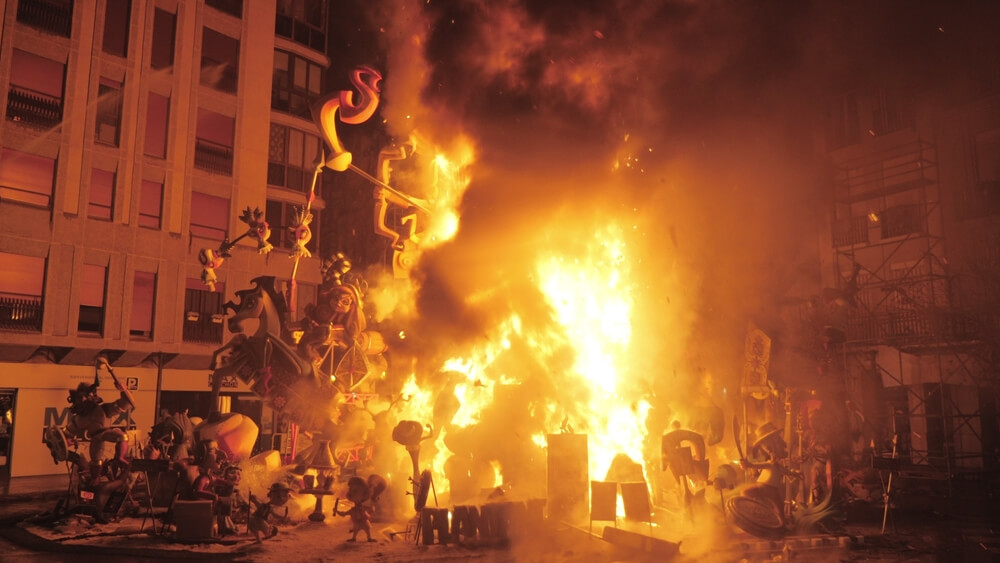
Ninots burn at the end of Las Fallas, Valencia
What are Las Fallas, Valencia?
Las Fallas is the biggest festival in Valencia, and its main focus is the sculptures, ninots, mostly made of painted papier maché and wood, that grace the city’s streets and squares throughout the fiestas for people to admire before being set alight.
Every neighbourhood has both a main falla and a falla infantil, or a children’s falla, which are much smaller. As with many Spanish festivals, set events happen on set days, all culminating on the night of the 19th of March.
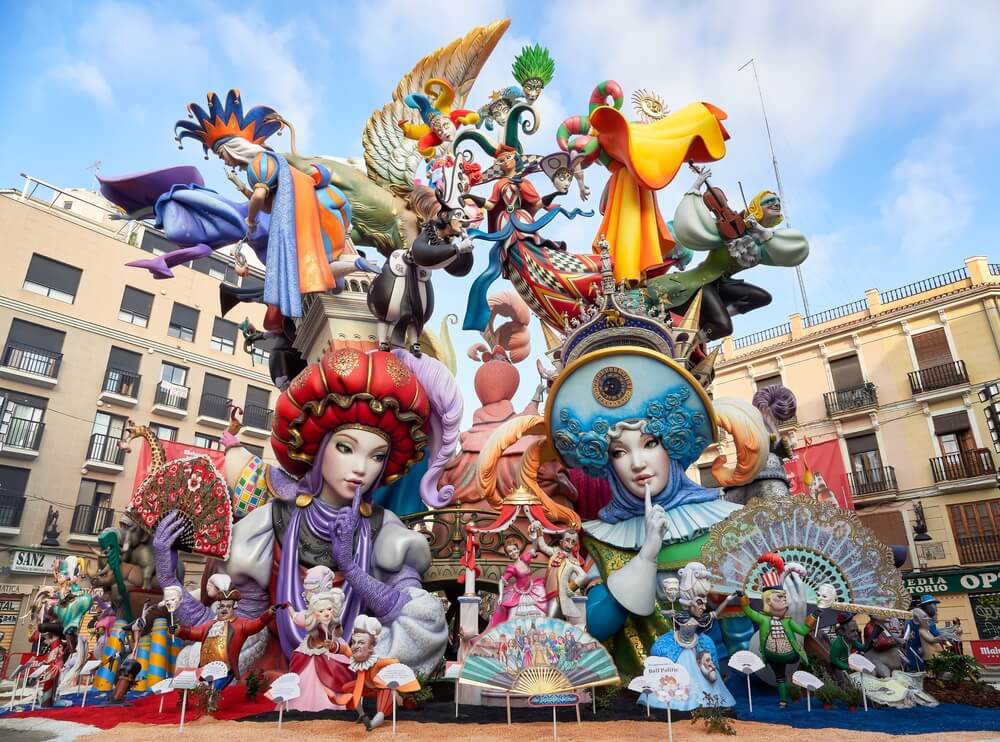
A spectacular falla, the result of months of work
Get with the program: events during Las Fallas
If you’re lucky enough to be in Valencia during this time, you’ll want to know exactly what Fallas events to put in your diary so you don’t miss the big moments.
Valencians of all ages have been preparing for this for months, but it finally kicks off at the beginning of March, with a mascletá (huge, colourful, and very noisy firecracker display) taking place every day at 2 pm between the 1st and the 19th. There’s one in every neighbourhood, but the most impressive (and busiest) is in the Plaza del Ayuntamiento.
There’s also a parade on the 1st, the Cabalgata del Ninot, so you can get a taste of the festivities even if you won’t be here later in the month.
La Despertá takes place daily at 8 am, with every falla club taking to the streets with a loud brass band and firecrackers
From the 15th onwards, La Despertá (wake-up call) takes place daily at 8 am, with every falla club (casal) taking to the streets with a loud brass band and firecrackers. If you’ve had a late night, don’t forget the earplugs.
On the 15th, you’ll bear witness to La Plantá, the moment the fallas are all put in place, the city becoming a hive of activity. At midnight, countless fireworks are set off in celebration.
Early on the 16th, the winning fallas are announced, as is the ninot indultat, the one ninot that won’t be burnt on the last day, finding its forever home in the Museo Fallero (which is well worth a visit whilst you’re here).
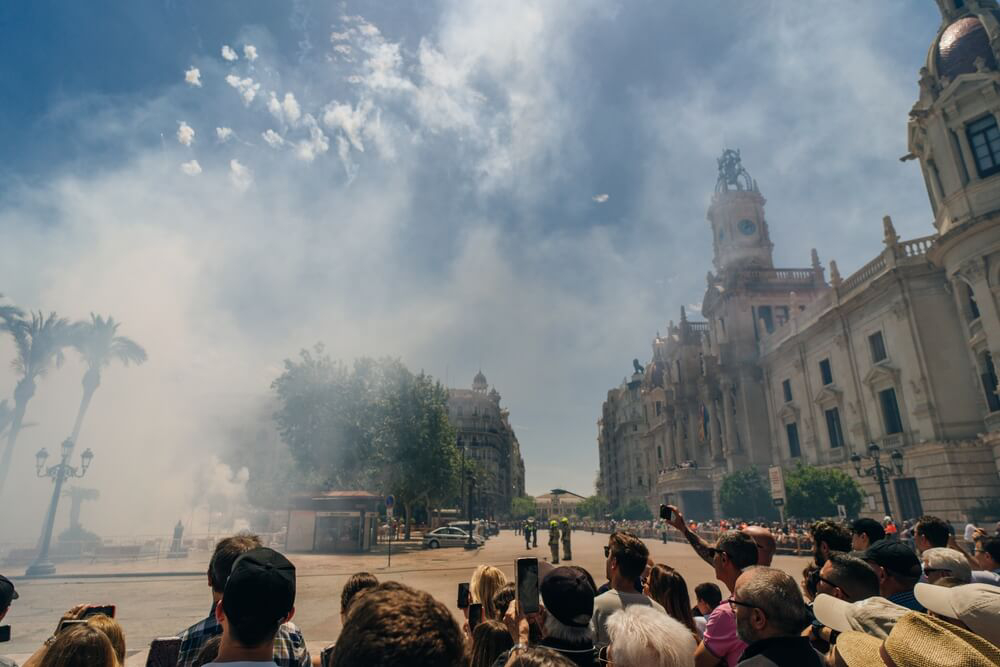
The most spectacular mascletá is in the Plaza del Ayuntamiento
What to see during the second half of the Valencia fire festival
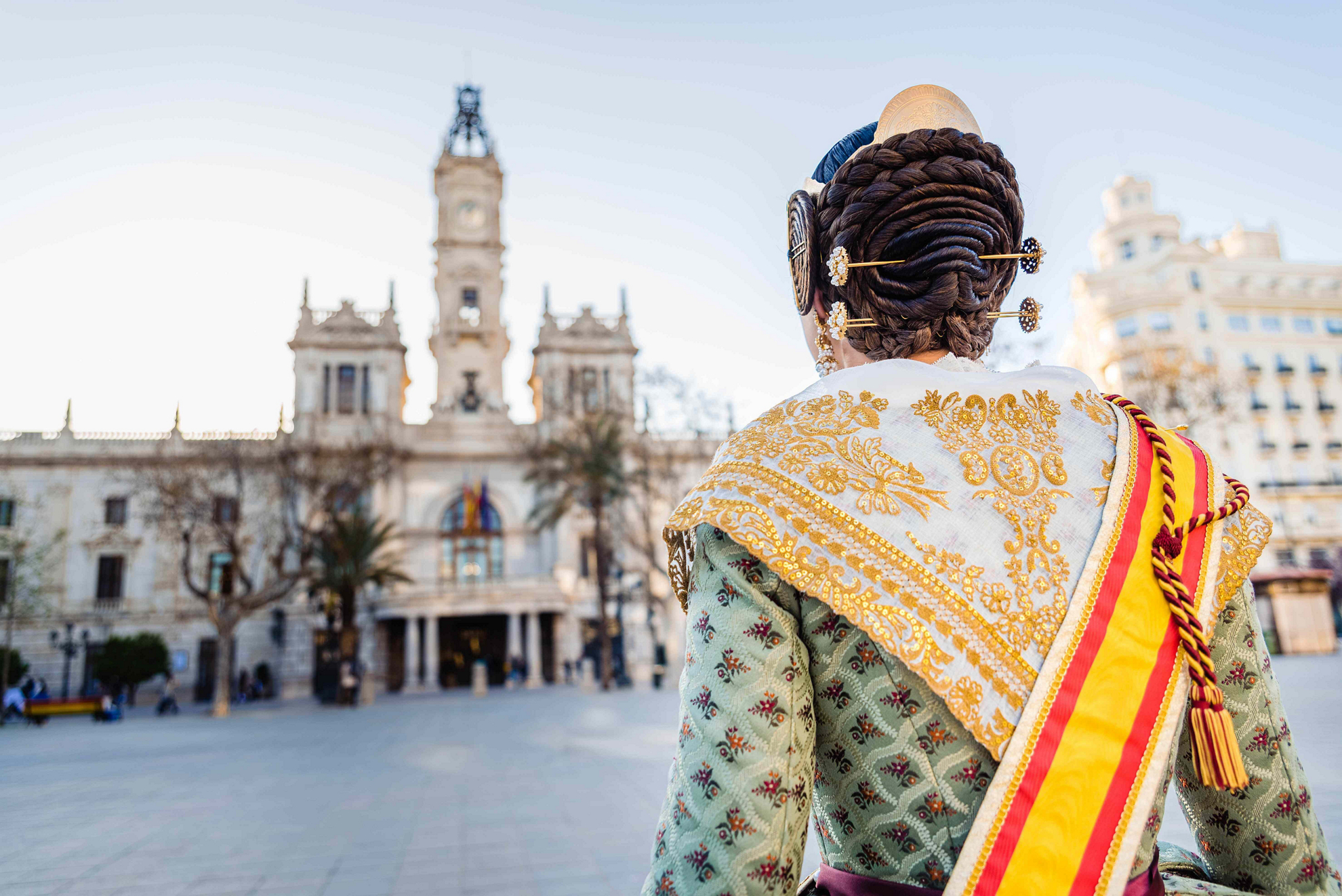
On the 17th at 9 am, you can catch the parade of falleras, women and girls dressed in sumptuous traditional costume on their way to the Plaza del Ayuntamiento for the awards ceremony that will decide who will be la Fallera Mayor, queen of the Fallas.
On the same day in the afternoon, and on the 18th, the Ofrena de Flors takes place, with endless flowers being offered to create a stunning cape for a statue of the Virgin de los Desamparados, Valencia’s patron saint.
Get there in good time, ideally a few hours early, to snag a good viewing spot
The 18th also sees an impressive midnight fireworks display, known as Nit del Foc. Get there in good time (ideally a few hours early) to snag a good viewing spot, and bring a bottle of wine and snacks to while away the time.

Bring snacks and drinks for your wait for the midnight fireworks display
La Cremá, the culmination of this famous festival in Valencia
It’s all been building up to the big day, the 19th, Saint Joseph’s Day. After one last mascletà, watch the Cabalgata del Foc, a parade of light and gunpowder, from 7 pm. Then comes the moment you’ve been waiting for, La Cremà, with the children’s fallas set alight at 8 pm, followed by the main fallas around 10 pm.
For all these events, remember to get there early if you want a good vantage point.
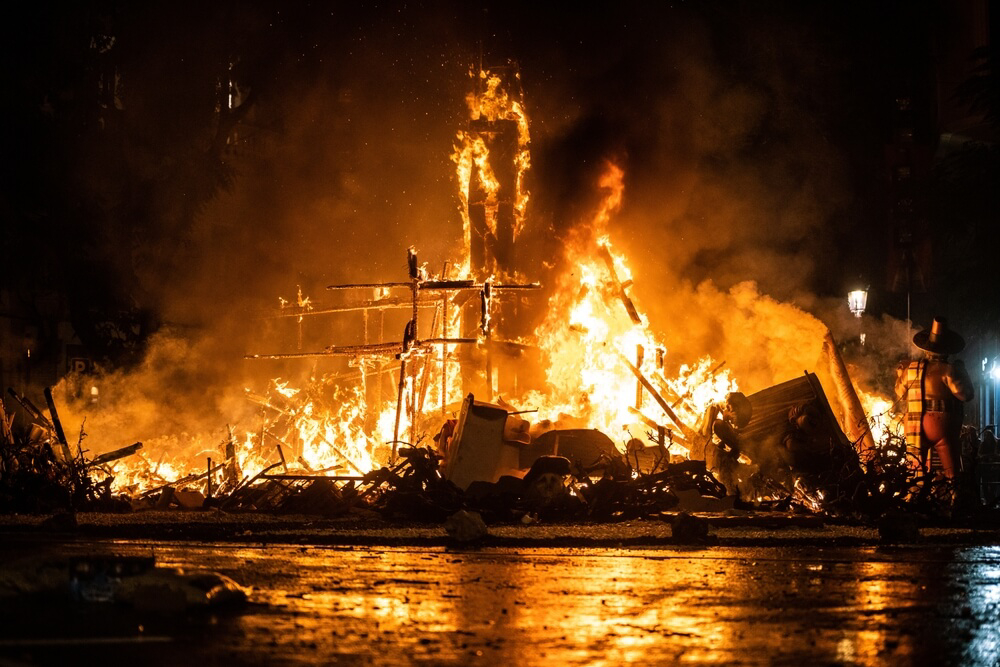
Watch the fallas burn to the ground on the last night of the fiestas
Why is Las Fallas celebrated?
Declared Intangible Cultural Heritage of Humanity by UNESCO in 2016, like so many cultural quirks around the world, the origins of this Valencian tradition aren’t entirely clear, but the leading theory suggests it dates way back to the Middle Ages.
Carpenters would save up pieces of wood all winter, and when it came to the spring equinox, they would burn them in the street alongside the parots or wooden planks used to hold candles during the darker months. This marked the end of winter and the coming of spring, and also coincided with Saint Joseph’s (San José, the patron saint of carpenters) feast day.
Carpenters would burn wood in the street alongside the parots used to hold candles during the darker months
With the passing of the years, people started to use old clothes to adorn the wood, the concept of ninots took shape, and people began to compete to create artistic, satirical displays. Las Fallas had become a recognised event in Valencia by the 18th century.
Today, this Spanish festival of fire is still a celebration of the coming of the new season, purification and rejuvenation.
Sound like something you want to be a part of? Let’s look at some of the practicalities of enjoying the Fallas in Valencia.
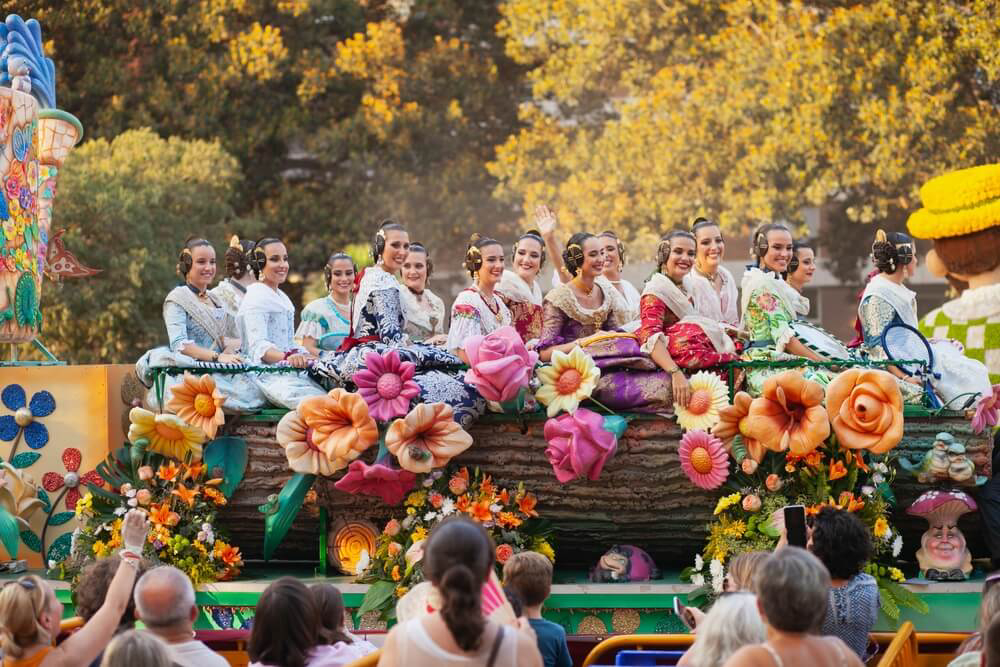
The Cabalgata del Foc is another highlight of March 19th
Where to stay during Las Fallas of Valencia
As you’ll have guessed by now, this legendary Valencia burning festival is extremely popular, and accommodation gets booked up a long time in advance.
It’s also important to bear in mind that enjoying these fiestas involves an awful lot of walking and standing (comfortable shoes are a must), and you’ll be happy but exhausted at the end of every day, particularly if you throw yourself into all the street parties happening at all hours.
With that in mind, book yourself into a comfortable city hotel you can retreat to recharge your batteries away from the hustle and bustle.
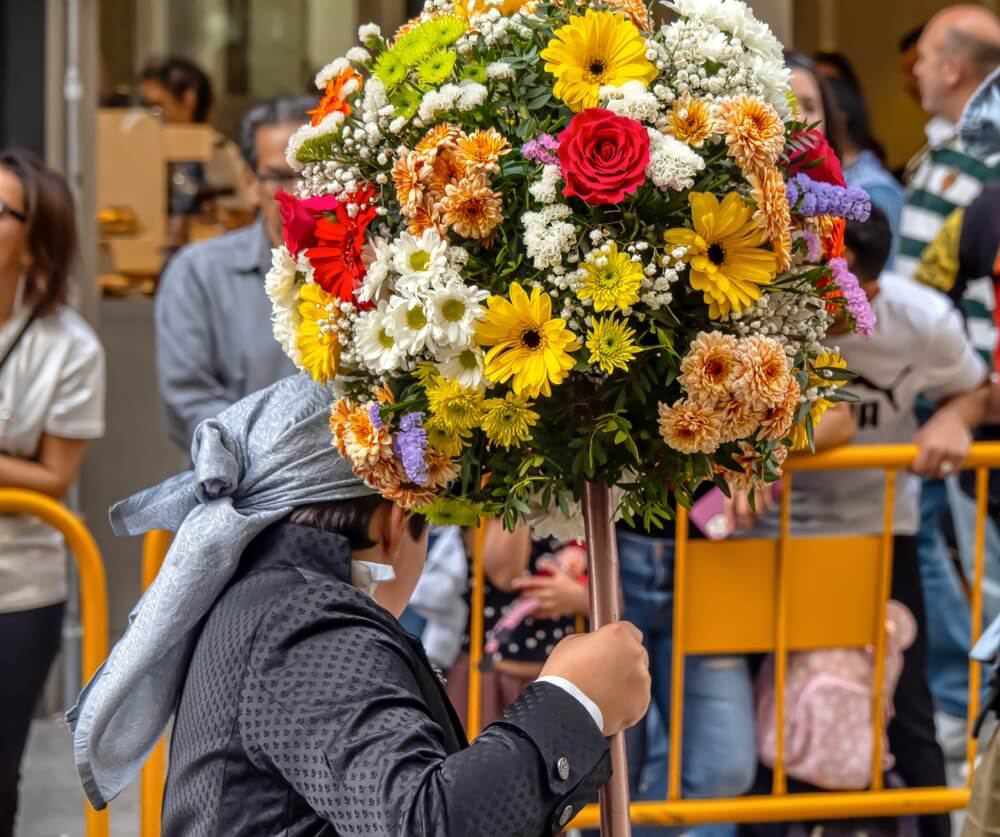
The Ofrena del Flors is an unforgettable sight
Fuel your explorations of Valencia with traditional treats
All that walking, gawping, and possibly all that sampling of the local wine will mean you build up quite the appetite, so make sure you’re indulging in plenty of snacks, enjoying traditional Fallas food.
If you want to treat yourself to a sit-down meal at some of Valencia’s iconic restaurants, then booking weeks in advance, if you can, is a good idea.
Paella is a must-eat whilst you’re here, but there are other delights to sample, like buñuelos
But there will also be lots of street food to sample. Of course, paella, which originates from Valencia, is a must-eat whilst you’re here, but there are other delights to sample, like buñuelos, not a million miles from a doughnut, both de calabaza (with pumpkin) and de viento (plain).
Other things to put on your must-try list are horchata (tiger nut milk), with a few fartons (sweet sticks of pastry) dipped in it, or (preferably, and) churros or porras with deliciously thick hot chocolate.
With a full stomach and full heart, keep pounding the streets, eyes wide, soaking up the unique atmosphere. Las Fallas are a unique, quintessentially Valencian experience you’ll never forget.
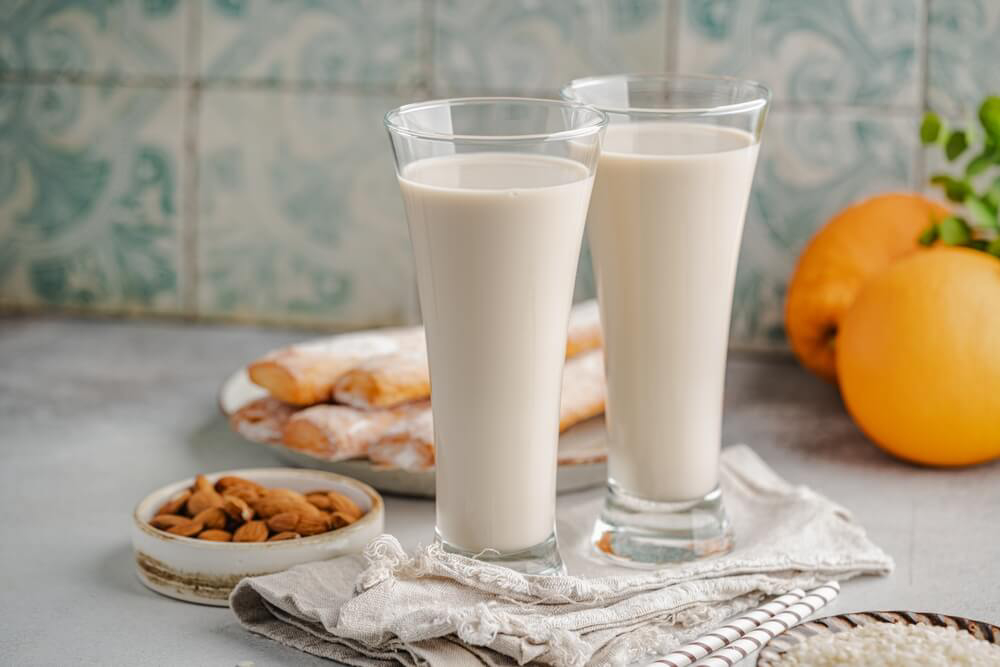
Dip fartons in horchata for the perfect traditional snack