

_435x320?&)
Spain’s Best Culinary Hotels for an Unforgettable Gourmet Getaway
A journey through Spain’s top foodie hotels—some home to Michelin-starred restaurants—where the country’s rich culinary heritage can be savoured without even stepping outside
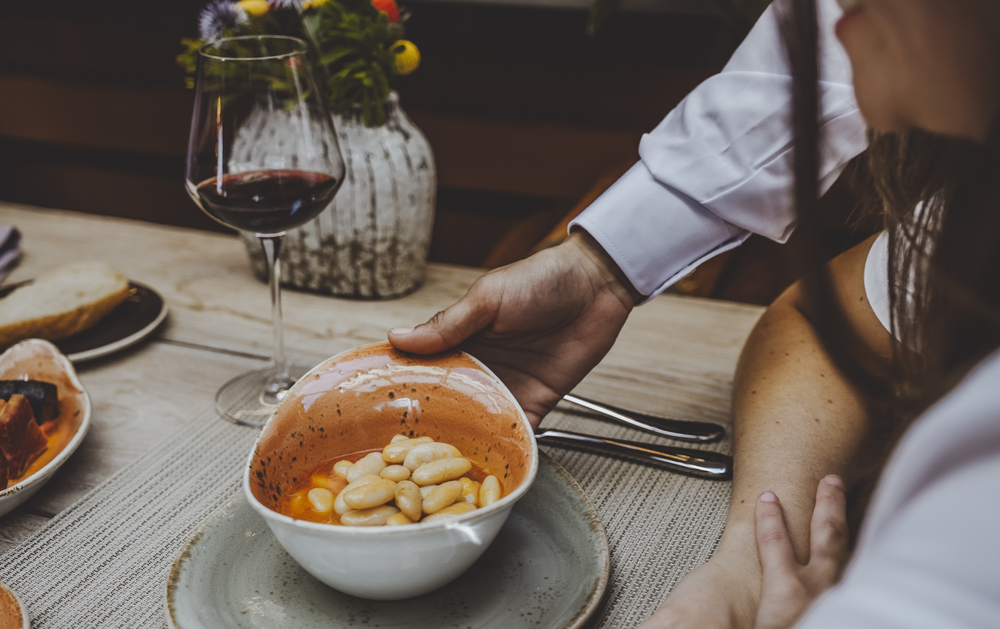
Taste has a remarkable ability to anchor memories. Long after a trip, a destination’s flavours often linger as vividly as its landscapes or landmarks. It is therefore no surprise that culinary travel has become one of the defining trends of modern tourism, with cuisine now ranking among the most influential factors when choosing where to stay and visit.
Across Spain, a new generation of hotels is embracing this appetite for immersive experiences, transforming their restaurants into renowned culinary destinations. From fine dining to deeply rooted regional dishes, these establishments give travellers a way to connect with the local culture through the most universal language: food.
One of the leaders spearheading this movement is the Barceló Hotel Group, particularly its luxury Royal Hideaway Hotels & Resorts collection, whose properties frequently house award-winning restaurants led by internationally acclaimed chefs. Locally sourced ingredients, innovation and tradition come together to create memorable dining experiences that rival the destination itself.
Below is a curated selection of standout restaurants located in some of Spain’s finest hotels, perfect for travellers seeking a trip defined as much by the flavours as by the place.
Arrozante, at Barceló Granada Congress, Granada
Paella is more than just a cornerstone of Mediterranean cuisine; it is also one of Spain’s most searched dishes worldwide. At Arrozante, located in the Barceló Granada Congress hotel just minutes from Granada’s historic district and with convenient access to the Sierra Nevada mountains, this iconic recipe takes pride of place.
The restaurant features signature rice dishes and paellas, crafted with precision and respect for tradition. Its menu has been designed alongside Carlos Otaola, a highly regarded specialist in rice cuisine. The star ingredient is artisanal ‘bombita’ rice from the Valencia region, prized for its ability to absorb flavour while maintaining the perfect texture.
Specialities include classic Valencian paella, seafood ‘senyoret,’ creamy rice dishes featuring lobster or oxtail, and ‘fideuà’ variants such as duck with wild mushrooms and foie gras. The extensive wine list has been created to complement the depth and complexity of these recipes, making Arrozante a destination in its own right for those who love Spain’s most iconic culinary tradition.
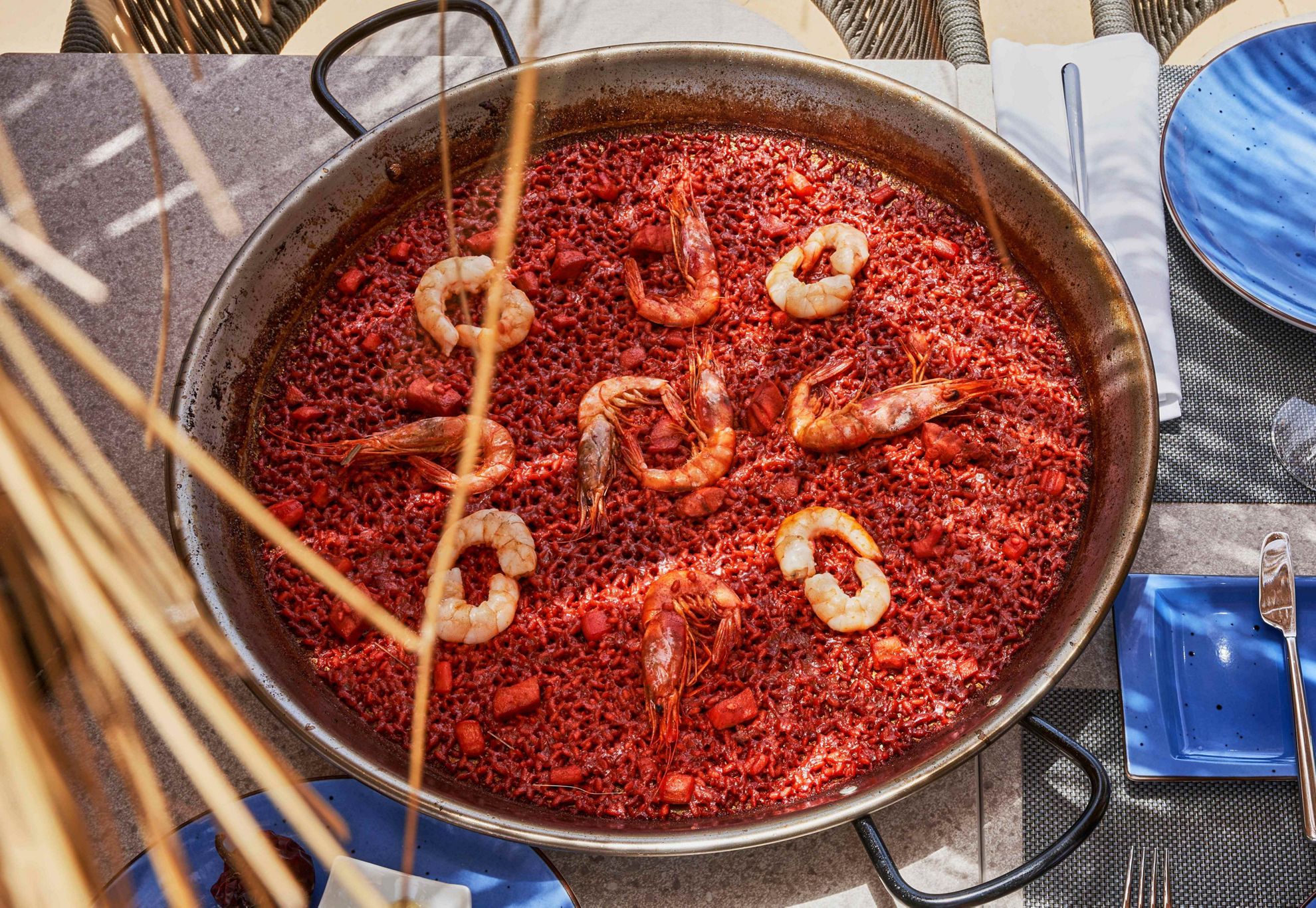
Arrozante, at Barceló Granada Congress
Casa Mando & NiMú Azotea, at Barceló León Conde Luna, León
Located near León’s lively old quarter, Casa Mando offers a deep dive into the rich culinary traditions of north-west Spain. The restaurant pays tribute to regional ingredients with dishes such as cured meats, traditional blood sausage, locally grown legumes, fresh garden vegetables, hearty stews and tender roast lamb. The wine cellar features nearly one hundred labels, many from nearby appellations.
Chef Javier García’s philosophy is simple: preserve what works. The menu has remained largely unchanged over the years, earning the restaurant a devoted following and numerous accolades. Signature dishes include air-dried beef ‘cecina’—considered by many a delicacy that rivals Iberian ham—and fried eggs with spiced minced pork, a beloved local classic.
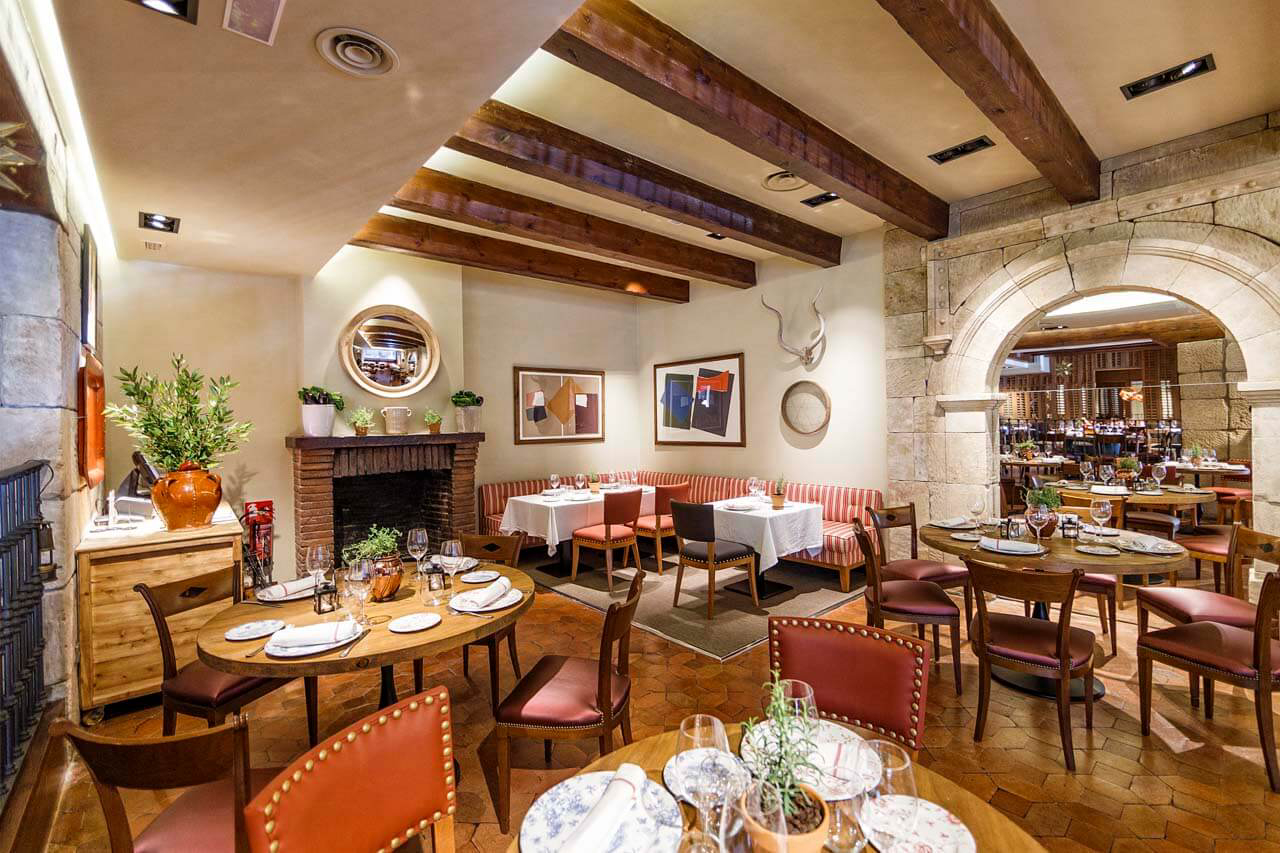
Casa Mando, at Barceló León Conde Luna
The Barceló León Conde Luna hotel is also home to the rooftop restaurant NiMú Azotea, which offers a contrasting experience. With sweeping views of the historic skyline, it specialises in contemporary market cuisine that reinterprets regional flavours with imagination. The menu includes dishes such as a soft omelette with spicy chorizo, monkfish and prawn ceviche, quail egg nigiri with truffle, slow-cooked beef cheeks with truffled mashed potatoes, and marinated bluefin tuna with foie gras. The portions are meant to be shared, encouraging a communal dining experience, while the desserts—ranging from strawberry tart to molten chocolate creations—deliver a memorable finale.
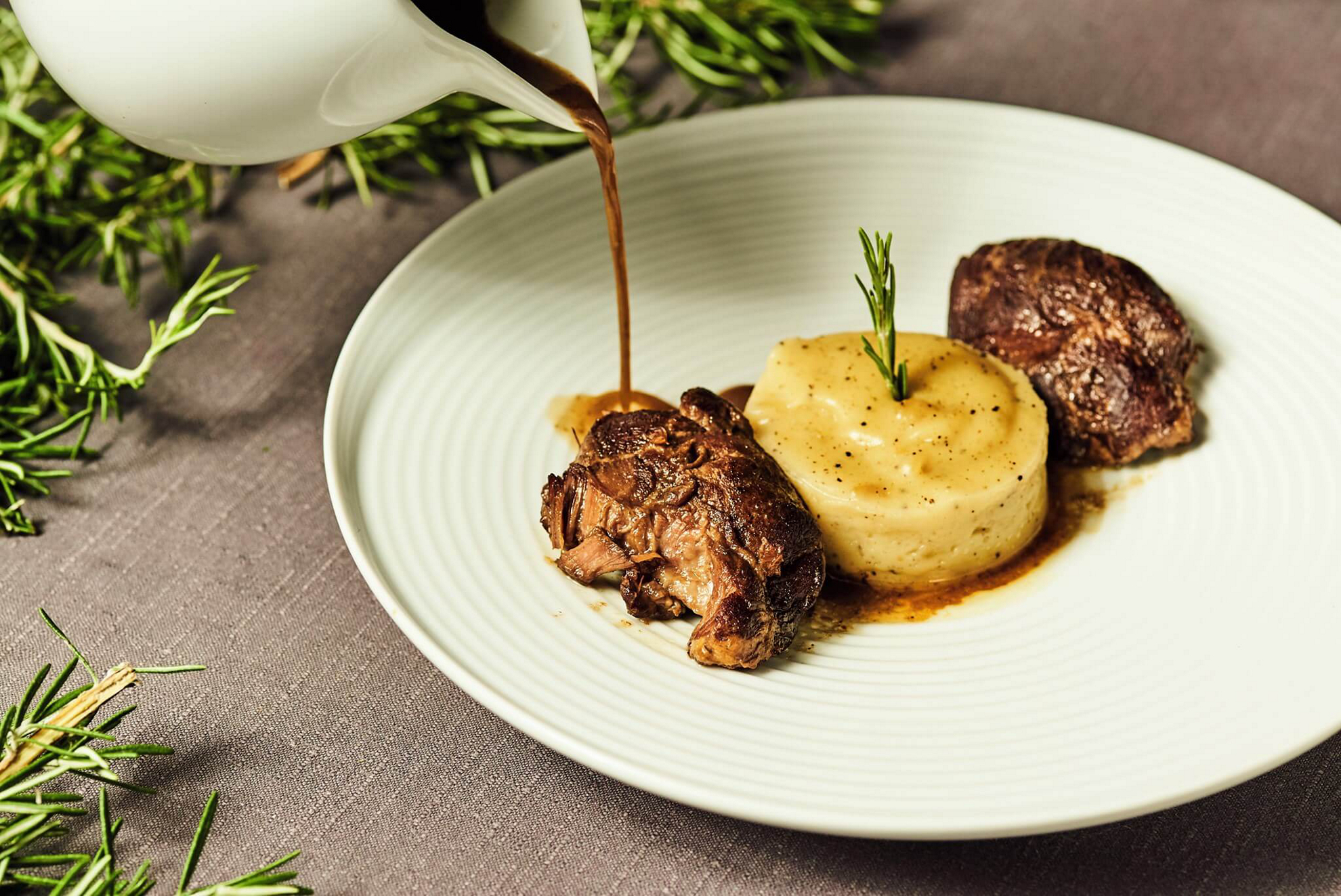
NiMú, at Barceló León Conde Luna
Jamar, at Barceló Aracena, Aracena (Huelva)
For decades, the town of Aracena in southern Spain has been synonymous with culinary tourism, thanks primarily to its famous acorn-fed Iberian ham and abundant wild mushrooms. Located in the Barceló Aracena hotel, Jamar captures the essence of this culinary landscape in a relaxed gastro-bar setting overlooking the town.
The menu showcases seasonal local produce and traditional specialities, including regional artisan goat cheese, premium Iberian pork cuts such as ‘presa’ and ‘secreto’, and meticulously prepared slow-roasted dishes. Diners can also find comfort-food options such as scrambled eggs with wild asparagus and rustic vegetable stews, followed by indulgent desserts, including warm apple puff pastry with in-season nuts.
Set within the Sierra de Aracena and Picos de Aroche Natural Park, the hotel provides a stunning natural backdrop, making Jamar an ideal destination for a romantic countryside getaway or a gourmet weekend surrounded by nature.
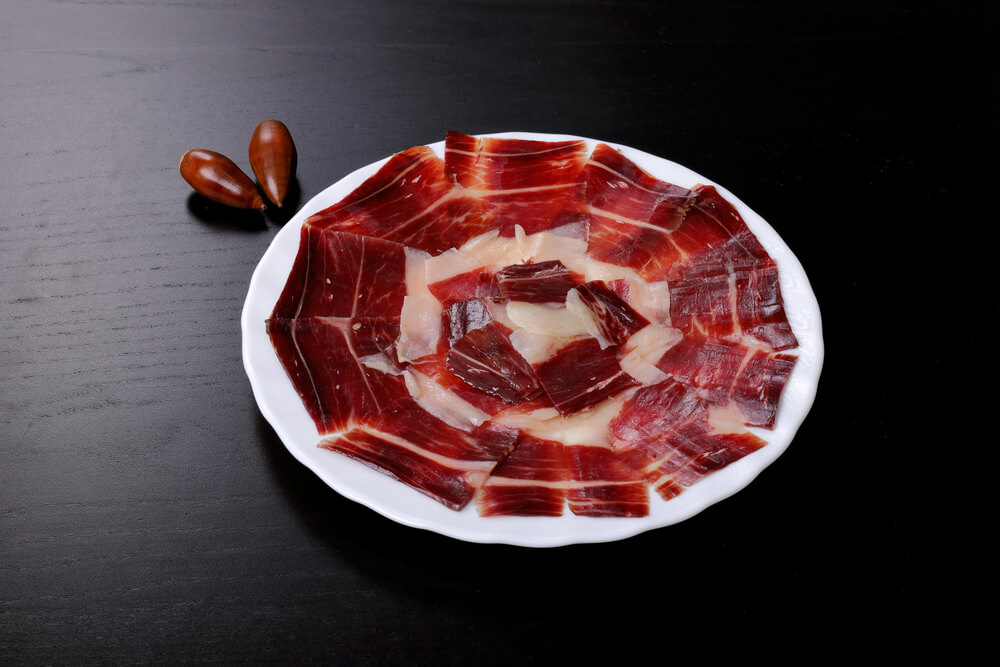
The Sierra de Aracena is known as the birthplace of Iberian ham
La Palmera del Indiano, at Barceló Oviedo Cervantes, Oviedo
La Palmera del Indiano is the perfect place for an all-day dining experience—a welcoming spot where guests can connect with traditional flavours presented through a contemporary lens. Located inside the five-star Barceló Oviedo Cervantes hotel in the city centre, the restaurant is tucked away in an elegant historic building from the early 20th century.
Its concept draws inspiration from the ‘Indiano’ Spaniards who emigrated to the Americas in the late 19th and early 20th centuries, and later returned with new wealth, ingredients and culinary ideas. This cultural exchange gave rise to a fusion style that blended local traditions with American influences, a heritage that shapes the restaurant’s evolving menu.
Guests can visit at any time of day, from breakfast and brunch to tapas or a full tasting menu. Signature dishes include fried monkfish bites, pickled northern tuna with citrus notes, pistachio-crusted grouper, and reinterpretations of Latin American classics. The result is a refined yet approachable cuisine that appeals to both traditionalists and adventurous diners alike.
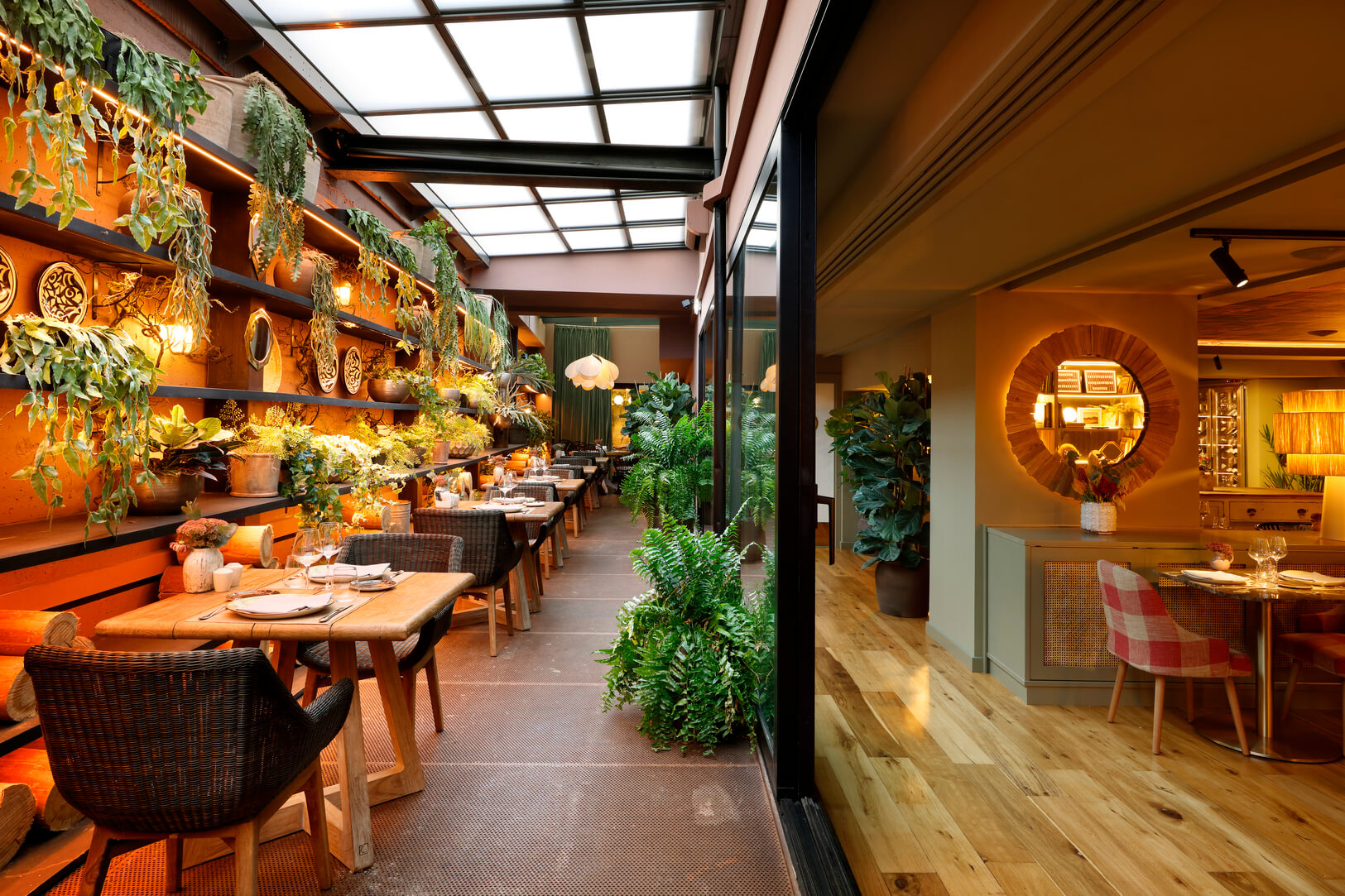
La Palmera del Indiano, at Bacerló Oviedo Cervantes
La Santa María, at Barceló Málaga & Barceló Torre de Madrid
Named after Christopher Columbus’s flagship, La Santa María embodies a spirit of exploration through a menu designed as a culinary journey around the world, while remaining rooted in Spanish flavours. The concept is available at two hotels: Barceló Málaga and Barceló Torre de Madrid, the latter featuring an interior décor by the acclaimed designer Jaime Hayon.
The restaurant’s ‘traveller’s tapas’ combine traditional recipes with international influences, particularly from Latin America and the Caribbean. The creations include cured sausage tartare, pork loin confit served with regional cheeses, salmon with seaweed, Peruvian-style ceviche, beetroot gazpacho enriched with a sweet wine reduction, crispy prawn bao buns, and grilled octopus with smoked paprika mayonnaise.
Bold flavours, creative presentations and a striking design make La Santa María a vibrant destination for people seeking a cosmopolitan dining experience in a hotel.
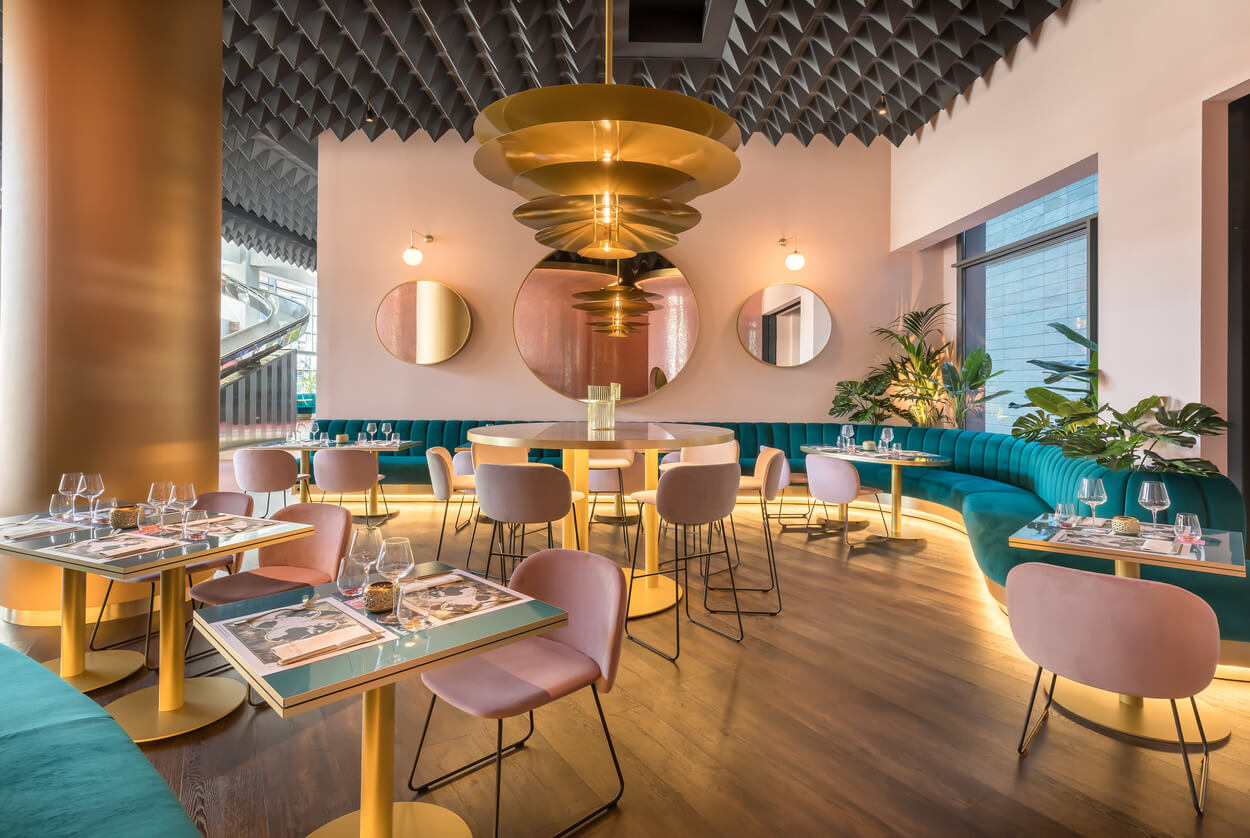
La Santa María, at Barceló Málaga
El Rincón de Juan Carlos, at Royal Hideaway Corales Resort, Tenerife (2 Michelin Stars)
Artistry and avant-garde technique define El Rincón de Juan Carlos, one of the Canary Islands’ most celebrated restaurants. Located in the Royal Hideaway Corales Resort in Costa Adeje, Tenerife, it is led by the siblings Juan Carlos and Jonathan Padrón, whose work has earned two Michelin stars and three Repsol Suns.
Rooted in local ingredients, their cuisine is conveyed through highly contemporary techniques, resulting in tasting menus that showcase the diversity of Canarian products with remarkable creativity and precision. The restaurant has become a destination for foodie travellers seeking one of Spain’s most refined dining experiences.
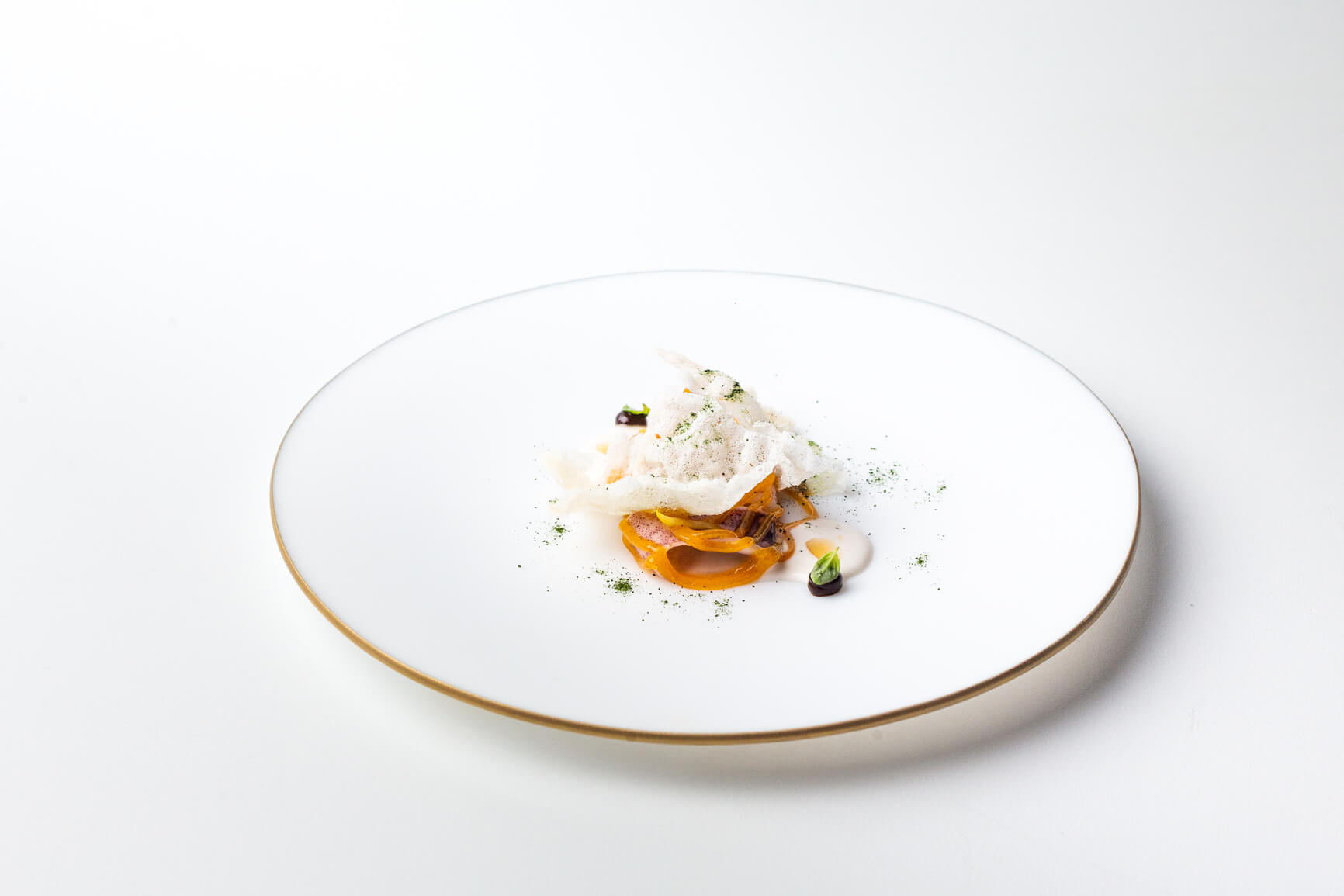
Avant-garde and tradition come together in the kitchens of El Rincón de Juan Carlos
San Hô, at Royal Hideaway Corales Resort, Tenerife (1 Michelin Star)
Also housed in the Royal Hideaway Corales Resort, San Hô offers a distinct culinary perspective that reflects Nikkei cuisine—the fusion of Japanese techniques and Peruvian flavours—enriched by local Canarian produce.
Chefs Adrián Bosch and Eduardo Domínguez craft dishes that balance precision, intensity and cultural dialogue, creating a dining experience that feels both global and deeply connected to the island setting. This innovative approach has earned the restaurant a Michelin star and widespread acclaim.
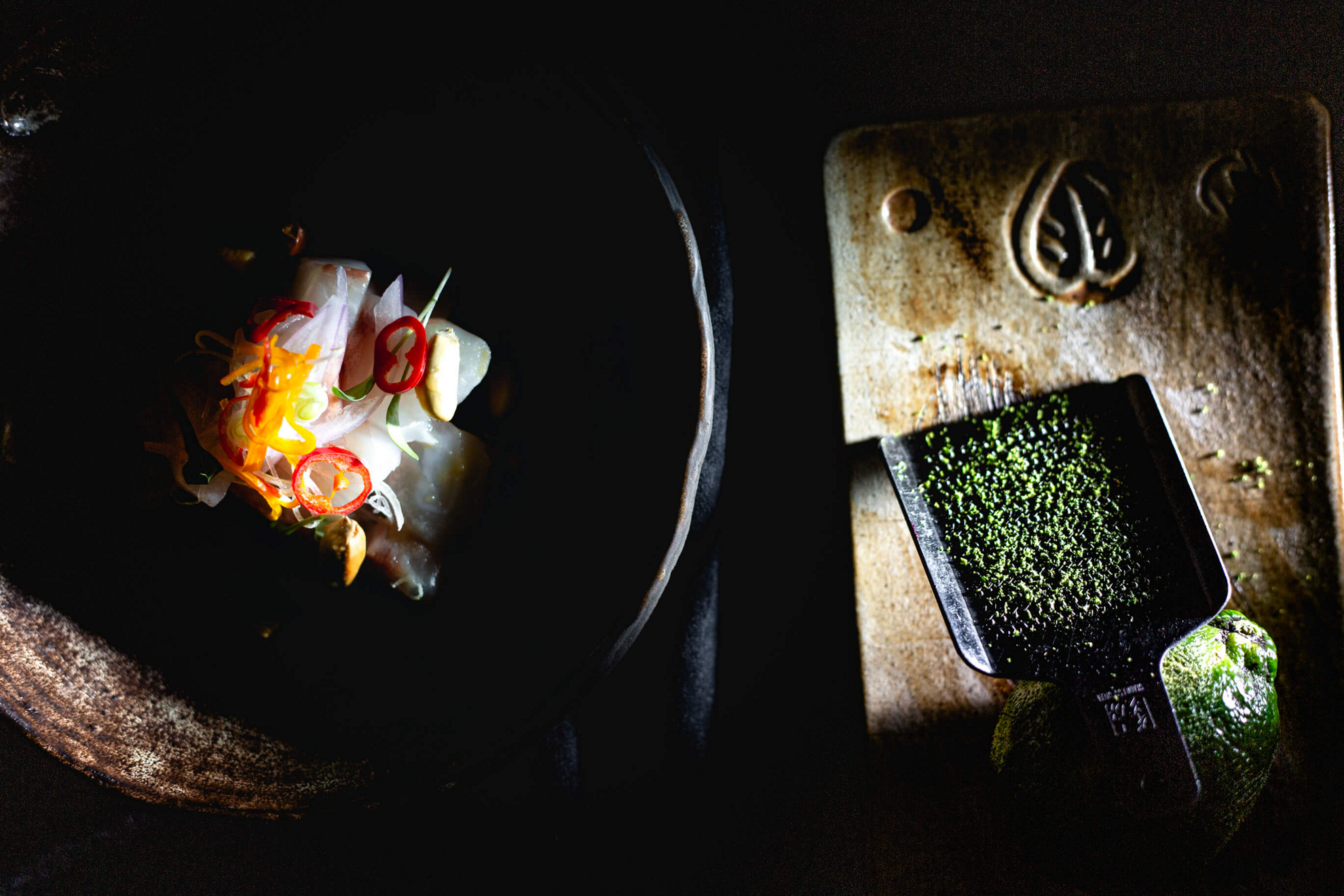
San Hô, at Barceló Corales Resort
Poemas by Hermanos Padrón, at Santa Catalina, a Royal Hideaway Hotel, Las Palmas de Gran Canaria (1 Michelin Star)
Housed in the historic Santa Catalina Royal Hideaway Hotel, Poemas by Hermanos Padrón is the first restaurant in Las Palmas to receive a Michelin star. Led by chef Iciar Pérez, it reflects the creative vision of the Padrón brothers through a cuisine that is simultaneously local and cosmopolitan.
Nature and art inspire the dishes and the atmosphere, with a clear emphasis on seafood and ocean flavours. Guests can choose between à la carte dining and an immersive tasting menu that unfolds as a carefully orchestrated journey through textures, aromas and regional influences.
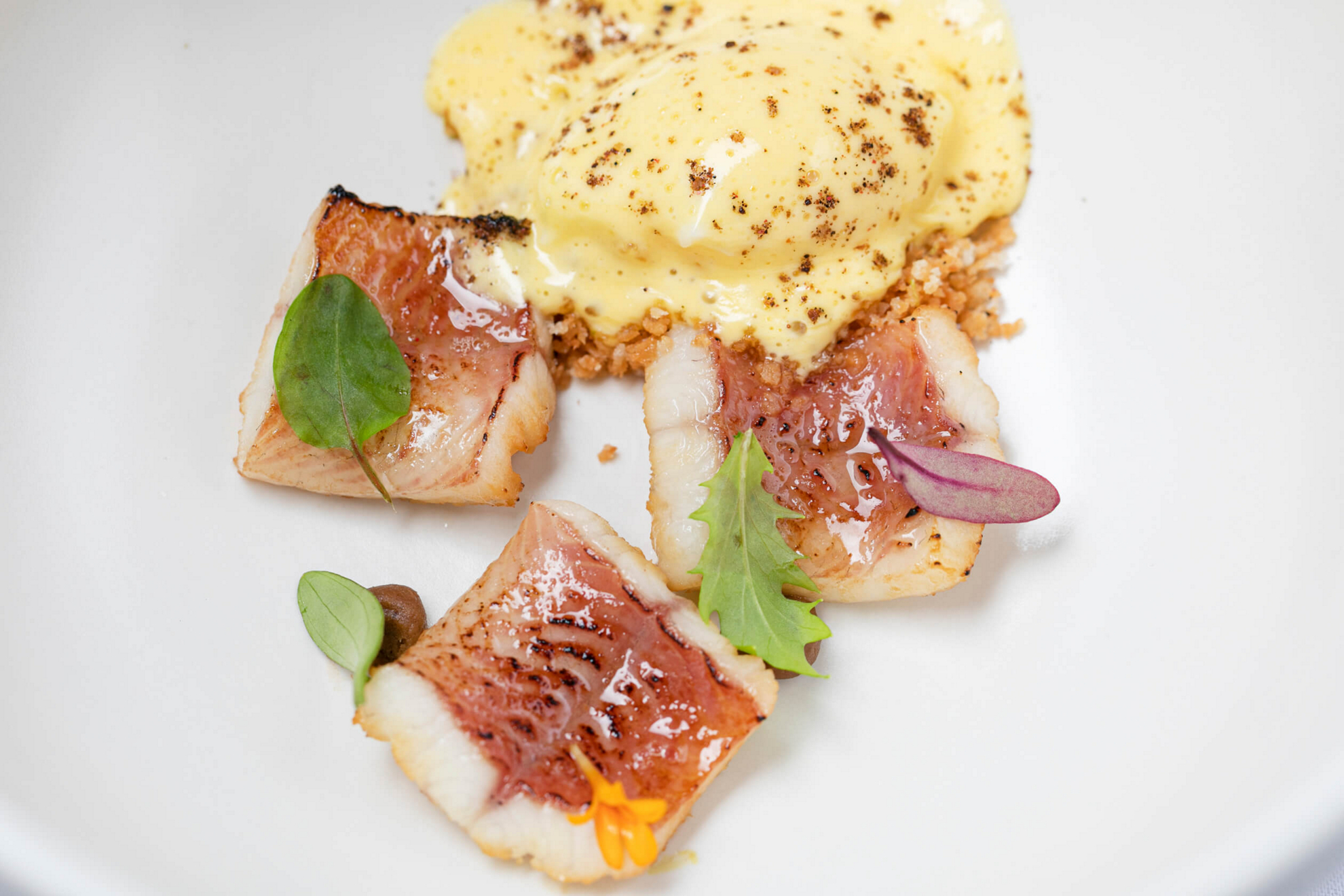
Poemas by Hermanos Padrón
Canfranc Express, at Canfranc Estación, a Royal Hideaway Hotel, Huesca (1 Michelin Star)
Dining at Canfranc Express is akin to stepping into the golden era of European rail travel. The Michelin-starred restaurant, housed in a beautifully restored train carriage dating back to the early 20th century at Canfranc Estación, a Royal Hideaway Hotel, recreates the elegance of historic dining cars.
With seating for only twelve guests, the experience is deliberately intimate. Chefs Eduardo Salanova and Ana Acín serve a multi-course menu inspired by Aragón’s culinary traditions, enhanced by modern techniques and subtle references to French cuisine—a nod to the station’s historic role as a gateway between Spain and France. Each dish tells part of the story behind this iconic railway landmark.
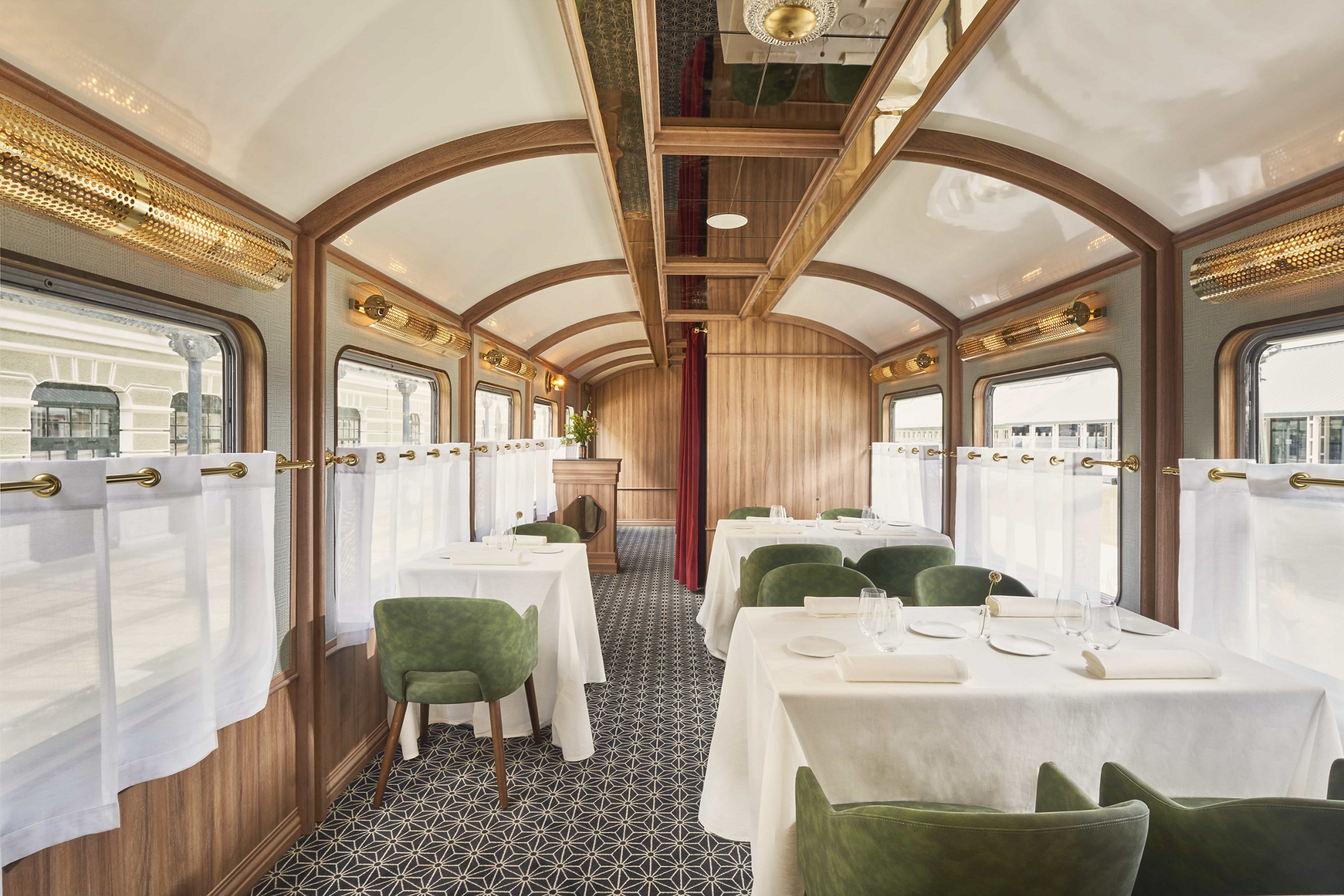
Canfranc Express
Muxgo, at Santa Catalina, a Royal Hideaway Hotel, Las Palmas de Gran Canaria (1 Michelin Star & Green Star)
Muxgo is known for its unwavering commitment to sustainability. Also located in Santa Catalina, a Royal Hideaway Hotel (Las Palmas de Gran Canaria), the restaurant builds its cuisine around ingredients sourced almost entirely from the island, many grown on chef Borja Marrero’s farm in Tejeda.
Awarded both a Michelin star and a prestigious Green Star, Muxgo champions circular economy principles and environmentally responsible practices. The dishes feature native ingredients such as local corn, prickly pear, seasonal fish, island shrimp and artisan cheeses, offering a profound expression of Gran Canaria’s landscape and culinary heritage.
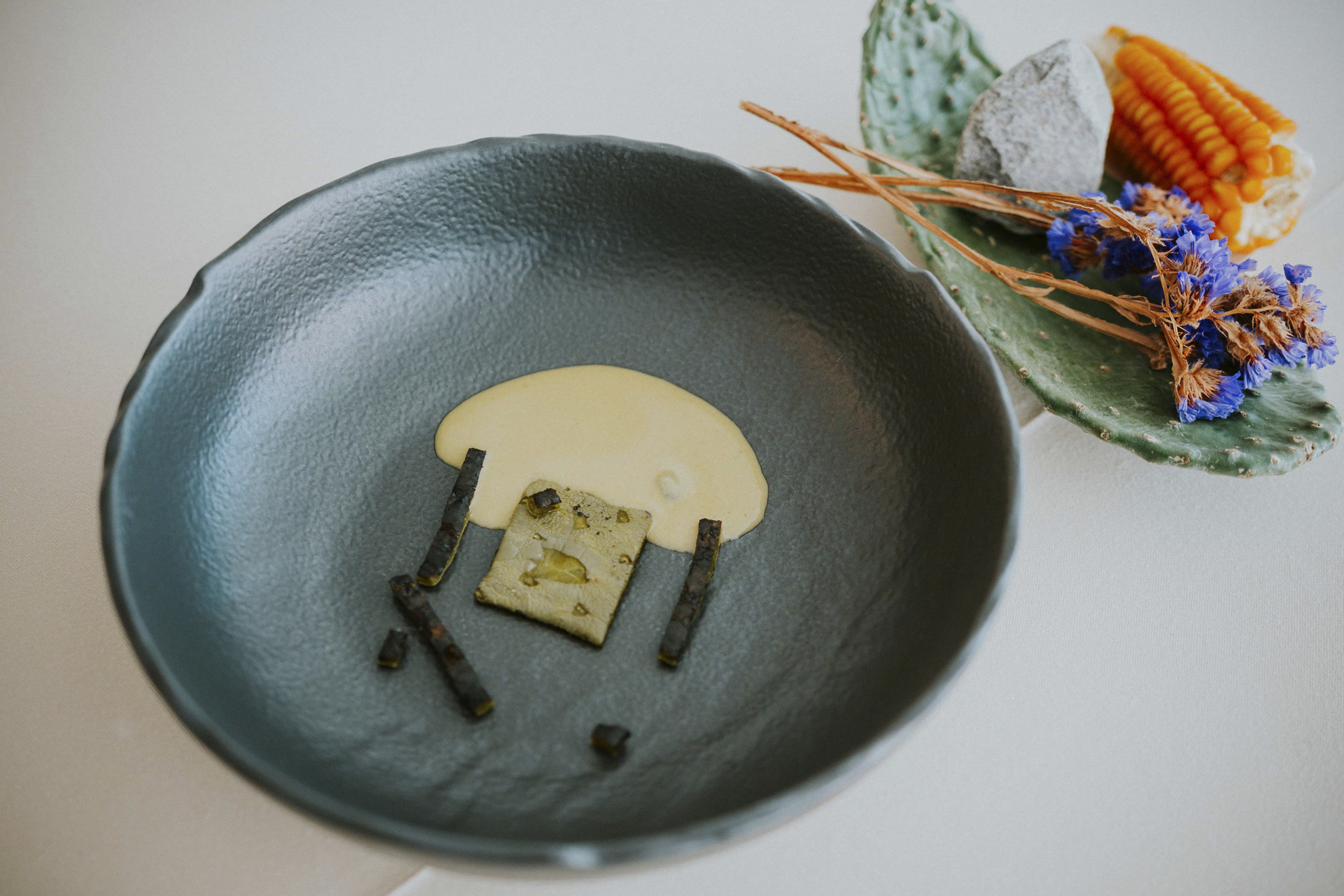
Muxgo: sustainable gastronomy inside a luxury hotel
Bizigarri Restaurant, at Occidental Bilbao, Bilbao
Gastronomy is woven into the daily life of , and Bizigarri reflects this tradition with a contemporary sensibility. Located in the Occidental Bilbao hotel, the restaurant reinterprets Basque cuisine while emphasising high-quality seasonal ingredients and authentic flavours.
The menu features shareable classics, such as homemade croquettes and Iberian ham, as well as more elaborate dishes inspired by regional recipes. A daily set menu offers a well-rounded introduction to the local cuisine, served in a bright, modern space that encourages relaxed, leisurely dining.
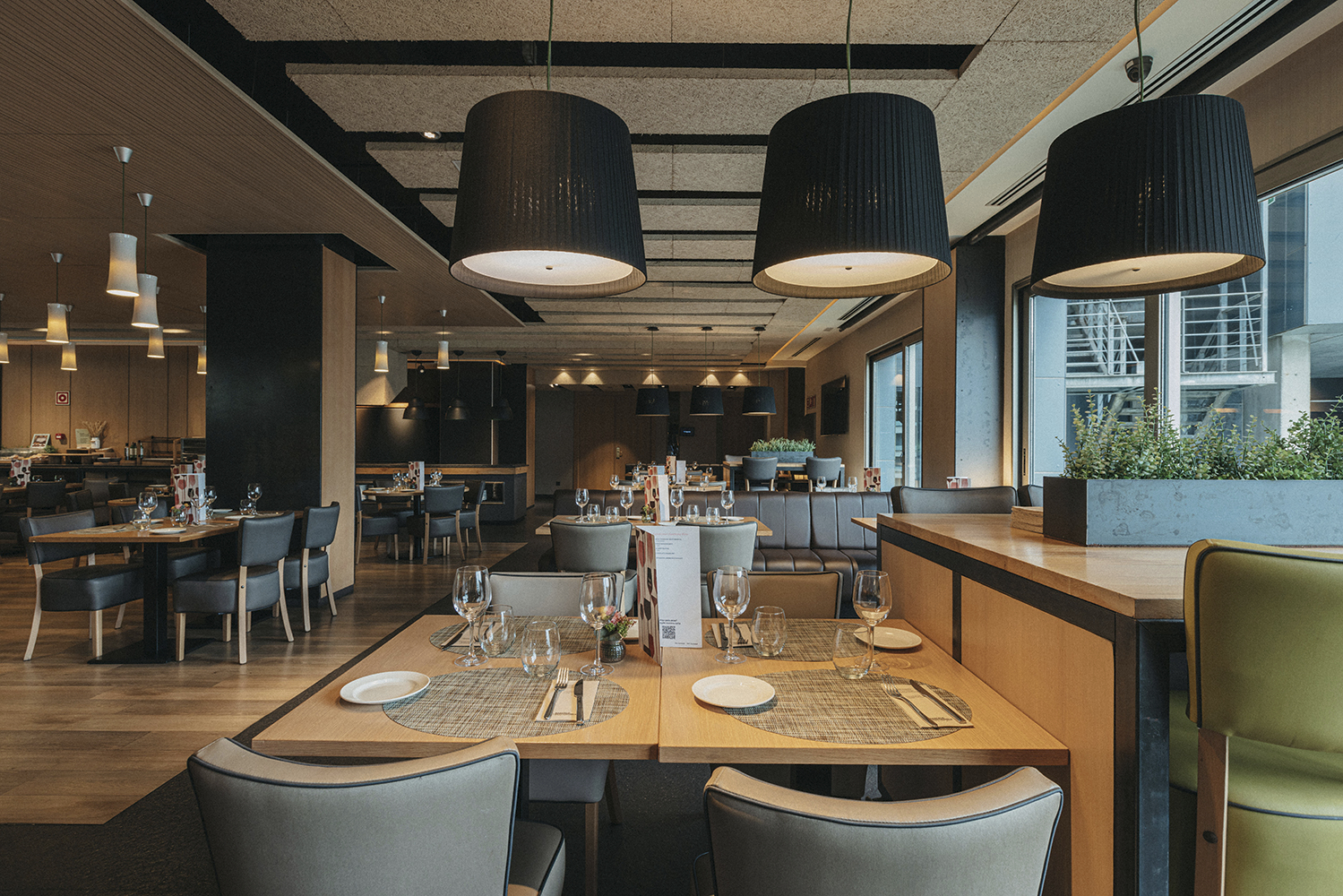
Restaurante Bizigarri
Albegui Restaurant, at Barceló Bilbao Nervión, Bilbao
Another noteworthy stop in Bilbao is Albegui, located in the Barceló Bilbao Nervión hotel near the riverfront. Here, Basque culinary tradition is viewed through a contemporary lens that blends technique, creativity and a deep respect for the ingredients.
Signature dishes include truffled chicken cannelloni and confit cod served with pil-pil sauce and spider crab—elegant reinterpretations of time-honoured recipes. Guests can choose from an à la carte selection or a multi-course tasting menu designed to showcase the restaurant’s range, paired with a carefully curated wine list. Warm, refined and welcoming, Albegui has a homely atmosphere where conversation and cuisine are equally important.
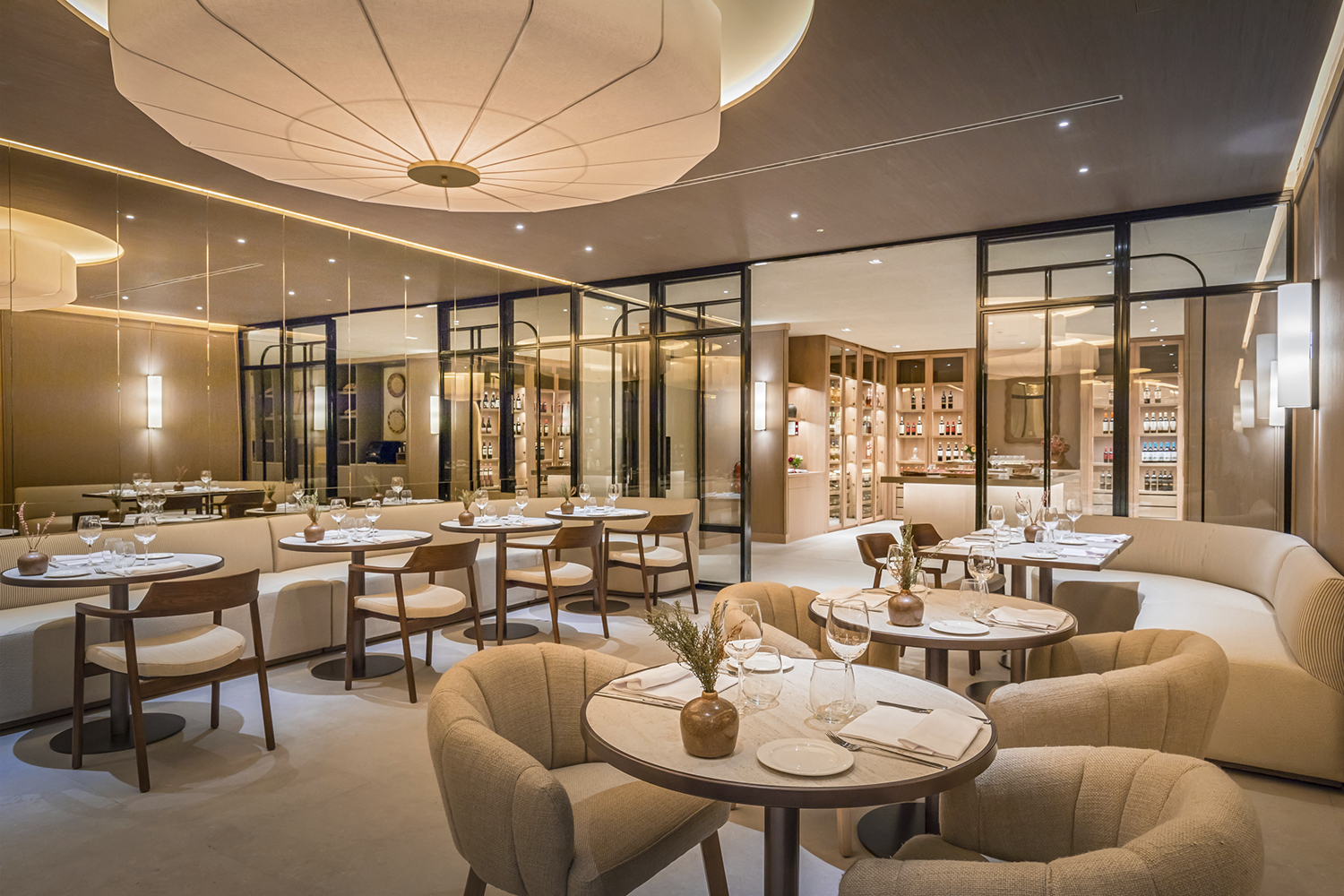
Restaurante Albegui