_435x320?&)

All inclusive

Ask most people about Costa Rica, and you'll hear about volcanoes, cloud forests, and beaches, but rarely about Costa Rican culture. Nature usually gets all the attention, but this Central American country has a rich, layered identity that's also worth exploring

That identity starts with Pura Vida, or Pure Life, the phrase Costa Ricans use to describe not just a mood but a way of being. It shows up as cheerfulness, humility, and quiet pride, and it's shaped by centuries of blending indigenous, Spanish, and Caribbean influences into something entirely its own. While Costa Rica's sustainable tourism and natural beauty draw most of the headlines, digging into the culture of Costa Rica can be just as rewarding as a hike through one of its many national parks or surfing its waves. Museums, theaters, art, folk festivals, and sitting down to a traditional meal will reveal genuinely one-of-a-kind experiences. Get ready to explore Costa Rica’s history and culture. Let’s dive in!
Few artifacts in the Americas are as striking as the stone spheres of Costa Rica. Carved by the pre-Columbian Diquís culture of Costa Rica, likely the ancestors of today's Boruca people, these giant stone spheres measure up to eight feet wide. They’re so precisely shaped that their exact purpose still puzzles archaeologists. UNESCO recognized them as a World Heritage Site, but that status came late. Many were destroyed over the years simply because no one understood what they were looking at.
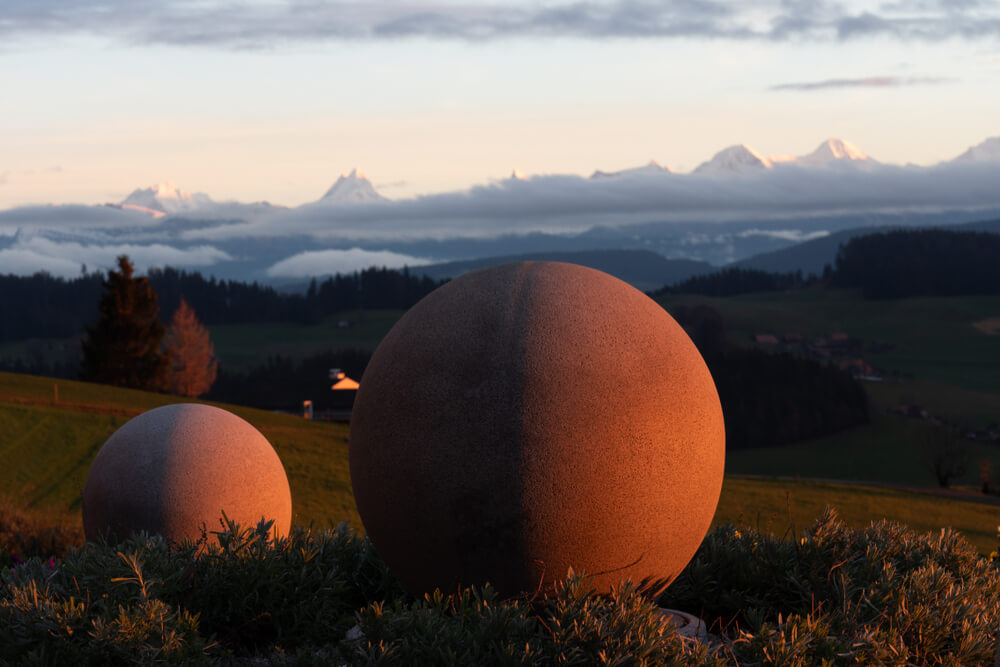
The Stone spheres of Costa Rica
Fortunately, a good number survived intact and are now on display at the National Museum of Costa Rica in San José. The stone spheres of Costa Rica have since become a national symbol, and you'll spot smaller versions decorating public buildings across the country, a quiet nod to one of the most enduring pieces of the country’s indigenous history.
If you're asked to guess where the largest collection of ancient jade in the Americas lives, you'd probably say Mexico or Guatemala, not Costa Rica. But San José's Museo del Jade y de la Cultura Precolombina holds that title, with nearly 7,000 pieces reflecting the creativity, beliefs, and far-reaching trade networks of Costa Rica's indigenous peoples.
The collection ranks among the best cultural sites in Costa Rica, offering a rare look at just how connected pre-Columbian Costa Rica was to the wider civilizations of Mesoamerica. If a visit to bustling San José is on your list, you can't miss this museum, both for the artistry on display and for a deeper look into Costa Rica's history and culture. And, if you need somewhere to stay, check out the 5-star Barceló San José.
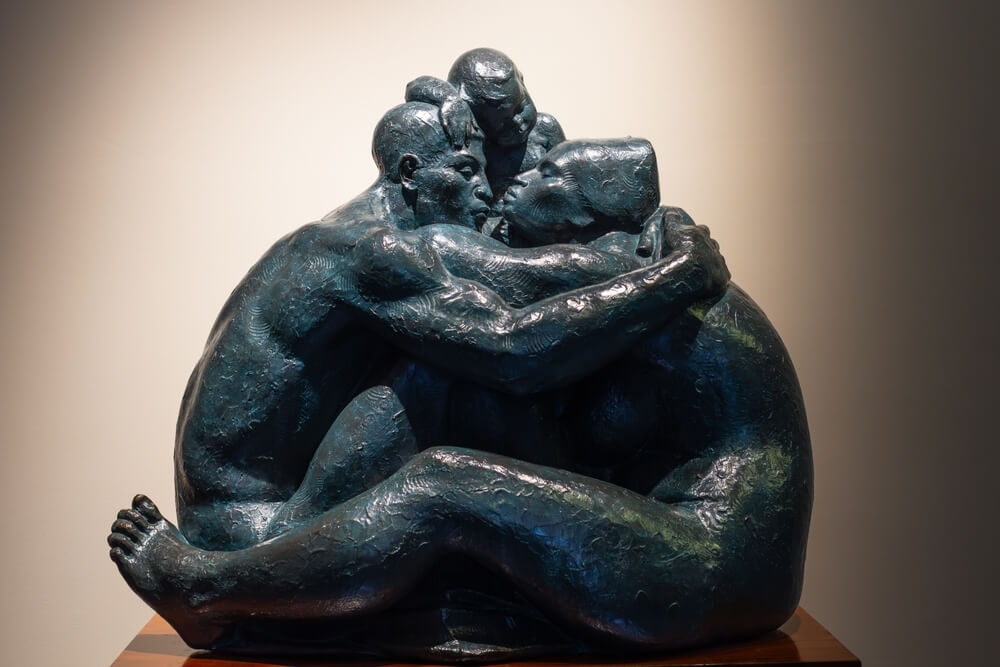
Check out the best collection of precolonial art at the Museo del Jade
The Caribbean side of Costa Rica tells a different cultural story than the rest of the country. Waves of immigrants from Jamaica and other English-speaking islands settled in the Limón region, and their legacy still shapes daily life there. Walk through Limón today, and you'll hear Spanish, Caribbean English, and Mekatelyu, a creole blend of the two, often in the same conversation. It's one of the clearest expressions of Afro-Caribbean culture in Costa Rica anywhere in the country.
In the province of Limón, Spanish, Caribbean English, and a creole language known as Mekatelyu are spoken
Language wasn't the only thing that crossed the water. Calypso music came with those same immigrants, and over generations, it fused with local sounds to create Calypso limonense, a genre sung in both English and Spanish. It’s unlike anything else in Central America and has become one of the defining voices of Black culture in Costa Rica. It remains part of the most popular music genres in the country to this day. Here’s a fun fact: No name is more tied to Costa Rican calypso music than Walter Ferguson, a Limón-born son of Jamaican ancestry. His calypso songs are still played at festivals today.
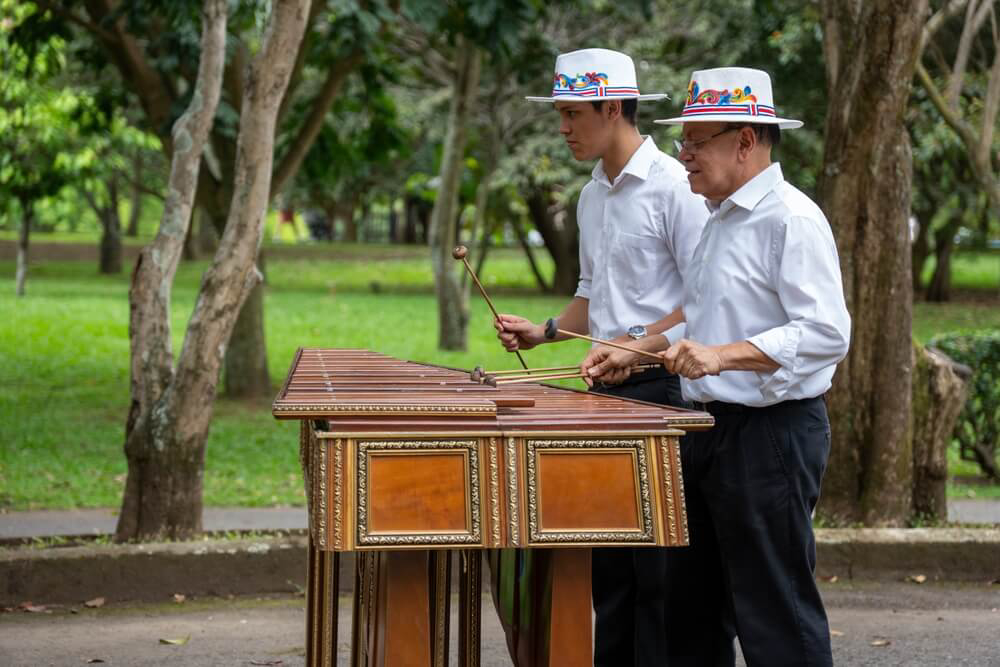
Musicians in Costa Rica
Throughout its history, Costa Rica's economy was built on agriculture, and that history shows up in unexpected places, like the sides of an ox cart. Coffee, bananas, and cacao all needed transport, and the carts used to move them became a canvas. Over time, plain wooden wheels turned into elaborate, brightly painted works of folk art, giving rise to what's now recognized as one of the best displays of Costa Rica’s traditional art.
UNESCO now protects this craft as an Intangible Cultural Heritage, and the town of Sarchí remains its spiritual home, still producing hand-painted oxcarts using techniques passed down for generations. Every second Sunday in March, San Antonio de Escazú hosts Día de Boyero (Day of the Oxcart Driver), where the carts, and the intricate designs that define them, take center stage.
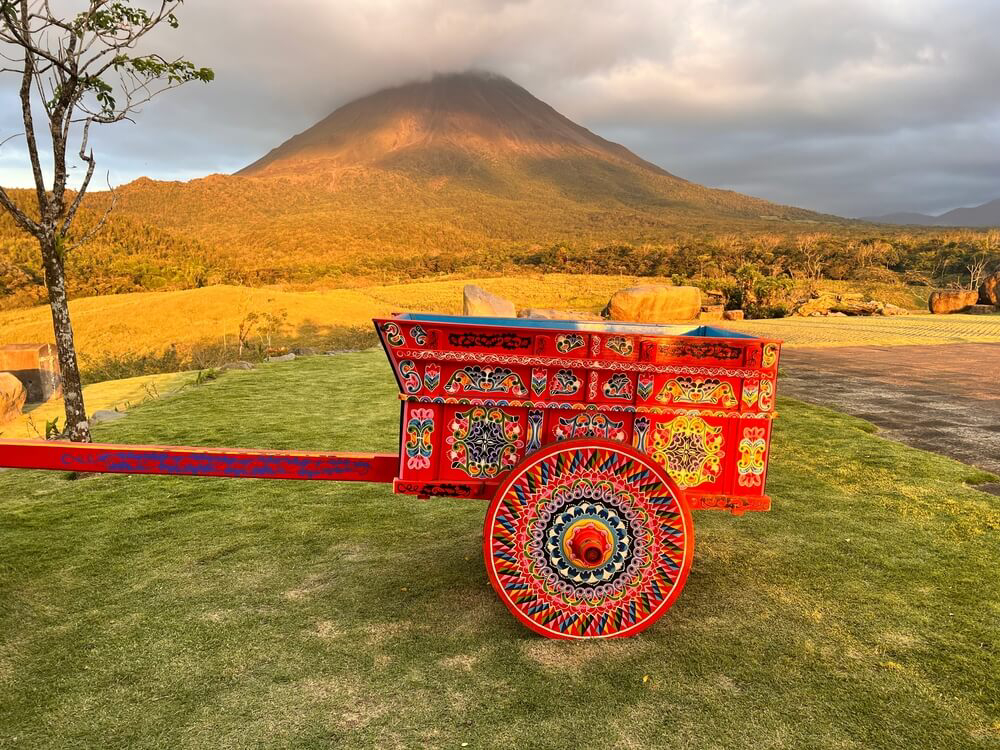
One of Costa Rica’s painted oxcarts
Of Costa Rica's indigenous groups, the Boruca, have held onto their identity with unusual staying power. Living on a reservation in Puntarenas, they've kept traditions alive that stretch back centuries, most visibly through hand-carved balsa wood masks. These aren't just souvenirs. They're central to the Juego de los Diablillos, a festival where Boruca dancers wear the masks to reenact their ancestors' resistance against Spanish conquest, playing the role of diablitos, or "little devils."
The festival runs every year from December 30 to January 2, with a second celebration on the first weekend of February at the Rey Curré Reserve, giving visitors two real chances to experience it firsthand. It's become one of the more striking examples of living Costa Rican indigenous art, and the festival is increasingly drawing crowds well beyond the Boruca community.
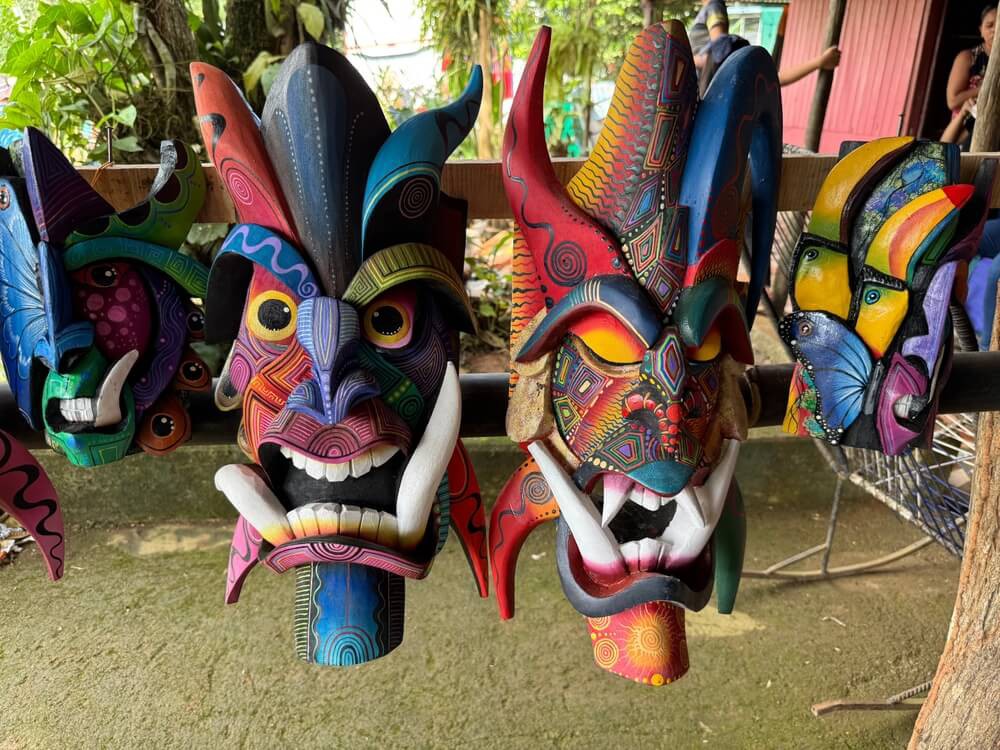
An example of Costa Rican indigenous art: A Boruca mask
If any indigenous group in Costa Rica has preserved its way of life most intact, it's the Bribri. Their remote location in the Talamanca Mountains kept them largely outside the reach of colonial administration, and that isolation helped protect not just their customs but their language, something few other groups managed to hold onto.
Agriculture, particularly cacao and banana farming, still anchors Bribri life today. Homes tend to be spread far apart across the territory, but that hasn't dulled their hospitality. Several Bribri reserves welcome visitors, making this one of the more meaningful cultural tours Costa Rica has to offer for travelers who want more than a surface-level experience. It's a rare, unfiltered look at just how much indigenous heritage the country has managed to hold onto.
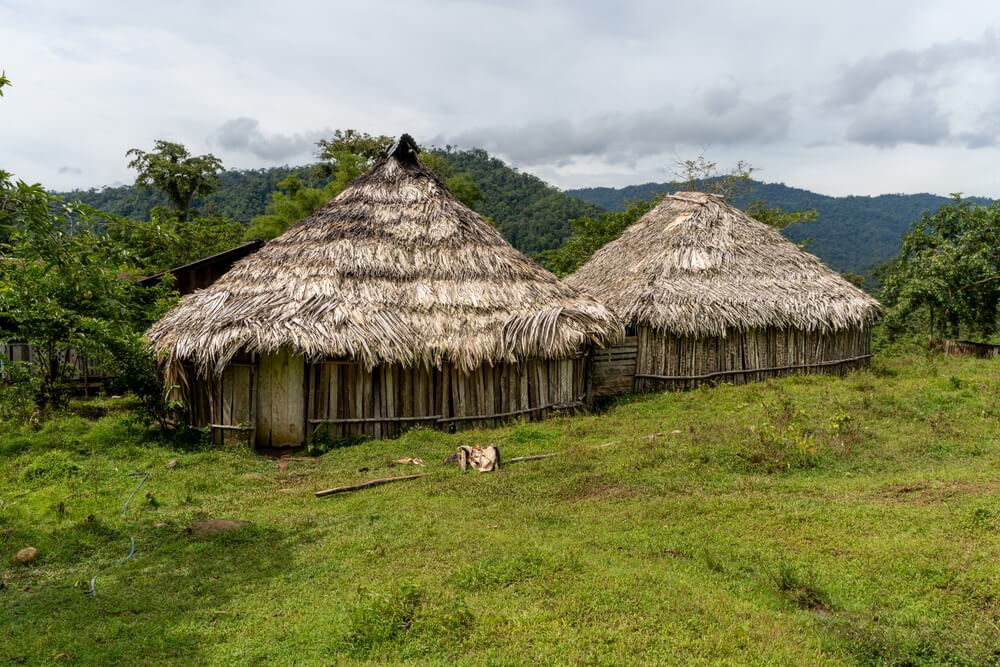
Biribri cabin in Talamanca
No exploration of Costa Rican culture is complete without a seat at the table. Food here is simple, hearty, and deeply tied to the land, a reflection of the same Pura Vida philosophy that defines the rest of the country. The most iconic dish is gallo pinto, a mix of rice and beans seasoned with salsa lizano, eaten by nearly every Costa Rican family to start the day. At lunch and dinner, the casado reigns supreme, a plate of rice, beans, plantain, salad, and a choice of protein that varies from home to home but always follows the same comforting formula.
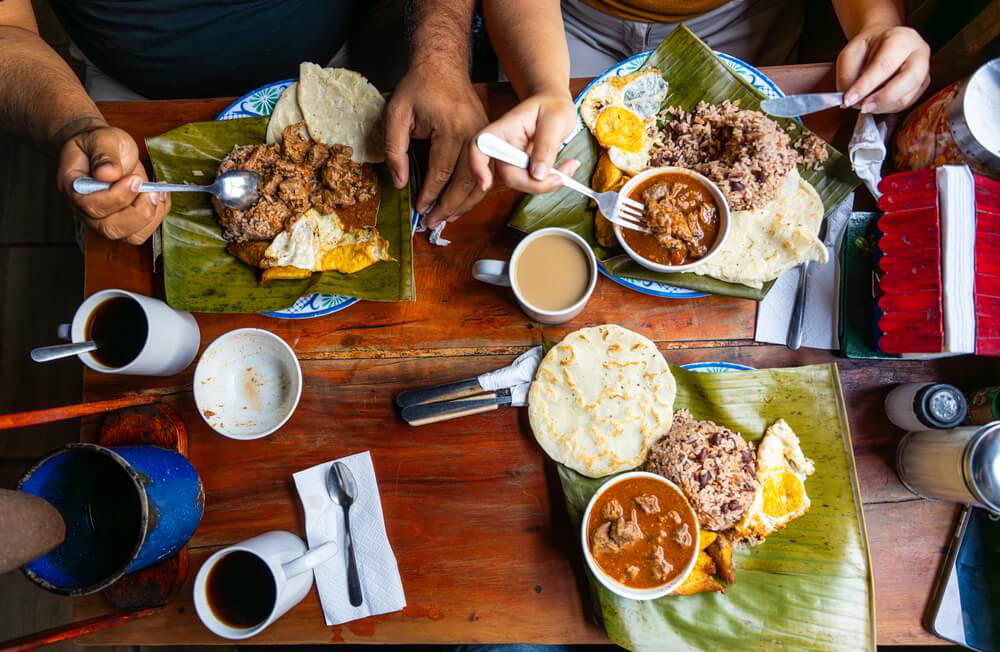
Gallo pinto
Just as Costa Rican culture shifts from region to region, so does its food. On the Caribbean coast, Afro-Caribbean immigrants' influence shows up in every meal, most famously in rice and beans cooked in coconut milk, a dish so distinct from the Pacific-side counterpart that it has its own name and devoted following. Guanacaste, meanwhile, holds onto its indigenous roots through corn-based dishes like tamales and chorreadas, direct descendants of Chorotega cooking traditions. And no conversation about Costa Rican food and culture would be complete without coffee, a crop so central to the country's identity that entire regions built their economies, festivals, and even their oxcart traditions around it. Whether it's a roadside soda or a high-end San José restaurant, a meal here is always, in some way, a taste of the country's history.



Subscribe to the Barceló Hotel Group newsletter to not miss out on anything!
Offers, special deals, news….