



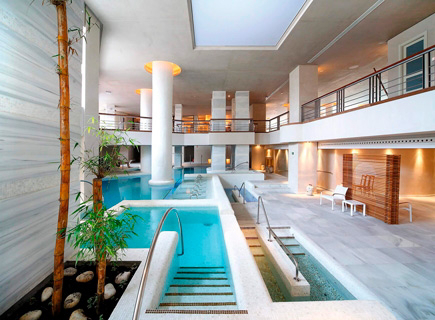

Sights in Budapest: unmissable attractions in the Pearl of the Danube
Sitting spectacularly astride the Danube River, Budapest must rank among Europe’s most elegant cities. Join us on a tour of its panoramic hilltops, imperial architecture, historic thermal baths and cool modern side

Table of contents
1.
2.
3.
4.
5.
6.
7.
8.
9.
10.
11.
Few European capitals combine history, architecture and atmosphere quite like Budapest. Bisected by the mighty Danube, Hungary’s captivating capital brings you grand boulevards, ornate palaces, historic cafés and steaming thermal baths, all set against a backdrop of rolling hills and spectacular river views. Whether wandering medieval streets and traditional markets or watching the city lights dance on the water, it’s easy to see why many sights in Budapest hold UNESCO World Heritage status.
Formed in 1873 when Buda, Pest and Óbuda merged into a single capital, the grandeur that beguiled artists, intellectuals and the cream of European society in the 19th century has visitors flocking in again today. The attractions in Budapest range from majestic Gothic and Baroque monuments to quirky “ruin bars” and leafy riverside havens. Get a flavour of the city with our list of things to see in Budapest.

Explore Buda Castle District
Kick off your Budapest adventure on the western bank of the Danube, where Castle Hill rises above the city. Its cobbled streets, buildings steeped in history and atmospheric squares are a portal to another era. And the views across the river are stunning.
At the district’s heart stands Buda Castle, a former royal residence whose origins date back to the 13th century. Rebuilt and remodelled over the years, the vast complex now hosts cultural treasures like the Hungarian National Gallery and Budapest History Museum. Even if museums aren’t your thing, the stately architecture, castle grounds and panoramic vistas are worth the climb (or funicular ride) alone.
Nearby, Fisherman’s Bastion could be lifted from a fairy tale. The white stone terraces, pointed turrets and decorative arches make a striking backdrop for photos, with the Parliament sitting proudly across the river. From there, hop over to historic Matthias Church with its tall spire, colourful tiled roof and singular Gothic designs. Be sure to step inside to marvel at the majestic interior.
And remember, allow plenty of time to wander the district’s narrow lanes, chance upon tucked-away courtyards and pause at a café overlooking the Danube.
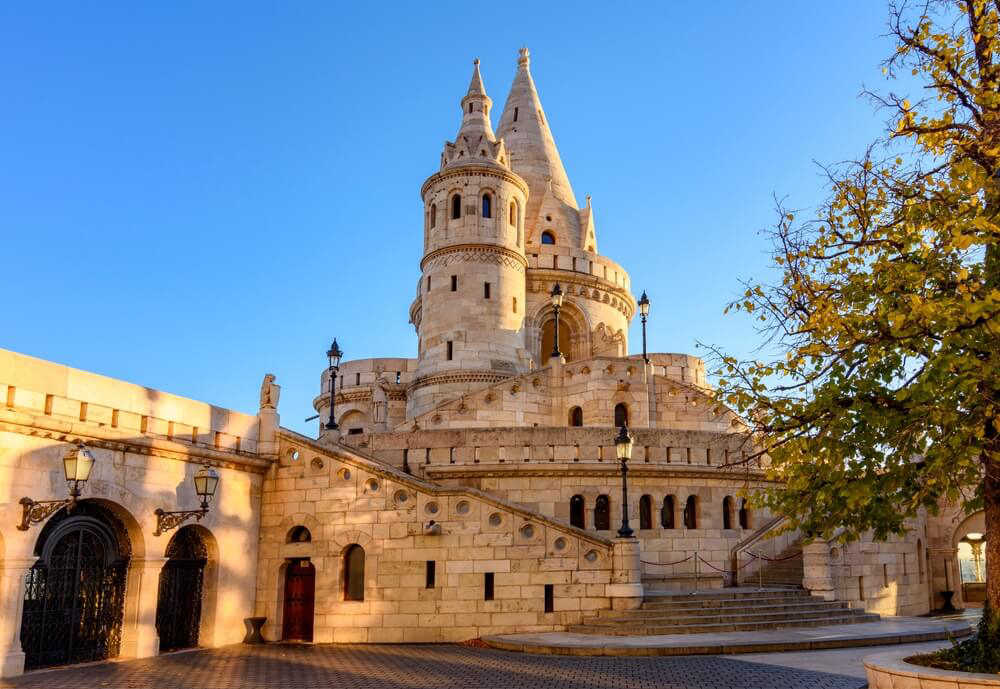
The fairy-tale towers and turrets of Fisherman’s Bastion
Survey the sights in Budapest from Gellért Hill
For a different, but equally unforgettable perspective on the Buda side, head up Gellért Hill. Rising above the river, this green hillside offers sweeping views of the bridges, Parliament and stunning cityscape. A bus can take you most of the way.
Once there, the elevated viewpoints offer excellent opportunities for snaps and selfies. The hill is named after St Gellért, a martyred missionary associated with Hungary’s conversion to Christianity. A monument commemorating him stands on its slopes, while the recently renovated Citadel and Liberty Statue are the main event at the summit.
It’s worth visiting at golden hour, when the changing light draws out the colours of the buildings and the Danube begins to sparkle below, making it one of the essential places to visit in Budapest.
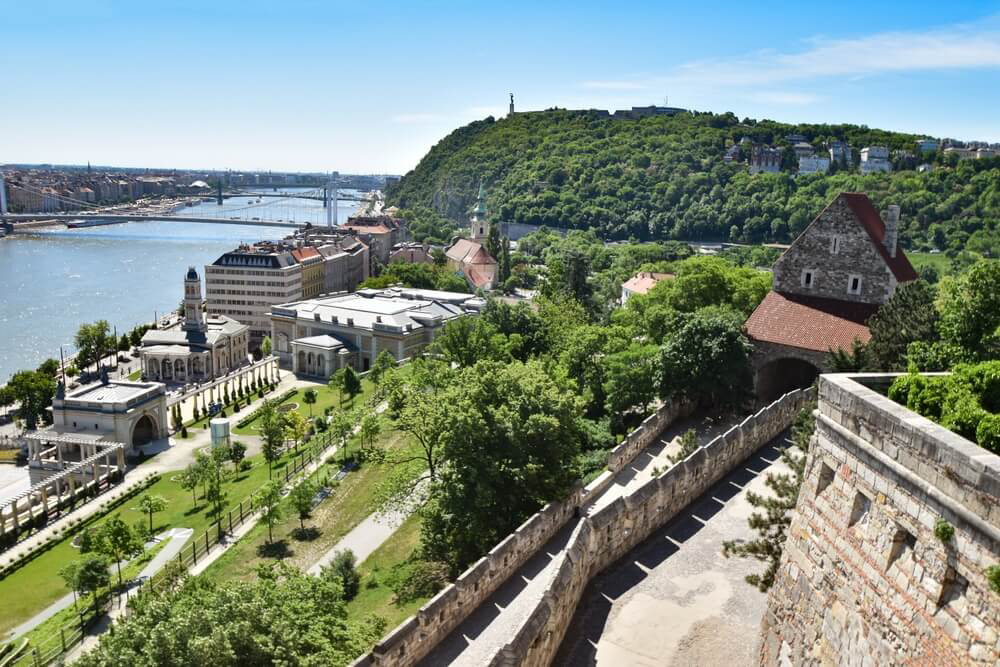
Gellért Hill, overlooking the Danube
Cross the iconic Chain Bridge
Linking hilly Buda and flat Pest, the Széchenyi Chain Bridge is both a feat of engineering and a symbol of Hungary’s capital. Designed and built by Britons, it was the brainchild of revered reformer István Széchenyi. On opening in 1849 it became the first permanent connection between the two sides of the city across the Danube.
Imposing stone towers and enormous suspension chains make it an architectural wonder in its own right. At either end, stone lions guard the crossing, only adding to its grandeur.
Of all the sights in Budapest, walking the bridge is one of the simplest pleasures. You’re likely to cross it several times during your stay, so stop to take in the construction, the skyline on both sides and river life going on below. After dark, the illuminated bridge provides a particularly beautiful snapshot of the city.
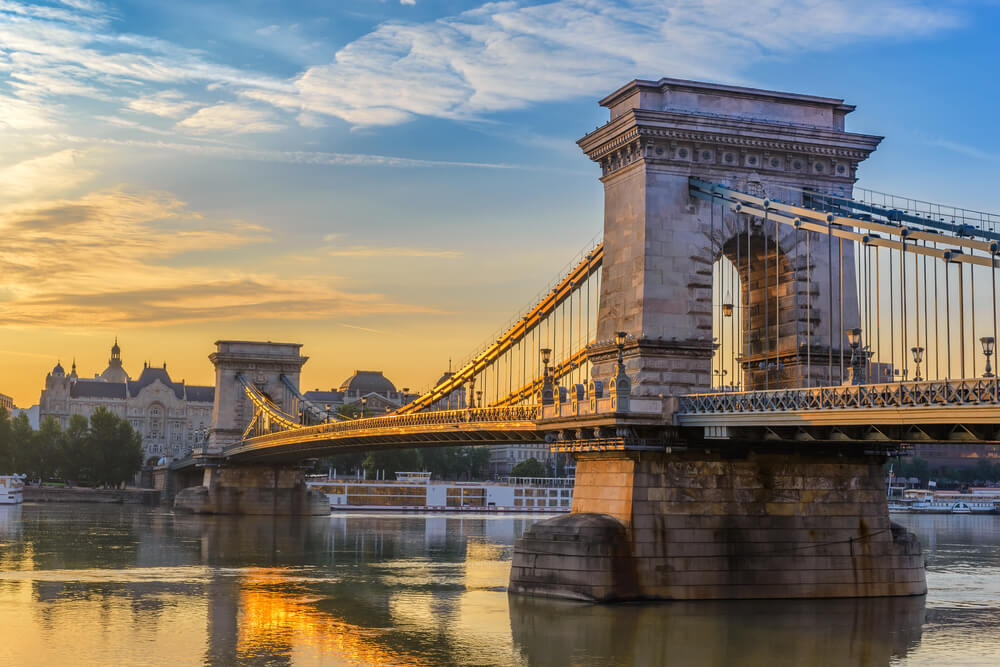
Budapest’s iconic Chain Bridge
Admire the Hungarian Parliament Building
If Budapest has one standout visual symbol, it’s the Hungarian Parliament. Stretching majestically along the Pest riverbank, this monumental Neo-Gothic masterpiece is one of the top things to see in Budapest.
Completed in 1904, the building features an elaborate façade, countless spires and a magnificent central dome. The design took inspiration from London’s Palace of Westminster, though suffice to say it has a character all its own.
The Parliament is impressive from just about every angle, but the view from Buda is particularly spectacular. Visit at dusk to watch the façade light up the riverbank, creating one of the most recognisable sights in Budapest. Alternatively, catch it during a Danube River cruise.
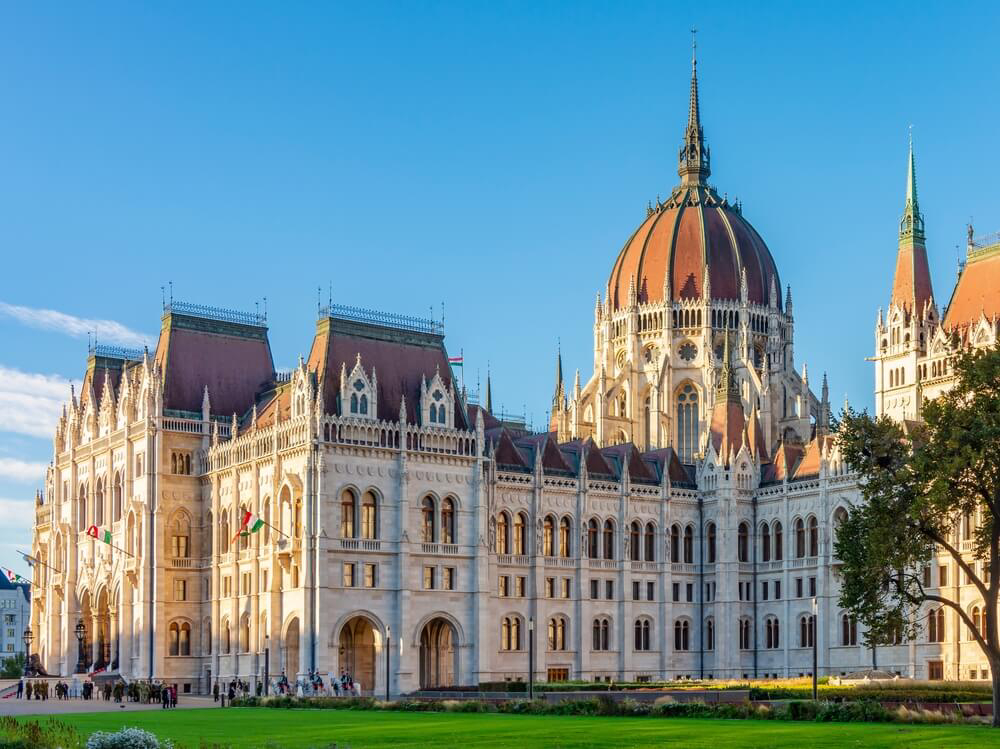
The Hungarian Parliament is among Budapest’s most recognisable landmarks
Visit St Stephen’s Basilica
In the heart of Pest, St Stephen’s Basilica is one of the most striking religious sites in Budapest. It’s dedicated to the first king of Hungary, Stephen I, venerated as the country’s patron saint.
Finally completed in 1905 after decades of construction, the basilica combines monumental proportions with elegant Neo-Renaissance architecture. Inside, elaborate decorations, religious artworks and marble details create an ambience of solemn grandeur.
One of its most unusual treasures is the preserved right hand of St Stephen, displayed as a religious relic. Visitors can also climb to the dome’s viewing terrace for another perspective of the magnificent skyline.
After exploring the basilica, take a stroll through the surrounding streets, where pavement cafés, restaurants and boutiques make this a great area to linger.
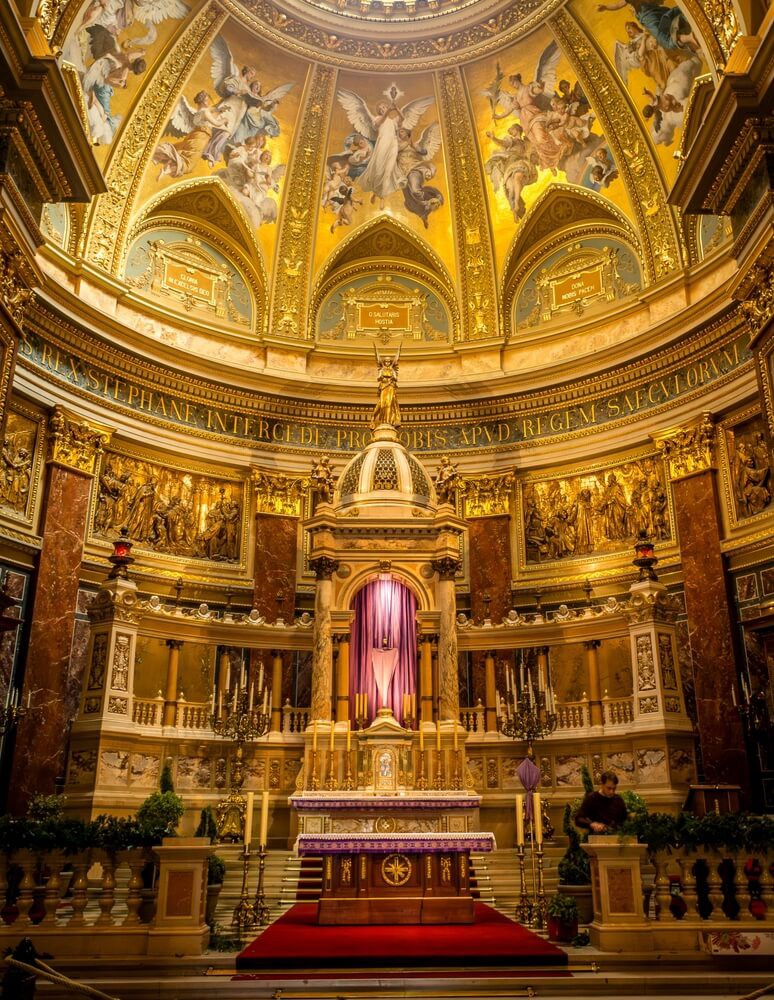
St Stephen’s Basilica is one of the most important religious buildings in Budapest
Discover the Jewish Quarter and its “ruin bars”
Budapest’s Jewish Quarter, in District VII, is a fascinating combination of heritage, architecture and contemporary nightlife.
The district, also known as Erzsébetváros or Elizabeth Town, formed the heart of the city’s vibrant Jewish community and suffered terribly during the Second World War, when the Nazis established a ghetto here. Its historic buildings and synagogues preserve a vital part of Budapest’s story.
The Great Synagogue on Dohány Street is the neighbourhood’s centrepiece. Built in the 19th century in a striking Moorish Revival style, it is the largest synagogue in Europe and well worth visiting for its architecture and historical significance.
The neighbourhood has also become famous for its “ruin bars”. These hip, off-the-wall hangouts occupy former courtyards and abandoned buildings now transformed with mismatched vintage furniture, colourful murals and funky decor.
Visit during the day to appreciate the district’s architecture and history, then return after dark to experience the buzzing bars and restaurants. It’s a wonderful example of how Budapest balances remembrance with modern urban culture.
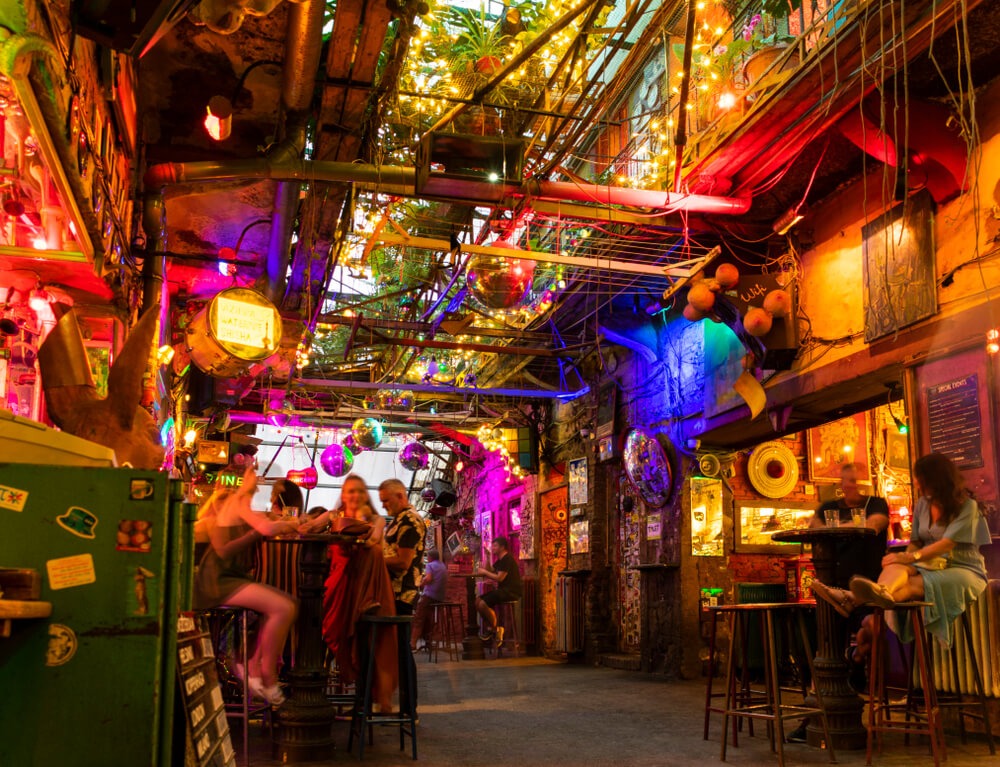
Budapest’s “ruin bars” are a must-see in the historic Jewish Quarter
Experience Budapest’s famous thermal baths
No list of top sights in Budapest would be complete without dipping into its thermal baths. Thanks to natural hot springs beneath the city, thermal bathing has been part of local culture since Roman times, with the tradition enjoying a revival during the Ottoman period.
Today, the thermal baths offer everything from historic Turkish-style bathing rooms to grand complexes with outdoor pools and elaborate architectural finery.
The Széchenyi Baths, in City Park (Városliget), are among the most famous. Bright yellow Neo-Baroque buildings enclose outdoor pools where visitors can soak in warm water, even when winter temperatures drop. It’s particularly atmospheric to enjoy the baths on a chilly day, relaxing as the steam rises into the cold air.
Whether it’s an afternoon of wellness treatments you’re after or just an hour or so to relax, a visit to the thermal baths is one of the most memorable, unique things to do in Budapest.
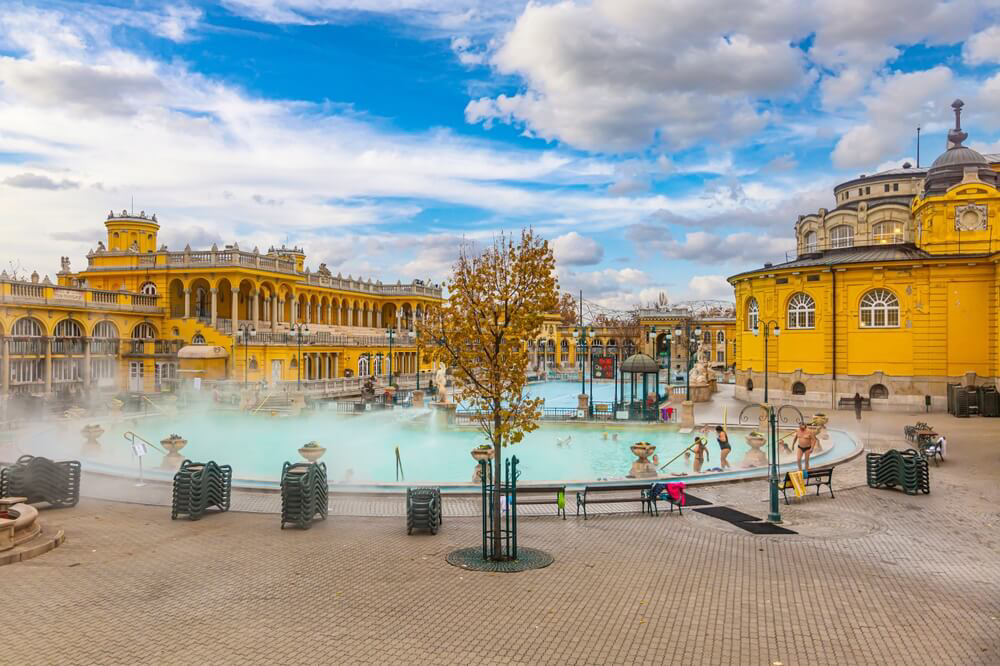
Make sure you visit a thermal bath while in Budapest
Take a break on Margaret Island
For an alternative change of pace, escape to Margaret Island, a tranquil green space nestled in the Danube between Buda and Pest.
Popular with locals and visitors alike, the island offers landscaped gardens, tree-lined paths and open spaces ideal for a leisurely stroll. Attractions include the remains of a medieval Dominican convent, a historic water tower and a musical fountain.
Hire a bike or just explore on foot, stopping every now and then to admire the gardens and riverside views. During warmer months, it’s one of the best places to go in Budapest for picnics, outdoor exercise or relaxed afternoons away from the city bustle.
And Margaret Island is among the most fun places in Budapest if you’re travelling with children, especially as Palatinus Bath operates kid-friendly outdoor pools in the spring and summer.
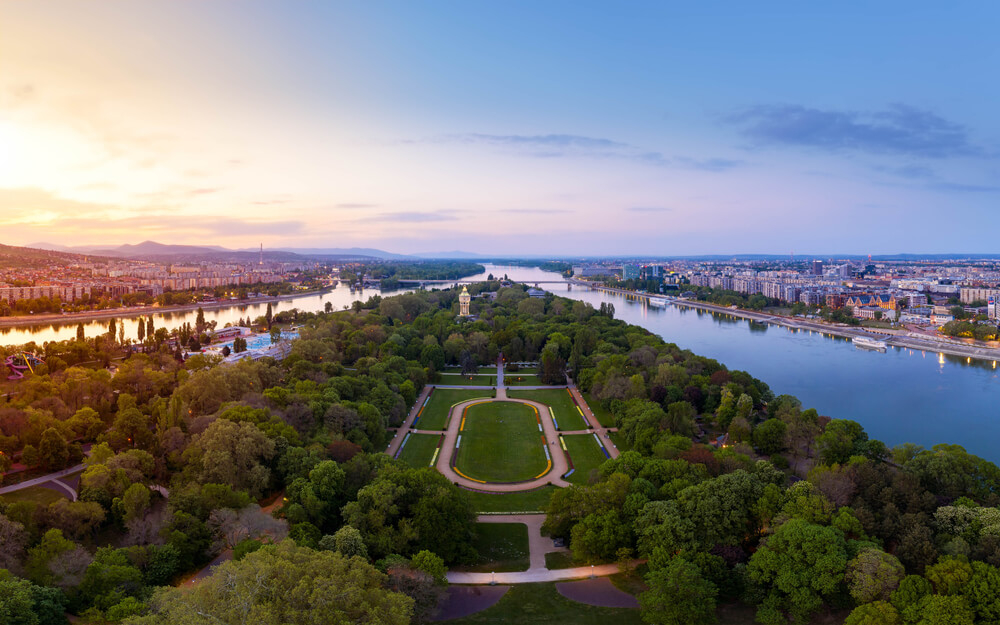
Escape the bustle of Budapest on Margaret Island
Marvel at the Hungarian State Opera House
To stroll Andrássy Avenue, Budapest’s grandest boulevard, is to wander an open-air gallery of elegant edifices, chic boutiques and cultural landmarks. The jewel in the crown amid all this splendour is the Hungarian State Opera House.
Completed in 1884, the building is celebrated for its Neo-Renaissance architecture, ornate façade and lavish interior. Marble staircases, sumptuous decoration and elaborate ceiling paintings create a suitably theatrical setting for one of Hungary’s greatest cultural institutions.
The building is slightly smaller than the Vienna State Opera, reportedly at the insistence of Emperor Franz Joseph I, who helped bankroll construction on that condition.
Architecture buffs will love a guided visit but booking tickets for a performance is even better. For some, experiencing opera or classical music inside this storied venue will be the highlight of the things to see and do in Budapest.
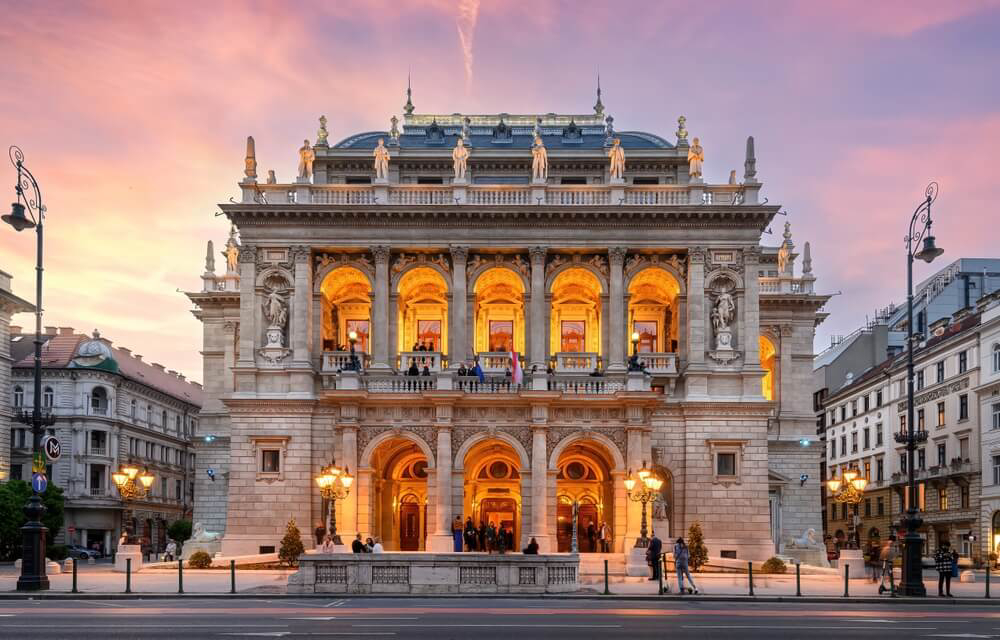
The Hungarian State Opera House is one of Budapest’s most impressive cultural landmarks
Explore the Great Market Hall
For a taste of Budapest’s culinary side, head to the Great Market Hall near Liberty Bridge. Housed in an august old building, this bustling indoor market is packed with colourful stalls selling fresh produce, spices, meats and traditional goodies.
Paprika is everywhere, reflecting its importance in Hungarian cooking, while shelves of salami, pickled vegetables and local sweets make tempting souvenirs or gifts.
Move upstairs to sample traditional dishes and enjoy a casual introduction to the country’s food culture. Look out for goulash, a hearty paprika-seasoned soup, and lángos, a deep-fried flatbread often topped with sour cream and cheese.
The market is more than one of the sights in Budapest; it’s a fascinating glimpse into everyday life in the Hungarian capital.
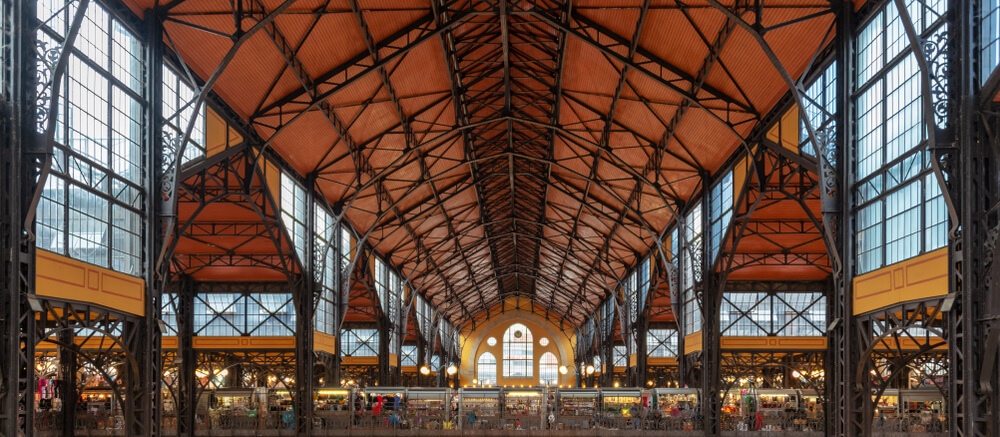
The Great Market Hall is a great place for Hungarian fresh produce and traditional dishes
Step into Budapest’s historic coffee houses
Much like in Vienna, Budapest’s coffee-house tradition flourished during the 19th century, when elegant cafés became vibrant meeting places for writers, artists and intellectuals. Today, following a downturn under communism, several historic establishments have been lovingly restored to their old-world splendour.
The New York Café is renowned for its opulent interiors, while Café Gerbeaud is a classic choice for coffee and traditional pastries, and Café Párisi’s arcade provides another glorious setting. The common thread is the chance to slow down and indulge yourself.
Order a coffee and a slice of Hungarian cake, settle into the sophisticated surroundings and watch the world go by. When many of the must-visit places in Budapest are grand monuments, these cafés put a different slant on sightseeing, one best savoured slowly.
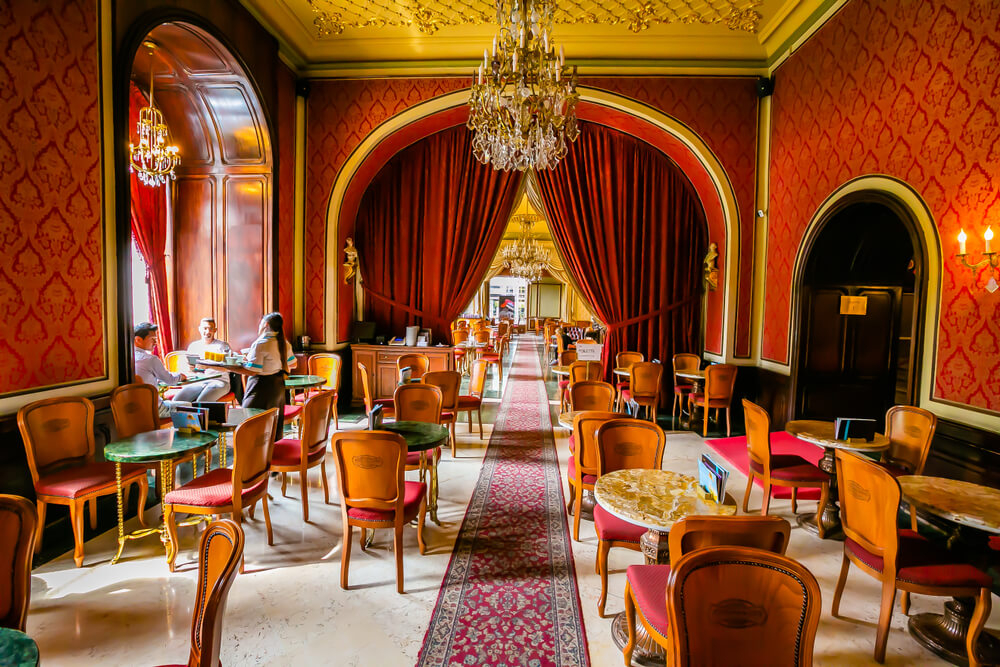
Treat yourself to coffee and cake at one Budapest’s historic coffee houses
Latest articles
Wedding

More Destinations

Lifestyle
2026
Children
Mexico
More Destinations
Beach vows, tropical bouquets, and honeymoon bliss: your Aruba or Punta Cana wedding
Go to article
Browse our pick of Cyber Monday travel specials
Go to article
From Egypt to the Caribbean, get ready to score the top Black Friday travel deals
Go to article
From Egypt to the Caribbean, get ready to score the top Black Friday travel deals
Go to article
Fancy a quick trip away with the kids? Check out these family-friendly cities in Europe
Go to article
Discover the best beaches, charming towns, and excursions in Nayarit
Go to article
Get a taste of this vibrant Southeast Asian hub with our guide
Go to article

Table of contents
1.
2.
3.
4.
5.
6.
7.
8.
9.
10.
11.
Latest articles
Wedding
More Destinations
Lifestyle
2026
Children
Mexico
More Destinations
Beach vows, tropical bouquets, and honeymoon bliss: your Aruba or Punta Cana wedding
Go to article
Browse our pick of Cyber Monday travel specials
Go to article
From Egypt to the Caribbean, get ready to score the top Black Friday travel deals
Go to article
From Egypt to the Caribbean, get ready to score the top Black Friday travel deals
Go to article
Fancy a quick trip away with the kids? Check out these family-friendly cities in Europe
Go to article
Discover the best beaches, charming towns, and excursions in Nayarit
Go to article
Get a taste of this vibrant Southeast Asian hub with our guide
Go to article