

_435x320?&)
Attractions in Kuala Lumpur: get the most out of Malaysia’s capital
Futuristic skyscrapers, temples nestling among ancient caves, busy, buzzing street markets, Kuala Lumpur knows how to stir the senses. The Malaysian capital is an intense, affordable and surprisingly easy city to explore – once you know where to go

Kuala Lumpur is a city of contrasts: soaring, ultramodern skyscrapers stand alongside centuries-old temples, bustling street markets sit just minutes from sprawling shopping malls, and Malay, Chinese and Indian flavours combine deliciously on the same plate. Malaysia’s capital may not always rank among Southeast Asia’s first-choice destinations, but there’s no shortage of attractions in Kuala Lumpur to make it much more than a stopover.
With a little planning – and help from us – it’s easy to experience the city like a local. So, pack your bags and get ready to discover the best places to visit in Kuala Lumpur, one of Asia’s most fascinating and multicultural capitals.
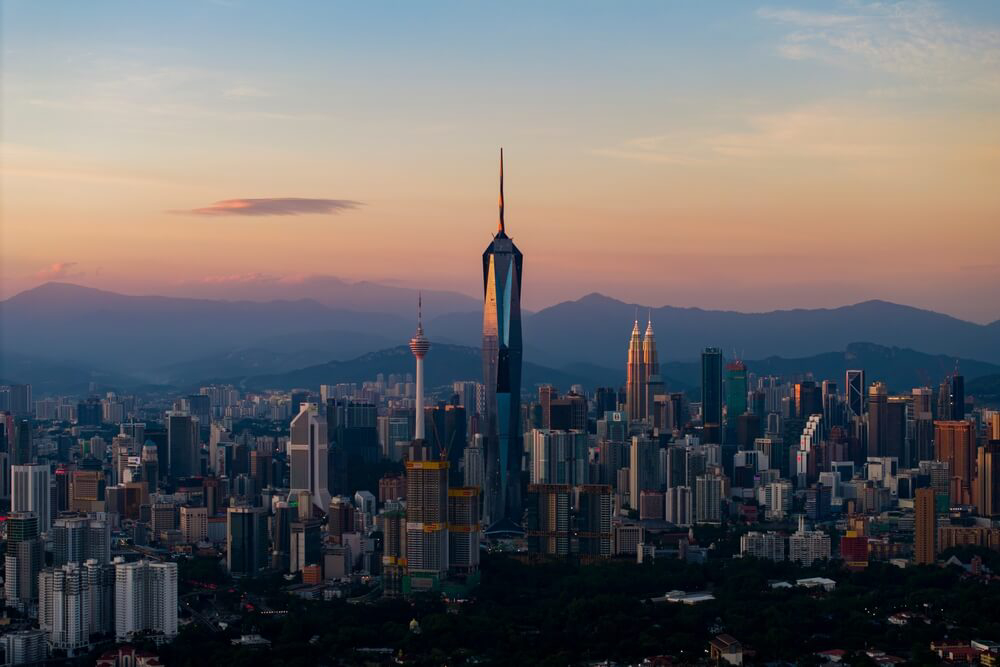
Ultramodern skyscrapers are a standout feature of Kuala Lumpur
When’s the best time to see the Kuala Lumpur sights?
Kuala Lumpur has an equatorial climate. Expect warm weather, high humidity and the possibility of rain year-round. Daytime temperatures generally hover around 30°C, which means your packing list won’t change dramatically from one season to another.
The May to August period can be a good time to visit because that’s generally the time with the lowest rainfall and clearest skies for Kuala Lumpur sightseeing, although there’s no guarantee of uninterrupted sunshine. Tropical downpours are common and strike suddenly, often lasting for an hour or so before giving way to cooler, fresher air. A small umbrella or lightweight waterproof jacket can be just as useful as sunscreen.
December to February can also be appealing, particularly for those interested in experiencing Kuala Lumpur’s cultural celebrations. The Chinese New Year, for instance, always brings colourful festivities to certain neighbourhoods between January and February.
Ramadan and Hari Raya, which marks the end of the month of fasting, add another fascinating dimension to the things to see in Kuala Lumpur. Check the calendar before booking though, as the dates change each year.
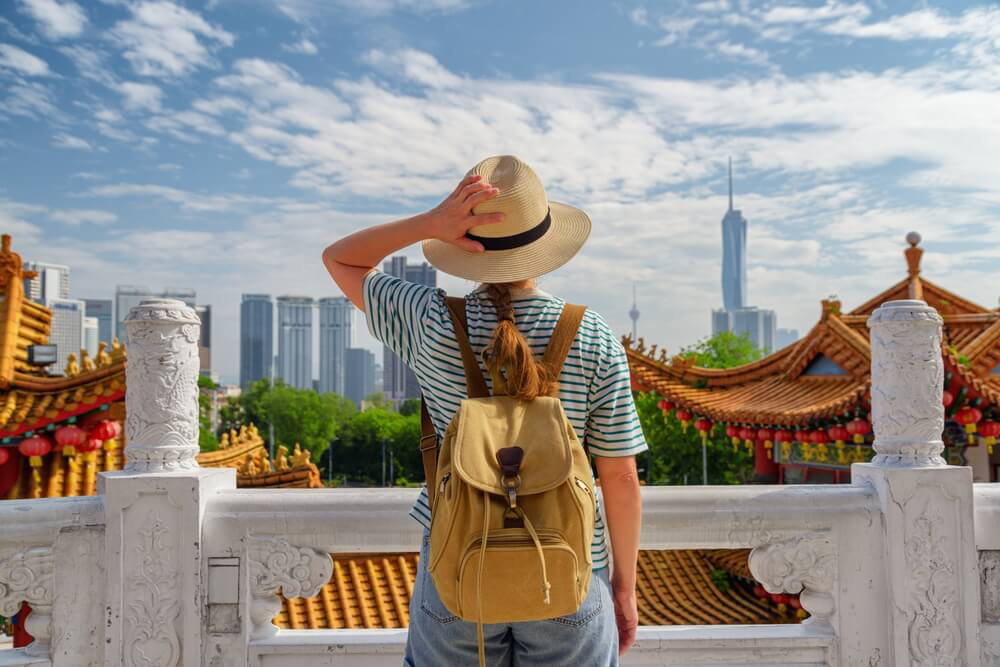
Kuala Lumpur is warm and humid year-round
Are the things to see and do in Kuala Lumpur expensive?
One of the great things about visiting Kuala Lumpur is its affordability. You can enjoy good-quality hotels, excellent cuisine and efficient public transport without paying anything like the prices found in some other Asian capitals.
Once you arrive, food is one of the simplest – and enjoyable – ways to keep costs down. At hawker centres, food markets and small local restaurants, you can sample delicious Malay, Chinese and Indian dishes that are as easy on your pocket as they are a treat for your taste buds.
If your budget allows, there are also contemporary restaurants, rooftop cocktail bars and sophisticated dining experiences that are surprisingly good value too.
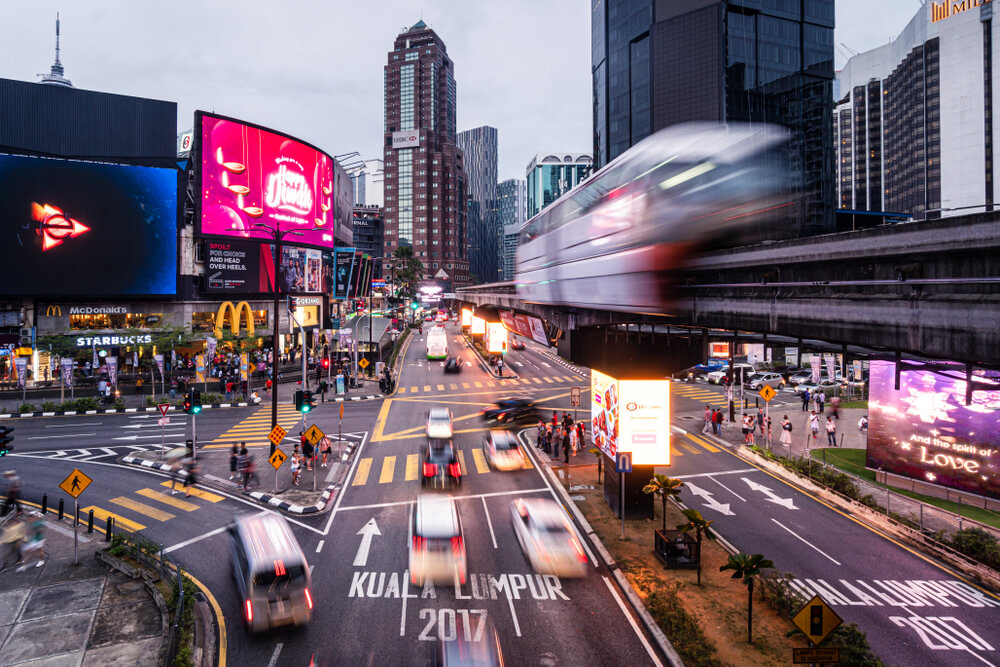
Kuala Lumpur is a modern but affordable city
Are the places to visit in Kuala Lumpur safe?
Kuala Lumpur is generally a safe destination for international visitors. The city boasts an extensive public transport network, busy tourist districts and infrastructure designed to welcome travellers.
As in any major city, however, it’s best to take a few simple precautions. Keep an eye on your belongings, avoid poorly lit or isolated areas at night and take extra care in crowded places. It’s also wise to have comprehensive travel insurance, as private healthcare can be expensive should you require hospital treatment or specialist care.
Using official taxis or reputable ride-hailing apps is recommended. Beyond that, common sense goes a long way!
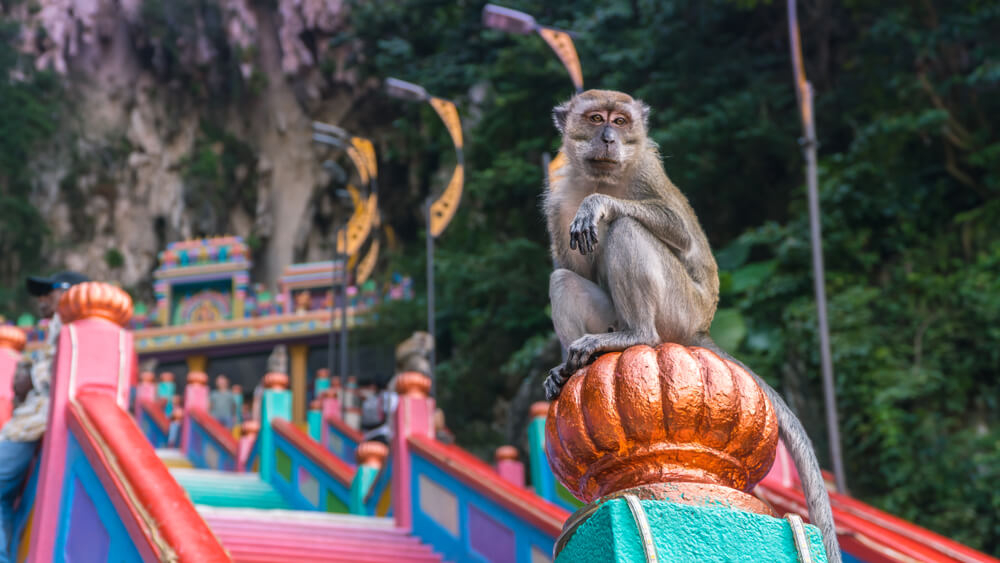
Watch out! Cheeky macaques can swipe belongings at KL’s Batu Caves
What are the attractions in Kuala Lumpur?
Kuala Lumpur is a sprawling city, with attractions spread across very different neighbourhoods. The sensible approach is to organise your days geographically and group nearby sights together. Trying to squeeze the Petronas Towers, Batu Caves, Chinatown and Little India into a single morning will simply leave you spending more time travelling than enjoying the best places to visit in Kuala Lumpur.
It’s also worth carrying some cash along with your card for markets and smaller businesses. And most importantly, explore Kuala Lumpur with an appetite. Sampling nasi lemak, satay, laksa, roti canai and teh tarik is an essential part of discovering the capital’s captivating multicultural character.
The Petronas Towers
The Petronas Towers are undoubtedly the city’s great icon and one of the must-visit places in Kuala Lumpur. Rising a dizzying 451.9 metres above the city, their gleaming steel-and-glass façades remain one of the most recognisable sights in Southeast Asia.
A visit takes you to the Skybridge, which connects the two towers on the 41st and 42nd floors, before continuing to the observation deck higher up. From here, Kuala Lumpur stretches out below you in a fascinating mixture of broad avenues, futuristic buildings, residential neighbourhoods and pockets of tropical greenery.
It’s best to book ahead if possible, particularly for weekends and holiday periods, as popular time slots and visiting options can sell out.
Afterwards, head into KLCC Park and linger until sunset. As darkness falls and the towers light up, the skyline transforms into one of the city’s most spectacular sights. Soak up the atmosphere while the surrounding park fills with families, travellers and groups of friends making the most of the cooler evening air.
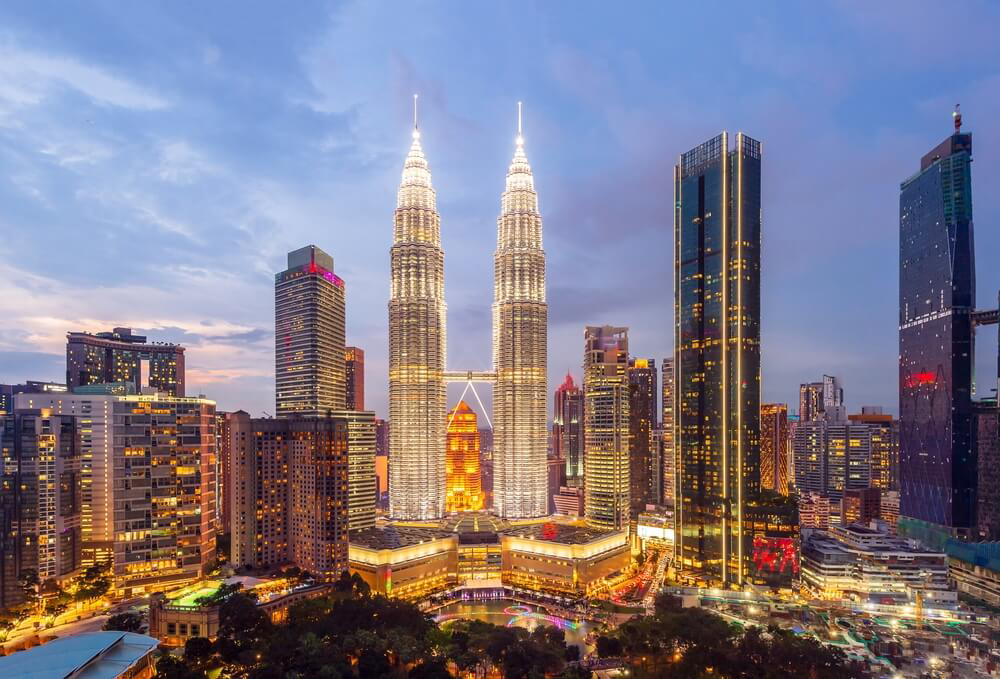
The Petronas Towers are an icon of the Malaysian capital
Batu Caves
Around 13 kilometres (8 miles) north of the city centre lies a very different landscape and another standout among Kuala Lumpur tourist attractions. The Batu Caves are a spectacular complex tucked inside a 400-million-year-old limestone mountain and home to one of Malaysia’s holiest Hindu pilgrimage sites.
The entrance is dominated by a gigantic, 43-metre-high golden statue of the Hindu god Murugan, standing at the foot of the colourful rainbow stairs comprising 272 brightly painted steps. At the top, the Temple Cave opens into an enormous natural cavern where shafts of sunlight illuminate shrines and altars among the rock.
Entry to the main caves is free, and the site can easily be reached by KTM Komuter train from KL Sentral.
Arrive early if you can, to beat the heat and the crowds – it’s one of the most popular attractions in Kuala Lumpur. And watch your belongings. The resident wild macaques have earned themselves a reputation for pilfering food, bottles and almost anything else that catches their eye!
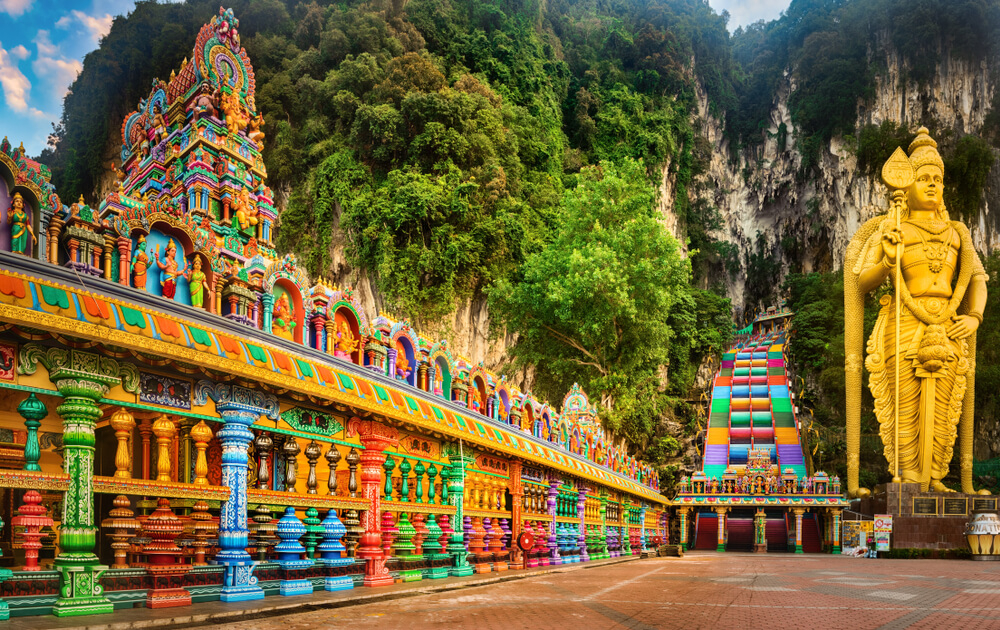
The Batu Caves are a must-see on a visit to Kuala Lumpur
Merdeka Square and around
If the Petronas Towers are a symbol of modern Kuala Lumpur, Merdeka Square and its surroundings tell the story of the city before the skyscrapers. A visit ranks among the top things to do in Kuala Lumpur.
This historic square was where the Malaysian flag was raised for the first time following independence in 1957. Today, it’s the centrepiece for some of the city’s finest colonial-era buildings.
The highlight is the Sultan Abdul Samad Building, constructed in the late 19th century and recognisable by its distinctive arches, copper domes and clock tower. A combination of European and Islamic influences, it forms one of the city’s most striking backdrops.
Nearby are the grand former railway station and administration office, Jamek Mosque and the meeting point of the rivers that played such an important role in Kuala Lumpur’s early development. Exploring the area on foot offers a fascinating reminder that the modern metropolis towering around sprang from a small trading settlement whose fortunes were closely linked to tin mining.
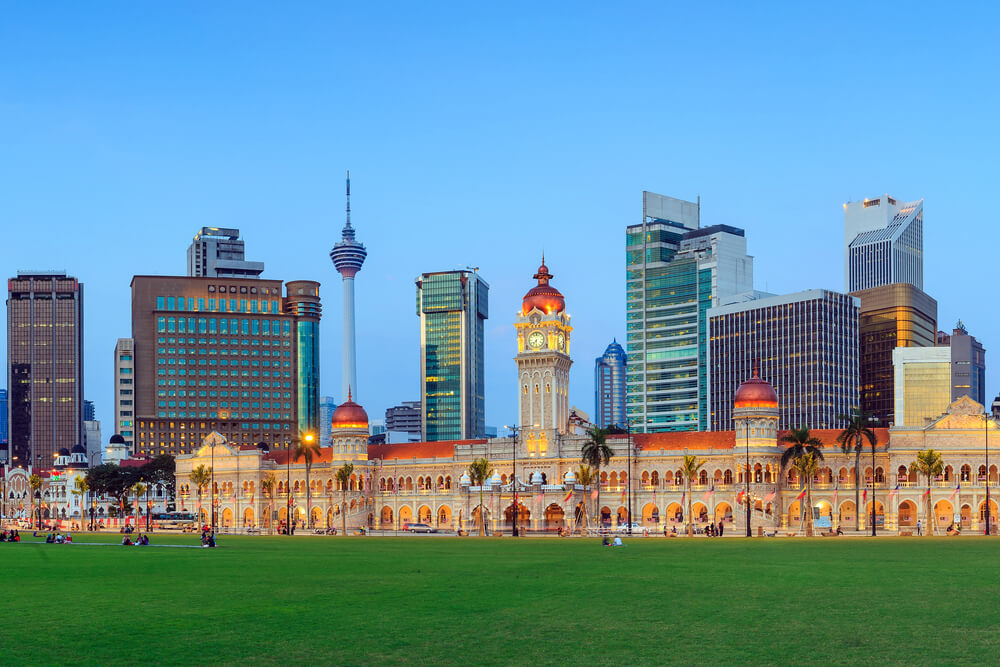
Merdeka Square tells the story of KL before the skyscrapers
Kuala Lumpur’s temples
Malaysia is a Muslim-majority country and as such KL is home to beautiful places of Islamic worship besides Jamek Mosque, such as the Federal Territory Mosque or the National Mosque of Malaysia.
But the multicultural character of Kuala Lumpur shines through in its temples dedicated to other faiths. One of the most fascinating attractions in Kuala Lumpur is Sri Mahamariamman Temple in Chinatown, the city’s oldest functioning Hindu place of worship. Visitors are greeted by an extraordinary gopuram, or entrance tower, ornately decorated with colourful figures and deities. Inside, the atmosphere is one of quiet reflection, filled with incense and offerings.
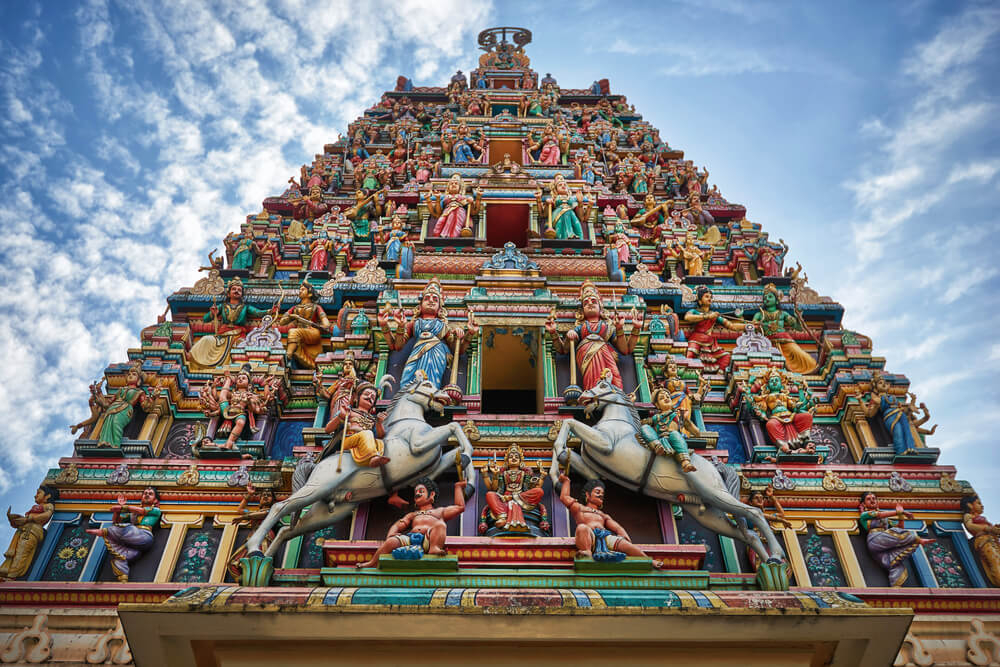
The spectacular entrance tower at Sri Mahamariamman Temple
Nearby is Guan Di Temple, dedicated to a Chinese deity revered as a model of martial prowess and loyalty. While relatively small, its intricate carvings and altars are well worth a look.
Another highlight is Thean Hou Temple, perched on a hill south of the city centre. Its sweeping roofs, red lanterns and elevated terraces offer a different perspective over Kuala Lumpur, making it one of the most photogenic of KL tourist attractions.
Together, these temples provide a vivid snapshot of Kuala Lumpur’s multi-faith cultural diversity and how it is woven into the city’s everyday landscape.
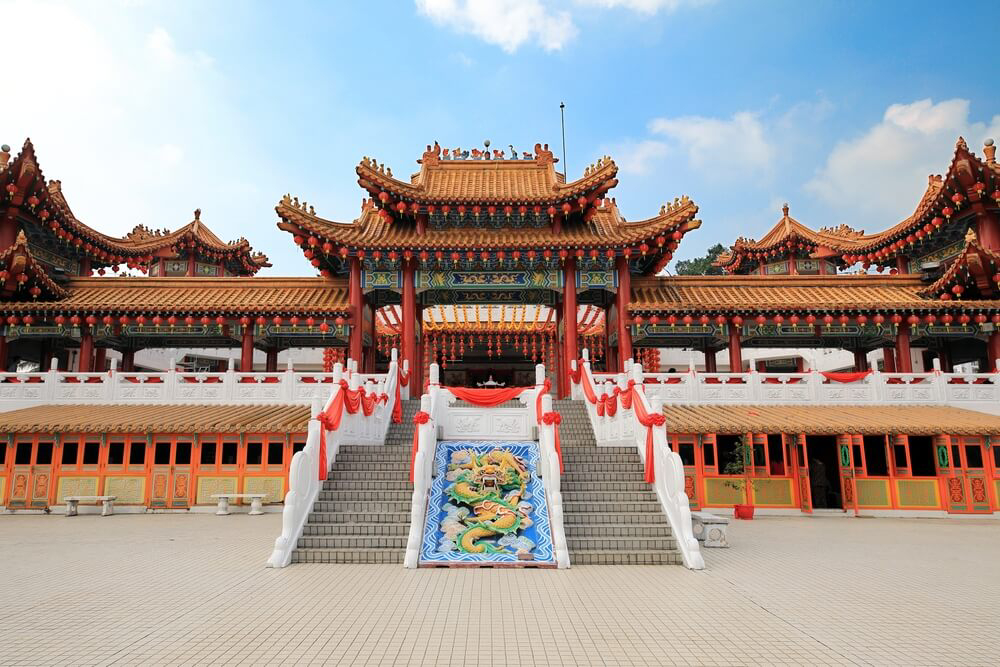
The Chinese temple of Thean Hou in Kuala Lumpur
Chinatown and Petaling Street
Head to Petaling Street after visiting Sri Mahamariamman and Guan Di Temple, or even better towards the end of the afternoon as the day fades, the lights begin to come on and food stalls spill onto the pavements. Chinatown has a completely different energy to the city’s sleek shopping malls.
This is one of the top places to visit in Kuala Lumpur to sample local food, from noodles and chicken rice to dim sum, soups and traditional sweets. Let your curiosity – and your appetite – be your guide here. Simply wander the streets, scan the menus and follow your culinary instincts.
A short walk away, Central Market occupies a restored Art Deco building that once served as a fresh-produce market. Today, it’s a great place to browse local handicrafts, batik textiles, design pieces and souvenirs.
Chinatown might not be the most polished of KL attractions, but that is precisely its appeal. Its charm lies in the constant movement, the aromas of street food and the cultural mix at every turn.
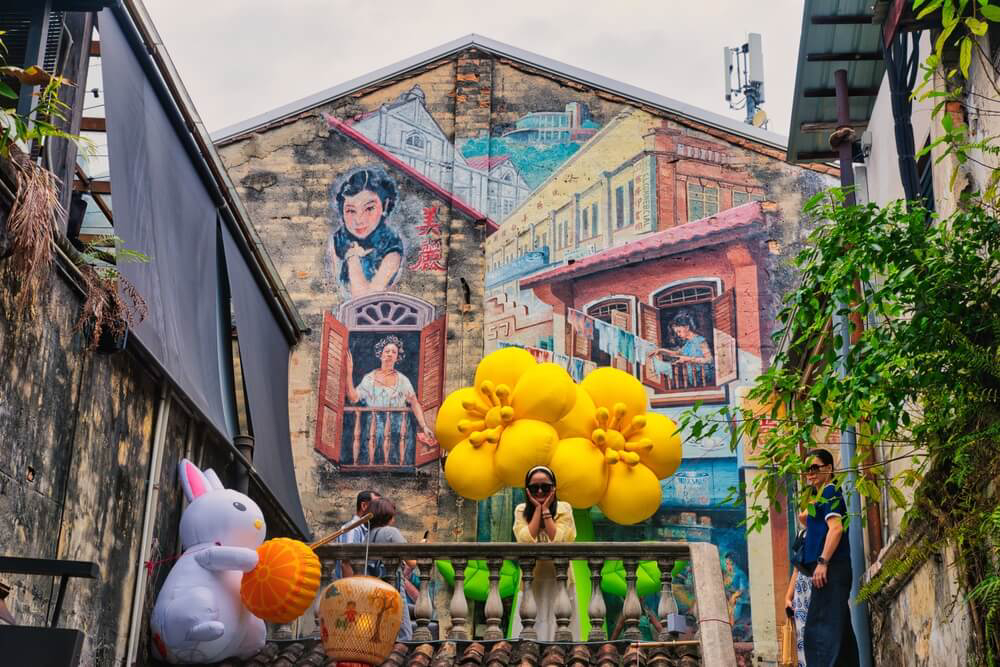
Chinatown is a vibrant stop on any trip to Kuala Lumpur
Brickfields, or Little India
Brickfields, popularly known as Little India, is another wonderful place to get a flavour of Kuala Lumpur’s multicultural identity. The streets are lined with fabric shops, flower garlands, temples, music and restaurants, many serving the delightfully aromatic cuisine of southern India.
Make time for roti canai, a crisp, flaky flatbread served with curry, or banana leaf rice, where an assortment of curries and accompaniments come served on a banana leaf. The area is also a good place to shop for spices, sweets and traditional sub-continent products.
Proximity to KL Sentral means Brickfields is easy to fold into almost any itinerary, either as a dedicated visit or a stop for lunch between Kuala Lumpur sightseeing.
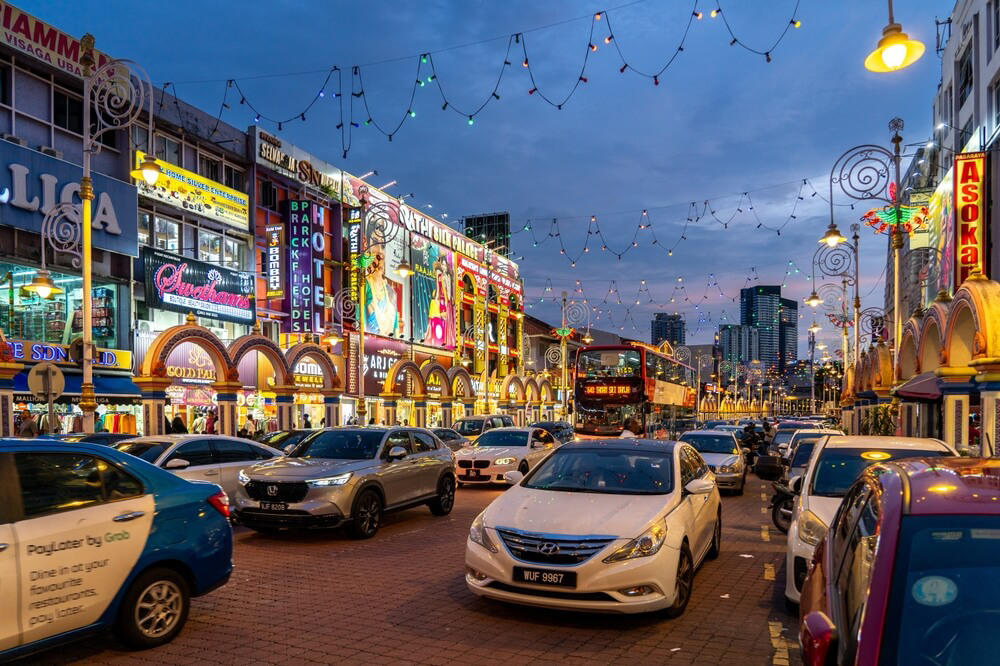
Little India is always buzzing
Bukit Bintang
As the heat of the day begins to fade, Bukit Bintang, Kuala Lumpur’s great shopping and entertainment district, really comes alive. It’s packed with huge malls, international brand stores, cafés and restaurants that stay open late.
For another taste of the city’s celebrated street food culture right in the heart of the district, head to Jalan Alor, one of the capital's best-known culinary destinations. Here, stalls and restaurants serve everything from skewers and seafood to noodles and Asian specialities.
It’s the perfect place to finish a day of taking in the Kuala Lumpur sights. Colourful, intense and noisy, it all forms part of the KL experience. The Malaysian capital can be anything but serene at times. Yet in neighbourhoods like Bukit Bintang, Kuala Lumpur embraces its energy, bringing together a magical mix of locals, travellers and communities from across Asia.
And perhaps that is the best way to experience the attractions in Kuala Lumpur: not as a city to be ticked off a list, but as somewhere to wander, taste, look up and let its contrasts emerge around you.
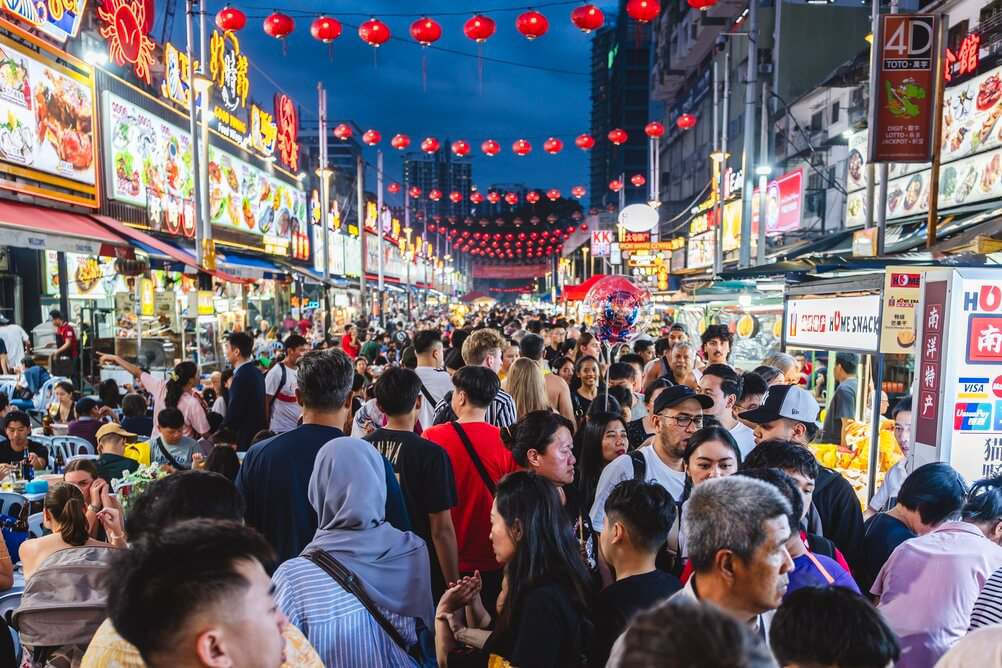
Embrace KL’s vibrant energy in Jalan Alor