

_435x320?&)
The top 10 museums in Prague to discover on your next holiday
Fill your holiday with culture, history and fascinating facts by discovering the best museums in Prague
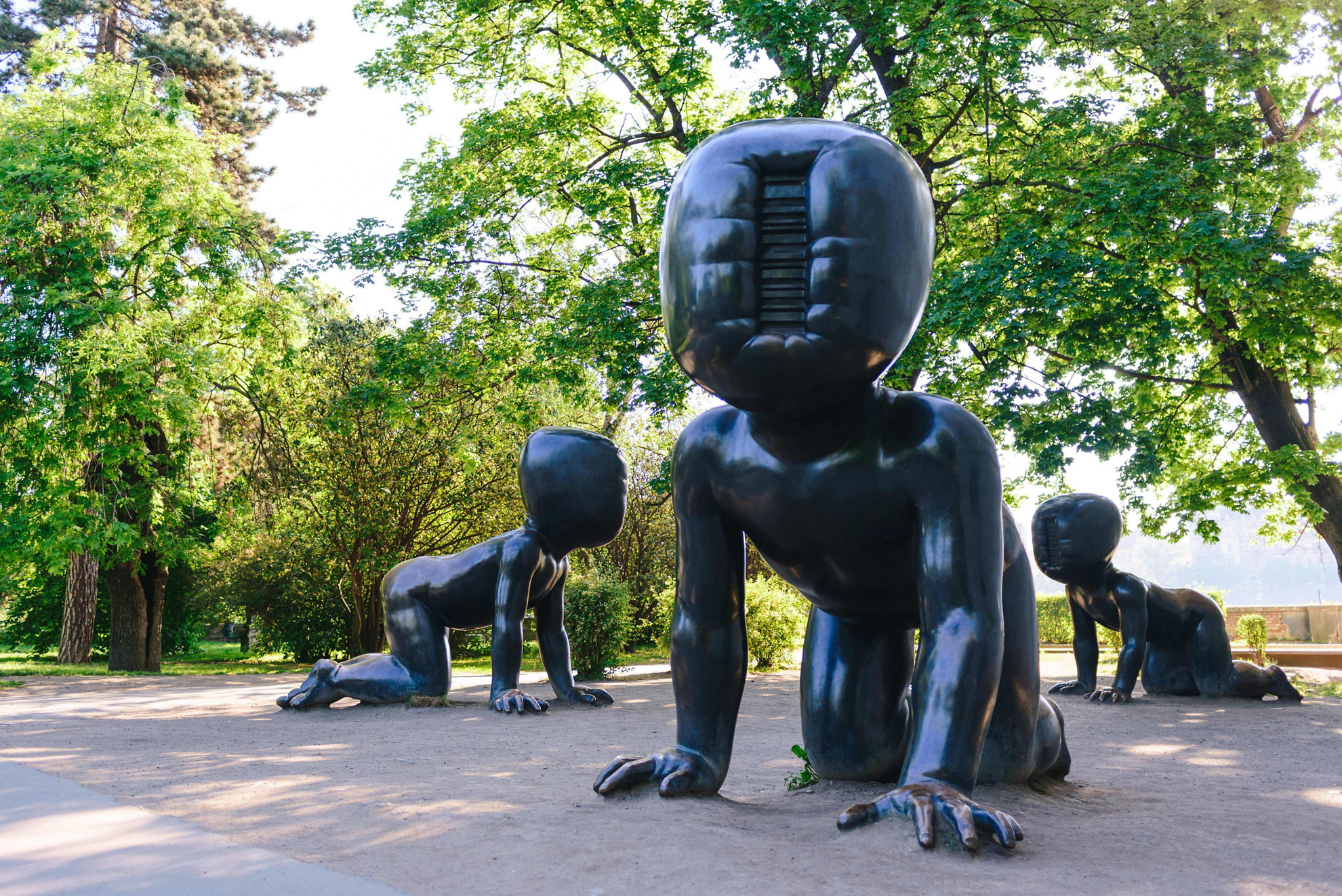
Some may argue that the entire city of Prague is a living gallery. Everywhere you turn, you are faced with storybook lanes, picture-perfect views and history on every corner. Yet, step inside the city’s majestic buildings and you will find a museum scene as fascinating and engaging as any other major European city. From Gothic buildings housing centuries of history to explore to a contemporary art museum, Prague is an ideal city for the culturally curious traveller. Legend has it that 8th-century mythical princess Libuše stated, “I see a great city whose glory will touch the stars”. Whether this is true or not, Prague did become one of the most important cultural capitals in Europe. Not sure where to begin during your holidays in Prague? Start planning your next trip around this curated hit list of the must-visit museums in Prague.
1. National Museum (Národní muzeum)
While it is hard to pick the best museums in Prague, the National Museum is considered by many to be number one. This Neo-Renaissance giant located at the top of Wenceslas Square unites nature, culture and nation-building history under one roof. The building itself has been a silent witness to Nazi and Soviet led invasions as well as the pro-democracy demonstrations during the Velvet Revolution. Yet after a meticulous restoration, the National History Museum of Prague has reopened with an additional annexe to house its treasures.
However, it is the museum’s vast natural history collection that has gained the museum its fame
Inside the walls, multimedia exhibitions and curated exhibits chart this turbulent time. However, it is the museum’s vast natural history collection that has gained the museum its fame. Don’t leave without seeing the fin whale skeleton that hangs from the Neo-Renaissance ceiling- a true spectacle! In between admiring the exhibits, take time to appreciate the stunning architecture with marble staircases, frescoes and the incredible dome. The views across the square and Prague Castle are also a must-see when visiting the National Museum.
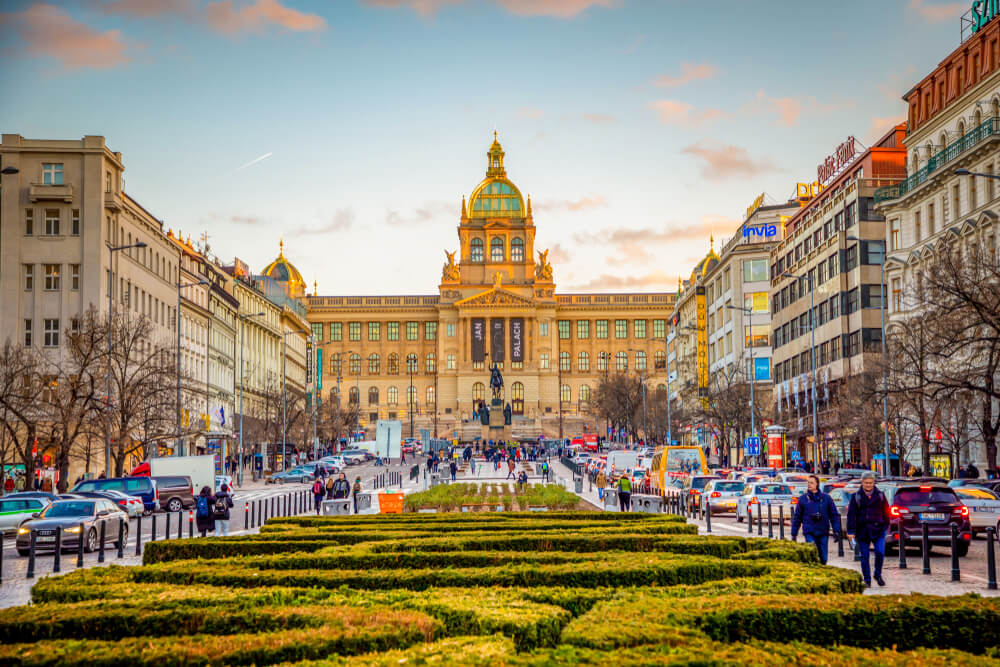
National Museum, Prague
2. Franz Kafka Museum
Fans of the eccentric Czech writer, Franz Kafka, will want to flock to the Kafka Museum in Prague. Back when Kafka was dying of tuberculosis at the young age of 41, it was the writer’s last request to his best friend, Max Brod, to have all his unfinished works burnt. Luckily, Brod ignored this request and today many of Kafka’s belongings, manuscripts, notebooks and first edition works such as The Castle and The Trial are on display. The exhibits are organised into an “Existential Space,” which showcases the life of Franz Kafka, and an “Imaginary Topography,” which explores the existence of the unnamed places featured in his works. Don’t miss the infamous statue by David Černy of two men urinating into a puddle of water shaped like the Czech Republic.
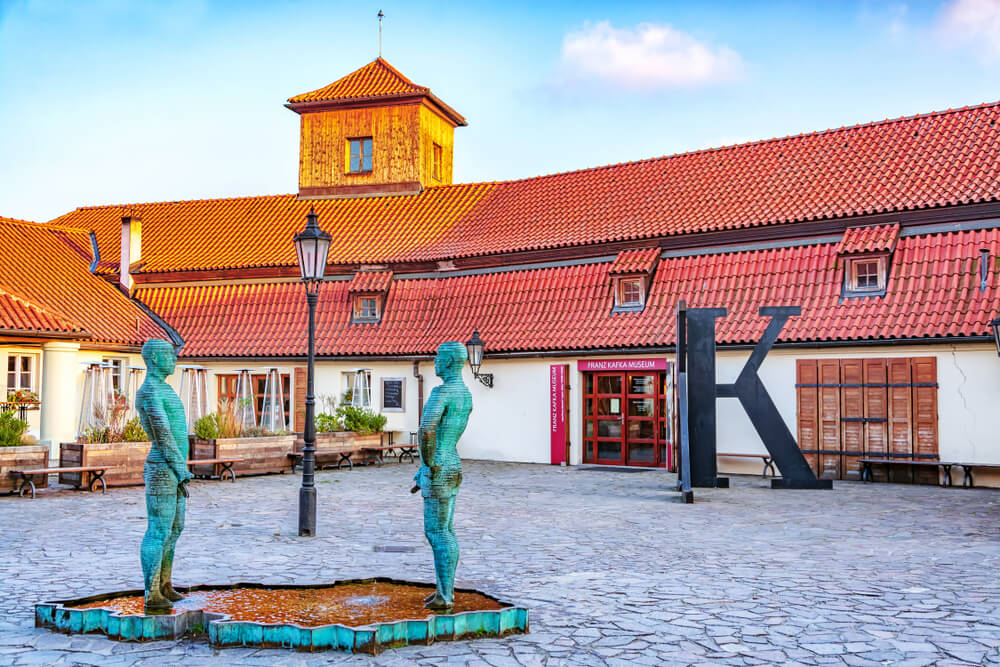
Franz Kafka Museum
3. Prague Jewish Museum
Created in 1906 as a refuge for the Jewish spirit, the Prague Jewish Museum was designed to protect iconic buildings and precious treasures of the city’s Jewish community. Today, the five synagogues, the ceremonial hall and the burial ground tell a haunting story of the city’s social history. The museum houses one of the largest collections of Jewish artefacts in the world, spanning seven centuries. One of the rare items on display is a 19th-century patchwork Bimah cover, illustrating the French influence on Jewish life in the city during this period.
During the Nazi occupation, the buildings and collection were left untouched, with even more articles being added to the exhibits as the Nazi’s intended to create a ‘museum of an extinguished race’. Many people start their visit at the Pinkas Synagogue, a Gothic building that now stands as a memorial for the 77,297 Czech victims of the Holocaust. From here, you can enter the Old Jewish Cemetery, Europe’s oldest surviving Jewish graveyard.
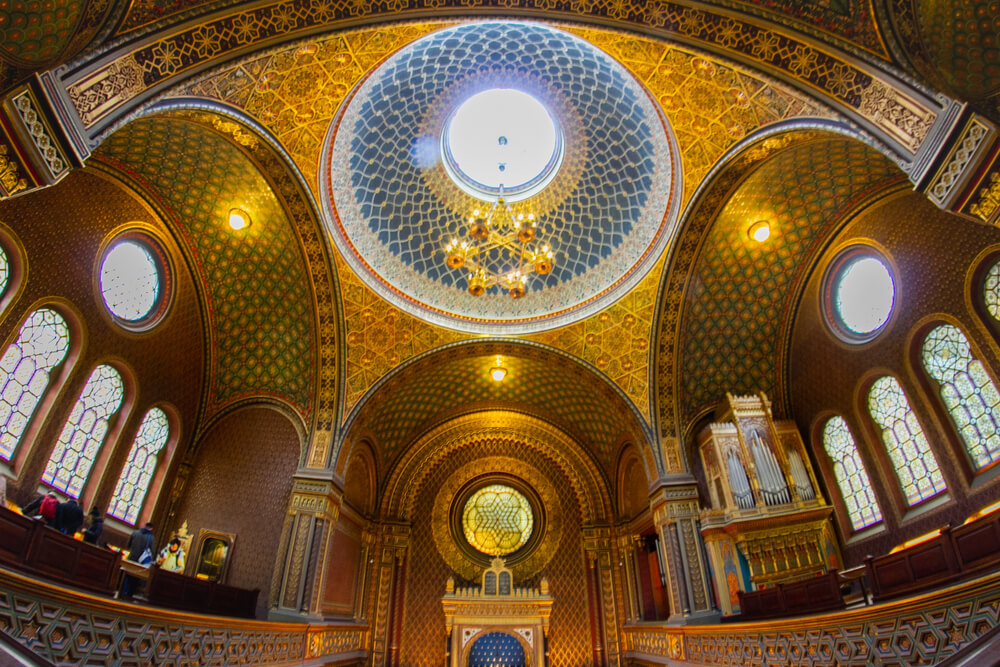
The Prague Jewish Museum
4. Prague’s National Gallery
Art lovers will rejoice at Prague’s national art collection, which dates back to the 18th century and is housed across several emblematic buildings across the city. Start at the Trade Fair Palace, otherwise known as Veletržní palác, a cool slab of 1920s Functionalism that now stages the National Gallery’s modern and contemporary art. Inside, visitors are treated to a sharp edit of Czech and European 20th-century work with names such as Picasso, Klimt and Van Gogh displayed inside the vast building.
Inside, visitors are treated to a sharp edit of Czech and European 20th-century work
Near the castle, Sternberg Palace delivers a Baroque setting for the Old Masters. Here, works of art are displayed in halls themed by Old Masters and Old Masters II. Central European works of art hang alongside big-name Italian, Flemish and German masterpieces inside this calm and serene setting. For an alternative setting, head to the Convent of St Agnes of Bohemia, one of Prague’s oldest Gothic structures, and arguably the National Gallery’s most transporting venue. Inside the cloisters and chapels, this space becomes a spiritual frame for luminous medieval sculpture and panel painting from Bohemia and Central Europe. Even non-believers will feel the pull of the place.
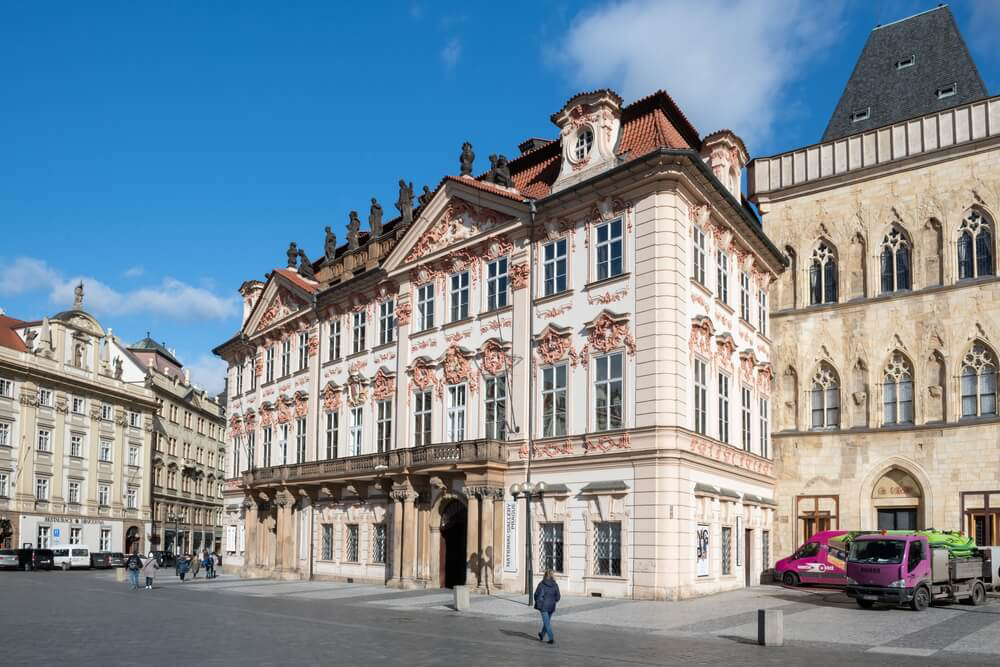
National Gallery, Prague
5. Museum of Communism
Intrigued to discover what life was like in the Czech Republic behind the Iron Curtain? A visit to the Old Customs House near Náměstí Republiky is a must. Here you will find the Museum of Communism, which documents life in Czechoslovakia from the 1948 coup to 1989 with a mix of objects, reconstructions and period propaganda. Follow the chain of events through idealistic posters, interactive exhibits showing what the food shortages looked like and pass through interrogation rooms demonstrating the level of surveillance during the Communist era. However, one of the highlights of the Communism Museum is viewing footage from the 1989 Velvet Revolution and witnessing the bravery of the people standing up against the strict regime.
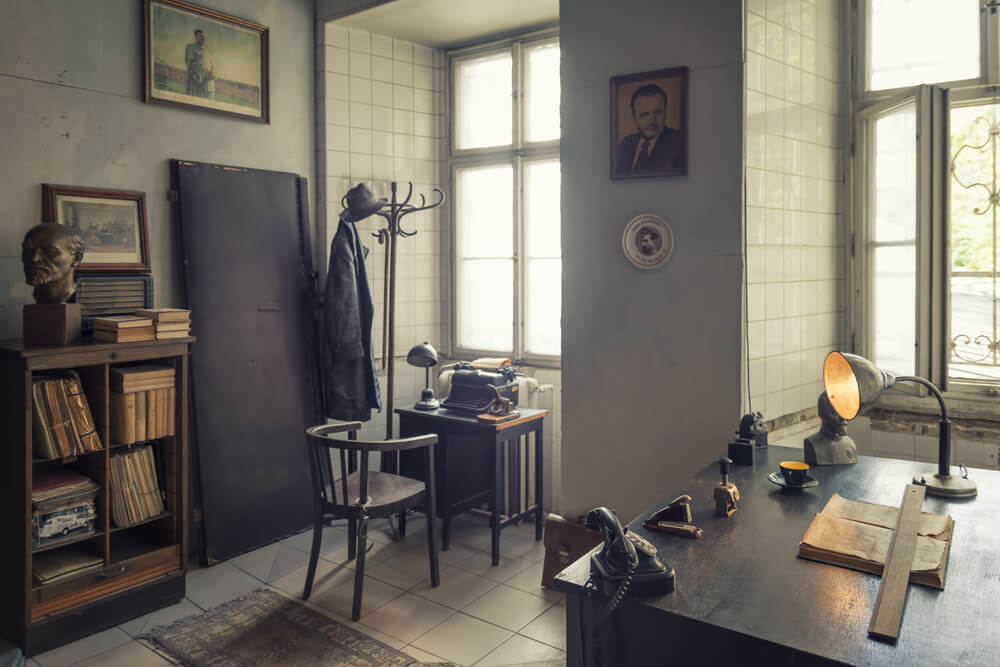
The Museum of Communism in Prague
6. Alphonse Mucha Museum
The recent relocation of the Mucha Museum to the Savarin Palace on Na Příkopě has sparked a renewed appreciation for this local artist. Since Mucha was so prolific during his advertising era, it is possible to see his iconic posters in museums across the world. But, there is nothing quite like discovering the work of this iconic Art Nouveau artist than seeing his work up close at the Alphonse Mucha Museum, one of the most popular museums in Prague. This space sets out to demonstrate that Mucha was far more than a poster artist, placing his decorative designs alongside early works from the Idealism movement and rare sketches from Mucha’s childhood.
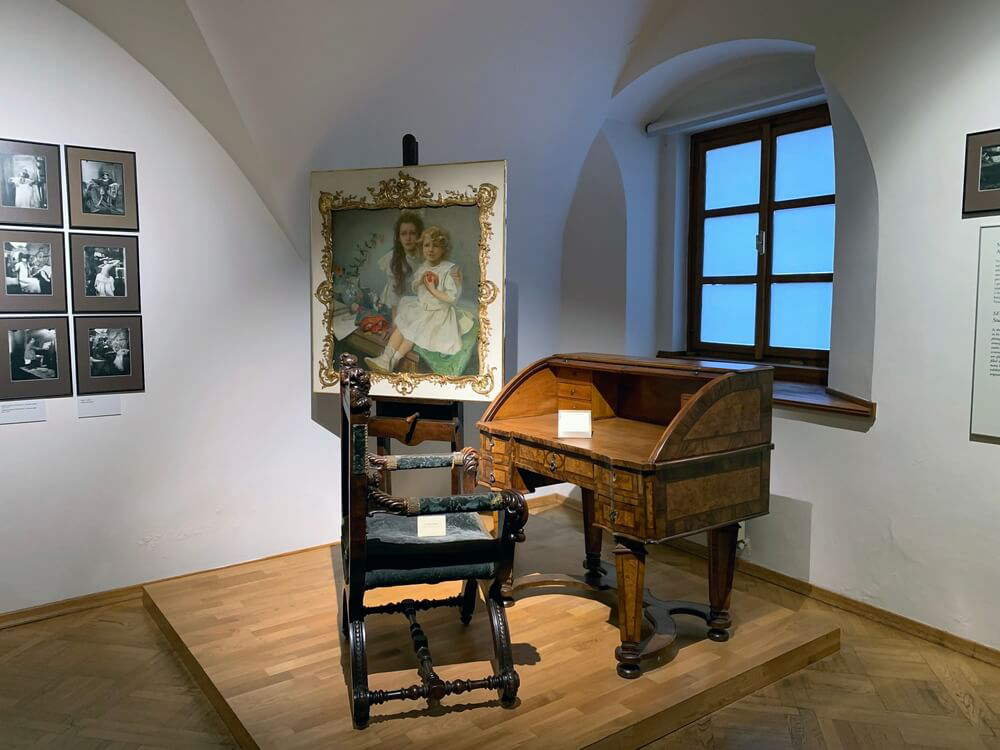
Alphonse Mucha Museum
7. DOX Centre of Contemporary Art
Interested in contemporary art? Dox Museum in Prague is a factory-turned gallery and one of the top museums in Prague for art lovers. Here you can expect to see works from international and national names tackling important topics such as politics, identity and urban conditions. Spend a couple of hours taking in all the inspiring art on show and admiring the buzz of a city’s emerging creative scene. But it’s the rooftop that turns heads: Gulliver, a 42-metre timber-and-steel airship that seems to have floated in from a sci-fi novella, now used for literary events and talks.
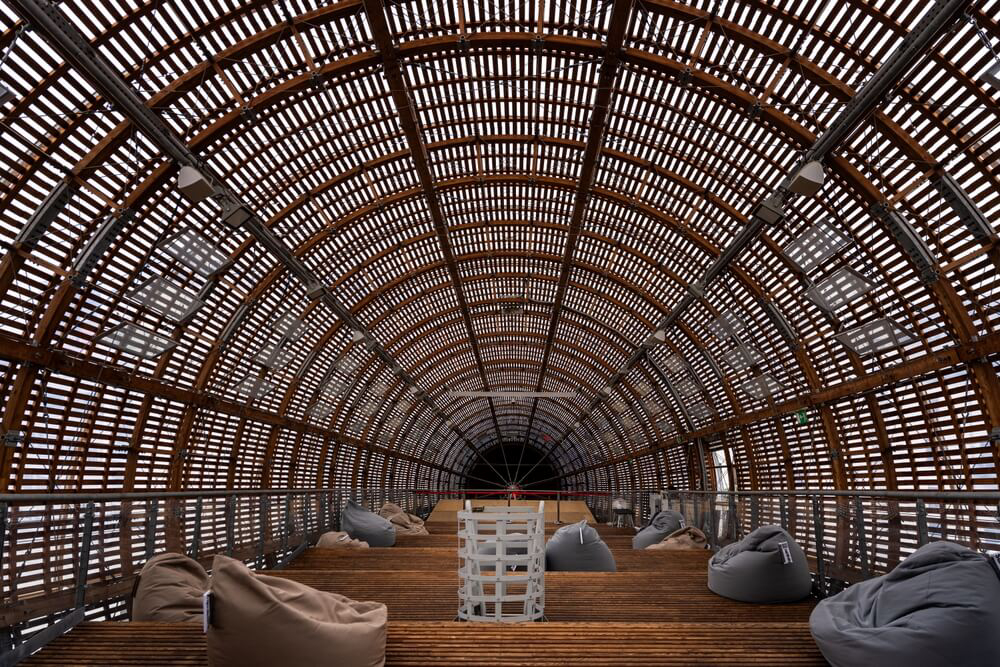
DOX Centre of Contemporary Art
8. Museum Kampa
If you are looking for another art fix, the museums in Prague don’t disappoint. The Museum Kampa, located on the leafy Kampa Island in the Vltava, is set in a converted mill with views of the iconic Charles Bridge. It is a destination for Central Europe’s contemporary artists to showcase their work, much of which forms the Jan and Meda Mládek Collection. At the Kampa Museum of Modern Art, expect names like František Kupka, a pioneer of abstraction and the Czech cubist sculptor Otto Gutfreund, plus a changing roster of Central European artists like Kveta Pacovská, Stanislav Kolíbal, and Magdalena Jetelová.
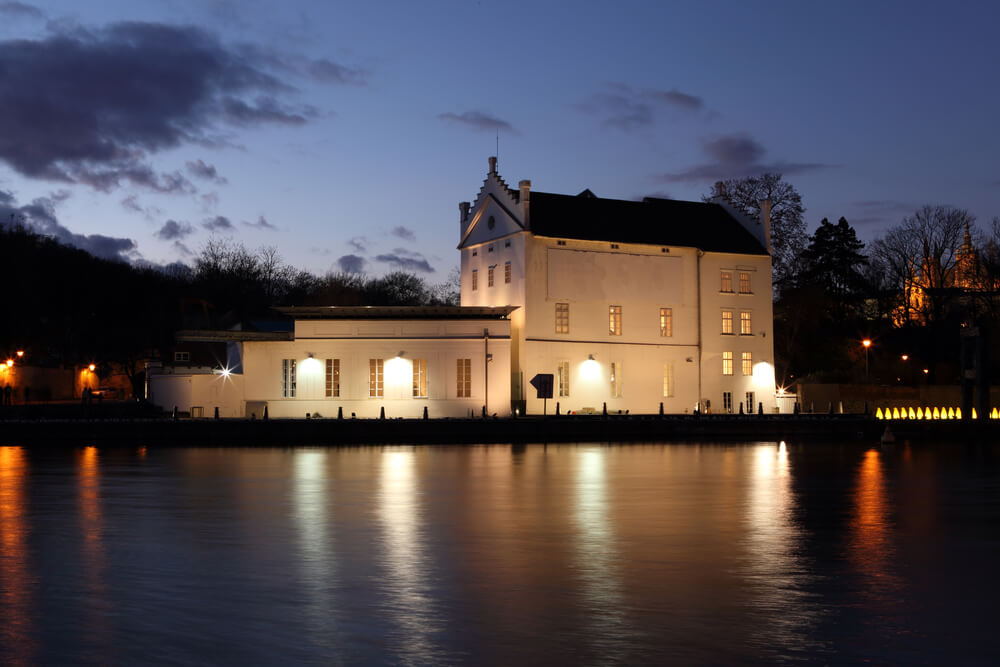
Museum Kampa, Prague
9. Museum of Decorative Arts (UPM)
Design buffs will flock to the Museum of Decorative Arts, also known as UPM Prague, a ravishing display of European applied arts housed in an iconic Neo-Renaissance building by the river. Everything from Bohemian glass to porcelain, textiles, jewellery and furniture is on display with a special focus on Czech glass. While the permanent collection displays the fascinating “stories of materials”, the temporary shows pull in the crowds with their focus on cutting-edge design techniques and innovative materials.
While the permanent collection displays the fascinating “stories of materials”, the temporary shows pull in the crowds
A highlight at the Museum of Decorative Arts is the Castrucci workshop’s 1601 Panel with a view of Hradčany and the Lesser Town, a jewel-like landscape crafted from precious coloured stones under Rudolph II’s patronage. The museum also often showcases major works from its partner museums, the Victoria and Albert Museum in London and the International Museum of Ceramics in Germany. Don’t forget to visit the gift shop to bring a souvenir of Czech design home with you.
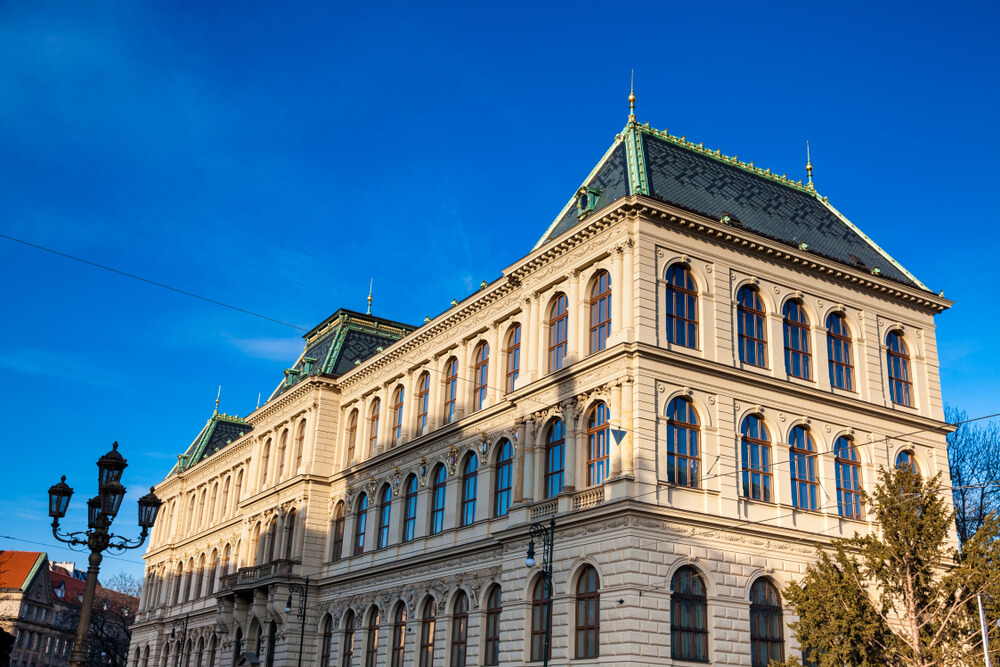
Antonín Dvořák Museum
10. Antonín Dvořák Museum
Music fans will want to flock to the Antonín Dvořák Museum, located in the 18th-century Baroque summer house Villa Amerika. The 11 rooms document the life and achievements of this world-famous Czech composer through original scores, manuscripts and correspondence. Dvořák’s output was prodigious: nine symphonies, 10 operas, 16 Slavonic Dances, along with a wealth of chamber pieces, symphonic poems and choral works, nearly all infused with the melodies and rhythms of Czech folk tradition. Listen to his music as you stroll through the rooms and imagine being serenaded by him in real life.
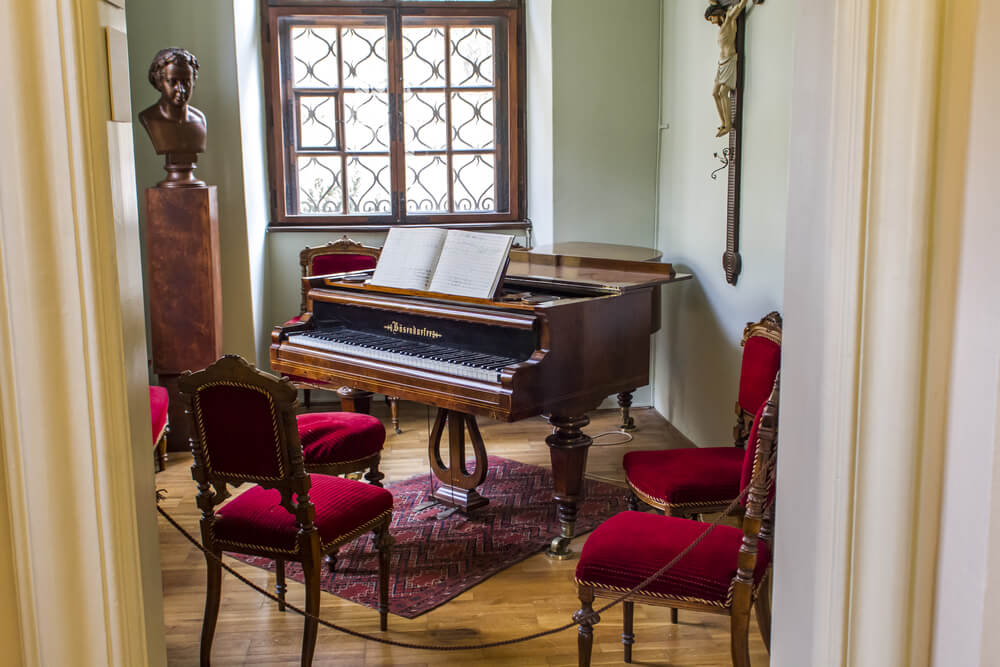
Antonín Dvořák Museum
10 +1: National Library of the Czech Republic
While not one of the museums in Prague, the National Library of the Czech Republic is still a must-visit for those wanting a taste of local culture. Tucked inside the Baroque Klementinum in Prague’s Old Town, the National Library of the Czech Republic is a celebration of centuries of learning while doubling as a working research hub. Founded in tandem with Charles University in 1348, the library opened to the public in 1777. Today, more than 7.6 million items, from prized medieval manuscripts to modern publications and digital collections, can be admired here at the Prague Library Museum. However, the interiors of the Baroque Hall are a big draw for many visitors wanting to admire the frescoes themed on science and art and the illusory painting of the dome, designed to symbolise the Temple of Wisdom from Greek mythology.
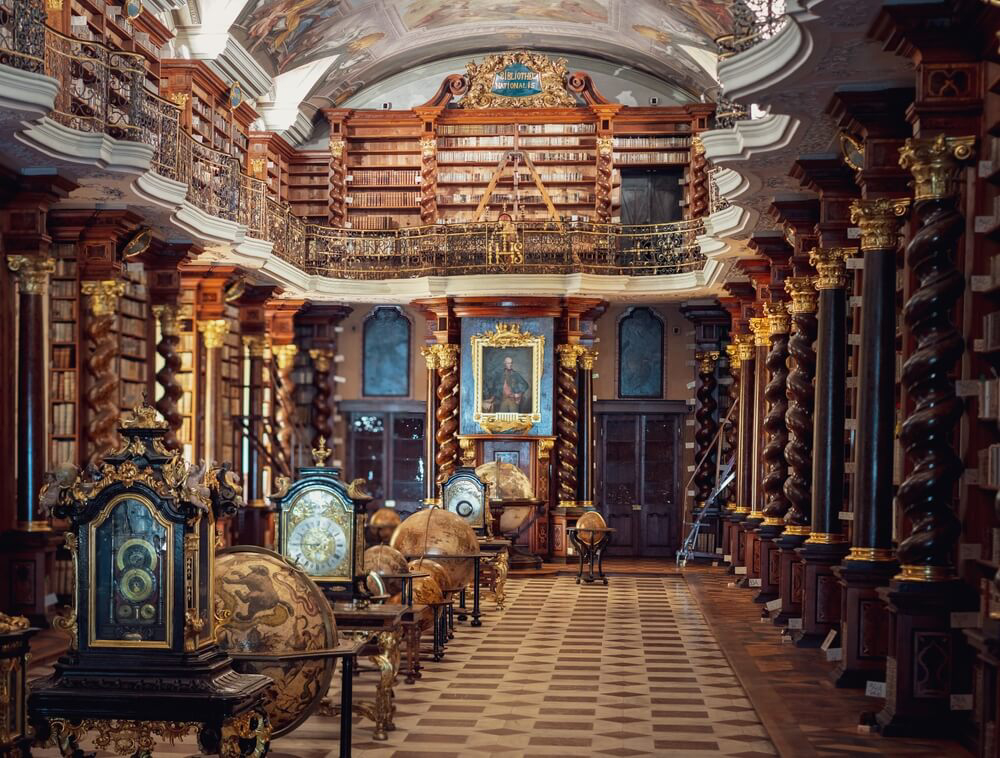
National Library of the Czech Republic
Visiting the museums in Prague
Planning your trip is essential for avoiding disappointment. For example, Mondays can catch you out since many galleries close, while some exceptions exist. Be sure to start early for the Jewish Museum and the National Museum, since these draw in crowds. Mid-afternoon is ideal for stepping into the National Gallery at St. Agnes, as the light softens the cloisters. Build in pauses to your Prague museum marathon, too and take time to enjoy the city. For example, a glass of Moravian wine by the river after Museum Kampa or an espresso and a square doughnut after the Museum of Decorative Arts is a great way to restore your batteries. Book your tickets in advance and most of all, enjoy everything this city has to offer.