

_435x320?&)

Spanish Sherry: Discover Jerez’s delicious, local wine
Uncover the secrets of Jerez sherry. From Fino to Pedro Ximénez, learn how Spain’s iconic wine is made and where to taste it in the Sherry Triangle
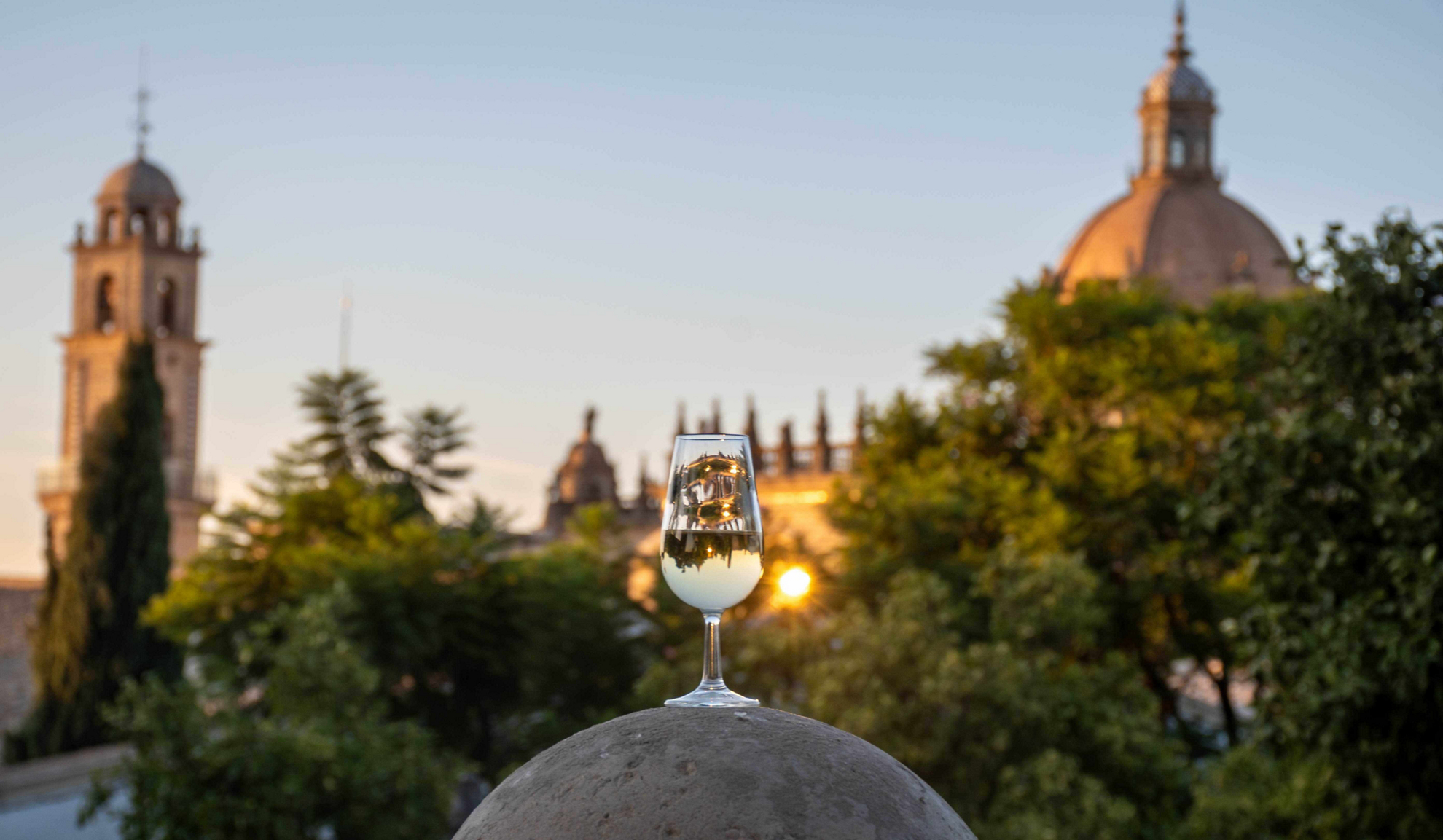
Andalusia is Spain at its most sun-drenched and soulful, from its Moorish cities to its white-washed villages. But its most distinctive flavour is found in a glass of sherry, the fortified wine that has defined this region for centuries.Think of sherry as sunshine in a glass. Sherry’s complex flavours and heady tasting notes tell the story of Spain’s turbulent past and it is a must-try when on holiday in Andalusia. Order a glass with a plate of tapas or book onto a tour at one of the wineries in Jerez to sip sherry like a pro.

Arcos de la Frontera, Andalusia
From the vineyards of Jerez to your glass
Sherry is a fortified white wine that can only be made in a small corner of southern Spain known as the Sherry Triangle. This triangle is formed by three towns: Jerez de la Frontera, Sanlúcar de Barrameda and El Puerto de Santa María. Together they hold the Denominación de Origen (D.O.) Jerez-Xérès-Sherry and Manzanilla de Sanlúcar de Barrameda, which protects the production and quality of every bottle.
Only wines made and aged within this triangle, using traditional methods, can bear the name sherry. The main grape used is Palomino Fino, prized for its light, delicate flavour. Two other varieties, Moscatel and Pedro Ximénez, are used for sweeter styles.
Sherry’s roots run deep in Andalusian soil. The Phoenicians first planted vines here around 1100 BC, and the area’s unique chalky albariza soil, dry climate and Atlantic breezes proved ideal for winemaking. Over the centuries, the English helped spread its fame. Sir Francis Drake once brought barrels of sherry back to England, and even Shakespeare praised it in Henry IV.
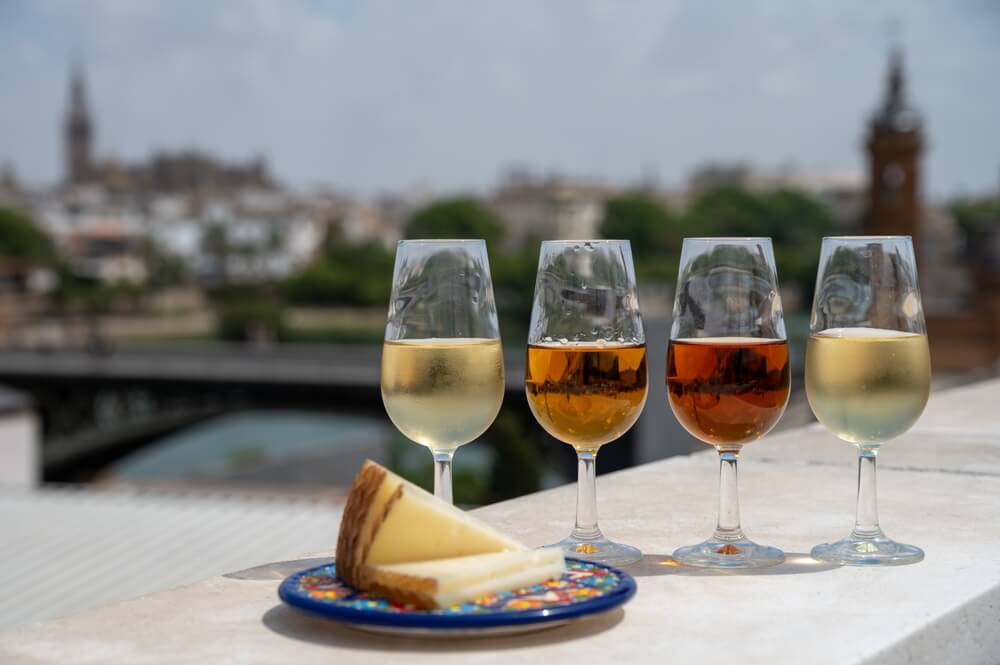
Be sure to try a sherry tasting when in Spain
How is Sherry made?
Although most sherry wines (around 95%) are made from the same Palomino Fino grape, their styles range from pale and dry to dark and syrupy. The secret lies in the ageing process. After fermentation, the wine is fortified with grape spirit to raise its alcohol content and placed in oak barrels that are never completely filled, allowing air to play its part in shaping the flavour. This creates the conditions for two distinct processes:
Biological Ageing
This is the most common method used to produce very dry, pale, aromatic wines such as Fino and Manzanilla. During this process, the wine is fortified to around 15% alcohol, allowing a layer of natural yeast, known as flor, to form on the surface. This protects the wine from oxidation and consumes the remaining sugars, leaving the wine completely dry.
Oxidative Ageing
This method produces fuller-bodied, more robust wines. If the wine is fortified to around 17% alcohol, the flor cannot survive. The wine then oxidises through contact with air, developing a deeper colour and complex, nutty flavours. This process gives rise to Oloroso and Amontillado styles.
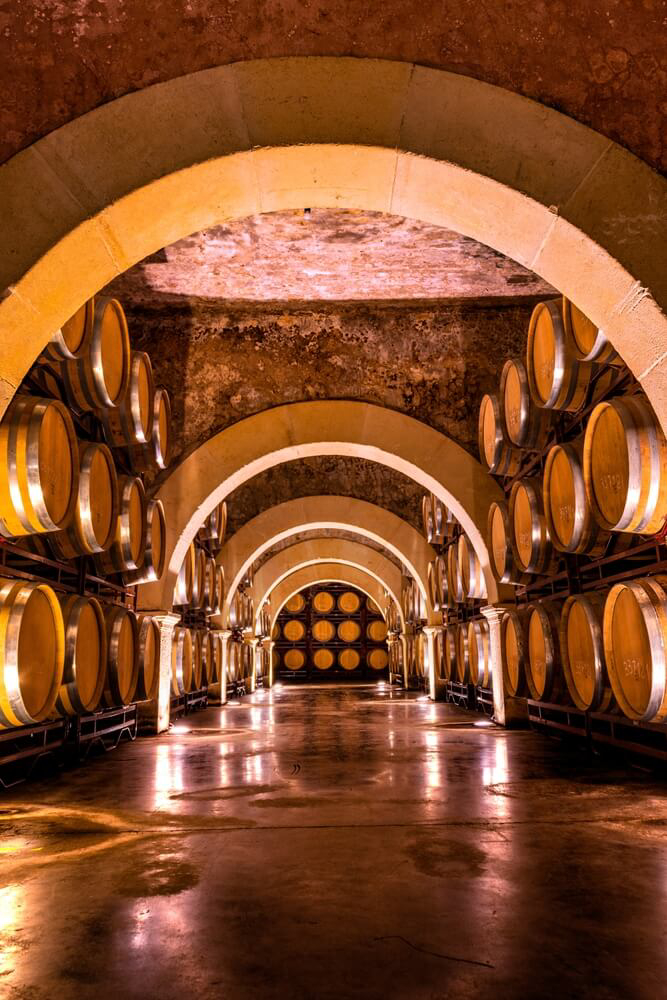
Sherry must be aged in barrels before drinking
Understanding the Solera and Criadera system
One of the most fascinating aspects of sherry production is the Solera system, a traditional method of blending different vintages to achieve a consistent flavour year after year.
Barrels are arranged in tiers, traditionally stacked three or four levels high: the oldest wine sits at the bottom (Solera), with younger wines above (Criaderas). Each year, a portion of the oldest wine is bottled, and the barrel is refilled with wine from the next level up, which is then topped up with even younger wine.
This continuous blending process means that every bottle of sherry contains traces of wine that may be decades old. Because of this continuous blending, sherry bottles rarely display a vintage year, though some exceptional vintage sherries, añadas, are still produced. A fino is aged for approximately 3-5 years in the criadera and solera systems, while an oloroso is aged for approximately 5-8 years. This unique system of ageing and blending gives rise to sherries of remarkable depth, some of which mature for decades.
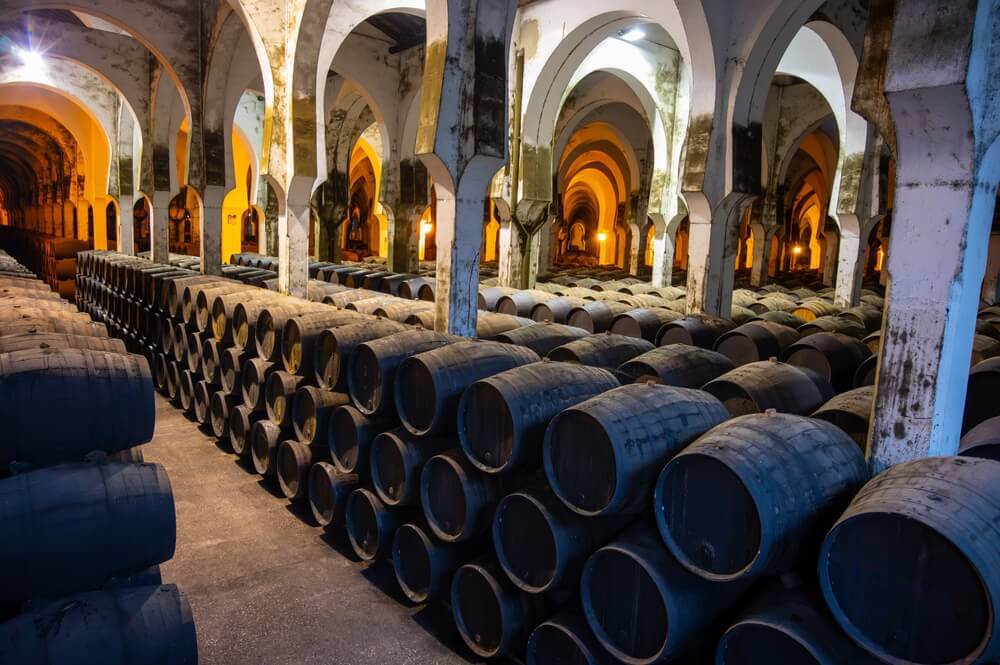
The Solera System
The finest aged sherries
Good sherry is relatively easy and affordable to obtain in the Jerez region. However, some special sherries command a somewhat higher price due to their rarity. This applies to the so-called VOS (Vinum Optimum Signatum), which must be aged for an average of over 20 years in the criadera and solera systems, and the VORS (Vinum Optimum Rare Signatum), which must be aged for over 30 years.
What different types of sherry are there?
For the uninitiated, sherry’s variety can be surprising. It’s not one single wine, but a whole spectrum of flavours. Here are the key styles to know before you visit a bodega.
Fino, the classic dry sherry
The purest and most delicate style, Fino is pale, crisp and aromatic, with hints of bread dough, almonds and green apple. Best served chilled, it’s the perfect partner for olives, jamón ibérico or seafood.
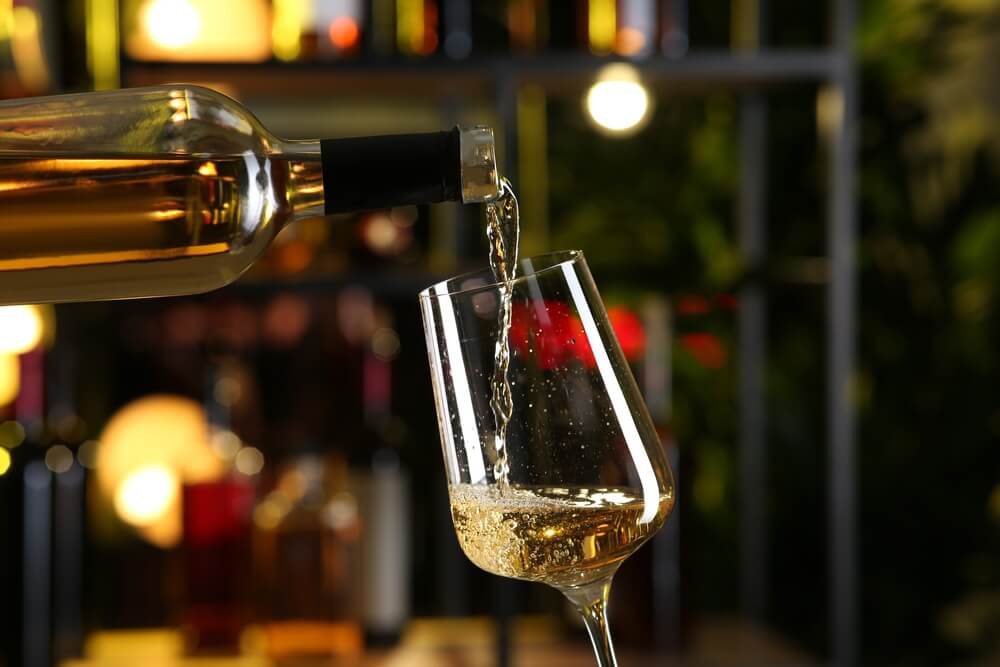
Fino, the classic dry sherry
Manzanilla, sherry by the sea
Manzanilla wine is one of the lesser-known sherry varieties. It undergoes exactly the same maturation process as a Fino, except that it is aged in Sanlúcar de Barrameda, where ocean breezes give it a slightly saline edge. Light and refreshing, it’s ideal for hot days by the coast.
Amontillado sherry
This elegant amber wine begins life as a Fino but then loses its flor, ageing oxidatively to develop notes of hazelnut and spice. It’s complex yet dry, wonderful with cured meats or aged cheese.
Oloroso sherry
Full-bodied and powerful, Oloroso spends its life exposed to air, gaining a deep mahogany hue and flavours of walnut, toffee and leather. Serve it slightly warmer with hearty dishes or blue cheese.
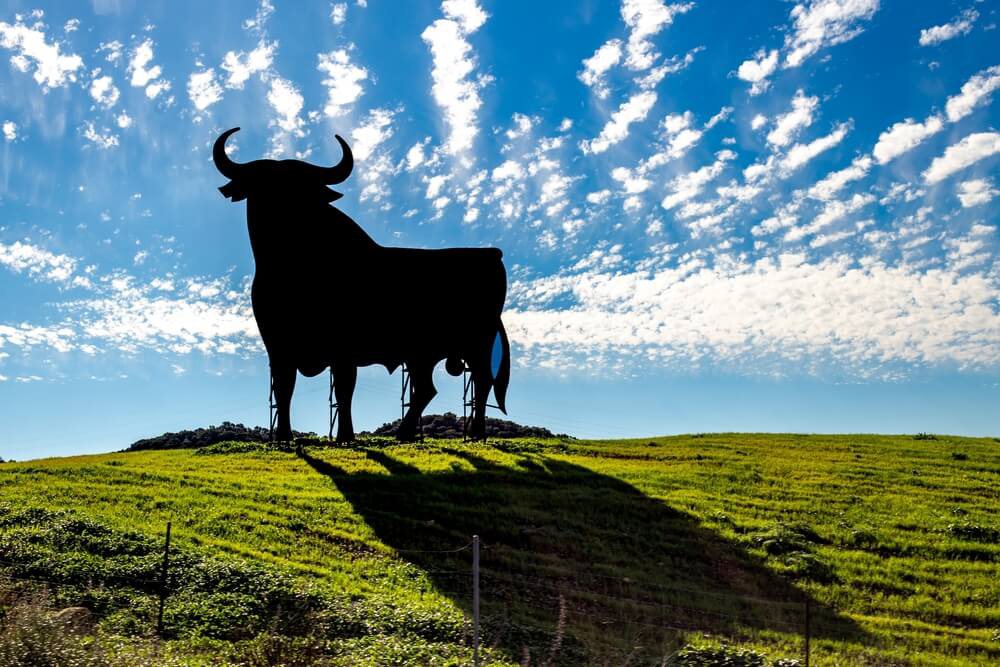
Osbourne is a popular sherry producer, famous for their iconic bull
Palo Cortado sherry
A particularly rare sherry is the Palo Cortado. This was originally intended to be a Fino, but by chance or "accident," the yeast spontaneously dies, so it has to be converted into an Oloroso. It is therefore "almost" an Oloroso, but with a slight "Fino touch" added at the beginning of its maturation.
Pedro Ximenez sherry
Made from sun-dried grapes that concentrate their natural sugars, PX is dark, syrupy and intensely sweet, with raisin and toffee flavours. Locals love to pour it over vanilla ice cream or pair it with dark chocolate.
Cream sherry
Harvey's Bristol Cream is an example of a dark cream sherry. It is created by blending a dry Spanish sherry with a sweeter variety such as Pedro Ximenez or Moscatel and is often made for export. Enjoy it with cheese before dining, or with an equally sweet dessert.
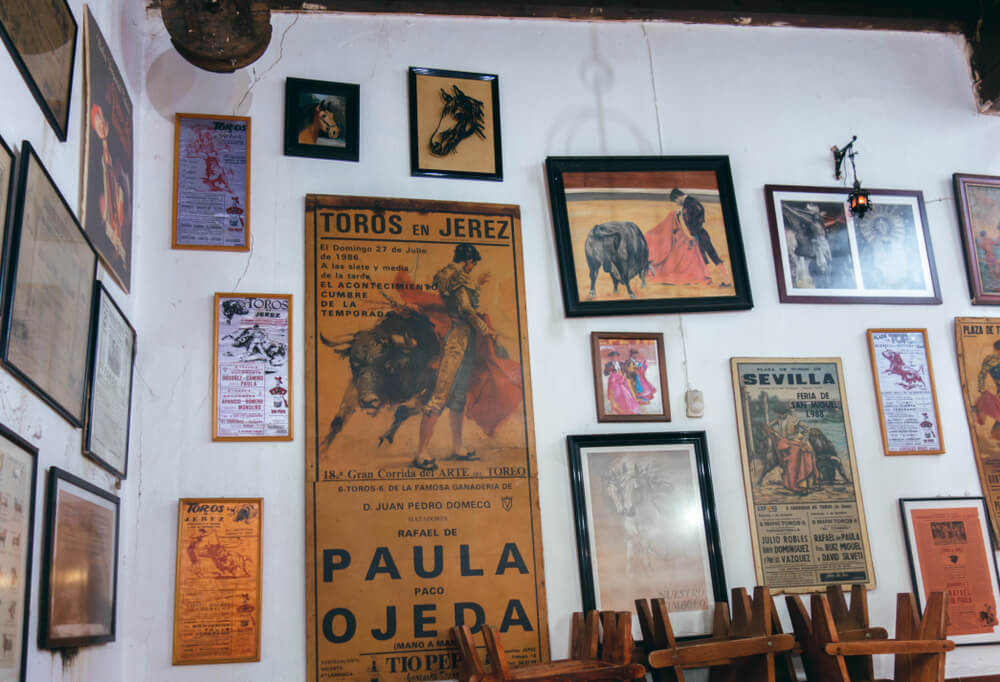
Many local bars will serve sherry, ready for you to try it
Visiting the Sherry Triangle
For sherry enthusiasts, staying in Cadiz means that you are just a stone’s throw away from what is known as the Sherry Triangle. Sherry is a Designation of Origin ( Denominación de Origen, D.O.), officially known as Jerez/Xèréz/Sherry y Manzanilla de Sanlúcar de Barrameda. Only wines made using the traditional ageing methods described above in the towns of Jerez de la Frontera, Puerto de Santa María, and Sanlúcar de Barrameda may be called Sherry.
Jerez de la Frontera
Those wanting to be at the heart of it can enjoy a city break in Jerez. This city is dominated by sherry bodegas (wineries). Even upon entering from Cádiz, you can see the impressive Williams & Humbert complex and the Tío Pepe shop. If you happen to visit the Tío Pepe winery, don't miss their friendly helper, a mouse with a profound love of sherry. His wine glass even has a little ladder to ensure he can drink every last drop.
The selection of bodegas in Jerez is vast and most organised excursions include a visit to a bodega in Jerez. If you want to make a day of it, combine your wine tasting in Jerez with a visit to the Alcázar or the Cathedral of Jerez de la Frontera.

Jerez
Puerto de Santa Maria
In Puerto de Santa María, you'll find the traditional Osborne bodega, known primarily for its famous Osborne bull. There are also smaller, family-run businesses worth a visit, often offering more personalised service. The promenade along the River Guadalete is also beautiful, with its many small restaurants. Here, you can pair your sherry with local tapas.
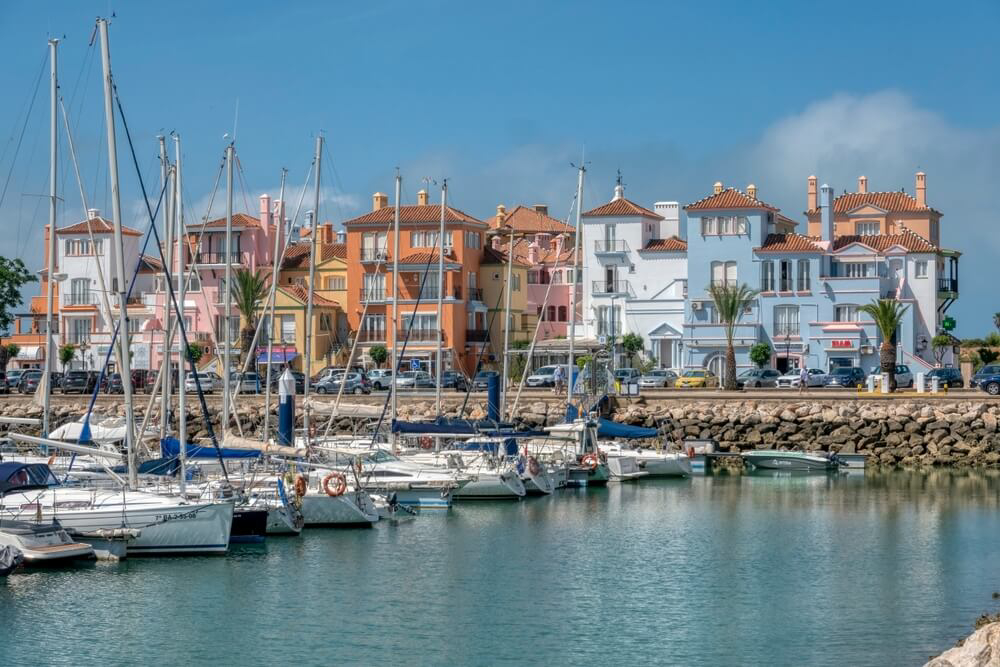
Puerto de Santa Maria
Sanlúcar de Barrameda
Sanlúcar de Barrameda, where Manzanilla wine is produced, is located at the mouth of the Guadalquivir River near Doñana National Park, making it an outstanding tourist destination in its own right. In addition to its wine, it is also known for its excellent seafood, which can be enjoyed along the beautiful beach promenade. If you want to immerse yourself fully in wine tourism, it is best to visit all three cities, which are located close to each other.

The former Convent of the Order of Our Lady of Mercy in Sanlúcar de Barrameda
Experience the Tabancos of Jerez
For a more authentic taste of local life during your trip to Andalusia, visit the tabancos, traditional sherry taverns found only in Jerez. Once humble wine shops selling sherry straight from the barrel, they are now lively bars serving small plates, live flamenco and, of course, generous glasses of Fino or Oloroso. Enjoying a drink in a tabanco is the perfect way to savour sherry as the locals do.
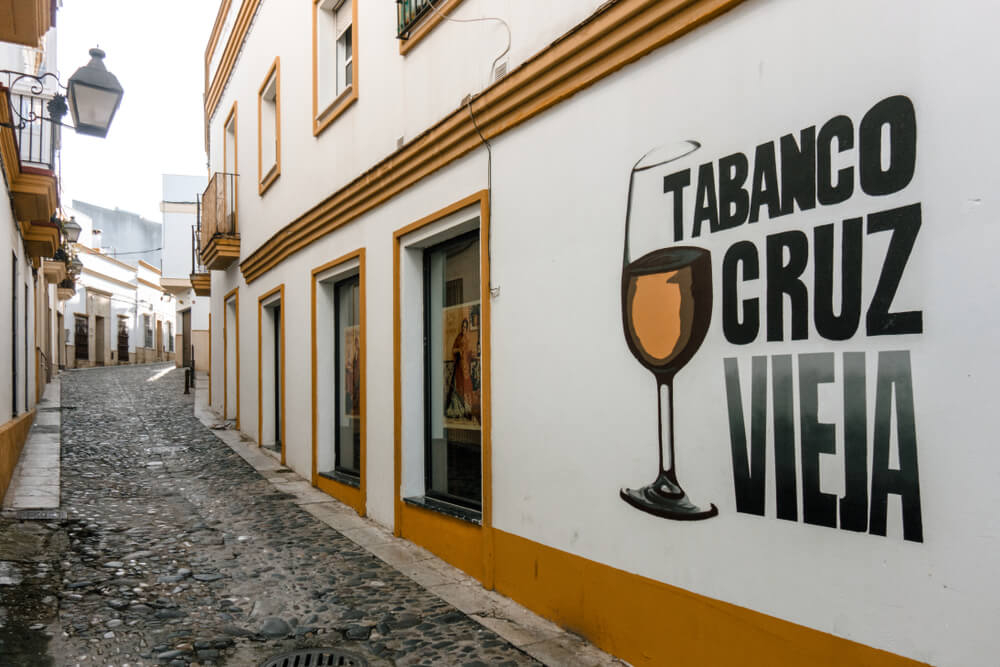
Tabancos are typical sherry bars in Jerez