_435x320?&)

All inclusive
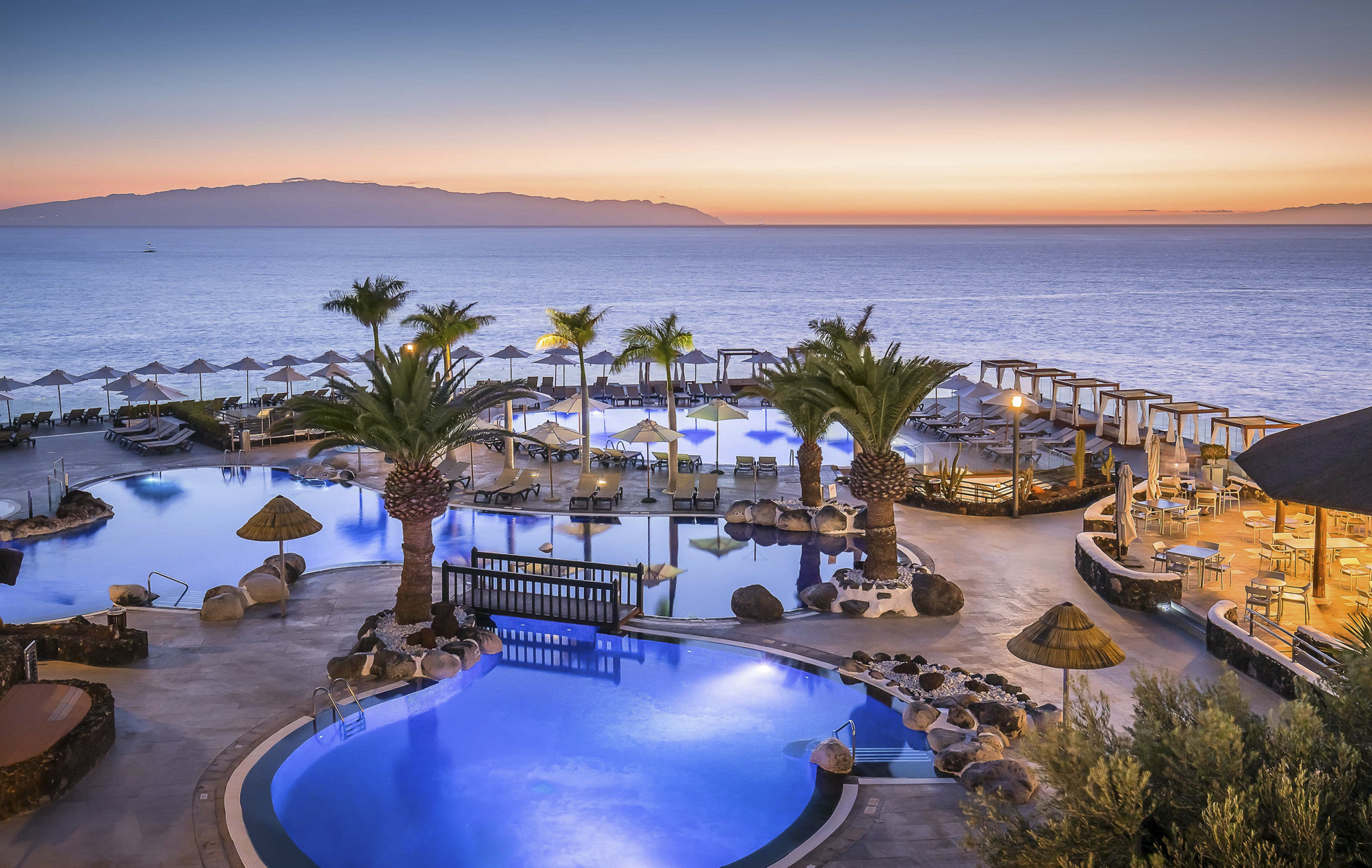
Consider this your Dominican Republic travel guide! We’ll cover everything you need and want to know before your upcoming trip. From the country's layered history and vibrant food scene to its beaches, culture, and entry requirements, this guide has you covered

The Dominican Republic is the second-largest and most visited Caribbean nation, drawing travelers with its mix of world-class beaches, rich history, and a culture worth discovering. Whether you're heading to Punta Cana for a week on the beach at an all-inclusive resort, or you’re more set on exploring the cobblestone streets of Santo Domingo, the country rewards every kind of traveler. Read on for the essential Dominican Republic travel guide you need to make the most of your visit.
Let’s dive into some interesting facts about the Dominican Republic to get you excited for your upcoming trip!
- The Dominican Republic shares the island of Hispaniola with Haiti, making it one of only two Caribbean islands to share a land border.
- With a population of over 11 million, it ranks as the third most populous country in the Caribbean.
- The capital of the Dominican Republic is Santo Domingo. It’s the Caribbean's largest city and the oldest continuously inhabited European settlement in the Americas.
- Spanish is the official language, though English is widely spoken in tourist areas.
- The country is also the most visited destination in the Caribbean, welcoming over 10 million tourists a year.
- The Dominican Republic produces some of the world’s finest amber and Larimar (a semi-precious stone found nowhere else on Earth). Both amber and Larimar make great Dominican souvenirs to take home.
- The Dominican Republic is home to more than 200 species of breathtaking orchids. Gardeners will drool over these beauties.
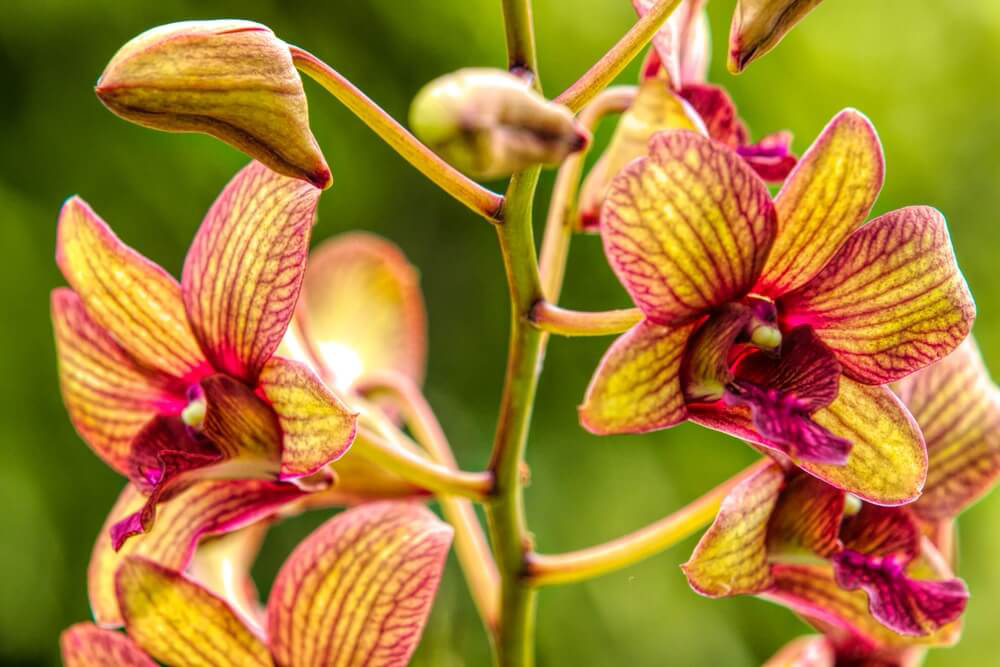
The Dominican Republic is home to more than 200 species of orchids
Punta Cana draws more international visitors than anywhere else in the country, so it deserves a closer look. Here are some Punta Cana facts worth knowing.
- Punta Cana’s popularity comes down to a straightforward combination: An accessible international airport, some of the finest beaches in the hemisphere, and a concentration of world-class resorts.
- The name Punta Cana translates to "tip of the white cane palm," a reference to the native palm trees that line its coastline.
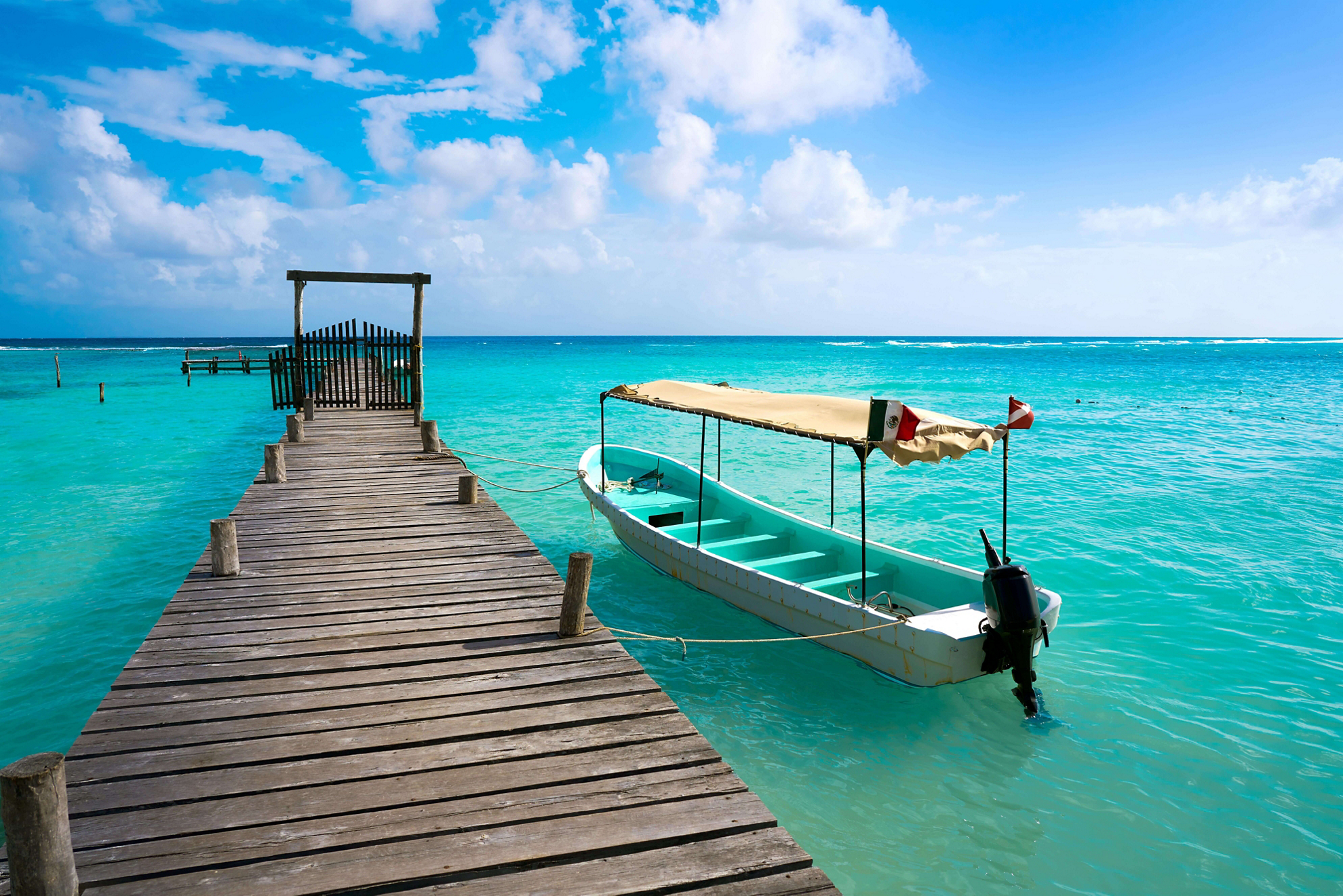
- The Punta Cana coastline stretches for roughly 30 miles, defined by its white sand beaches and turquoise waters.
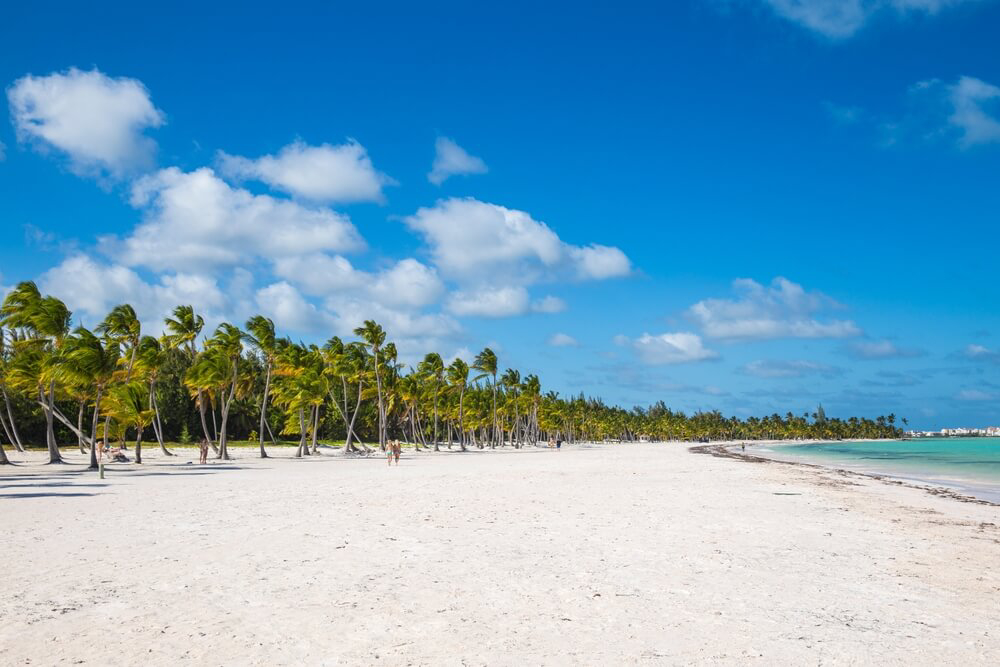
The Punta Cana coastline
The story of the Dominican Republic begins long ago. Historians believe the indigenous Taíno people settled on Hispaniola around 650 AD, building a sophisticated society of skilled farmers, fishermen, and craftspeople. The indigenous people of the Dominican Republic left a lasting cultural imprint still visible today in the island's language, food, art, and place names.
Historians believe the indigenous Taíno people settled on Hispaniola around 650 AD
Christopher Columbus arrived on Hispaniola on December 5, 1492, and the island quickly became the administrative heart of Spain's expanding empire in the Americas. The evidence is still standing: Santo Domingo's Colonial Zone contains the first cathedral, castle, monastery, and fortress built anywhere in the Americas, making it one of the most historically significant square miles in the entire Western Hemisphere. The Catedral Primada de América, completed in 1540 and a UNESCO World Heritage Site, remains in active use today. The Alcázar de Colón, built in the early 1500s as the residence of Columbus's son Diego, is one of the best-preserved colonial buildings in the region. These are among the most compelling Dominican Republic history facts for any first-time visitor to absorb, and they make a strong case for spending at least a day in the capital.
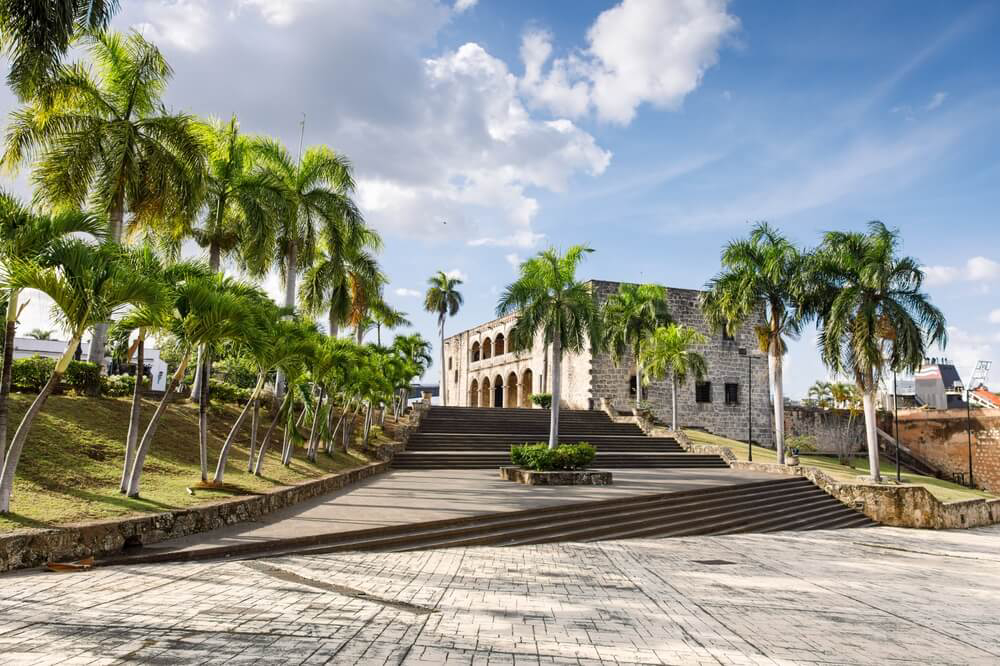
The Alcázar de Colón
The Dominican Republic declared independence from Haiti in 1844 and adopted its first constitution that same year, with Spanish colonial rule formally ending in 1865. The layers of the island’s history are what make Santo Domingo one of the most historically significant cities in the entire Caribbean, and a highlight of any Dominican Republic travel guide.
The Dominican Republic's culture draws from a rich mix of Caribbean, African, European, and indigenous Taíno influences, and the result is something that feels entirely its own. Because of this mix, music is a big and rich part of the country’s identity.
- Merengue, which originated in the Dominican Republic, is the country's national music and dance.
- Bachata, once considered too raw of a dance for polite society, has since conquered the world.
- And Dembow, the Dominican precursor to reggaeton, continues to shape Latin urban music globally. You'll hear all three everywhere you go, from beachside bars to Sunday family gatherings.
Don't be shy about dancing! Get in and join the fun… It’s one of the best cultural experiences you’ll have here.
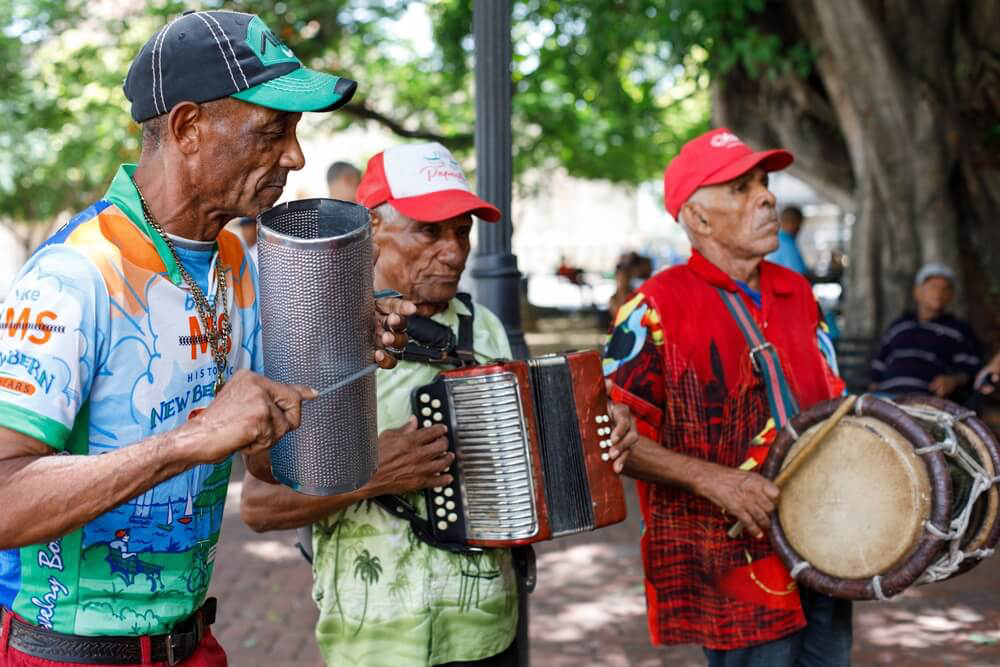
Musicians playing in the streets of Santo Domingo
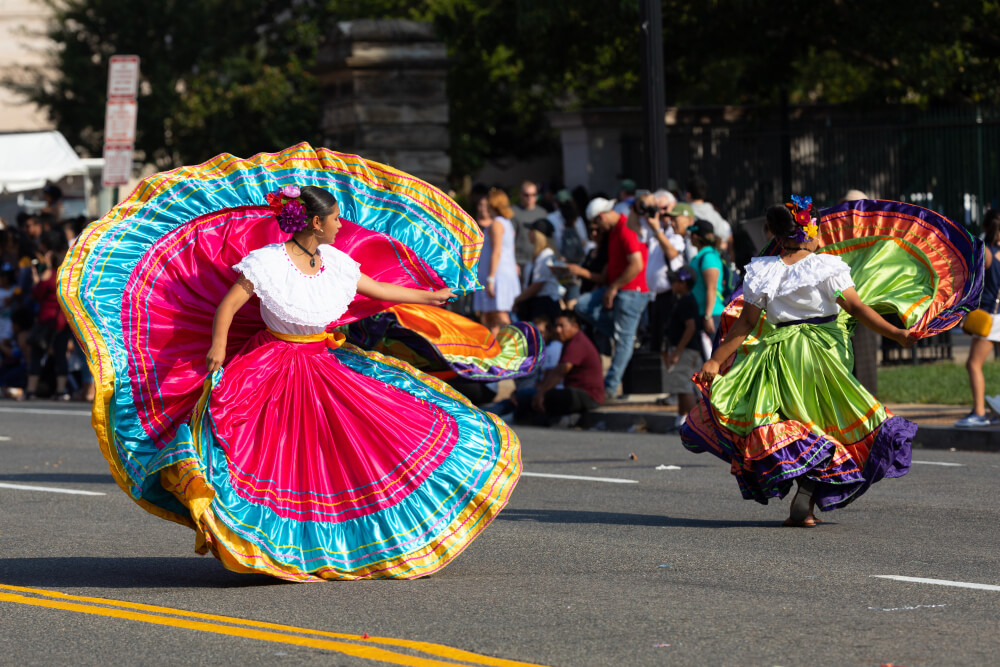
The country’s festival calendar is another highlight of the Dominican Republic’s culture and traditions. Carnival runs throughout February, where elaborate costumes, street parades, and live music make it one of the most spectacular celebrations in the Caribbean. Later in the year, Santo Domingo's Festival Presidente takes place every August. Festivities take over the capital with concerts, food, and an energy that's hard to match.
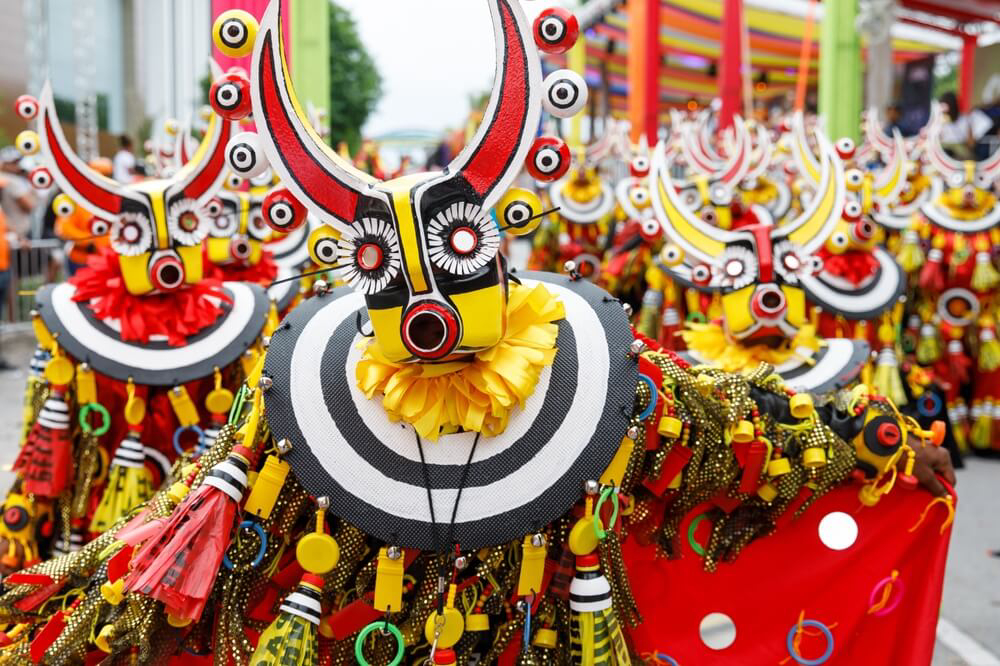
Carnival celebrations in Punta Cana
Then there’s the Dominican art scene. It adds yet another layer to the country's cultural life: local painters favor bold colors, expressive figures, and vivid scenes of everyday Dominican life, and the galleries in Santo Domingo and beyond are genuinely worth seeking out.
Classic Dominican food reflects the same layered influences as the country's culture, drawing on Spanish, African, and indigenous Taíno traditions. Here are some classic Dominican dishes to seek out during your visit.
- La bandera (the flag) is the unofficial national dish and bears the same colors: white rice, stewed red beans, and braised meat, typically served at lunch and eaten daily across the country.
- Casabe is a crispy flatbread made from yuca, passed down directly from the Taíno people. It's one of the oldest foods still eaten in the Americas.
- Chimichurri is the Dominican street burger: a pork or beef patty topped with shredded cabbage, tomato, and a tangy-sweet sauce. Seek one out from a roadside stand for the full experience.
- Pescado frito is fresh fish rubbed with salt and pepper, coated in flour, and fried. Simple, fresh, and hard to beat anywhere on the coast.
- Tres leches (three milks) is the dessert to order: a sponge cake soaked in three kinds of milk and topped with cream.
When it comes to drinks, rum is central to Dominican life. The country's major distilleries, including Brugal and Barceló, produce some of the finest rum in the Caribbean. For something even more local, try mamajuana, a mix of rum, red wine, and honey soaked with tree bark and herbs in a bottle. You can’t leave the island without trying it.
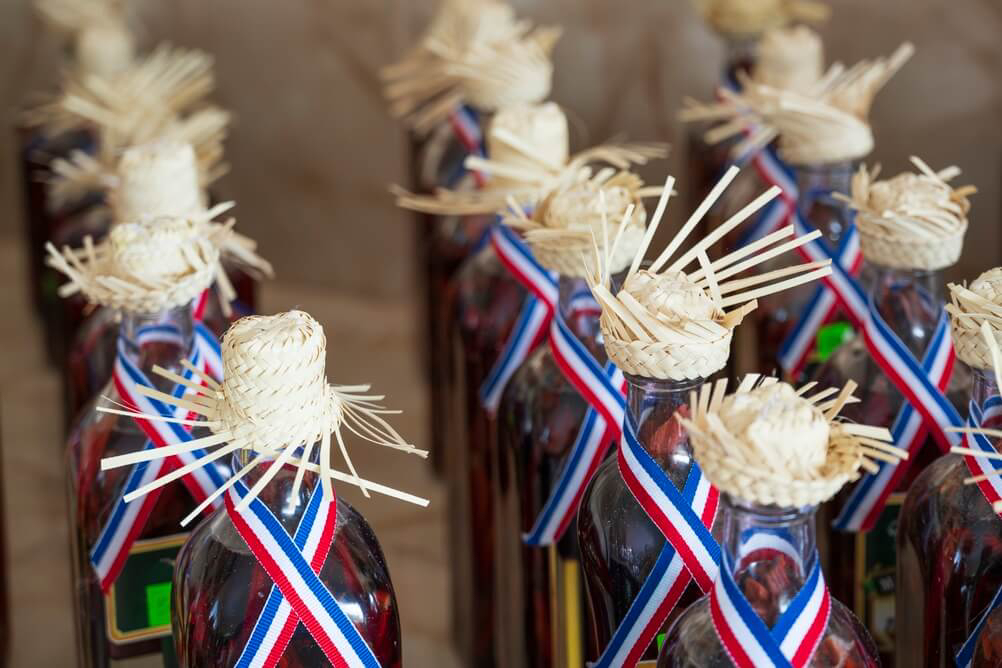
Bottles of mamajuana
The documents required to travel to the Dominican Republic are straightforward, but worth reviewing before you fly.
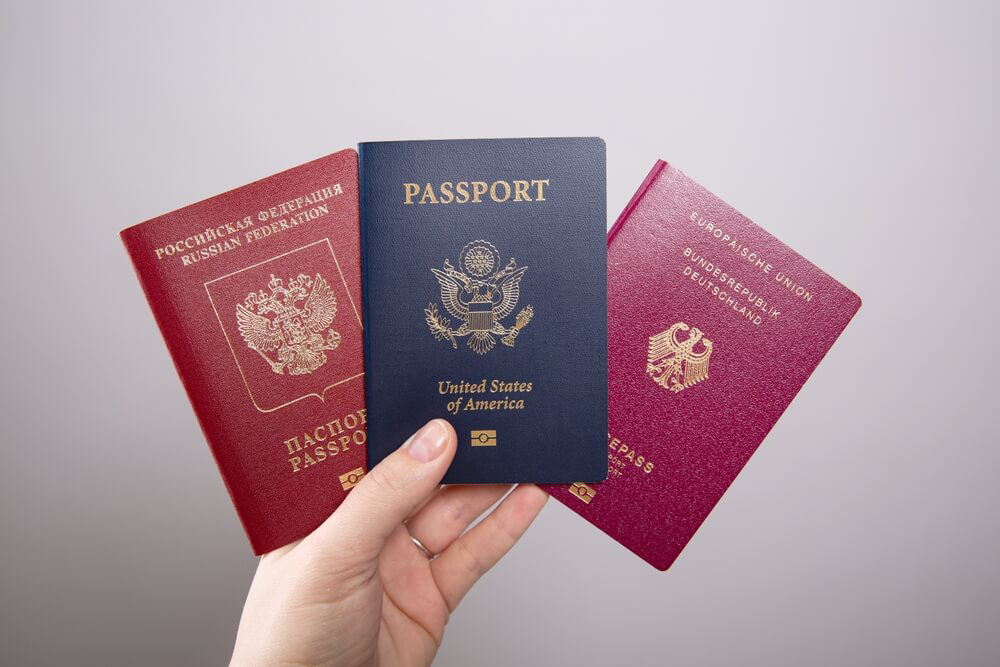
A valid passport is required for entry to the Dominican Republic
- Passport: A valid passport is required for entry. Most nationalities, including citizens of the United States, Canada, the United Kingdom, and EU member states, can enter without a visa for stays of up to 30 days.
- E-Ticket: This is one of the most important Dominican Republic travel requirements to be aware of. The Dominican Republic requires all travelers to complete an electronic entry and exit form (the E-Ticket) before arrival. It consolidates customs, immigration, and health information into a single digital form, available at https://eticket.migracion.gob.do/.
- Tourist Card: The tourist card, which previously required a separate $10 fee at the airport, is now included in most international airline ticket prices for flights arriving in the Dominican Republic. Check with your airline to confirm.
- Minors traveling alone or with one parent: Children under 18 traveling without both parents may need a notarized letter of consent from the absent parent or legal guardian. Check the requirements with the Dominican consulate in your country before travel.
Punta Cana travel requirements are the same as for the rest of the country. Always verify the latest Dominican Republic entrance requirements with official sources or your airline before departure, as regulations can change.


Subscribe to the Barceló Hotel Group newsletter to not miss out on anything!
Offers, special deals, news….