
_435x320?&)

Camino de Santiago routes: your guide to the Way of Saint James
Ancient trails, rugged coastlines or peaceful country paths, the Camino de Santiago has a journey for every kind of traveller. Discover the routes to make your own way to Santiago unforgettable

There are walking holidays, and then there’s the Camino de Santiago. For over a thousand years, pilgrims have traversed Spain and neighbouring countries heading for Santiago de Compostela, drawn by faith, adventure, personal challenge or simply the desire to slow down and experience Europe on foot. Today, the Way of Saint James is one of the world’s best-known long-distance walking experiences. And you don’t have to be religious or an experienced hiker to take part. There are Camino de Santiago routes for almost every level of fitness, from a few days walking through Galicia to a month-long journey crossing northern Spain.
What is the Camino de Santiago?
The Camino is a network of historic pilgrimage routes leading to the cathedral in Santiago de Compostela, Galicia, where tradition holds that the remains of the Apostle Saint James are buried. Rather than being one single trail, though, the Camino de Santiago is a collection of routes crisscrossing Spain and other parts of Europe.
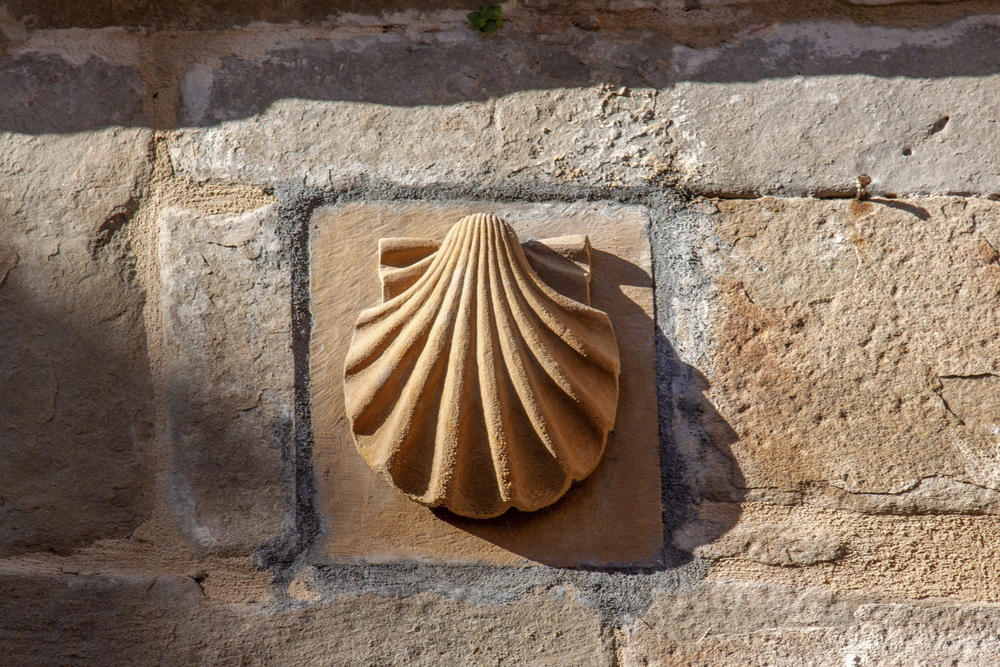
In store along the way are medieval villages, vineyards, forests, mountain landscapes, historic cities and, for many, a spiritual journey that stays with them forever. A scallop shell guides travellers and identifies pilgrims along the historic routes.
One of the main attractions of walking the Camino de Santiago is its flexibility. You can spend several weeks hiking hundreds of kilometres, or simply join a route for the final section into Santiago. To qualify for the Compostela, the official certificate of pilgrimage, walkers generally need to complete at least 100 km on foot or horseback, while cyclists need to complete 200 km.
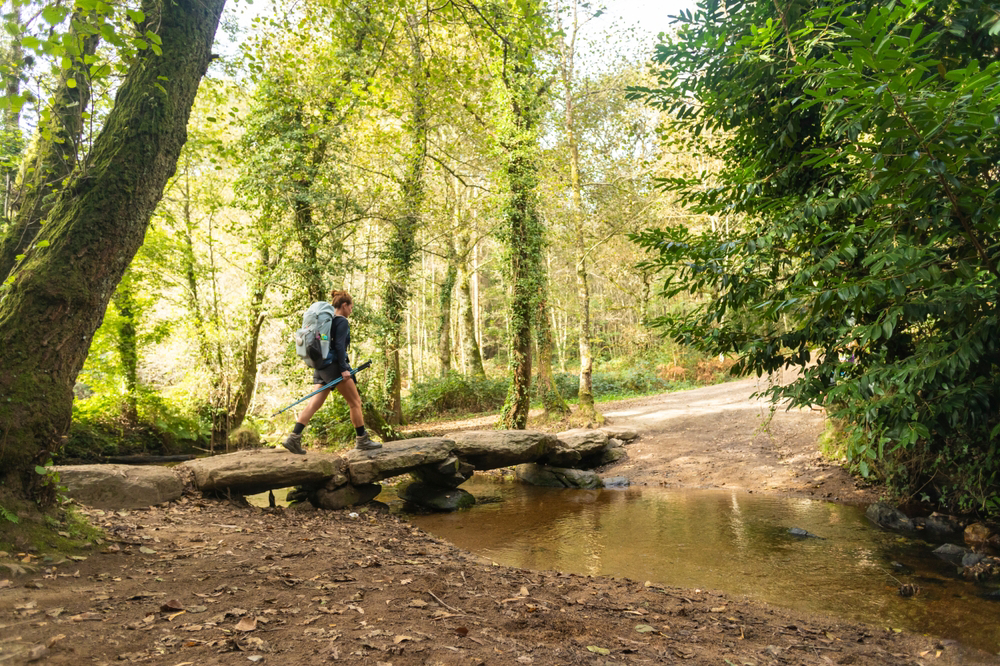
The Camino is a network of historic pilgrimage routes leading to Santiago de Compostela
When’s the best time to do the Camino?
The Camino de Santiago can be walked pretty much any time of year, but spring and autumn are considered the most appealing seasons. April, May, June, September and October offer a good combination of milder temperatures and pleasant walking conditions, although weather varies considerably between routes and regions.
Summer is the busiest period, of course, particularly on the most popular sections. July and August can also bring intense heat, especially inland. If you walk during these months, making an early start allows you to cover much of your daily distance before temperatures ramp up in the afternoon.
Winter offers quieter Camino de Santiago holidays and fewer pilgrims, but conditions can be challenging in mountainous areas and some services operate only seasonally. For a first Santiago pilgrimage route, spring or early autumn is the wisest choice.
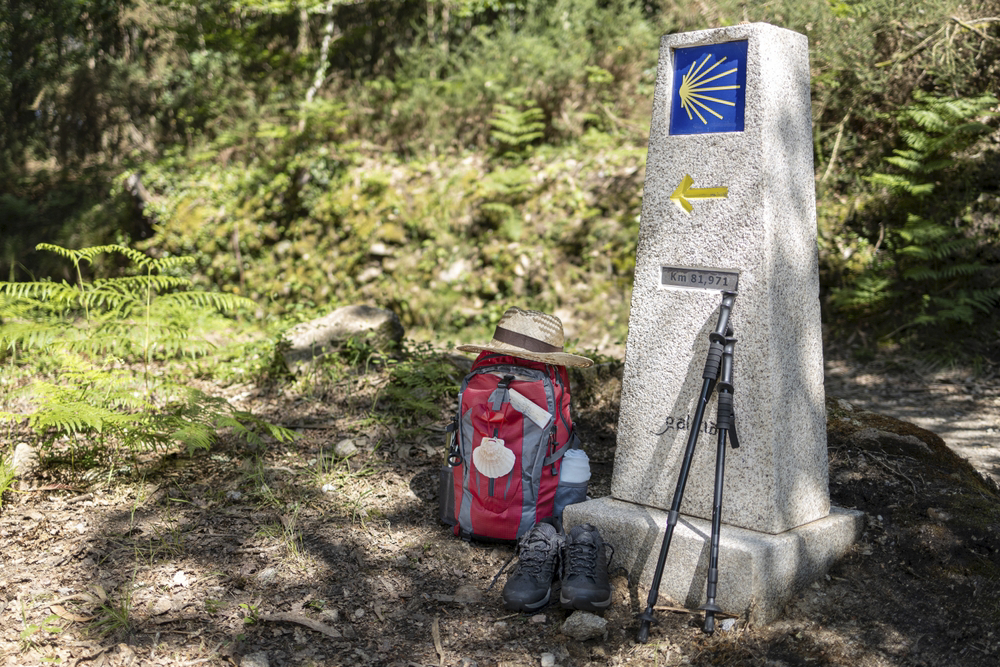
Spring and autumn are considered the best times to do the Camino
What’s the best Camino de Santiago route?
Of all the Camino de Santiago routes, there’s no single best one – and that’s part of the appeal. The right route depends on what you want from the experience.
For the classic pilgrimage atmosphere, the French route to Santiago de Compostela is an obvious choice. For spectacular coastal scenery, the Portuguese coastal path is a great option. For solitude and a more demanding experience, the original Camino de Santiago is an adventure into the pilgrimage’s history. The northern Camino de Santiago follows Spain’s dramatic northern coast, while the Via de la Plata provides a longer, quieter journey through western Spain.
Rather than searching for the “best” route, think about the landscapes, distance and atmosphere that suit you. For help in finding your perfect Camino de Santiago trail, read on.
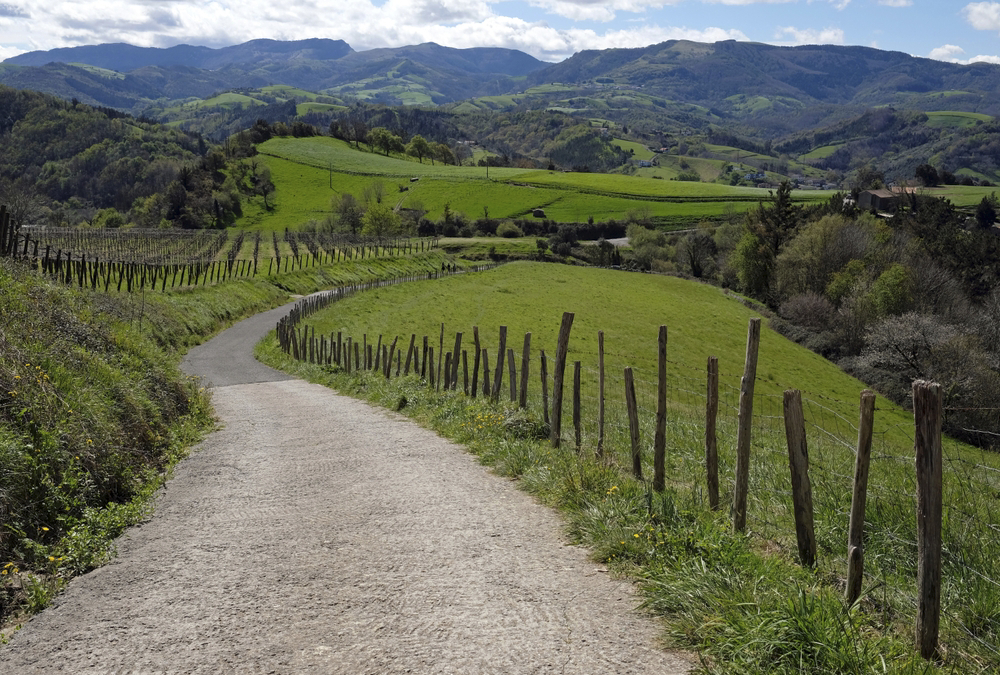
The right Camino de Santiago route depends on what you want from the experience
The shortest Camino de Santiago route: the English Way
If you’re looking to do a relatively short route but still want the sense of achievement of completing a full Camino de Santiago, consider the English Way (Camino Inglés). Traditionally used by pilgrims arriving in northern Spain from Britain, Ireland, Flanders and Scandinavia, it begins in A Coruña or Ferrol before heading south towards Santiago.
The route passes through quintessential Galician landscapes, taking in forests, quaint villages and historic settlements along the way. Its shorter length makes it an appealing introduction to the Camino for travellers with limited holiday time. By starting from Ferrol, the Camino Inglés to Santiago also gives you the shortest route to securing the Compostela certificate without settling only for the last 100 km.
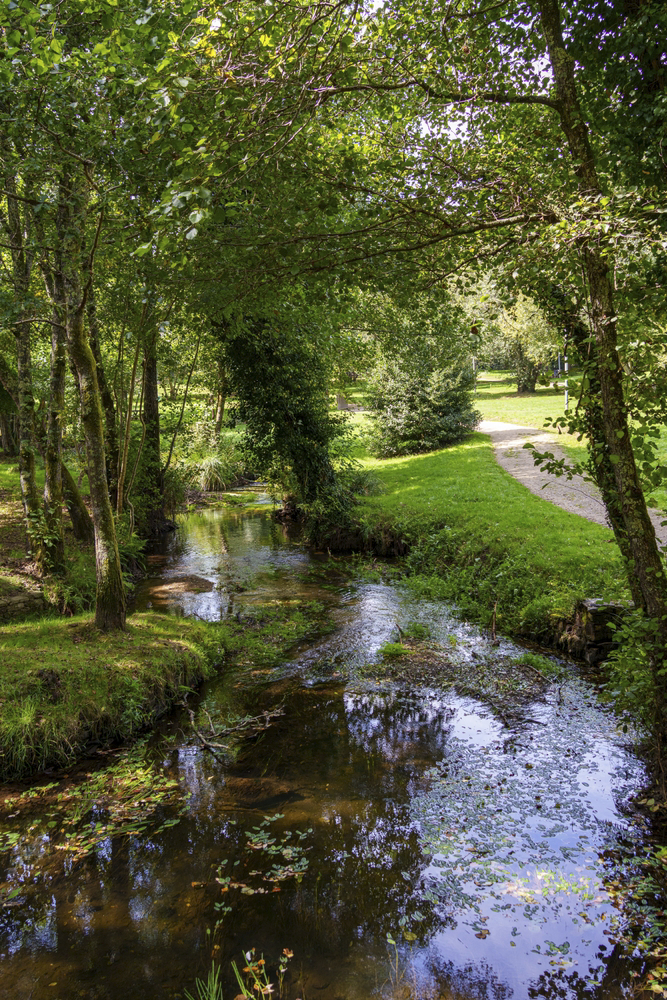
The shortest full Camino de Santiago route is the English Way
The most popular Camino de Santiago route: the French Way
The French Way (Camino Francés) is the classic Camino. It’s the route most people picture when they imagine the pilgrimage, and it remains the best-known and most internationally recognised of them all.
The traditional starting point is Saint-Jean-Pied-de-Port in France. From there, the route crosses the Pyrenees – with the option to tackle the challenging Camino de Santiago Napoleon Route, taking you high into the mountains – and continues through Pamplona, Logroño, Burgos, León and the mountains of Galicia before finally reaching Santiago.
The main attraction and what makes the journey so memorable for pilgrims is the extraordinary variety of scenery. One day you might be crossing vineyards in La Rioja; another you could be walking across the vast Castilian plains. Then come the green hills and stone villages of Galicia. Given its popularity, it’s also the route with perhaps the strongest Camino community.
For pilgrims keen to experience this route but with limited time, one option to consider is the Camino Francés León to Santiago. Setting out from the magnificent cathedral in the historic city of León, you’ll cover a little over 300 km, taking in some of the highlights of the entire French Way.
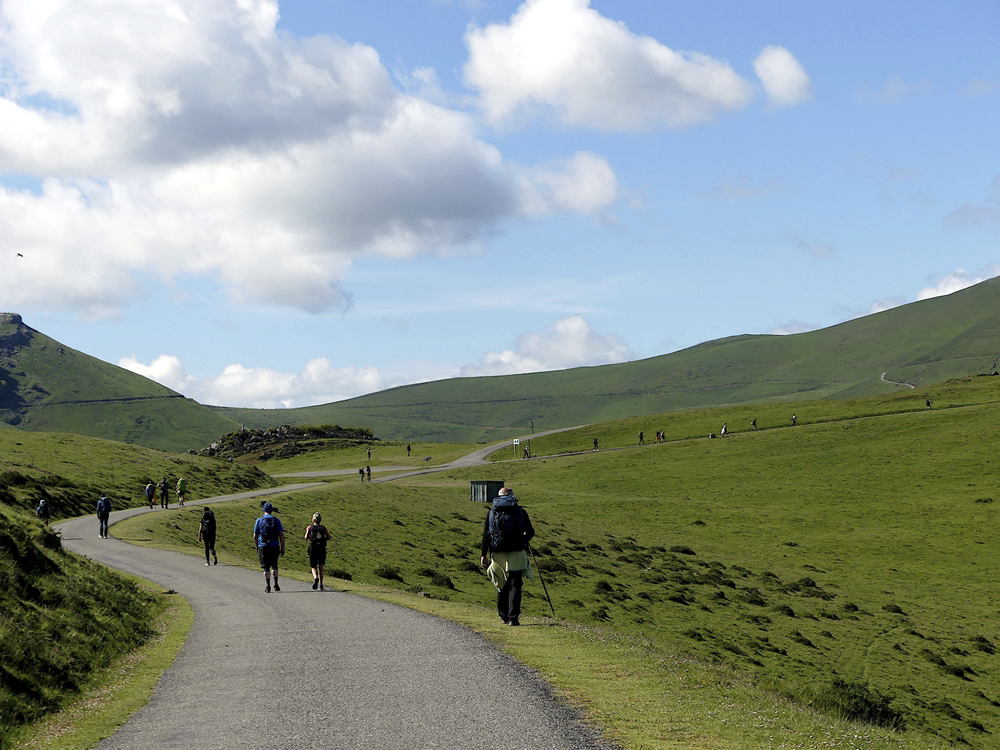
The French Way begins with a trek into the Pyrenees from Saint-Jean-Pied-de-Port
The Original Way: the Camino Primitivo
The Primitive Way (Camino Primitivo) is particularly appealing to walkers looking for a more rugged experience that traces the very roots of the Camino de Santiago.
From the elegant surroundings of Oviedo, the capital city of Asturias, it passes through the region before joining the French Way at Melide, following the path traditionally associated with King Alfonso II’s trek to Santiago in the 9th century to see the recently discovered tomb of Saint James for himself. The monarch’s journey laid the foundations for all future Camino de Santiago routes.
Expect hills, forests and more demanding terrain than on some of the gentler sections. In return, you’ll get spectacular landscapes and a keener sense of what inspired the first travellers to embark on the Camino de Santiago pilgrimage all those centuries ago.
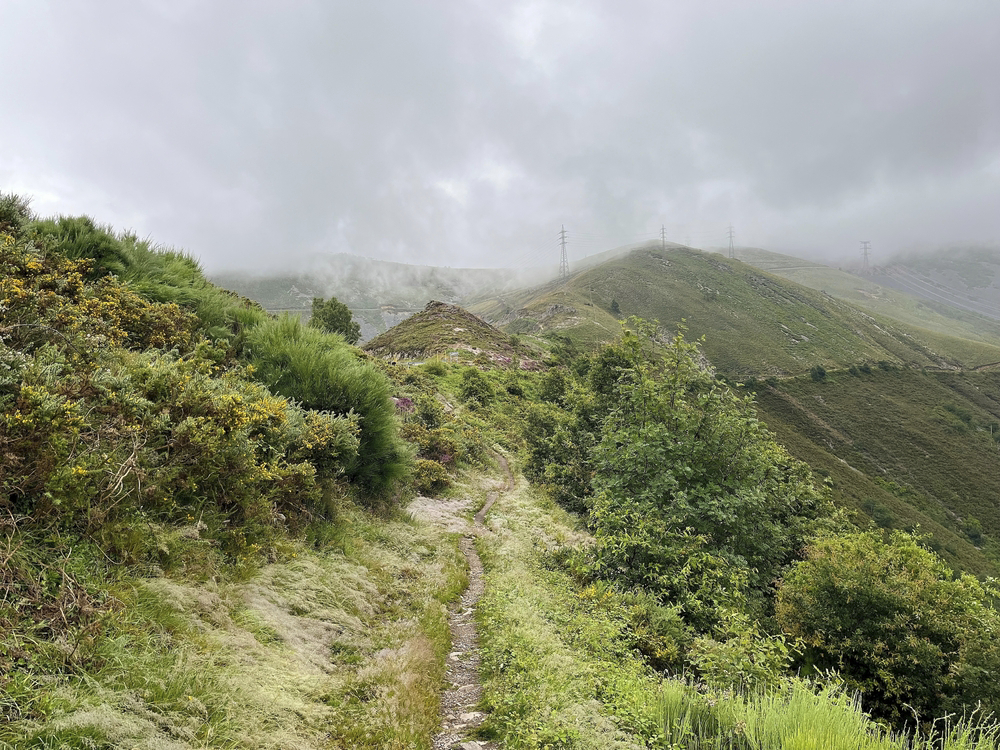
The Primitive Way is the oldest and original pilgrimage route to Santiago
The Portuguese Way: an attractive alternative
The Portuguese Way of the Camino de Santiago (Camino Portugués) is fast becoming one of the most favoured alternatives to the French route. Beginning in Spain’s Iberian neighbour, the Portuguese route to Santiago de Compostela splits into a historic inland track and an increasingly popular scenic coastal Camino de Santiago.
The journey combines Portuguese and Galician landscapes, historic towns, vineyards and attractive coastal scenery. Setting out further south creates a substantial multi-week pilgrimage, while beginning closer to Santiago makes it possible to experience the route during a shorter holiday.
Taking the Spanish border town of Tui as your starting point is ideal for walking the last 100 km of the Camino de Santiago and earning your Compostela certificate.
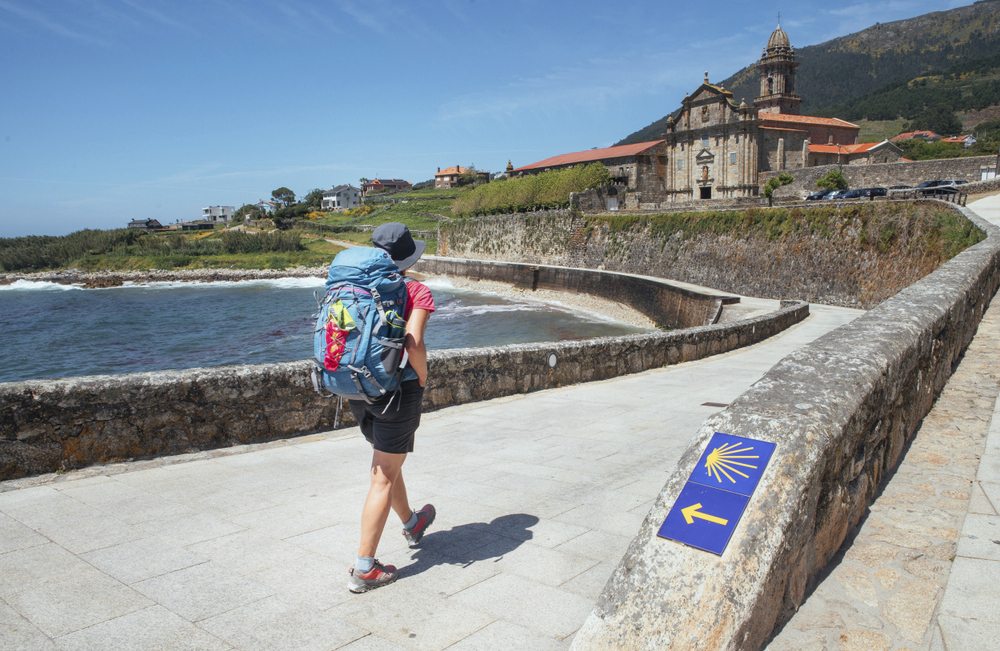
The scenic coastal route of the Portuguese Camino de Santiago is a popular choice
The Northern Way: Atlantic horizons and a quieter path to Santiago
If spectacular scenery is your idea of the perfect pilgrimage, the Northern Camino de Santiago (Camino del Norte) could be just the ticket. Starting in Irún near the French border, this long, beautiful route hugs the wild “green coast” of northern Spain before heading into Santiago de Compostela. As with all Camino de Santiago routes, there’s always the option of just tackling sections of it.
Expect rugged cliffs, stunning beaches, lush green hills and atmospheric fishing villages, with plenty of rewarding climbs in between. Generally quieter than the more famous French Way, the Northern Way combines the challenge of hiking the Camino de Santiago with some of Spain’s most dramatic coastal landscapes.
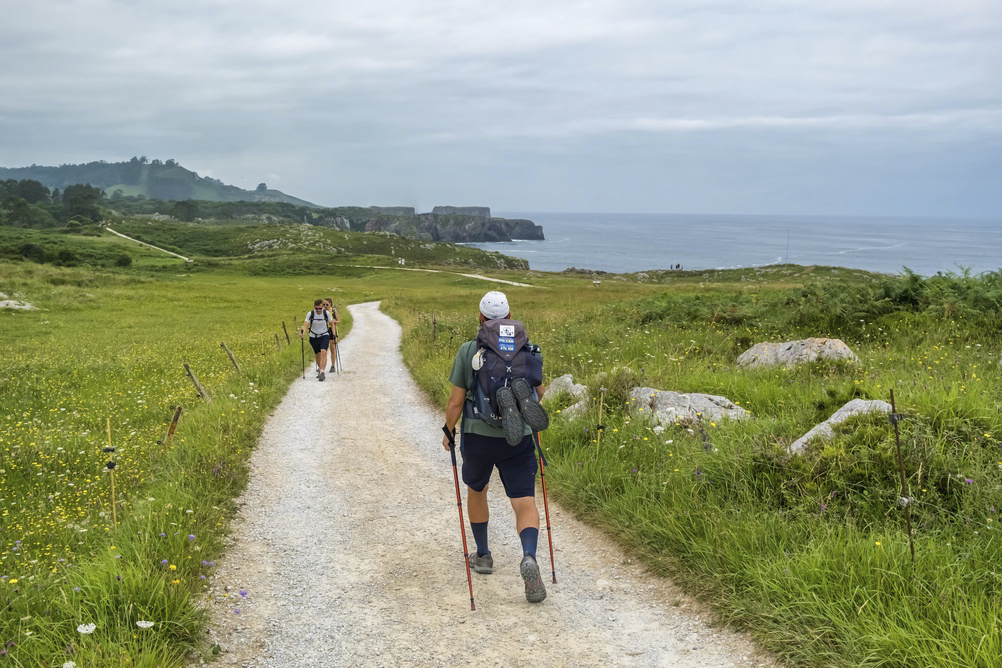
The Northern Way of Saint James delivers spectacular coastal scenery
Walking the last 100 km of the Camino de Santiago
For first-time pilgrims, the last 100 km of the Camino de Santiago may be the perfect introduction. The most famous starting point is Sarria on the French Way, which gives you the minimum distance required to earn the official certificate.
This section offers the essential Camino experience without requiring several weeks away from home. You’ll collect stamps in your pilgrim’s passport, walk through some stunning parts of rural Galicia and gradually make your way towards Santiago.
Bear in mind that this minimum-distance section is also one of the busiest, particularly during peak periods. If you want a quieter experience, consider travelling outside the height of summer or tackling a less crowded Camino de Santiago walk.
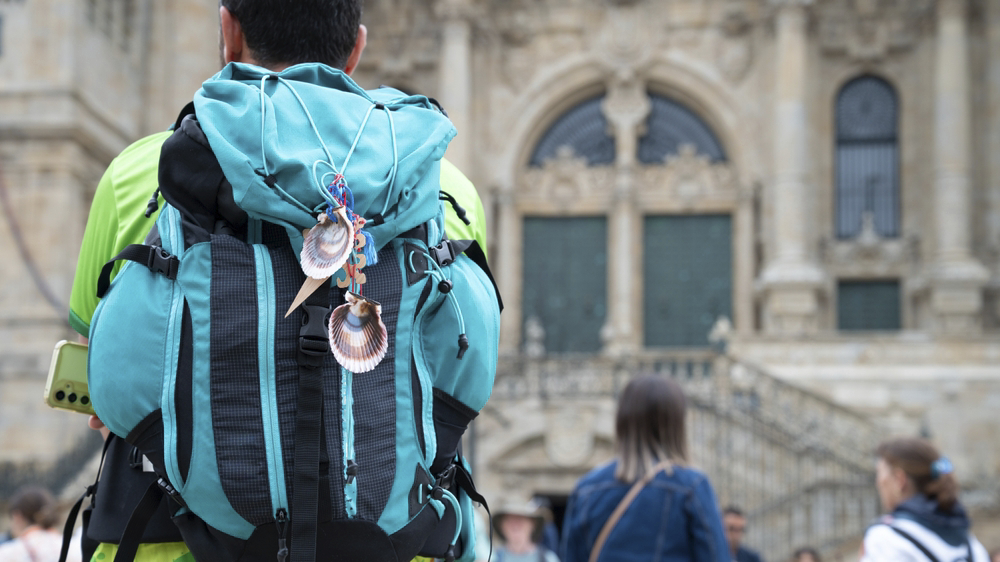
Walking the last 100 km into Santiago is the perfect introduction to the Camino
Cycling the Camino de Santiago: two wheels good
You don’t have to walk the Camino. Cycling it is an excellent option and gives you a completely different Way of Saint James experience.
A bicycle allows you to cover greater distances each day, potentially making longer routes feasible within a shorter holiday. You’ll still encounter the same villages, churches, vineyards and Camino de Santiago scenery, but experience them at a quicker pace.
Remember, cyclists must complete at least 200 km to qualify for the Compostela, rather than the 100 km required on foot.
Spring and early autumn are particularly appealing for biking the Camino de Santiago, while the heat of July and August can make strenuous riding uncomfortable. If you’re bringing your own bike, check transport arrangements in advance and plan for basic repairs.
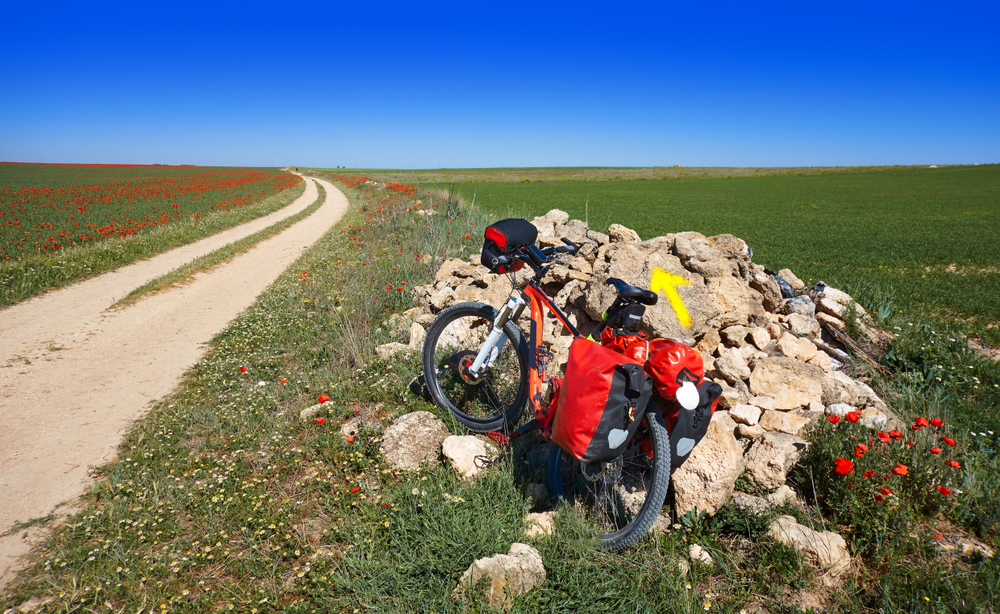
A bicycle trip means you can do more of the Camino in less time
Your Camino, your way
Perhaps the greatest appeal of the Camino de Santiago is that there is no single way to do it. You can spend a month crossing northern Spain, walk the final 100 km from Sarria, cycle into Santiago, follow the Portuguese coast or take on the demanding Primitive Way.
No matter which of the Camino de Santiago routes you choose, the journey itself is as important as the destination. Santiago may be the ultimate goal, but the landscapes, experiences, conversations struck up, unexpected detours and small daily achievements are what you’ll treasure long after you stand before the cathedral.
The journey itself is as important as the destination on the Camino de Santiago