

_435x320?&)

The world’s most exotic fruits and where to try them
Stay healthy and explore local produce during your next escape. From Rambutan to Mangosteen, these are the exotic fruits worth travelling for
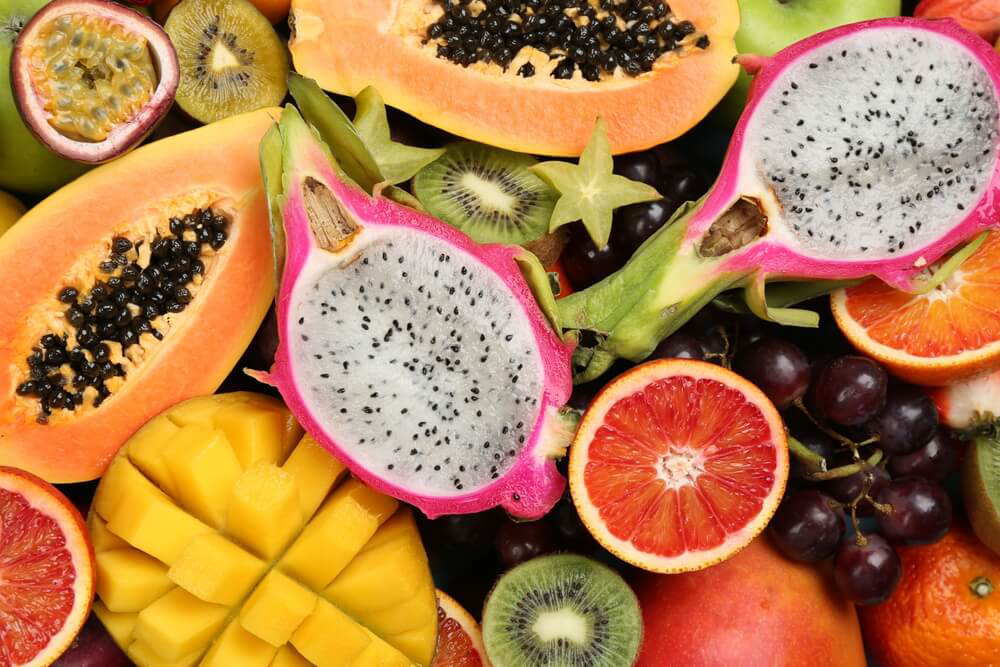
One of the best ways to embrace the local culture in a new destination is through its food. With each bite comes a burst of flavour that defines the region and sends your tastebuds into overdrive. For many, one of the highlights of travelling to tropical regions is the sheer number of bizarre and beautiful exotic fruits to try. Whether you are in the bustling souk of a North African city, the chaotic clamour of an Asian market or on the beach in the Caribbean, there are so many rare fruits just waiting to be sampled.
Adventurous diners will be drawn to the bright colours and strange shapes of these weird fruits and since they are so odd, brushing up on what to try where ensures you don’t miss out on exciting new flavours. If you are thinking of a tropical escape, these are the unusual fruits to add to your shopping list.
Exotic fruits from Asia
Due to the vast size of the Asian continent, its diverse climates, and its historical ties to major trade routes like the Silk Roads, it is no surprise that so many exotic fruits grow here. If you are travelling to Thailand or staying in Indonesia, these are the tropical fruits you must try during your stay.
Do you dare to try durian fruit?
Perhaps the most infamous of the list, the durian is certainly one of the rare, exotic fruits to divide opinions. While some sing its praises, calling it the “king of fruits” thanks to its delicious flesh, others are repulsed by its pungent smell and overpowering taste. This large and spikey fruit from South East Asia is known to taste like custard with a strong vanilla, caramel, cheesecake style tasting flesh; however, its aroma has got it banned in many public places. Great for health, this fruit is high in vitamins, fibre and potassium as well as iron.
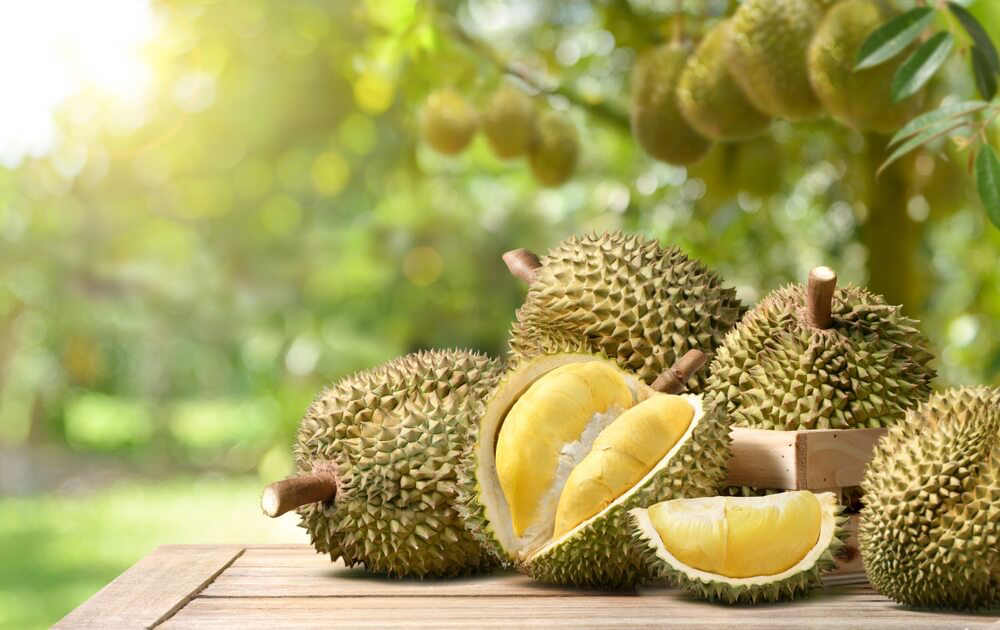
Durian fruit
Have you tried star fruit or carambola?
All tropical fruits are fun, but when the fruit is shaped like a star, it is even more inviting. The star fruit is one to try if you are visiting Sri Lanka, although the jury is still out as to where it originated from. Some say it is Sri Lankan, while others give it Indonesian provenance. However, today, the star fruit is widely cultivated across Southeast Asia as a delicious, healthy snack and as a table decoration. Enjoy its juicy, crisp texture and its sharp, citrusy flavour, but take note that it contains oxalic acid and those with kidney issues should be careful.
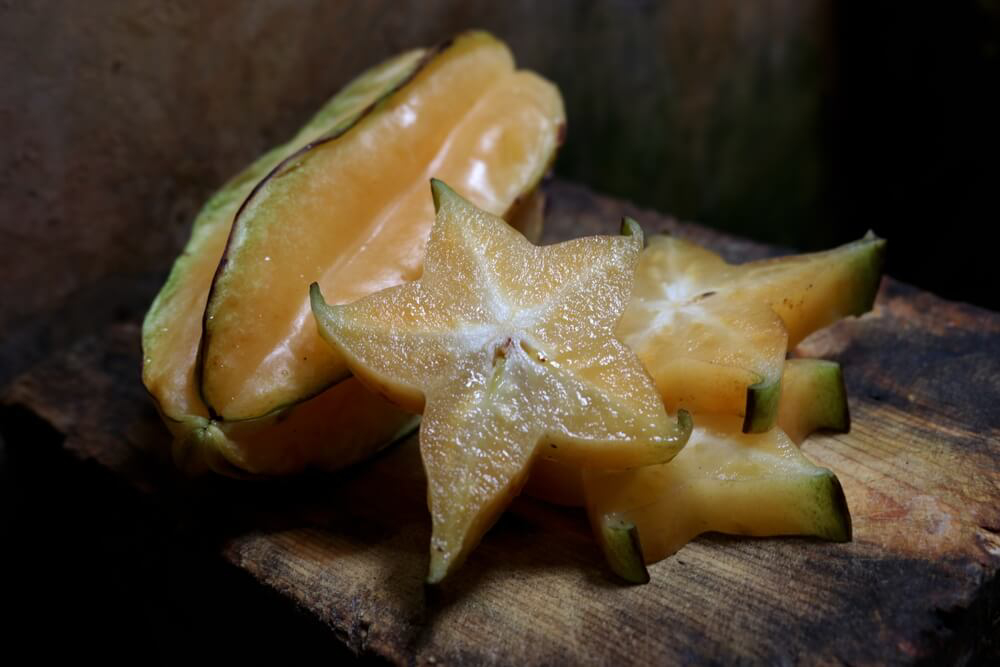
A star fruit, also known as carambola
Add rambutan to your list of odd fruits
Native to Southeast Asia, the rambutan is a funny-looking fruit and one of the exotic fruits you must try while travelling through this region. Its name comes from the Malay word for hair, as its appearance resembles a red, hairy golf ball or sea urchin. What it lacks in beauty, it makes up for in benefits with its rich nutrient and antioxidant count that helps aid digestion, weight loss and many other health benefits. Look for deep red hairs, as this means that the rambutan is ripe and ready to eat and then just peel back the skin to eat the creamy flesh inside.
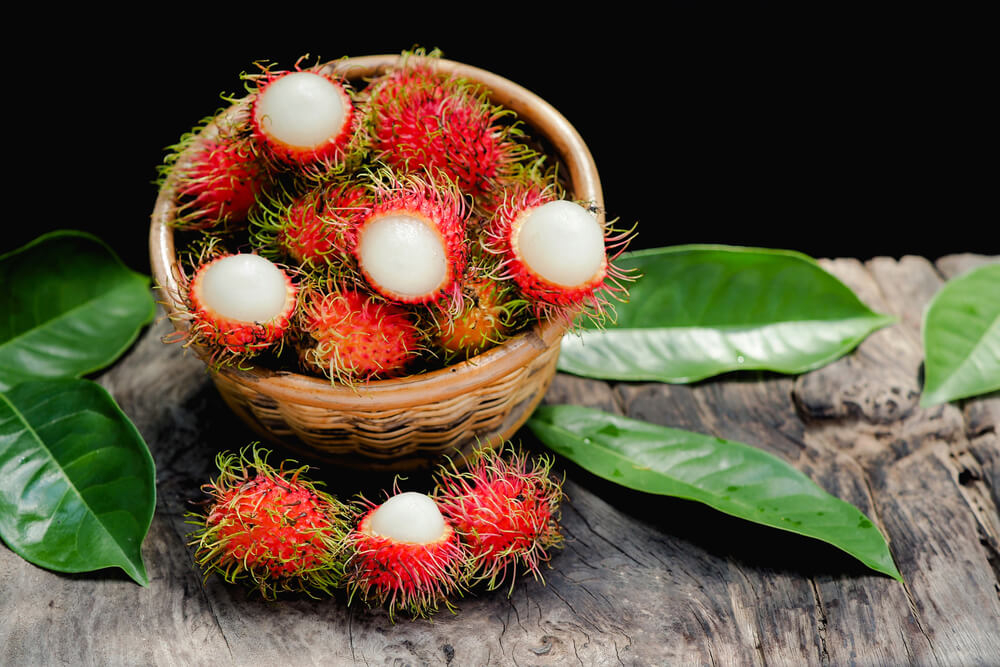
Rambutan fruit
Mangosteen, another Asian tropical fruit to try
Originally from the Malay Peninsula, but now widely cultivated across Asia, the Mangosteen is a hard flavour to place. It looks like a plum with its dark, leathery aubergine coloured rind, but inside, it looks like a snow white orange and tastes like a cross between a pineapple and a grapefruit. If the durian is known as the “king of fruits”, the mangosteen is known as “the queen of fruits” and is highly valued in traditional medicine for its anti-inflammatory and antimicrobial properties.
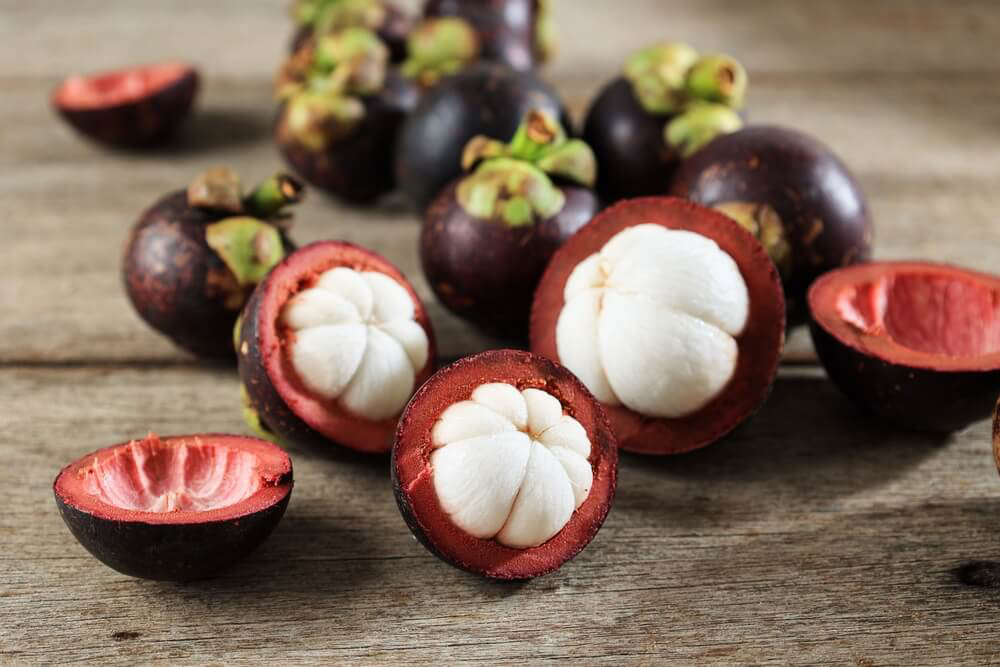
Mangosteen fruit
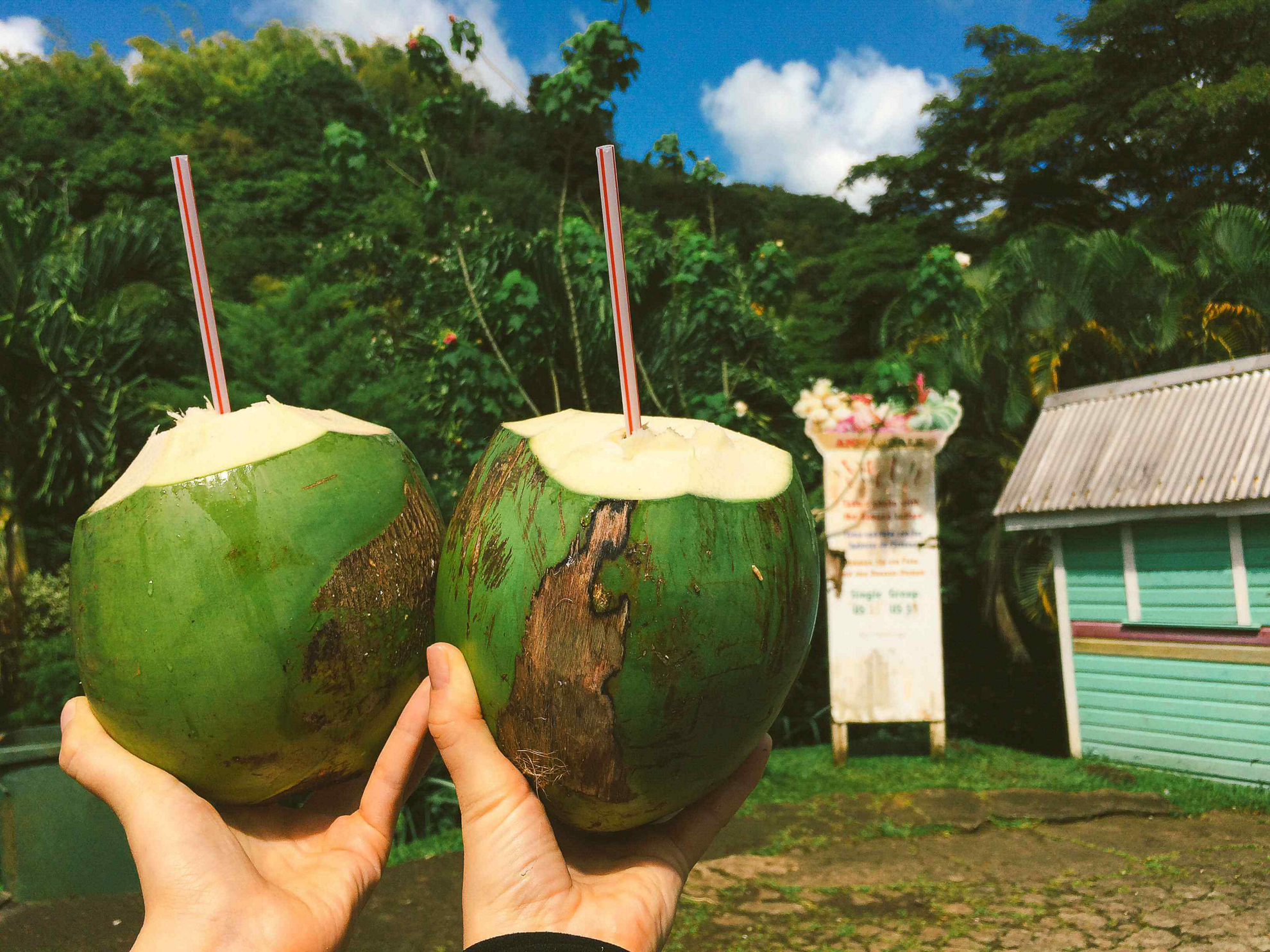
The thambili or king coconut
Native to Sri Lanka, this bright orange coconut, known as a king coconut, is a prized product due to its sweet, electrolyte-rich water, which is packed with potassium, amino acids, and essential vitamins. In fact, the water is so highly prized that it is known as the “champagne of coconut water” and is of a significantly superior quality to that of regular green coconuts.
All its goodness is thought to have anti-ageing properties as well as aid digestion
All its goodness is thought to have anti-ageing properties as well as aid digestion. Try it as a thirst quencher after a long, hot day exploring the things to do in Sri Lanka, or mixed into a cocktail as you enjoy the best of Sri Lankan cuisine.
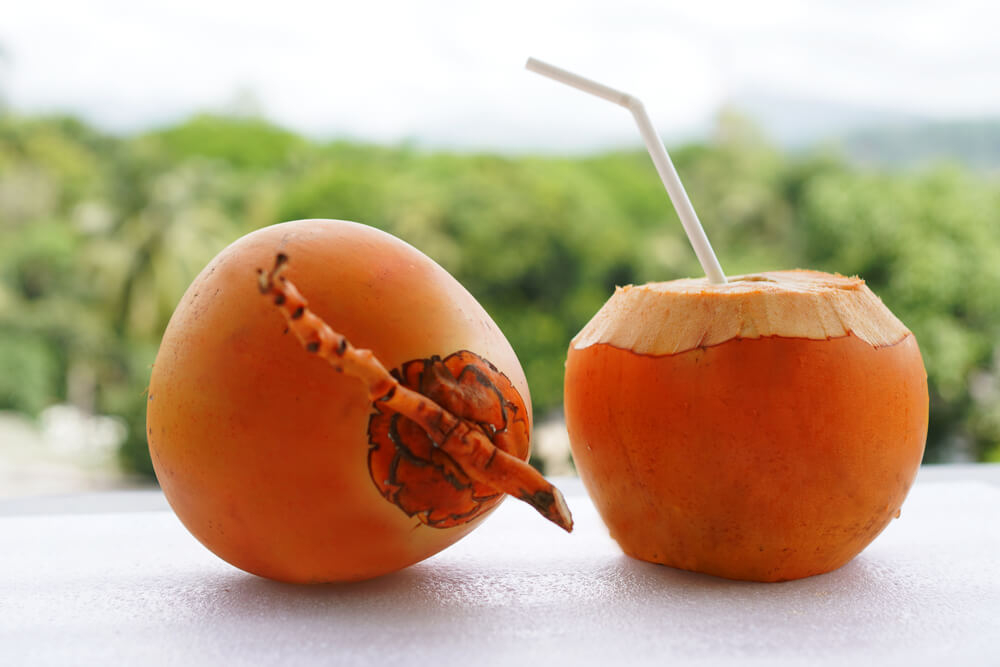
King Coconuts
African exotic fruits to try on your travels
Since many of the native African exotic fruits are less well known than those found in Asia, a holiday to Africa, be it a coastal stay in Cape Verde or a cultural pilgrimage to Egypt, is the ideal way to savour these exotic flavours.
Add the Ackee to your list of odd fruits
When it comes to the different types of exotic fruits to try in Africa, the ackee is a must-try. It belongs to the Sapindaceae (soapberry) family, like the lychee. Although some parts of the unripe fruit, as well as the seeds, are toxic, the ripe, fleshy part around the seed is edible and considered a delicacy.
In fact, it was considered to be so tasty that it was exported to the Caribbean and became Jamaica’s national fruit
In fact, it was considered to be so tasty that it was exported to the Caribbean and became Jamaica’s national fruit. The ackee’s scientific name, Blighia sapida, honours Captain William Bligh, who brought the ackee to Kew Botanical Gardens in the United Kingdom during his HMS Providence voyage in 1791-1793.
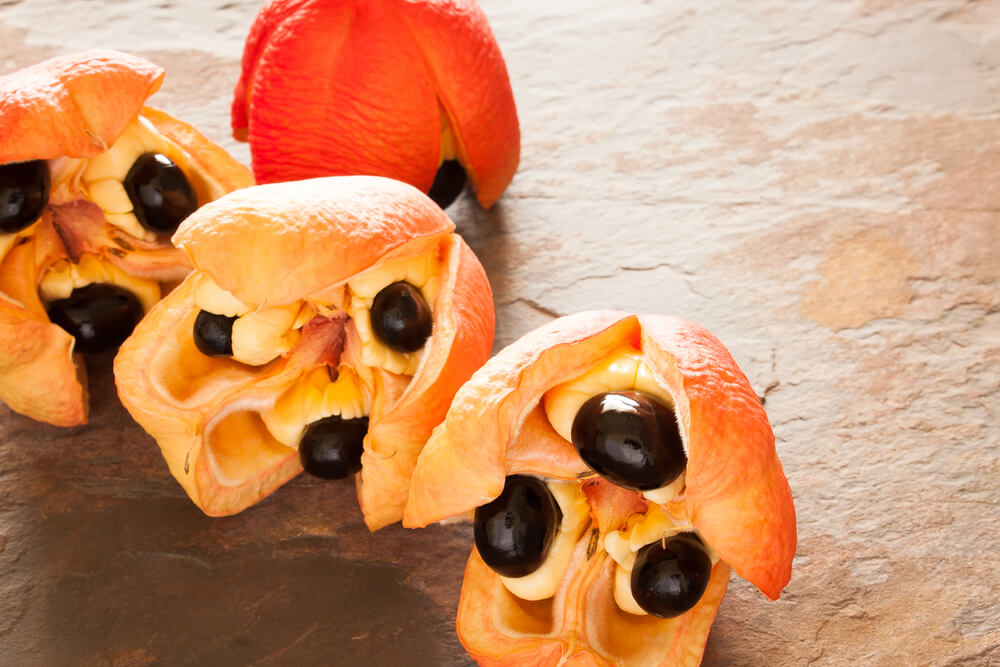
Ackee fruits
Don’t forget to try miracle berry
With a name so fabulous, the miracle berry is one of the must-try exotic fruits in Africa. Another native to West Africa, this small red berry contains miraculin, a glycoprotein that temporarily binds to taste receptors and tricks them into making sour food taste sweet and spicier food taste hotter than it is. It is used as a natural sugar substitute and is considered to be a potentially beneficial food for chemotherapy patients struggling with taste changes. This fruit was introduced into the EU in 2021, but it's still a widely unknown fruit.
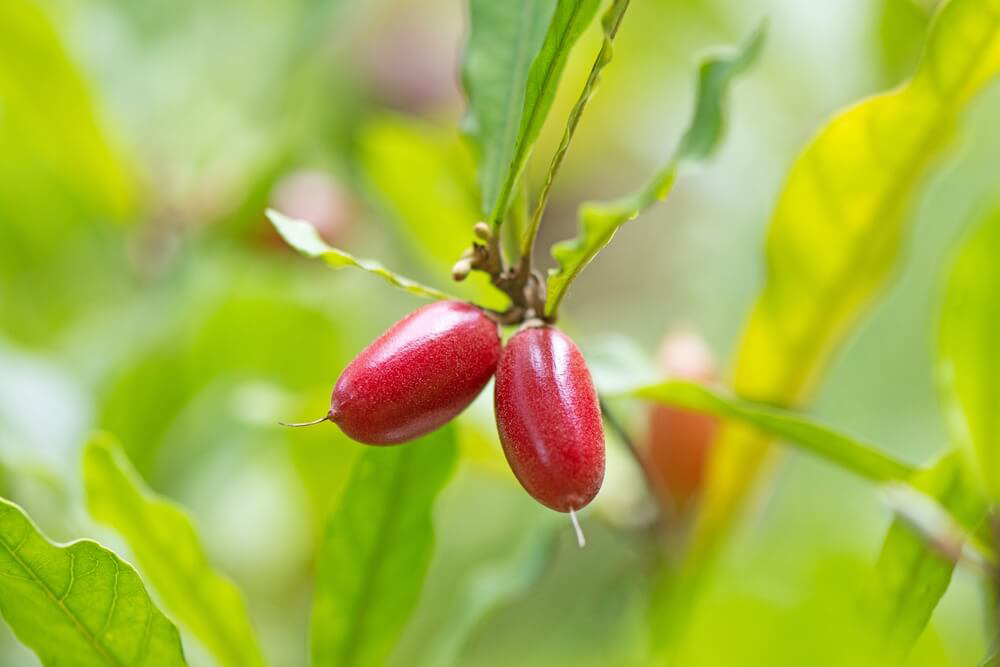
Miracle fruit berries
Marula, a common African fruit
If you are travelling in Africa, especially the miombo woodlands of Southern Africa, you will discover marula trees, otherwise known as elephant trees. The small, round fruits from the tree are deliciously tart and refreshing and can be eaten raw, or used in juices, desserts, fermented into beer or distilled to make liqueurs like Amarula. High in vitamin C, antioxidants and minerals, the marula fruit is considered to offer anti-inflammatory and anti-bacterial properties.
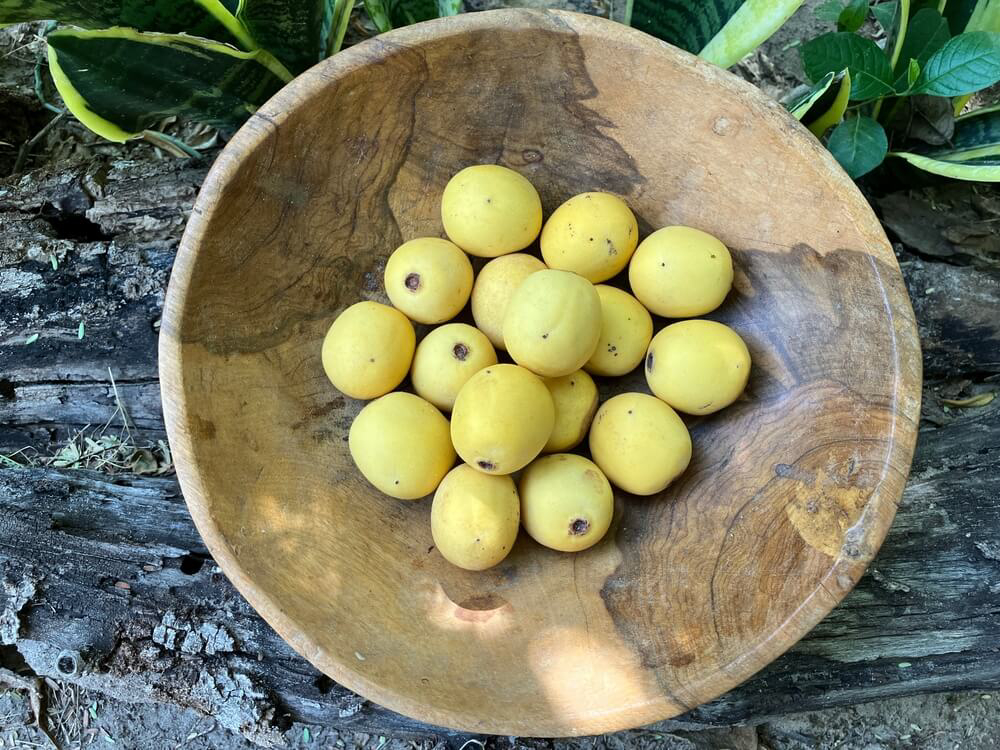
The fruit from the Marula tree
The best exotic fruits to try in Latin America
Many of the exotic fruits and foods that are commonplace today on our plates can be traced back to the Americas. From avocados to chocolate, the list is endless. However, there are still many cool, exotic fruits that didn’t cross the pond and a holiday to Mexico or a resort break in the Dominican Republic provides a golden moment to taste test healthy bites.
Discover the guava fruit
Native to the Americas but now cultivated globally across many subtropical regions like India, the guava fruit has a smooth green skin and a sweet, tangy flesh. The taste is a tropical mix of strawberry, pear, pineapple and lemon, a yummy fruit cocktail of sweet and sour flavours. Since guavas don’t have a long shelf life, they are hard to export. But, this only makes it more tempting to tuck into this vitamin C and fibre-rich fruit while on holiday.
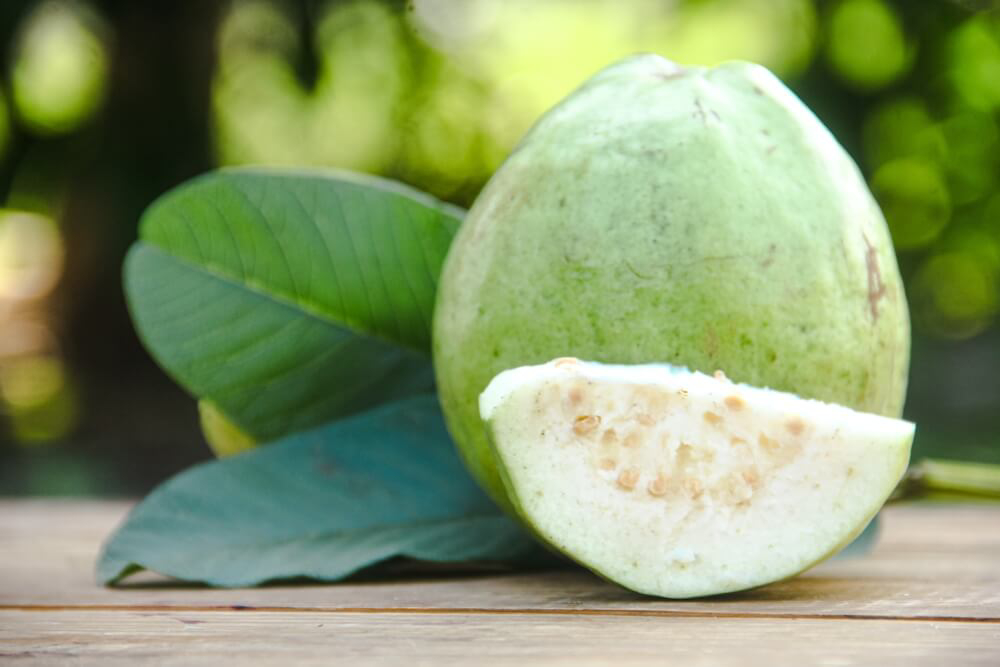
Guava fruit
Have you tried dragon fruit?
The name itself places this fruit on your list of obscure fruits when travelling around Latin America. Native to Central and South America, the dragon fruit, also known as pitaya, or strawberry pear, has a distinctive, attention-grabbing appearance with a hot pink spikey exterior and a white, juicy flesh with tiny black seeds. Its mildly sweet taste, similar to that of a pear, kiwi or watermelon, makes it a wonderful addition to many salads. It is especially popular in Southern Mexico, so if you are on holiday in Quintana Roo, be sure to try some.
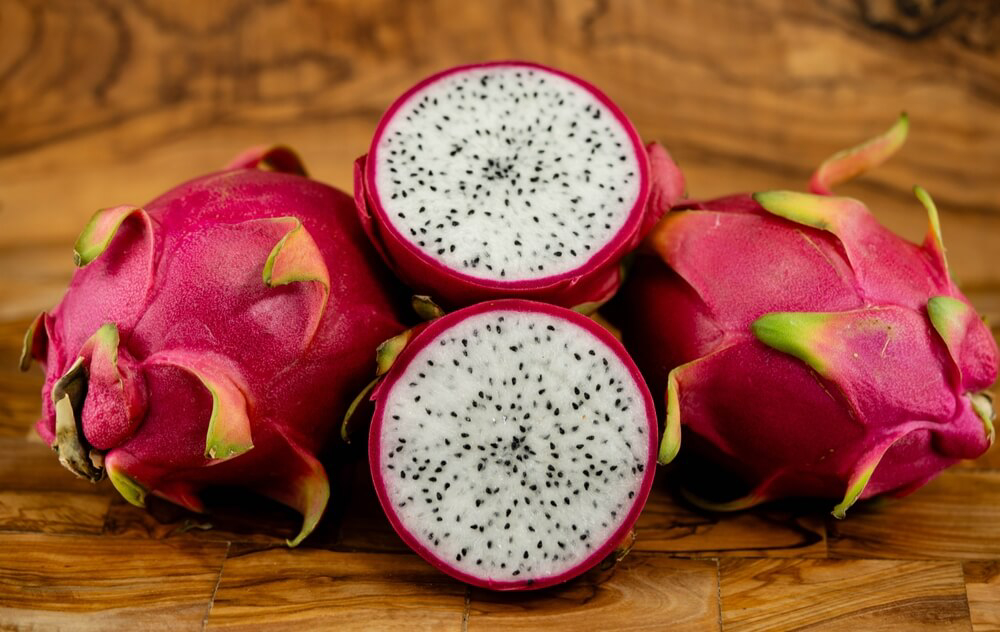
Dragon fruit
Discover black sapote
While the name sapote refers to any soft, edible fruit in Latin America, the black sapote specifically refers to the Diospyros nigra. Native to Mexico, Central America and Colombia, the black sapote is a must-try for chocoholics as it has a soft, creamy texture and a distinctive chocolate pudding taste. On the outside, they look similar to persimmons and the dark, gooey goodness on the inside is rich in vitamins A and C as well as fibre, calcium, phosphorus and potassium.
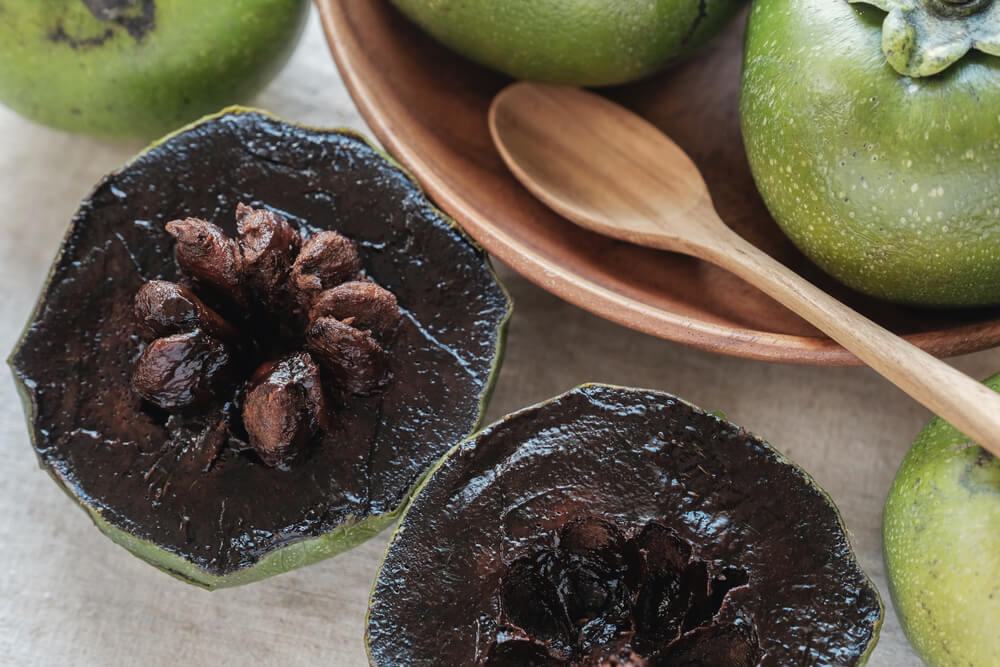
Black Sapote
Mamey Apples are a must-try
If you are on holiday in Cuba, the Dominican Republic or Puerto Rico, add the mamey apple to your food list. This large, round, brown tropical fruit has a rich orange flesh that tastes like an apricot or exotic berry. You will see it used in juices, ice cream and other sweet treats. However, it is worth noting that the flesh near the large central seed can be sour and should be avoided.
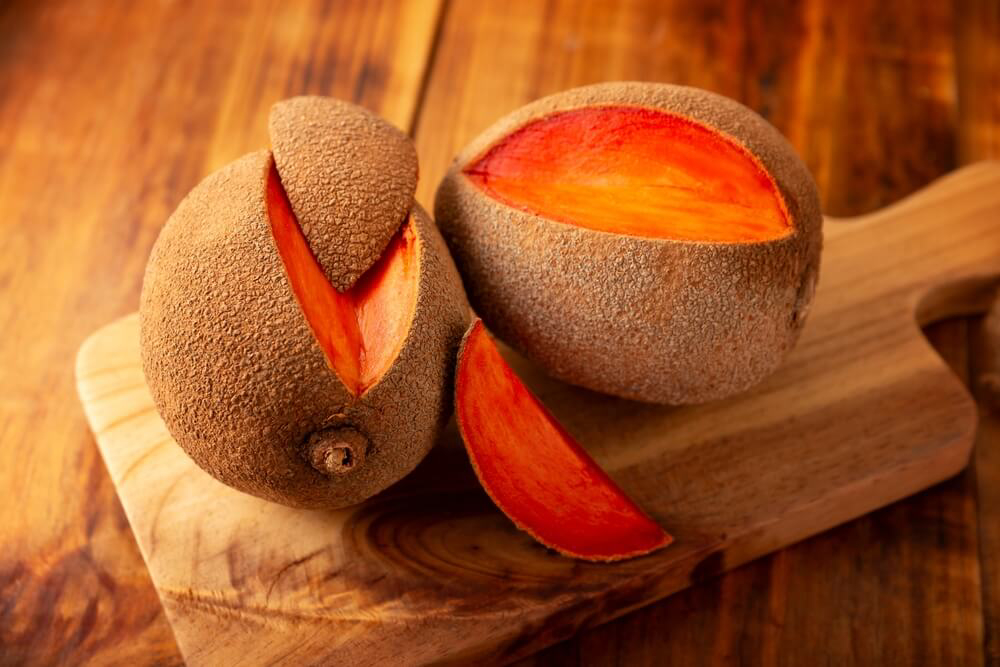
Mamey Apples
When it comes to exotic fruits, don’t forget the soursop
If you have tried the cherimoya fruit while on holiday in the Canary Islands, you will already be familiar with the flavour profile of the Latin American equivalent, the soursop. A green-on-the-outside, spikey fruit, the rich creamy flesh has a robust flavour that is a cross between a strawberry and a pineapple. It is commonly used in smoothies, juices, salads, desserts and jams and is rich in vitamins C and B, high in potassium and fibre and the bioactive compounds can potentially help with inflammation and blood pressure.
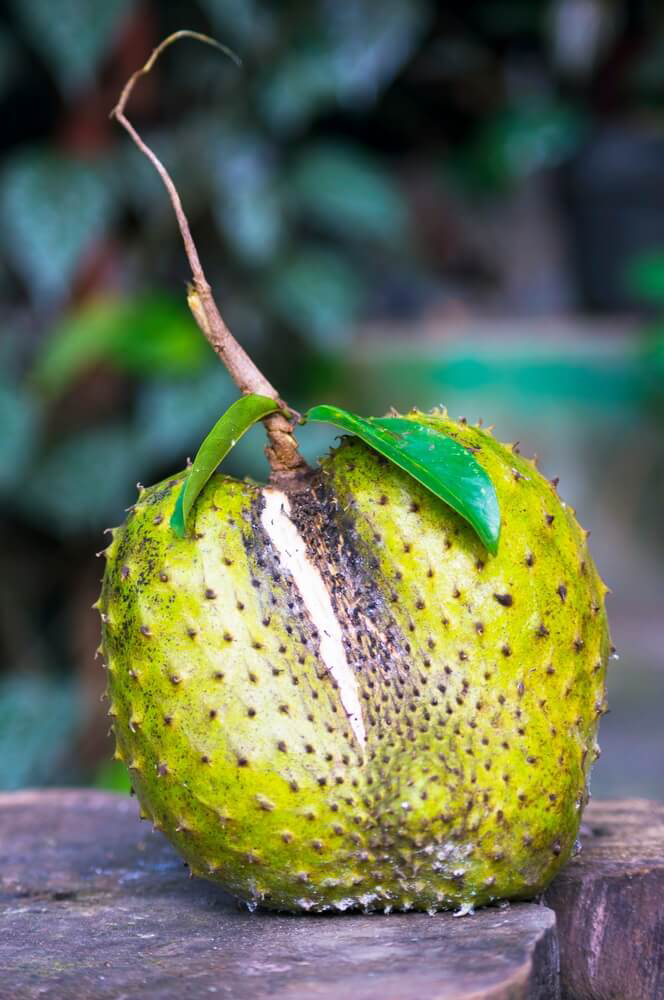
Soursop