

_435x320?&)

Food in Cuba: A tutti-frutti of tradition and culture
From sizzling street snacks to slow-cooked stews, food in Cuba is a feast of history, flavour and rhythm
Few places embody the fusion of history and flavour quite like Cuba. Its cuisine, shaped by centuries of Spanish, African and Caribbean influences, is a story of resilience, resourcefulness and celebration. Food in Cuba is much more than rum, rice and beans. It is an expression of community, music and soul. Whether you’re wandering the pastel streets of Havana, dining seaside in Varadero, or sampling home-cooked meals in a family-run paladar, Cuba invites you to savour every taste of its vibrant identity. Taste your way through the island’s most iconic dishes and uncover the cultural melting pot behind every bite.
The Cuban diet
With more and more visitors flocking to Cuba in search of pristine white sand beaches, salsa dancing, or to follow in the footsteps of Hemingway, Cuban gastronomy is a hot topic right now. Mealtimes in Cuba are a symphony of cultures simmered together. The Spanish brought olive oil, citrus and rice; enslaved Africans contributed spices, root vegetables and slow-cooking traditions; while Indigenous Taíno influences linger in the use of maize and tropical fruits.
Over the years, these culinary threads have intertwined to create a cuisine that’s rich, hearty and bursting with character
Over the years, these culinary threads have intertwined to create a cuisine that’s rich, hearty and bursting with character. Today, the Cuban diet has a healthy base of tropical fruits, starchy vegetables, rice, beans and meat. To drink? Coffee or top-grade rum are local choices. Since Cuba trades primarily with China and Venezuela, resources are sometimes scarce. Nevertheless, despite food shortages, restaurateurs and chefs here are famous for rustling up delicious, innovative dishes, putting Cuban fare on the map.
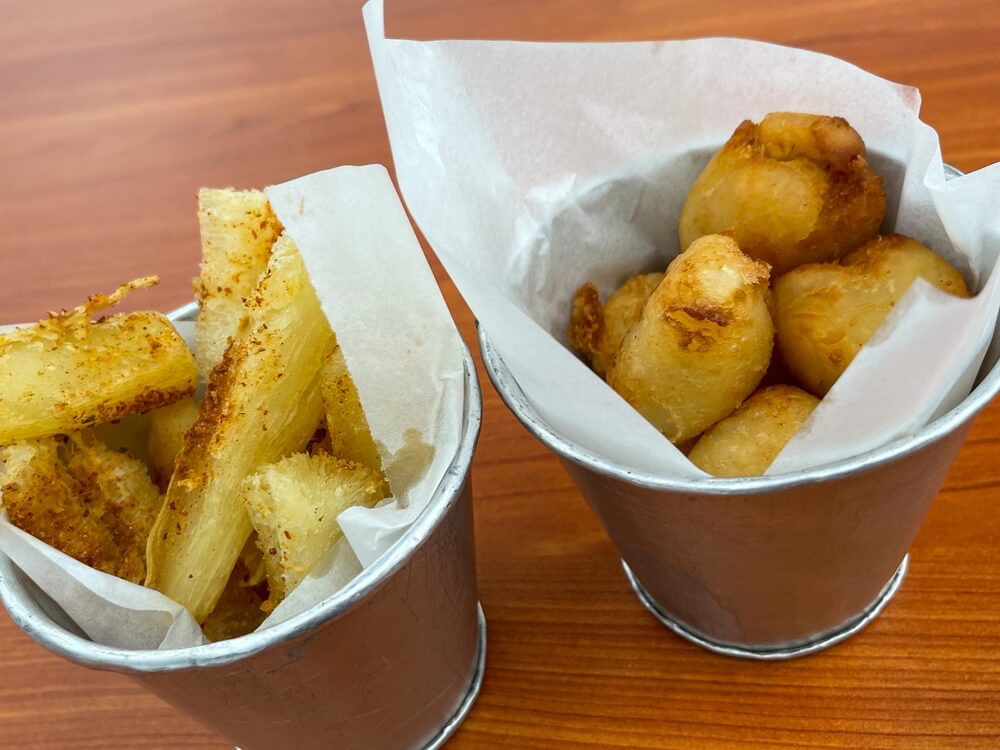
Yuca fries
Vegetarian or vegan Cuban cuisine
Non-meat eaters can breathe easily. Thanks to the island’s abundance of tropical produce and its inventive culinary spirit, plant-based eating has long been part of everyday life here. A new wave of sustainable, locally sourced dining is now taking root across Cuba, with vegetarian and vegan restaurants flourishing in major cities and coastal towns alike. Resourcefulness has always been at the heart of Cuban cooking. Chefs and home cooks are masters at creating flavourful dishes from whatever the land provides.
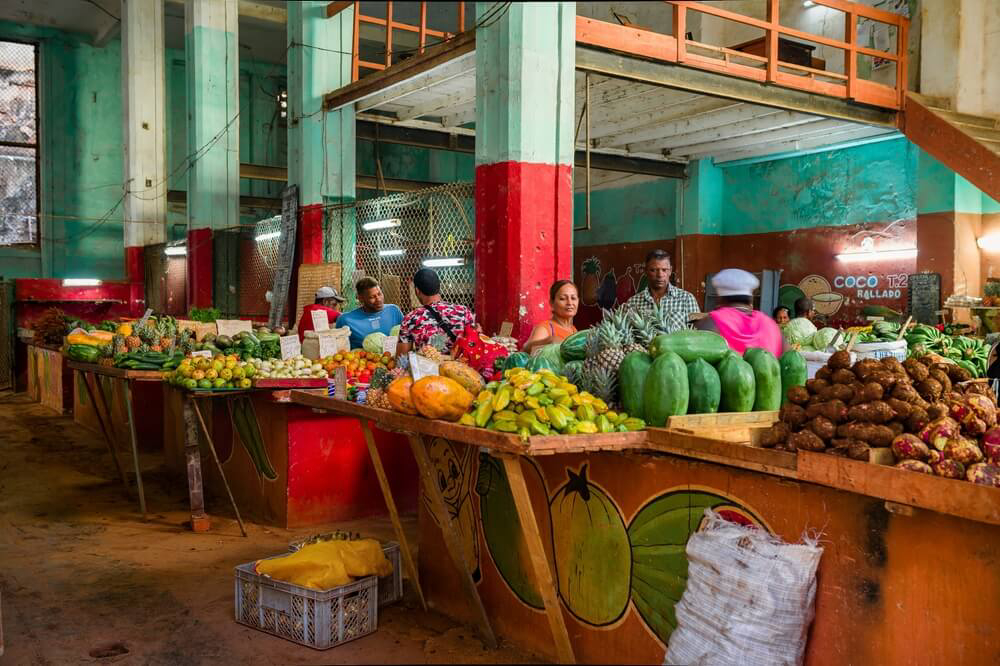
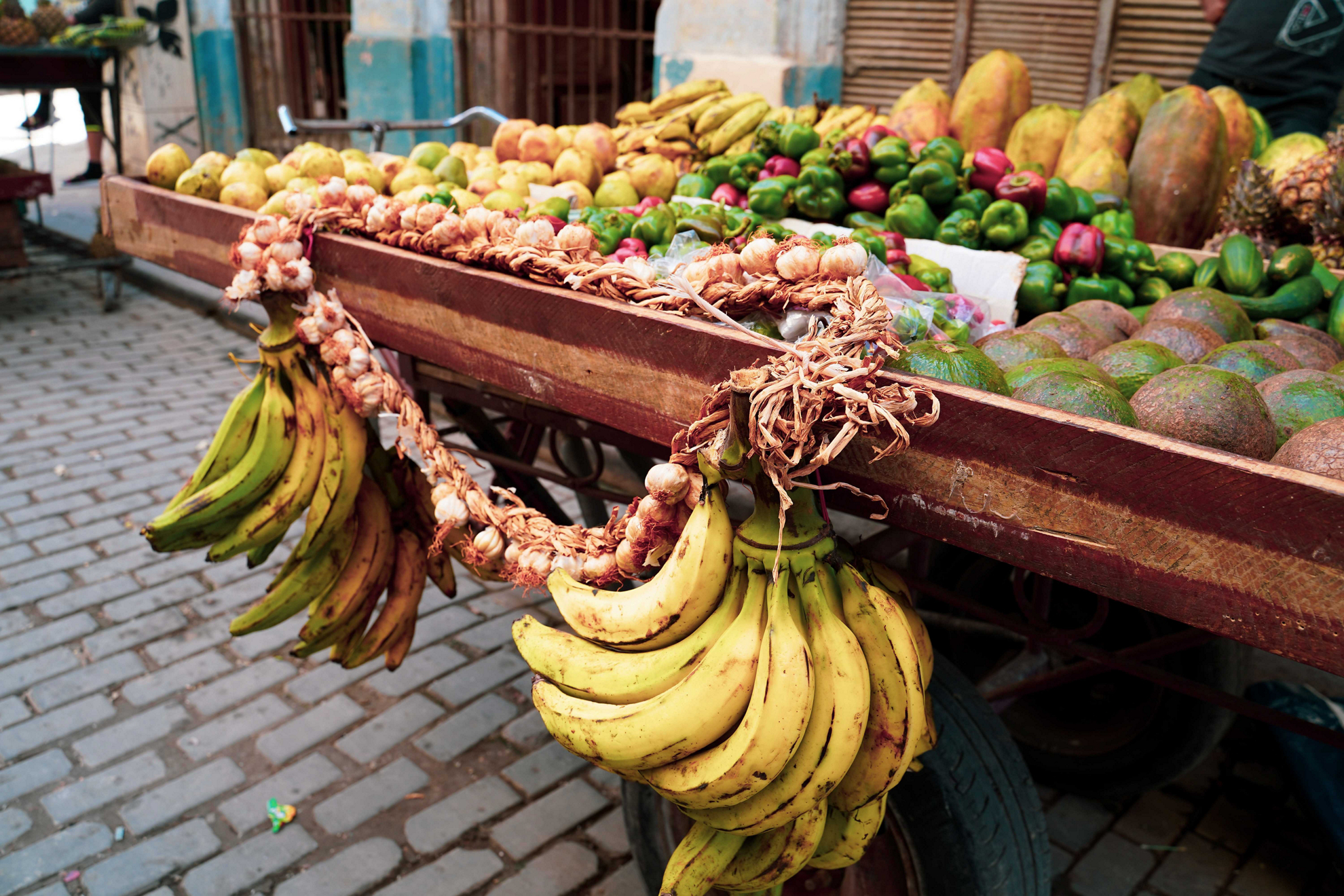
Food market in Havana
Let’s decipher the Cuban menu
When exploring the local dining spots while on holiday in Cuba, you can guarantee that you will find a mix of international cuisine and authentic Cuban food. Brush up on the key Cuban dishes you are likely to see and sound like a local when it's time to take your order.
Ropa Vieja
The name of this dish literally means old clothes in Spanish. Yet despite its unappetising name, Ropa Vieja is Cuba’s national dish. This delicious stew is a mix of beef that has been slow-cooked in a tomato sauce with peppers, onions and spices until it is meltingly tender and falls apart. Served with white rice, black beans and fried plantains, it’s the kind of dish that captures the essence of Cuban comfort cooking: soulful, simple and utterly satisfying.
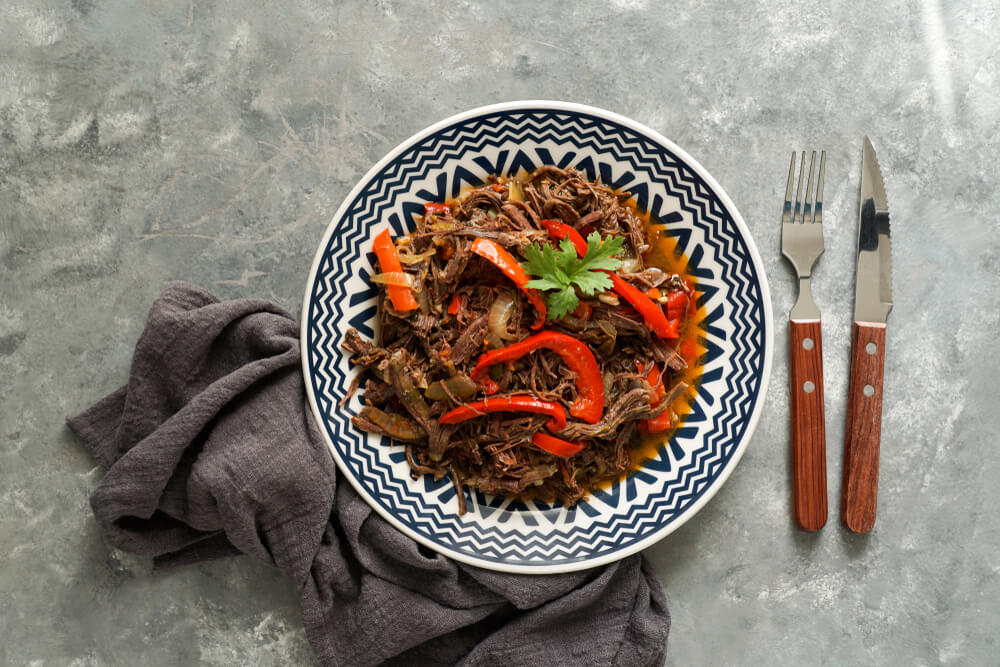
Ropa Vieja
Arroz con Pollo
Ask any Cuban family what they eat at home and the answer will be Arroz con Pollo. A firm favourite across Cuba, this version of Spanish paella consists of chicken and rice simmered together in a saffron-infused broth. Each family will give it their own twist, sometimes adding beer, olives or a dash of annatto oil for added colour.
Lechón Asado
Saved for high days and holidays, no party is complete without Lechón Asado. This is a whole roast pig, marinated in mojo criollo, a zesty sauce made from sour orange juice, oregano, garlic and cumin. Since this is traditionally cooked over a fire pit, the final result is a juicy, succulent, smoky meat with irresistibly crisp skin, usually served with yuca con mojo (cassava in garlic sauce).
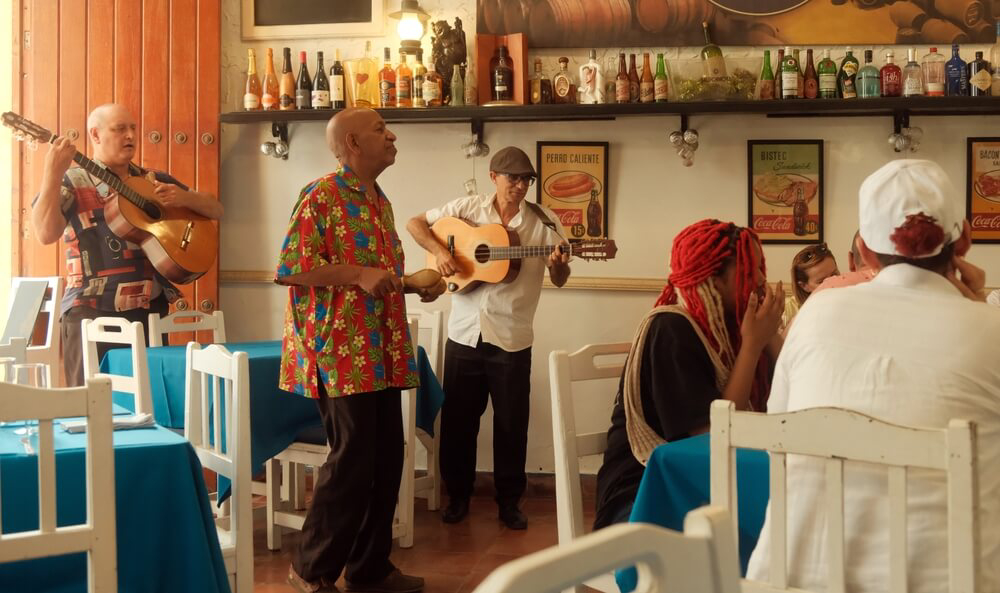
A typical Paladar in Havana
Picadillo
If you want a dish that defines the island’s Spanish influence, Picadillo is it. This minced beef dish is cooked with tomatoes, raisins, capers and green olives, creating a dish that is sweet, salty and savoury all at once. This is the authentic definition of soul food. How to eat it? Pair it with a side of steaming, authentic Cuban white rice, black beans and a splash of hot sauce for a dish that is a real chef’s kiss.
Moros y Cristianos
Also known as Congrí, this dish is named after the Moors and Christians of medieval Spain. One of the most iconic Cuban staple dishes, Moros y Cristianos combines black beans (moros) and white rice (cristianos), cooked together with garlic, peppers and bay leaves to create a fragrant, deeply flavoured accompaniment found on nearly every Cuban table.
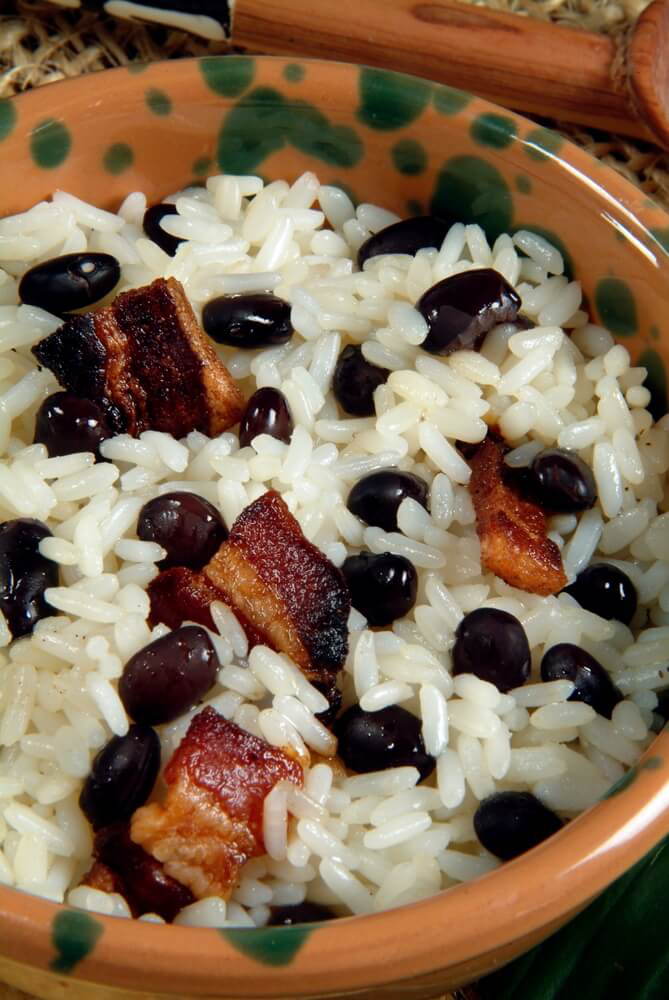
Moros y Cristianos
Tamales
Popular across all of Latin America, but a staple in Cuba, tamales vary by region. In Cuba, they generally consist of a seasoned dough mixed with pork, onions, garlic and bell peppers that is wrapped in a corn husk, tied together with a string and steamed. Once cooked, they are so irresistible that they are served as they are, without additional sauces.
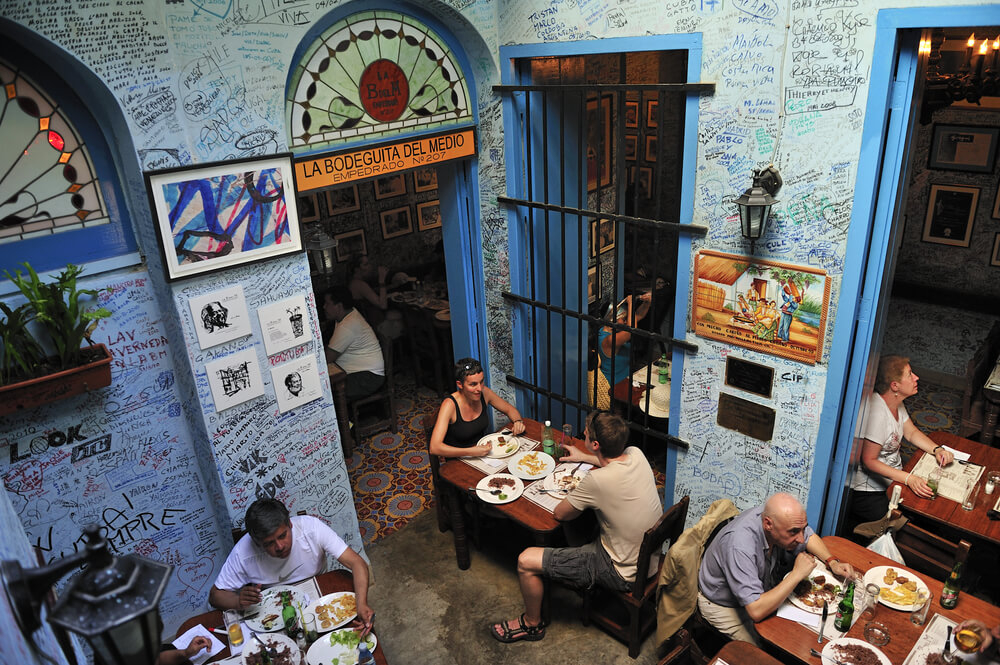
La Bodeguita del Medio, Havana
Don’t miss out on Cuban street food
Fancy a bite while you are busy sightseeing? Cuba’s streets hum with the scent of sizzling griddles and the chatter of locals queuing for a quick bite. With so many tasty treats on offer, it may be hard to decide which snacks to try first. Our recommendation when buying food in Cuba? Grab a pan con lechón, a crusty bread sandwich stuffed full with roast pork and onions.
Something vegetarian? Opt for tostones, twice-fried plantain rounds sprinkled with salt.
Something vegetarian? Opt for tostones, twice-fried plantain rounds sprinkled with salt. Cuban empanadas, little corn pasties filled with spicy beef or cheese, are a popular snack along with irresistible croquetas, crispy little bites of ham or chicken béchamel. For the sweet-toothed traveller, don’t miss out on churros dusted in sugar, flan de leche (Cuban caramel custard), or dulce de guayaba, a sticky guava paste paired with creamy cheese.
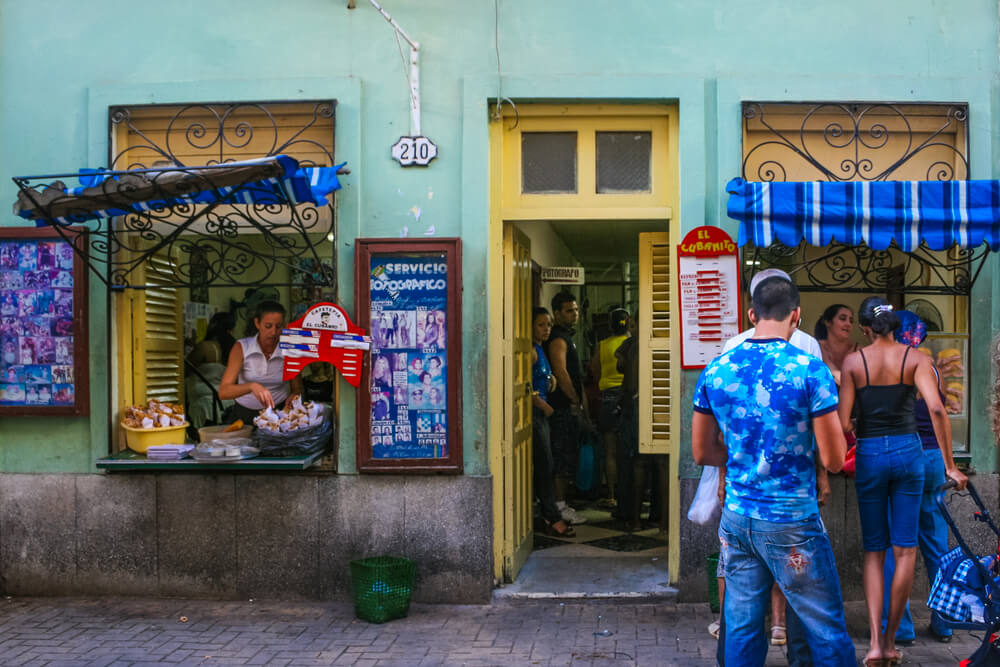
A typical neighbourhood dining spot
The Cuban spirit, in a glass
Of course, it is impossible to talk about the food in Cuba without giving credit to the drinks that accompany the meals. Thanks to the island’s tropical climate and sugarcane heritage, rum is the star of the country’s cocktail culture. Sip a refreshing Mojito in a Havana courtyard, a Daiquiri at El Floridita, Ernest Hemingway’s favourite bar, or a bold Cuba Libre mixed with rum, cola and lime. Curious to try something with a local twist? Guarapo, a fresh-pressed sugarcane juice, or café cubano, a tiny but potent espresso sweetened with demerara sugar, are popular choices and form part of a morning ritual for nearly every Cuban household.
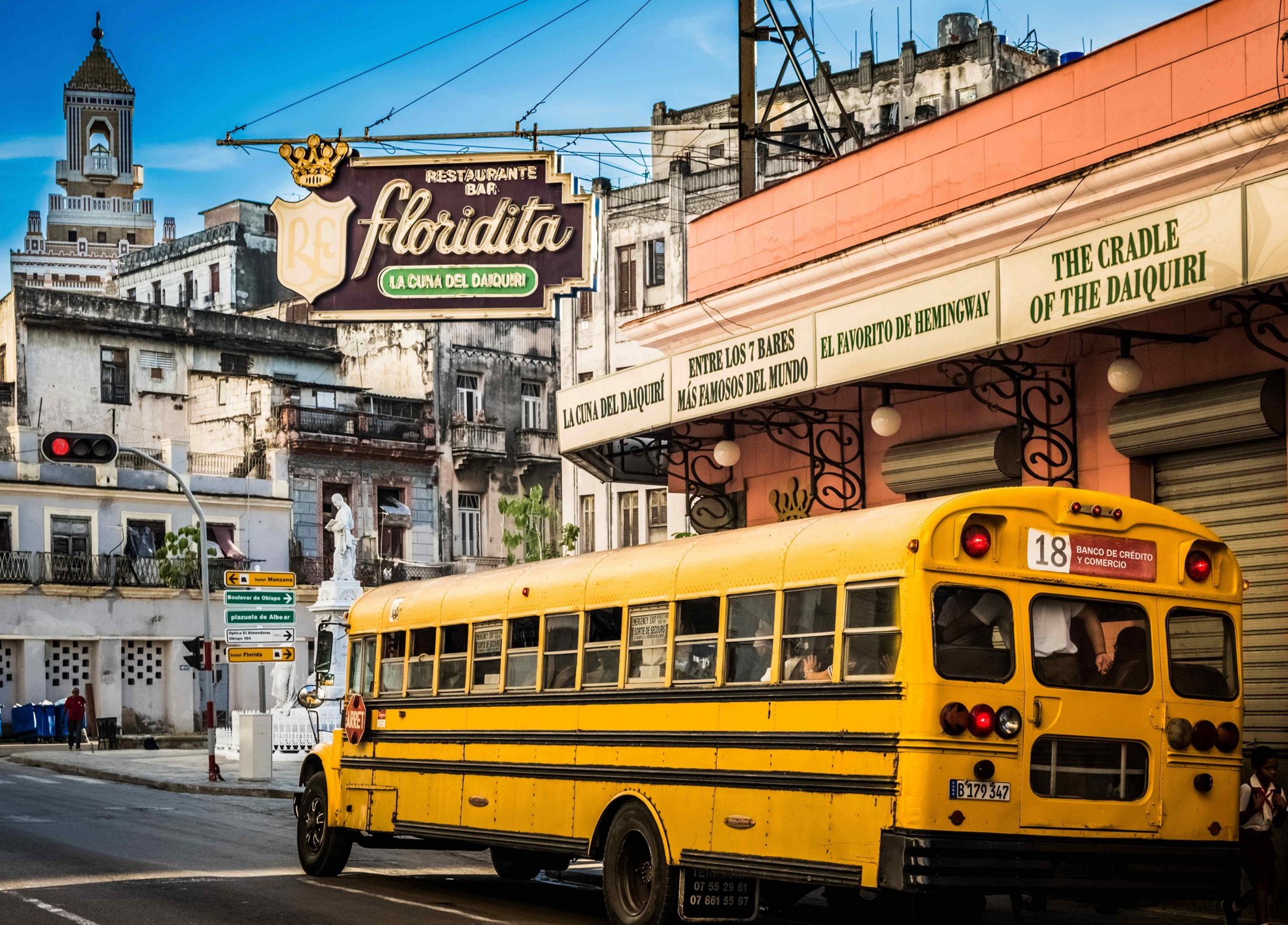
El Floridita, Havana
Top Tip: Keep an open mind!
Travelling in Cuba is exciting and fascinating in equal measure. However, it is important to remember that caterers and hosts are providing what they can with the resources available. Cuban dishes are not about being textbook perfect but about being creative and inventive. Each mouthful of food is a reminder of the love and the pride of the Cuban people.
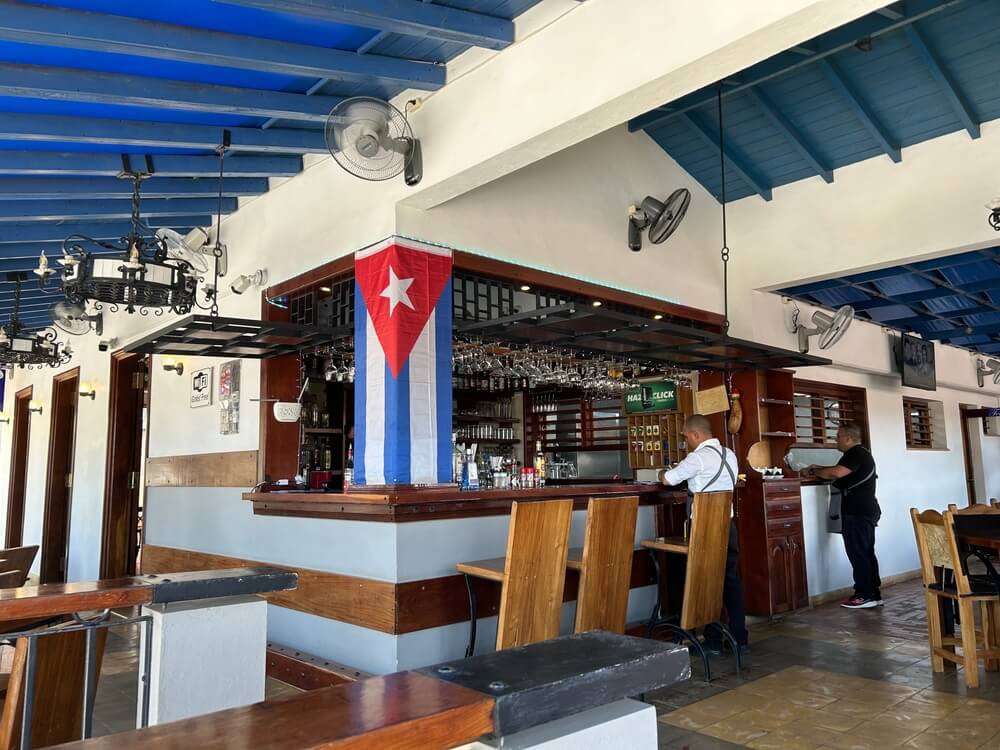
Typical bar in Cuba