
_435x320?&)

Los Haitises: Highlights of this Stunning National Park
Los Haitises is a stunning national park that invites you on an adventure through the most breathtaking natural landscapes the Dominican Republic has to offer: Untouched nature, winding forests, and lush, rocky hills rising out of the water
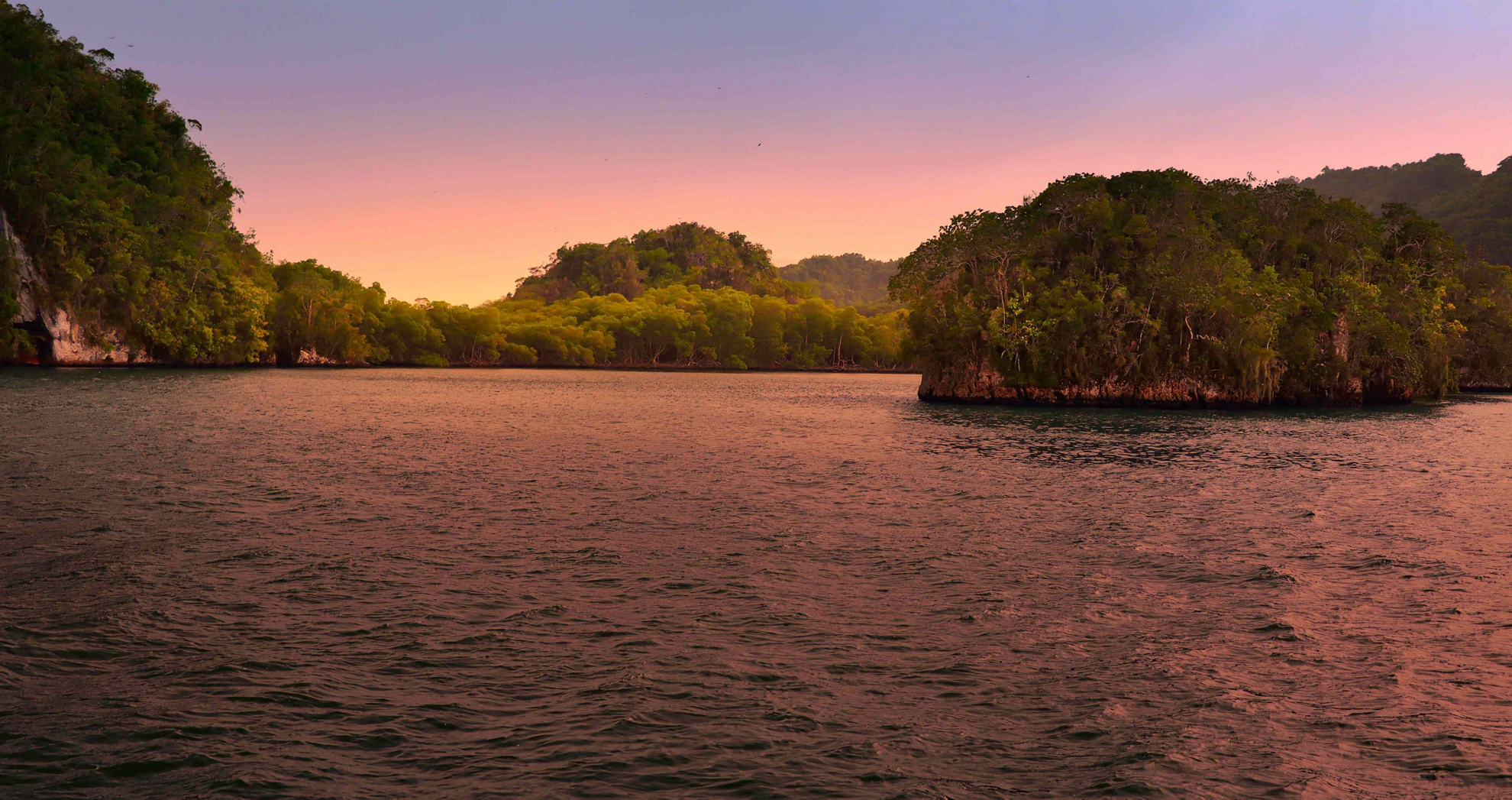
This country offers a wealth of experiences for all kinds of visitors, from amazing festivals to world-class beaches, and Los Haitises stands out as one of the best national parks in the Dominican Republic for nature lovers. Tucked along the southwestern edge of the stunning Samaná Bay, Los Haitises National Park is known for its rugged coastline and distinctive landscape. Its iconic mogotes, lush, vegetation-covered karst hills, rise dramatically from the water. While these formations might remind you of the dreamlike scenery of Southeast Asia, this is unmistakably the Caribbean.
Its landscape is defined by its characteristic mogotes, lush karst hills covered in dense vegetation that poke out of the surrounding water
The park can only be accessed by boat, which means that Los Haitises remains pristine and well-protected. This is one of the best parks in the Dominican Republic, and is a must-visit on your next vacation to the island. Get ready to enjoy unforgettable experiences like kayaking through mangrove swamps, hiking through lush forests, and exploring caves with petroglyphs.
Los Haitises in Samaná Bay: Paradise Within Paradise
Los Haitises National Park is nestled on Samaná Bay, just across the water from the Samaná Peninsula, one of the Dominican Republic’s most popular destinations. While the peninsula is famed for its breathtaking scenery and legendary beaches, it’s also a great spot for whale watching from January to March in the bay’s humpback whale sanctuary.
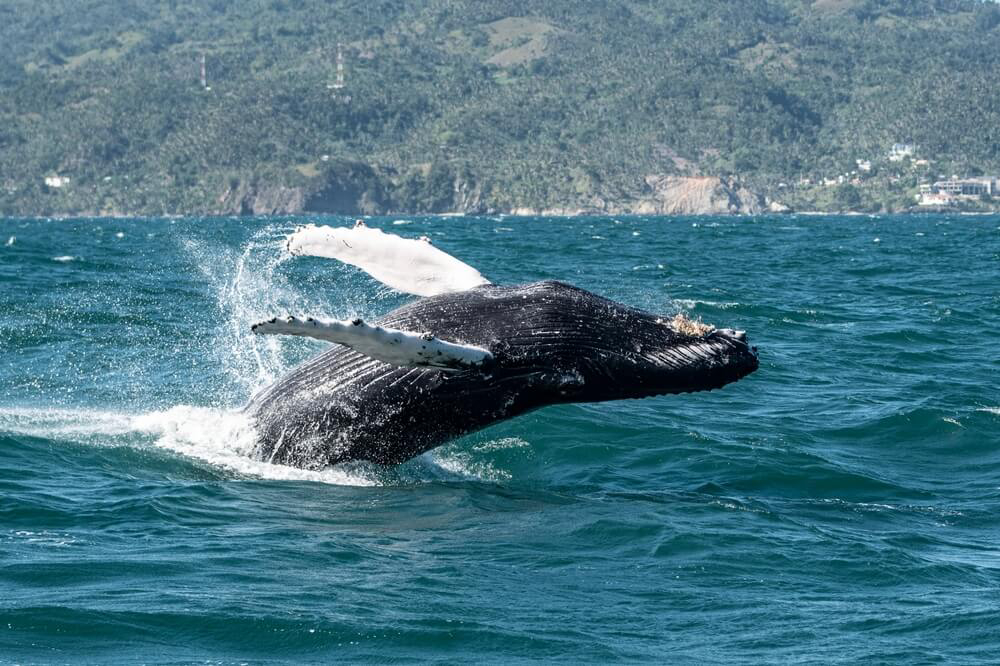
A whale breaching in Semaná Bay
The Samaná Peninsula is also the perfect spot to discover vibrant marine life by going scuba diving, snorkeling, or venturing into the lush inland rainforests. The Samaná Bay area is also one of the country’s top areas for hiking. Los Haitises National Park’s location is ideal for exploring the park and the Samaná Peninsula at the same time.
The Mogotes of Los Haitises: A Dominican Republic Natural Wonder
Los Haitises National Park’s defining feature is the countless cone-shaped karst hills dotting its shoreline. These hills are called mogotes, and they’re common throughout the Caribbean, but are rarely found in coastal settings like these. A wide array of birds also call the mogotes home, making Los Haitises a true paradise for bird watchers to spot species like pelicans and frigatebirds.
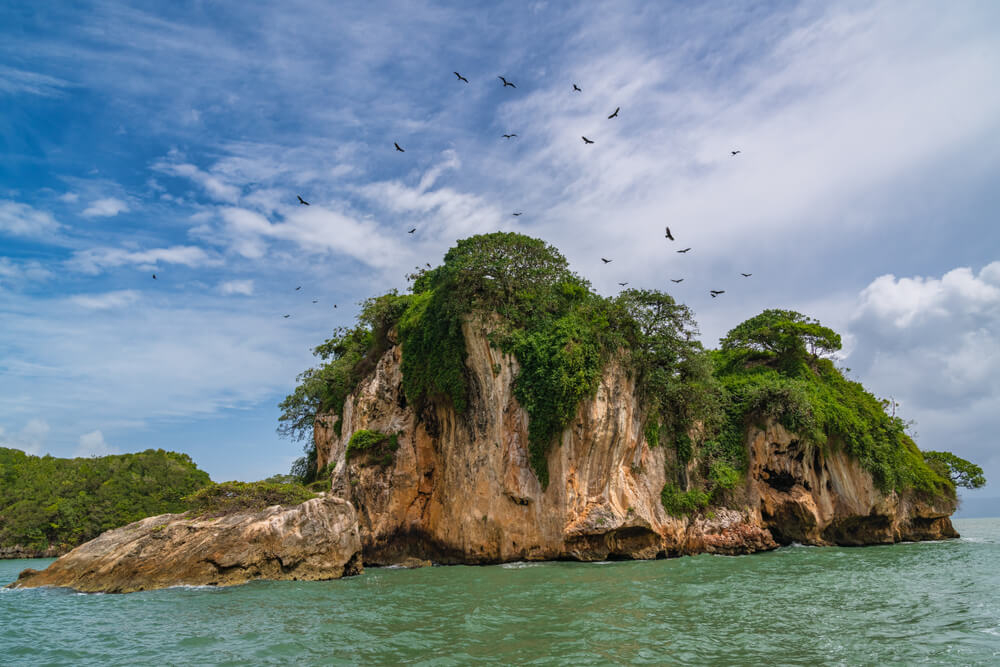
Birds fly above a mogote
The park’s karst rock originated from coral and formed around 50 million years ago. Thousands of years of erosion have created not only the mogotes, but also numerous caves, some of which are accessible by kayak, swimming, or diving. These geological highlights are what make Los Haitises one of the Dominican Republic’s natural wonders.
Visit Los Haitises, Jurassic Park Style!
Fun fact: A trip to Los Haitises not only offers an unforgettable nature adventure, it also offers a journey in film history. Steven Spielberg chose Los Haitises National Park as a filming location for his iconic movie Jurassic Park. Strap on your hiking boots and turn on your imagination: It’s time to experience Los Haitises Jurassic Park style!
Dominican Republic Wildlife Tours
But it’s not just the geology and film history that make this park so special. Los Haitises is home to an incredibly diverse array of flora and fauna, making it a crucial area for conservation and the best spot for a Dominican Republic wildlife tour. Large parts of the park are closed to the public to protect its delicate ecosystem. Endemic species, such as the agouti, live here, although many native species are critically endangered.
Los Haitises is home to an incredibly diverse array of flora and fauna
During your visit, make sure you look up! You’re likely to see a variety of birds including pelicans, cormorants, and herons flying by. The park also serves as a resting spot for many migratory birds. Do some research, and see which ones will be making a pit stop here during your trip.
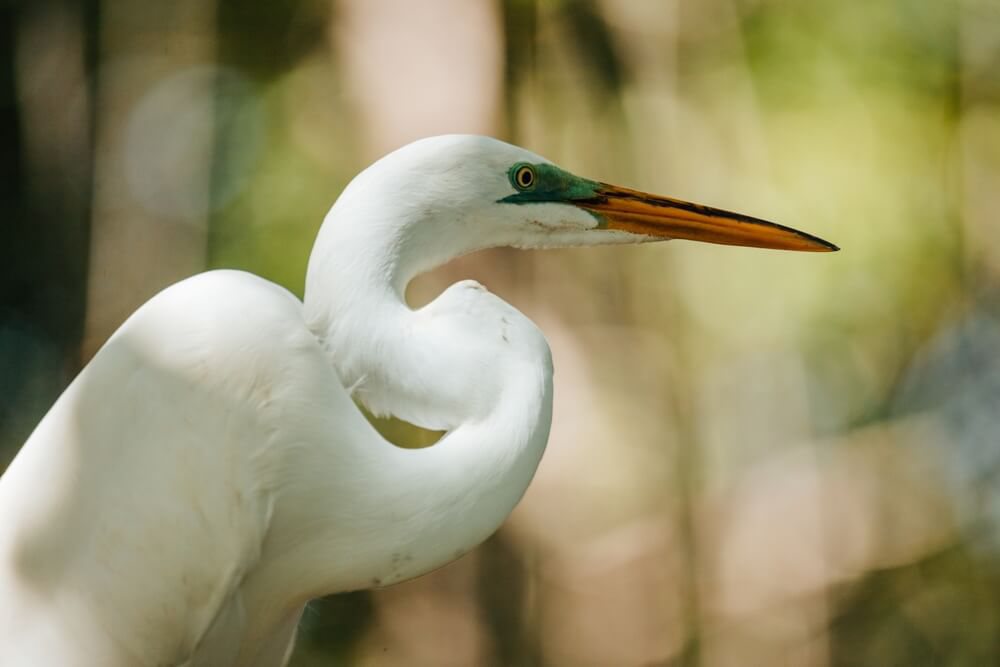
Heron
Also make sure you spend some time gazing at the surrounding waters of the Samaná Bay, especially on your boat ride to the park. If you're lucky, you’ll be able to spot dolphins and whales. This biodiverse landscape makes Los Hitises the perfect spot in the Dominican Republic for a wildlife tour.
A Landscape Worth Exploring
Going on a boat tour along Los Haitises’ dramatic coastline is a highlight in itself, and an absolute must-do during your visit.
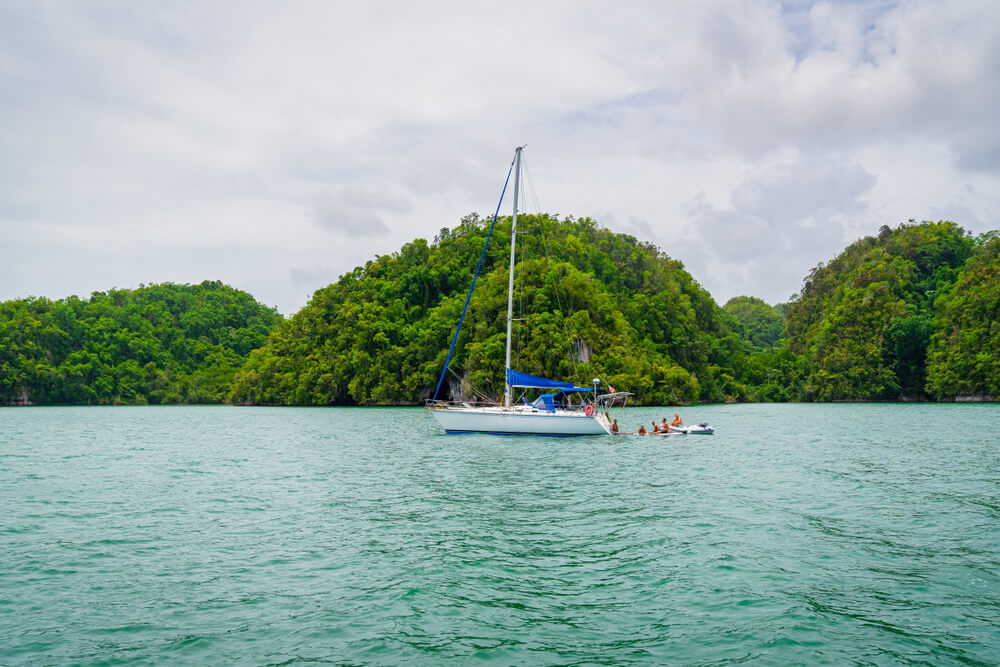
Boat tour around Los Haitises’ coastline
After your boat tour, explore the park on land. There are two main types of vegetation to observe in the park: subtropical forests full of trees, colorful flowers, wild orchids, and the Caribbean’s largest continuous mangrove forest, home to reptiles and birds.
A great way to explore the park on land is via guided hikes, which offer easy access to the mostly flat forest terrain, while kayaking Los Haitises is ideal for exploring the mangrove areas. Guided snorkeling and diving experiences are also available. There’s something for everyone at the best national park in the Dominican Republic.
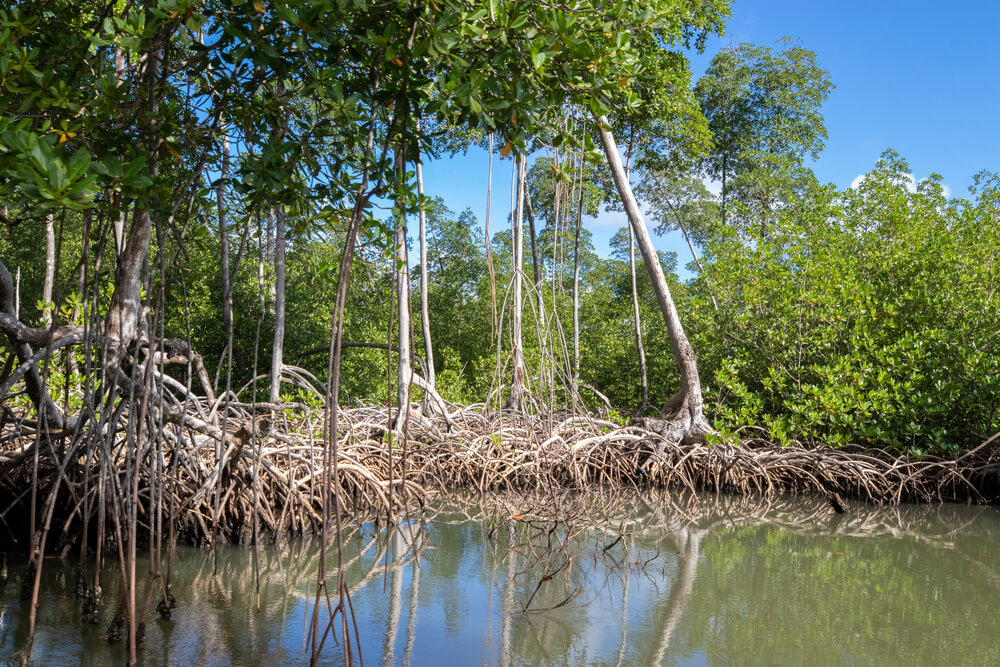
Mangrove forest
Secrets of Los Haitises: Admire Ancient Petroglyphs
Archaeological evidence suggests that the caves of Los Haitises have been inhabited for over 3,000 years, and many of the caves in the park are home to petroglyphs and cave paintings made in the 15th century. These historical works of art were created by the Taíno people, the indigenous inhabitants of Hispaniola prior to European contact.
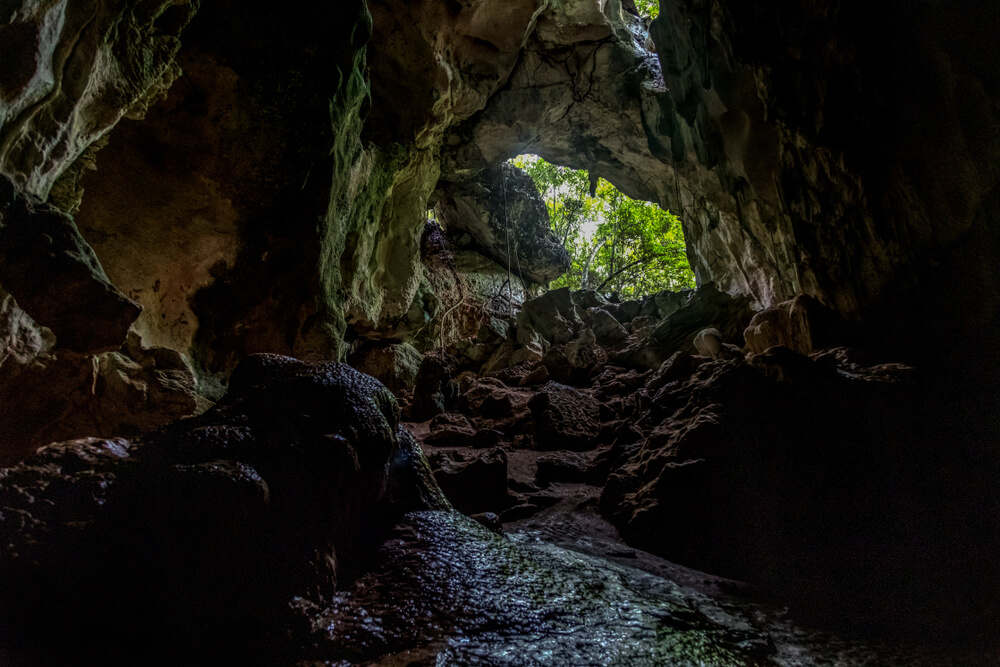
Cave in Los Haitises
Visiting Los Haitises National Park’s caves is an absolute must, and taking time to admire these fascinating petroglyphs is a historical and cultural experience that can’t be missed. When you visit Los Haitises, make sure you check out Cueva de Ferrocarril or Cueva de la Arena for some of the best views of this ancient artwork.
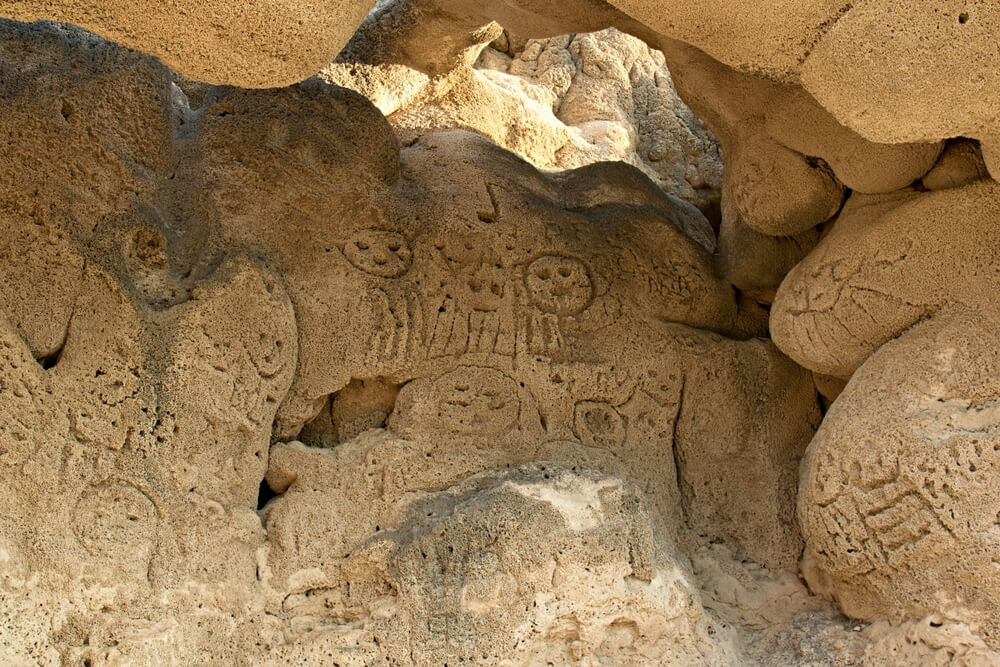
Petroglyphs in Los Haitises National Park caves
But petroglyphs aren’t the only thing the Taínos left behind here, as the park's name, “Haiti” comes from their language. “Haiti” roughly translates as “land of hills” in English. And, did you know the Taínos cultural and linguistic impact endures outside the park too? They invented the hammock, and a few words from their language are now used in English, such as “tobacco.”
Los Haitises Tours
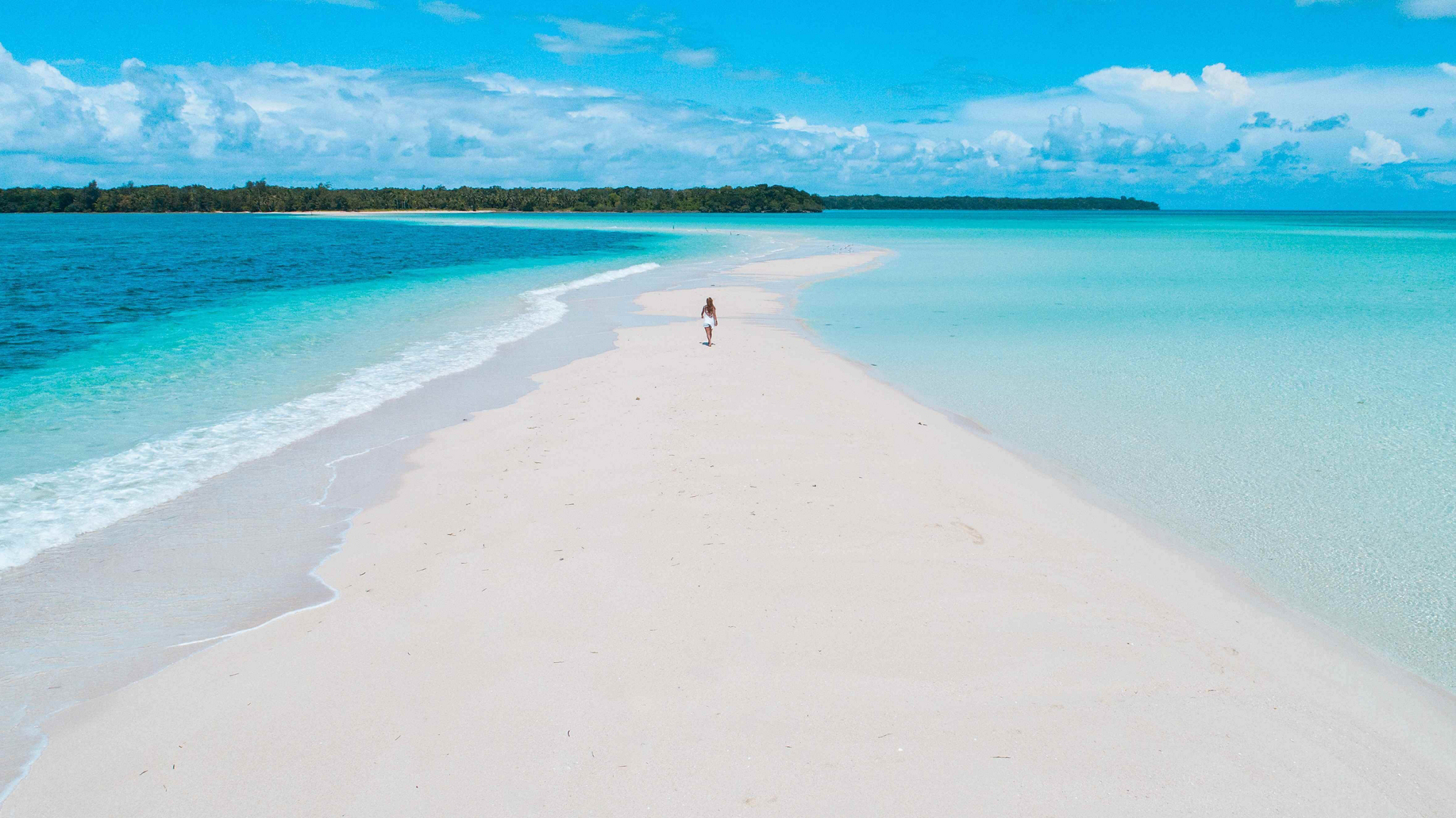
Most national parks in the Dominican Republic can only be visited with a guide, and Los Haitises is no exception, especially since you need a boat to get there. It’s worth the trek, and maybe you’ll be lucky enough to land on one of the park’s spectacular beaches.
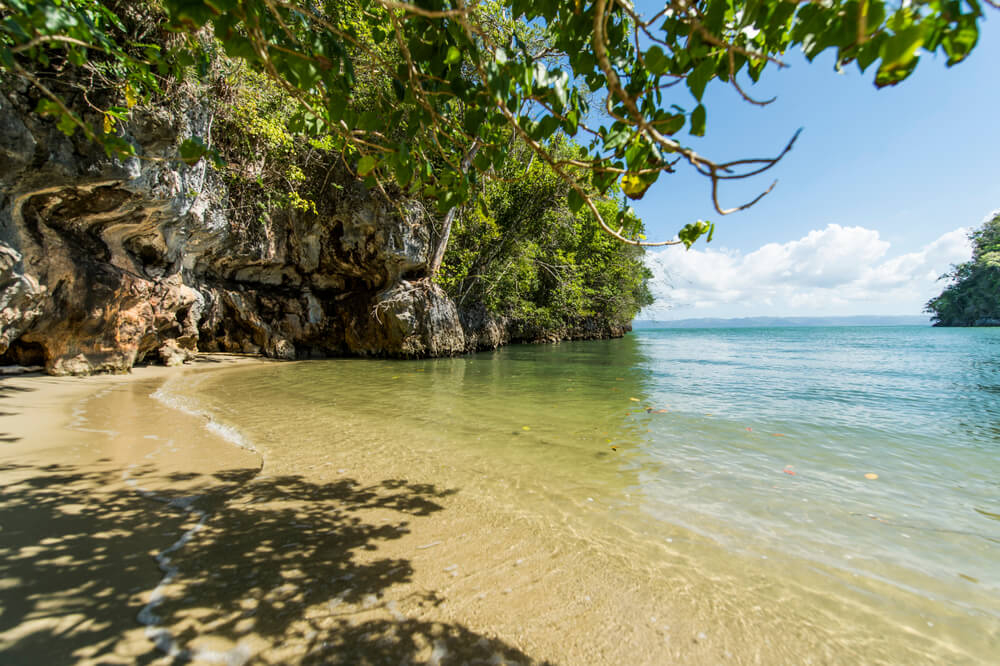
Beach in Los Haitises
Since you can’t explore the park on your own anyway, a fully organized tour is often the best choice. You can travel to one of the boat departure points, like Samaná, Sánchez, or Sabana de la Mar, and book your tour locally. This allows for more flexibility and provides an opportunity to experience local Dominican culture along the way. Organizing a Los Haitises tour from Punta Cana is also great choice, especially if you’re staying at one of the great beach resorts there. If you’re more of a city person, tours can also be booked from the bustling capital, Santo Domingo. Many visitors include Los Haitises as part of a larger tour of the country, but make sure to plan your visit in the way that works best for you.
No matter how you choose to get to Los Haitises, don’t miss out on this unforgettable experience of discovering this lovely national park.