
_435x320?&)
There are still desert islands: explore a secluded patch of paradise
Dreaming of escaping to somewhere untouched and cut off from the world? Discover the world’s best desert islands to visit, many of which are nature reserves. Some are just a short boat ride from the mainland, but for some you’ll need your sea legs, as you’ve got a longer voyage in store
You probably aren’t up for the full Castaway experience. But you wouldn’t mind spending a few hours or even days on one of the world’s most beautiful desert islands, surrounded by nothing but clear blue water and the sigh of the breeze in the palm fronds.
There’s something about the feeling of being cut off from the rest of the world by water that’s incredibly restful, washing away the stresses of everyday life.
And though there are endless inhabited islands where you can savour that sense of isolation, of being in a bubble, it’s the uninhabited islands of the world that do it best. Many of these are privately owned, and many are, quite rightly, strictly guarded nature reserves closed to visitors.
There are plenty of patches of uninhabited paradise that can be visited
But there are plenty of patches of uninhabited paradise that can be visited, mostly on organised day trips, with limits on the number of visitors to preserve their beauty.
The best news? Many of them are ideal excursions from mainland destinations that make great bases for a coastal holiday, from Central America, to Europe, to Asia.
Remote Atlantic islands: Cíes Islands, Galicia, Spain
Let’s start with Europe, and more specifically with some of the finest desert islands on the Atlantic fringe of the continent.
Galicia, in north-west Spain, is famous for its verdant landscapes and 1498km of breathtaking coastline, but it’s also the place to go to visit the clear blue waters and dreamy sandy beaches of the Cíes Islands, just a 45-minute boat trip for travellers who’re staying in Vigo.
These islands, part of the Islas Atlánticas de Galicia National Park, recognised by UNESCO, are a great example of a place where sustainable tourism reigns supreme, and are a magnet for bird watchers, as well as those looking to enjoy a beach that could easily be in the tropics (if it weren’t for the water temperature).
Having got yourself a permit, you can visit the islands of Monteagudo, Faro and San Martiño on a day trip for most of the year.
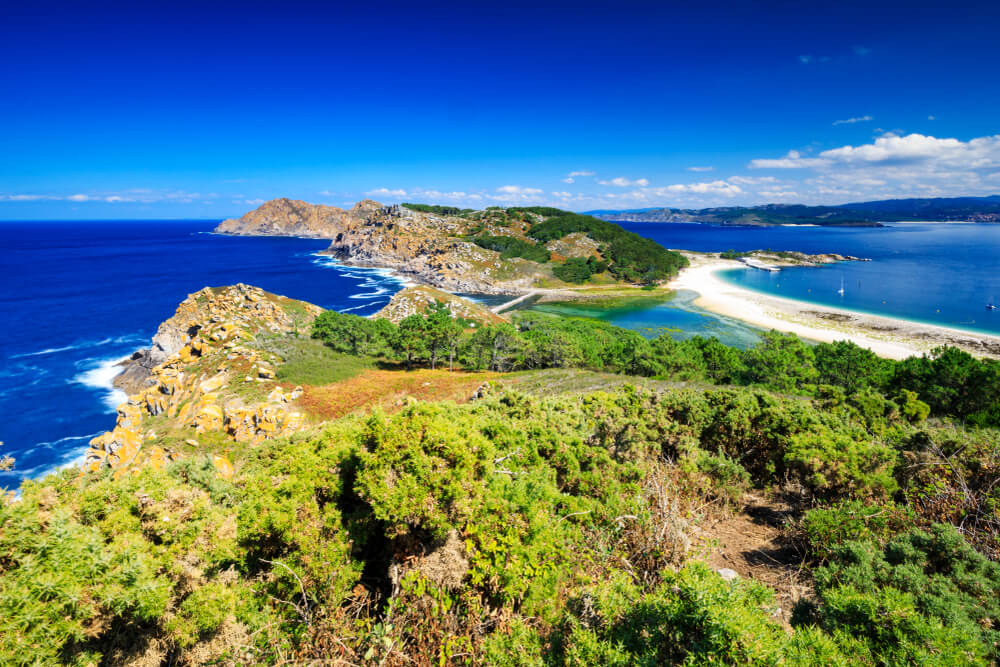
Swim in the cold but gloriously blue waters of this Galician paradise
Almost untouched: Madeira’s desert islands
Did you know the island of Madeira was itself uninhabited before the Portuguese settlers arrived?
These days, this archipelago is still wonderfully remote, out in the Atlantic Ocean, but Madeira is now very much inhabited, with exploring the beautiful, historic city of Funchal just the tip of the iceberg of things to do in Madeira.
One of which is visiting the aptly named Ilhas Desertas, literally the “Deserted Islands”, made up of Deserta Grande, Bugio and Ilhéu Chão.
You need a special permit to visit these isolated islands, 25km south of Madeira
You need a special permit (often handled by tour organisers) to visit these isolated islands 25km south of Madeira, which are part of a strictly protected nature reserve.
Embark on a true Atlantic adventure to these practically untouched islands by signing up for a day trip with an authorised tour operator, which you should be able to do through your hotel in Madeira.
See the islands from the ocean, go snorkelling or, in some cases, land on Deserta Grande, where there are guided walking trails and a small research base. Keep your eyes peeled for the endangered monk seal.
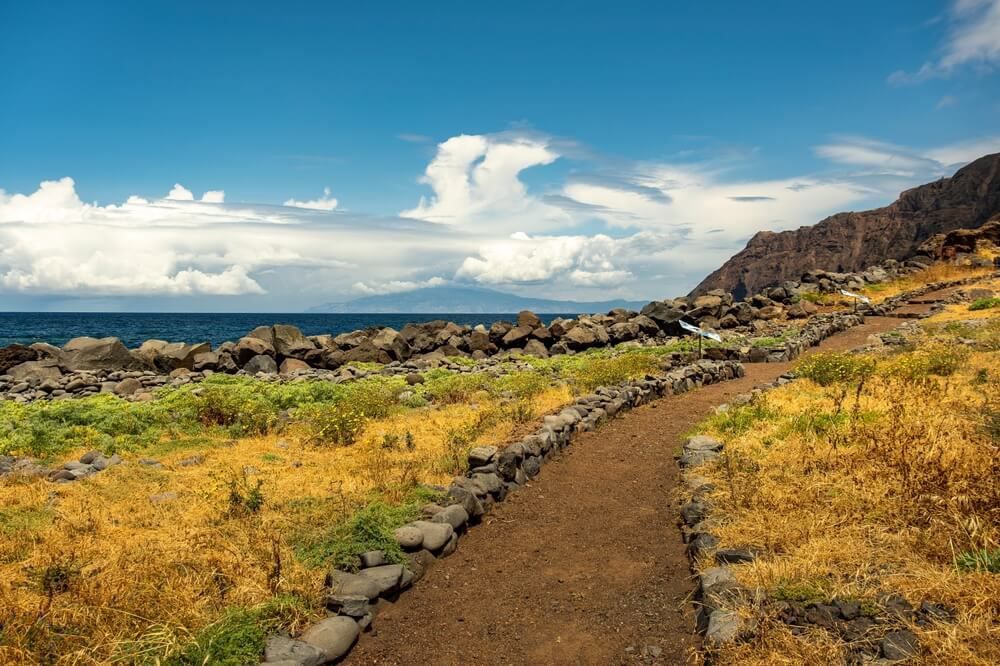
Walk the trails of the Ilhas Desertas
Mediterranean bliss: Cabrera Island, Mallorca
You might not have thought that you’d find any secluded islands to visit in the Balearic Islands, but Isla Cabrera, “The Isle of Goats”, is just that. It lies 15 kilometres south of Mallorca, is a haven for flora and fauna and has been a National Maritime and Terrestrial Park since 1991.
Protected from development for a long time, largely due to the military presence between powers vying for precedence in the Mediterranean, it’s not totally uninhabited. Although the handful of families who once lived in and around the tiny village of Es Port are no longer there, a few members of the Spanish Army are based on the island to maintain its infrastructure.
Spend the day exploring the castle, the museum, snorkelling, or relaxing on one of the island's quiet beaches or coves
Whilst staying in Mallorca, book a boat trip from the south (most leave from Colonia de Sant Jordi) and spend the day exploring the castle, the museum, snorkelling, or relaxing on one of the island's quiet beaches or coves. Your tour may well include a visit to the magical Blue Cave on the way back.
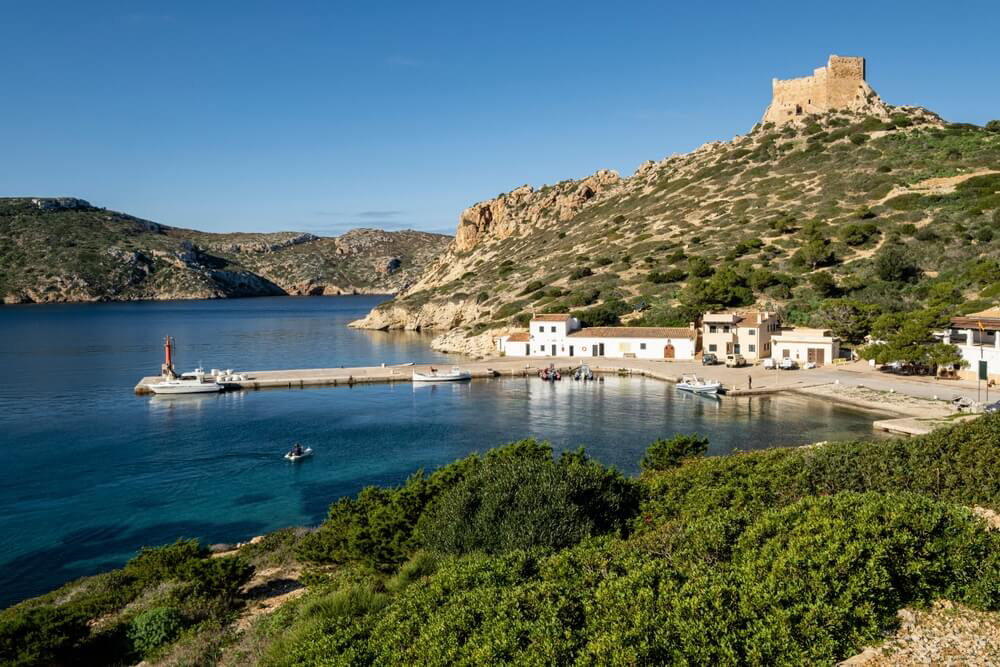
The tiny village of Es Port, topped by Cabrera’s historic castle
Lobos Island: between Fuerteventura and Lanzarote
From the Balearic Islands to the Canary Islands, we’re sure it’s no surprise that this Spanish archipelago has a desert island to visit.
Isla de Lobos is a small island (just 4.7 square kilometres) between the eastern Canary Islands of Fuerteventura and Lanzarote, accessible by a 15-minute ferry from the port of Corralejo on Fuerteventura.
Taking its name, Island of Wolves, from the same monk seals who still inhabit the Ilhas Desertas, but can no longer be found here, this nature reserve is a fascinating place to explore.
Famous for diving and snorkelling, you can also spend your day relaxing on a quiet beach
Famous for diving and snorkelling, you can also spend your day relaxing on a quiet beach or following one of the island’s well-marked trails.
The island will always be far quieter than many tourist hotspots in the Canaries, as only 400 people are allowed to visit per day, 200 in the morning and 200 in the afternoon, staying for just four hours. You’ll need to secure your permit in advance (and they book up quickly) before you’re allowed on the ferry.
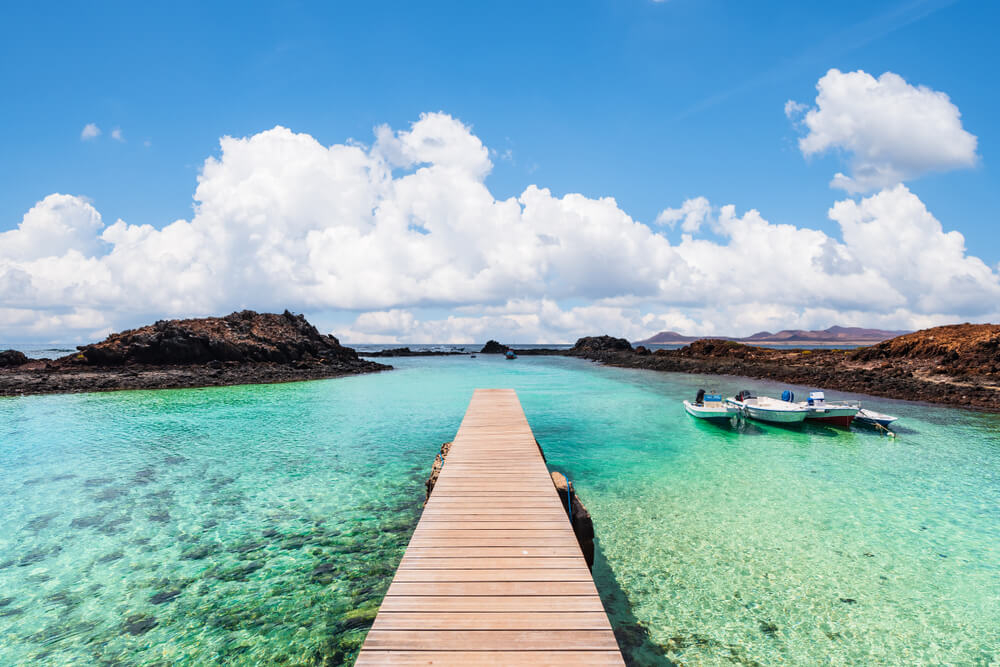
The blue waters of Lobos Island
Diving or snorkelling off Isla Catalinita, Dominican Republic
If it’s a typical, picture-postcard desert island paradise you’re looking for, book yourself a holiday in Punta Canta.
Whilst you’re there, take an excursion to one of the Dominican Republic’s many stunning islands, including Isla Catalinita.
Covering just 22 hectares, this small desert island is part of the Cotubanamá National Park and lies between the large island of Española and the smaller Isla Soana, which has only 300 inhabitants, and is another tropical paradise to visit during your trip.
Easily accessible thanks to its dock, Isla Catalinita is a popular spot for divers, thanks to the coral reef close to shore, but it’s also ideal for kicking back on the beach, relishing your solitude.
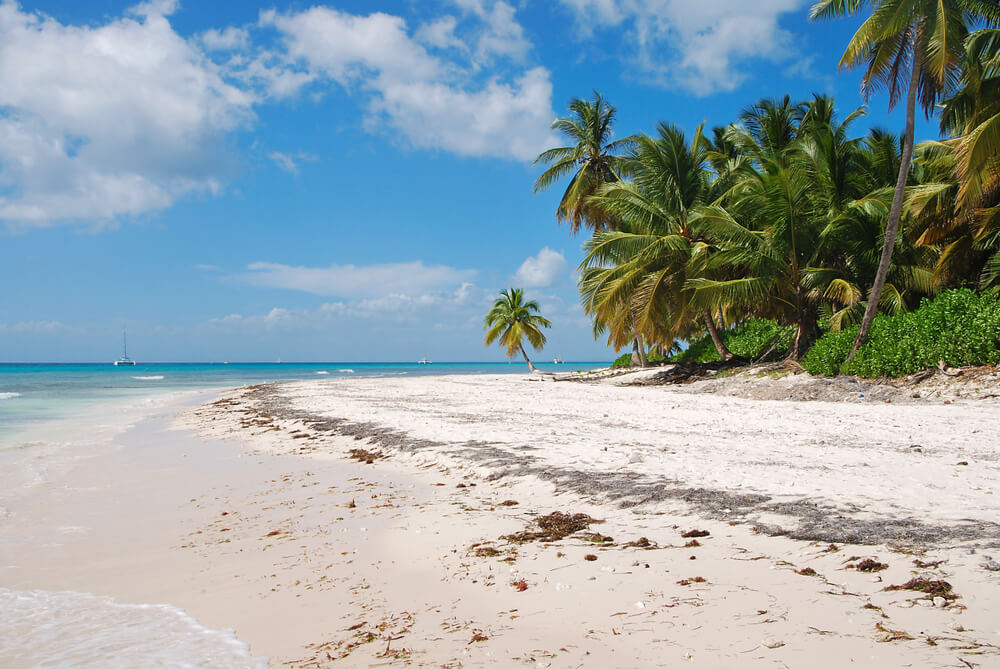
A palm-fringed, white sand beach on Isla Catalinita
Uninhabited islands in Mexico: Isla Contoy
This is one of those desert islands that dreams are made of, a pristine, palm-fringed natural paradise floating in the Caribbean Sea, on the north-eastern tip of the Yucatán Peninsula.
A national park since 1998, only 200 people are allowed to visit the island per day, so you’ll need to book a boat trip for the day (price generally including snacks and lunch, but not the national park entrance fee), and should be able to arrange pick up from your hotel in Cancún
Climb aboard and get ready for a magical day of exploring an island home to over 150 tropical bird species and four types of endangered sea turtles (the only permanent inhabitants, apart from a few scientists).
Be sure to book well ahead during high season to make sure you don’t miss out.
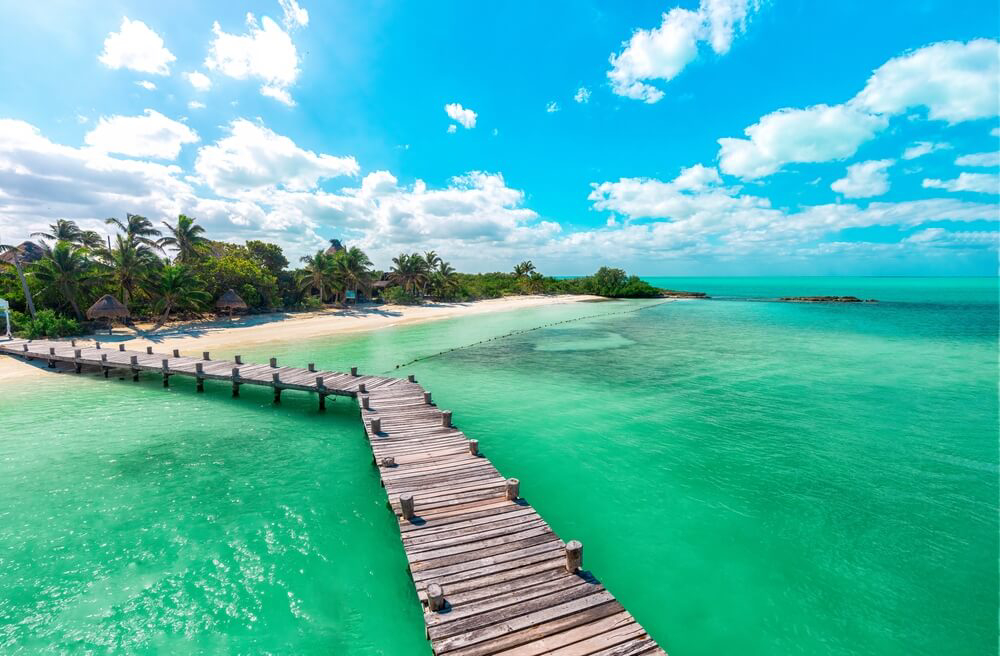
Swim in the warm turquoise waters of the Caribbean
Most remote islands to visit: Isla del Coco, Costa Rica
Looking for the ultimate adventure to somewhere that’ll make you think you’ve stepped into a Jurassic Park film, just without the carnivorous dinosaurs? This UNESCO World Heritage site is a lush, jungle-covered 23-square-kilometre island with dramatic cliffs and amazing marine life.
Unlike the others on this list, getting to Cocos Island, one of the most beautiful remote islands in the world, isn’t an easy day trip. You’ll need to book an organised tour or liveaboard dive trip, as it takes an epic 36 hours on a boat to get there from Puntarenas on the mainland, where you can enjoy a few days at a Costa Rican beach resort after your trip.
As well as diving and snorkelling, there are fantastic hiking trails on the island, which your tour will probably include. Keep your eyes peeled for the incredible wildlife and birdlife.
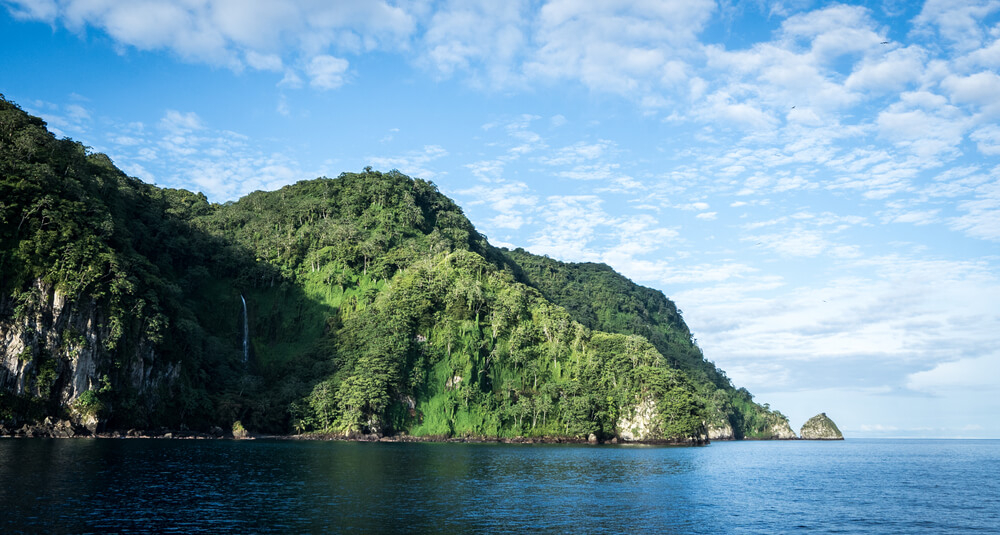
Dramatic cliffs, plunging waterfalls and lush vegetation
Desert island adventure: snorkelling off Pigeon Island, Sri Lanka
Returning to day trip territory but leaving the Americas behind and heading to Asia, and more specifically Sri Lanka, Pigeon Island is a small uninhabited island just off the north-east coast of the Pearl of Asia, near the charming, historic town of Trincomalee.
Like many of the islands above, you’ll need to book an organised tour from your Sri Lankan hotel to visit Pigeon Island Marine National Park. Book a half-day trip for a snorkelling adventure, or opt for a full-day diving trip, and explore this famous underwater world.
Be sure to choose your tour provider carefully and behave responsibly, as Pigeon Island’s reefs have started to feel the effects of tourism.
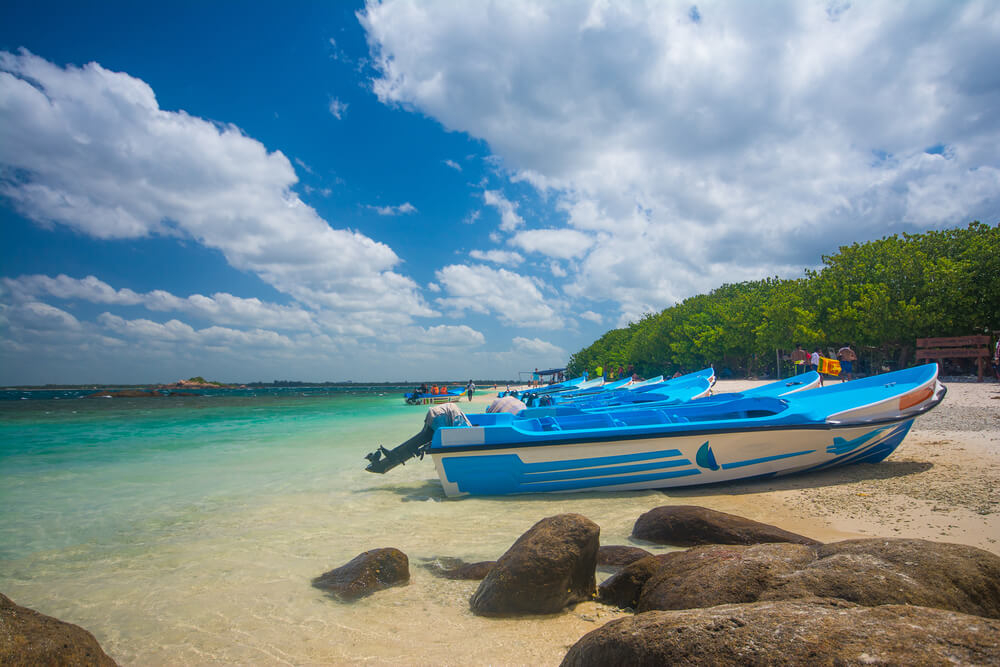
Pigeon Island is accessed from Nilaveli and Uppuveli
Take your pick of remote islands in the Maldives
Fans of desert islands can do little better than book themselves a trip to the Maldives, an archipelago of several atolls and over a thousand islands, less than half of which are inhabited.
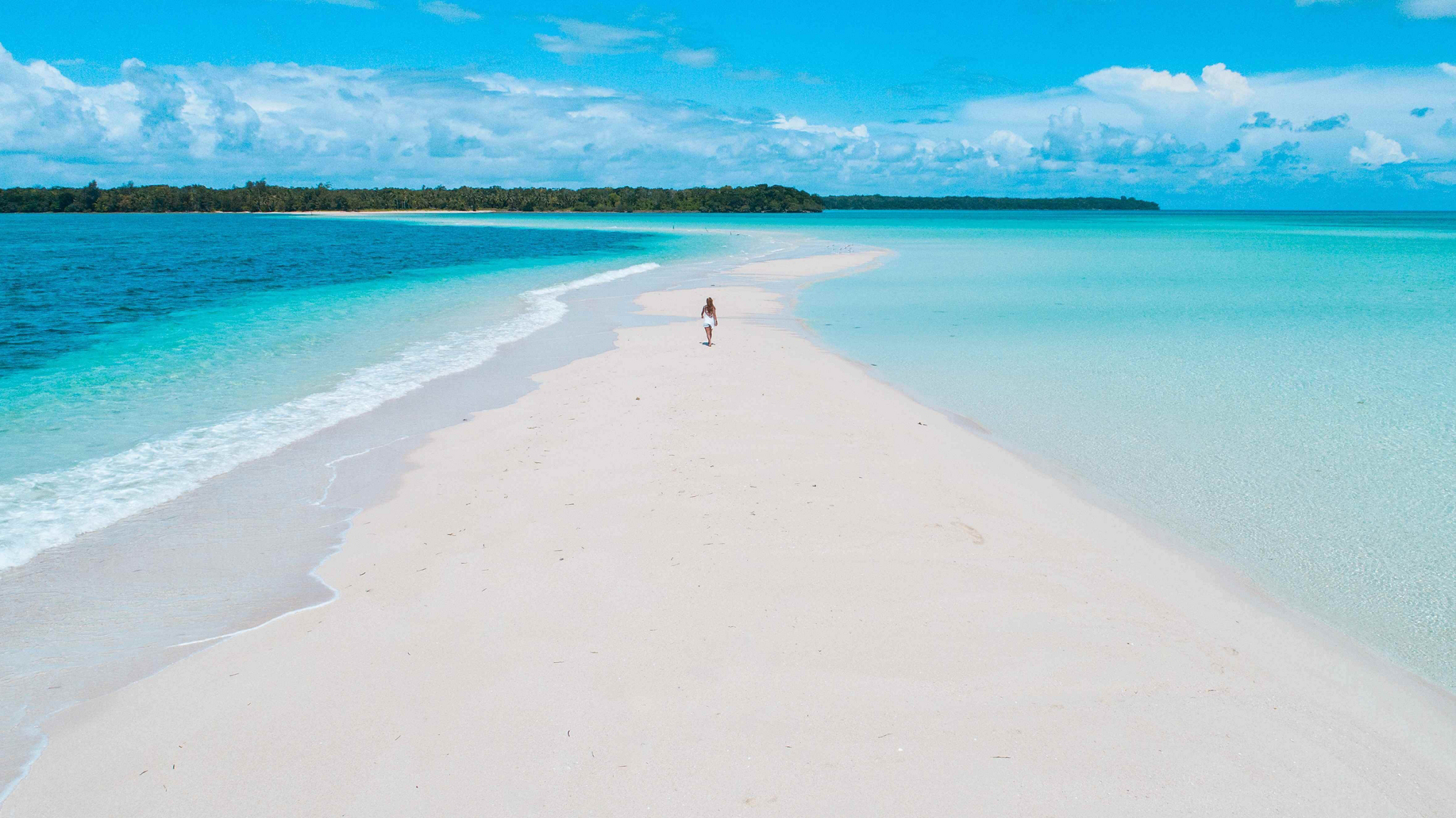
A popular activity in the Maldives is to be dropped off on a deserted sandbank, just like a marooned pirate, to spend a few hours surrounded by nothing but water, perhaps the ultimate desert island experience.
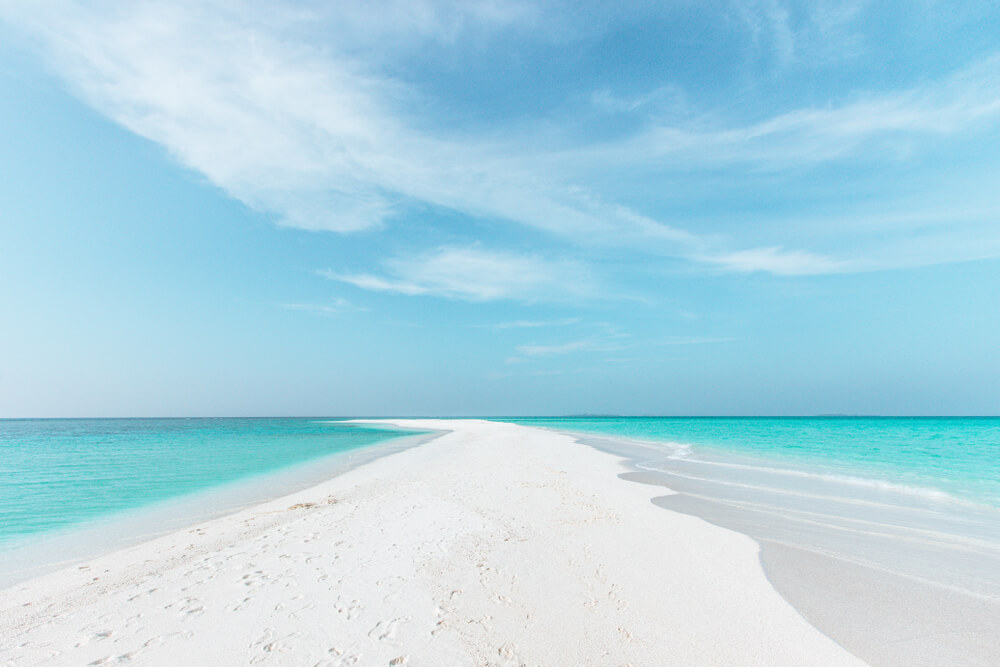
Call a sandbank your own for the day