
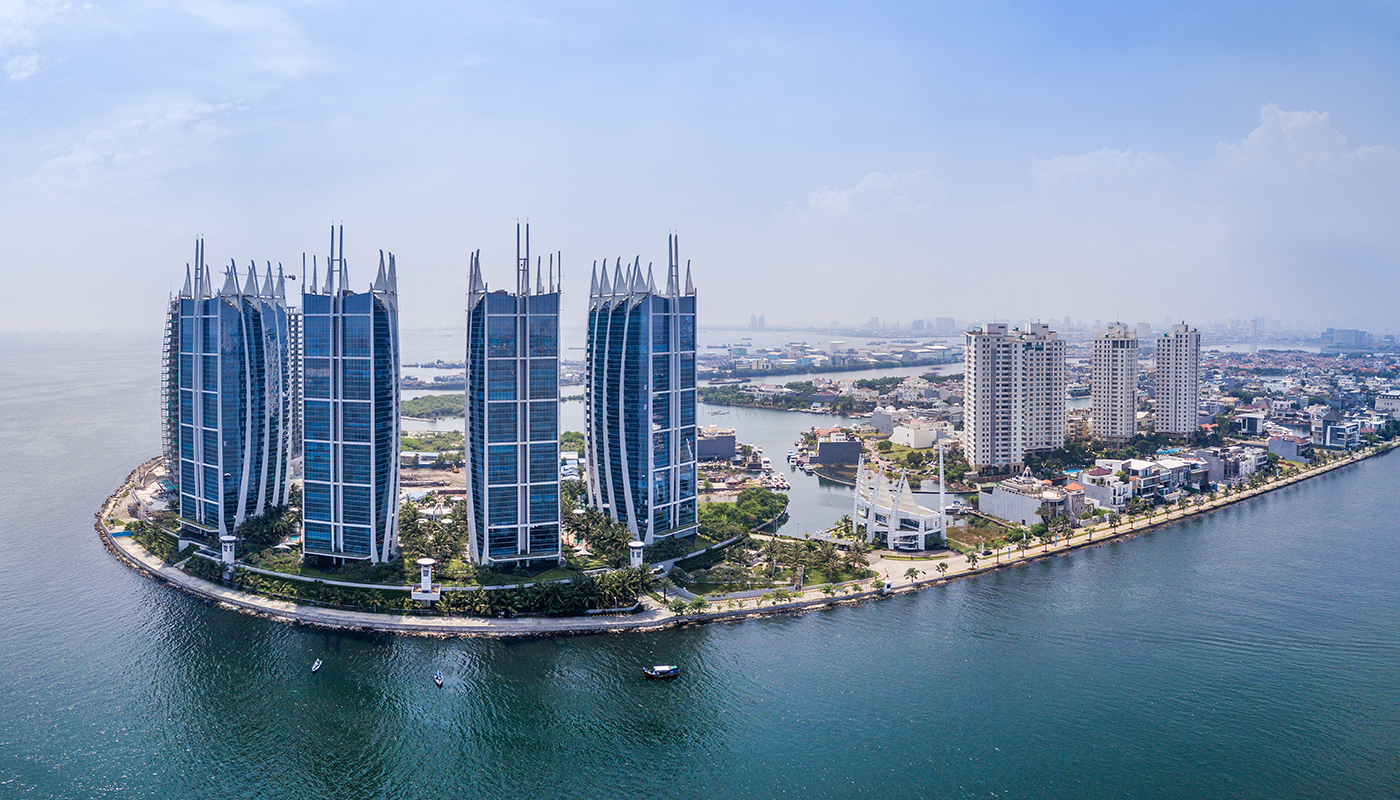









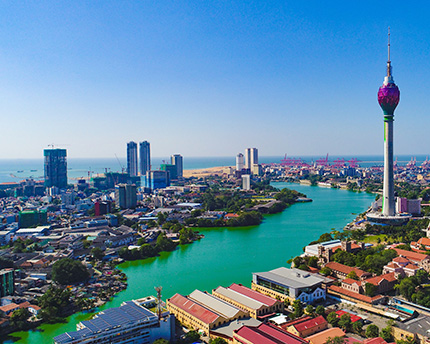
For many years, it was known as ‘the garden city of the East’, and today Colombo is a cosmopolitan destination where visitors can enjoy interesting examples of colonial architecture, along with the treasures in its great museums, corners with surprises provided by Mother Nature, traditional markets, and much more. All this co-exists with a succession of huge skyscrapers, sophisticated restaurants, and attractive galleries and shops.
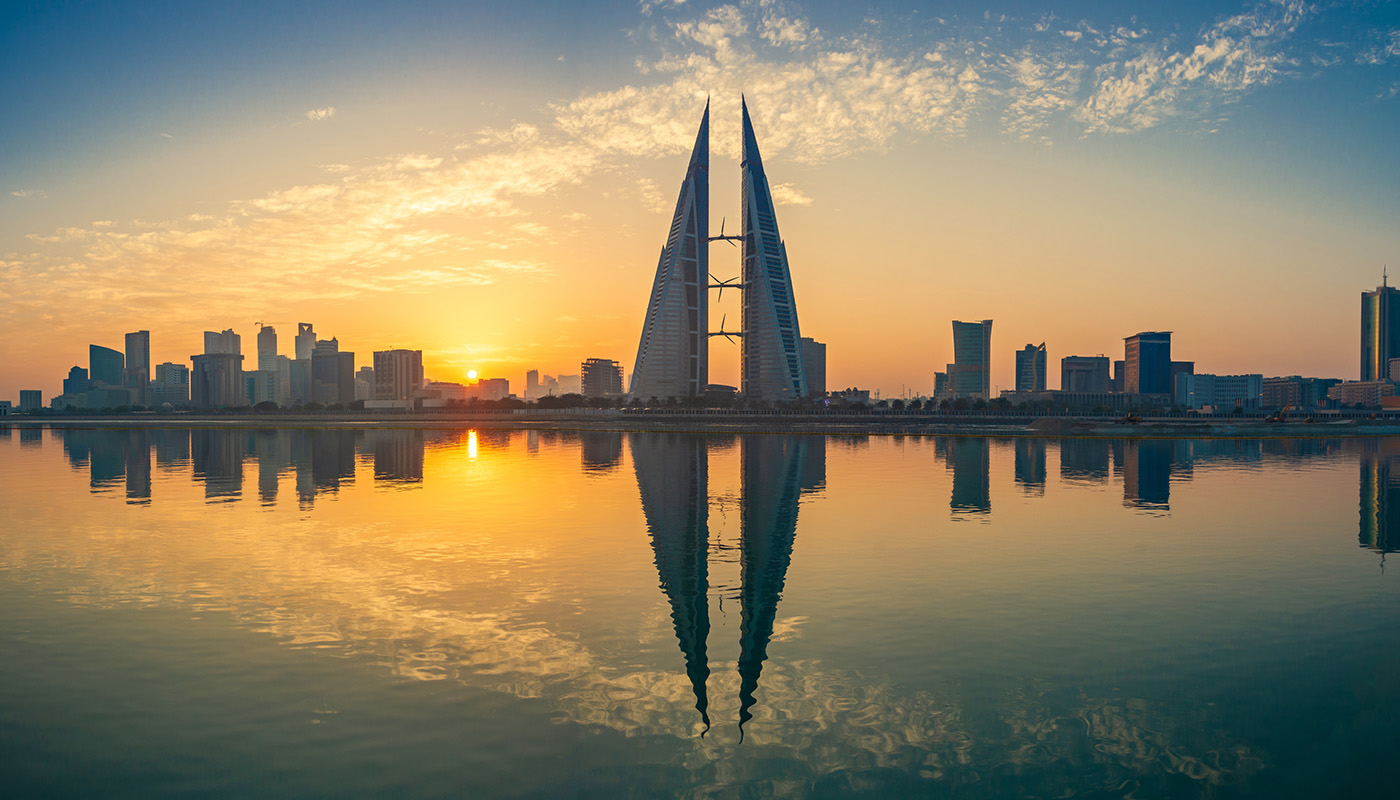
Colombo is quite a large city, so it may be interesting to hire the famous tuk-tuks or use a taxi or bus to travel to certain points. The area known as Fort, whose skyline is dominated by the World Trade Center, is currently the administrative and financial hub of the city. This is where you will find the government offices, the president’s official residence, the biggest businesses, and the luxury hotels.
The history of Sri Lanka’s capital
By the fifth century, Colombo was already a major trading port that connected Asia with the West. It was a coveted spot which, as time passed, attracted Arab merchants, as well as the Portuguese, the Dutch and the British. It was the British who contributed most to the prosperity of the city of Colombo, which became the capital of Sri Lanka in 1815.
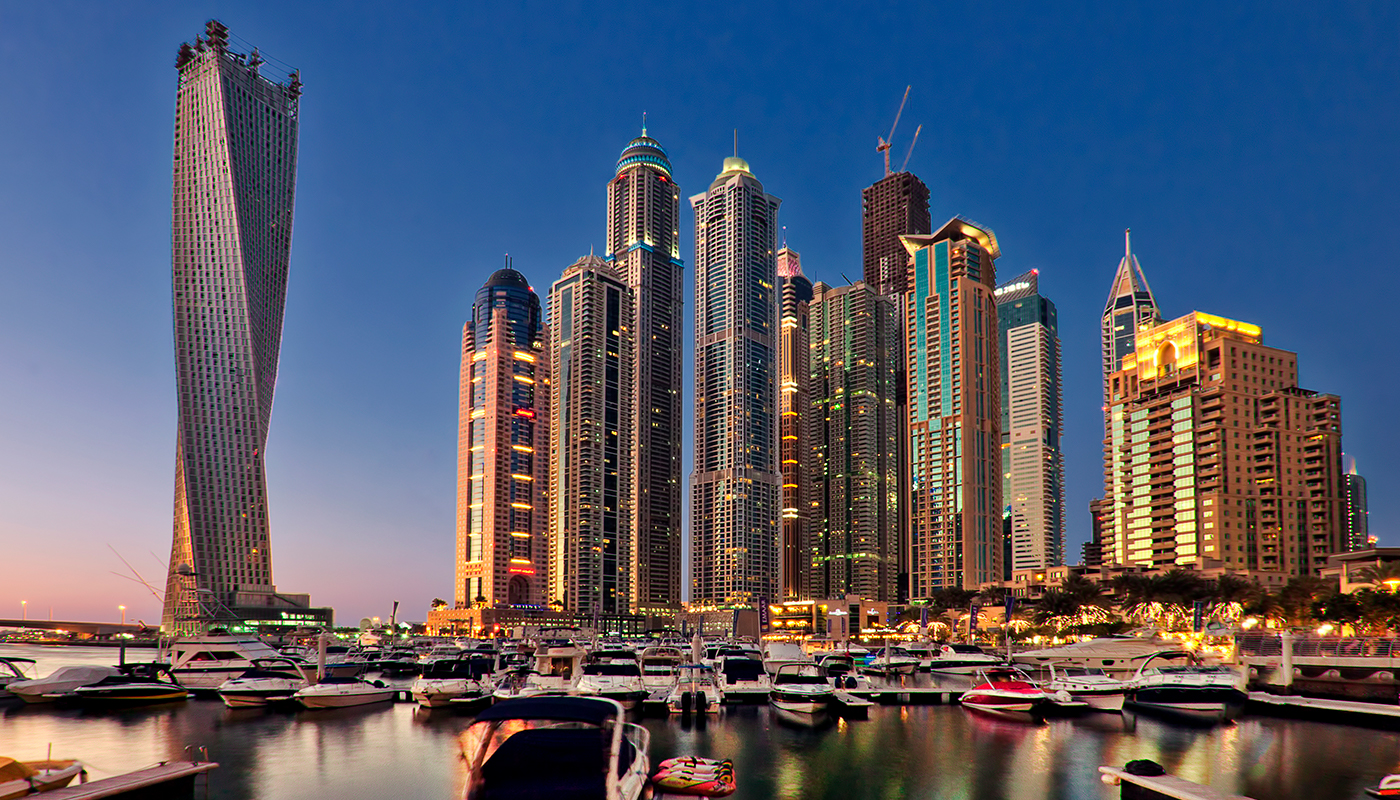
In the 1870s, a fortress was built (the current district of Fort), and in 1948 the island gained its independence. The bombardment of Fort during the civil war forced many businesses to move to other parts of the city, which has undergone a transformation in recent years with the construction of a large number of skyscrapers, which have dramatically changed Colombo’s skyline.
What to see and do
There are lots of places of interest to see in Colombo (Sri Lanka). We would recommend a tour of the various neighbourhoods to discover what the city was like during colonial times, and to see what it is like today. You could begin at Fort, in the northwest, with its picturesque and historic buildings, and then go on to Pettah and continue southwards.
The Fort Area
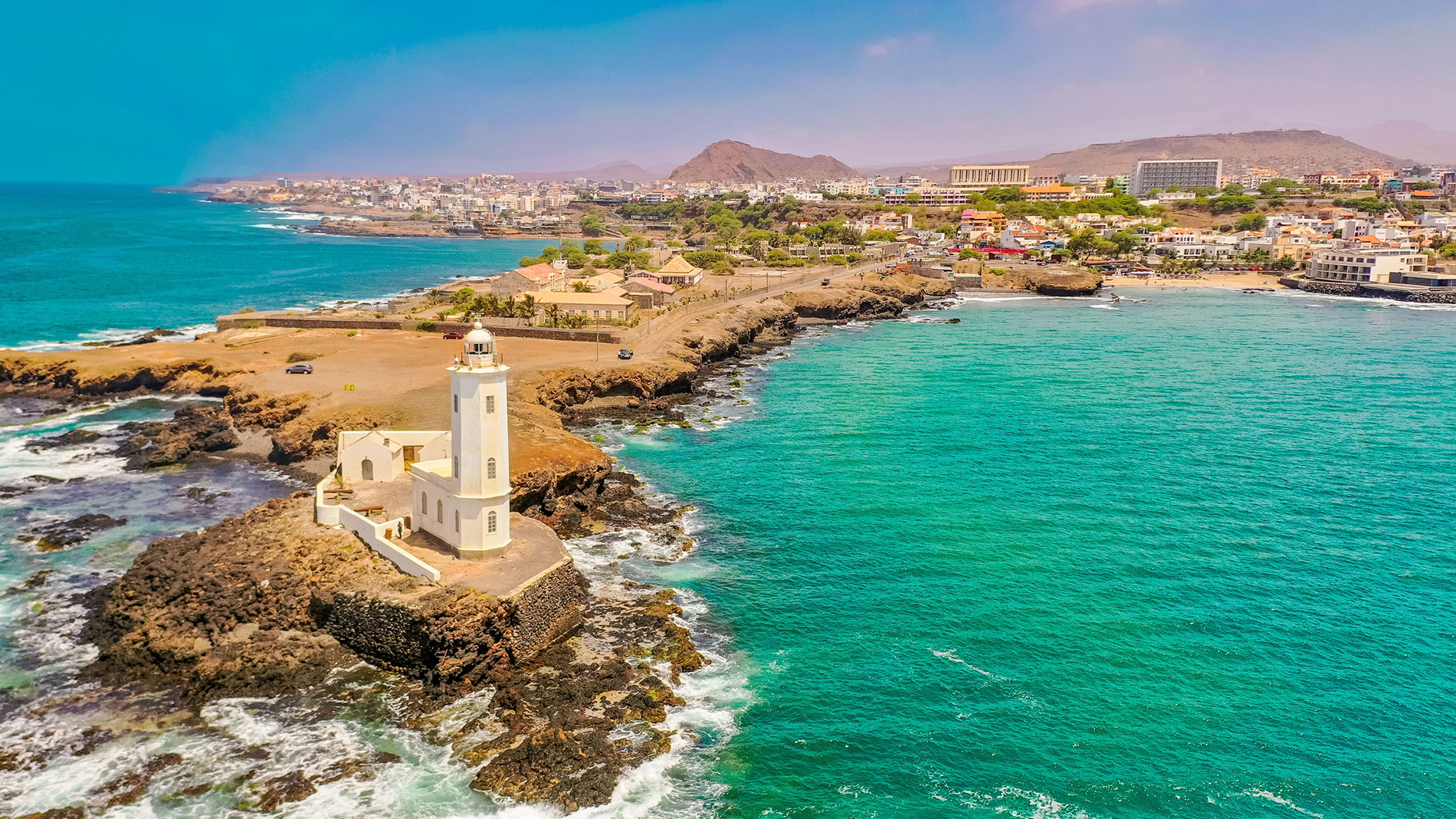
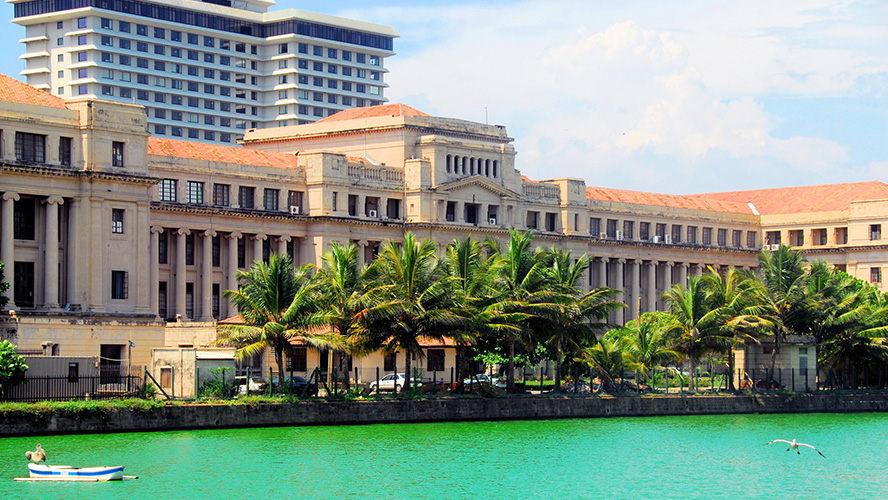
During the colonial period, Fort was a fortress mostly surrounded by the sea. Nowadays, it lies in the centre of Colombo, alongside stately, historic colonial edifices and more modern buildings such as the World Trade Center. Here too, you will find the Presidential Palace and several government ministries. This is an area which boasts remarkable sights, such as the Colombo Lighthouse, which can easily be reached on foot. In the Fort Area, visitors should see the Dutch Hospital, a colonial-style building dating from the early seventeenth century. Among its pillars you will now find many cafés, restaurants and shops. Other interesting architectural features in the Fort Area are the Central Point or Central Bank (with its majestic arcaded façade and its currency museum) and the Lloyd’s Buildings. Also worth visiting is St. Peter’s Church which, until 1821, was the Dutch governor’s ballroom.
Sambodhi Chaithya

This is a remarkable Buddhist sanctuary (pagoda) in Colombo, built in 1956 to commemorate the 2,500th anniversary of the death of Buddha. Built on stilts, it stands 20 metres above ground level, and is a point of reference for travellers arriving in the city from the sea. The interior walls are decorated with colourful paintings depicting scenes from the life of Buddha. From here, visitors can admire a magnificent panorama of Sri Lanka’s capital. But remember, you need to remove your shoes before entering as a mark of respect.
Pettah
Pettah is one of Colombo’s oldest and most fascinating neighbourhoods. It is home to many different ethnic groups, and there are religious buildings for all kinds of creeds. Business activity is frenetic, and you will see carts absolutely loaded with all types of goods, cars struggling to navigate the streets and to dodge obstacles, and always people in a hurry. Pettah is home to the Dutch Period Museum, which has at various times been the residence of the Dutch governor, a seminary, a military hospital, a police station, and a post office. In this district you will also find the former Town Hall, the Wolvendaal church, the Federation of Self-employed Workers’ Market, the Manning wholesale market, and the floating market. It is worth seeing the Hindu temples of Sea Street, all dedicated to Murugan (Skanda), the god of war.
The Red Mosque
In Pettah, to the north of Main Street, stands the Jami Ul-Alfar mosque — more commonly known as the Red Mosque thanks to the colour of its bricks, which are combined with white bricks to form geometric designs. It was built in 1909 by the local Indian Muslim community. Its Indo-Saracen style combines Indo-Islamic, Gothic, and neo-Classical elements.

The Gangaramaya Temple
This complex of Buddhist temples is an architectural and spiritual jewel which reflects the country’s rich cultural legacy. Founded in the nineteenth century, it has a library, a museum, and an exhibition of valuable items donated by devotees and admirers. The Vihara Mandiraya meditation hall has an imposing golden statue of Buddha and pictures telling the story of his life. The Seema Malaka is a floating pavilion built on a lake to encourage meditation and spiritual refection. The Gangaramaya Temple is one of the emblematic spots at Navam Perahera — the celebration of the day of the Full Moon, with a colourful procession of decorated elephants, dancers and musicians.

Where to eat in Colombo
They say that Sri Lanka is the island with a thousand names, and it could also be called the island of spices, given the huge diversity and complexity of flavours to be found here. In the capital, Colombo, the gastronomic choice is enormously varied. Here, you can eat a delicious curry with rice in the street, seafood on the beach, or international cuisine in elegant and sophisticated restaurants. Some of the most famous are Shang Palace, Menya Hanabi Sri Lanka, Central Restaurant, Virticle by Jetwing, Elite Restaurant (with views of the lighthouse), Sanctuary at Tissawewa (the former residence of a British governor), Yue Chuan, Sapphyr Lounge, Margosa (a nineteenth-century mansion), Plates, Sunsetblu, King of the Mambo and The Ocean, and The Kingsbury.