










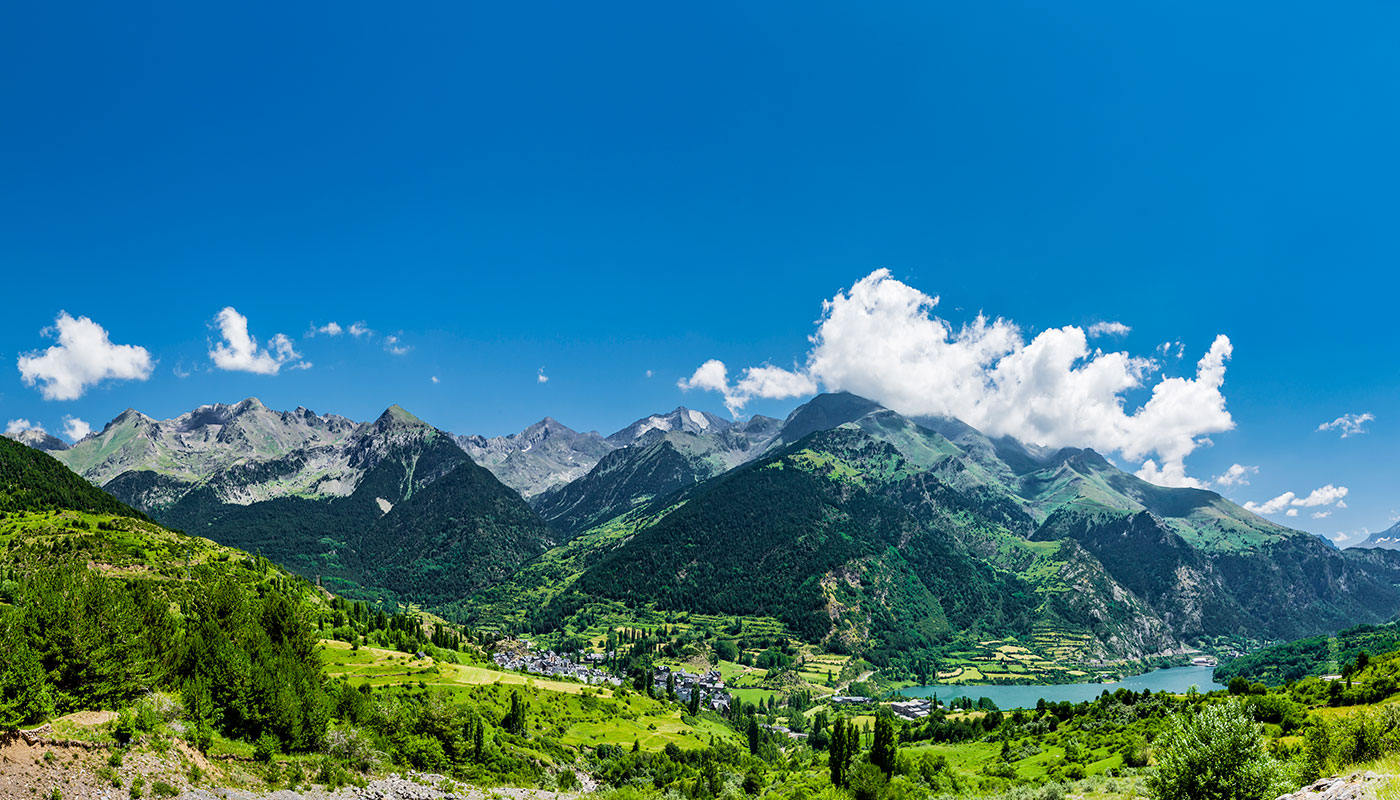



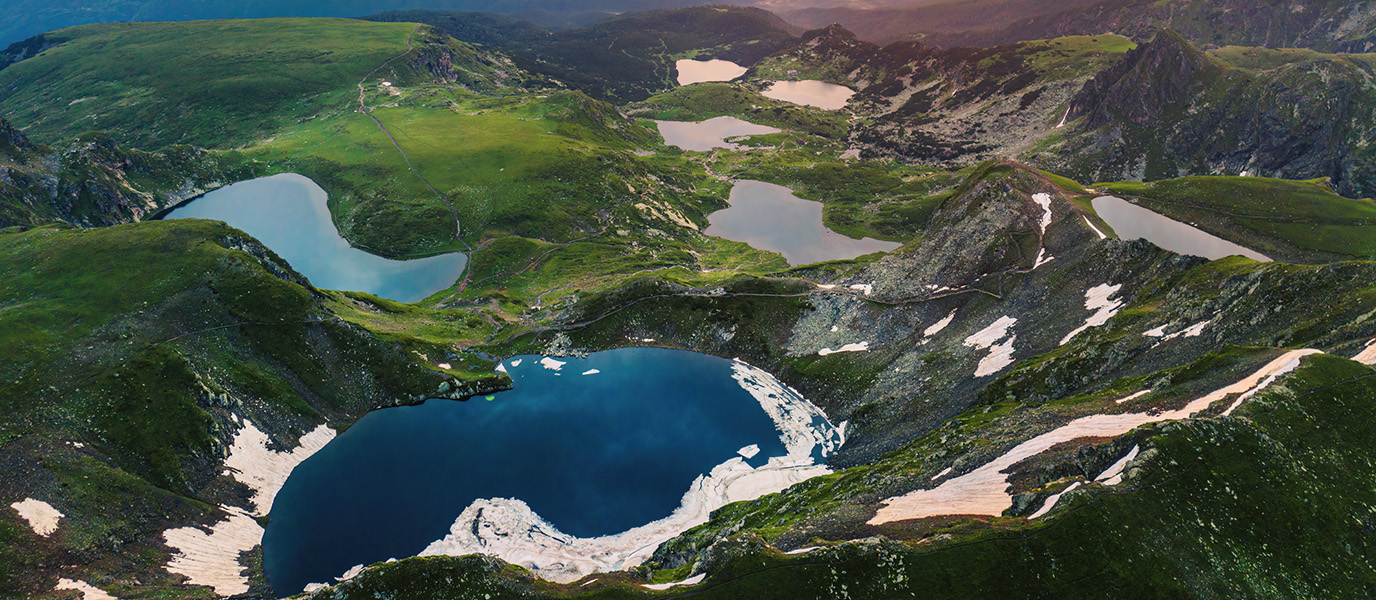
High in the mighty Rila Mountains, nature has carved a dreamlike landscape. The Seven Rila Lakes, a set of glacial lakes lined up in the shape of a staircase, each with its own name and history behind it, emerge as crystal-clear water gems amidst green alpine meadows and defiantly rising cliffs. This setting, which appeals to both experienced hikers and curious spirits, is interesting not only for its unique scenic beauty, but also for its spiritual dimension. For decades, the White Brotherhood, a spiritual movement inspired by the harmonious connection between human beings and the universe, has been holding ritual dances by the lakes, especially in August.
- A natural paradise in Bulgaria: context and location
- The Seven Rila Lakes one by one: a symphony of water and mountains
-
- Salzata (The Tear): the mirror of the sky
- La Zorera-Cascada Maiserúa
- Babreka (The Kidney): where the mountains embrace the water
- Bliznaka (The Twins): the lake of soul mates
- Trilistnika (The Clover): where the spirits of the mountains gather
- Ribnoto Ezero (Fish Lake): the source of life
- Dolnoto Ezero (Lower Lake): the guardian of the valle
-
- Natural setting and routes: trails among the Balkan giants
- Tips for visitors and useful information
A natural paradise in Bulgaria: context and location
Located at Rila National Park, some 90 kilometres south of Sofia, the Seven Rila Lakes are the undisputed jewel of the highest mountains in the Balkans. These peaks, which reach 2,925 metres at Musala, are enveloped in a solemn silence, broken only by the murmur of the streams and the rustle of the wind. The lakes, formed during the last ice age, are located at altitudes ranging from 2,100 to 2,500 metres, and their cascading arrangement creates a dreamlike landscape that seems to have been designed by nature for the adventurous.
Each lake has a name that describes its shape or a striking feature: Salzata (the Tear), Okoto (the Eye), Babreka (the Kidney), Bliznaka (the Twins), Trilistnika (the Clover), Ribnoto Ezero (Fish Lake) and Dolnoto Ezero (Lower Lake). Together, they form a route that combines stunning scenery, physical challenges and a sense of being in a profoundly special place.
Nevertheless, the region’s charm goes far beyond its natural beauty. Rila National Park is also home to Rila Monastery, a UNESCO World Heritage Site. This iconic monastery, with its valuable frescoes and a history dating back to the 10th century, reminds us how the Rila Mountains have been a spiritual refuge for centuries, a place where monks sought peace and communion with nature, and where visitors now find calmness and wonder.
Accessibility to the area has improved considerably in recent years thanks to a system of chairlifts that allow you to reach the peaks without having to walk long distances. Even so, many travellers prefer to make the ascent on foot, following winding paths through forests and meadows full of wild flowers in the summer. This effort adds a sense of achievement and reward to the experience, intensifying their spiritual connection with the environment.
The Seven Rila Lakes one by one: a symphony of water and mountains
Exploring the Seven Rila Lakes is like walking through a natural art gallery, where each lake seems to tell its own story, steeped in legends, colours and unique shapes that stir the imagination and wonder of visitors.
Salzata (The Tear): the mirror of the sky
The highest of the lakes, at an altitude of 2,535 metres, owes its name to the immaculate transparency of its waters, which reflect the sky like a perfect mirror. According to a local legend, its clarity is due to the fact that the gods shed tears on these mountains as a gesture of love for the Bulgarian land. From Salzata, the views are a real treat: you can see the other lakes cascading down into the valley, like a necklace of blue gems. On clear days, the landscapes seem to stretch to infinity, giving a sense of absolute freedom.
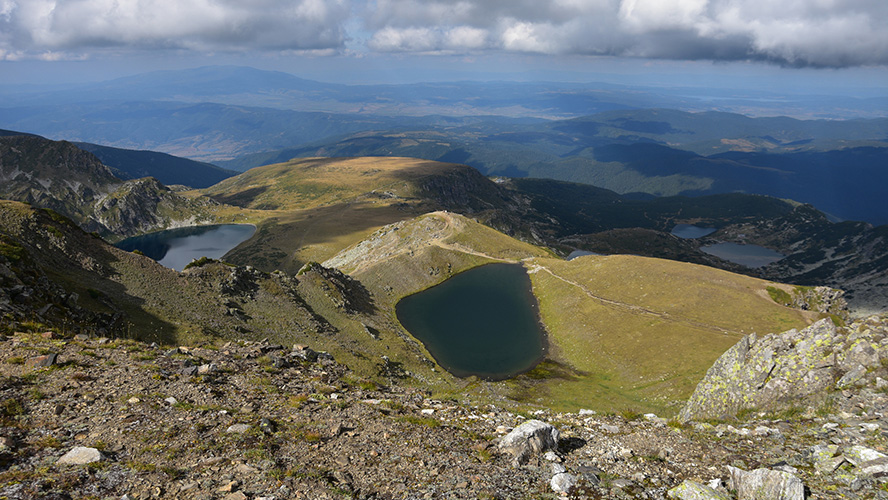
Okoto (The Eye): the gaze of the mountains
With its perfect circular shape and a deep blue hue that seems to change depending on the light, Okoto is the deepest lake, reaching 37 metres at its lowest point. Locals say that, on clear nights, the full moon is reflected on its surface in such a way that the lake seems to ‘open an eye’ to the sky. This lake, surrounded by steep cliffs, exudes a sense of mystery and splendour. It is also one of the most photographed lakes since its location and colour make it a real magnet for nature lovers and photographers.
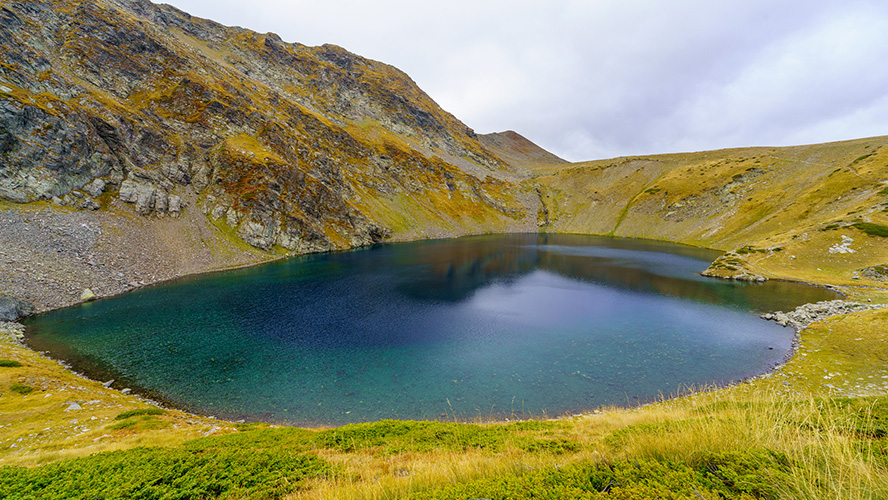
Babreka (The Kidney): where the mountains embrace the water
The third lake, called Babreka because of its characteristic curved shape, is one of the largest and most popular of the seven. Its vast surrounding meadows are the perfect place to stop for a rest after a hike and, during the summer months, the lake becomes the ideal spot to view the contrast between the vibrant green of the grass and the deep blue of the water. Some believe that the curve of the lake symbolises the embrace of the mountains as if they want to protect their crystal-clear water heart.
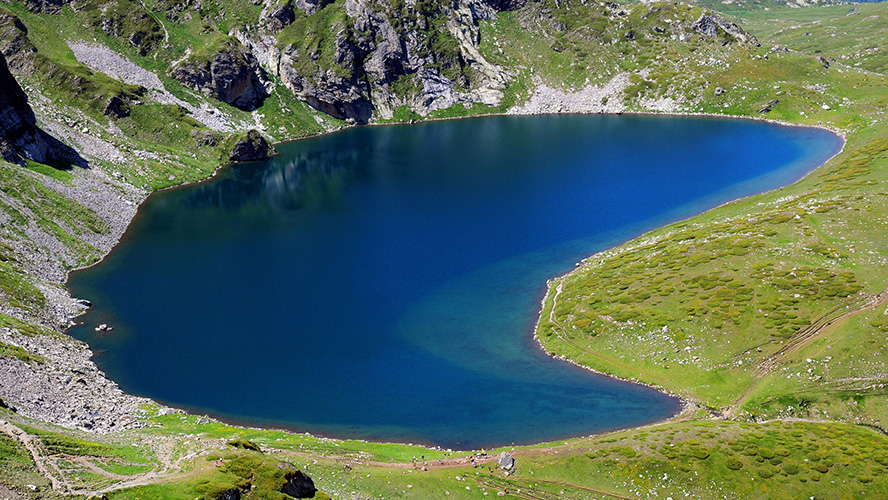
Bliznaka (The Twins): the lake of soul mates
Bliznaka is the largest of the seven lakes and is divided into two parts connected by a narrow waterway, hence its name ‘The Twins’. During spring and summer, this lake is famous for perfectly reflecting the sky and nearby summits, creating an almost surreal effect. Its unique division has inspired local tales of two soul mates separated by fate but united by an eternal bond, symbolised by the stream that joins the two parts of the lake.
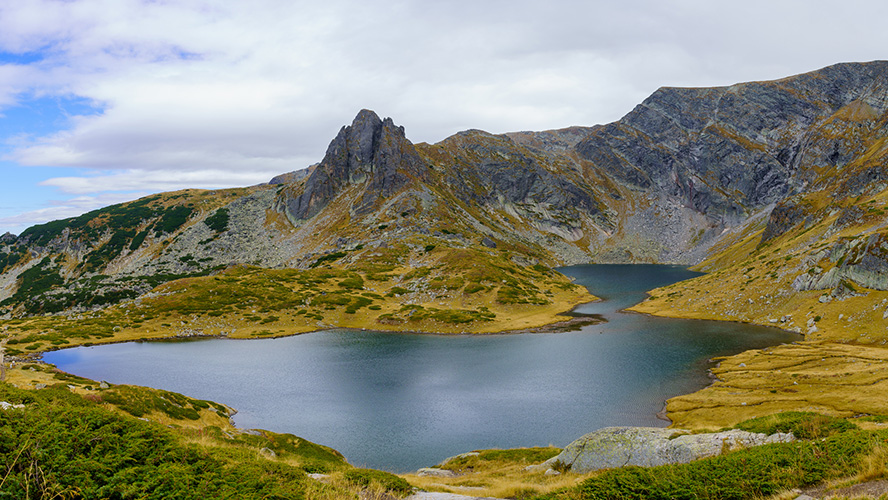
Trilistnika (The Clover): where the spirits of the mountains gather
Smaller and with an irregular shape reminiscent of a clover, this lake has a discreet and serene charm. Its lower location, away from the main flow of visitors, makes it a haven of tranquillity. Although its size is not impressive, its intimate atmosphere and surrounding vegetation make it unique. In the early morning hours, a light mist often engulfs it, lending it a mysterious air that has fuelled stories of spirits guarding the mountains that congregate there.
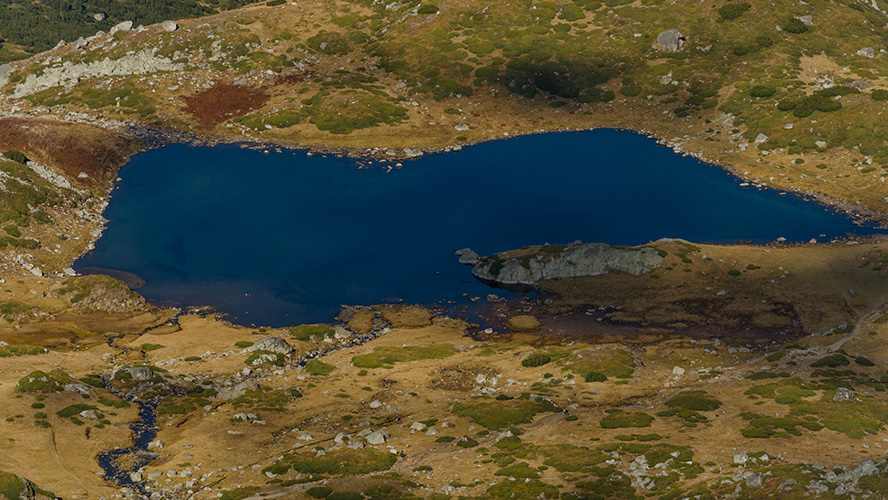
Ribnoto Ezero (Fish Lake): the source of life
Unique among the Seven Lakes for harbouring fish, Ribnoto Ezero is a small ecosystem within the group since it is teeming with life. Its water, fed by the streams that flow down from the upper lakes, is warmer than the rest, making it suitable for aquatic fauna. This lake is in a more accessible location and is a popular resting place before ascending to the upper lakes. Tradition has it that the fish in this lake are guardians of the mountain secrets and, on the quietest nights, some claim to have seen its surface ‘dancing’ under the stars.
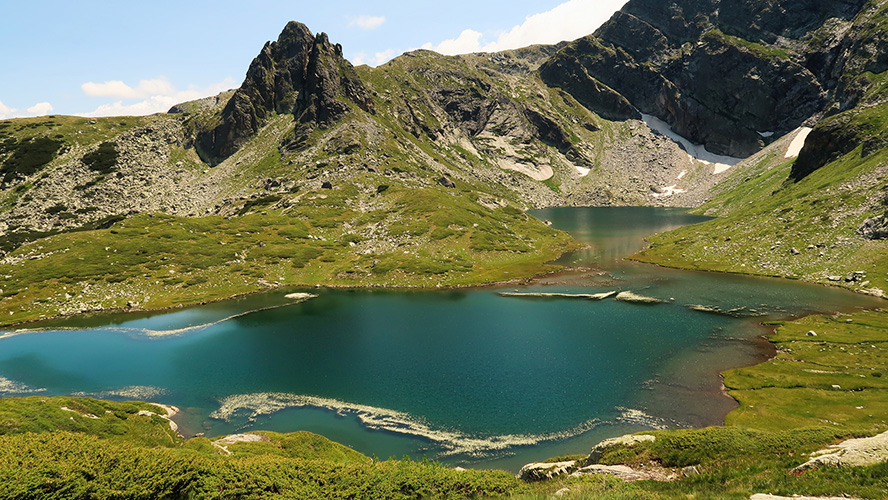
Dolnoto Ezero (Lower Lake): the guardian of the valley
The last in the chain of lakes, Dolnoto Ezero, collects the water that flows down from the other lakes and directs it into the valley. Located at a lower altitude and surrounded by forests and pastures, it offers a stark contrast to the alpine landscapes of the upper lakes. Its surroundings are more peaceful, and its location at the end of the route makes it a perfect place to end the visit with calm and reflection. According to local legends, Dolnoto Ezero is a protective lake, guarding the water that flows down to the lowlands and symbolically linking the mountains with the rest of Bulgaria.
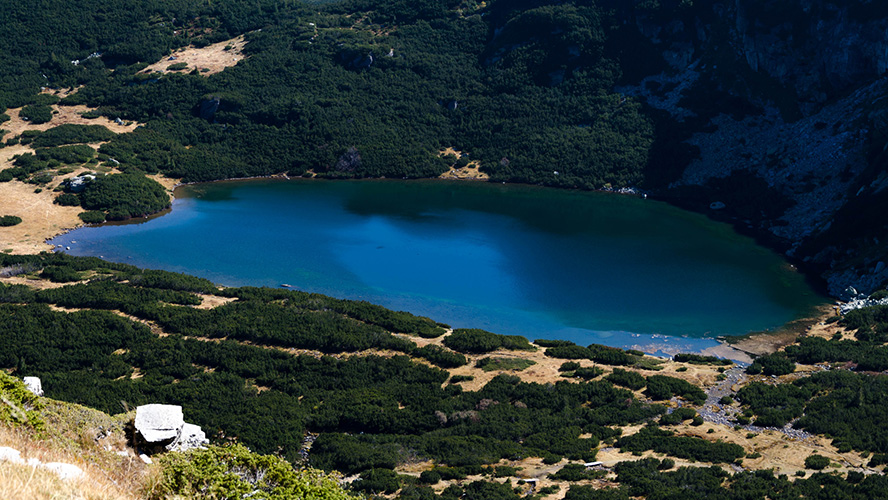
Natural setting and routes: trails among the Balkan giants
Rila National Park is home to impressive fauna and flora. Its forests are inhabited by species such as bears, deer and eagles while, in summer, the alpine meadows are filled with wild flowers, creating an unforgettable visual wonderland.
The most popular route to the lakes starts at the Pionerska hut, from where a chairlift takes visitors to the Rilski Ezera hut at an altitude of 2,100 metres. From there, several signposted paths enable you to explore the lakes according to the desired time and difficulty.
The circular trail that connects all the lakes is an ideal option for experienced hikers since they can enjoy the views and diversity of the landscape. For those looking for a more leisurely experience, you can take shorter hikes that only include the more accessible lakes.
Tips for visitors and useful information
The best time to visit the Seven Rila Lakes is in summer, when the trails are free of snow and temperatures are pleasant. Nevertheless, autumn offers equally spectacular scenery, with the warm colours of the season reflected in the lakes.
Wear comfortable clothing and footwear suitable for hiking, especially if you plan to cover the entire circuit. A waterproof jacket is recommended since the weather in the mountains can change quickly. And, of course, respect the environment. The Seven Rila Lakes are a fragile ecosystem. Avoid leaving litter and follow the marked routes to preserve this unique place for future generations.