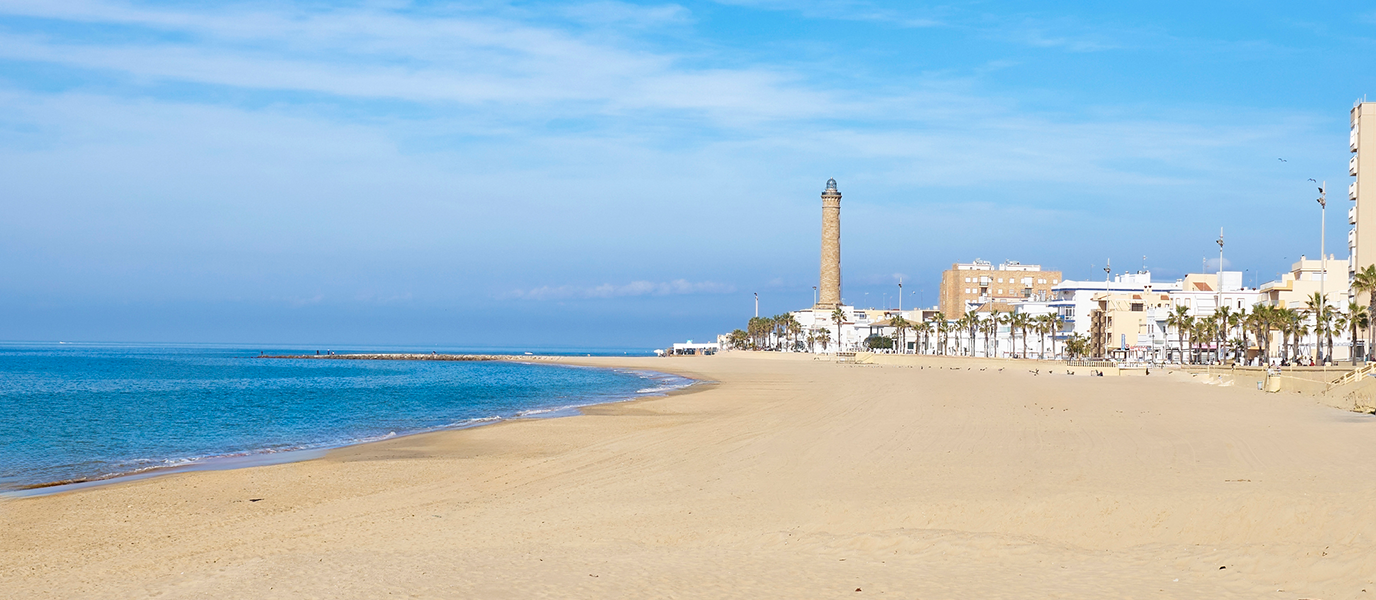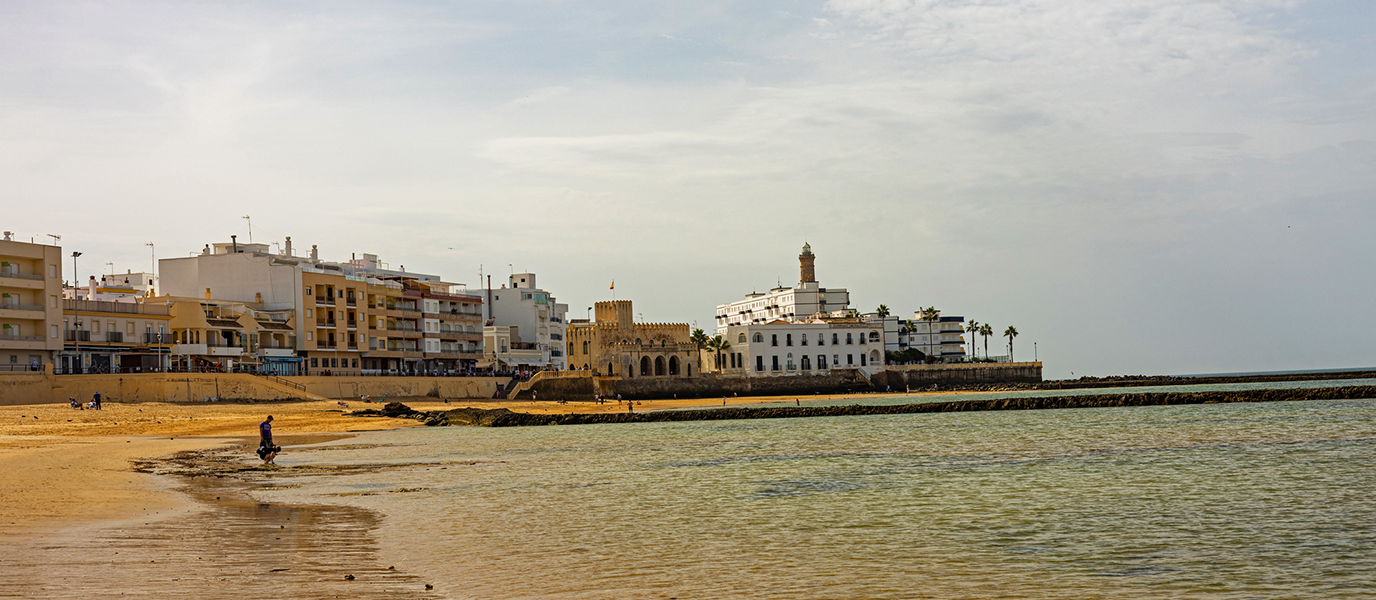











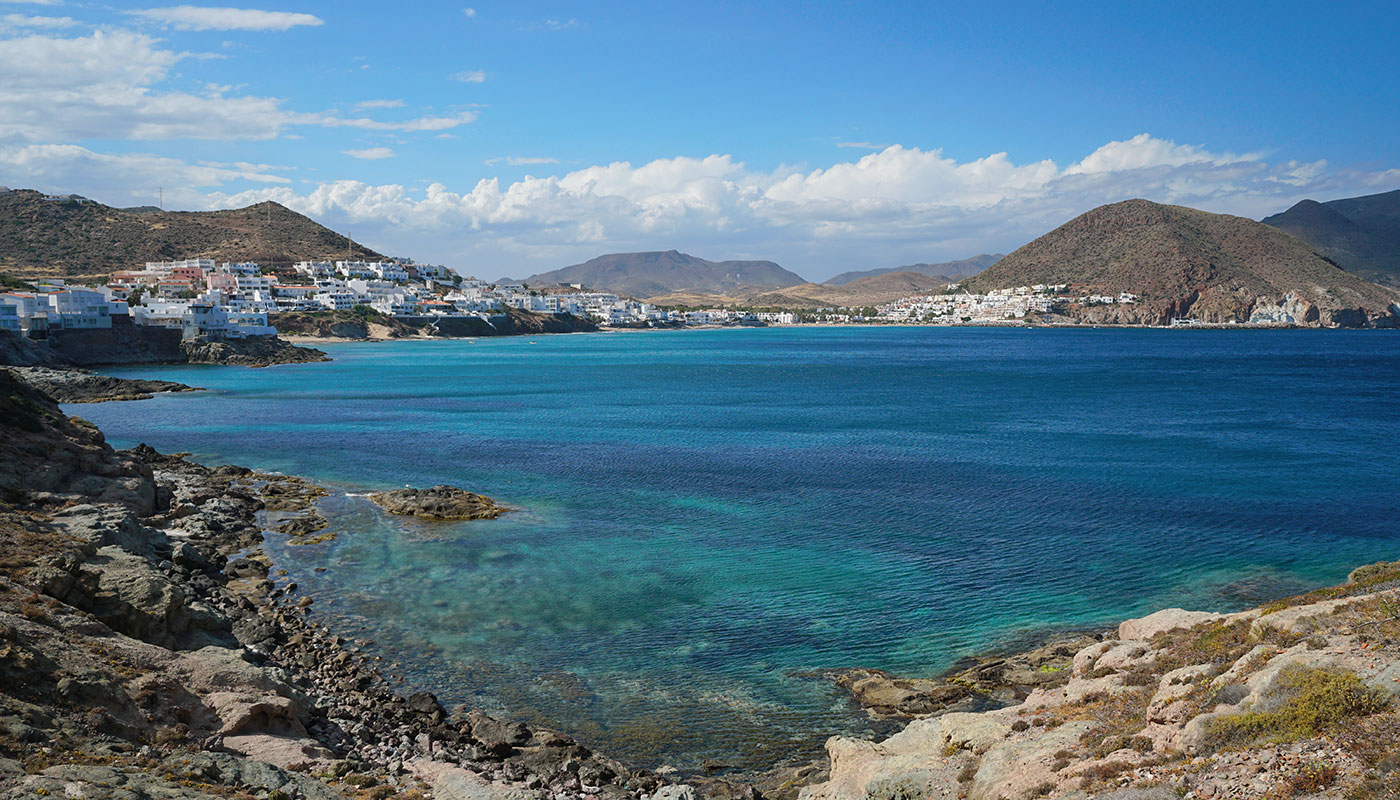
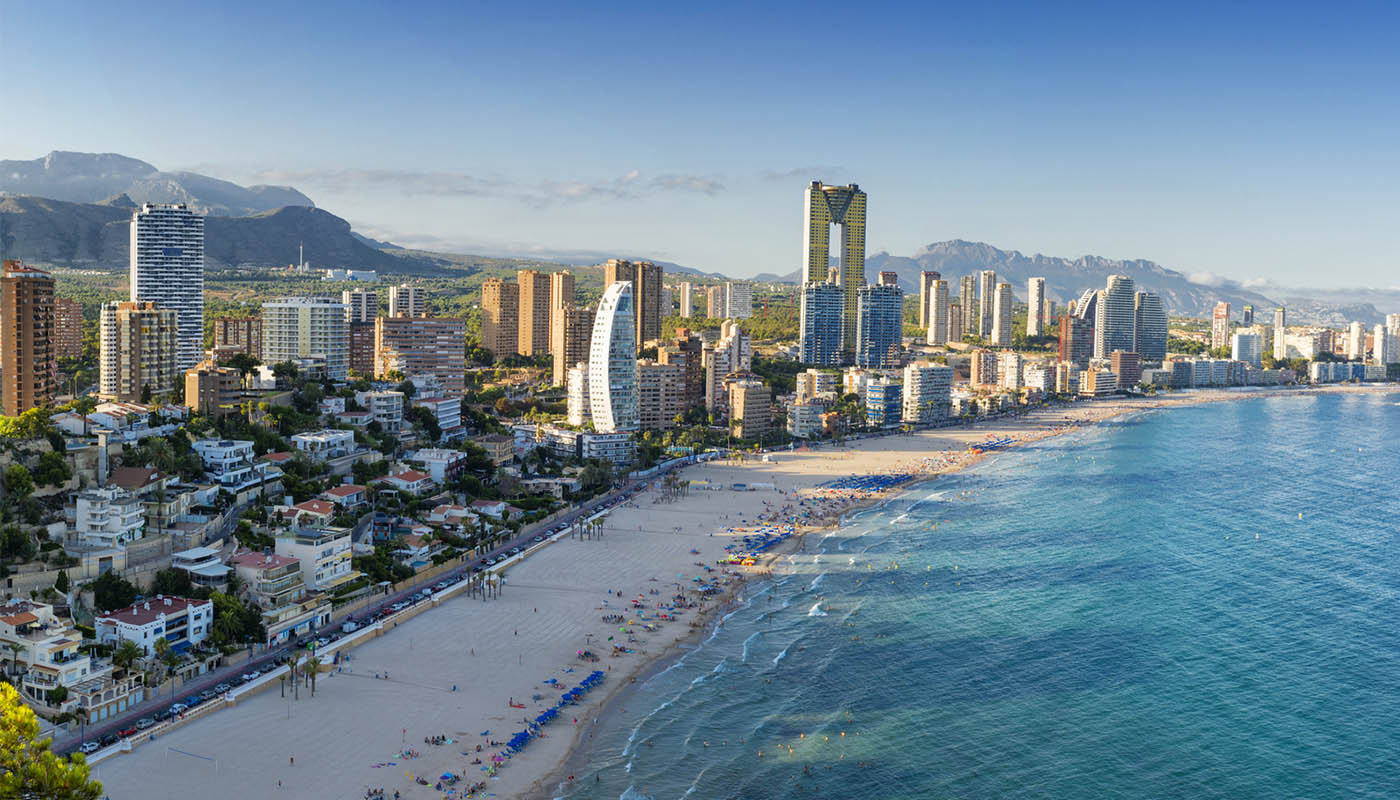


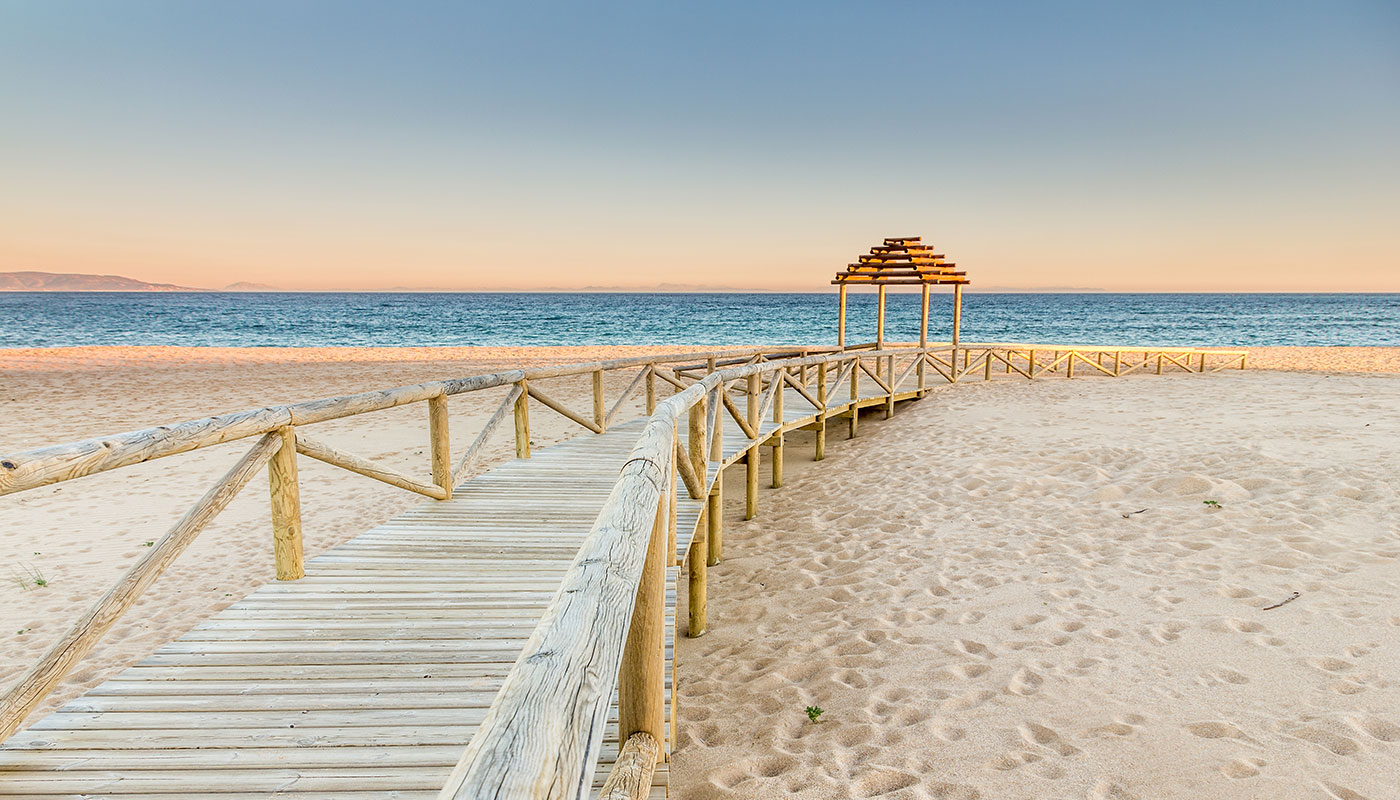
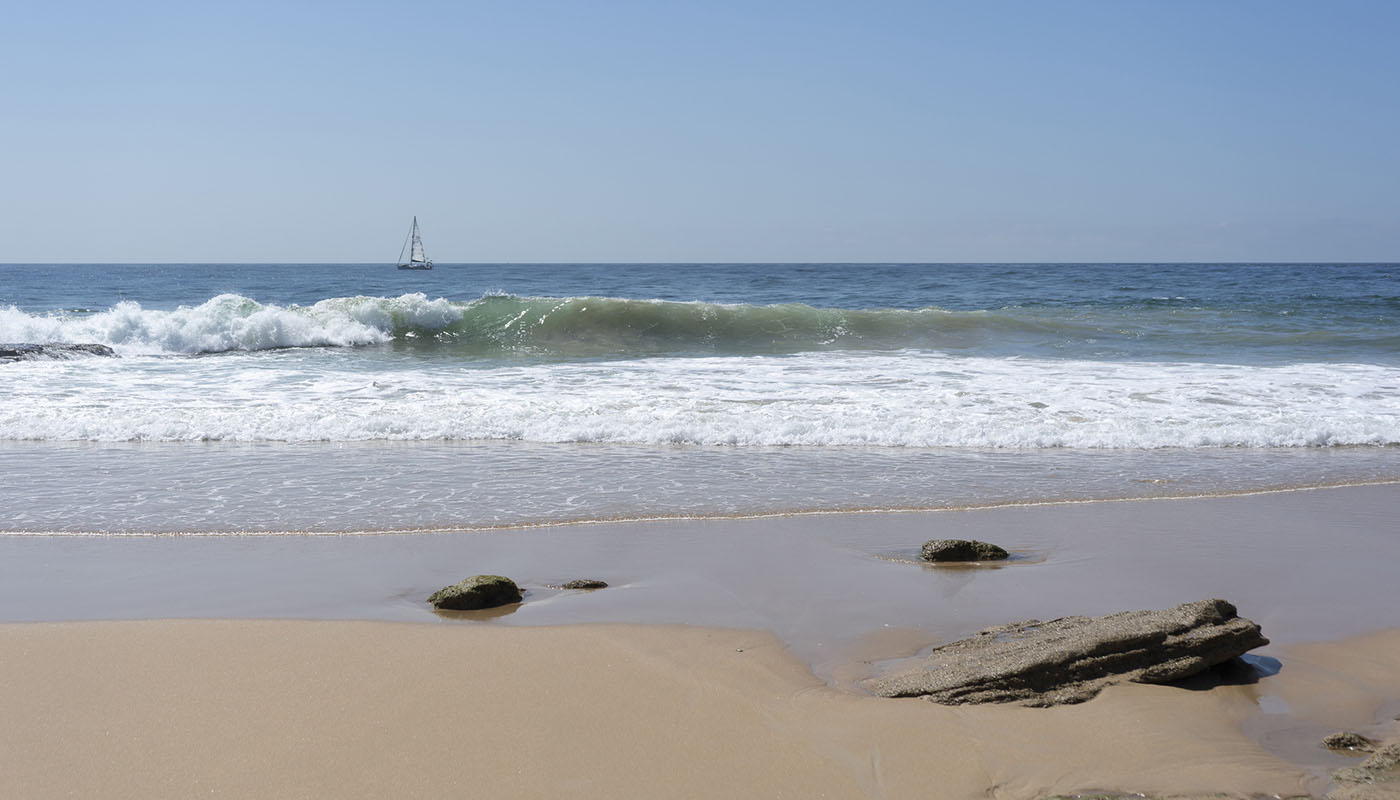

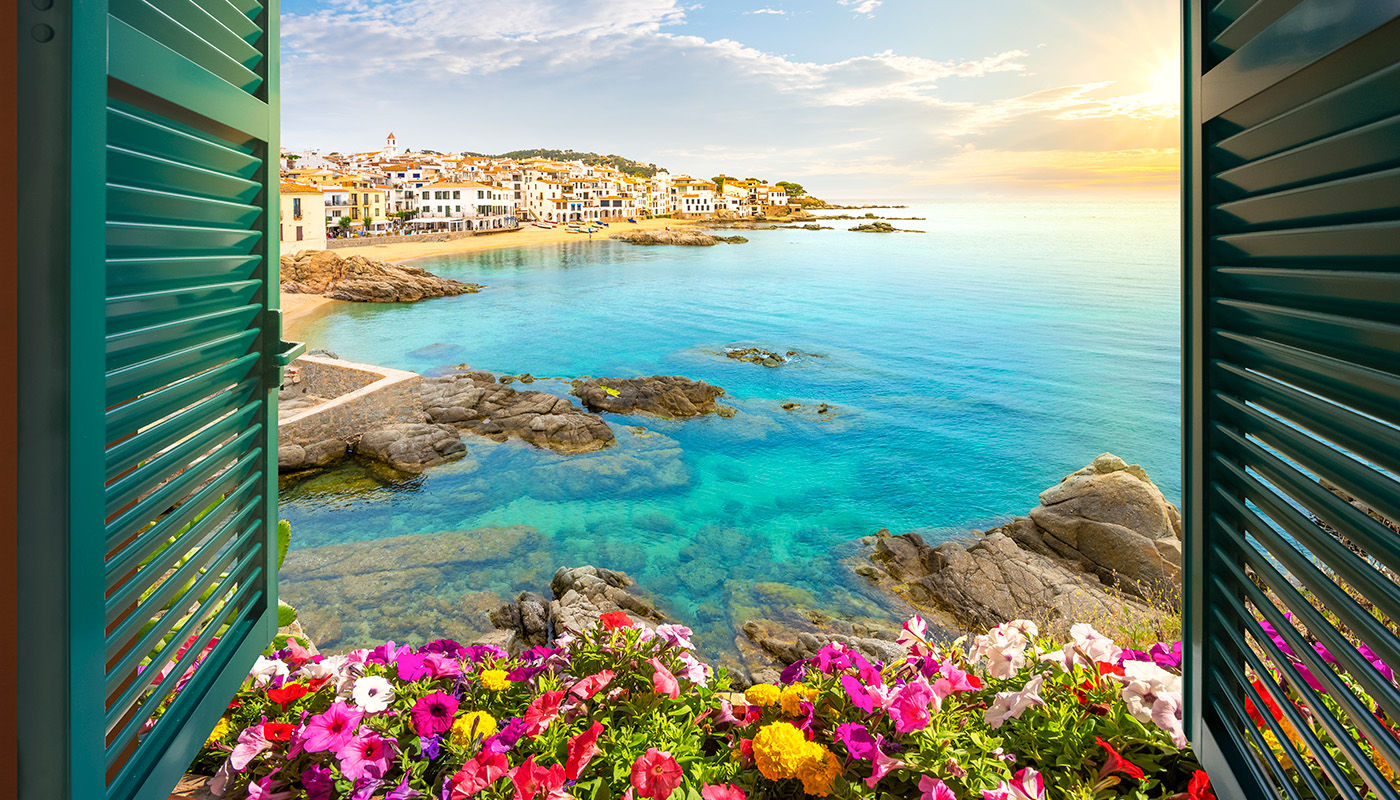
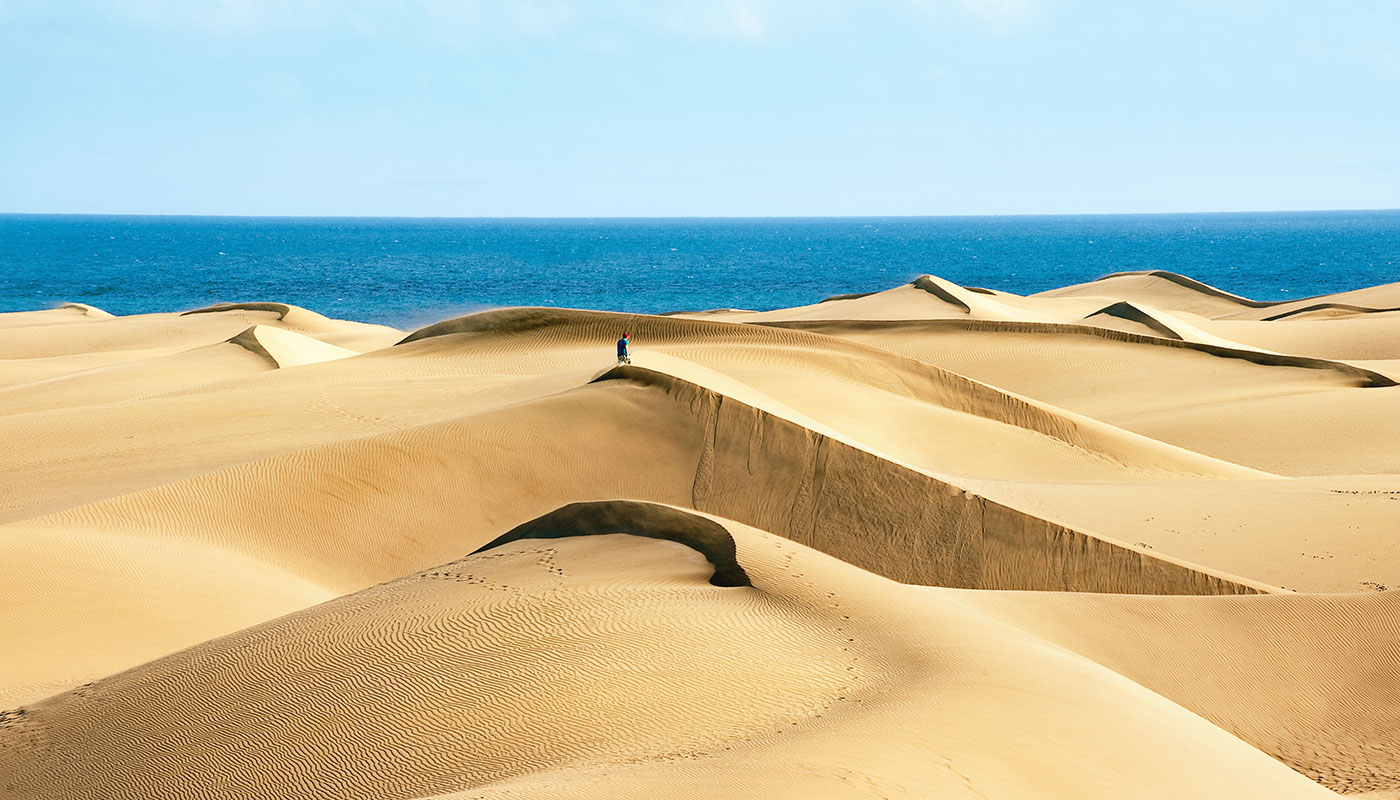

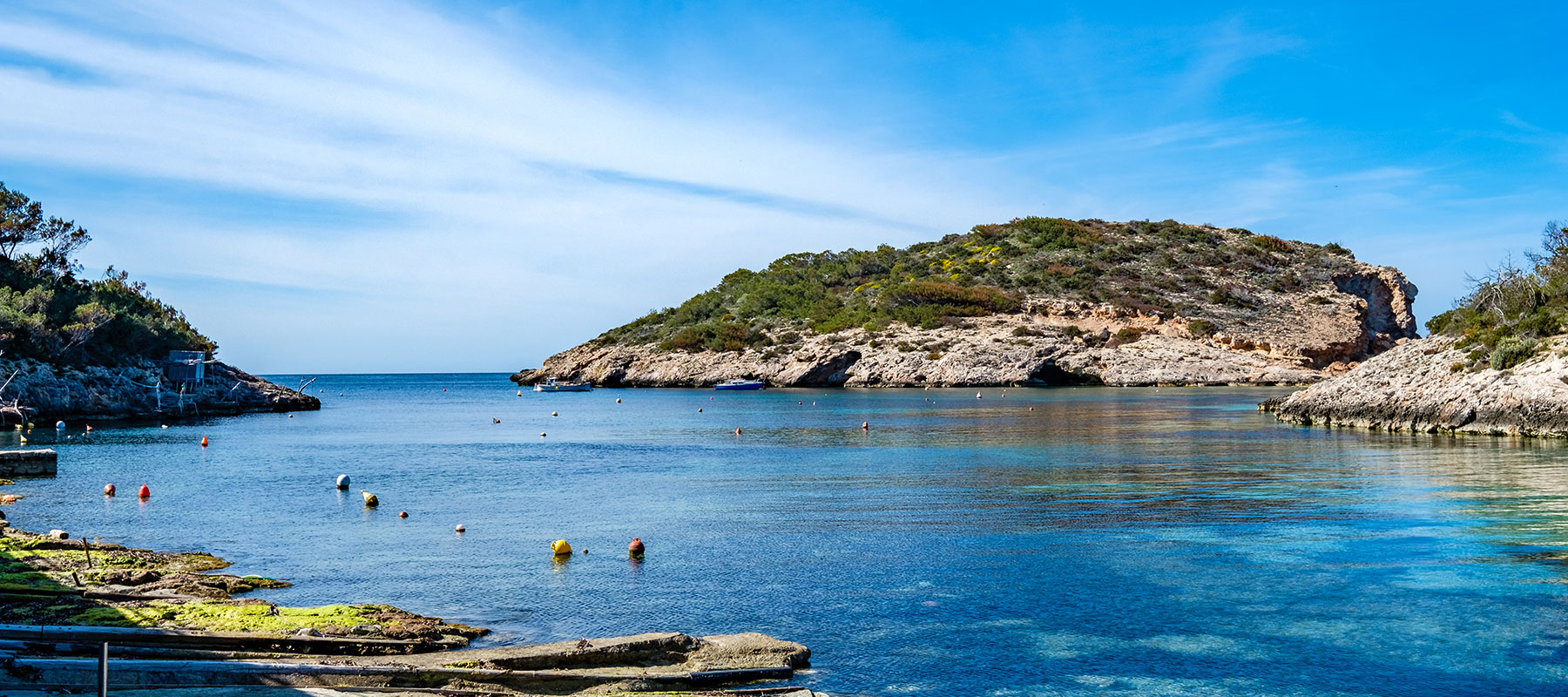



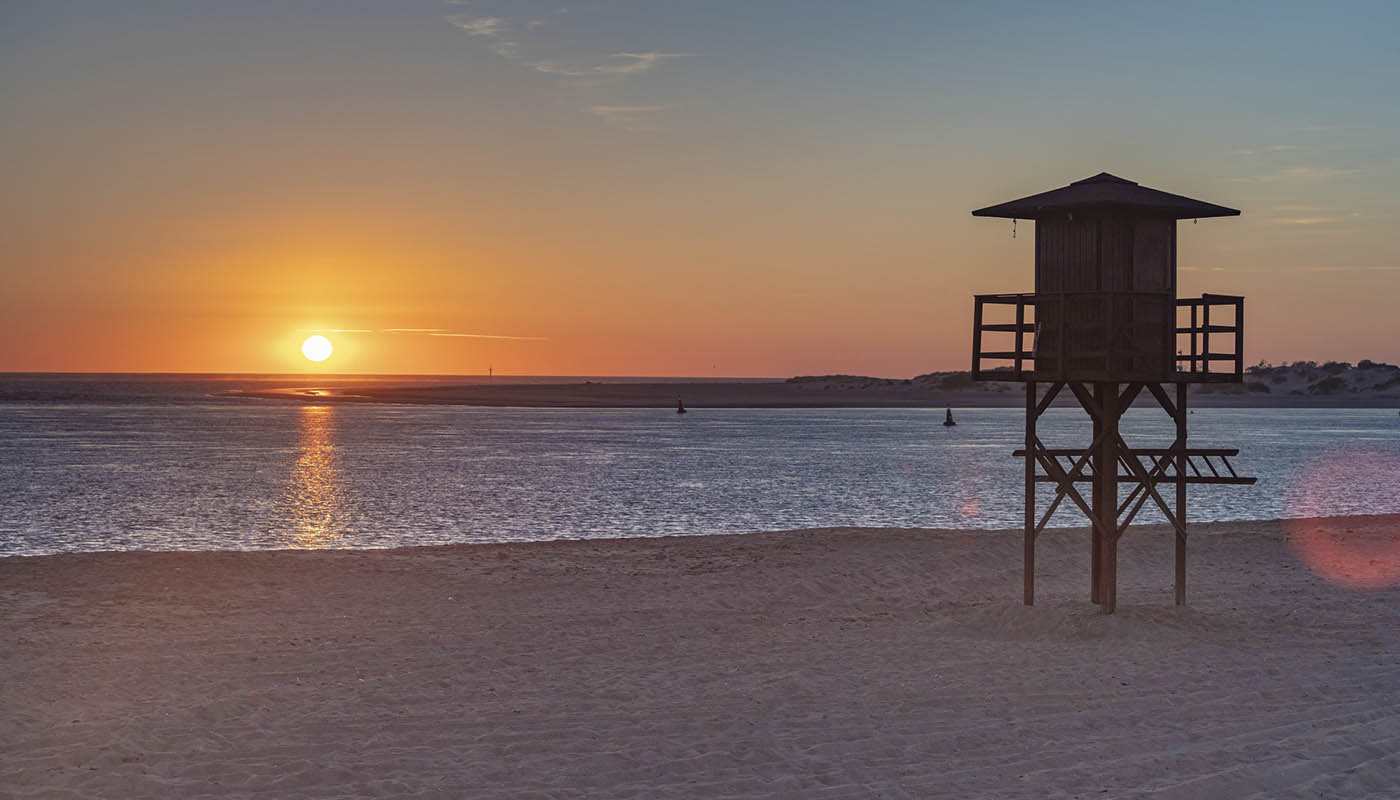



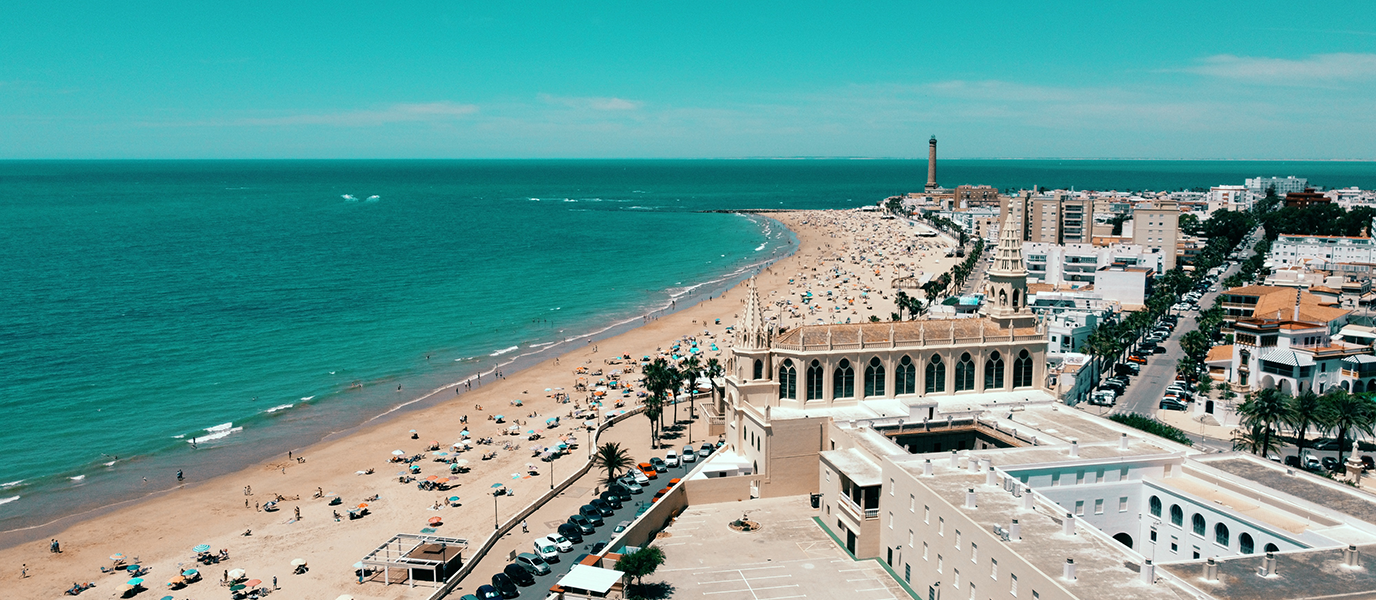
Bathed by the salty tenderness of the Atlantic and set against the backdrop of the old Chipiona lighthouse (the tallest in Spain), the beaches of this town in Cádiz province stretch out like a mosaic of history, tradition and sunlight. From Regla beach, with its silhouette outlined by the Sanctuary of Our Lady, to the calm sands of Las Canteras, where the echoes of the old fishing corrals still resound, the Chipiona coastline is not just a summer postcard: it is a territory that is inhabited, lived and told. Strolling along its coastline is following in the footsteps of generations who have learned to read the currents, gather shellfish among centuries-old stones and live facing the sea. Where the high tide caresses the walls of Chipiona castle or reveals the secrets of shellfish gathering, travellers find more than just leisure: they find out about a culture that has been forged over centuries to the rhythm of the tides and the legends of the Gulf of Cádiz.
- Montijo beach: where the tide shapes the landscape
- Regla beach: the spiritual heart of the summer in Chipiona
- Camarón-La Laguna beach: among dunes, fishing corrals and childhood memories
- Las Canteras beach: ancient stones that conceal underwater secrets
- Cruz del Mar and Las Tres Piedras beaches: among seafaring neighbourhoods and Atlantic sunrises
- Water activities: Chipiona from the water, another viewpoint
Montijo beach: where the tide shapes the landscape
Located at the northern end of the town, Montijo beach is the least built-up area along the Chipiona coastline. This gives it a unique, almost primitive atmosphere, where the landscape changes radically with the tides. During low tide, Montijo is transformed into an expanse of mud, sand and tidal flats in which molluscs and natural shoals appear, reminding us of its close relationship with shellfish farming and the old fishing corrals.
The beach is also a meeting point for those seeking peace and quiet away from the hustle and bustle during the summer. Often frequented by the locals and the hiking and cycling enthusiasts, Montijo merges with the coast of Sanlúcar de Barrameda, so that you can take a long walk while seeing Doñana National Park on the horizon. Its semi-natural environment makes it one of the wildest and most picture-perfect areas in Chipiona.
Regla beach: the spiritual heart of the summer in Chipiona
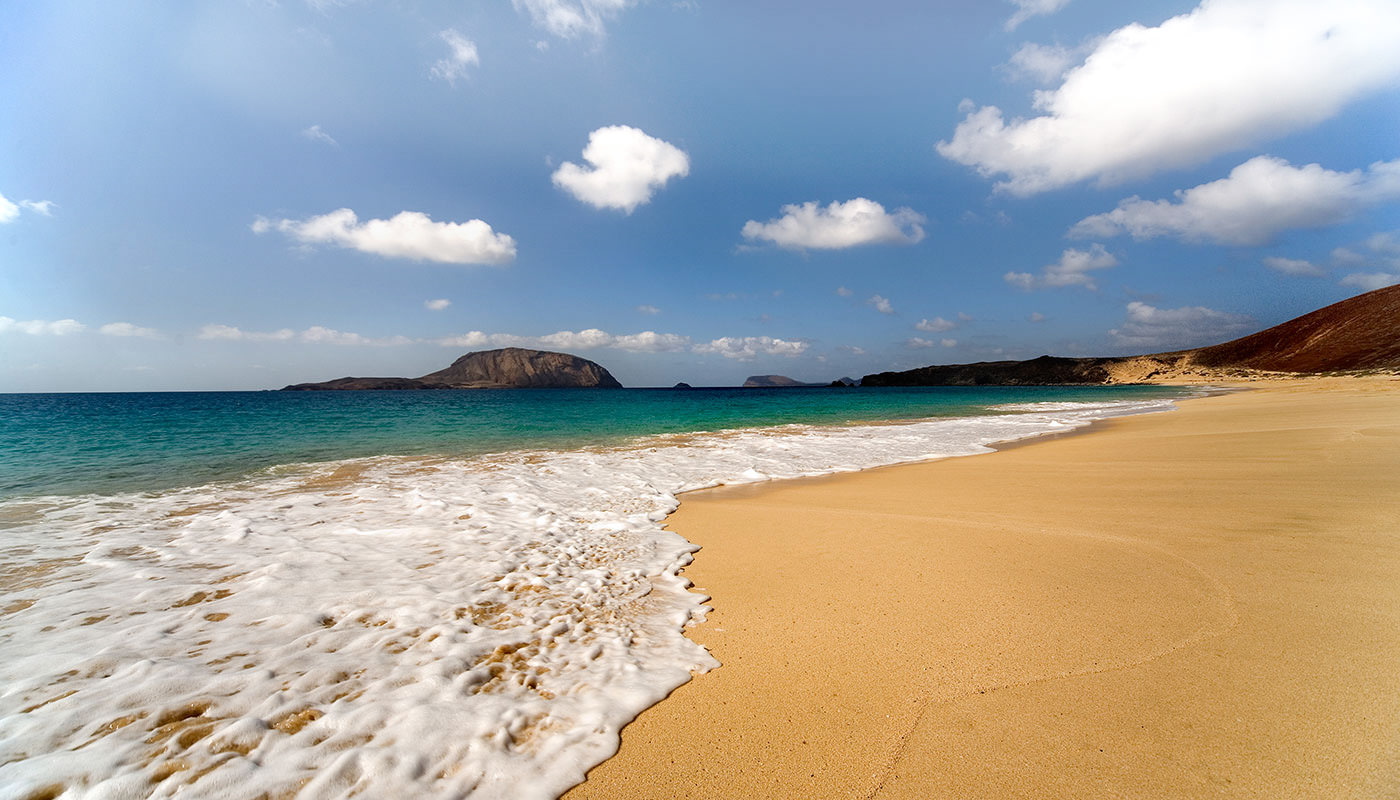
If there is one beach that symbolises the soul of Chipiona, it is clearly Regla beach. Stretching from the lighthouse to the vicinity of the Sanctuary of Our Lady of the Rule or Our Lady of Regla, this beach combines history, popular devotion and a tourist offering for all profiles. Its fine golden sand and calm shallow waters have made it the town’s holiday hotspot for decades.
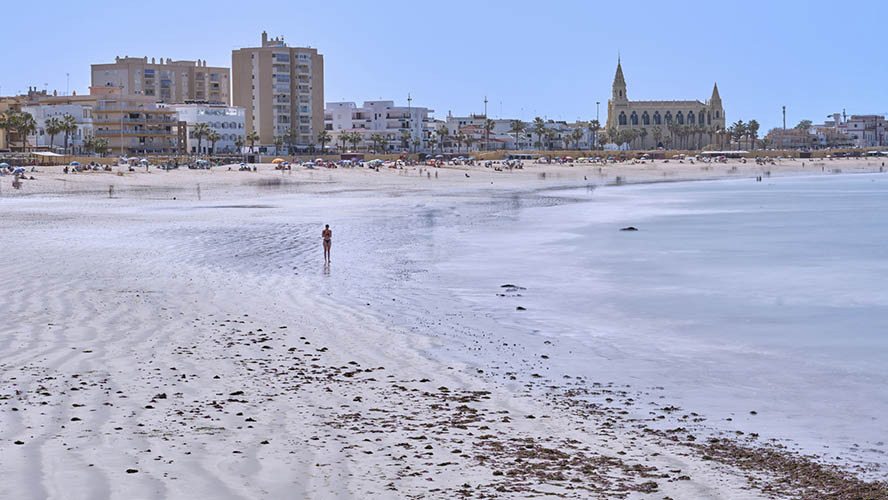
Behind the beach stands the Sanctuary of Our Lady of the Rule, a Marian pilgrimage site with deep local roots. During the festivities of Our Lady, celebrated in early September since at least 1611, the coastline fills with decorated boats, fireworks and popular fervour, where the religious and festive experience merge with each other. As a result of its location, accessibility and facilities, Regla is also the most recommended beach for families with children and the elderly.
Camarón-La Laguna beach: among dunes, fishing corrals and childhood memories
To the south of Regla, Camarón-La Laguna beach provides a perfect transition between the urban bustle and pure nature. Protected by restored dune systems and delimited by the old fishing corrals, this beach still preserves remnants of the ancestral landscape that dominated the Cádiz coastline before tourism.
Its clean and calm waters make it an ideal place for families and for those wishing to learn about the living history of the marshes. The Corral Route, which runs along this beach, will help you find out how the fishing corrals operated; those thousand-year-old fish-catching structures have been declared a Natural Monument. During the summer, Camarón-La Laguna beach hosts environmental activities and guided routes that combine education, culture and leisure.
Las Canteras beach: ancient stones that conceal underwater secrets
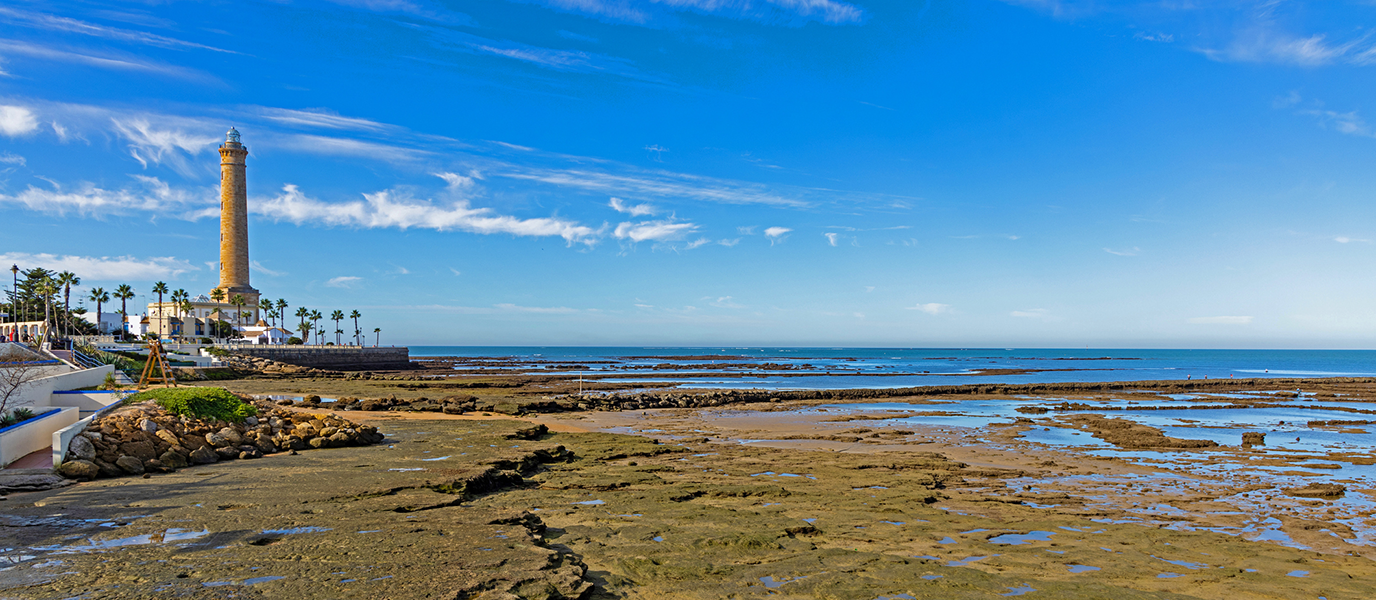
Close to the historic centre and the Chipiona lighthouse, Las Canteras beach is a delight for snorkellers and lovers of underwater history. Its name (‘canteras’ are quarries) comes from the blocks of stone that rise at low tide which are the remains of ancient Roman and medieval quarries. Those natural formations create intertidal pools teeming with sea urchins, crabs and minnows, making it an outdoor marine classroom.
It is not the easiest beach for swimming, due to its rocky bottom, but it is one of the most evocative for those seeking a different experience. From its shore there are privileged views of the tallest lighthouse in Spain and, as evening falls, the light is tinged with coppery tones that seem to be straight out of a Sorolla painting.
Cruz del Mar and Las Tres Piedras beaches: among seafaring neighbourhoods and Atlantic sunrises
Cruz del Mar beach, next to the quay and the town’s most seafaring neighbourhood, has a port and fishing atmosphere. It is a historic place for the people of Chipiona and is presided over by a monument that commemorates the tragedy of 1936, when a storm swept away several boats and cost the lives of numerous fishermen. This beach is ideal for an afternoon stroll, with nets drying in the sun and boats going in and out with the tide.
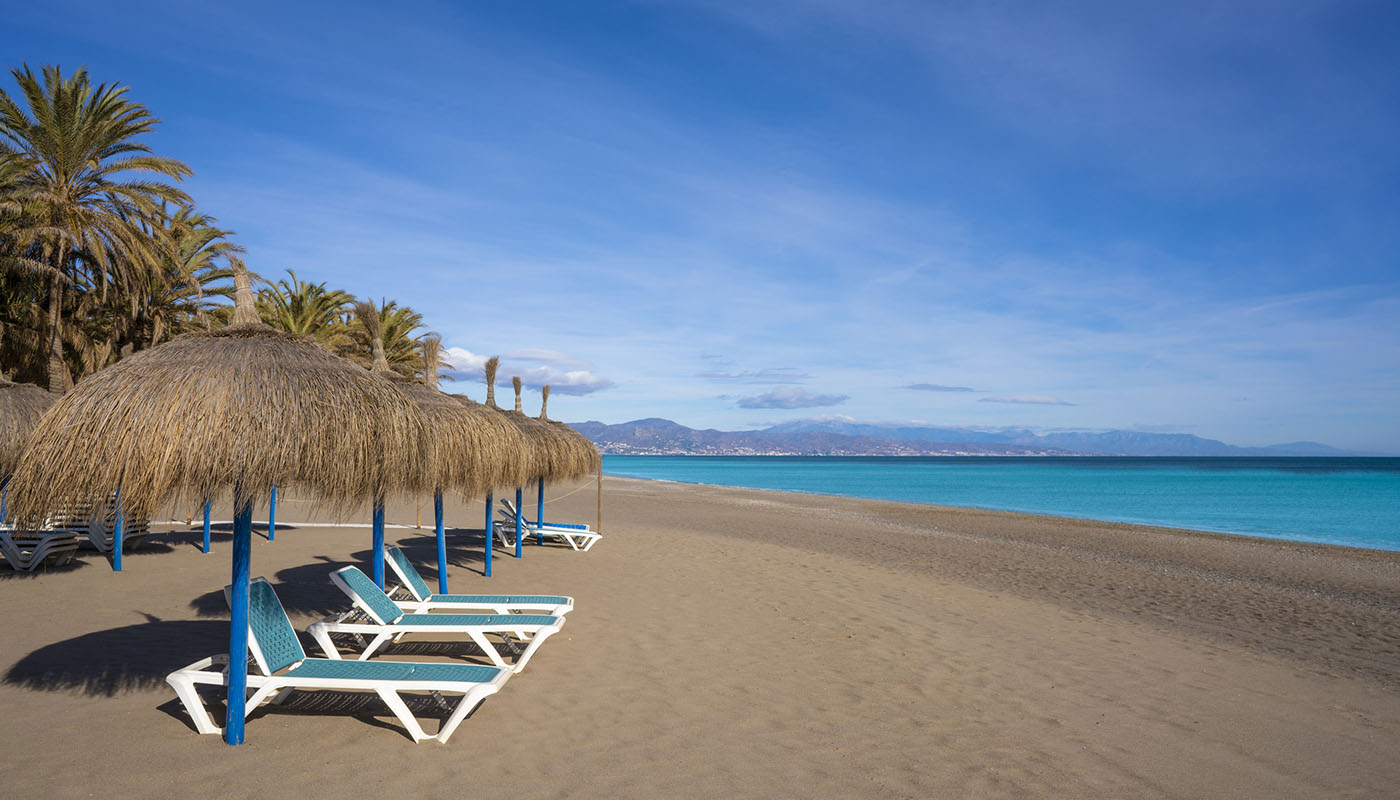
To the west, Las Tres Piedras beach is much more holiday-oriented. Its beach bars, extensive sandy beaches and windy nature make it a favourite for young people, surfers and those travelling with pets. On clear days, you can even glimpse the outline of the Doñana reserve.
Water activities: Chipiona from the water, another viewpoint
Chipiona’s beaches not only invite you to relax, but also to be active. Thanks to the quality of its waters and the shallowness of many areas, the number of water sports has grown in recent years. Kayaking, paddle surfing and dinghy sailing are some of the activities that you can do to see the coast from another angle; you can even reach areas of corrals or cliffs that are inaccessible on foot.
Several schools provide courses and equipment for hire for both beginners and those with experience. There are also boat trips to see dolphins or watch the sunset from the high seas, an experience that combines the scenic with the poetic.