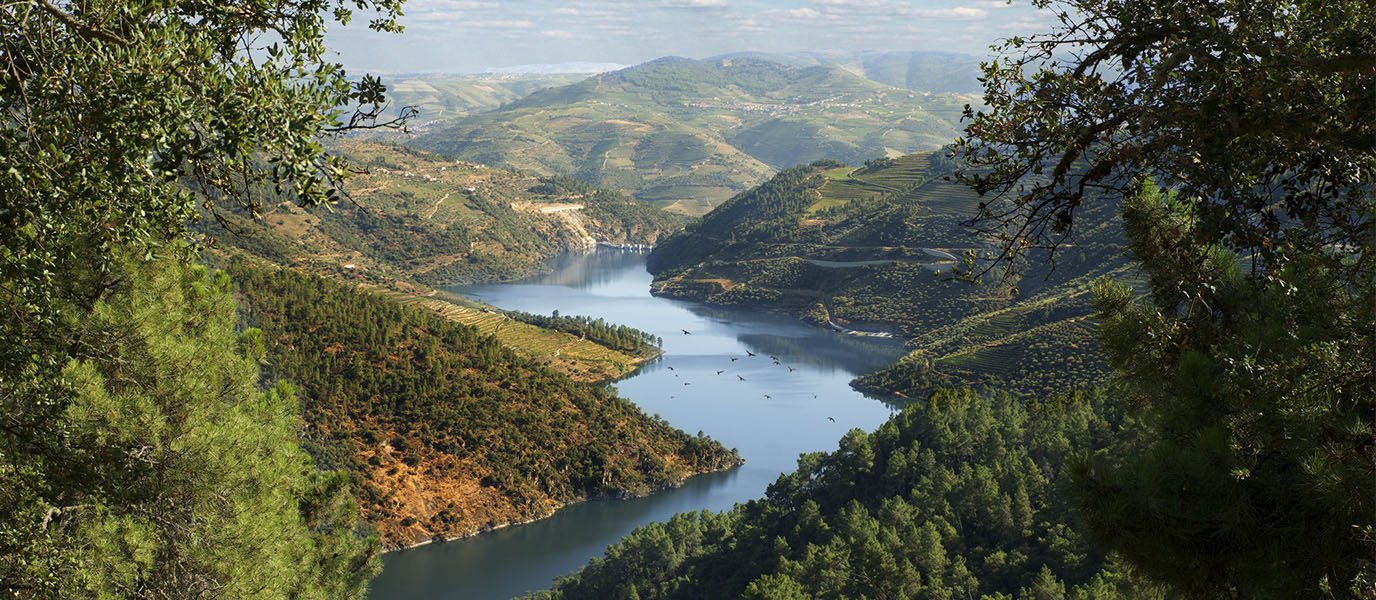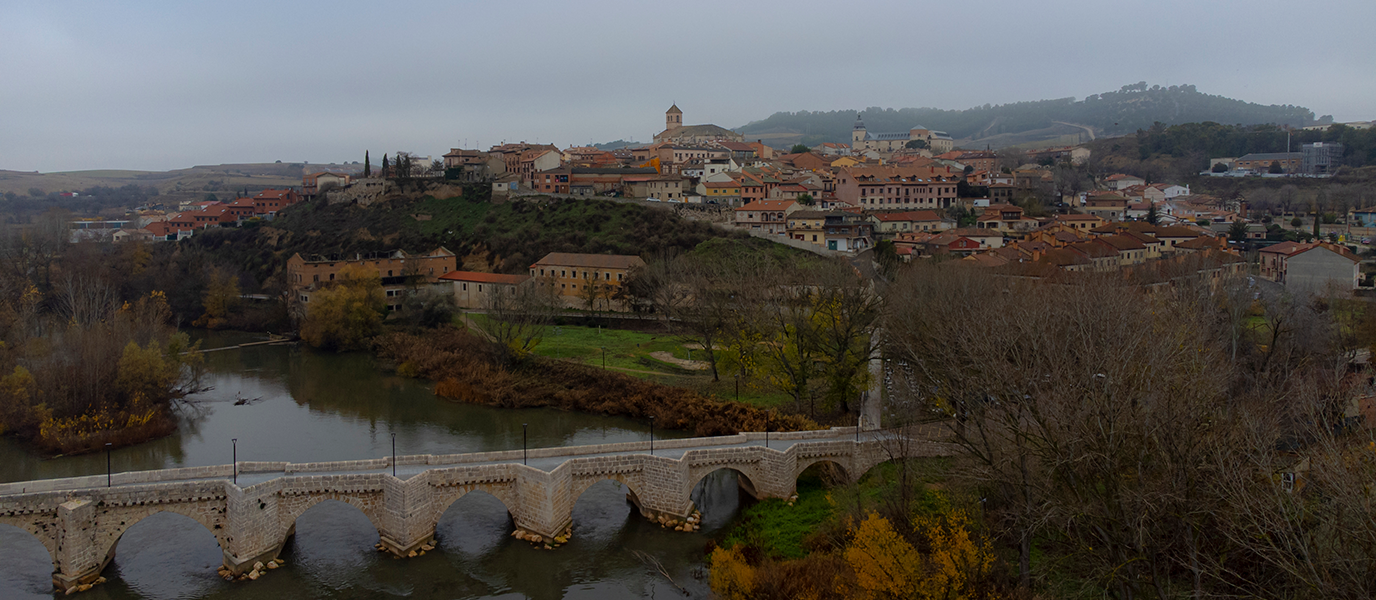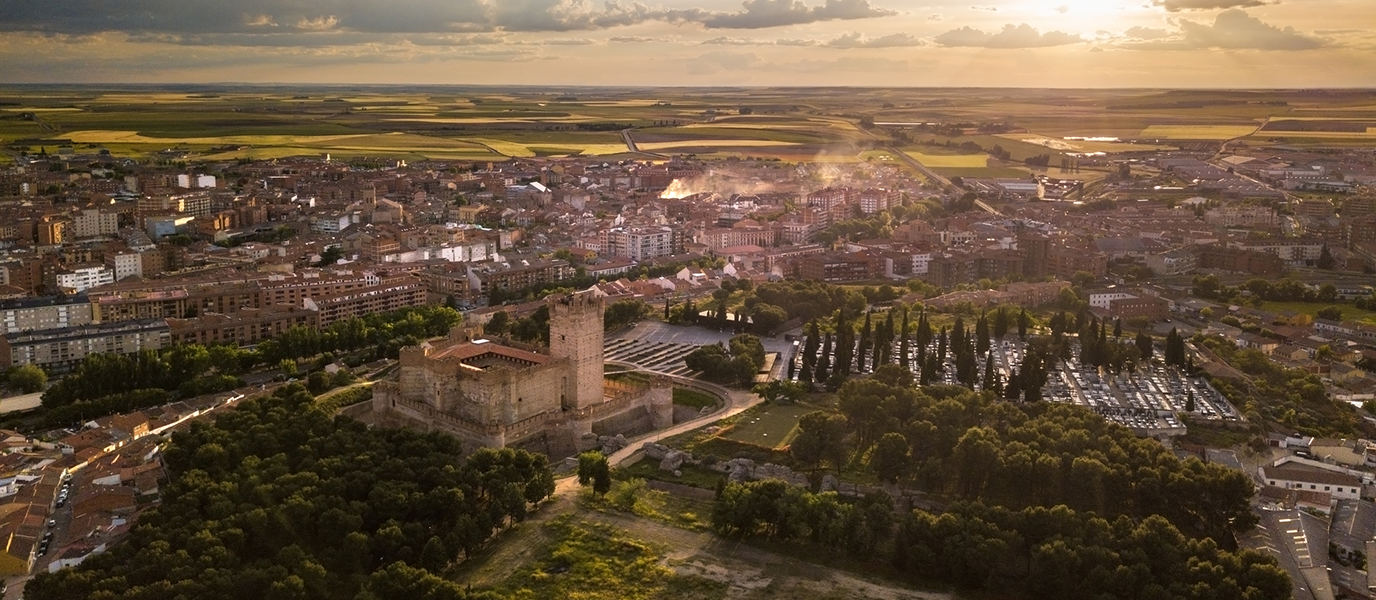












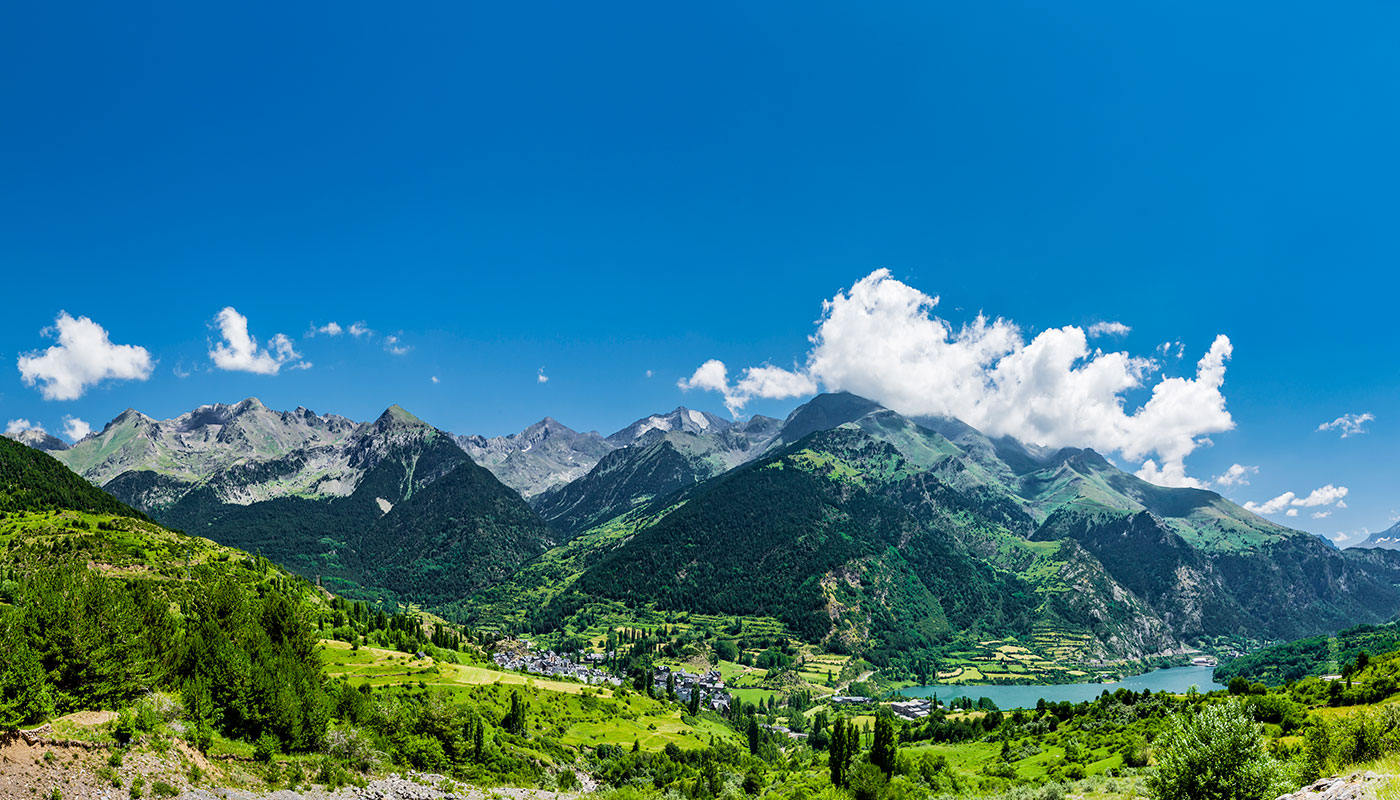




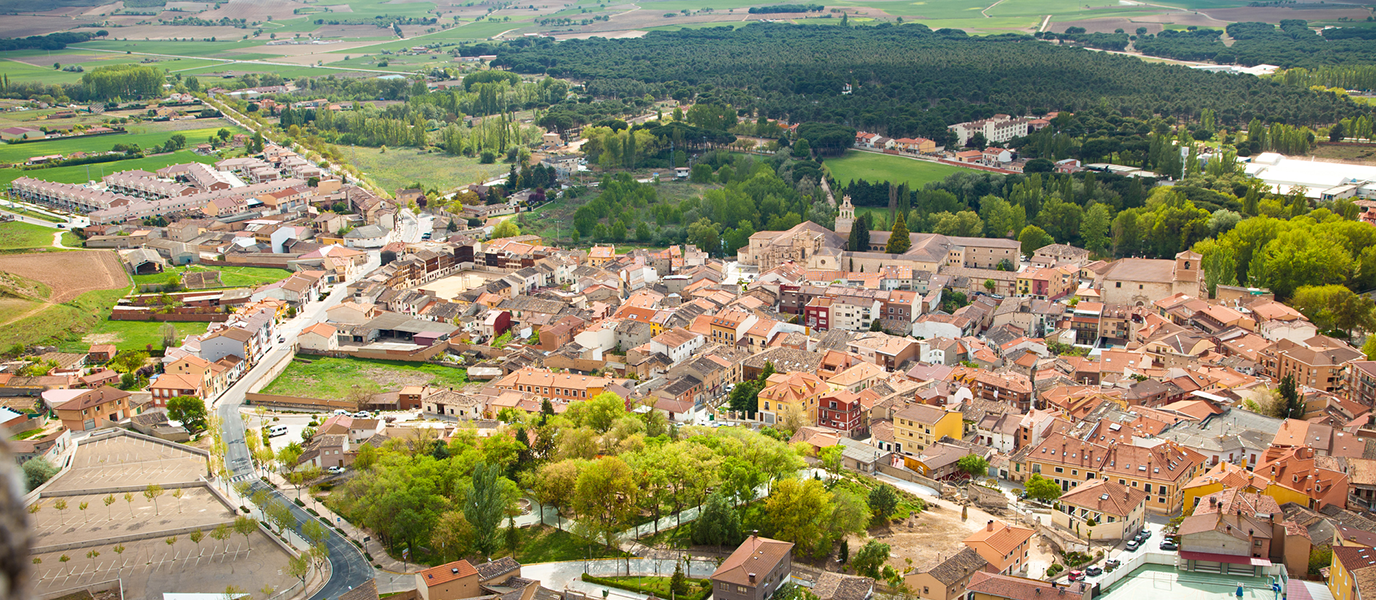
Its strategic position made Peñafiel one of the key locations during the Christian Reconquest of Spain: a beacon against Islam and the most faithful stronghold throughout Castile. From above, the cereal fields resemble a carpet while the vineyards, which have made it famous as the heart of the Ribera del Duero Designation of Origin, are its most precious jewel.
- History of Peñafiel, on the border with Al-Andalus
- Things to see in Peñafiel, a town with a medieval heart
- Where to eat in Peñafiel, combining meat and wine
- Things to see nearby: more castles and wine
History of Peñafiel, on the border with Al-Andalus
It was Sancho García, Count of Castile, who proclaimed in 1013 that this castle and these lands were ‘the most faithful rock’ in the kingdom, christening a town that had been known as Penna Fidele (Peñafiel) since 943, according to a documentary reference from the period.
The medieval castle crowning the hill became a privileged vantage point from which to watch over a reconquest that forced the troops of the famous Almanzor to retreat before the Christian sword.
The arduous efforts of knights and nobles caused the frontier of Al-Andalus to recede even further, pushing it away from the river Duero.
Powerful kings passed through this castle, most notably Prince Juan Manuel, author of ‘Tales of Count Lucanor’, considered to be one of Spain’s most important literary works.
Things to see in Peñafiel, a town with a medieval heart
Peñafiel Castle
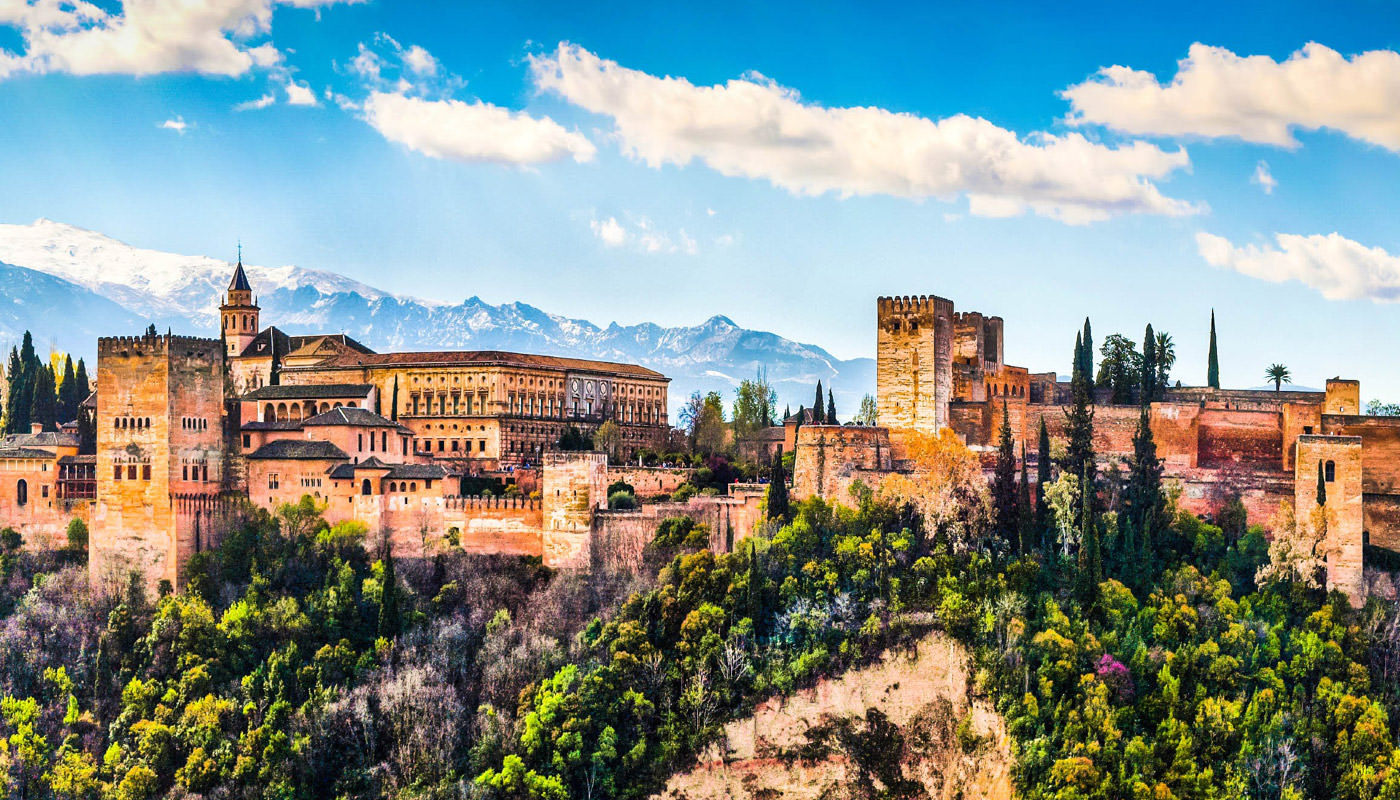
It is the main fortress that has been the centre of Peñafiel’s life for over a millennium. The importance of this castle lies in its location on a hill overlooking three valleys: the Duero, the Duratón and the Arroyo Botijas.
The first construction dates back to the 10th century, although its current appearance is due to Prince Juan Manuel’s efforts to restore it to its former glory in the 14th and 15th centuries.
It is one of the best-preserved fortresses in Spain and played a key role in the war against the Moors since the border of Al-Andalus was located opposite the river Duero for a long time. The battle was won by the Christians who, with the castle as their spearhead, managed to defeat Almanzor’s troops.
The best way to visit the castle is to drive to the top since it is very steep to walk. The views from above overlook most of the vineyards.
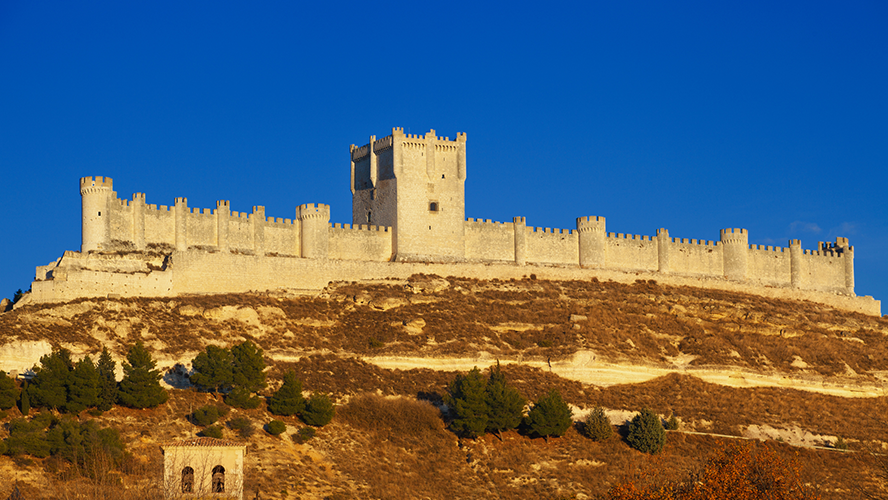
Provincial Wine Museum
The Wine Museum is located in Peñafiel Castle’s keep, which has been a National Monument since 1917. It is the largest tower in the province and was chosen to pay tribute to a tradition that has marked the region’s history.
Within its walls, visitors can interactively learn about some of the country’s major wine regions such as Ribera del Duero, Rueda, Cigales and Toro but, above all, they can find out how the vines are grown, how the ancestral crafts have kept the tradition alive, how the wineries have emerged and even what are the dangers facing this land.
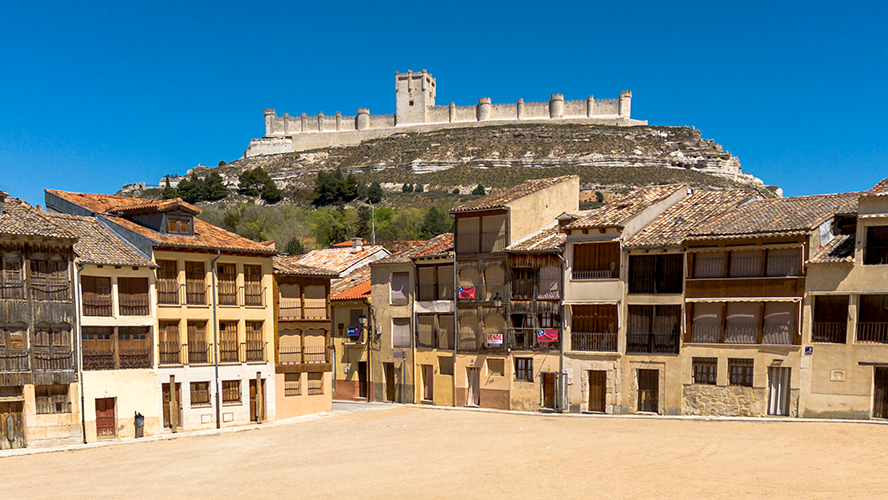
Peñafiel’s Plaza del Coso
A bullfighting festival has been held in Peñafiel since the Middle Ages in the Plaza del Coso, a rectangular space measuring 3,500 square metres surrounded by traditional houses.
The best things about the plaza are clearly the balconies decorated with different wooden Arabesque motifs that make you want to stop for a moment to take in every single detail.
Currently, there are 48 houses that continue to form the backdrop for the festivals of Saint Mary and Saint Roch, where bulls are still released, and for the Descent of the Angel on Easter Sunday.
Old quarter and wineries
Within Peñafiel’s old quarter, you can see historical monuments such as the Clock Tower, i.e. the belfry of the now-demolished Saint Steven’s Church, and the Ribera Wine Museum, where representations of the area’s ancient traditions are performed.
The first winery to be set up at the foot of the castle was Protos, although many more soon joined, making this area the heart of one of the leading wine routes in Spain.
In the Valladolid province alone, there are five Designations of Origin, highlighting the wine-growing richness of this land. In Peñafiel, you can visit wineries such as Pinna Fidelis, Peña Falcón and Pago de Carraovejas.
Honour Prince Juan Manuel’s tomb at Saint Paul’s Convent
Peñafiel’s most famous citizen is clearly Prince Juan Manuel, author of the famous ‘Tales of Count Lucanor’. His remains rest in a 16th-century Plateresque-style chapel at Saint Paul’s Convent, a religious centre that was the fortress during the reign of Alfonso X of Castile.
In that church, you will see the tomb of the famous noble writer, although his remains rest in an adjacent urn.
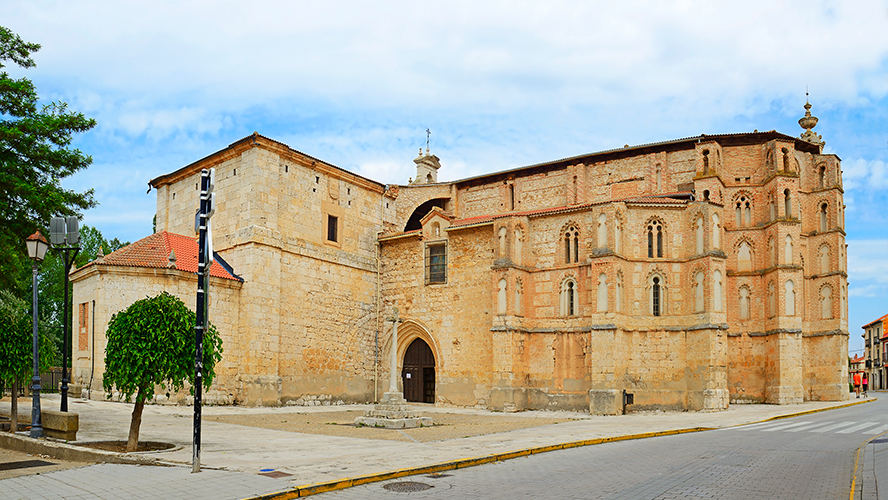
Saint Mary’s Church
This church houses the Regional Museum of Sacred Art that is worth visiting. The temple consists of three naves covered with a cross vault from the late 14th century.
The construction was built on the site of a former Romanesque church and has a very striking Plateresque-style choir parapet and organ gallery.
The tower was built later, in the 17th century, but it continues to attract those visiting Saint Mary’s Church.
Where to eat in Peñafiel, combining meat and wine
Two things that you must try when visiting Peñafiel: its incredible suckling lamb dish and its superb wine. For the lamb dish, you should go to Asados Mauro, a traditional restaurant with a wood oven that roasts the most delicious meats.
Another iconic place is El Lagar de San Vicente, an old winery that maintains its original essence. It has a dining cave that usually opens on weekends and makes eating a barbecue a full experience. Near the town you will find a beautiful restaurant next to the river Duratón called Molino de Palacios, plus the Conde Lucanor restaurant located in the Convento de las Claras Hotel, a former religious building that has now been restored.
Things to see nearby: more castles and wine
The area surrounding Peñafiel is worth visiting as you will see one of the few towns in Spain with two castles, Curiel del Duero, which is 6 kilometres away, plus the Cistercian Monastery of Santa María de Valbuena from the 12th century, which is the permanent headquarters of the Las Edades del Hombre Foundation. Just 19 kilometres away, it was where the first vineyards of Ribera del Duero were created in the Middle Ages, so it is a good point to continue visiting wineries and Designations of Origin.
Slightly further afield, 30 kilometres away, are the stately castles of the Esgueva Valley such as Villafuerte and Encinas and the enchanted castle of Trigueros del Valle.