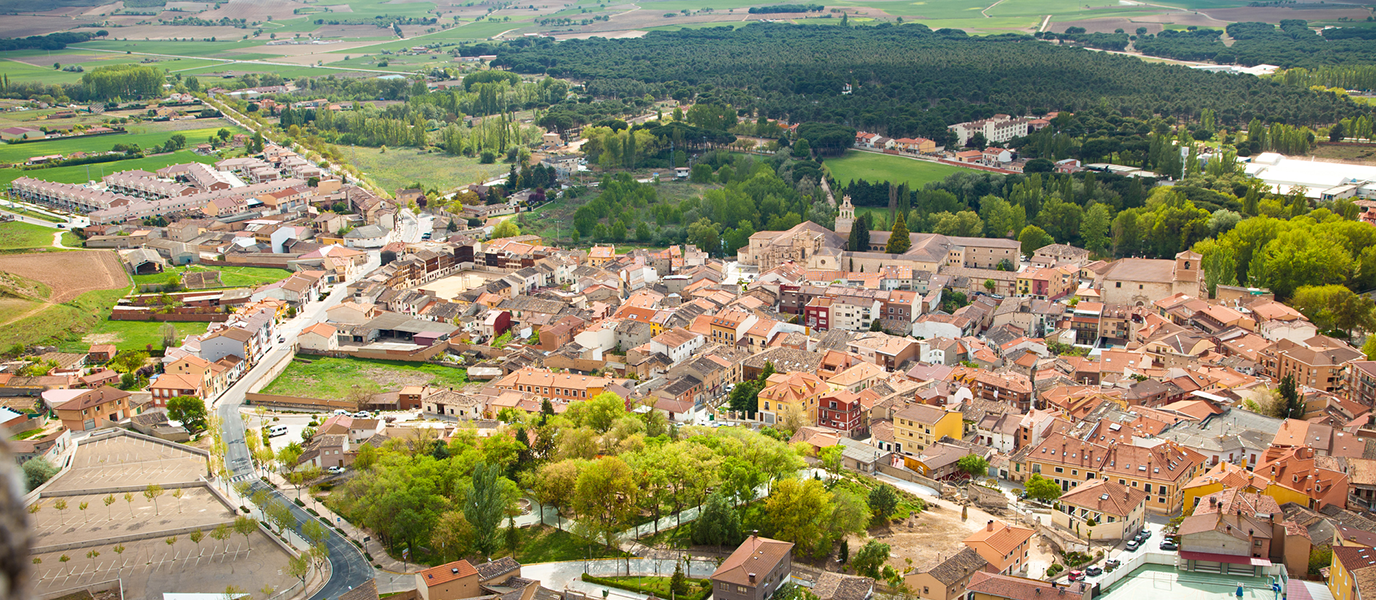













Medina del Campo became famous in the 14th century for its great fairs, which made it one of the country’s most important economic and commercial centres, filling its streets with palaces and mansions. It was one of the favourite residences of the Catholic Monarchs and they used to spend a great deal of time there. In fact, Isabella died in the Royal Testamentary Palace in 1504 and was later taken to Granada for burial.
- What to see in Medina del Campo
- Where to eat in Medina del Campo
- Visits in the surrounding area among castles and vineyards
History of Medina del Campo, a settlement since ancient times
This town in Valladolid has been a well-known settlement since prehistoric times, although it grew as a market town during the Late Middle Ages. The first mention of Medina (which means city in Arabic) dates from 1107, when it was already a repopulated town on the banks of the River Zapardiel.
But it was from the 14th century onwards that it began to flourish as a key centre of peninsular trade thanks to its great fairs, which attracted merchants from across Europe. That’s why, in 1491, the Catholic Monarchs granted it the status of “General Fair of the Kingdom”, which ultimately made it one of the continent’s strongest financial centres.
At that time palaces and grand houses were built, Plaza Mayor developed and Castillo de la Mota was reinforced to defend the interests of the Crown, as Ferdinand and Isabella used the town as one of their favourite residences at different times.
In fact, it was in the Royal Testamentary Palace that Isabella the Catholic delivered her will and died in 1504.
Medina’s decline began with the War of the Communities of Castile in 1520, which left the town in flames.
What to see in Medina del Campo, a history linked to the Crown
Castillo de la Mota
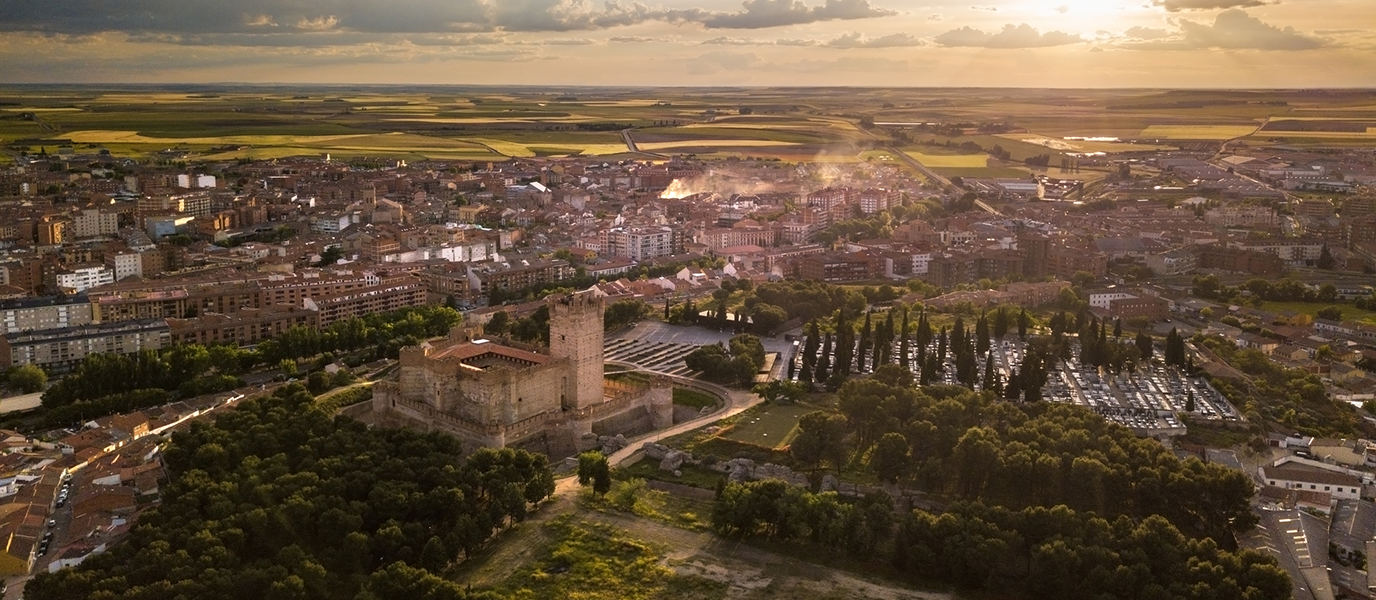
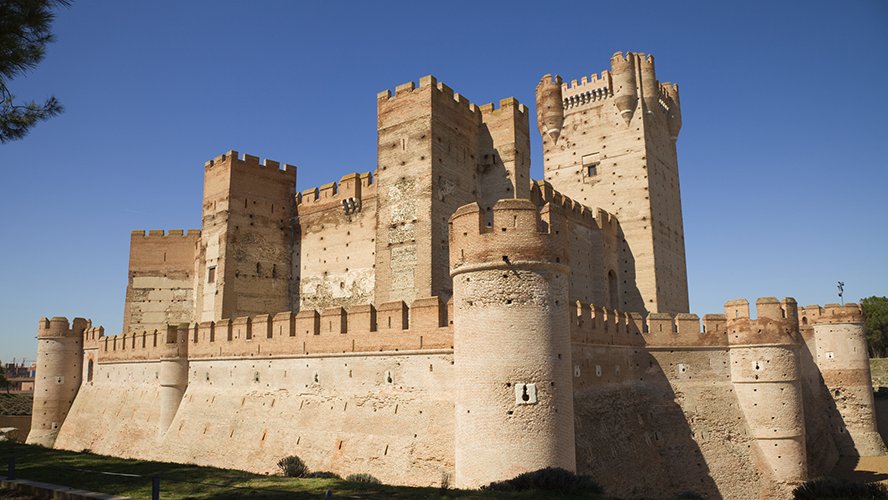
It is Medina del Campo’s great icon, a 15th-century fortress built in red brick that played a key role in the lives of the Catholic Monarchs. It stands on a hill that allows it to overlook the surrounding area.
The first defences date from the 12th century, but the structure preserved today is from the 14th century, built under the orders of Juan II and Enrique IV of Castile.
The fortress is trapezoidal in shape and has a double ring of walls, a moat and a drawbridge entrance. The most striking feature is its powerful keep. It served as the archive of the Crown of Castile and even as a high-security prison.
Plaza Mayor
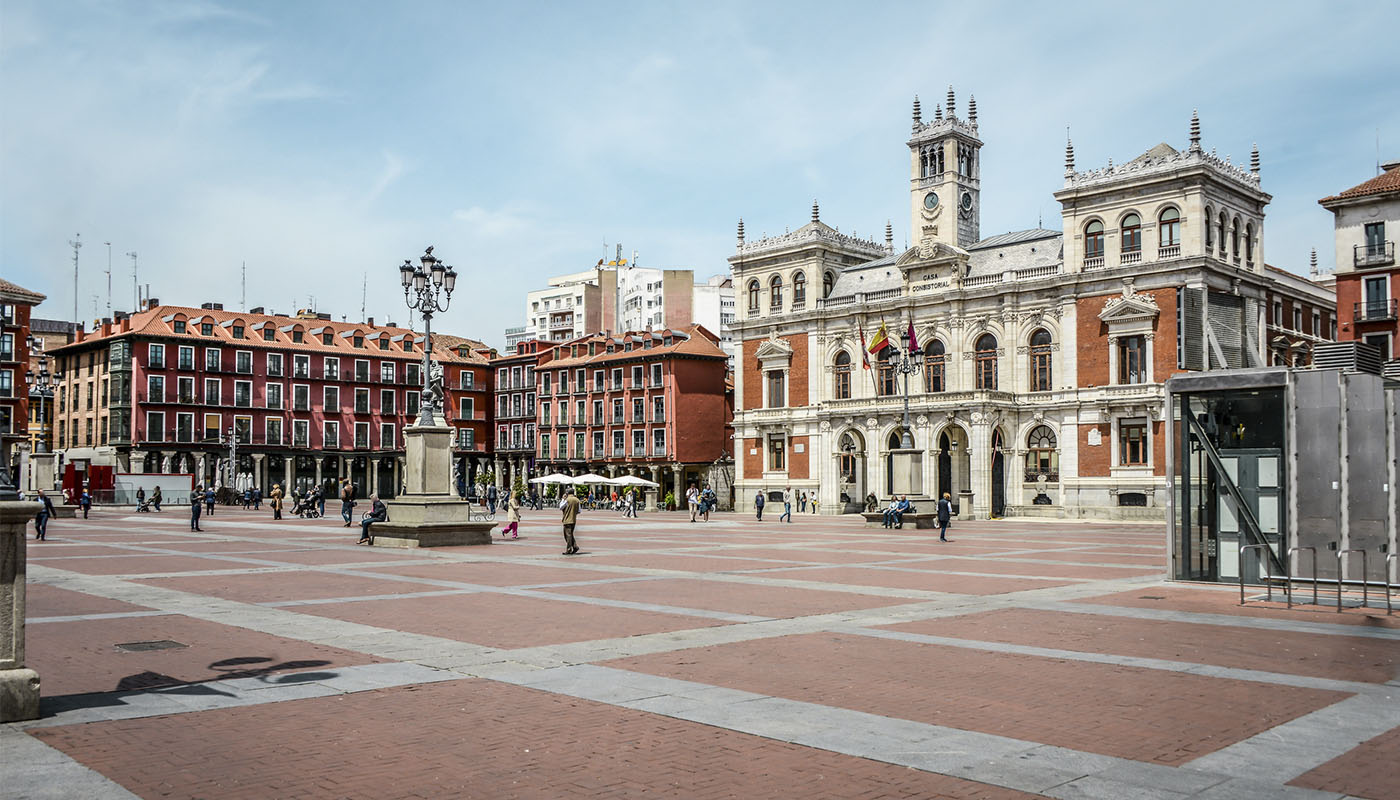
The Plaza Mayor was one of the first arcaded squares to be built and is one of the largest of its kind in Spain. It was built in the Middle Ages at the crossroads of drovers’ routes and used as the setting for major fairs.
In the square you’ll find the Collegiate Church of San Antolín, one of Medina’s great churches, whose tower houses the María bell and the traditional cymbal chime, an icon of the town.
You’ll also find the Royal Testamentary Palace, the Town Hall and the Casas de los Arcos and the market area, where the market and many popular festive events such as Renaissance Week are still held.
Royal Palace
The former residence of the Catholic Monarchs is famous because it was where Queen Isabella delivered her will and died. Although it was built by Pedro I, it was Isabella and Ferdinand who enlarged it and decorated it in regal style to make it one of their favourite residences.
Only some sections and walls of that building survive and what can be visited today is a reconstruction that also explains the authority of the Catholic Queen and the history of Medina.
Churches and convents
Among the most important religious buildings are the Collegiate Church of San Antolín, in Gothic-Renaissance style, famous for its Chapel of Las Angustias and the tower with the town bell.
There’s also the Convent of San José, Saint Teresa of Jesus’s second foundation and now a stop on the Route of the Mystics, with a small museum dedicated to the saint that’s well worth visiting, as well as Santa María Magdalena, founded in 1551 as a refuge for repentant women.
If you want to visit other churches, there are the Church of Santiago el Real and the Church of San Juan Bautista, with their important towers, and the Chapel of San Juan de la Cruz and Convent of Santa Ana, also linked to the first mass of this mystical figure.
Where to eat in Medina del Campo: roast suckling lamb and wine
The most traditional dish in Medina del Campo is roast suckling lamb, accompanied by one of Spain’s best wines from the Rueda designation of origin. Among the most classic places are Taberna Mohíno, with a very Castilian menu and a traditional dining room, and El Horno de la Viña de Rueda, specialising in chargrilled dishes and which has an extensive wine cellar.
You can also try the roast suckling lamb at Villa de Ferias, a family-run restaurant that’s perfect for celebrations.
Another option is to stay around Plaza Mayor, with places such as Gloria, which combines Castilian dishes with more contemporary ones, Alegría, with very tasty sharing plates to enjoy on its terrace, or Bar Casino, very popular for its prices.
Visits in the surrounding area among castles and vineyards
If you like wine, the Rueda wine route is a good option, as Medina lies at the heart of the Denomination of Origin. There are many nearby wineries such as Emina Rueda, Finca Caraballas or Yllera-El Hilo de Ariadna, which offer visits and tastings.
You can also choose historic towns such as Tordesillas, 30 kilometres away, with the Royal Monastery of Santa Clara and its connection to Juana la Loca. You can also visit Olmedo, famous for its church and spa. Or Arévalo, the “City of the Five Lineages”.
Among the castles along the way are Montealegre de Campos and Íscar, which round off the route of Valladolid’s most important fortresses.