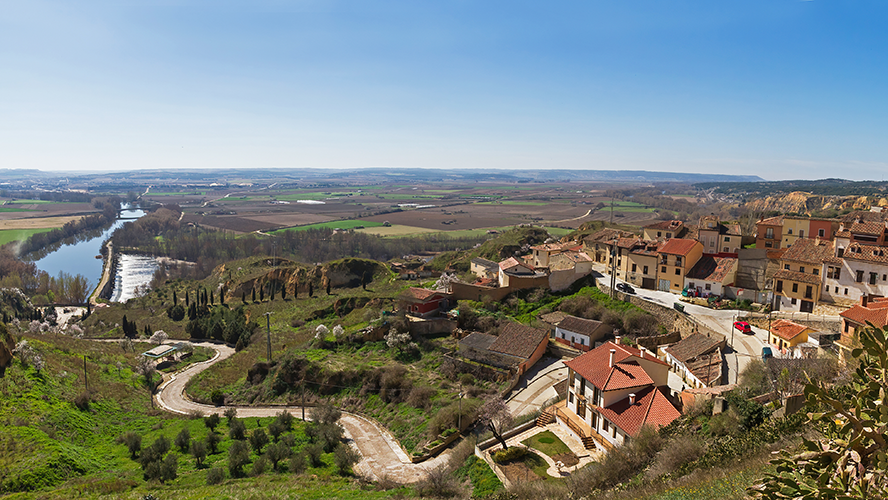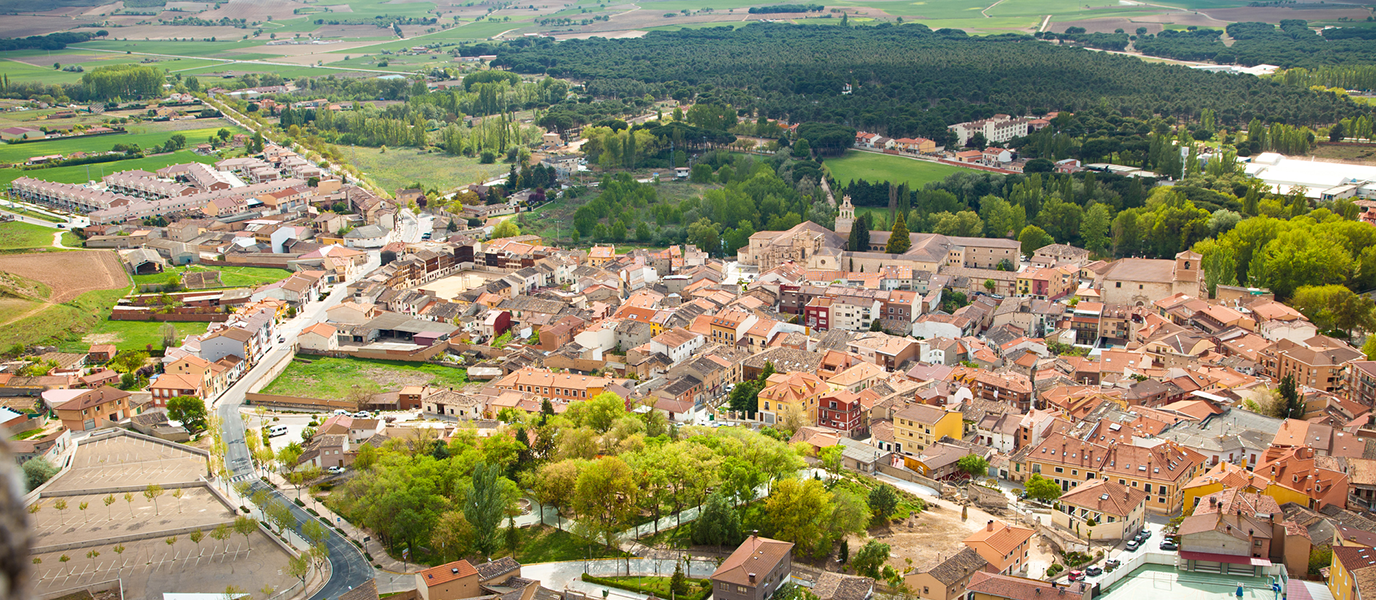












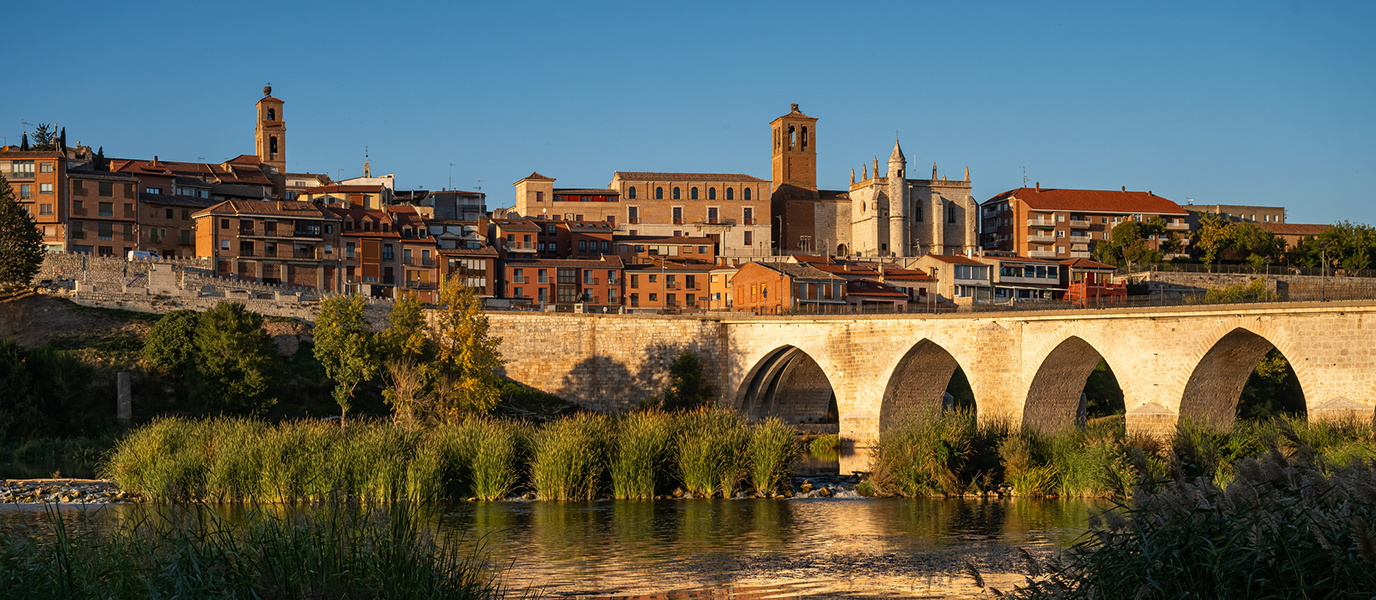
Tordesillas is not only the place where a famous treaty was signed. It was a royal court, the scene of dynastic crises and a strategic point along the Duero routes. The oceans were divided there, Joanna I of Castile lived in seclusion there, and merchants, ambassadors and armies passed through there. Today, the town retains that historical past in its streets, in its Moorish Revival buildings and in the direct relationship with the river that defined its power for centuries.
- History of Tordesillas
- Things to see in Tordesillas
- Where to eat in Tordesillas
- Visiting the surrounding area
History of Tordesillas: from a medieval site to a symbolic capital of the known world
The history of Tordesillas cannot be explained briefly. Before being the setting for imperial agreements, it was a Roman settlement linked to the road that connected Asturica with Caesaraugusta, and later a strategic enclave during the medieval repopulation of the Duero valley. Perched high above the river, it was a natural control point, and that geographical advantage shaped its destiny for centuries.
The major turning point came in the 15th century. In 1494, in a group of houses located next to the current Plaza Mayor, the crowns of Castile and Portugal signed the Treaty of Tordesillas, an agreement that divided the newly discovered world through an imaginary line in the Atlantic. That seemingly technical agreement conditioned the colonial division of half the planet and turned the town into a well-known name on maps and chronicles throughout the world.
Nevertheless, Tordesillas was not just the famous treaty. Joanna I of Castile, also known as Joan the Mad, lived secluded there for decades in Saint Clare’s Convent. Her presence transformed the town into a silent court, full of intrigues, guardianships and power struggles. The history of Tordesillas also includes that lengthy seclusion, which left its mark on local memory and on the convent’s architecture.
From the 16th century onwards, with the shift of the political and economic centre to other territories, Tordesillas began to wane slowly. It was not an abrupt decline, but a prolonged stillness that allowed much of its historical layout to be preserved. As a result, travellers can now explore the Castilian town that shaped the geopolitical configuration of the world as we know it today.
Things to see in Tordesillas: a small town with a disproportionate legacy
Tordesillas is easy to get around, but you need to pay attention. Each section of the old quarter has decisive episodes for the history of both the Iberian Peninsula and the Americas, and it does this without major monumental displays. The town lies along the river Duero, which acts as a geographical and symbolic backbone, and its layout is a compact urban ensemble where the church, palace, convent and square still maintain an organic relationship.
Beyond the major landmarks, a stroll through Tordesillas invites you to notice specific details: sections of the wall integrated into houses, noble coats of arms on discreet façades, irregular arcades and streets that preserve the scale of the medieval town. It is a place that can be understood by walking slowly through it, linking historical areas without the need for long journeys.
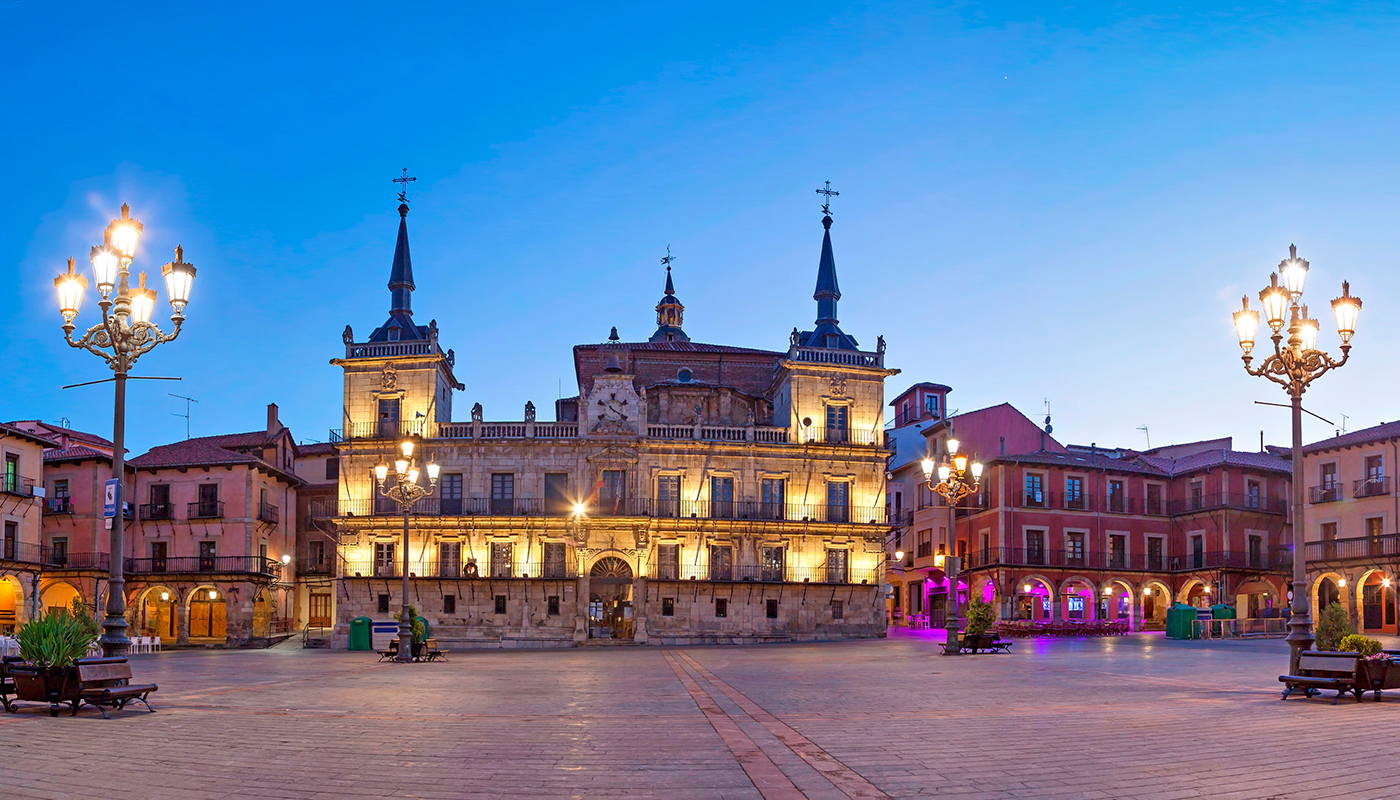
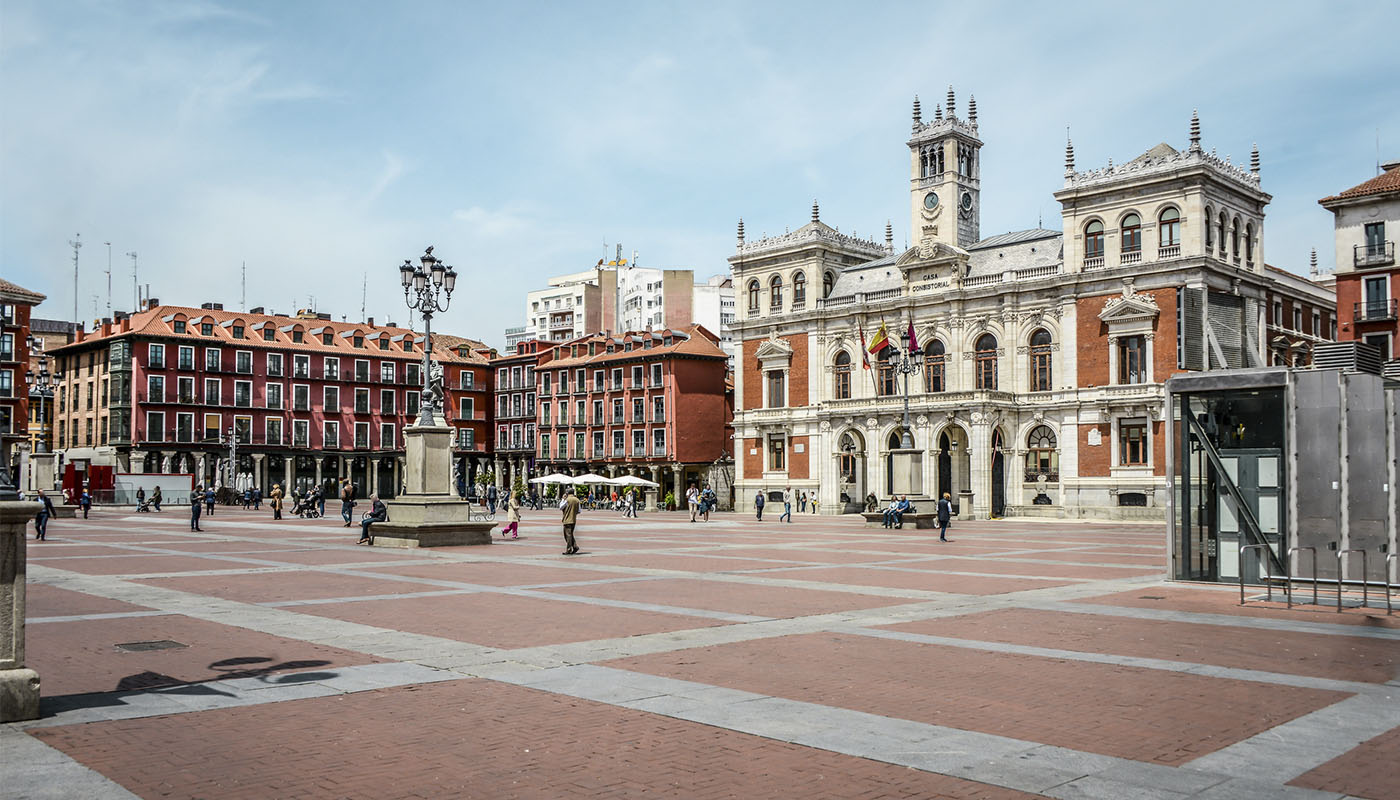
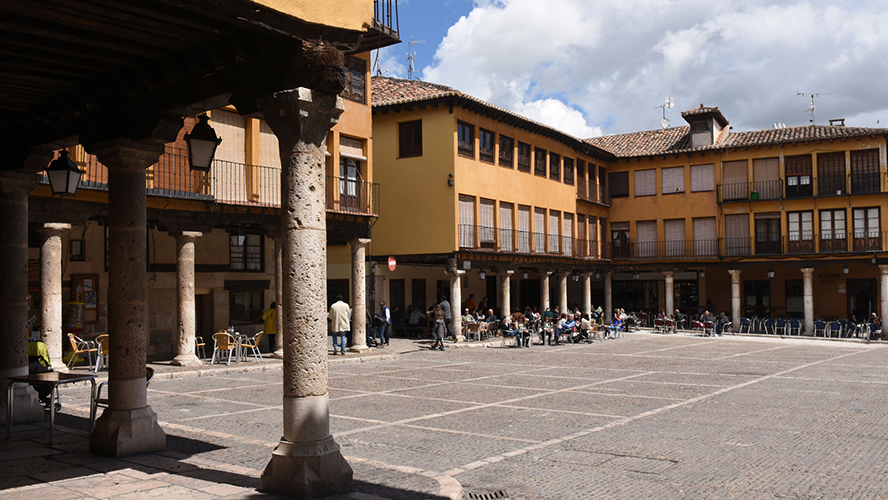
One of the must-see spots, besides the large monuments, is the Plaza Mayor, the civil heart of the town since the Middle Ages. Porticoed and irregularly shaped, it has been the setting for markets, proclamations and popular celebrations. Nearby is the Church of Saint Antoninus, with a slender tower visible from various points in the old quarter and an interior where Gothic and Renaissance elements coexist.
Houses of the Treaty: the rooms where Castile and Portugal drew the first global border
The Houses of the Treaty are not notable for their monumentality, but for the historical accuracy they preserve. In this group of noble houses from the 15th century, belonging to the Velasco family, the agreement between the representatives of Isabella I of Castile and John II of Portugal was signed on 7 June 1494, which established the demarcation line between the overseas territories of both crowns. The restoration has respected the original structure, with thick walls, sober rooms and restrained proportions that reflect the Castilian civil architecture of the late Middle Ages.
The tour inside will help you understand the true scope of the treaty: a document that shifted the line established by the papal bull westward, opening the door to the future Portuguese empire in Asia and consolidating Castilian expansion in the Americas. Maps, copies of documents and audiovisual resources contextualise the negotiation, but the fact which speaks for itself is the atmosphere of the place. There are no excessive decorations: just austere rooms where it is easy to imagine diplomats discussing unknown oceans and territories that had barely been explored.
Saint Clare’s Convent: the Moorish Revival palace where Joanna I of Castile lived
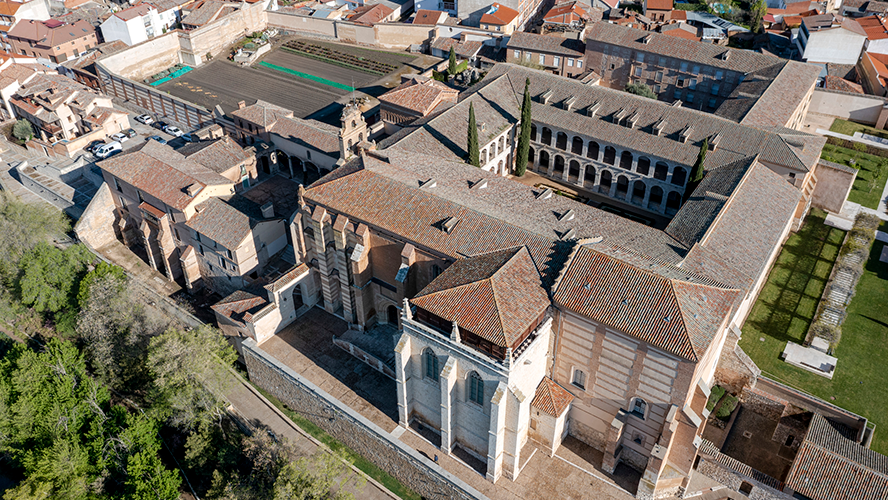
The Royal Convent of Saint Clare in the 14th century was the residence of Alfonso XI of Castile and it was transformed into a convent in 1363. Its austere exterior barely hints at the richness of the interior, where Islamic tradition and Christian symbolism are combined.
The cloister, the plasterwork and the polychrome coffered ceilings are reminiscent of the Andalusian palatial world, while the royal chapel maintains the original ceremonial space. Nevertheless, the place is inextricably linked to Joanna I of Castile, who was imprisoned there between 1509 and 1555. Touring the convent will help you understand the human dimension of its history: daily life, political control and isolation in a setting that mixes spirituality, power and personal drama.
Medieval bridge: the Duero as a strategic route and border
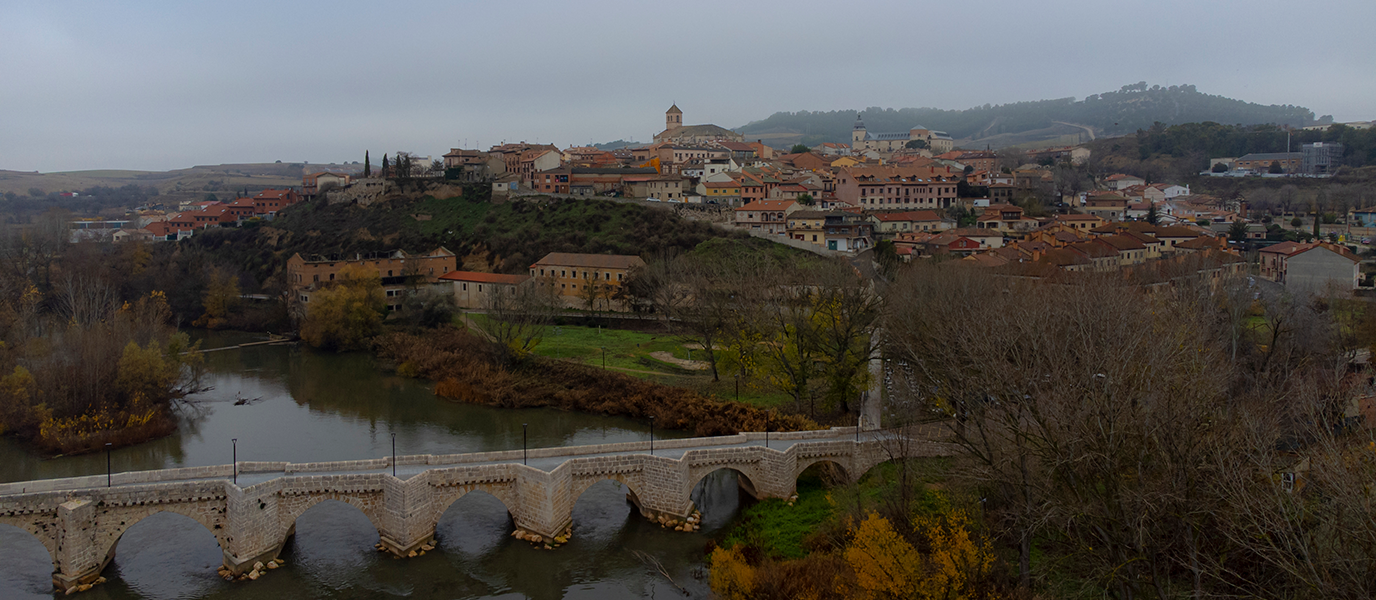
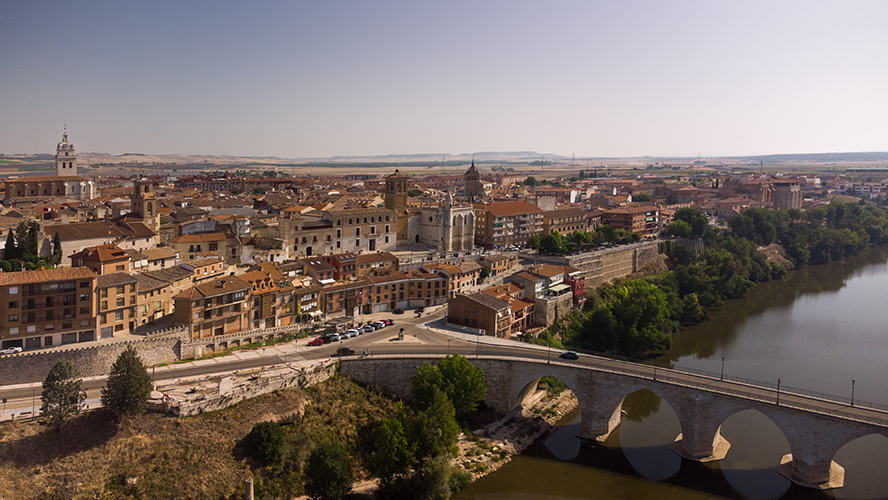
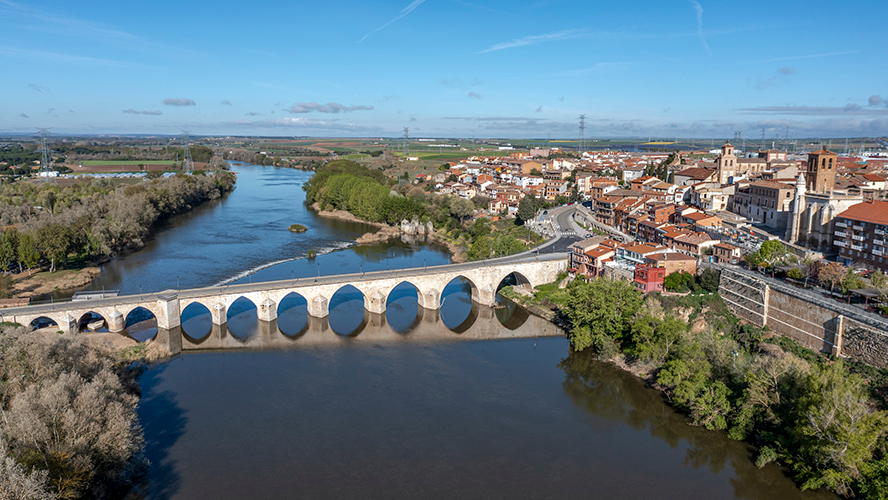
The medieval bridge over the river Duero was one of the main crossings between Castile and the northwest of the Iberian Peninsula for centuries. The stone bridge, which has been renovated since the late Middle Ages, was part of the network of roads that connected Valladolid with Galicia and Portugal. Its pointed arches and slightly irregular layout respond both to adaptation to the riverbed and to defensive functions.
Today, crossing it on foot will enable you to understand the relationship between the town and the river: trade control, taxation, transit of goods and border control. From the centre of the bridge, you get the best views of the urban profile, with the silhouette of the convent, the towers and the slopes that protected the old quarter.
Where to eat in Tordesillas: unpretentious Castilian tradition
The gastronomy of Tordesillas reflects the environment and tradition of central Spain: recognisable products, straightforward preparations, and the absolute prominence of the oven and slow cooking. The aim is not to reinterpret Castilian cuisine, but to enjoy it in its most honest form.
One of the best-known establishments is Mesón Valderrey, located in the heart of the old quarter. Its menu revolves around local classics: roast suckling lamb cooked in a wood-fired oven, Castilian soup and grilled meats, all served in a traditionally styled atmosphere that enhances your experience. Another popular choice is Restaurante Figón Tordesillas, appreciated for its balance between local cuisine and a modern touch, with special attention to wines from the Ribera del Duero region.
For a more informal but equally product-focused option, Restaurante El Torreón offers snacks, meats and stews in a simple atmosphere frequented by both travellers and locals. In season, there is no shortage of local mushrooms or traditional stews, especially in autumn and winter.
Visiting the surrounding area: the route of Castilian power through fairs, wines and fortresses
A few kilometres from Tordesillas is Medina del Campo, one of the major commercial hubs in 15th century Europe. Its international fairs attracted Italian bankers and Flemish merchants, and its La Mota Castle was the scene of key episodes of the Castilian monarchy. The visit will help you complete the political and economic context in which the treaty was signed.
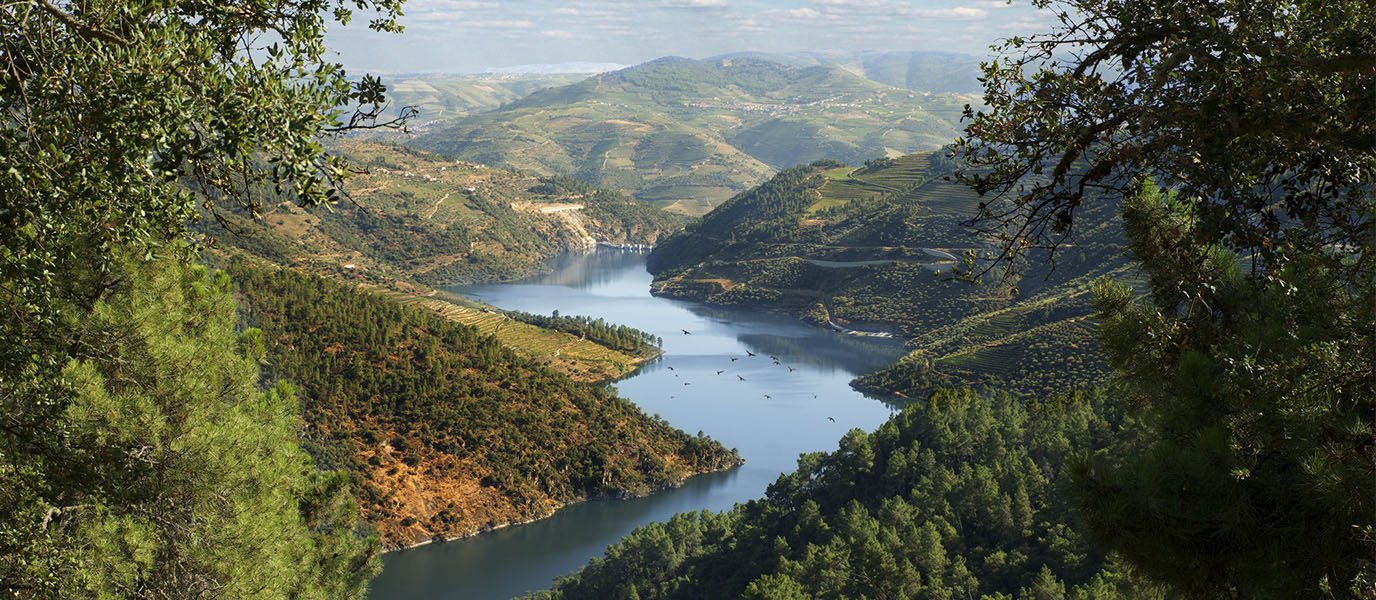
To the west, Toro offers a combination of Romanesque heritage, viewpoints over the river Duero and wine-making tradition. Its collegiate church, old quarter and underground cellars will allow you to understand the valley’s cultural continuity. For those seeking nature, the pine forests in Valladolid province, especially towards Matapozuelos, will provide you with trails among sands and resins; although it is a discreet landscape, it is deeply linked to the region’s economy and rural life.