



























Just five kilometres separate Valladolid city centre from Fuensaldaña, but the change in atmosphere is immediate. Once you leave behind the city’s residential areas, the road opens up to a landscape of rolling hills, grain fields and vineyards arranged in straight rows. In the middle of this Castilian plain stands a striking square castle with thick walls and minimalist battlements, which overlooks the small village. There is no mistaking it—everything in Fuensaldaña revolves around the fortress, which was a symbol of noble power for centuries and now serves as a beacon of heritage for the Cigales region. A visit to the village, however, does not end at the castle. Fuensaldaña combines traditional architecture with underground wine cellars and walks through vineyards, and its cuisine is best known for roast suckling lamb and Cigales rosé wines.
- History of Fuensaldaña
- Fuensaldaña castle
- What to do in a day in Fuensaldaña
- Where to eat
- Nearby excursions: Valladolid, Mucientes and a wine region just a few kilometres away
History of Fuensaldaña: noble lineages, vineyards and a castle built to stake out territory
The origins of Fuensaldaña can be traced back to the medieval repopulation of the Pisuerga valley, when the Castilian Crown encouraged people to settle in the area for agricultural purposes in order to assert control over it. The name most likely refers to the springs or ‘fuentes’ that dotted the landscape and were essential for supplying people and livestock. From the outset, the settlement had an eminently rural character, linked to the cultivation of grains and, soon afterwards, vines.
During the thirteenth and fourteenth centuries, ownership of the area passed to various noble families competing to consolidate their influence near Valladolid, which was then one of the most important cities in the kingdom. It was against this backdrop of tension between powerful families that the decision was made to build a fortress that would protect the town as well as visibly display the lordship’s dominion over the surrounding fields.
The final impetus came in the fifteenth century with the Vivero family, the town’s lords, who spearheaded the construction of the castle as it is known today. The castle was not only a defensive structure but also a residence, administrative centre and political symbol. From its towers, roads, harvests and rents were controlled. Visible from miles away, the building’s silhouette served as a statement of authority.
Over the centuries, with the loss of its military function, Fuensaldaña established itself as an agricultural village. The underground cellars, which were dug out to keep wine at a constant temperature, and the limestone farmhouses bear witness to this. In recent times, the village’s proximity to Valladolid has made it a popular place to live and visit, but its rural and wine-growing identity still remains intact.
Fuensaldaña castle: the square fortress belonging to the Vivero family that today dominates the Cigales skyline
Fuensaldaña castle is one of the most recognisable examples of late medieval military architecture in the province. Built principally in the fifteenth century, it has a square floor plan, sturdy ashlar walls and cylindrical towers at the corners. It also has a keep that stands out for its height. The complex conveys a sense of compact solidity and was designed more to withstand sieges than for ornamentation.
For centuries, Fuensaldaña castle was a stately residence. Inside, the daily life of the family and their entourage played out around noble rooms, service quarters, storerooms and courtyards. The building later suffered periods of neglect until it was restored in the twentieth century. Between 1984 and 2007, it even housed the Cortes (parliament) of Castile and León, giving the fortress a second governmental function.
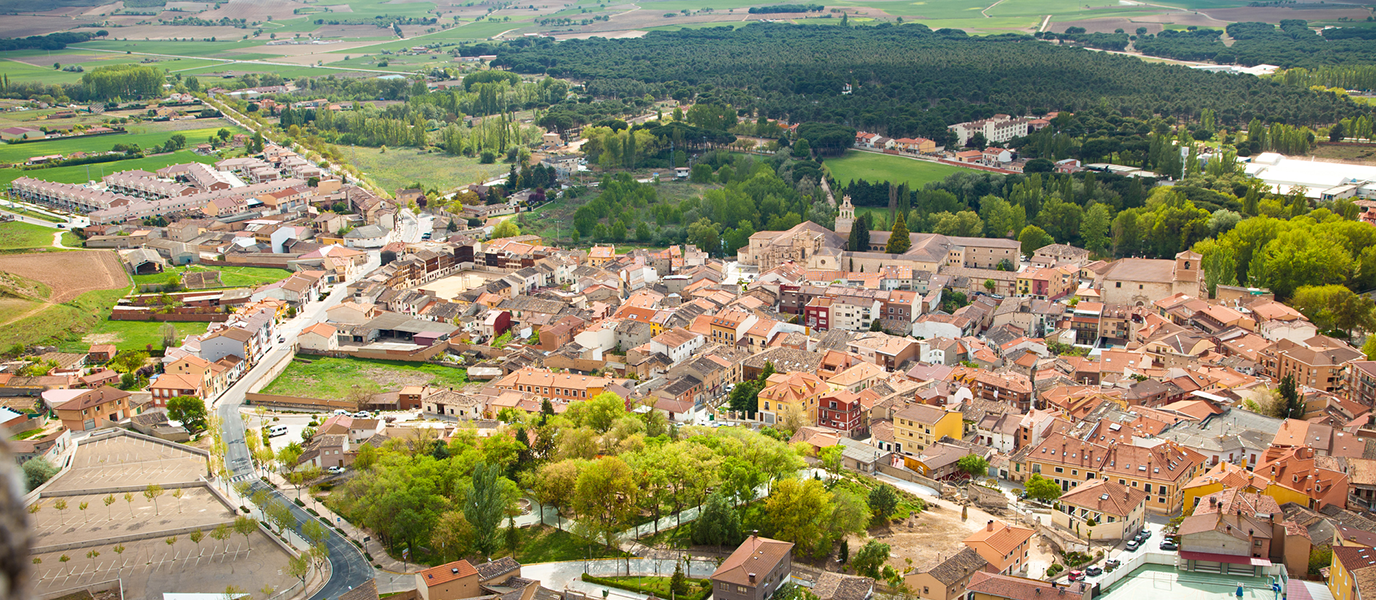
Today, visitors can explore some of its restored areas. Climbing the keep offers one of the best panoramic views of the region: to the south lies the city of Valladolid, while all around it is a patchwork of vineyards and grain fields that form the basis of the local economy. A stroll along the ramparts and through the courtyard helps visitors to imagine what life was like in a simple, functional and austere Castilian fortress.
The visit is complemented by interpretive panels and temporary exhibitions. It is advisable to check the opening hours before going and to set aside at least an hour to explore it at a leisurely pace.
What to do in a day in Fuensaldaña: walks through vineyards, underground wineries and long, leisurely meals
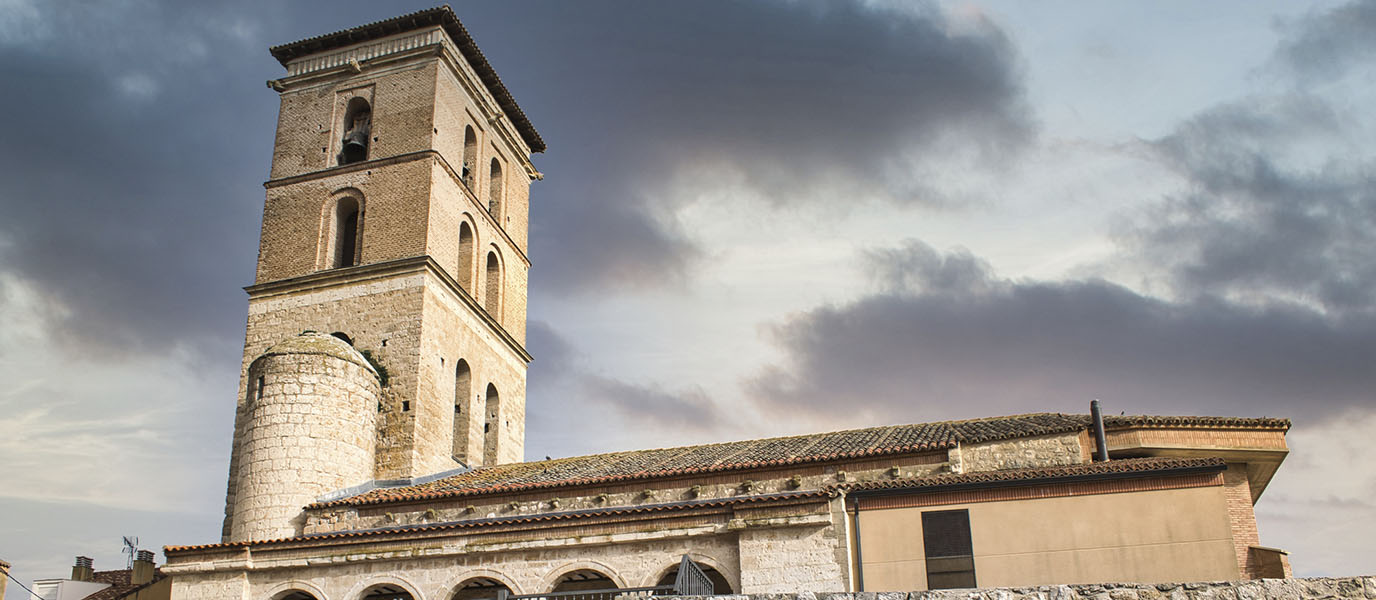
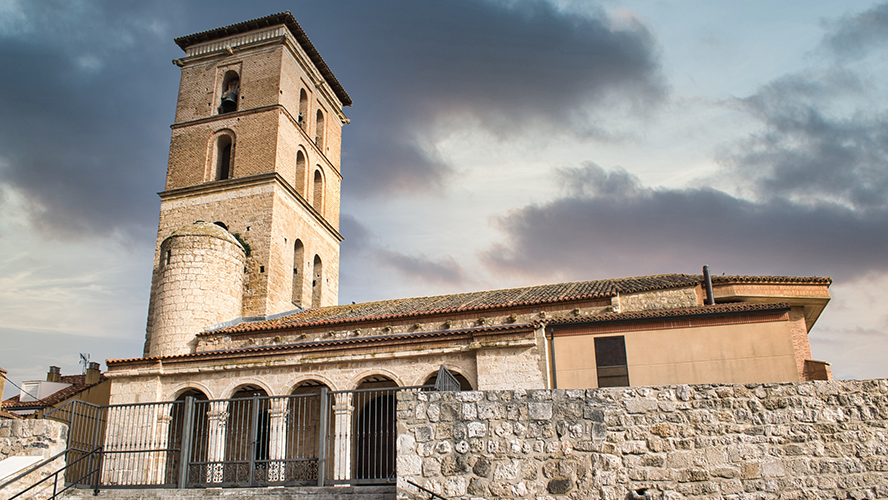
A typical itinerary starts early in the morning, exploring the centre of the village on foot. The streets surrounding the Plaza Mayor are lined with two-storey stone and brick houses with wide gates for carriages and small interior courtyards. Dating back to medieval times and renovated in later centuries, the parish church of San Cipriano is well worth a visit. Its tower and Baroque altarpieces are particularly noteworthy.
Afterwards, the walk continues on towards the outskirts, following farm tracks that wind through vineyards. The Cigales designation of origin is renowned for its rosé wines—historically known as claretes—and for its increasingly acclaimed red wines. Walking among the vines, especially in spring or during the September harvest, allows you to observe the low structure of the vines and the manual labour that is still required for their cultivation.
Another interesting experience is to visit one of the traditional wineries carved into the nearby hillsides. Many have underground galleries where the temperature remains stable all year round—perfect for ageing wine. Some wineries in the area organise tastings and guided tours that combine historical insight and wine sampling.
To round off the day, there is nothing better than a leisurely meal followed by some post-lunch conversation in the sun if the weather permits. Fuensaldaña lends itself to a leisurely pace: rather than long lists of monuments, you can find simple everyday scenes that invite you to observe at a calm pace.
Where to eat: wood-fired roast suckling lamb and Cigales wine without leaving the village
The local cuisine remains true to Castilian tradition. The signature dish is wood-fired roast suckling lamb, served with a simple salad and white bread. One of the best-known restaurants is La Dama de la Motilla, situated next to the castle, serving traditional cuisine and an extensive selection of local wines in a sophisticated setting. It is a great place to enjoy a leisurely meal after your visit.
The Restaurante Las Cortes also comes highly recommended for its homemade dishes and generous portions. Be sure to try the Burgos black pudding, the Castilian soups, the lamb chops and its famous suckling lamb skewers. In both cases, accompanying your meal with a rosé or red wine from Cigales helps you fully experience the close relationship between vineyard and table that defines the region.
Nearby excursions: Valladolid, Mucientes and a wine region just a few kilometres away
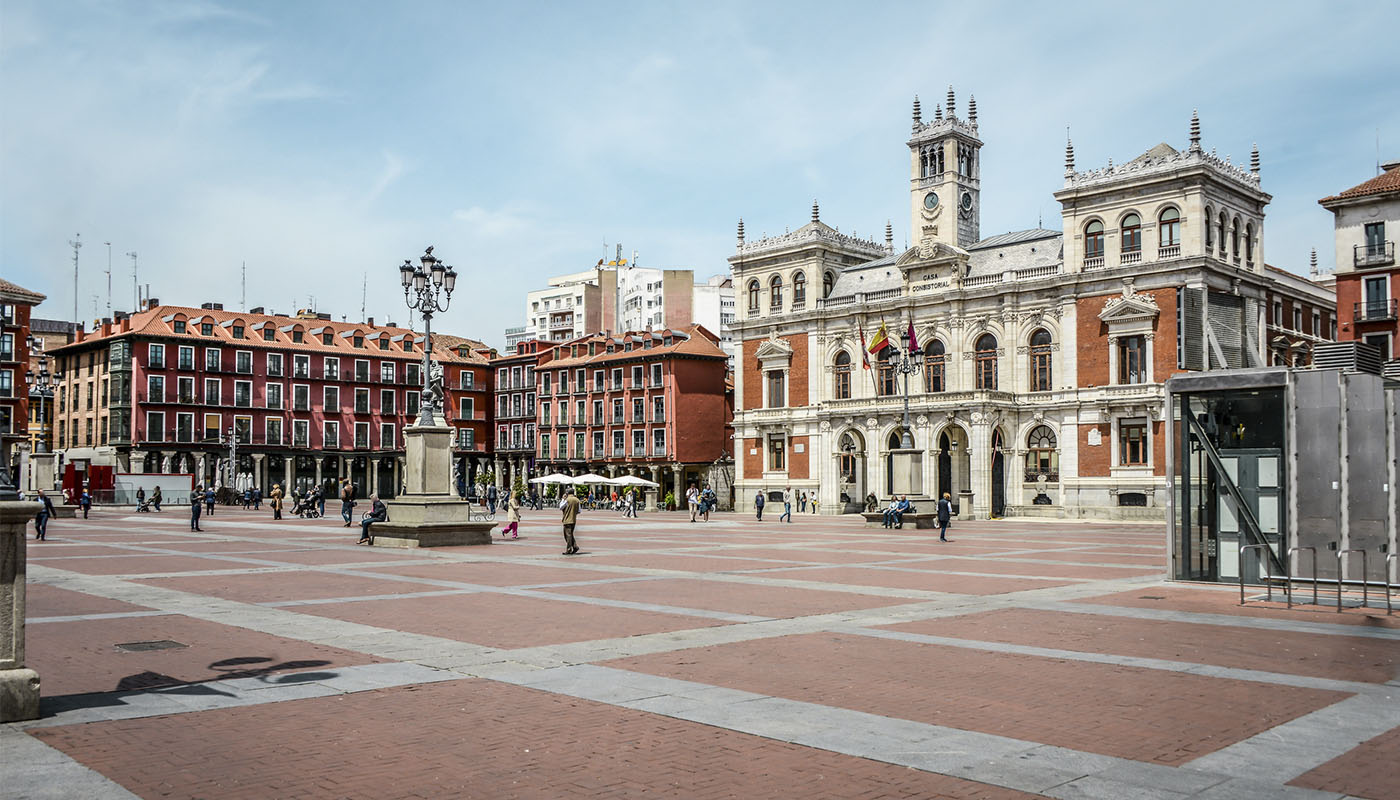
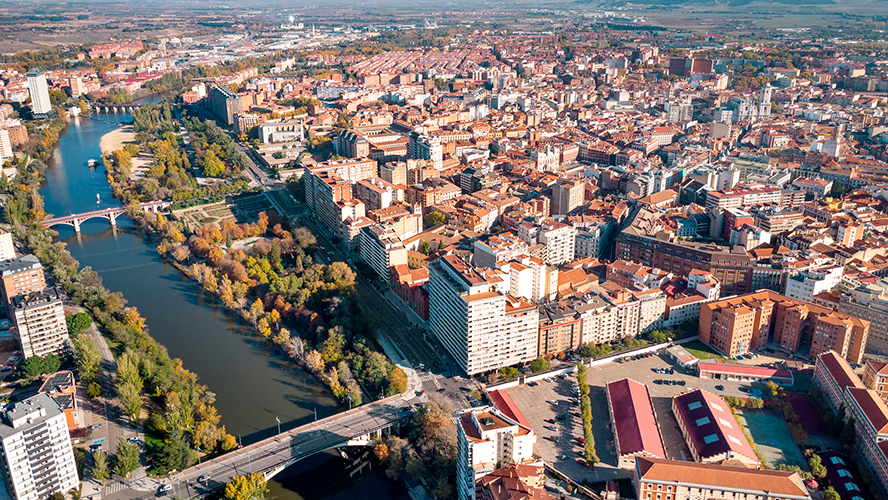
Fuensaldaña’s biggest draw is its location. In just ten minutes you can reach Valladolid city centre, where you can enjoy a combination of museums, historical churches, the Plaza Mayor and the Campo Grande all while on a rural getaway. You can easily alternate between spending a morning in the city and an afternoon among the vineyards.
Just a few kilometres away is Mucientes, which has an interesting Wine Museum and old traditional cellars dug into the hillside, allowing you to delve deeper into the wine culture of Cigales. Together with Cigales and Trigueros del Valle, with its castle and hiking trails, it forms a small circuit that is perfect for a quiet weekend focused on heritage, scenery and gastronomy.