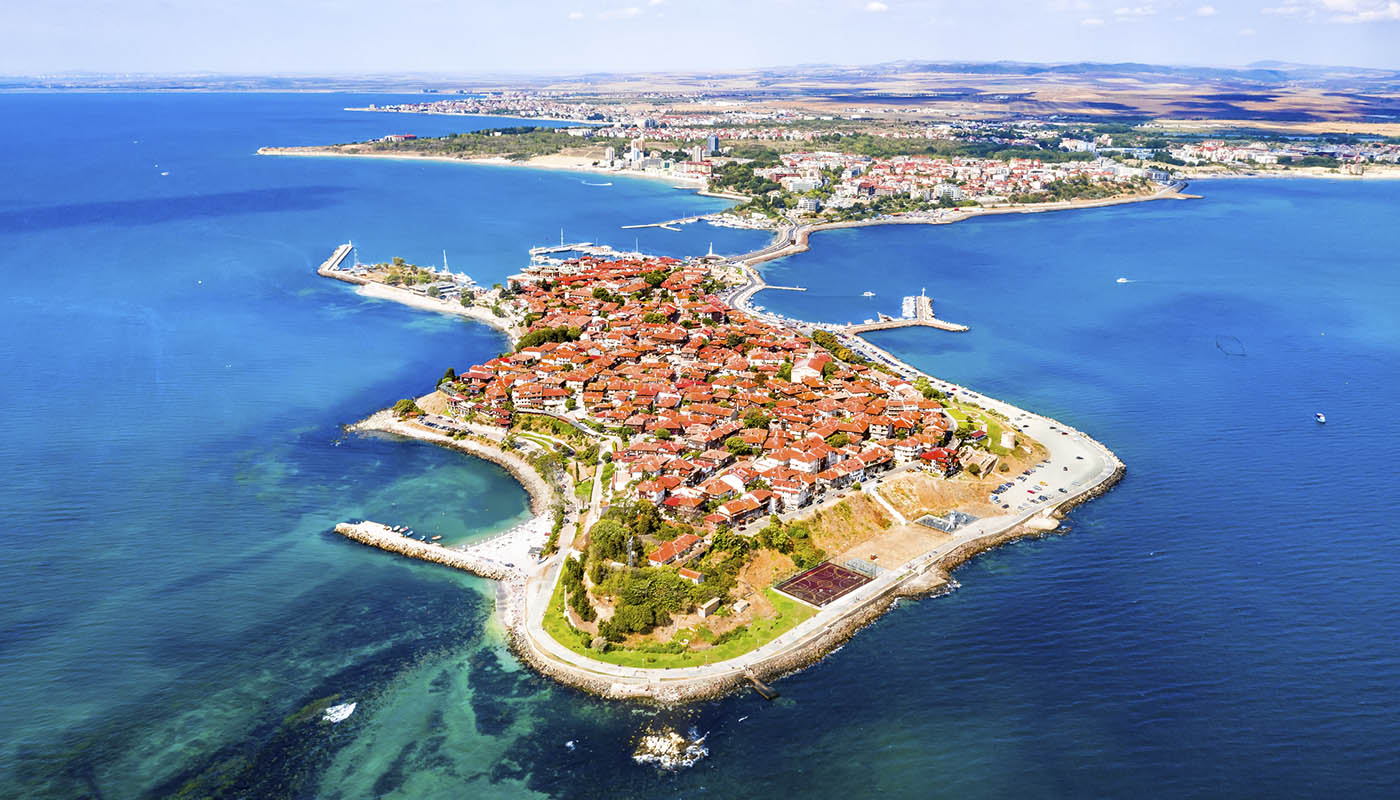






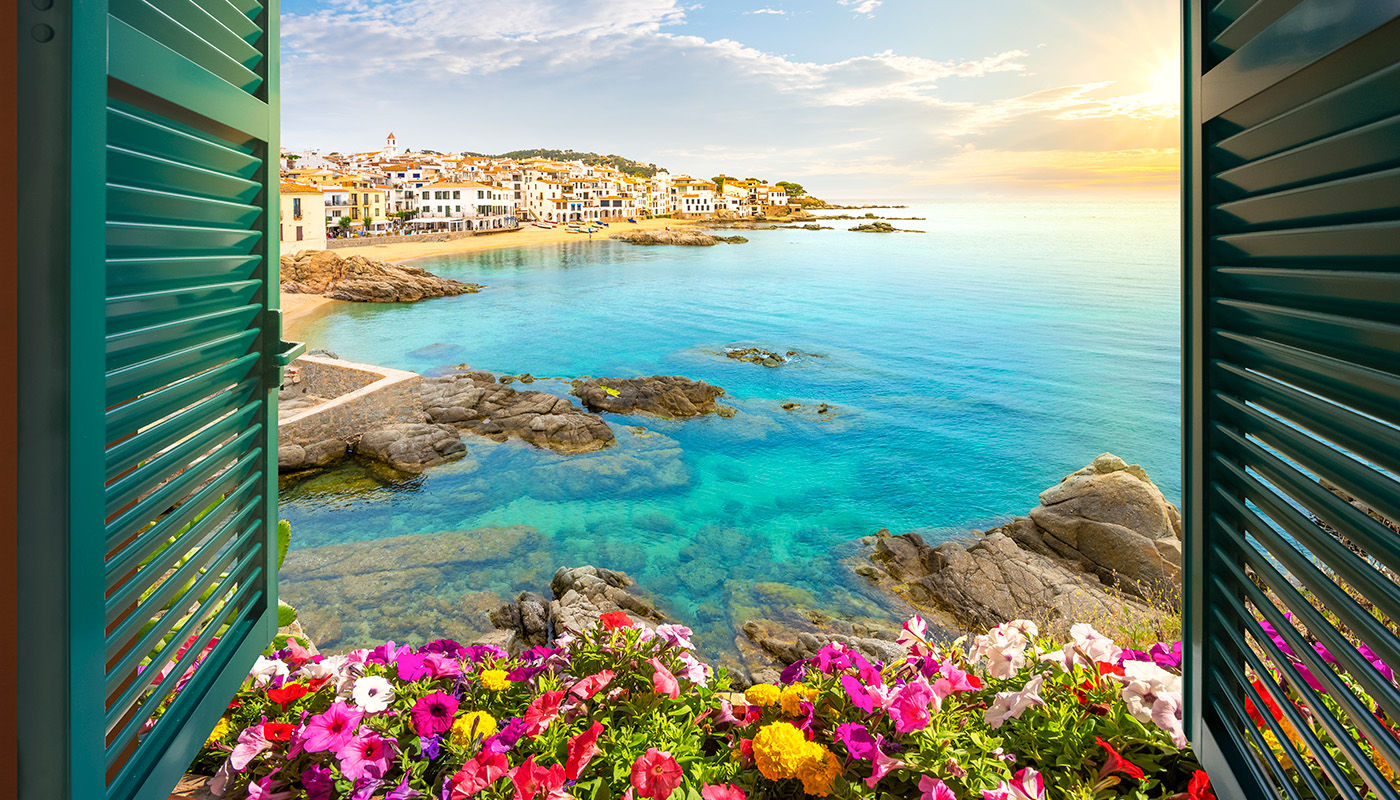





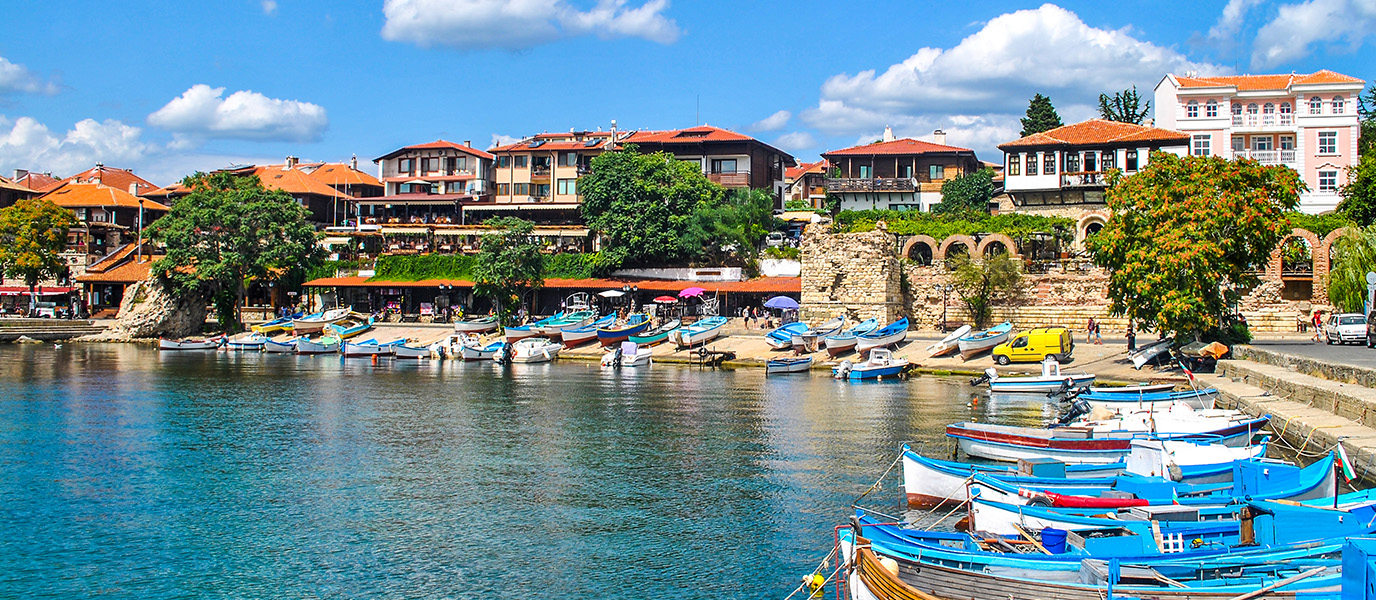
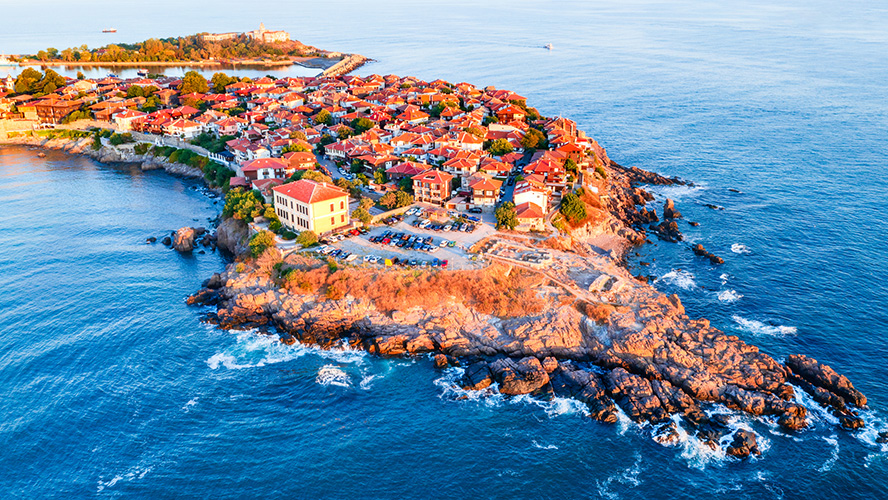
Nessebar, known as the ‘Pearl of the Black Sea’, is one of Europe’s oldest cities, and a not-to-be-missed destination in Bulgaria. This small city, which stands on a peninsula connected to the mainland by a narrow isthmus, has over 3,000 years of history, and combines pleasant beaches with a unique architecture — the result of the many civilisations that have left their mark here. From ancient Greek temples to Byzantine churches to traditional wooden houses from the Bulgarian Renaissance, Nessebar is a genuine open-air museum that encourages visitors to wander its cobbled streets to discover its rich cultural heritage and enjoy its peaceful coastline.
- The history of the city: Nessebar, a trading hub for many civilisations
- What to see on your visit: Nessebar, an open-air museum with over 3,000 years of history
- Nessebar’s beaches: relax just a stone’s throw from the old town
- Where to eat: authentic Bulgarian flavours on the Black Sea coast
- Excursions and activities in the local area: venturing beyond Nessebar
The history of the city: Nessebar, a trading hub for many civilisations
Nessebar was founded in the 6th century BC by the Thracians, who called it Mesembria, and it quickly became a major Black Sea port. In the year 510 BC, the city was colonised by the Greeks, who made it into an important trading hub, thanks to its strategic location. During this period, bronze and silver coins were minted that are still being discovered as a testament to the city’s economic importance.
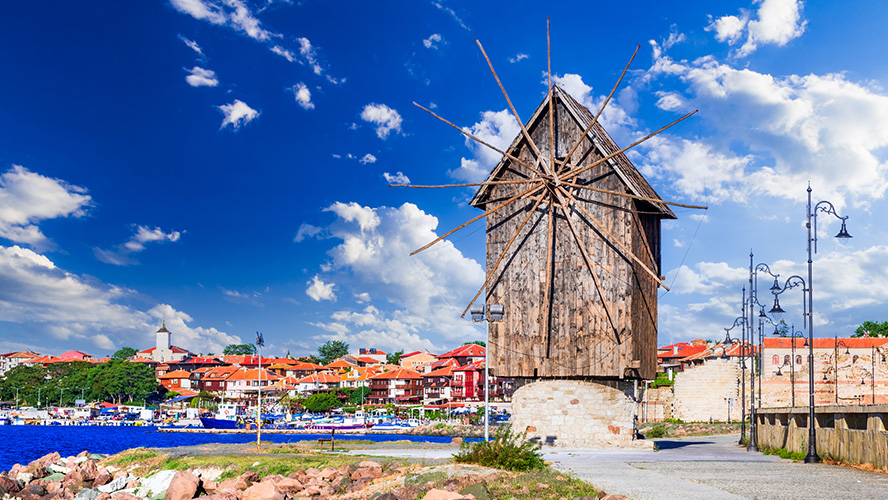
Later, as the city became part of the Roman Empire, and then of the Byzantine Empire, it flourished as a bastion of Christianity. Many of the churches that still survive today were built during the Byzantine period, including the iconic Church of Saint Stephen and the Church of Christ Pantokrator, which reflect the architectural splendour of the age.
In the fourteenth century, Nessebar fell under Ottoman rule, and this marked a new phase in its history. Although its importance as a trading city declined, Nessebar retained its cultural and religious status. Nowadays, Nessebar’s historic quarter is a UNESCO World Heritage Site, an indication of its historic and artistic value.
What to see on your visit: Nessebar, an open-air museum with over 3,000 years of history
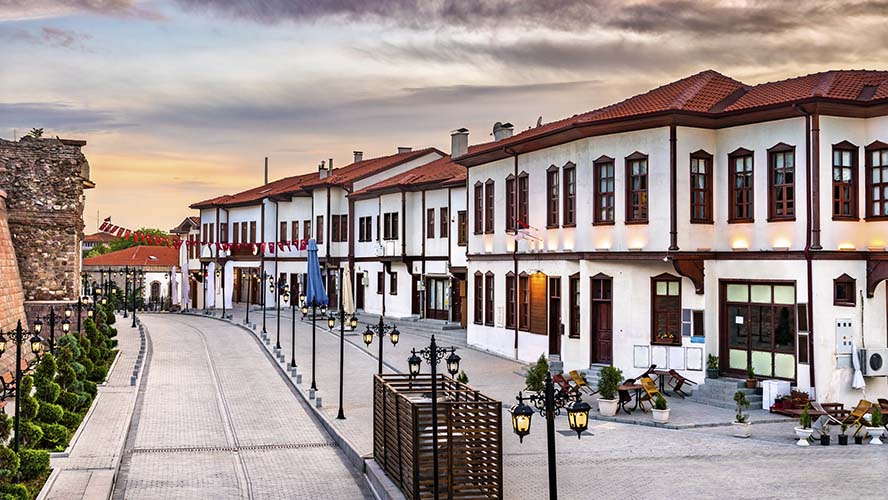
Nessebar’s old town is a place where every step seems to take you back in time. Its narrow, cobbled streets wind around wooden houses from the Bulgarian Renaissance and little squares that are home to craft shops and galleries.
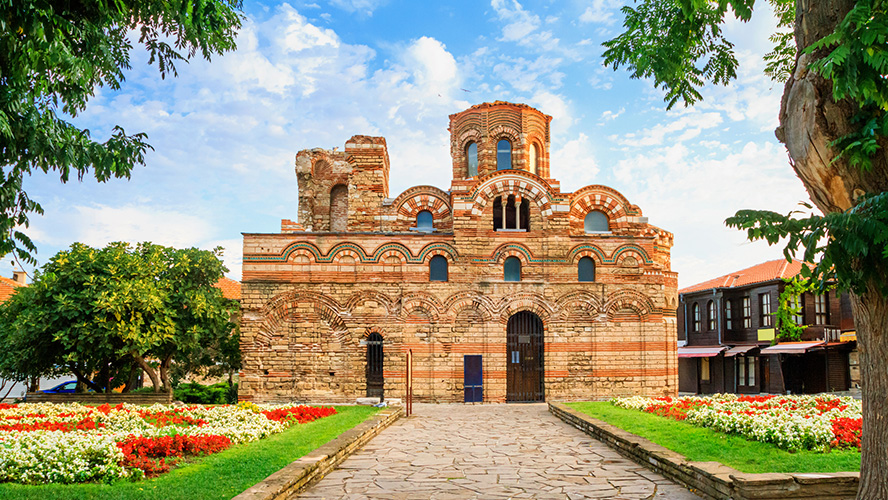
One of the city’s emblems is the Church of Christ Pantokrator, a jewel of Byzantine architecture that dazzles with its coloured bricks, glazed ceramics and geometrical relief designs that gleam as they catch the sunlight. Another highlight is the Church of Saint Stephen, now a museum, which holds over 1,000 unique frescoes illustrating Biblical passages and scenes from daily life in the Middle Ages.
Make sure you don’t miss the Archaeological Museum, with exhibits ranging from the Thracian civilisation up to the Ottoman age. Here you will find coins, jewellery and pottery that trace the development of Nessebar as one of the Black Sea’s major ports. The ancient Greek and Byzantine city walls are a testament to Nessebar’s strategic past, while the ruins of the temple of Apollo and the remains of the Roman baths are a reminder of its rich cultural heritage. In every nook and cranny of the old town, history seems to mingle with the daily lives of Nessebar’s modern-day inhabitants, creating a unique and fascinating ambience.
Nessebar’s beaches: relax just a stone’s throw from the old town
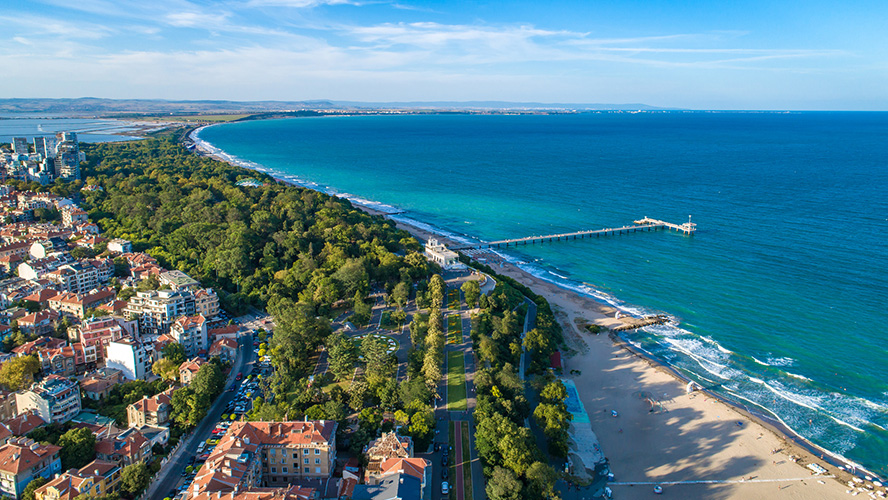
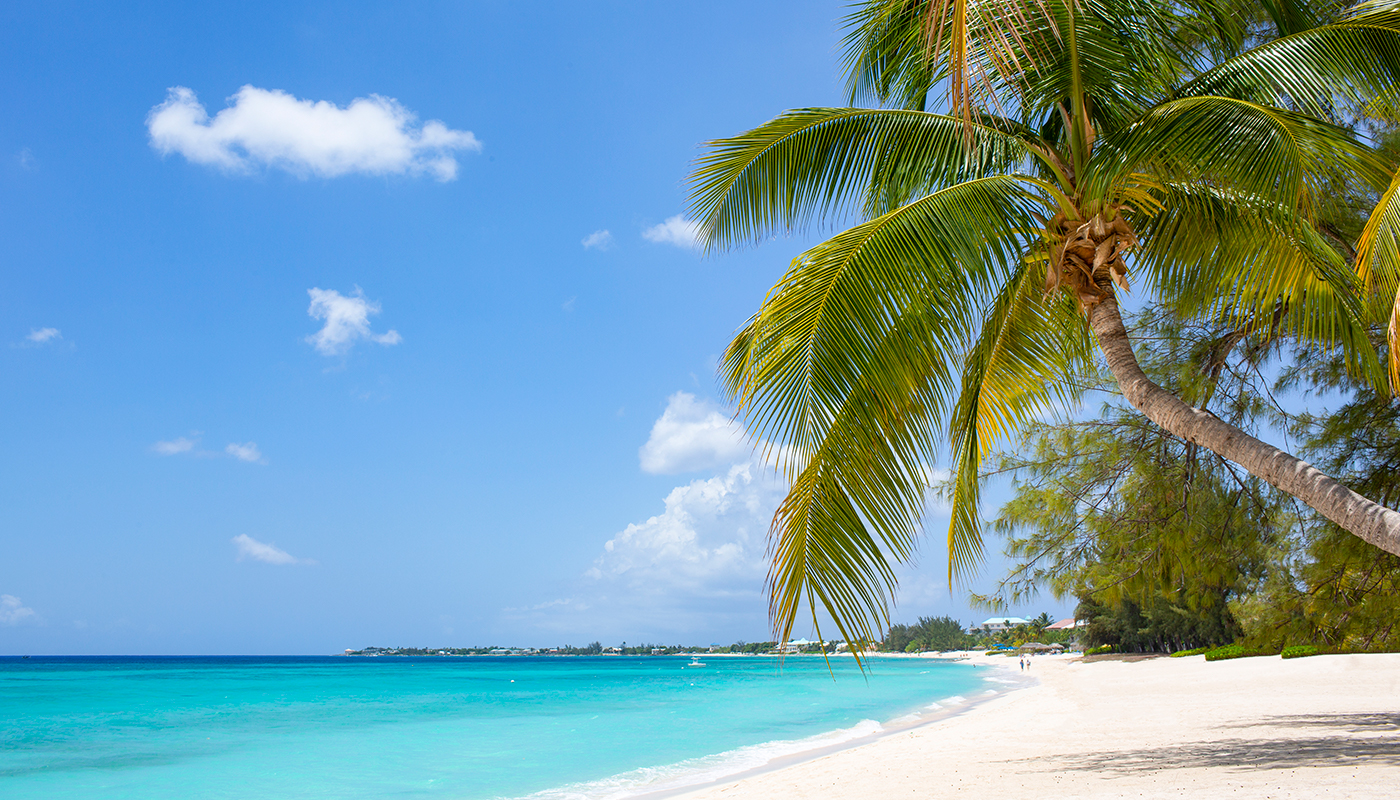
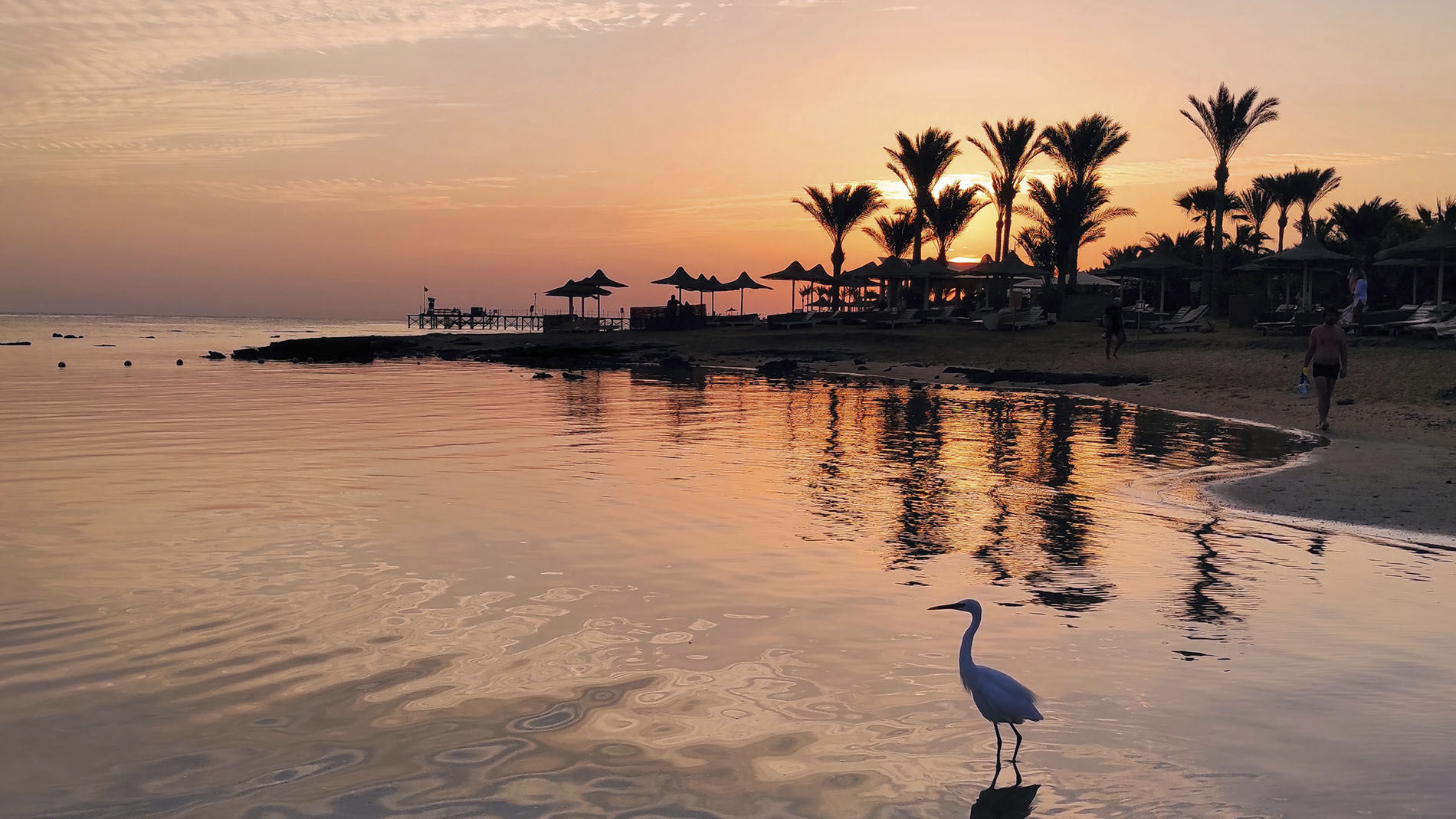
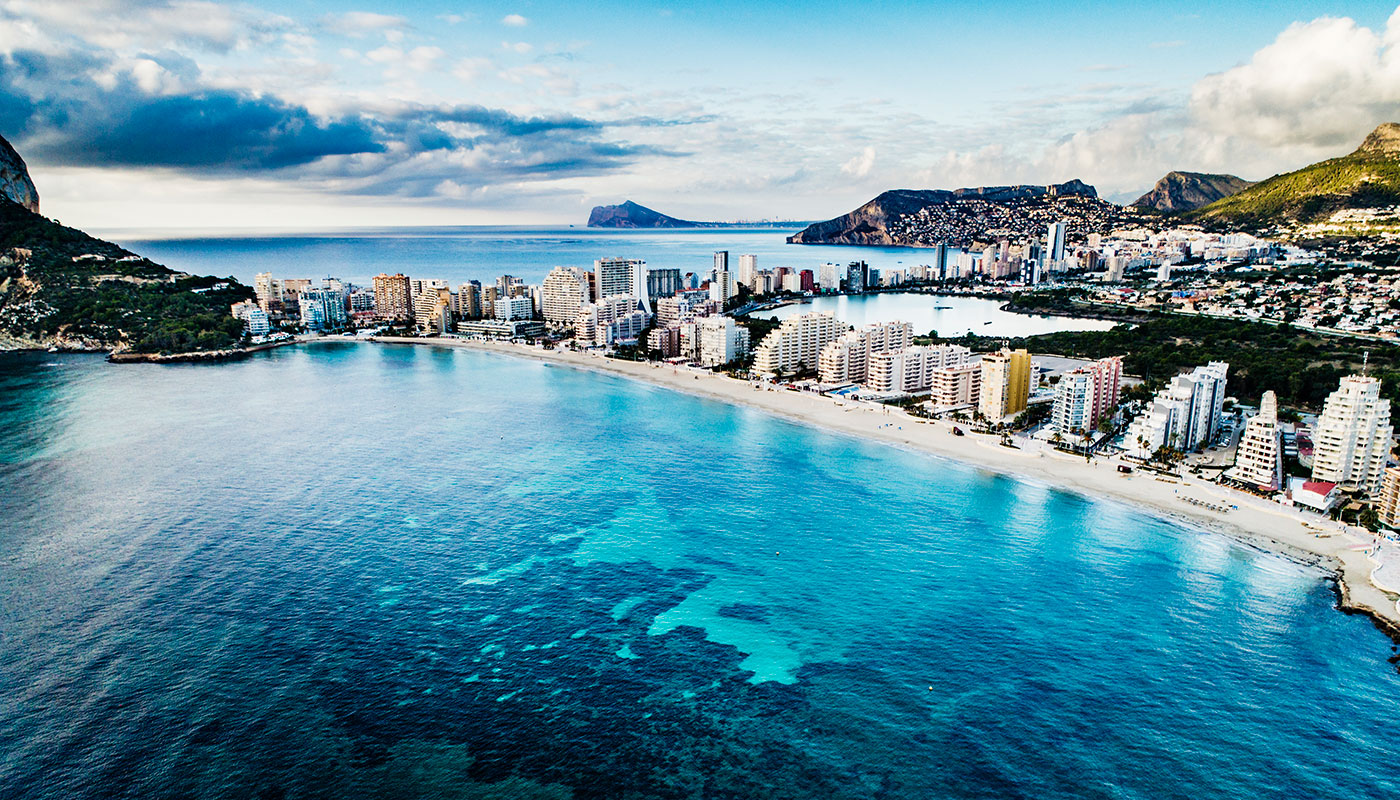
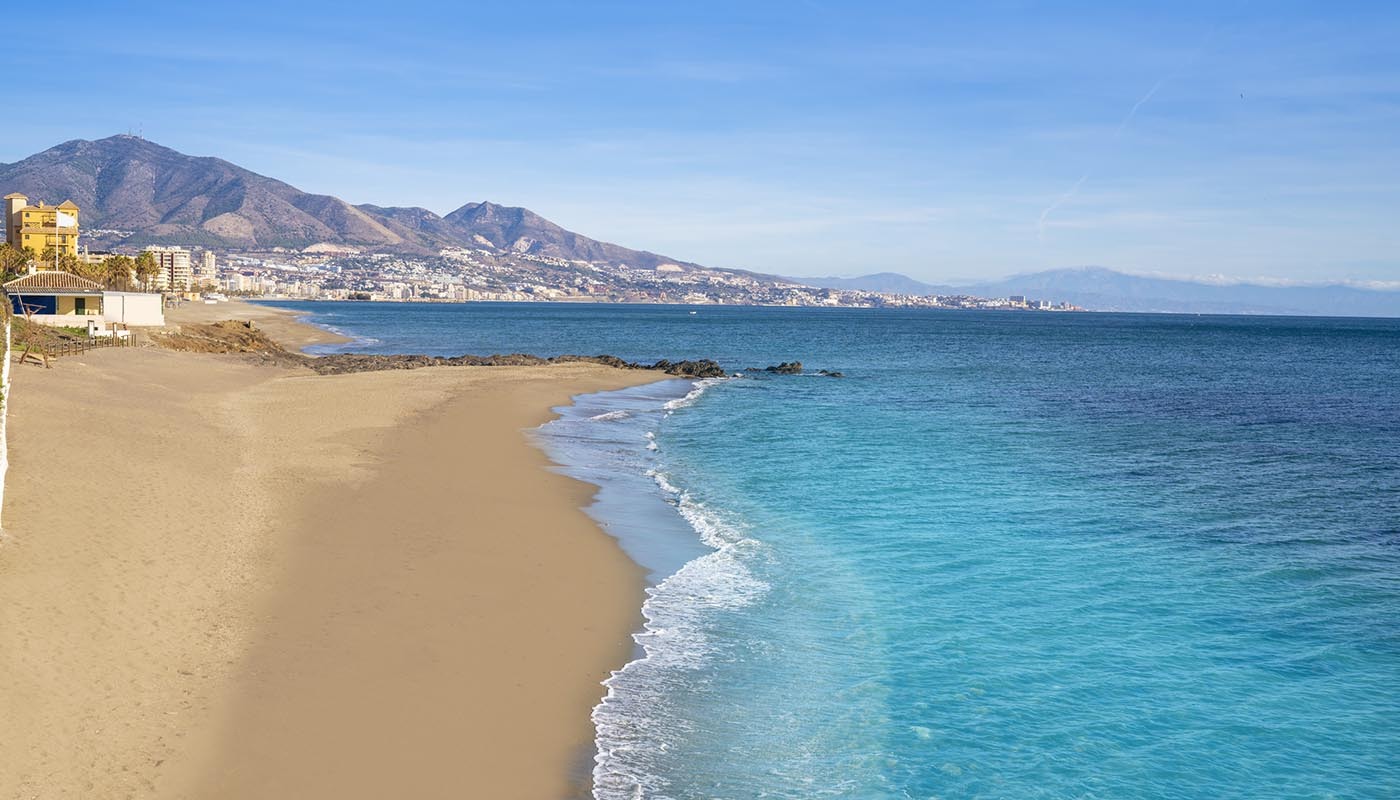
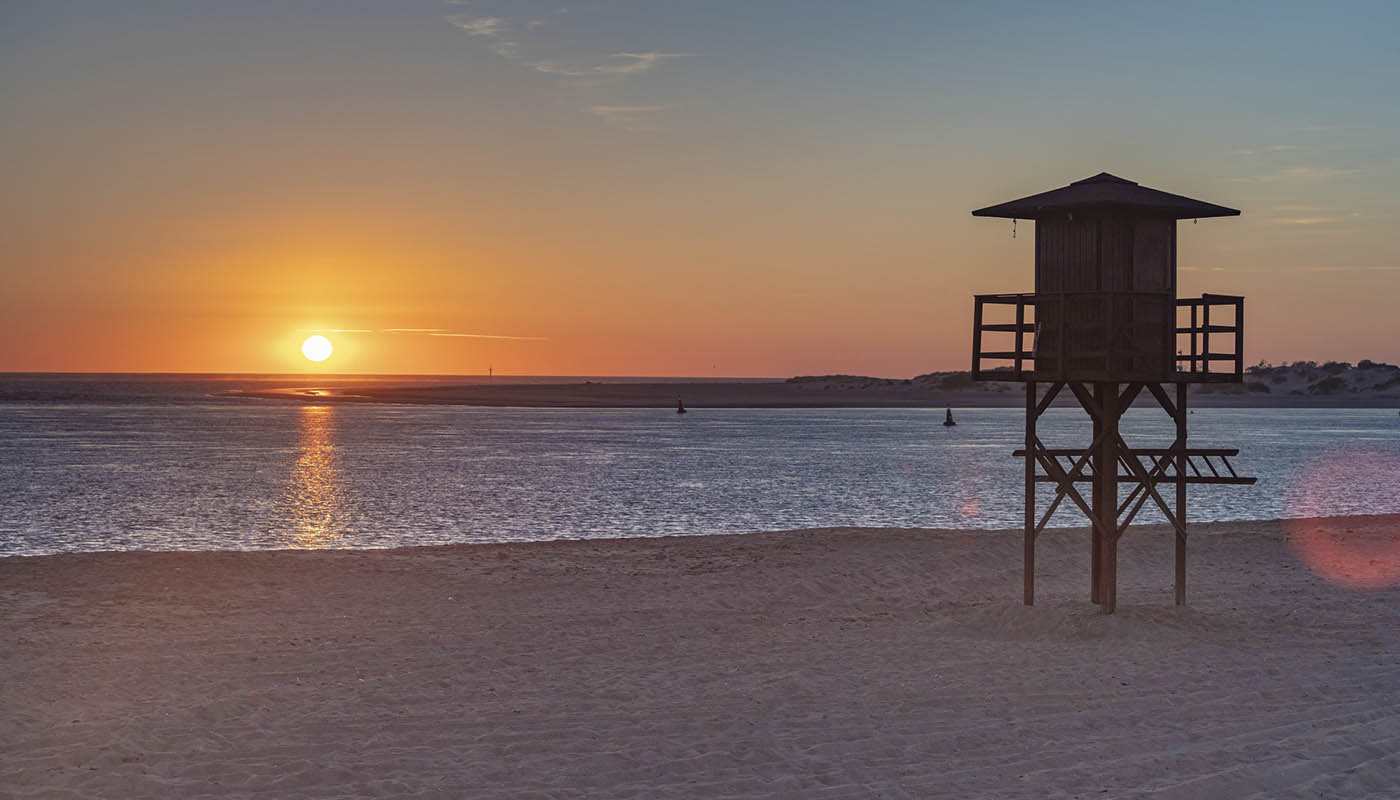
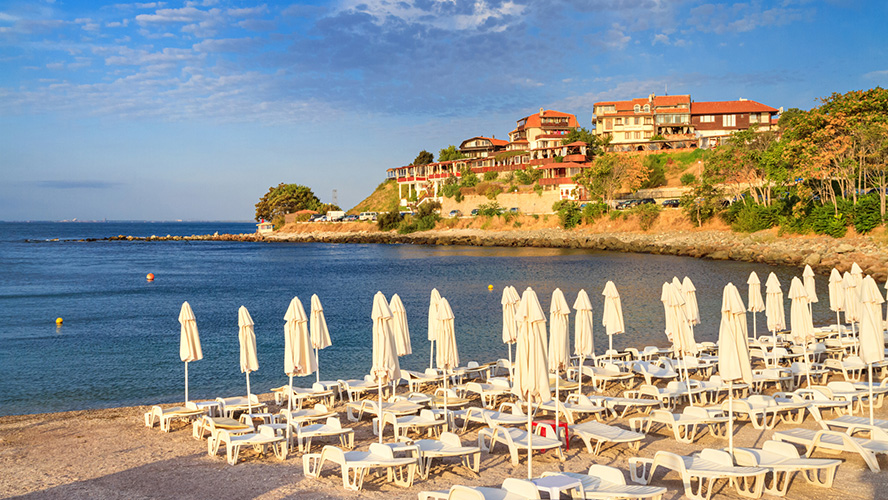
While Nessebar’s historical heritage is exceptional, its beaches are equally captivating. The North Beach, just a few minutes from the old town, combines golden sands, has shallow waters and an impressive range of bars and restaurants where you can enjoy a meal with sea views. It is the perfect spot, especially convenient for families and couples. If you prefer a quieter atmosphere, the South Beach is a peaceful setting, surrounded by plant life and less crowded.
Moreover, if you’re looking for water sports, just a few kilometres further on you will find Sunny Beach, where you can enjoy activities such as parasailing, windsurfing and boat trips.
Where to eat: authentic Bulgarian flavours on the Black Sea coast
Nessebar’s gastronomy is a mouthwatering fusion of traditional Bulgarian cuisine and the fresh flavours of the sea. Highlights among the more typical dishes include kavarma, a meat and vegetable stew slow-cooked in clay pots, and tarator, a refreshing chilled soup made with yogurt and cucumber that is cooling on hot days. Fresh fish and seafood are essentials on this coastal enclave, with steamed mussels and grilled sea bass as just two of the star dishes.
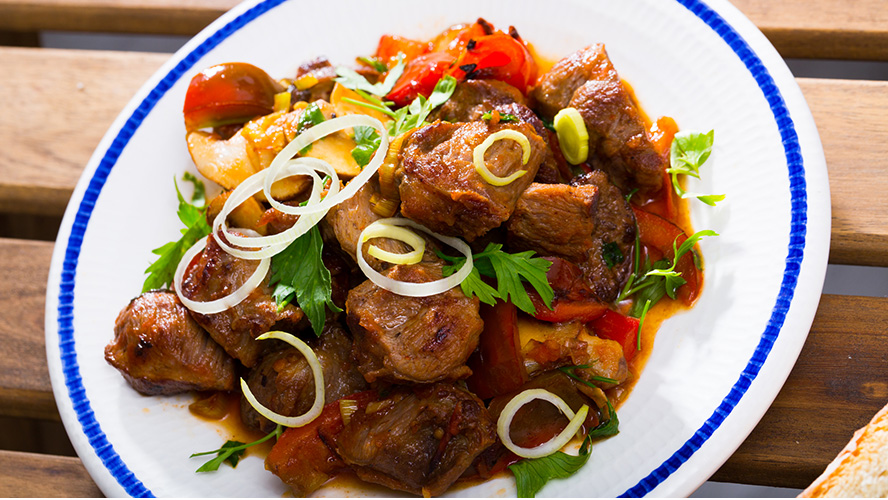
Plakamoto, in the heart of the old town, is an outstanding choice if you are looking for an unforgettable meal. This restaurant with breathtaking sea views offers a menu that includes delicacies such as fresh squid, steamed mussels, good fish and salads prepared using local produce. Another option is White Rose, a more modern establishment famous for its attention to detail and its traditional Bulgarian specialities such as sami (stuffed vine leaves) and pork chops marinated in local spices. To complete the experience, don’t forget to try the local wine, particularly the varieties made with the mavrud grape which is typical of Bulgaria
Excursions and activities in the local area: venturing beyond Nessebar
Sunny Beach: fun just a few minutes away
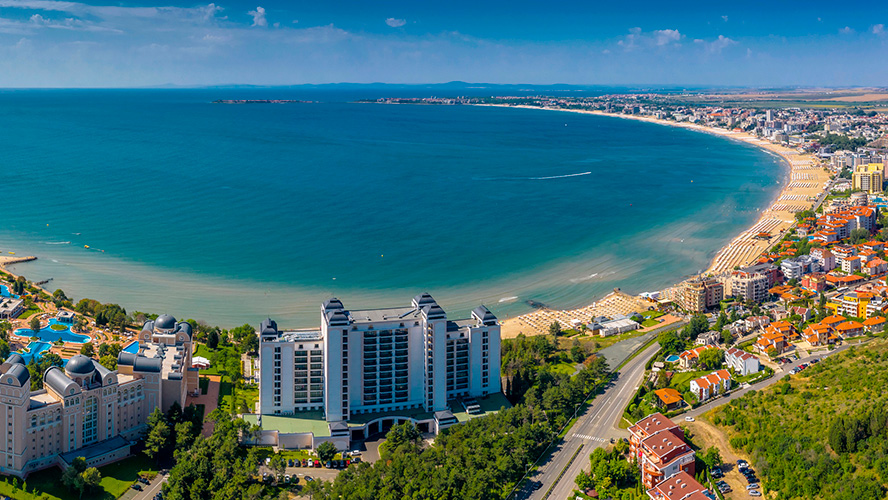
Only 5 kilometres from Nessebar, Sunny Beach is the perfect spot for those seeking a livelier and more vibrant experience. This well-known resort offers everything from water sports to buzzing nightlife, with beach clubs and open-air bars that attract visitors from all around the world.
Sozopol: bohemian charm by the sea
About 60 kilometres to the south, Sozopol is a city with a historic quarter full of typical wooden houses, art galleries and pervaded by a bohemian atmosphere. Founded in the 7th century BC, the city is also famous for its Greek ruins — and the Apollonia Festival, which is held every summer, transforming Sozopol into a cultural hotspot, with art exhibitions, concerts and theatrical performances.
Burgas: myriad possibilities in Bulgaria’s fourth-largest city
Burgas, one of the biggest cities on the Bulgarian coast, lies about 30 kilometres from Nessebar. In addition to its lively centre with shops, cafes and galleries, Burgas boasts the Sea Garden, a vast green space that runs along the coast and offers spectacular views. You can also visit the Ethnographic Museum, which displays the region’s rich folk traditions, or explore nearby Lake Atanasovsko, well known for its salt flats and its avifauna.