










What to see in Cape Verde
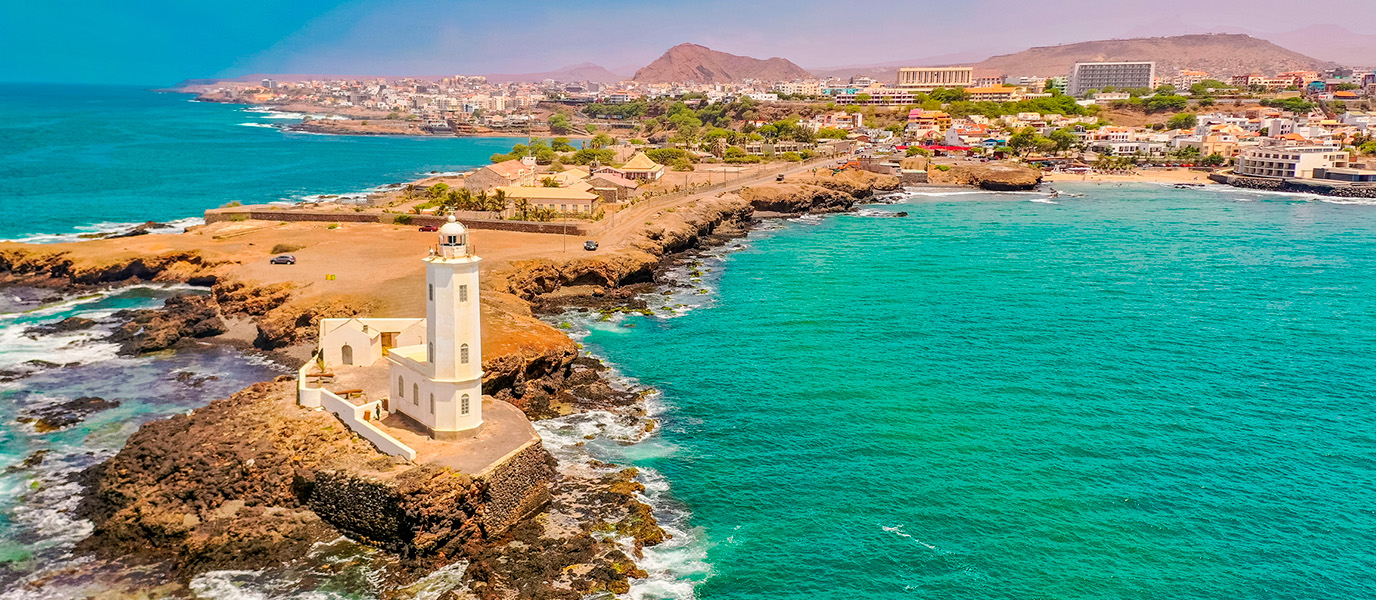
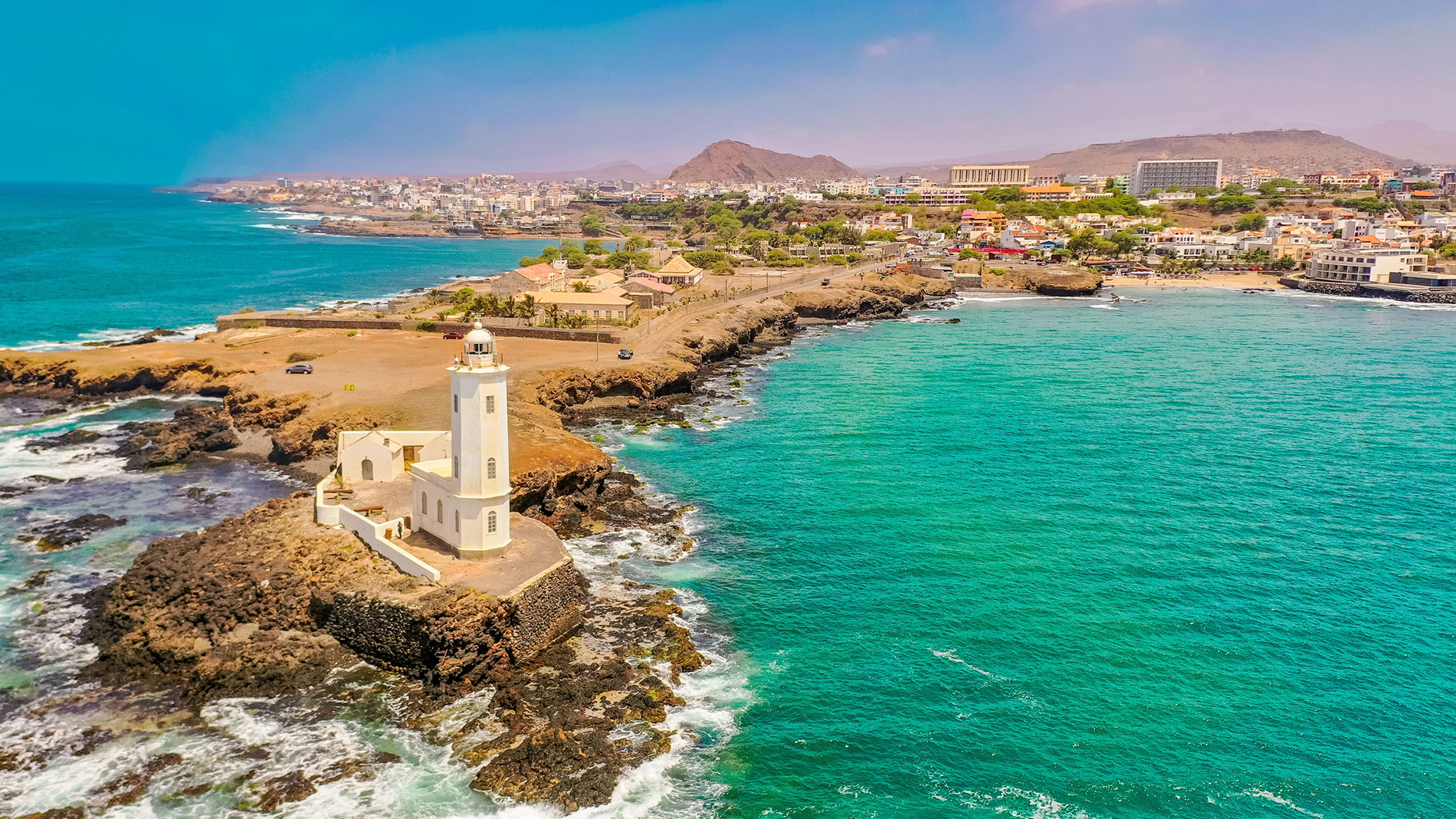
Praia (Cape Verde), a capital city where colonial melancholy and the electrifying pulse of Creole culture meet
The capital of Cape Verde, the usual gateway to the country, is a synthesis of its essence, combining the splendour of the colonial past, visible in the Plateau neighbourhood, with the lively and colourful local life of places like Sucupira Market.
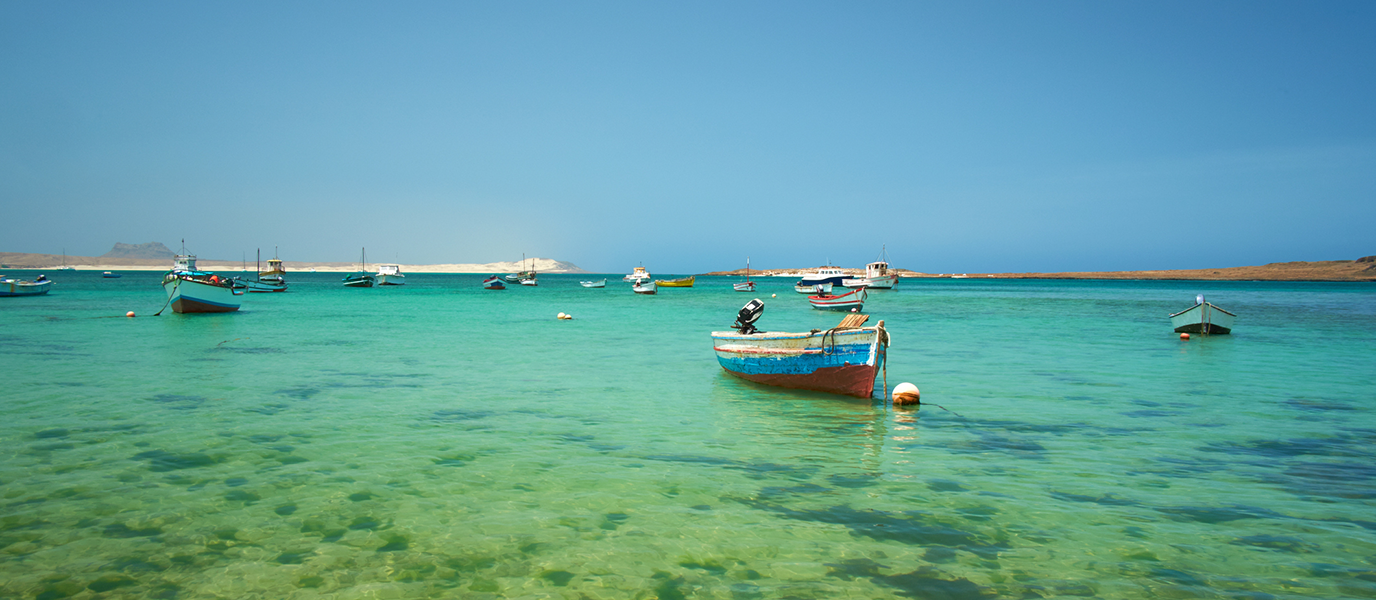
What to see and do in Boa Vista, the wildest and most unspoilt island in Cape Verde
La ‘Isla de las Dunas’ enamora con sus playas kilométricas de arena blanca donde anidan las tortugas, su pequeño desierto, su capital colonial Sal Rei y la autenticidad de su vida rural en los pueblos del interior.
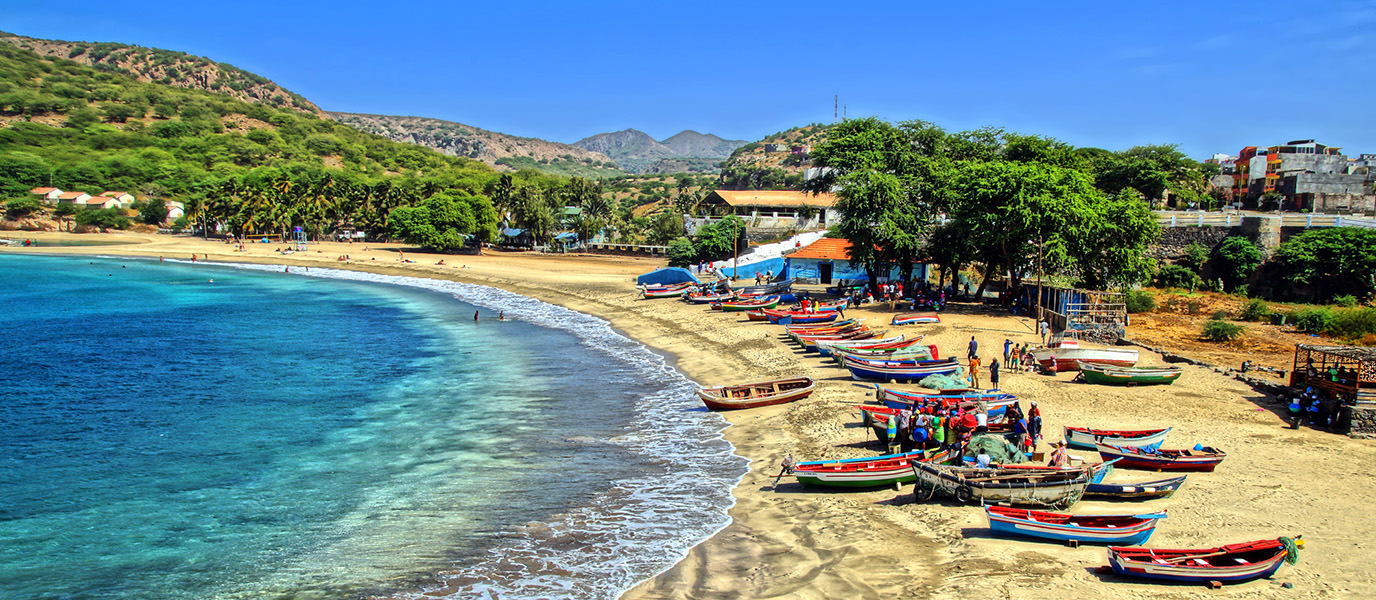
What to see on the island of Santiago, the island that embodies the true character of Cape Verde
Cape Verde’s largest island, the first to be colonised by the Portuguese and the location of Praia, the country’s capital, represents the soul of the country in its synthesis of diverse landscapes and cultures.
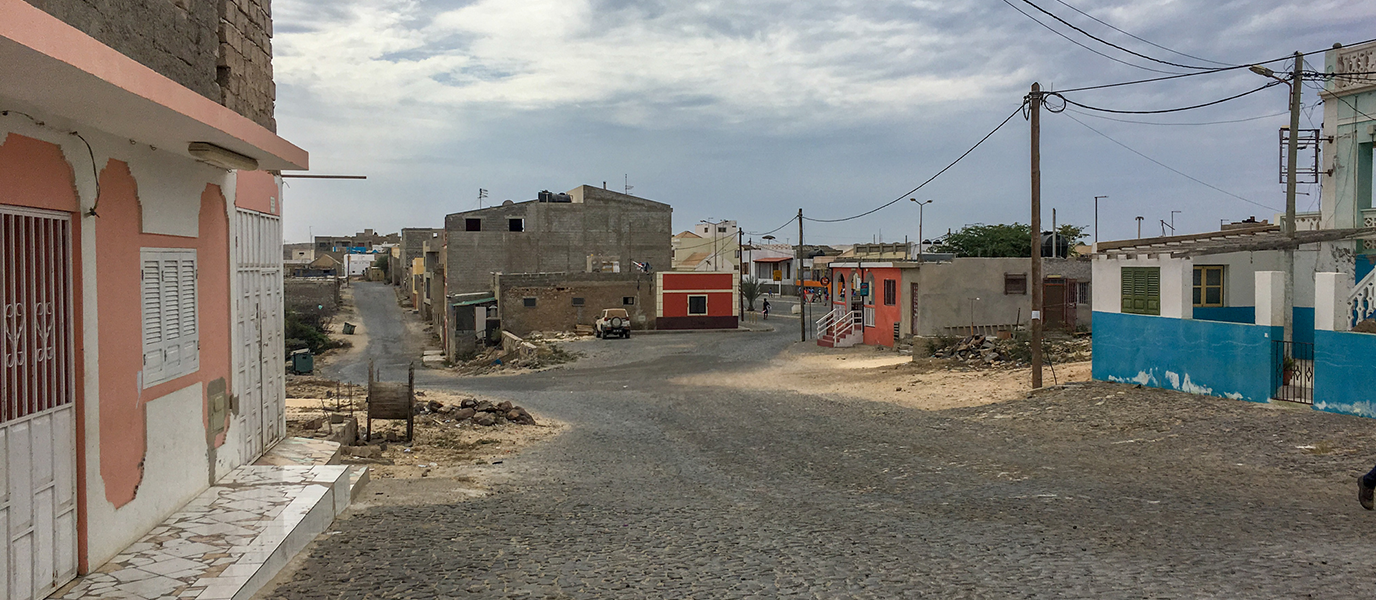
Rabil, the gateway to the desert and to Boa Vista’s traditional crafts
The former capital of Boa Vista, once the epicentre of Cape Verde’s pottery industry, still retains a few lovely, traditional ceramics workshops.

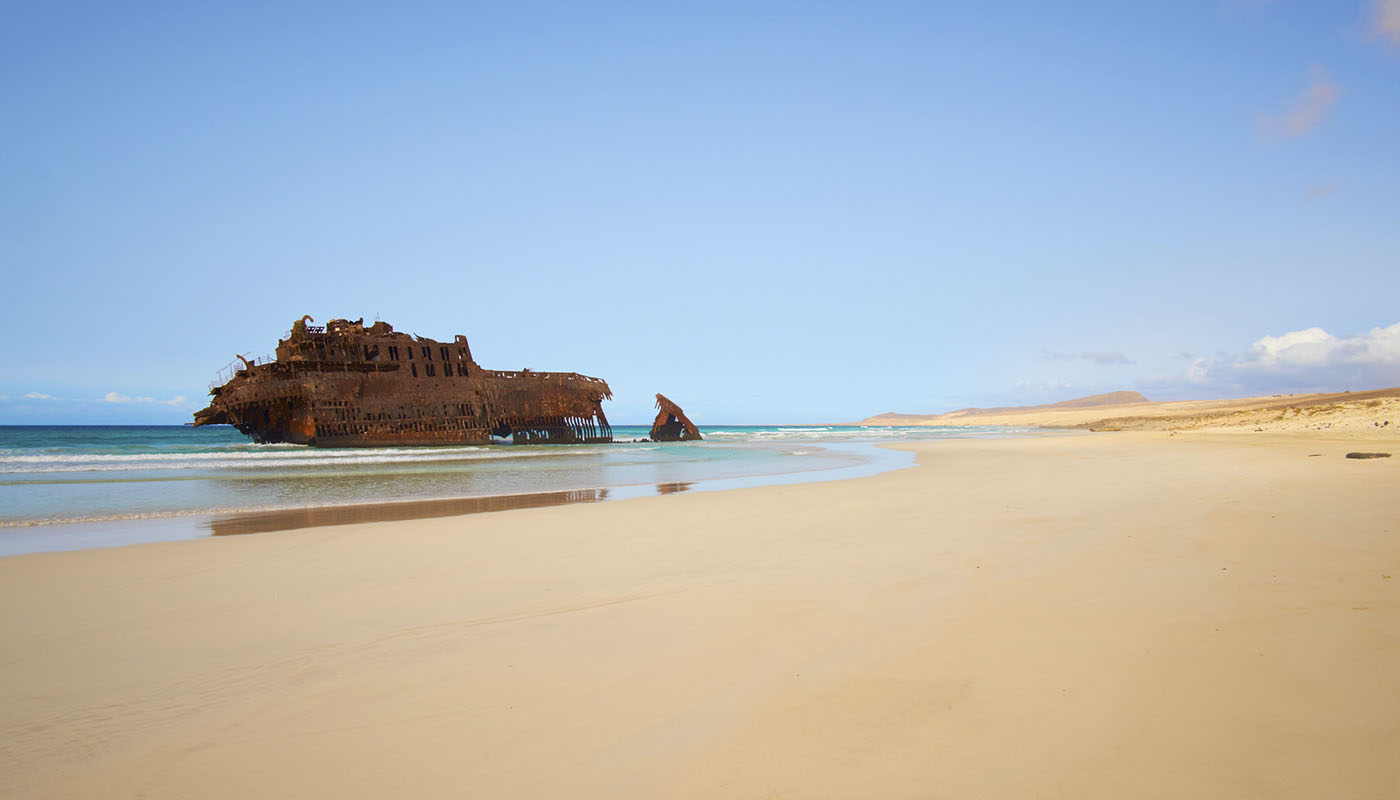
Cabo Santa Maria: the shipwreck that became the stuff of legends
The most remote and wildest corner of the island of Boa Vista, known among locals as the “Cape at the End of the World”, is famous for the remains of a Spanish cargo ship that ran aground in 1968 and its kilometre-long beach where turtles lay their eggs.

What to see and do in Cape Verde: an African paradise with a Portuguese soul in the middle of the Atlantic
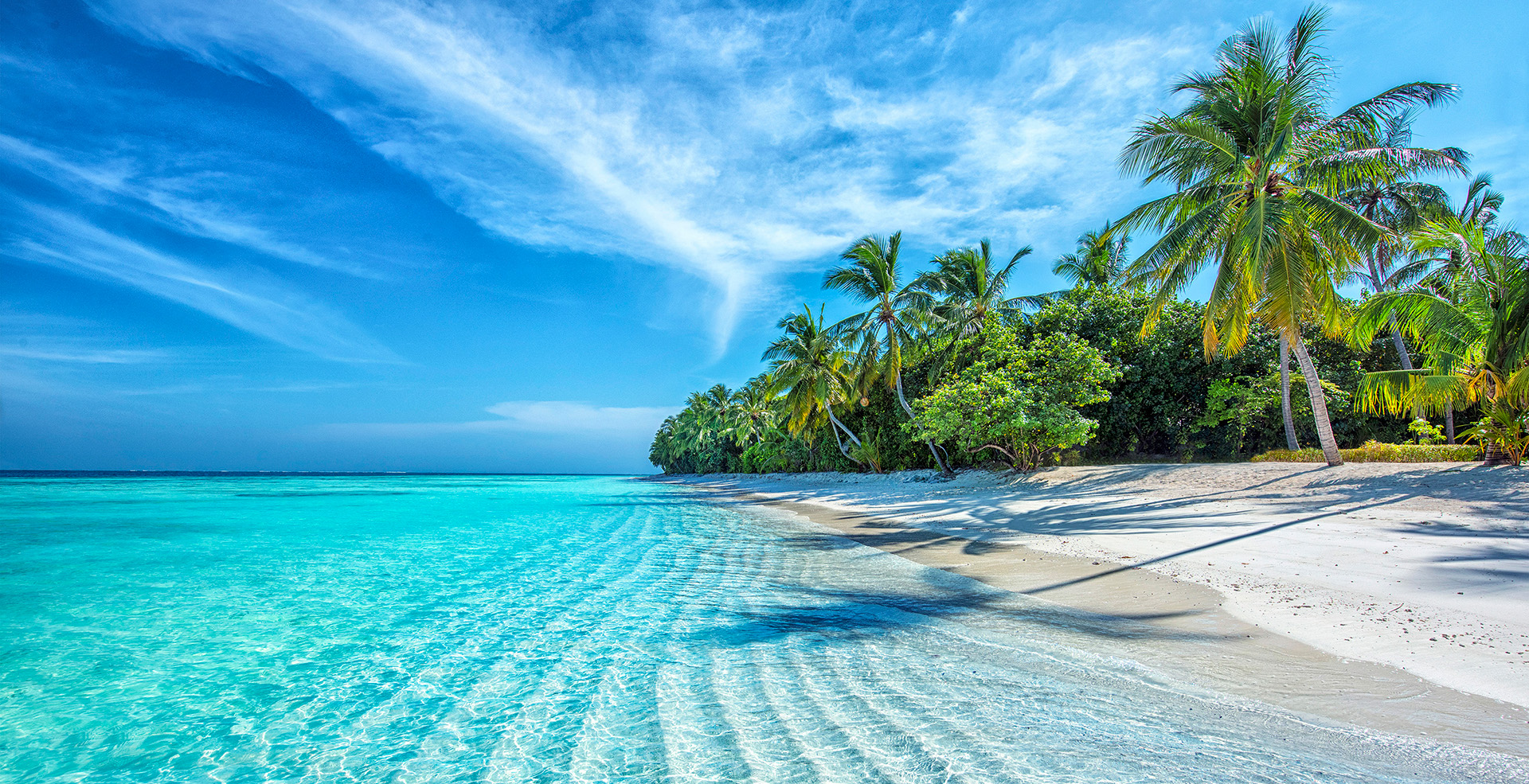
This up-and-coming destination, sadly infamous in the past due to the slave trade, today dazzles visitors with its volcanic and tropical scenery, its endless beaches, and its unique Creole culture.
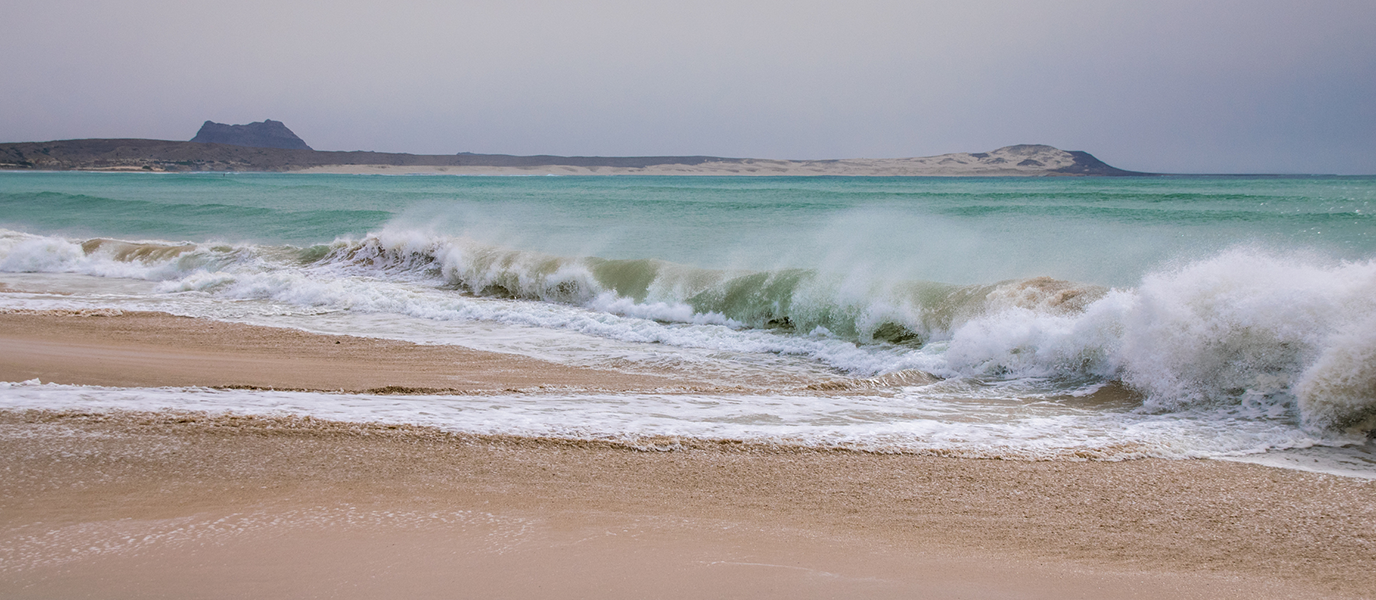
Praia Chaves: where the dunes meet the Atlantic in Boa Vista
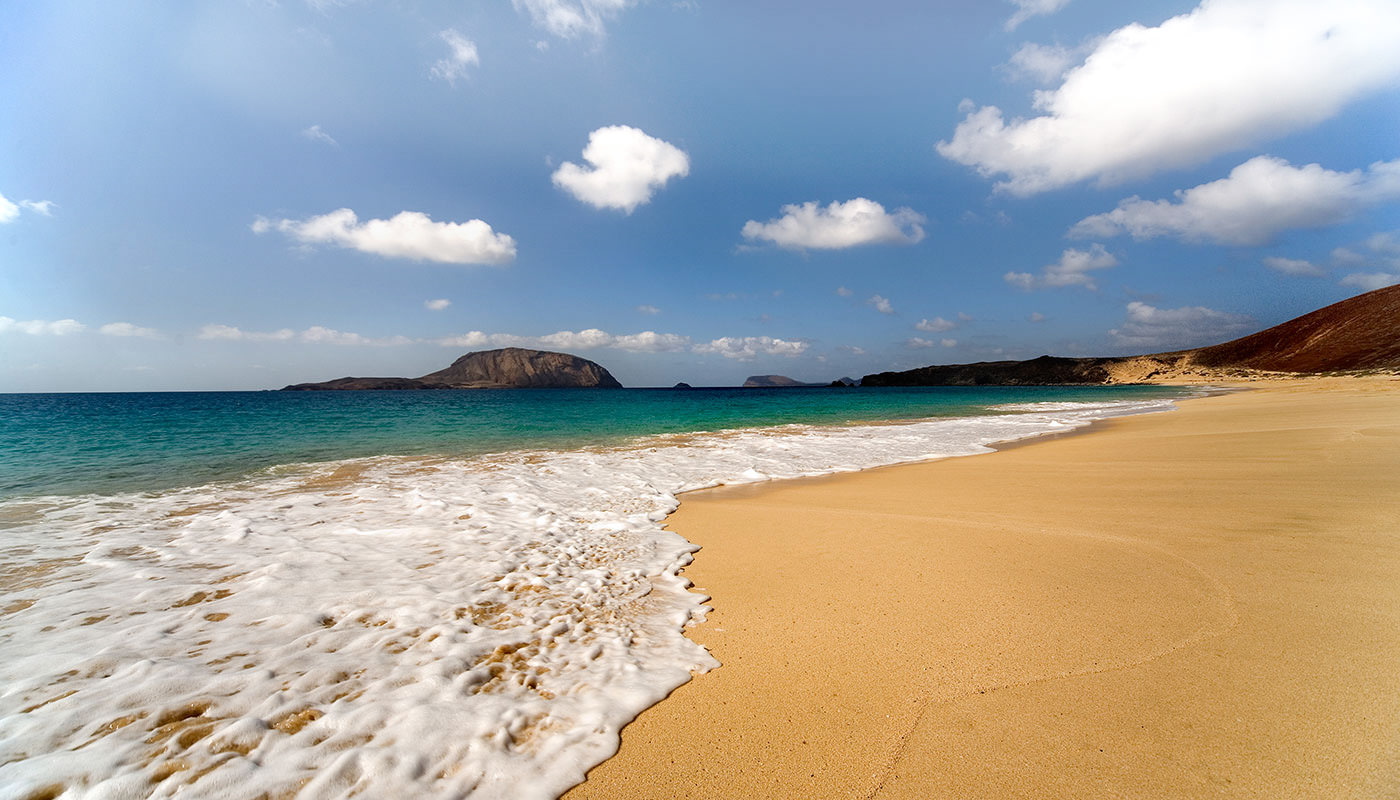
This vast, untouched beach, rich in biodiversity, offers the unique experience of being able to swim surrounded by towering sand dunes.
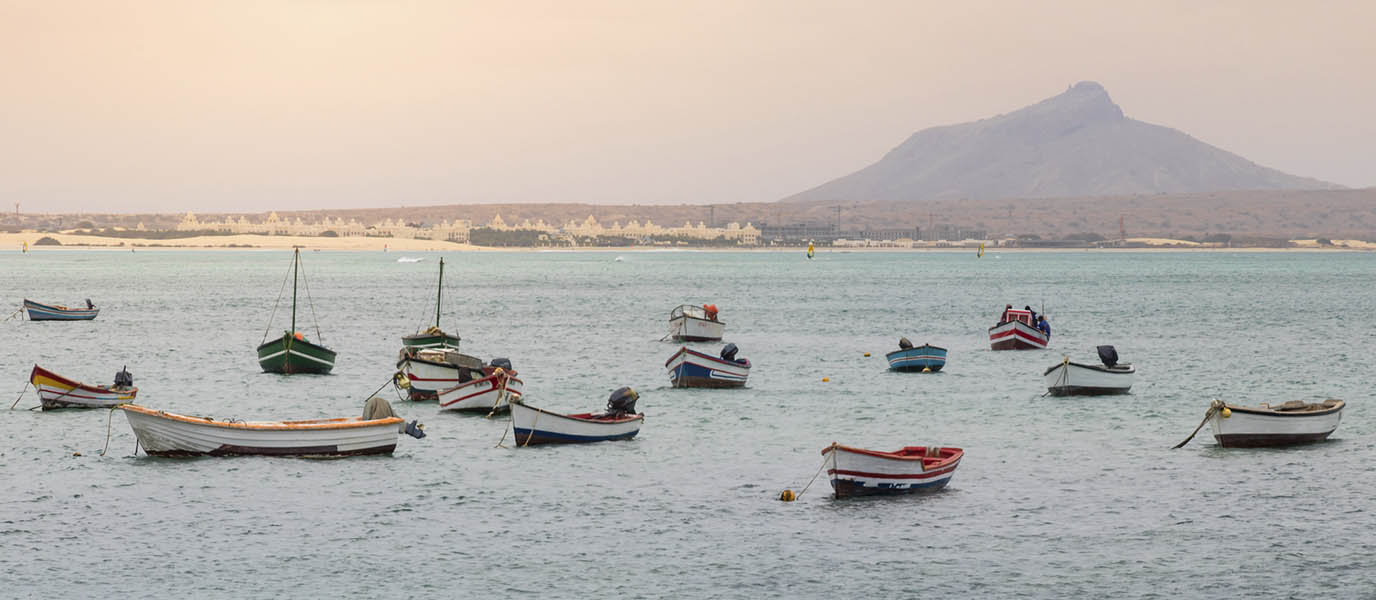
Sal Rei: the capital of Boa Vista, reminiscent of salt and Portuguese colonial heritage
Coveted for centuries for its salt production, this small town built the Forte Duque de Bragança in the 19th century to defend itself from corsairs.
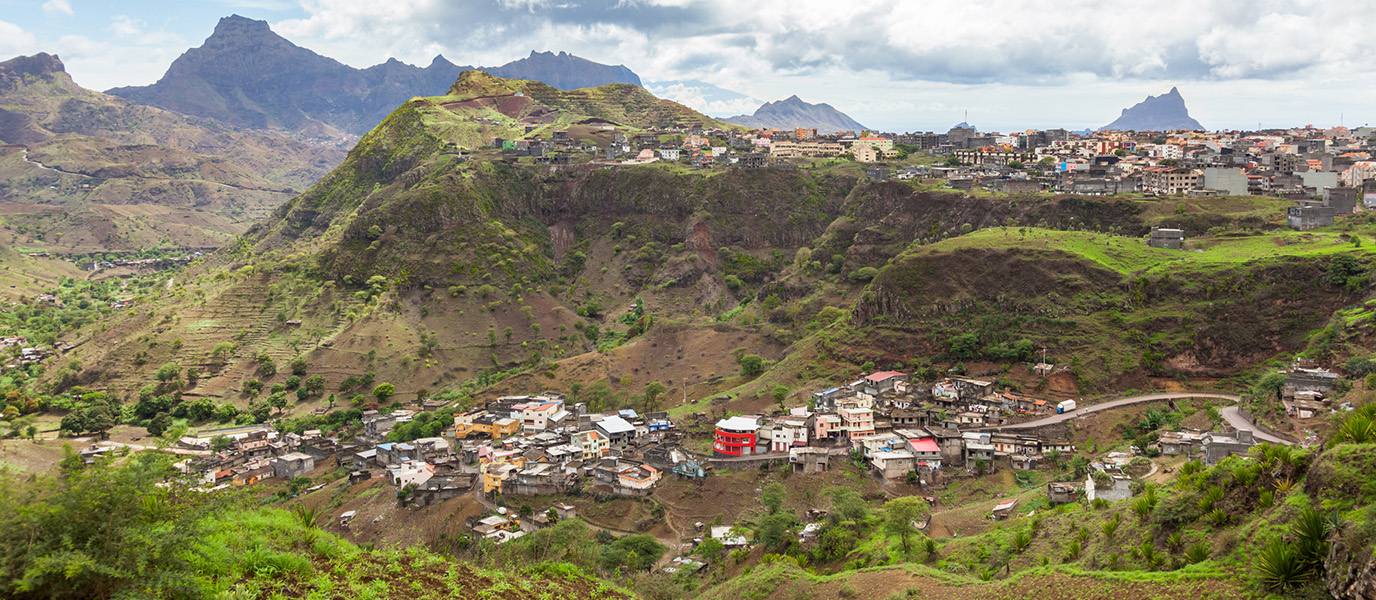
Assomada: where culture shines in Cape Verde
This secluded and lively city on the island of Santiago has a long history and a charming local flavour.
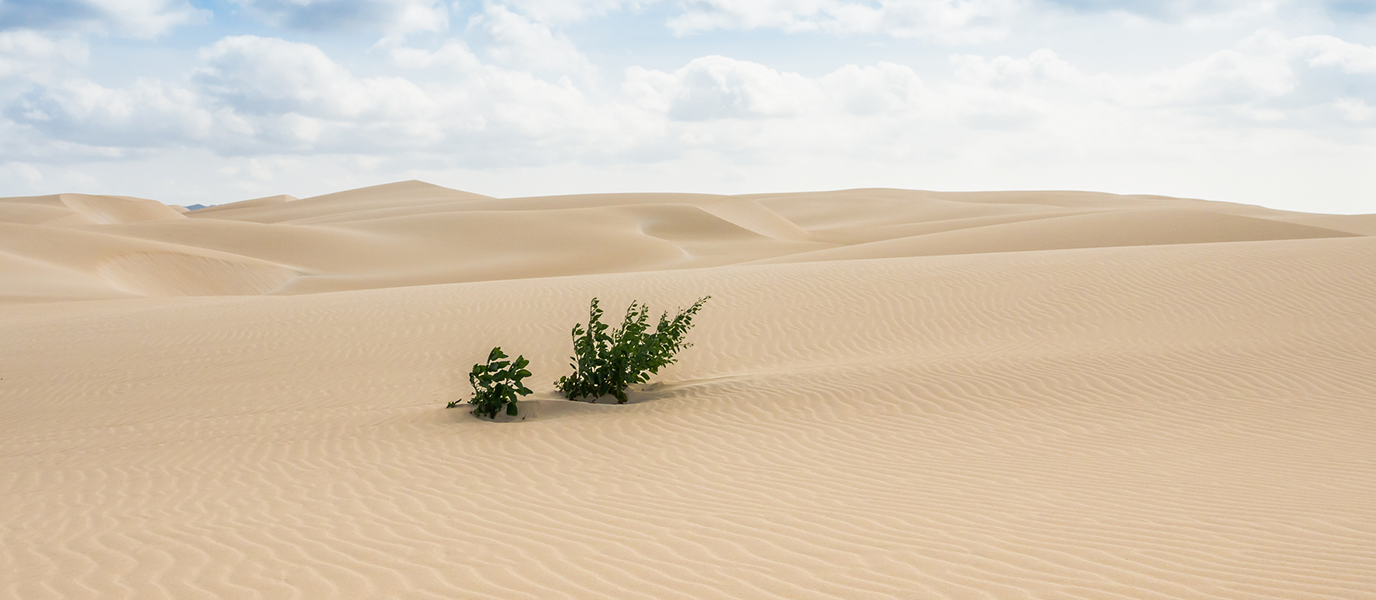
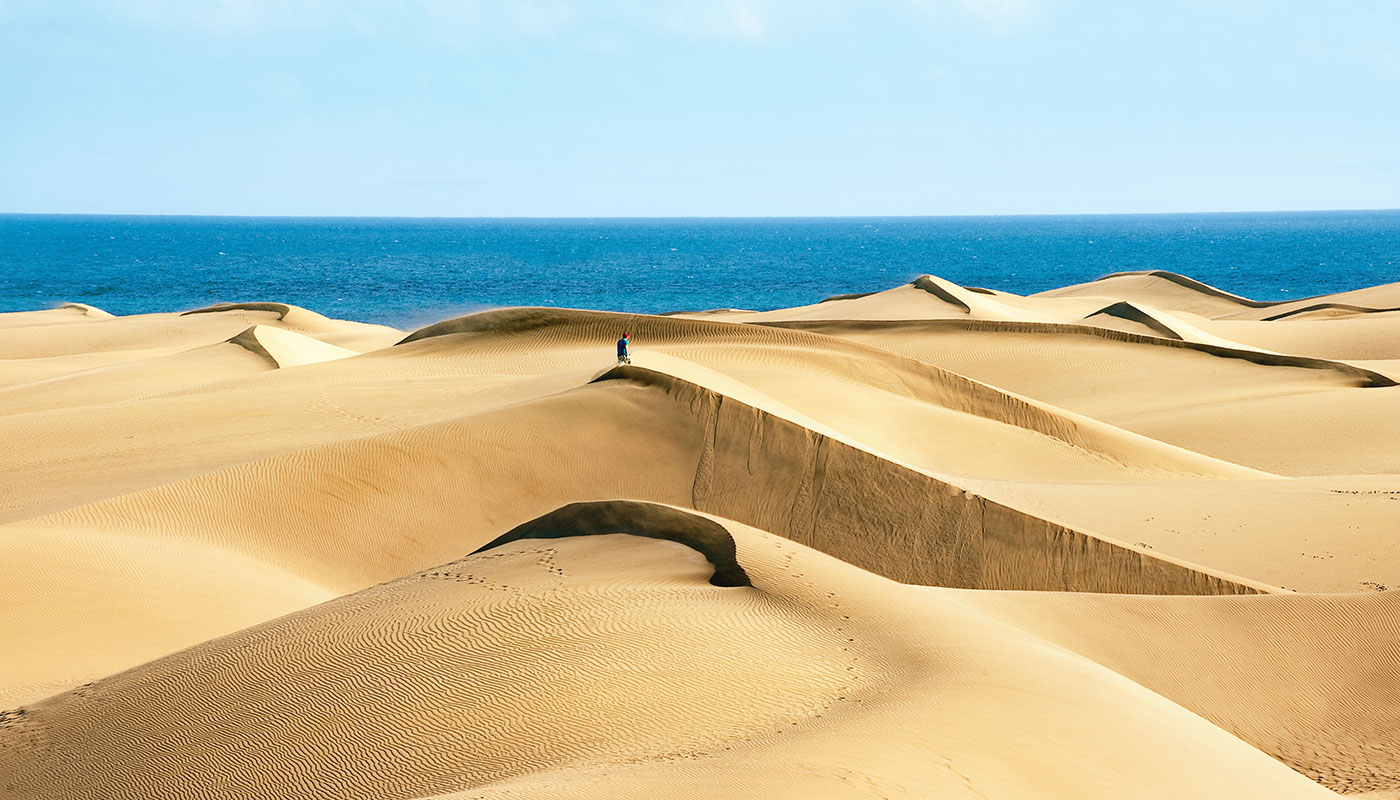
Viana Desert: Cape Verde's sea of white dunes
The trade winds, which have been blowing for centuries, have shaped the sand from the Sahara into a unique landscape in the archipelago that looks like something from another planet.
Find your ideal itinerary
We help you design the best itineraries for your stay in Cape Verde.
Select the area you are staying in and the duration of your trip.
What area will you be in?
How many days?
Discover Cape Verde with our hotels