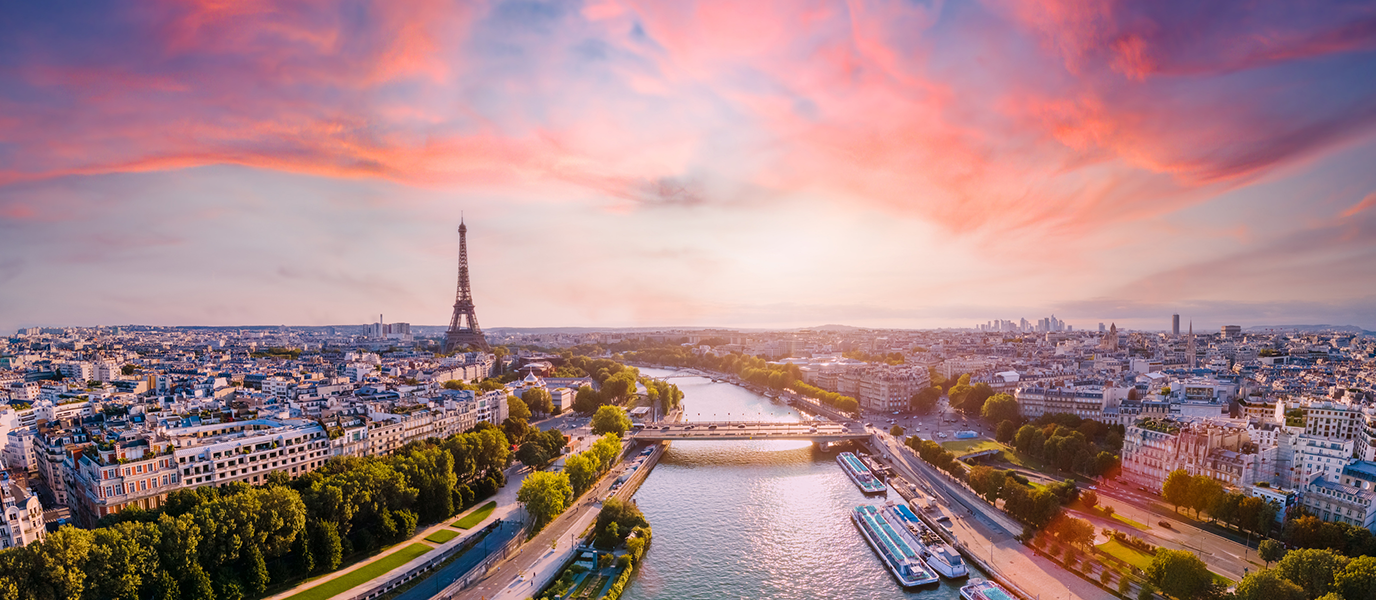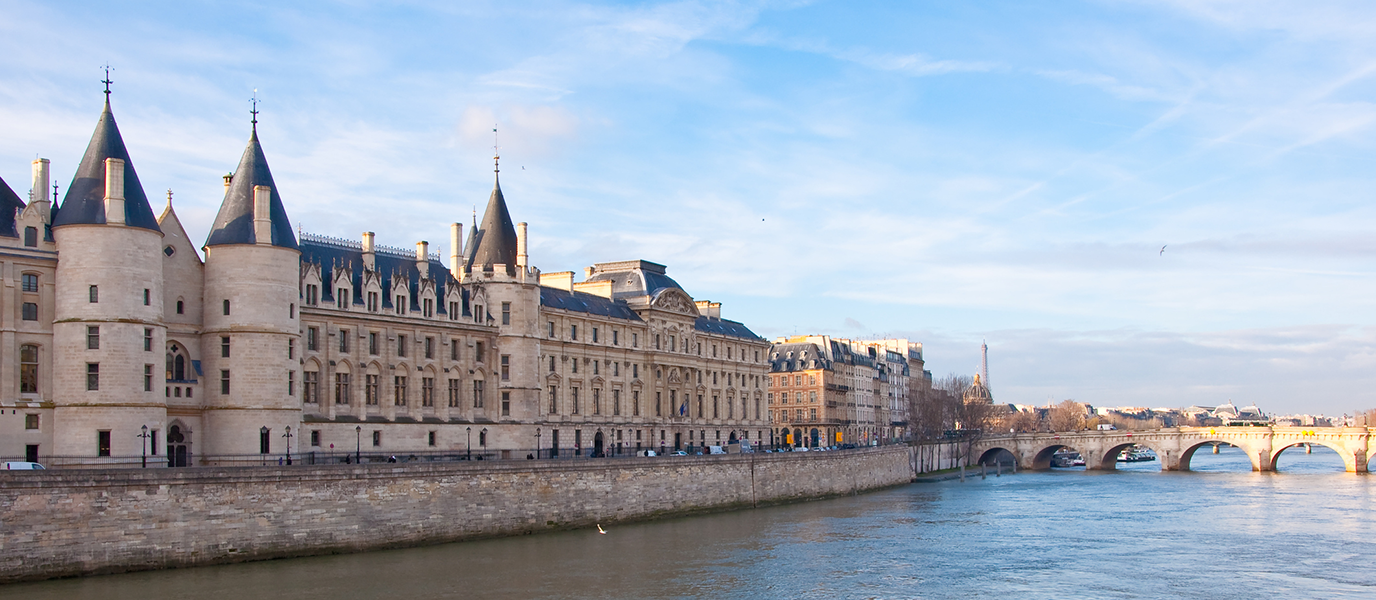
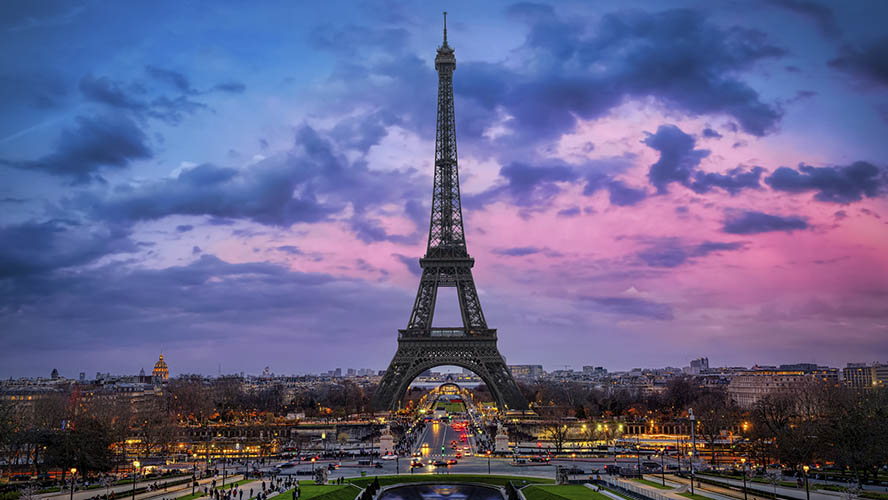










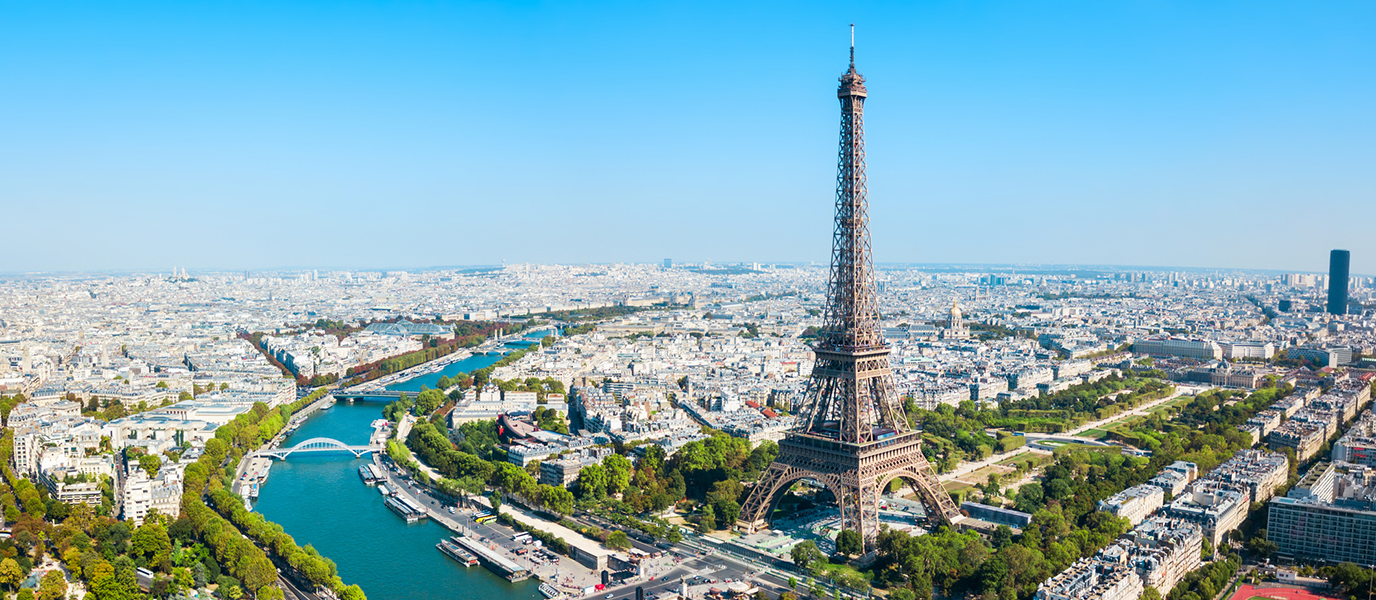
Soaring 330 metres above the Champ de Mars, the Eiffel Tower, Paris’s eternal postcard image, is a manifesto of modernity born to amaze at the 1889 Universal Exhibition and ended up defying time. In its early days, it drew insults and fierce criticism from writers and artists who called it a “metal monster”, but within just a few decades it transformed into a symbol of elegance and progress. From its four legs anchored by the Seine, the tower has seen wars, celebrations and millions of love stories. It’s served as a radio antenna in the First World War, as a scientific lab for wind experiments and even as a landing spot for parachutists. Today, climbing its platforms is like entering a theatre of views that change with every hour of the day, from the soft gold of dawn to the magical twinkle of its 20,000 night-time lights.
- The history of the Eiffel Tower: from scandal to Paris’s eternal emblem
- When it was built: a race against time and critics
- Who built the Eiffel Tower: the engineer who risked his reputation
- Architecture and curious facts: a puzzle of iron and wind
- Visitor information for the Eiffel Tower: opening times, access and practical tips
- What you can do inside the tower: beyond the views
- Best views of the tower in Paris: snapshots to take home
The history of the Eiffel Tower: from scandal to Paris’s eternal emblem
Few structures have been built amid so much noise and controversy as the Eiffel Tower. Its origins date back to the 1889 Universal Exhibition, an event created to commemorate the centenary of the French Revolution and showcase the nation’s technical advances to the world. The project was entrusted to Gustave Eiffel’s company, an engineer who had already stood out for bridges and metal structures of almost surgical precision.
When the model was presented, Paris erupted in protests. A group of artists and writers signed a letter published in Le Temps calling the tower a “monstrous skeleton” that would spoil the city. Even so, construction went ahead. The first stone was laid on 28 January 1887 and, in just 26 months, the tower rose over Paris’s skyline.
Originally, its useful life was supposed to be 20 years, but the arrival of radio and transmission antennas saved it from demolition. In the First World War, it was used as a military communications station, intercepting crucial messages. Over time, the structure that was once mocked became the most photographed icon on the planet, and now welcomes over seven million visitors a year.
When it was built: a race against time and critics
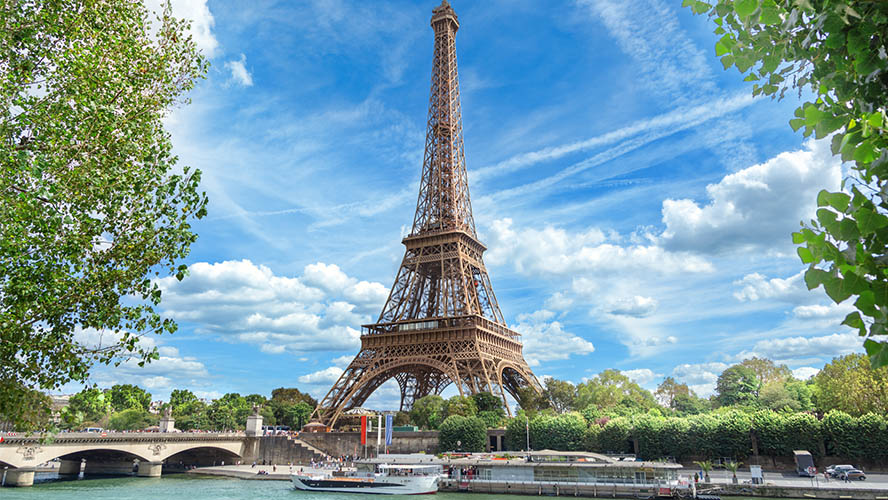
Construction began in 1887 and was completed in March 1889, just in time for the grand opening of the Universal Exhibition. It wasn’t just an aesthetic feat, each of its more than 18,000 metal pieces was prefabricated in a workshop and assembled on site with over two and a half million rivets. It was so precise that the margin of error between pieces never exceeded 0.1 millimetres, something unheard of for the time.
Work advanced at a surprising pace, and four metres of structure went up every week. Workers toiled at dizzying heights without modern harnesses, protected only by belts and ropes. Even so, serious accidents were minimal, something Eiffel highlighted as a triumph of organisation and safety.
Who built the Eiffel Tower: the engineer who risked his reputation
Gustave Eiffel, born in Dijon in 1832, already had a solid career before putting his name to the tower. He had designed metal bridges such as the Garabit Viaduct and collaborated on projects like the internal structure of the Statue of Liberty. But the Eiffel Tower was his most ambitious work, not just for its size but for the personal risk, as he invested some of his own money and took on the operating concession for 20 years.
Eiffel didn’t just sign his name. He personally oversaw the assembly, devised systems to compensate for the metal’s expansion with temperature changes and defended the tower in a memorable speech, comparing it to the great engineering works that had marked every era. By the time the concession ended in 1900, he had more than recouped his investment.
Architecture and curious facts: a puzzle of iron and wind
The Eiffel Tower measures 324 metres including the antennas and weighs around 10,100 tonnes. What’s most surprising is that the iron in its structure isn’t solid, it’s formed of hollow pieces designed to withstand the wind with a flexibility that lets it sway up to 12 centimetres in extreme conditions.
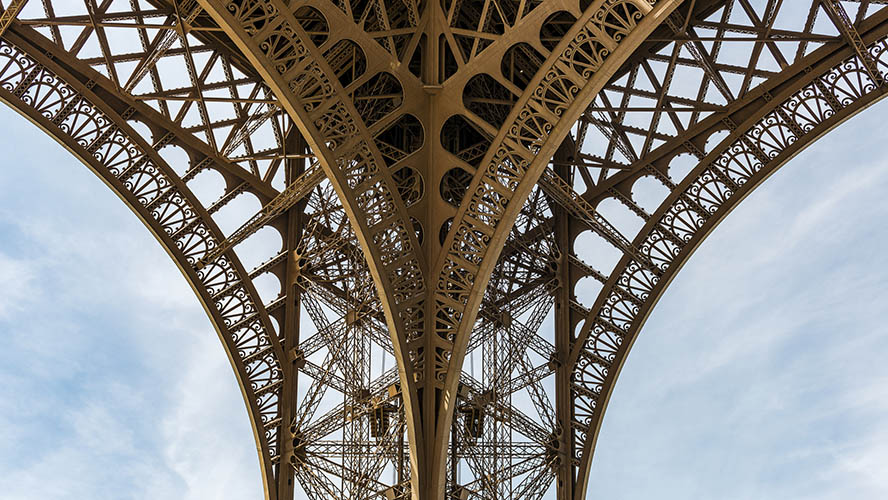
Its colour hasn’t always been the current “Eiffel Tower brown”. Originally it was reddish, then painted yellow and later in a gradient that went from dark brown at the base to lighter at the top. It’s repainted every seven years, in a process that lasts over a year and uses around 60 tonnes of paint.
Among its interesting features is a small private apartment at the top, which Eiffel used to host illustrious guests such as Thomas Edison. Today, this space has been recreated with wax figures and can be seen from an interior walkway.
Visitor information for the Eiffel Tower: opening times, access and practical tips
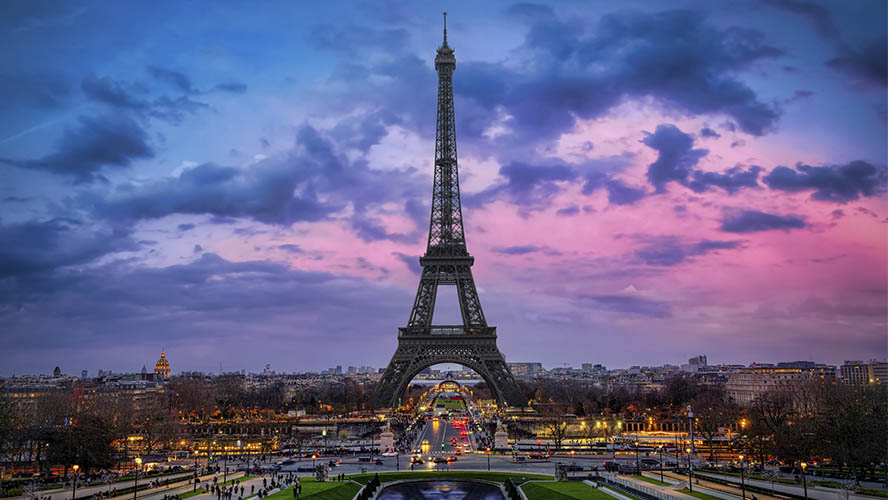
The tower is open almost all year round, from 9:00 to midnight in high season and until 18:30 in winter. The ticket price depends on access, stairs to the second floor (€14.50), lift to the top (€36.10) or combined access (stairs + lift: €27.50). To avoid queues, it’s best to book weeks in advance, especially if you want to go up at dusk when Paris lights up and the tower sparkles with its 20,000 bulbs for five minutes every hour.
The main entrances are at the north end of the Champ de Mars. Security is strict, with bag and backpack checks. You’re allowed to bring water and small snacks, though there are cafés and souvenir shops on every level.
What you can do inside the tower: beyond the views
On the first floor, at 57 metres, there’s a glass floor that lets you walk over the void and see the columns and rivets from a dizzying angle. Here you’ll also find the Madame Brasserie restaurant, serving contemporary cuisine with panoramic windows.
The second floor perhaps offers the best view of Paris, allowing you to see monuments like the Louvre, Les Invalides or Notre Dame up close. This is where the famous Le Jules Verne is located, a Michelin-starred restaurant run by Frédéric Anton, where the dining experience is paired with a sommelier service that matches the menu with champagnes from small French producers.
At the top, at 276 metres, the wind and the silence are striking. Besides Eiffel’s apartment, there’s a small champagne bar, ideal for a toast while the city stretches out like a living map at your feet.
Best views of the tower in Paris: snapshots to take home
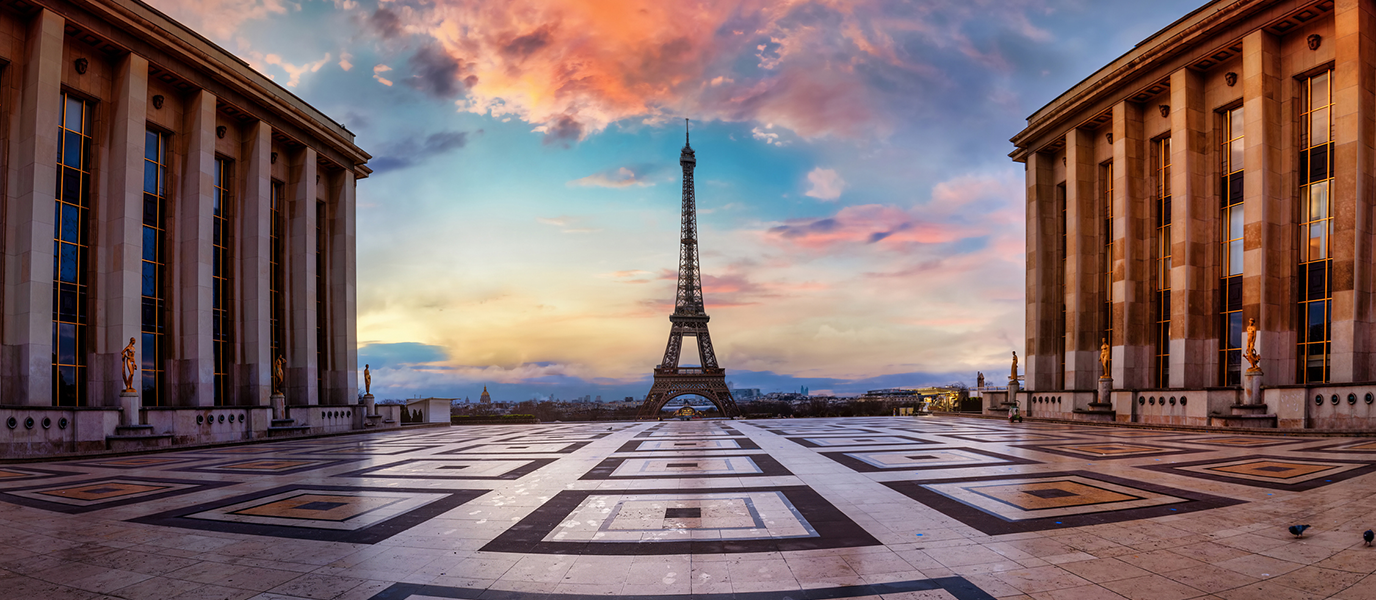
Although going up the tower is a must, seeing it from outside is another experience. Trocadéro offers the most classic framing, especially at sunrise, when the golden light envelops the structure. From Rue de l’Université you get a more intimate perspective, with the tower framed by Haussmann façades.
For a different view, you could take a cruise on the Seine at sunset. From the water, the tower seems to rise from the trees at the Champ de Mars, and when the lights come on, its reflection ripples over the river. Another option is the dome of the Sacré-Cœur Basilica, from where the tower looks like a solitary spire on the Paris horizon.