
























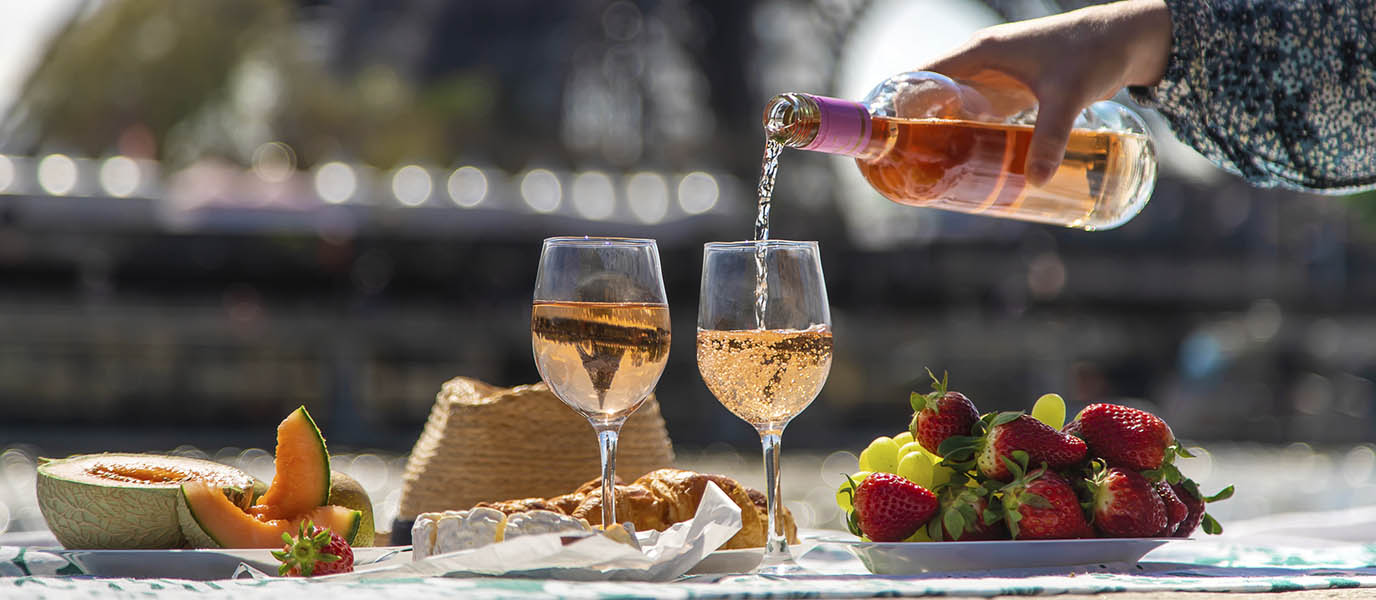
The question isn’t where to eat in Paris, but what. Or how, and above all, for how much. The French capital is one of the world’s epicentres of good food and is home to thousands upon thousands of restaurants.
Many of the best chefs on the planet have trained and continue to train in the kitchens of its finest restaurants. It is in haute cuisine, whose foundations were built by Escoffier and Carême, that the success of French and international haute cuisine is based today.
Paris is therefore one of the best places in the world to enjoy food. Especially if you are willing to pay the price for truly unique experiences. However, with a little patience and a desire to discover and experiment, and by avoiding the most tourist-oriented establishments, you will find options for almost every budget.
In this section, we offer a selection of restaurants ranging from Michelin-starred haute cuisine to fast food and street food joints, including, of course, typical brasseries, bistros and crêperies.
- Recommended areas for eating well in Paris
- Traditional restaurants: bistros and brasseries
- The best restaurants in Paris
- Budget options and street food
- Tips for booking and avoiding tourist traps
Recommended areas for eating well in Paris
When looking for somewhere to eat in Paris, especially somewhere good, it is best to avoid crowded establishments in the most visited areas. First and foremost, because the quality may not match the price, and also to avoid endless queues. However, even in the most touristy arrondissements, you will find great options.
Le Marais
The gastronomic district par excellence of historical Paris. In its large restaurants and, sometimes, small establishments with just a few tables, many of these new chefs experiment with ingredients and flavours before going on to make a name for themselves in French haute cuisine’s famous guides.
Examples include the terrace-restaurant at the Carnavalet Museum, the crêperie Tycoz, the entertaining options at Casa Loca and Aldehyde’s tribute to Tunisian cuisine.
Latin Quarter-Saint Michel
You absolutely must have lunch or dinner at one of the lively terraces in what is probably the liveliest neighbourhood in Paris. However, tourist traps are commonplace, especially when it comes to paying the bill.
Therefore, it is best to play it safe, at restaurants such as the Japanese Wadon Izakaya, the gourmet Le Christine and Bistro des Livres, and the surprising Finnish food at Café Maa.
Saint-Germain des Pres
Neighbouring the previous district, this area is home to highly recommended establishments such as Shiro, with its French-Japanese fusion cuisine; the bistro-style Sauvage; Rech, specialising in fish and bearing the stamp of Alain Ducasse, one of the greats of contemporary French cuisine; and Tina, a pleasant tapas bar.
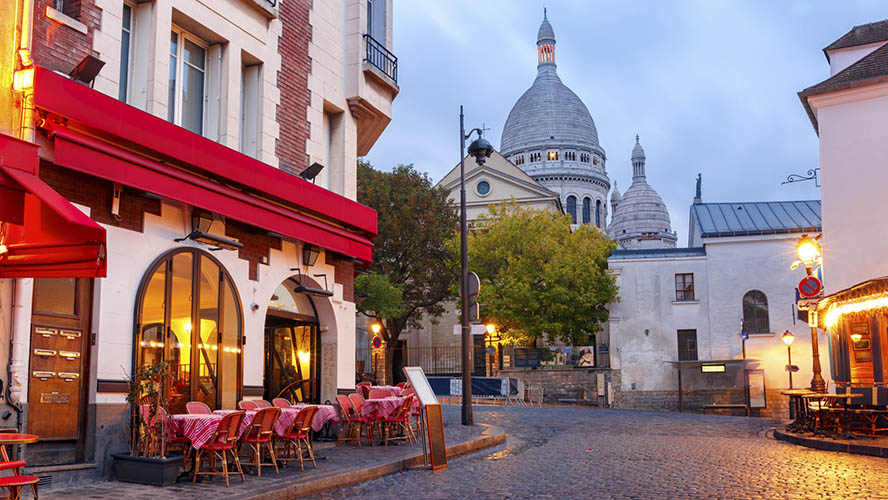
Montmartre-Pigalle
In the early twentieth century the world’s finest artists settled in this area, and thousands of tourists flock here every day looking to trace their footsteps. Thanks to this, restaurants and bars, some of dubious quality, have proliferated.
Fortunately, however, there are always pleasant exceptions. One of them is Chez Marguerite, with its menu filled with French classics. You will also find the Italian restaurant Bistrotto, the innovative Le Boréal, and the Mediterranean cuisine of Sosso.
Louvre-Rivoli
This stately neighbourhood, the epicentre of French culture and luxury shopping, is also home to some of the city’s best restaurants and accommodation. Naturally, it’s not an area for all budgets, including when it comes to dining. In return, quality and creativity are guaranteed.
One good option is the sumptuous French cuisine menu at Nolinski Paris, or the deeply moving food of chef Clémet Vergeat at his restaurant Tracé, as well as the vegetarian cuisine with lots of cheese at Maslow, on the banks of the Seine, or the intimate and gourmet Nhome, by chef Matan Zaken, with space for only 20 diners.
Champs-Élysées
Beyond shopping, the Champs-Élysées is a great place to eat in Paris. Prices, however, can sometimes be sky-high. Unsurprisingly, many of the restaurants awarded stars by the prestigious Michelin Guide are located around the city’s main avenue.
Whether or not they have been awarded this recognition, it is always worth finding a table at restaurants such as Bonne Table, which is committed to social responsibility and integration; Réséda Café, in the Grand Palais, bearing the seal of chef Thierry Marx; and Origine, for only the most gourmet diners.
Montparnasse
Nearly everyone comes to this area for shopping, for its artistic vibe, and to enjoy the views from the Montparnasse Tower. But it is also a great place to eat, sometimes even at reasonable prices.
Options include places such as Papalito, open from breakfast to dinner and specialising in Latin American cuisine, the contemporary menu at Capsule, the Moroccan tea room Maison Ambré, and Binchotan with its chargrilled dishes.
Canal Saint-Martin
Close to Place de la République, outside of the main tourist zone, this area specialises in fine dining, with shops selling French specialties and delicacies from around the world. There are also numerous restaurants, boulangeries, patisseries, crêperies and sandwich shops to delight all types of diners.
Examples include Le Café A terrace, the unexpected Jamaican cuisine at Oh My Jerk, dim sums paired with cocktails at Wukong The Grand Master, the Martha Paris store (with tastings), and the new bistro-style Fugue.
Traditional restaurants: bistros and brasseries
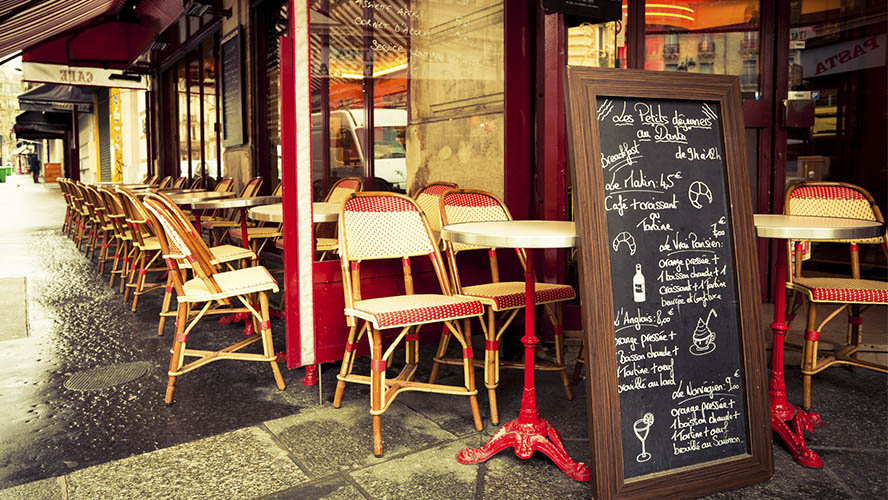
Brasseries and bistros are the most popular (and most obvious) places to eat in Paris. Sooner or later, anyone visiting the city ends up sitting down at a table in one of them, preferably outside, where they can watch the lively Parisian life go by. Here is a small selection of the many countless options that are available.
Brasserie des Prés (6 C. du Commerce Saint-André)
Located in the Latin Quarter, its menu ranges from French classics to more contemporary dishes, based on simple but well-executed cuisine. The terrace, which is almost always very busy, is perfect for enjoying the area’s atmosphere.
Bistro des Lettres (53 Boulevard Saint-Germain)
In the heart of Saint-Germain des Prés, this bistro is known for its relaxed, literary ambience. It is the perfect setting for cuisine based on traditional recipes, perfect for both lunch and dinner.
Bofinger (5-7 Rue de la Bastille)
A Parisian institution, this Alsatian-style restaurant has been serving sauerkraut, sausages and beer in a spectacular Art Nouveau dining room for over a century. Located very close to the iconic Place de la Bastille.
Le Vieux Bistrot (54 Rue Mouffetard)
Located on one of the liveliest streets in the Latin Quarter, this is a classic bistro. The traditional decor, the tightly packed tables and the classic dishes make for an authentic Parisian experience, the perfect place to share a meal and take your time.
Bellanger (140 Rue du Faubourg Poissonière)
With a retro feel inspired by the grand brasseries of the early twentieth century, it offers a selection of affordable and varied dishes. A great place to stop at when visiting the northern districts of Paris.
L’Alsace (39 Avenue des Champs-Élysées)
Open 24 hours a day, this brasserie is a classic located on the city’s most famous avenue. Specialising in seafood and Alsatian dishes, it is also perfect for breakfast or a slice of cake at any time of day.
Le Bistro des Augustins (39 Quai des Grands Augustins)
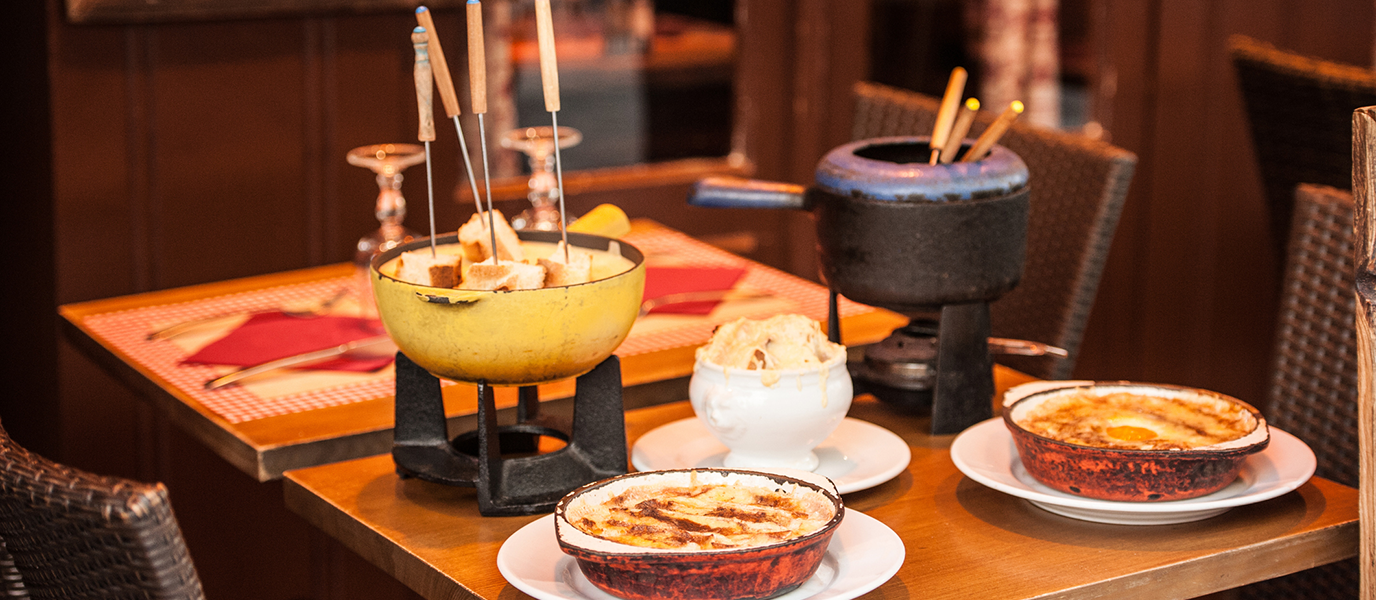
Small, cosy and overlooking the Seine, this bistro is a stone’s throw from Notre Dame. Its homemade gratins (baked dishes) are very popular and the simple, pleasant atmosphere invites you to linger.
Bistro Victoires (6 Rue de la Vrillière)
A stone’s throw from the Palais Royal and the Stock Exchange, this bistro is known for its reasonable prices and generous menu featuring typical Parisian cuisine. All this in a classically decorated setting with an atmosphere that is almost always bustling.
The best restaurants in Paris
Among the best dining options in Paris is Bistrot Laurel, the restaurant at the Occidental Paris Levallois hotel, which specialises in contemporary French cuisine with a significant dose of sophistication. All this in a very pleasant, even intimate atmosphere. You can round off your meal, either before or after, with something from the wine list and other drinks served at Le Bar.
Additionally, below are some of the most renowned restaurants in Paris, awarded both by publications and the specialised press and users:
Epicure (112 Rue du Faubourg Saint-Honoré)
One of the great treasures of Parisian haute cuisine. Its classic dining room, opening onto a carefully tended garden, provides the perfect setting for a precise and extremely elegant culinary experience. Every dish that comes from the hands and mind of chef Éric Frechon is a truly unparalleled experience.
L’Ambroisie (9 Place des Vosgues)
This restaurant represents the quintessence of French haute cuisine. Bernard Pacaud creates classic, technically perfect dishes that seduce even the most discerning palates. All in a very aristocratic setting.
Alléno au Pavillon Ledoyen (8 Avenue Dutuit)
In the gardens of the Champs-Élysées stands this historic nineteenth-century pavilion, transformed by Yannick Alléno into the perfect setting for his audacity and creativity. The menu is the result of constant research into flavours.
Pierre Gagnaire (6 Rue Balzac)
Just a stone’s throw from the Champs-Élysées, this restaurant embodies the chef’s poetic and avant-garde vision. Here he creates constantly evolving cuisine, with unexpected creations served in a contemporary, elegant dining room.
Arpège (84 Rue de Varenne)
A place of worship for fans of plant-based cuisine, of which chef Alain Passard is a self-confessed admirer. In a sober and contemporary space, the visionary chef offers his delicate cuisine, with ingredients that largely come from his own biodynamic gardens.
Le Pré Catelan (Bois de Boulogne)
This refined restaurant, housed in a Belle Époque mansion in one of the largest and most distinctive green spaces in Paris, is a pleasant surprise. With this backdrop, it makes perfect sense to have a menu in which vegetables, organic produce and incredible presentation take centre stage.
Budget options and street food
Although it may not be obvious and can even be exhausting, it is possible to eat in Paris at more or less reasonable prices, though not exactly on the cheap. You will find several fast food chains, sandwich shops, crêperies and all kinds of international cuisine, from Chinese to Mexican and from Turkish to the usual American hamburger joints. Below are a few suggestions.
Burger & Fries (95 Boulevard Saint-Germain)
A burger joint but with a distinctly French style. One of its attractions is that it is open until 2 a.m.
Faste-Croque Monsieur Paris ((52 Rue du Faubourg Saint-Martin)
Specialising in French-style sandwiches, with plenty of cheese and béchamel sauce. Fillings include pastrami, ham, vegetables and much more.
L’As du fallafel (34 Rue des Rosiers)
With a name like that, there are few surprises when it comes to what you can eat here. However, the quality and the fact that it is located in the heart of the Le Marais district may surprise a few.
Chez Nicos (44 Rue Mouffetard)
Generous crêpes and galettes, both in terms of size and the amount of filling. Very close to the Curie Museum and the Grand Mosque of Paris.
Au P’tit Grec (66 Rue Mouffetard)
A successful restaurant serving pitas and crêpes filled with a wide variety of ingredients, almost all of which are healthy and very Mediterranean, at reasonable prices, considering you are in Paris.
Tips for booking and avoiding tourist traps
Whenever possible, it is best to book on the restaurant’s own website, avoiding dubious websites with suspicious intentions. This is especially important if you decide to go at least 24 hours in advance. Reservations can also be made by phone. In this case, you may be asked for a debit/credit card number to cover part of the cost of a no-show.
In certain touristy areas, passers-by are literally accosted by restaurant touts, who invite and accompany potential customers to their tables. To do this, they make promises about the prices and dishes that are not reflected in the bill or in the culinary expectations they raise.
In this case, as always, common sense prevails: before sitting down at a restaurant table, be sure to ask for the menu, take a look at what other customers are eating and order according to your tastes and budget.
Before paying the bill, check that there are no hidden charges. Such as use of the bathroom or terrace service (unless specified on the menu). Officially, a 15 per cent service charge is included in the bill. As for tips, they should always be a courtesy from the customer, never imposed by the establishment, as it is also illegal to set a fixed amount.