












What to see in Germany

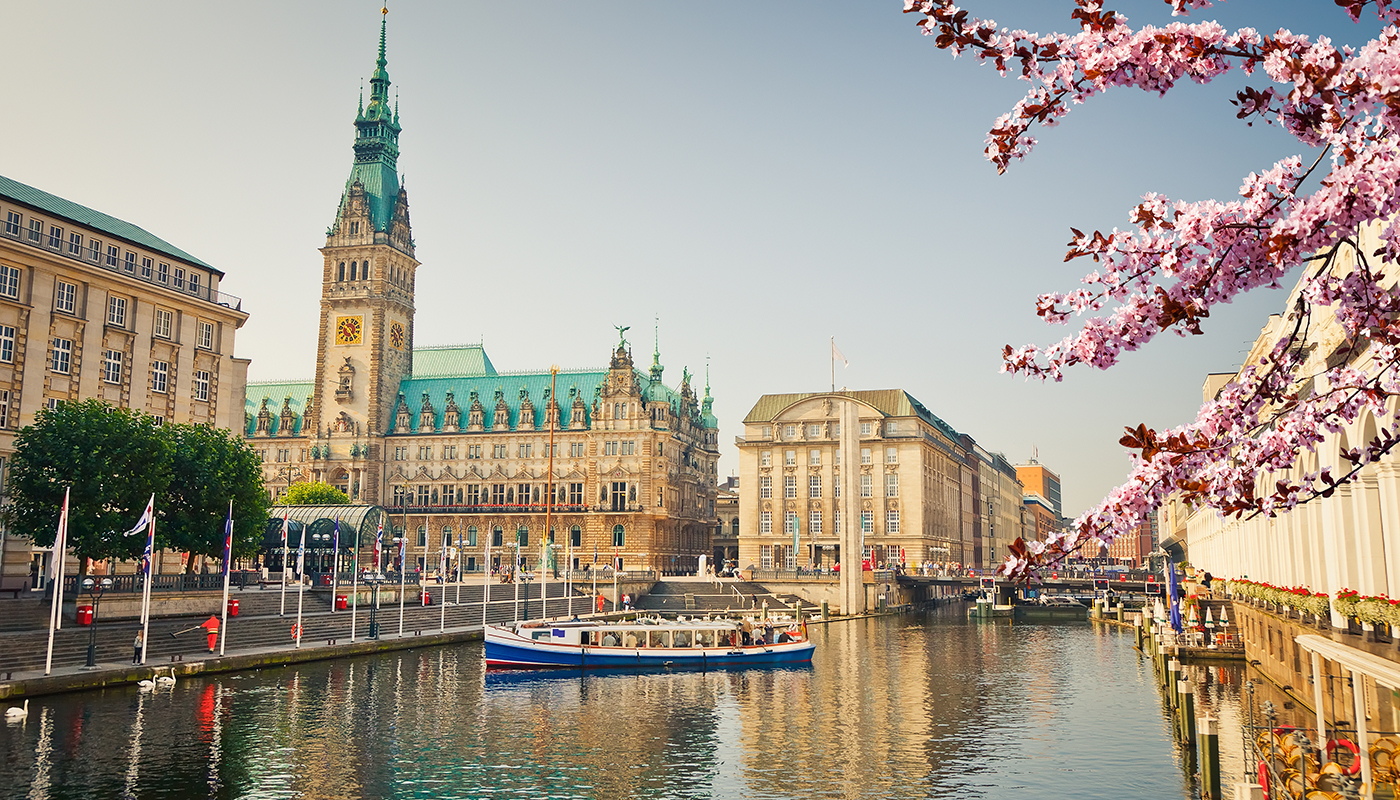
What to see in Hamburg, the extraordinary “Venice of the north”
Framed by the rivers Elbe, Alster and Bille, the old Free Hanseatic City of Hamburg is now a favourite destination with tourists, flooded with colour and nature.
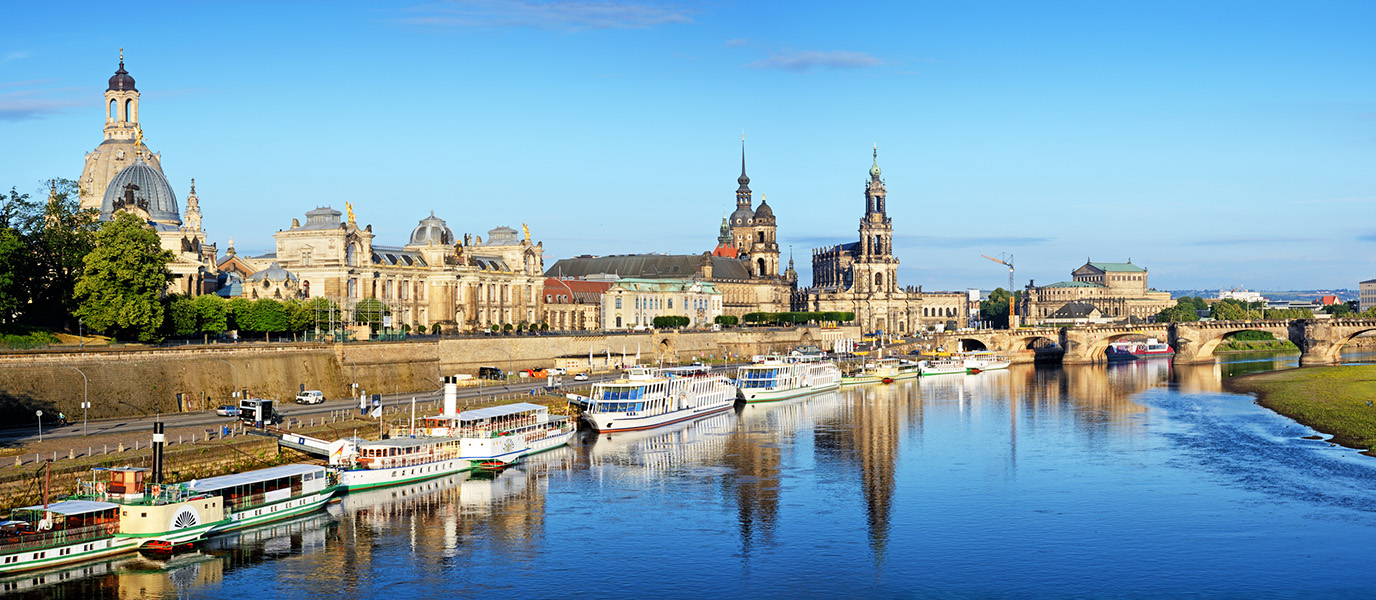
Things to see in Dresden: the city's Baroque splendour that rose from the ashes
The capital of Saxony is impressive with its beautiful monuments, meticulously reconstructed after it was destroyed in World War II, and iconic Baroque architecture such as the Frauenkirche and Zwinger Palace.
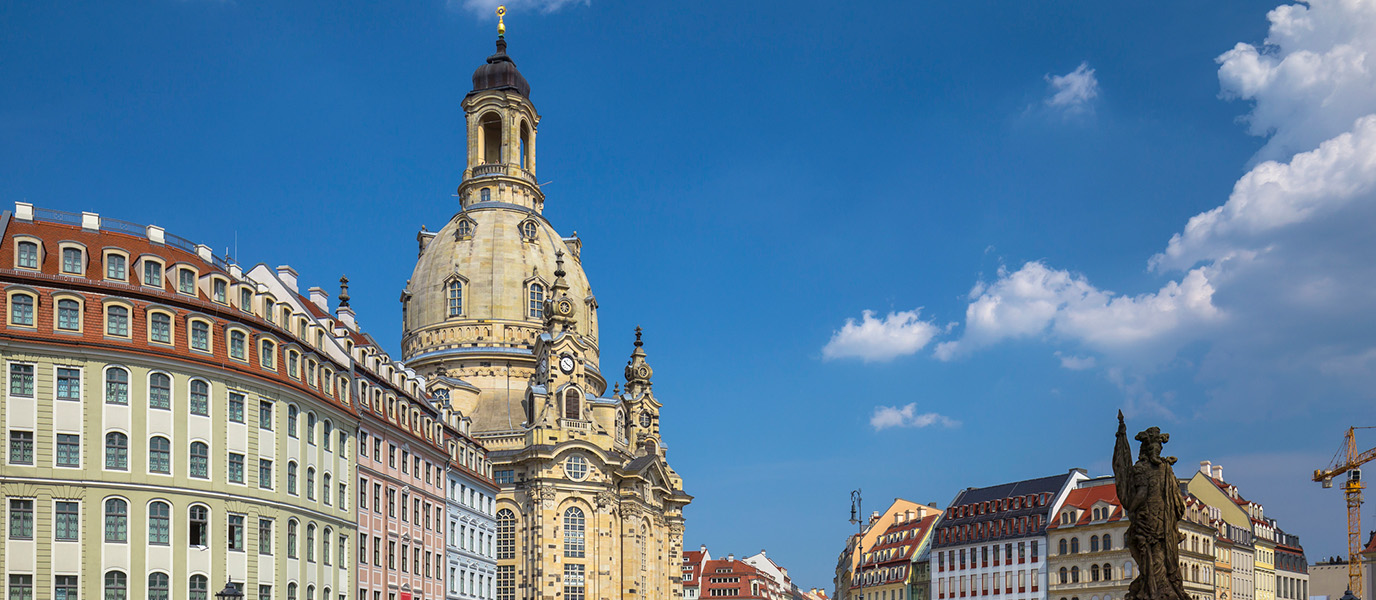
Frauenkirche Dresden: the great stone dome symbolising the city’s resilience
Reborn after 50 years in ruins due to bombing during World War II, this Baroque church is the emblem of the Saxon capital and offers unbeatable views from the top of its magnificent dome.

Things to see in Leipzig, the most cultural and vibrant city in Saxony
The city famous for Bach and Goethe combines an interesting historical heritage with a youthful creative and cultural scene that began with the 'Peaceful Revolution' that challenged communism and is felt in the Plagwitz neighbourhood.
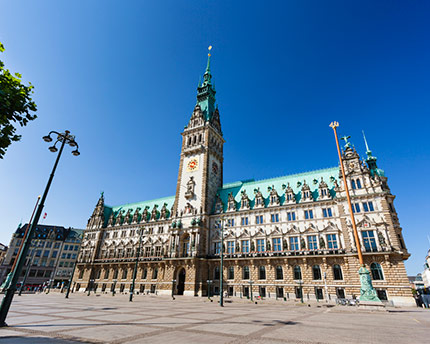
Hamburg City Hall, a historical marvel
The Hamburg City Hall is not only the seat of the Senate and Parliament, it's also a stunning and must-see building in the city.
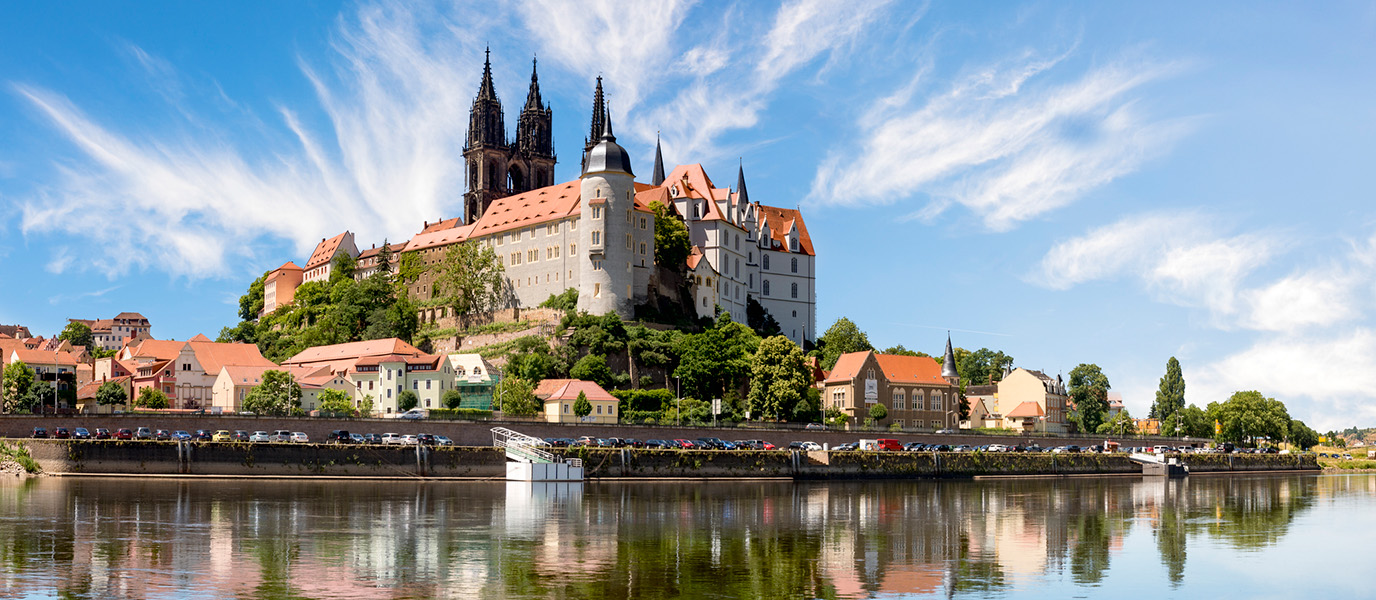
Meißen: the charming town of “white gold” on the river Elbe
The birthplace of Saxony boasts historical treasures such as Albrechtsburg, Germany's oldest castle, and the Meißen State Porcelain Factory, where porcelain began to be made in Europe 300 years ago.
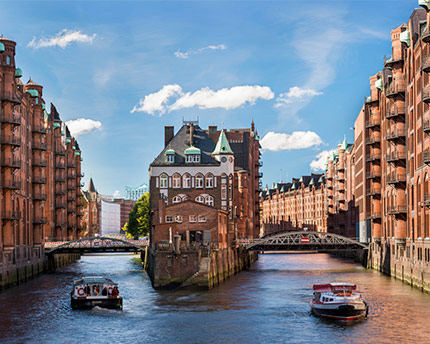
Speicherstadt, a tour of the warehouse district
Hamburg's former port warehouse district, Speicherstadt, is the largest warehouse complex of its kind in the world. We’ll tell you about its history and the best way to explore it.
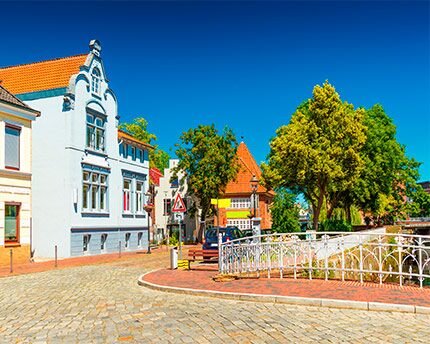
Buxtehude, the Village of Fairy Tales
Muy cerca de Hamburgo se encuentra Buxtehude, una pequeña y encantadora ciudad histórica de la época hanseática que merece la pena visitar.
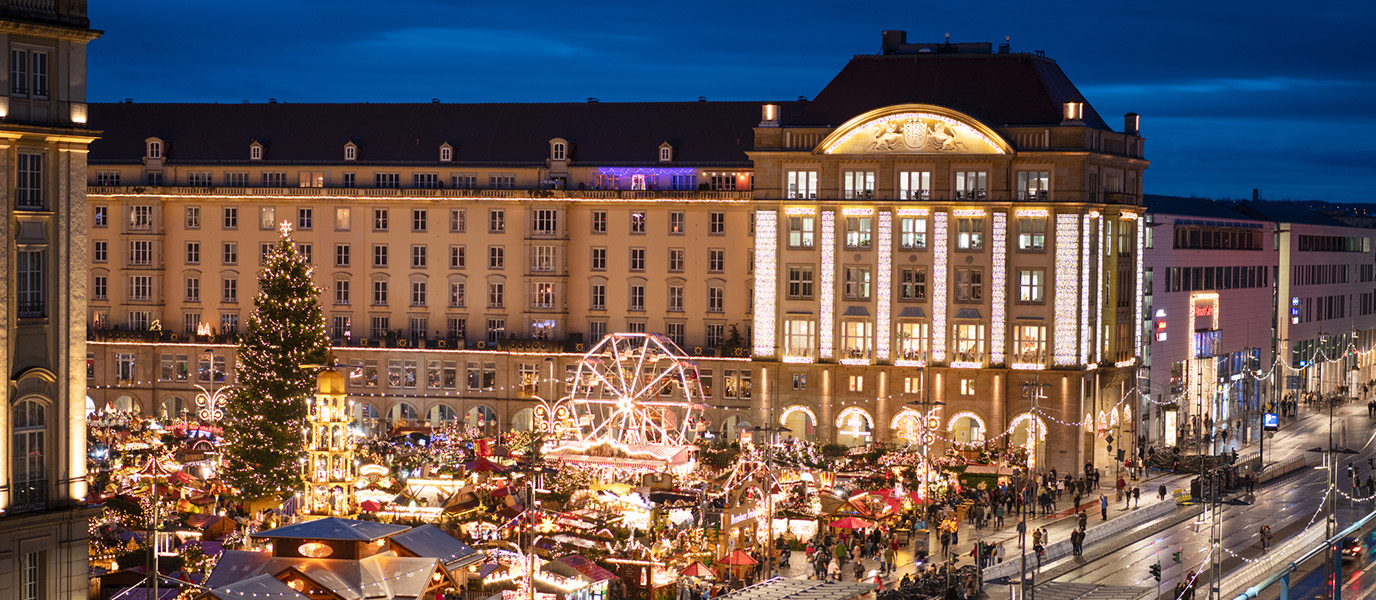
Christmas in Dresden, the European capital of the festive spirit
Nowhere is the European spirit of the Christmas season felt more strongly than at the Striezelmarkt, the oldest Christmas market in Germany and probably the world.
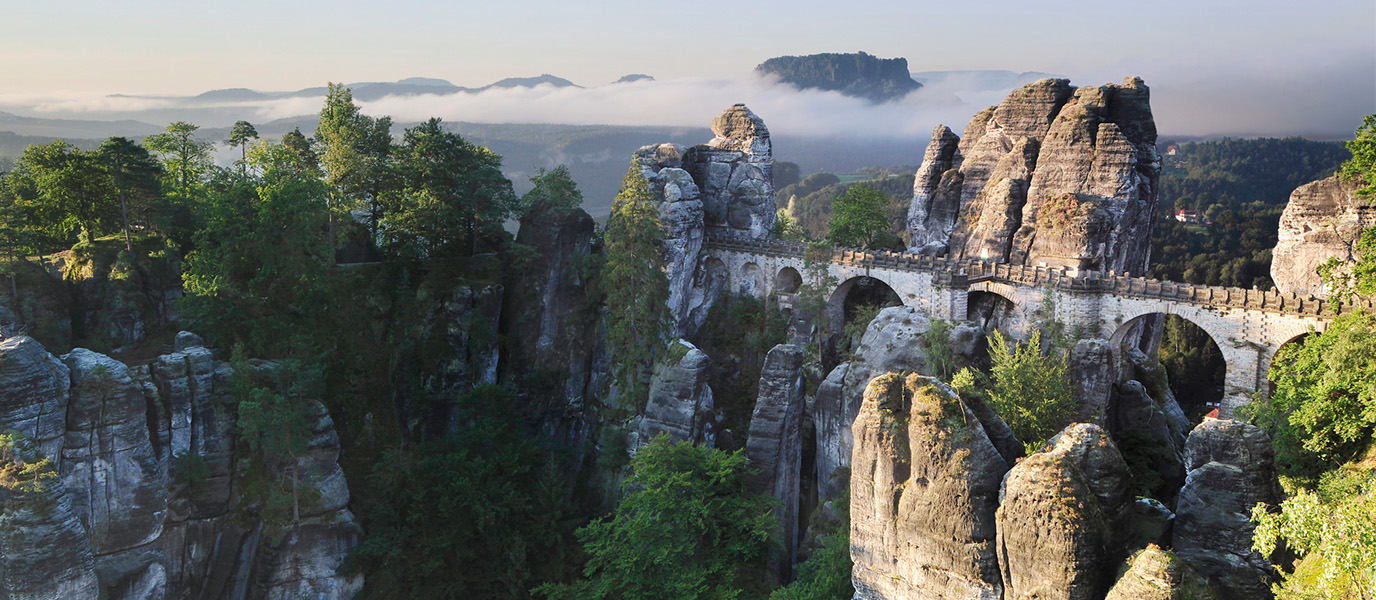
Saxon Switzerland National Park: the landscape that enchanted German Romantic painters
Hiking the famous Malerweg or “Painters’ Way” will make you feel like the famous wanderer on the sea of clouds in Caspar David Friedrich's painting.
Find your ideal itinerary
We help you design the best itineraries for your stay in Germany.
Select the area you are staying in and the duration of your trip.
What area will you be in?
How many days?