



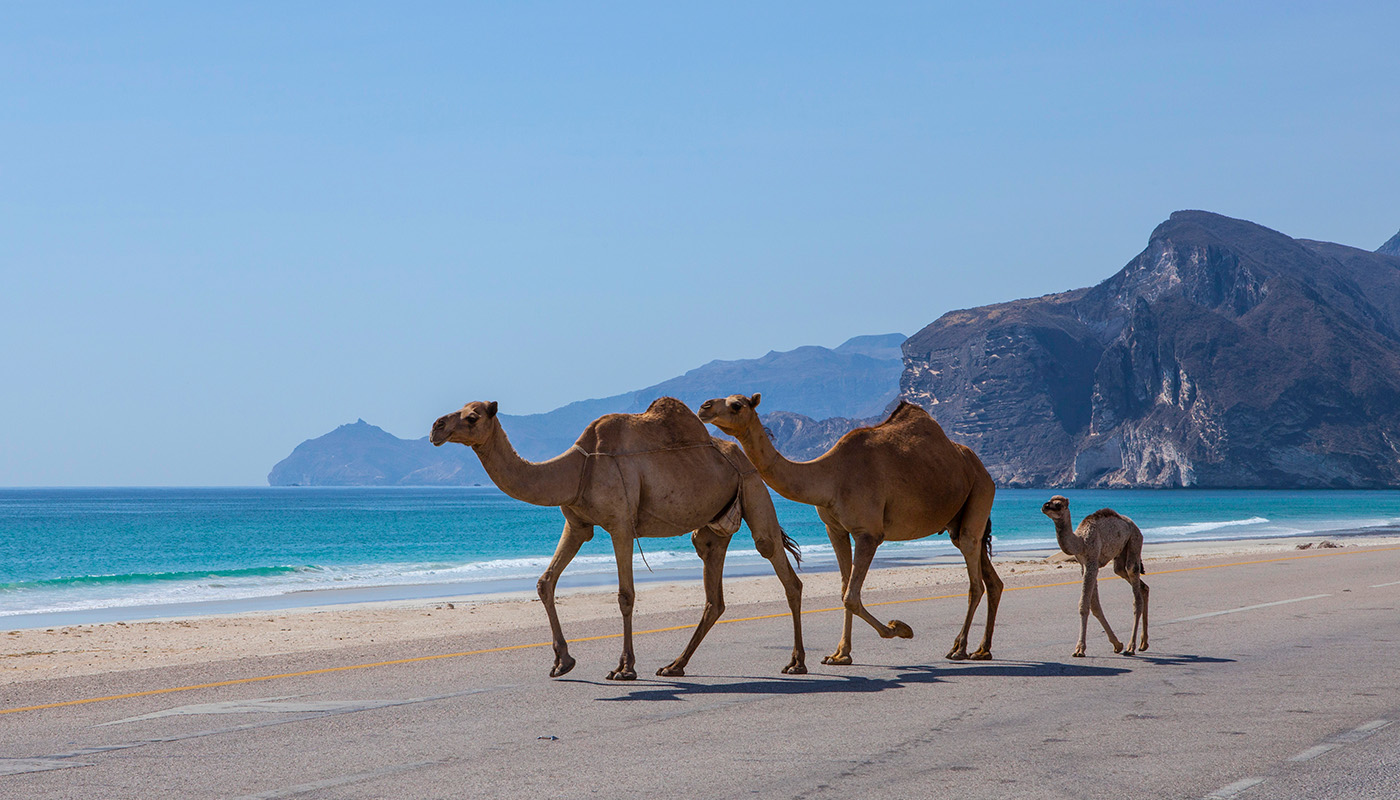









In the heart of the Arabian Peninsula, Oman emerges as an undiscovered treasure, where history intertwines with golden desert dreamscapes, movie-like oases and a culture rooted in tradition. From the bustling streets of Muscat to the towering peaks of Jebel Shams or the endless desert of Wahiba Sands, every corner of this country offers a fascinating history and indescribable beauty. Join us on a journey through Oman, where adventure and wonder await you at every turn.
- Muscat
- Salalah
- Nizwa
- Khasab
- Wadis in Oman
- Wahiba Sands
- Bahla Fort
- Jebel Shams Mountains
- Bimmah Sinkhole
Muscat
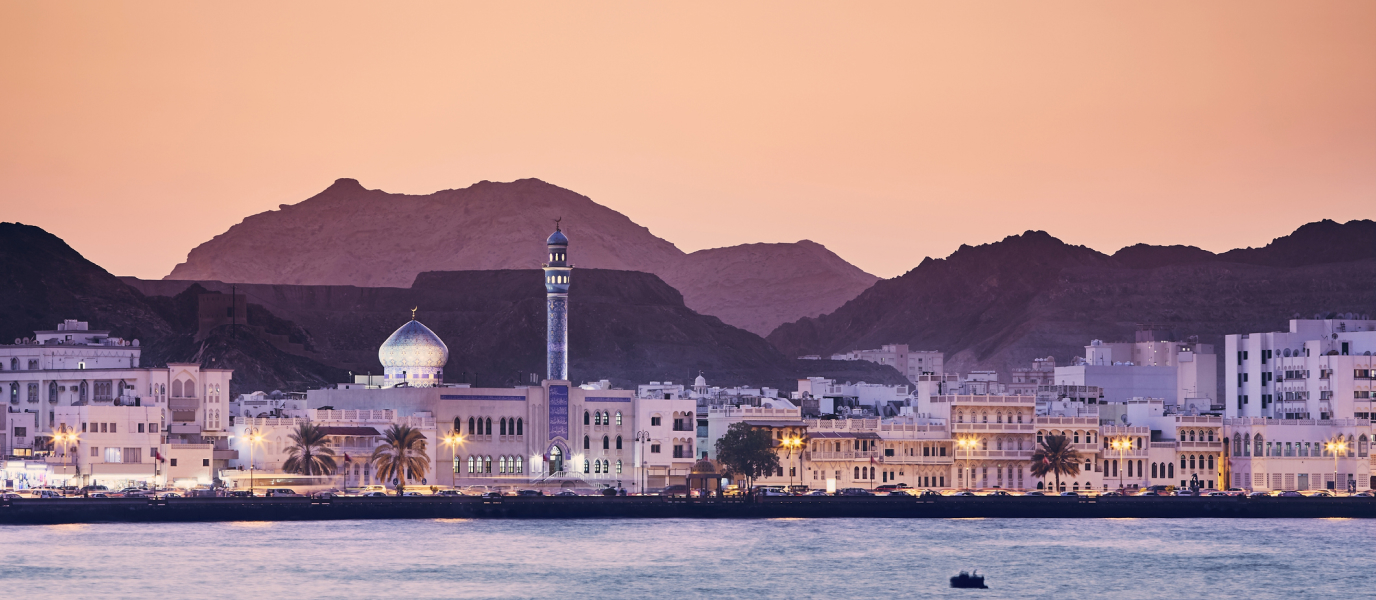
Oman’s capital, Muscat, is much more than a modern city in the style of Dubai or other Arabian capitals; it’s a melting pot of history and tradition. Founded in the 8th century, Muscat has witnessed centuries of trade and culture and was an important enclave on the maritime trade routes between Asia, Africa and Europe. Not surprisingly, it remained under Portuguese rule between the 16th and 17th centuries. Here, every alleyway tells a unique story. Let everything from the imposing and colourful Al Alam Palace, the official residence of Sultan Haitham, to the bustling Muttrah souk, where the scent of incense, a symbol of the country extracted from the resin of an indigenous tree, envelop you in a wonderful world, alongside the vibrant colours. Be sure to walk along the Corniche, a delightful promenade that runs the length of the bay against a backdrop of white facades and minarets, or visit the Sultan Qaboos Grand Mosque, an architectural masterpiece that will take your breath away with its magnificence and splendour, reflecting the country’s religious devotion and grandeur.
Salalah
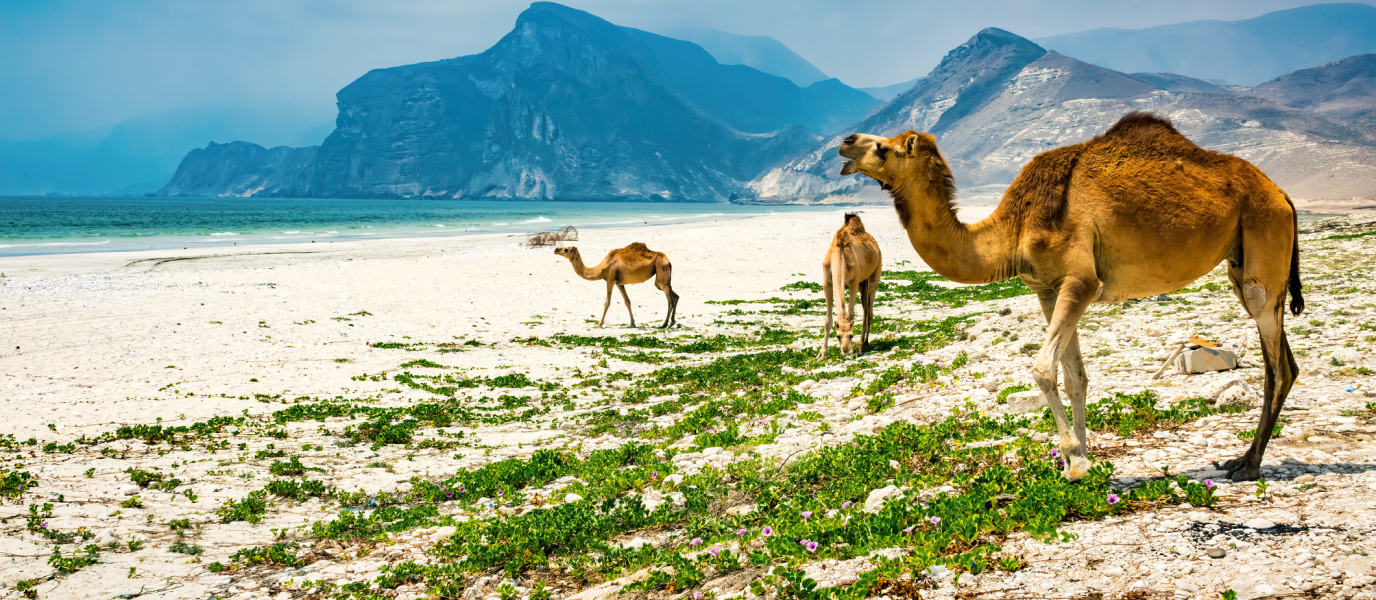
At the southern tip of Oman, Salalah stands like an oasis in the middle of the desert, with its lush greenery and white sandy beaches bathed by the crystal-clear waters of the Indian Ocean. The city has its roots in the ancient Dhofar civilisation and has been an important trading hub since ancient times, due to its strategic location on the Indian Ocean trade routes. Explore the ancient port of Al-Baleed, where the past of the incense trade merges with the present amongst ruins up to 4,000 years old, and immerse yourself in the region’s rich history at the Salalah Museum. Don’t miss the annual monsoon festival, or Khareef as the locals call it, when between July and September the rains transform the arid landscape into a sea of green, a phenomenon that has shaped the culture and life in this region for centuries.
Nizwa
Nizwa, the ancient capital of Oman, is a historical treasure waiting to be discovered. Founded in the 6th century, Nizwa has been an important political, religious and cultural centre over the centuries, serving as the capital of the Omani Emirate for much of its history. From its imposing 17th-century fortress, an example of traditional Islamic architecture, to its bustling souk, where traders offer a variety of traditional products and local handicrafts, every alleyway in this city has a unique story to tell. Also worth a visit is Nizwa’s livestock market, where local farmers buy and sell goats, sheep, cows, camels and other animals. Journey back in time as you explore the ruins of Nizwa and discover the country’s rich cultural heritage, which has left a lasting mark on this historic city.
Khasab
Located in the Musandam region, Khasab is a paradise for nature and adventure lovers. Known as the “Norway of Arabia” for its spectacular fjords and sheer cliffs, this region offers a range of exciting activities, from cruises through the Musandam fjords to diving and snorkelling excursions in crystal-clear waters. Khasab has been an important commercial and strategic enclave throughout history, due to its location on the Strait of Hormuz, a vital maritime trade route between the Persian Gulf and the Indian Ocean. Immerse yourself in the natural beauty of Khasab and discover a world of wonders to explore, where history and nature merge in a breathtaking spectacle.
Wadis in Oman
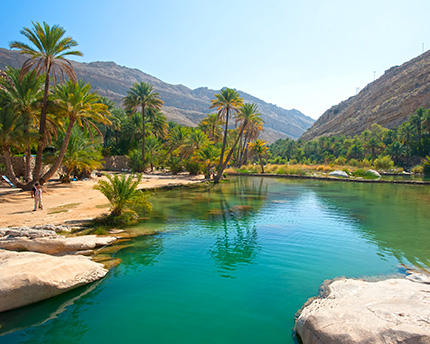
The wadis, natural oases in the middle of the desert, are the lifeblood of Oman. From the breathtaking Wadi Shab, where waterfalls and natural pools invite you to plunge into their turquoise waters, to the tranquil Wadi Bani Khalid, known for its breathtaking scenery and peaceful atmosphere, each wadi offers a unique experience. Wadis have played an important role in Omani life throughout history, serving as water sources and gathering places for local communities. Embark on an adventure and discover the hidden beauty of Oman in its most spectacular wadis, where nature awaits you with open arms.
Wahiba Sands
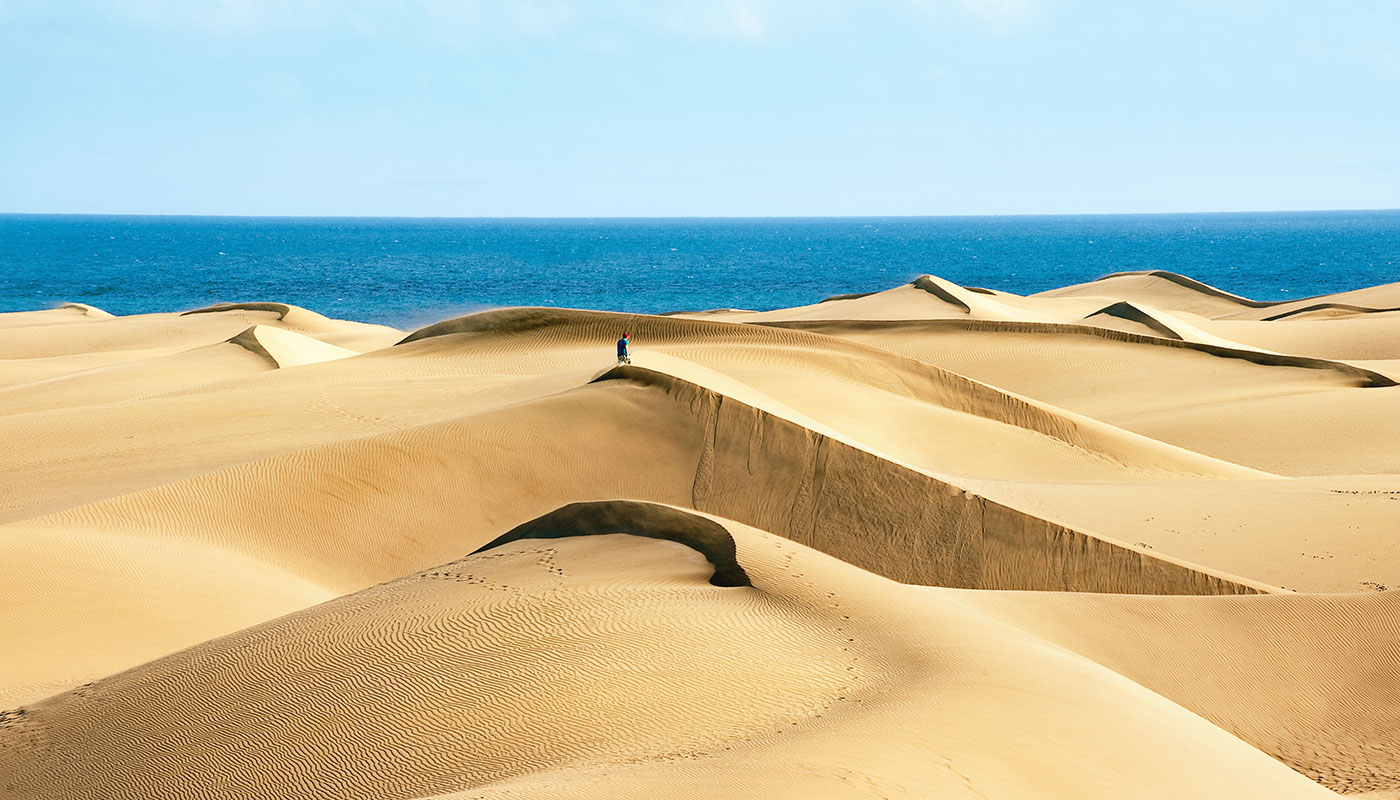
In the heart of Oman’s desert, Wahiba Sands rises like a sea of golden dunes, where adventure awaits at every turn. From thrilling camel rides to exhilarating sandboarding sessions, this vast desert offers a variety of activities to satisfy the most daring of visitors. Wahiba Sands has been populated by Bedouin tribes for centuries, who have developed a unique way of life adapted to the harsh desert conditions. In addition, the desert is home to a wealth of wildlife that has adapted to the environment, including gazelles and desert foxes as well as various species of snakes and scorpions. Experience the magic of the desert and discover the true essence of Oman at Wahiba Sands, where time seems to stand still and nature reigns supreme.
Bahla Fort
A silent witness to centuries of history, Bahla Fort, one of the most magnificent forts in Oman, stands majestically in the desert, a masterpiece of Islamic architecture listed as a UNESCO World Heritage Site. Built in the 13th century, the fort has been witness to many historical events and has played an important role in defending the country for centuries. Several tribes that ruled the region in later periods, such as the Nabhani, Yarubi and Busaidi tribes, passed through the fort, restoring and expanding the castle. Designed to withstand long periods of siege, the fort, although now empty, has many rooms for storing provisions and other rooms that served as a library, mosque, Koranic school and prison. Surrender to the grandeur of Bahla Fort and discover Oman’s enduring legacy, reflected in this impressive stone fortress.
Jebel Shams Mountains
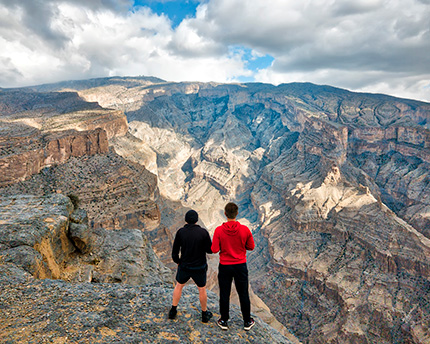
Known as the “Grand Canyon of Arabia”, at 3,028 metres, Jebel Shams is the highest point in Oman and offers spectacular views of the mountainous landscape, which stretches as far as the eye can see. Jebel Shams has been an important religious and cultural centre throughout history, serving as a place of pilgrimage for followers of Islam and as a refuge for local communities. Set off on an exciting trekking excursion and take in the magnificence of nature from high above. From sheer cliffs to deep ravines with a drop of over 1,100 metres, every step will take you closer to the heart of the Jebel Shams Mountains, where the grandeur of nature will take your breath away.
Bimmah Sinkhole
In the middle of the Omani desert, the Bimmah Sinkhole stands like an oasis of serenity, a natural pool of turquoise water some 40 metres in diameter surrounded by rocky cliffs. The Bimmah Sinkhole is a testament to the power and beauty of nature, formed by the erosion of the land over thousands of years, although the Omani legend has it that it was formed by a meteorite impact. Take a dip in its refreshing waters and soak in the tranquillity of the surrounding landscape. Its turquoise waters, several metres deep, appear to come from the sea, which lies just a few kilometres from this desert area, a three-hour drive south of Muscat. Explore the mysteries of the Bimmah Sinkhole and discover Oman’s hidden beauty in this stunning natural phenomenon, which has captivated travellers and locals alike for centuries.