




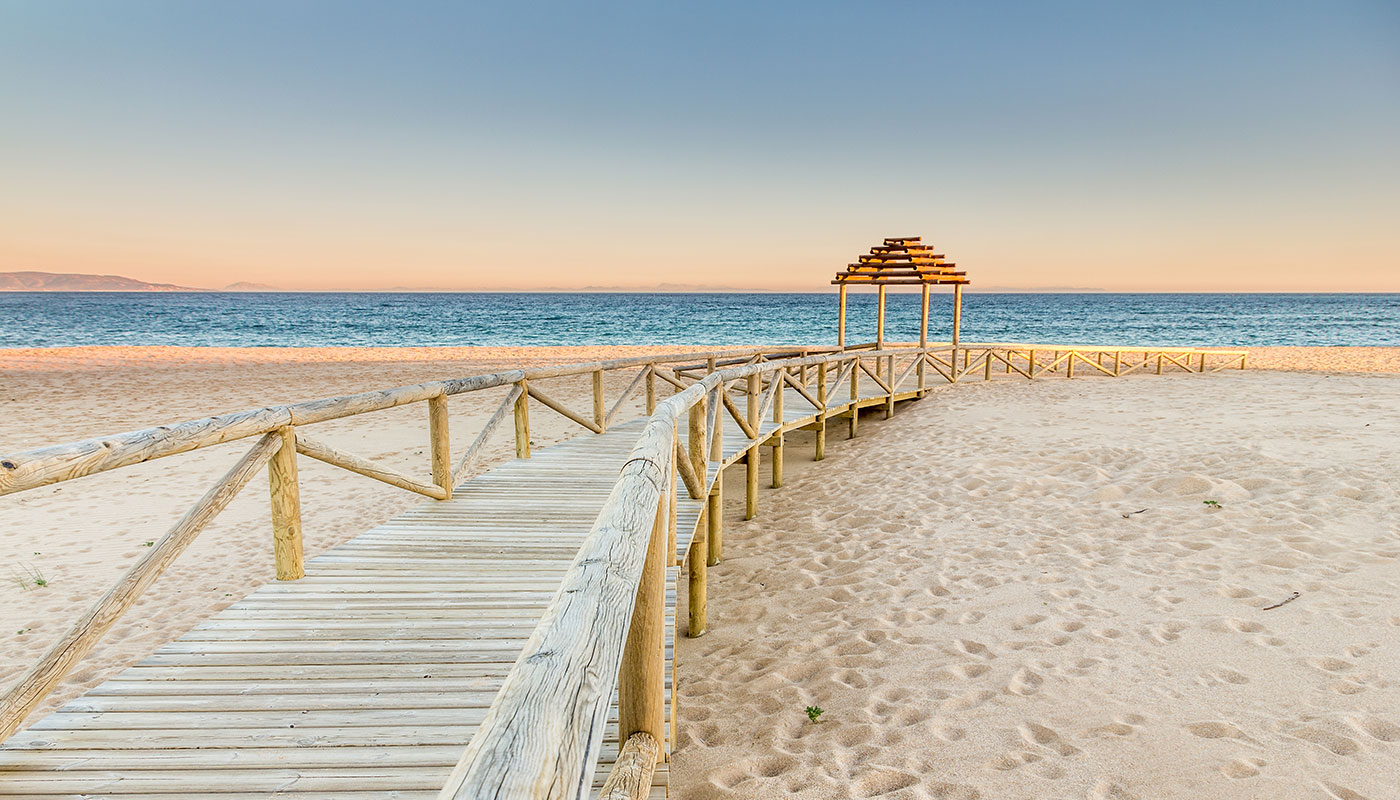






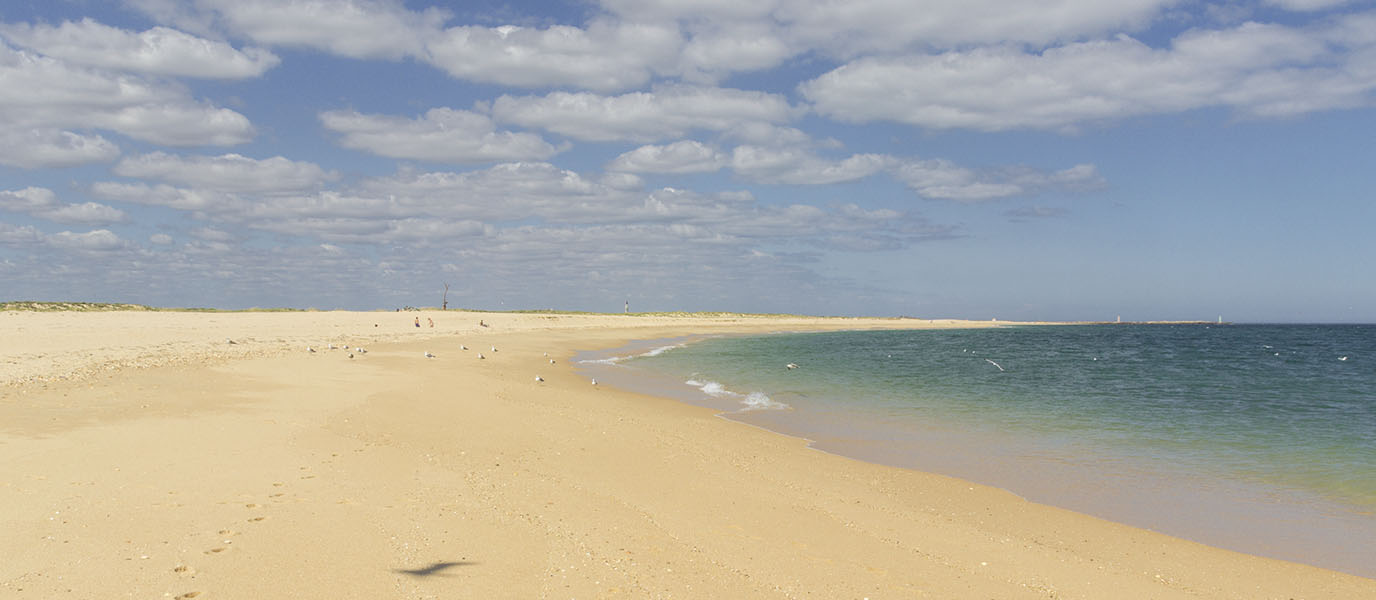
Not all paradises are made to be stayed in. Some exist only to be discovered, contemplated in silence and then left behind, like walking away from a dream you know you can’t inhabit. Such is Ilha Deserta, also known as Ilha Barreta: a stretch of white sand, dunes, salt and wind in the middle of the Ria Formosa, opposite the city of Faro. There are no streets, no houses, no cars. Just a wooden walkway tracing the island’s soul and takes you to where the continent ends and the invisible begins. Ilha Deserta isn’t a place to visit as a destination: it’s more like returning to a forgotten idea of what is essential.
- Natural context: an uninhabited islet resisting the advance of tourism
- How to get to Ilha Deserta from Faro: a short boat trip to a dreamlike landscape
- Things to do on your visit: a two-kilometre walk along a walkway through a unique landscape
- The beaches of Ilha Deserta: a wild and intimate encounter with the Atlantic
- There are places to eat on Ilha Deserta: a restaurant that merges with the landscape
- Tips and useful information for enjoying an unspoilt place without disturbing it
Natural context: an uninhabited islet resisting the advance of tourism
Ilha Deserta is part of the Ria Formosa Natural Park, a vast network of waterways, marshes, sandbanks and islets stretching for around 60 kilometres along the Algarve coast, between the beaches of Garrão (Loulé) and Manta Rota (Vila Real de Santo António). This coastal lagoon was declared a natural park in 1987 and is considered one of the most important wetlands in Europe, both for its biodiversity and its role in coastal protection.
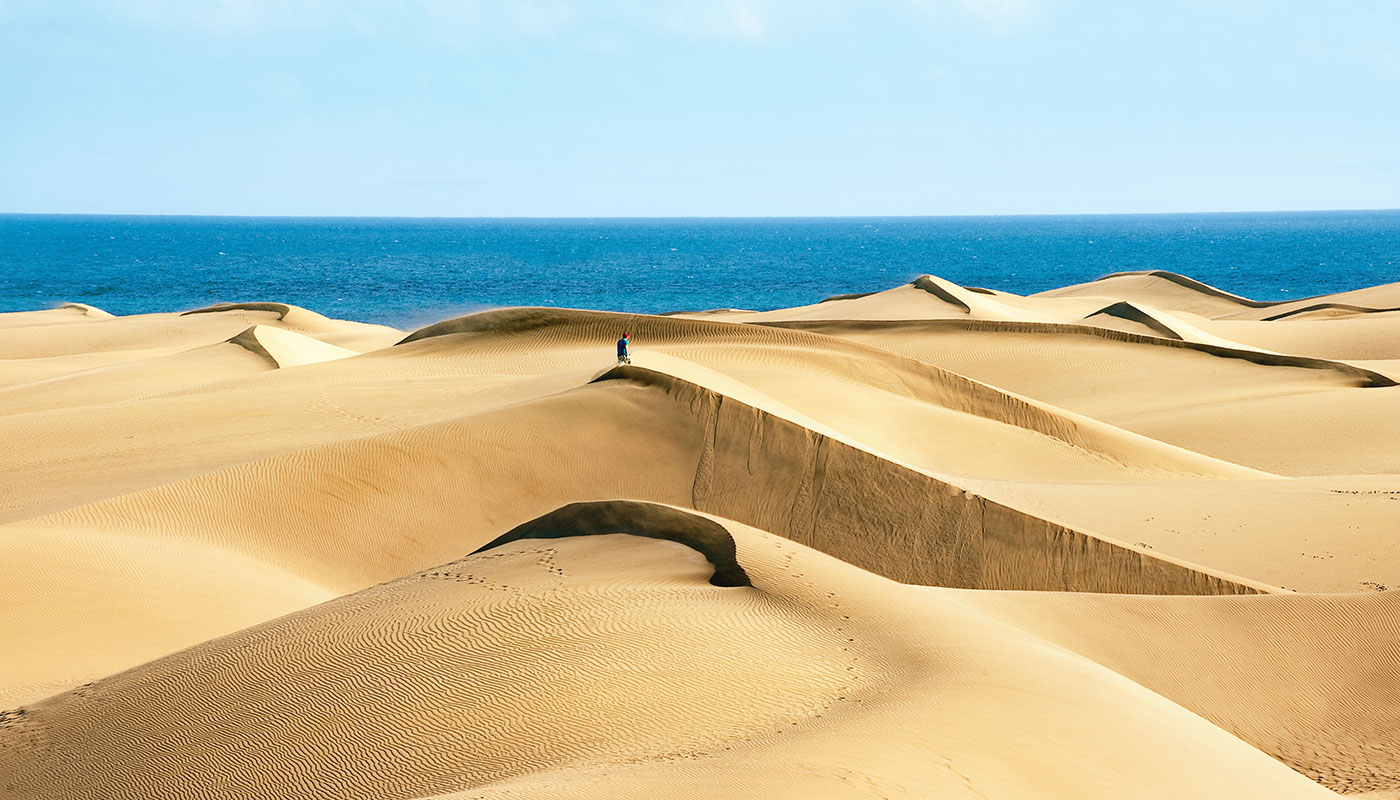
Unlike other islands in the estuary, such as Culatra and Armona, no fishing villages or urban settlements were ever established on Barreta. Its history isn’t marked by conquests or illustrious names, but by nature’s quiet, almost vegetal presence: birds arriving from northern Europe, fish spawning in its calm waters, dunes shifting slowly as if breathing. The island is about seven kilometres long and no more than 600 metres wide, depending on the tide. It stretches from east to west, acting as a natural barrier between the Atlantic Ocean and the estuary’s inner waters.
For centuries, the island has been a place of passage and contemplation. Fishermen from Faro would come to its shores to collect shellfish or wait for the tide. In 18th- and 19th-century documents, it appears as “Barreta”, noted for its value as a shellfish-gathering site and a stopover for migratory birds. Old maps barely mention it, and when they do, it appears as a shifting sandbar shaped by the whims of the Atlantic. It wasn’t until the second half of the 20th century that sporadic excursions began from Faro, although the island never lost its solitary character. Today, it remains the only completely uninhabited islet in the lagoon system, making it a symbol of nature’s resistance to the encroachment of tourism.
How to get to Ilha Deserta from Faro: a short boat trip to a dreamlike landscape
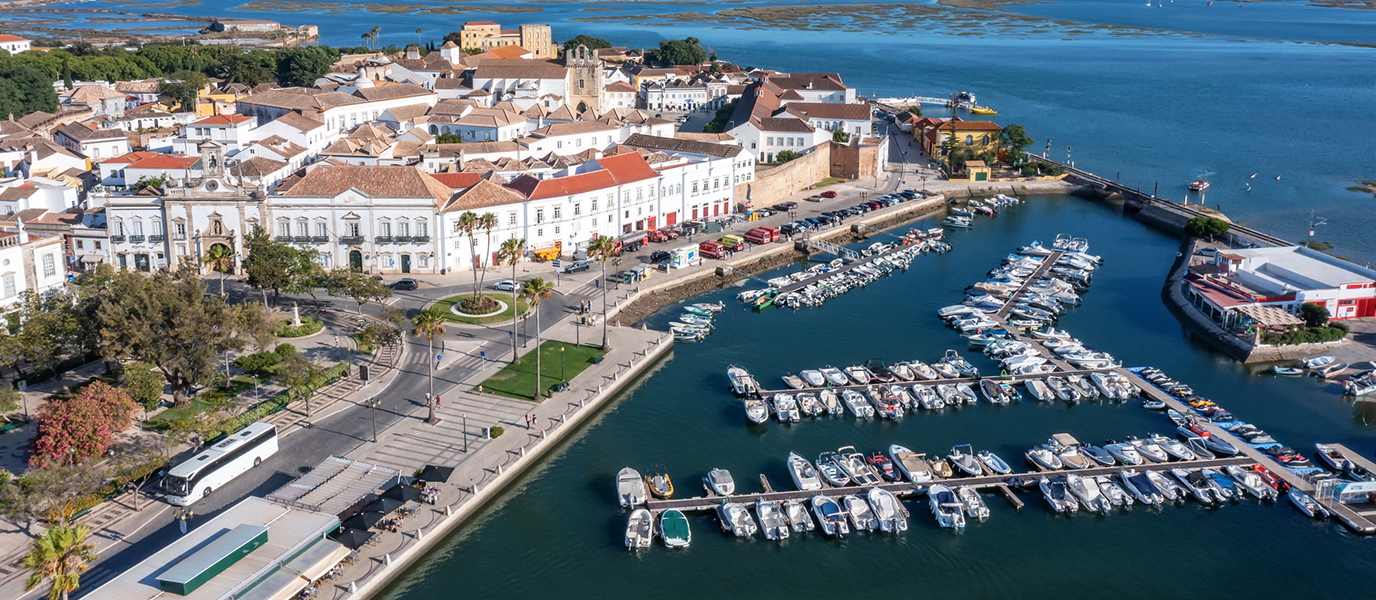
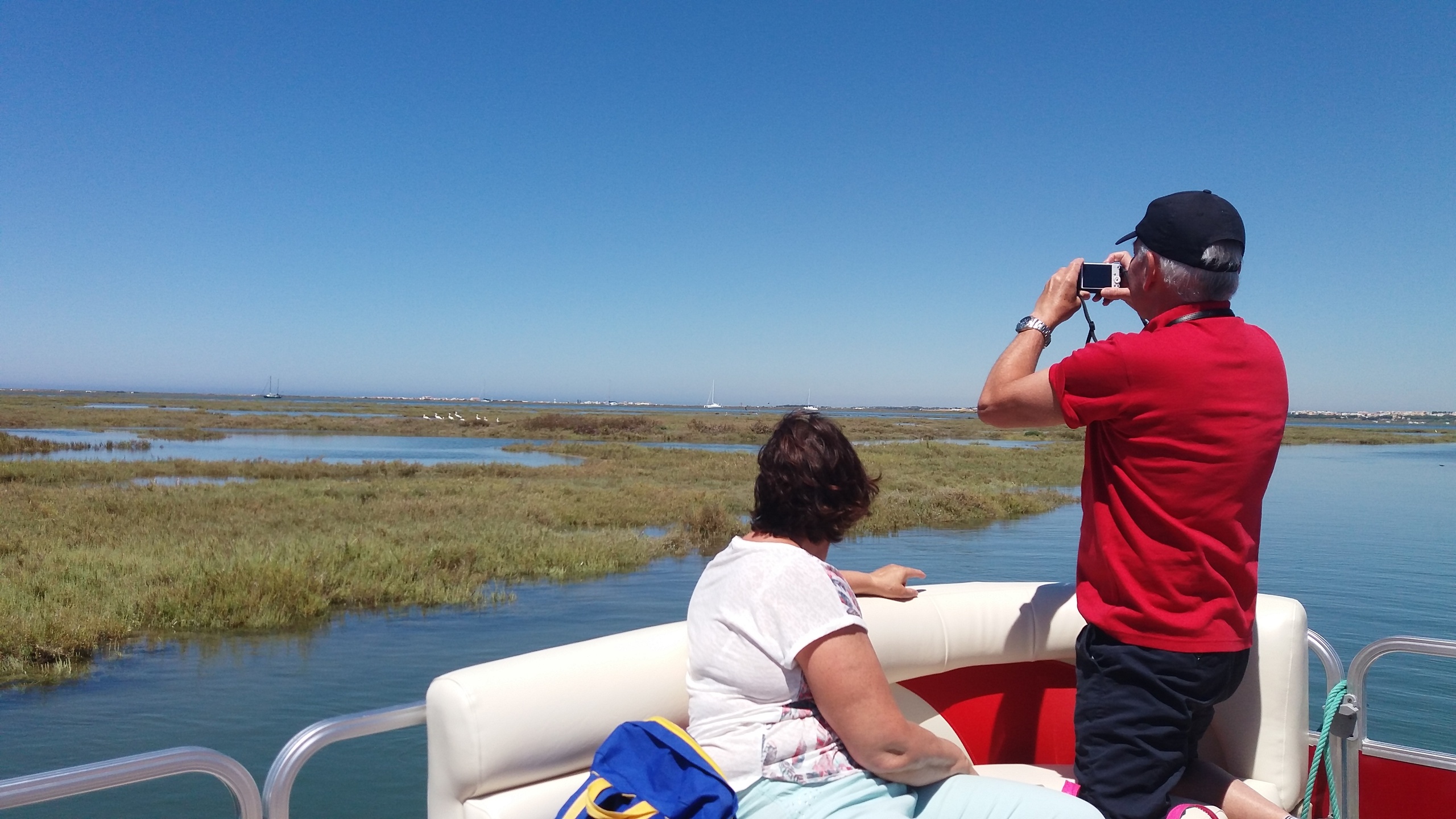
Getting to Ilha Deserta is part of the experience. Boats depart from the Porta Nova pier in Faro and glide for about 30 minutes through the waterways of the Ria Formosa, gliding past marshes, small fishing boats and sandbanks populated by wading birds. The water shifts colour, green, turquoise, silver, depending on the sky and the movement of the tides.
The company Animaris holds the official concession for regular passenger transport to the island. It offers catamaran crossings and speedboat transfers, which shorten the trip to about 15 minutes. Some boats have guides who explain the estuary’s ecological importance along the way. You can also book a private water taxi or join guided excursions by kayak or solar boat, with stops at various islands.
The first view of the island is almost dreamlike: a white line on the horizon, with no buildings and no noise, just the low silhouette of the dunes and the rhythm of the sea. Upon disembarking at the small jetty, you’ll realise you’ve entered another world. The only visible building is the Estaminé restaurant, powered by solar energy and committed to sustainability. From there, a wooden walkway stretches across the island from east to west, allowing you to explore it without disturbing its delicate ecological balance.
Things to do on your visit: a two-kilometre walk along a walkway through a unique landscape
The walkway that crosses Ilha Deserta is more than a path: it’s a lesson in humility. Along its two kilometres, visitors move through a landscape of shifting dunes, vegetation adapted to salty winds and the nests of coastal birds. Discreet signs offer explanations of native species: salicornia, which tints the salty soil red; sea holly, which blooms from the sand; migratory birds resting here before continuing on to Africa.
There are several marked routes for exploring the island on foot. One leads directly to Cabo de Santa Maria, the southernmost tip of mainland Portugal. Another skirts the edge of the estuary, where grey herons, cormorants and flamingos are commonly seen. During spring and autumn, birdwatching is at its peak. Guided tours are also offered to help identify both endemic and migratory species.
On one side, the Ria Formosa breathes with the tide; on the other, the Atlantic is vast and unbroken, crashing against the beach with hypnotic rhythm. The walk ends at the tip of Cabo de Santa Maria. There, facing the open sea, all that remains is the horizon. It’s a place to simply be, without words, without plans, with only the wind for company.
The beaches of Ilha Deserta: a wild and intimate encounter with the Atlantic
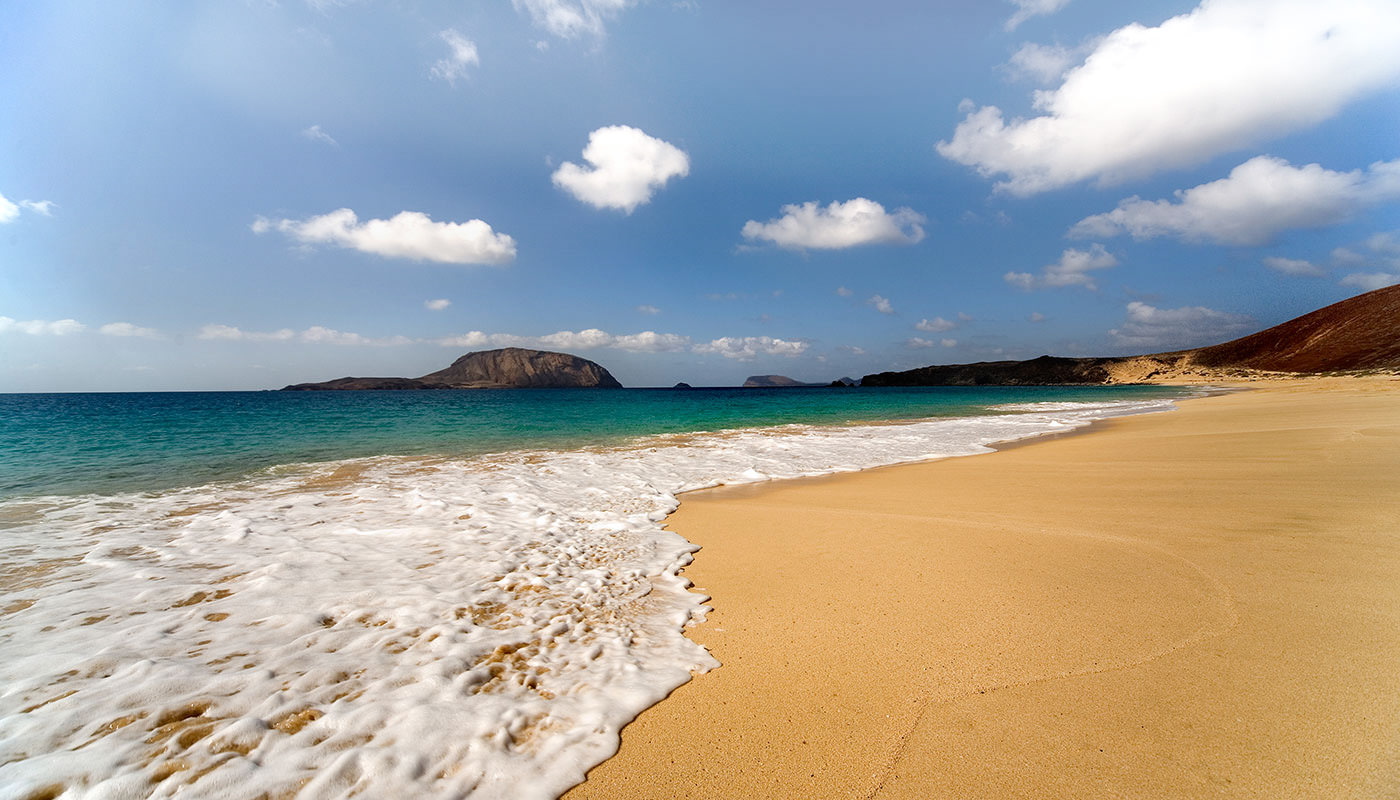
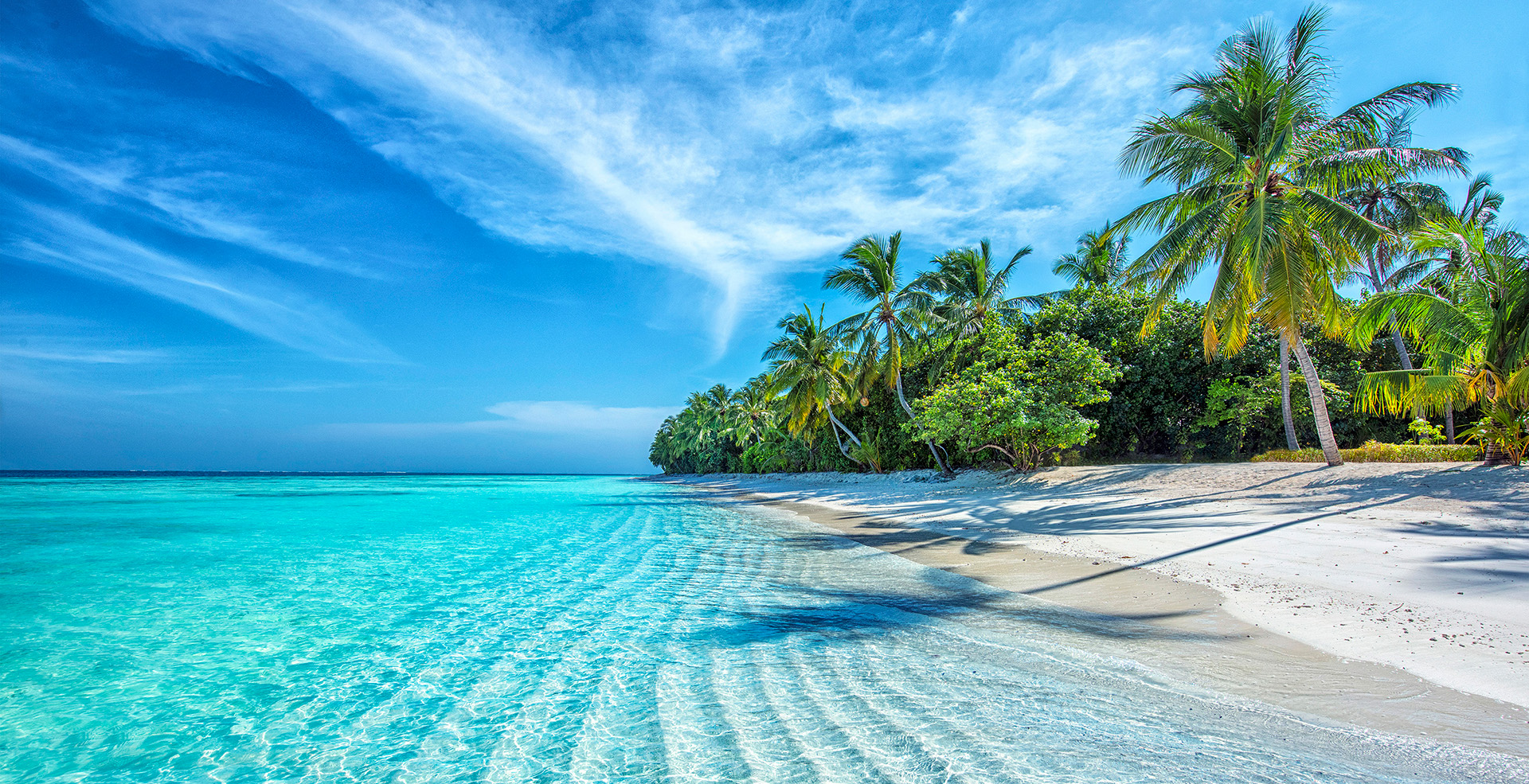
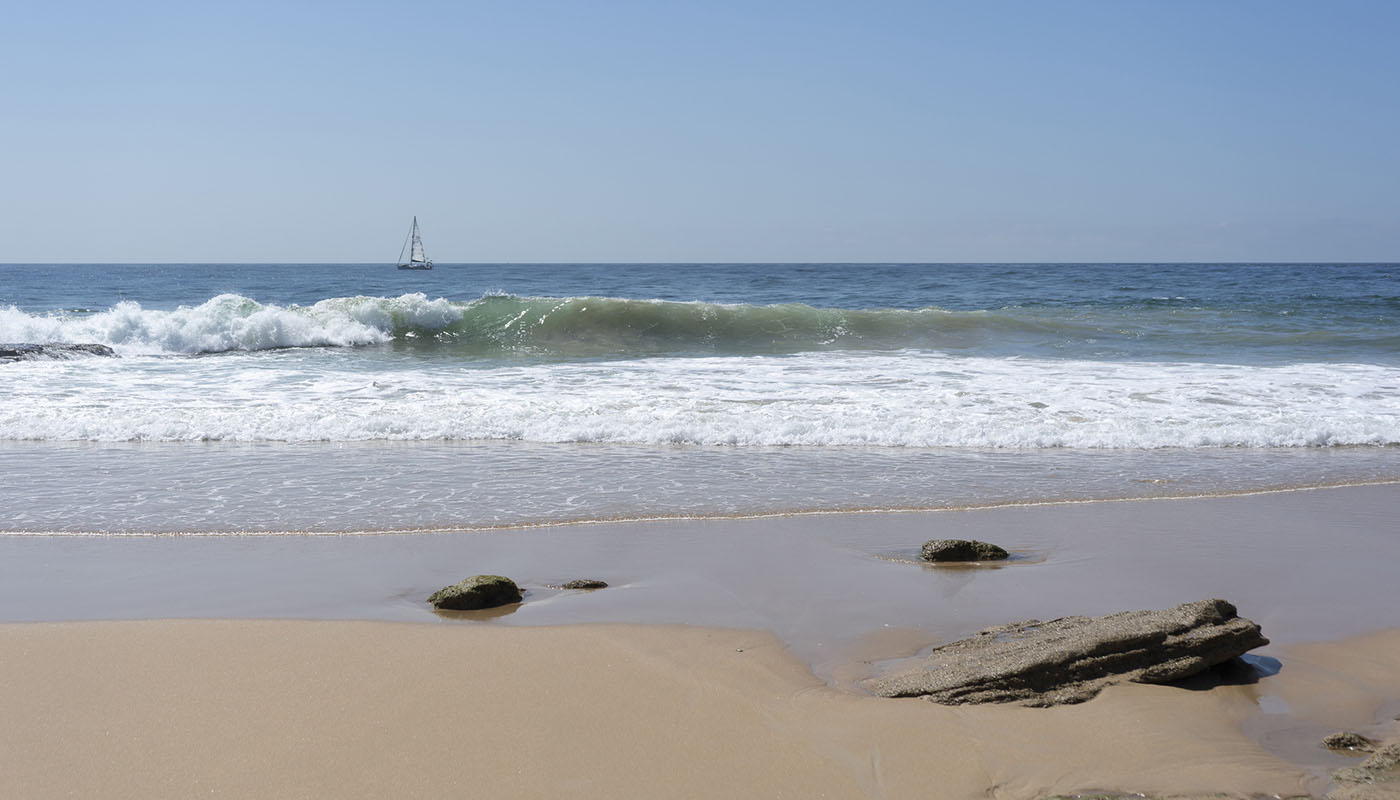
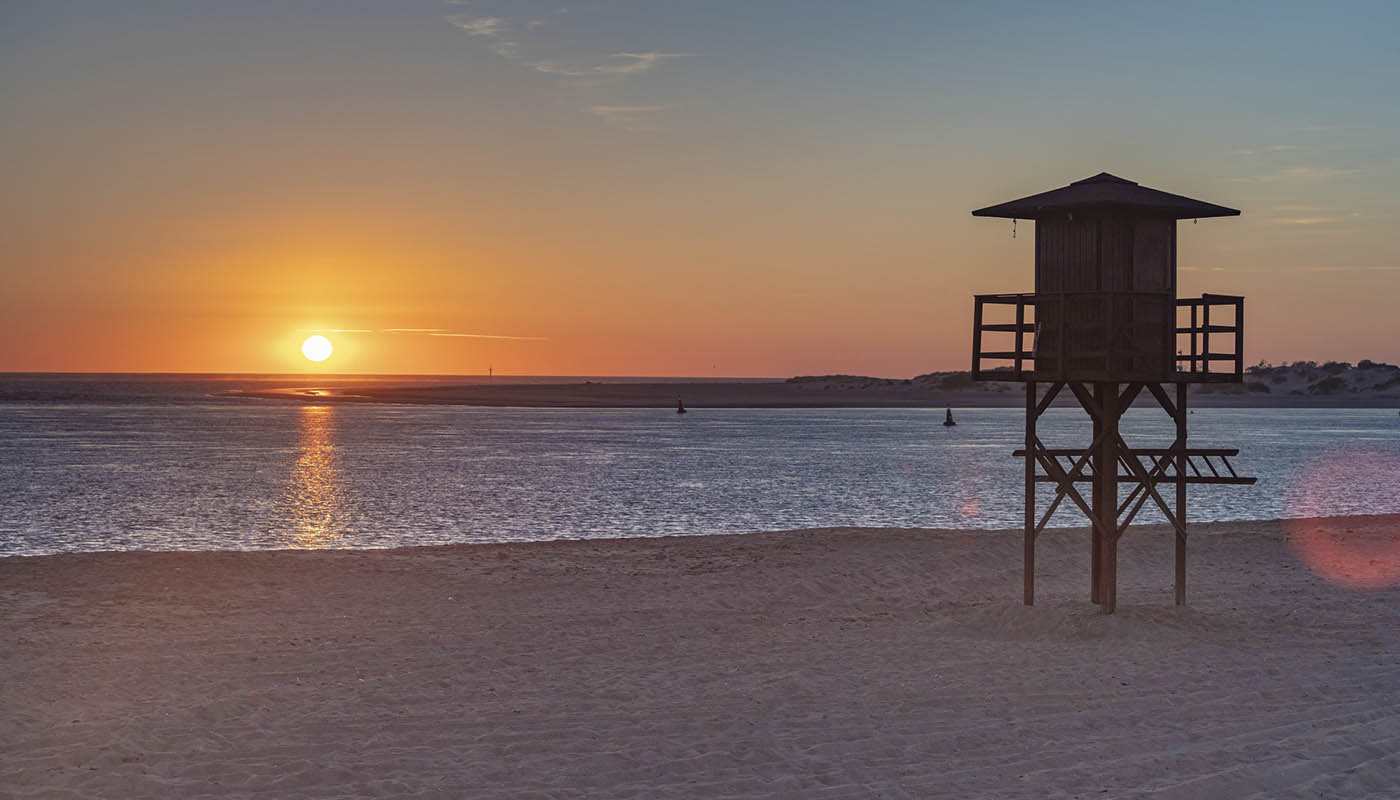
Although the entire island is a succession of beaches, the Atlantic-facing side offers a different experience: open, untamed and wildly beautiful. The sand, fine and clear, stretches uninterrupted for several kilometres. There are no sun loungers or parasols, just the sound of the waves and the chance to walk without seeing anyone for dozens of metres around.
The main beach lies just a few metres from the jetty, accessible via the walkway. Other areas, such as Praia do Cabo de Santa Maria, offer a more secluded setting, especially outside the high season. The water is clear, especially at low tide, when currents cleanse the shore. Swimming can be invigorating, but you will need to take care with the currents, particularly when the sea is rough. This beach isn’t designed with hustle and bustle in mind; it’s a place for those in search of a quiet, intimate connection with the sea.
There are places to eat on Ilha Deserta: a restaurant that merges with the landscape
The island’s only building is the Estaminé restaurant, an example of sustainability and respect for the environment. Powered by solar energy and with its own water treatment system, it offers a menu focused on fresh fish and seafood from the Ria Formosa. The dishes combine simplicity and flavour, with options such as seafood rice, clams in white wine, grilled octopus or garlic prawns.
The restaurant was built using lightweight materials and raised on stilts to minimise its impact on the terrain. Booking in advance is recommended, especially during high season, as capacity is limited. The service is attentive and unhurried, in keeping with the pace of the island. For those who prefer something more casual, we recommend bringing your own picnic, always remembering to take all your rubbish with you.
Tips and useful information for enjoying an unspoilt place without disturbing it
The best way to visit Ilha Deserta is to take one of the regular boats operated by the company Animaris, departing from Faro several times a day. There are also water taxi services and guided tours, some of which include stops at other islands within the natural park. It’s important to bring everything you need: sunscreen, water, a hat, comfortable shoes and a snack if you plan to explore beyond the restaurant.
Overnight stays are not permitted and there’s no accommodation on the island, which helps to preserve its unspoilt nature. As a protected area, it’s forbidden to collect shells, disturb wildlife or stray from marked paths. Everything is designed so that visitors can enjoy the island without disturbing its delicate balance. The best time to visit is between April and October, when the weather is more predictable and the days are longer.