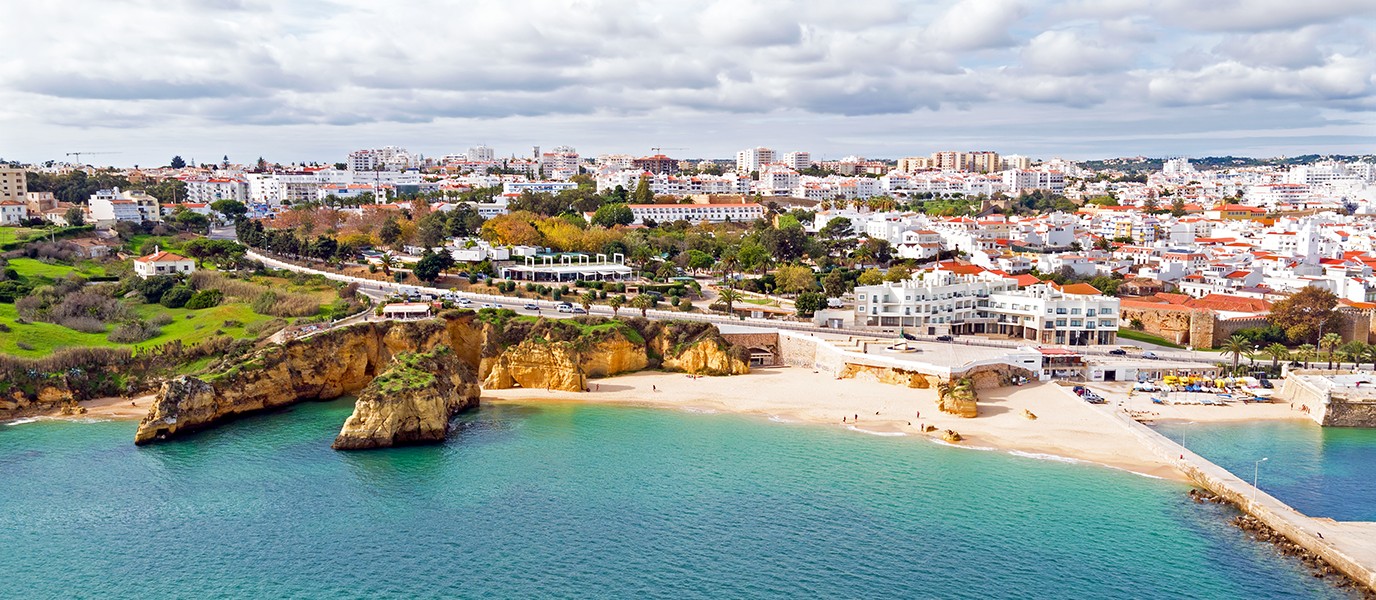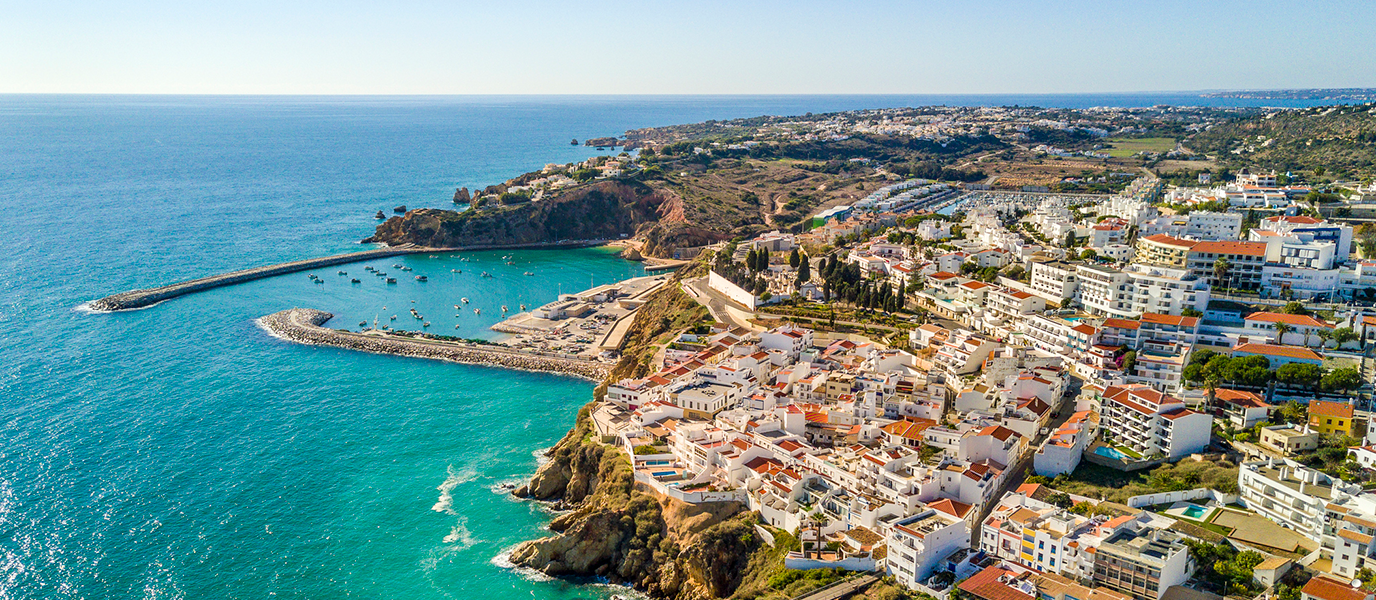










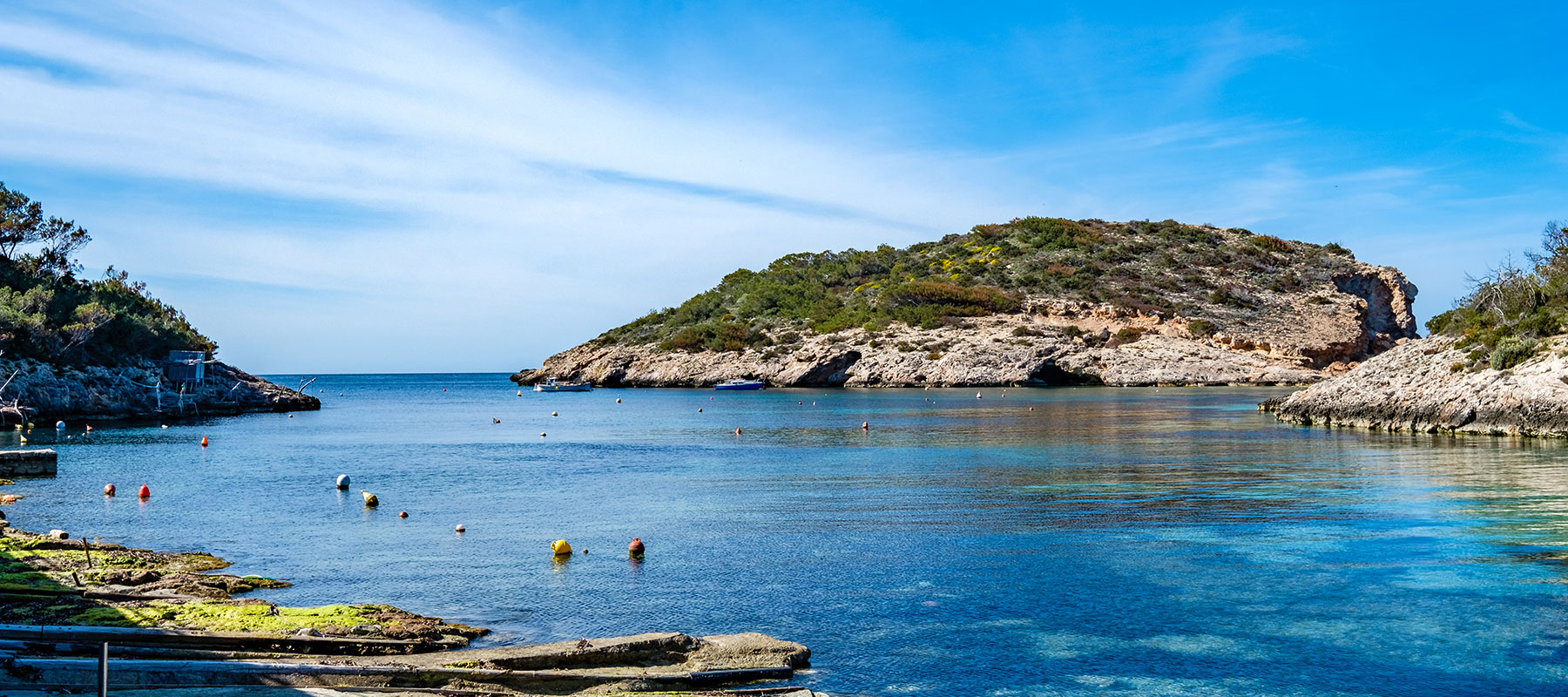
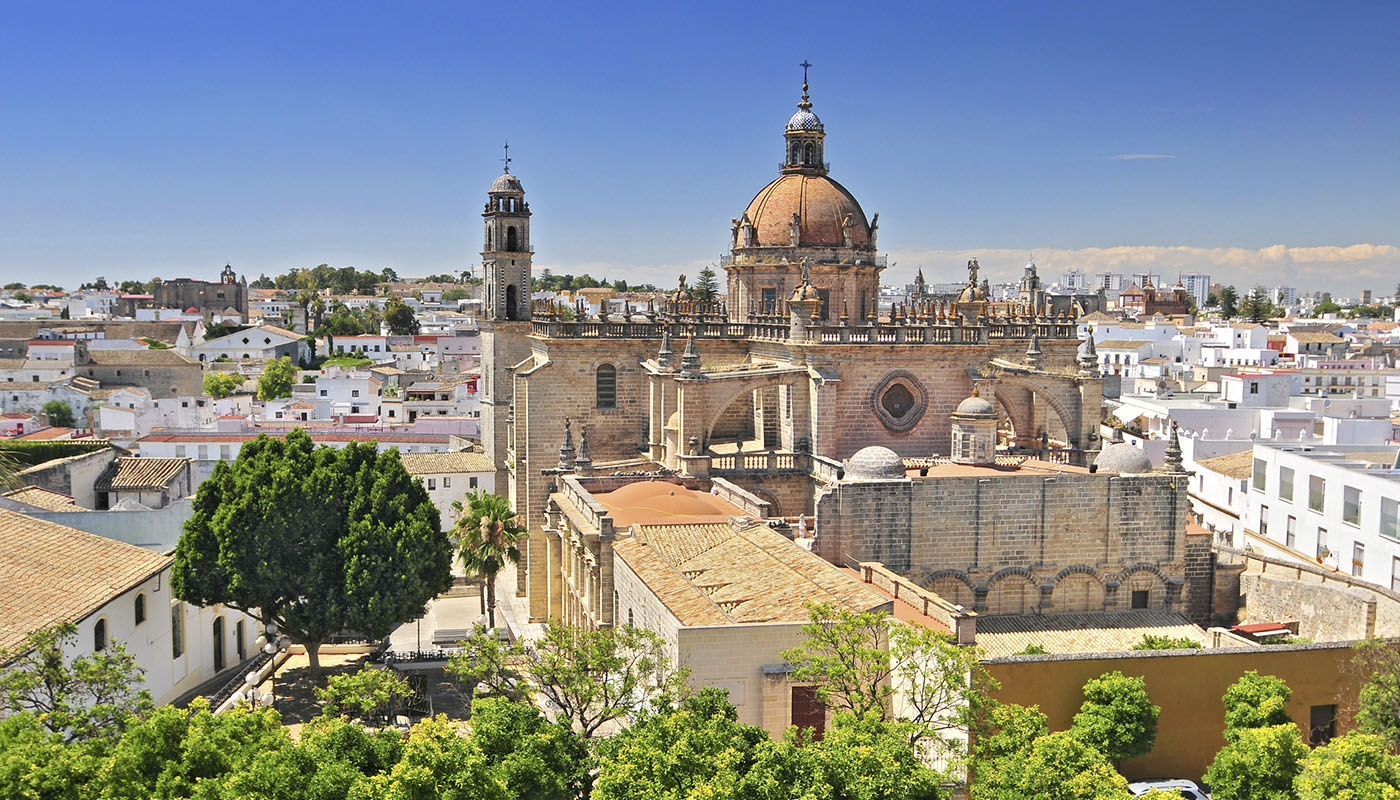
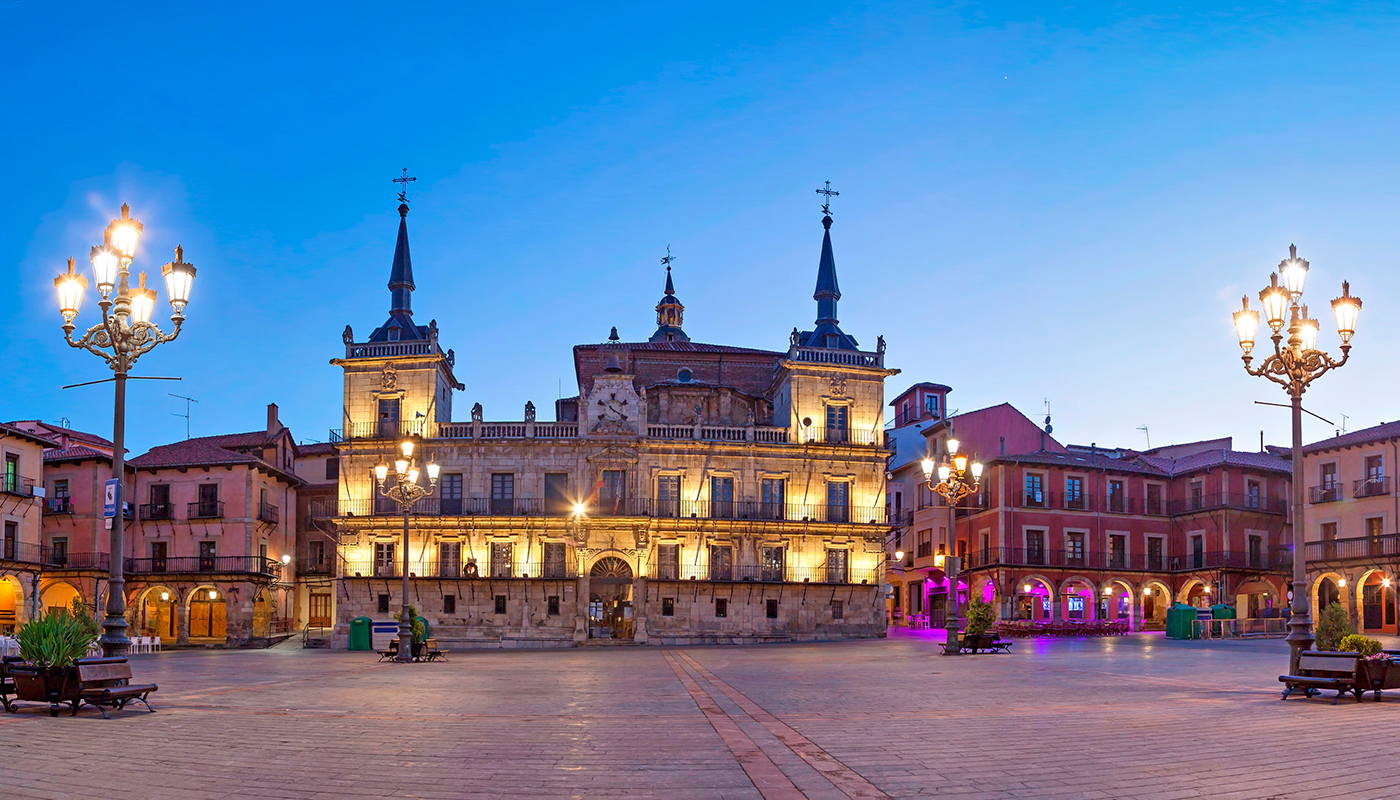



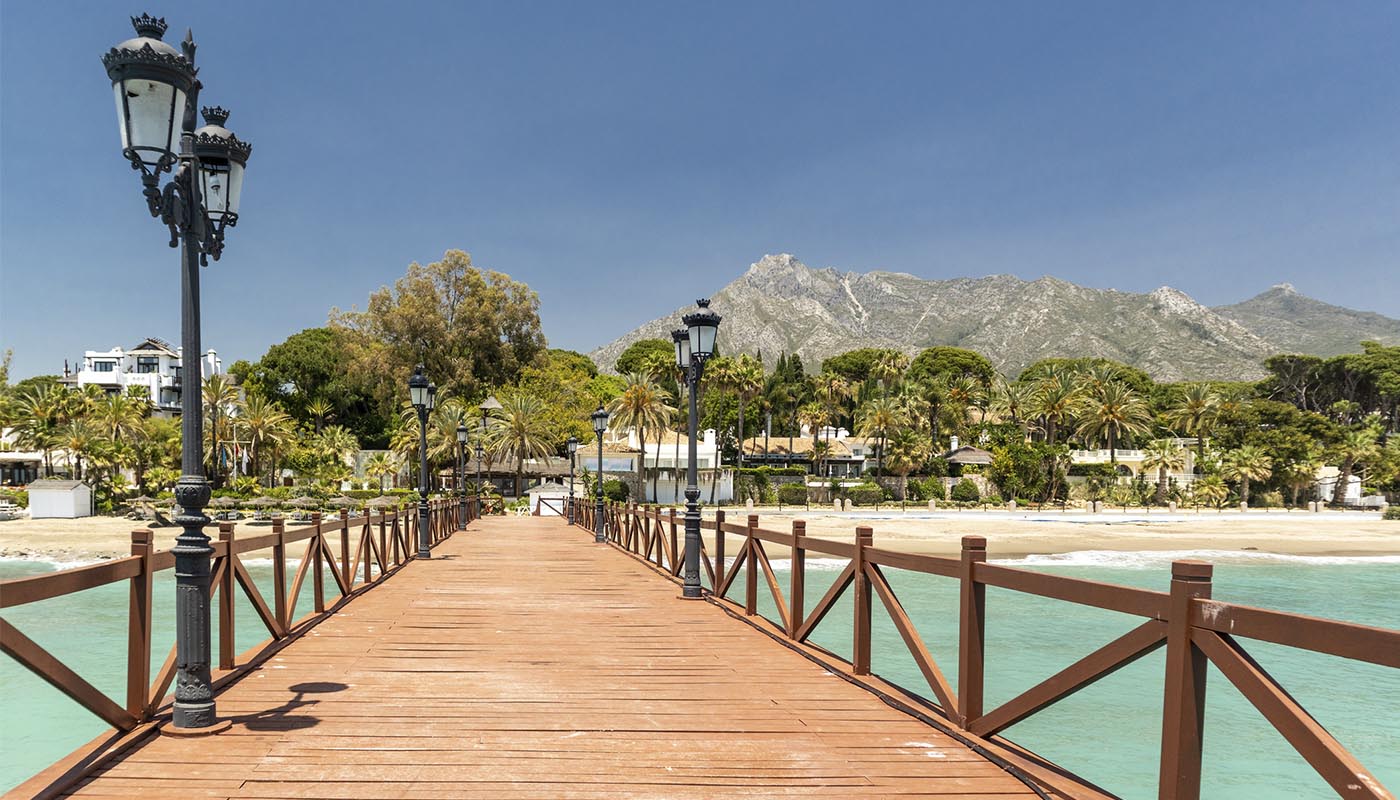


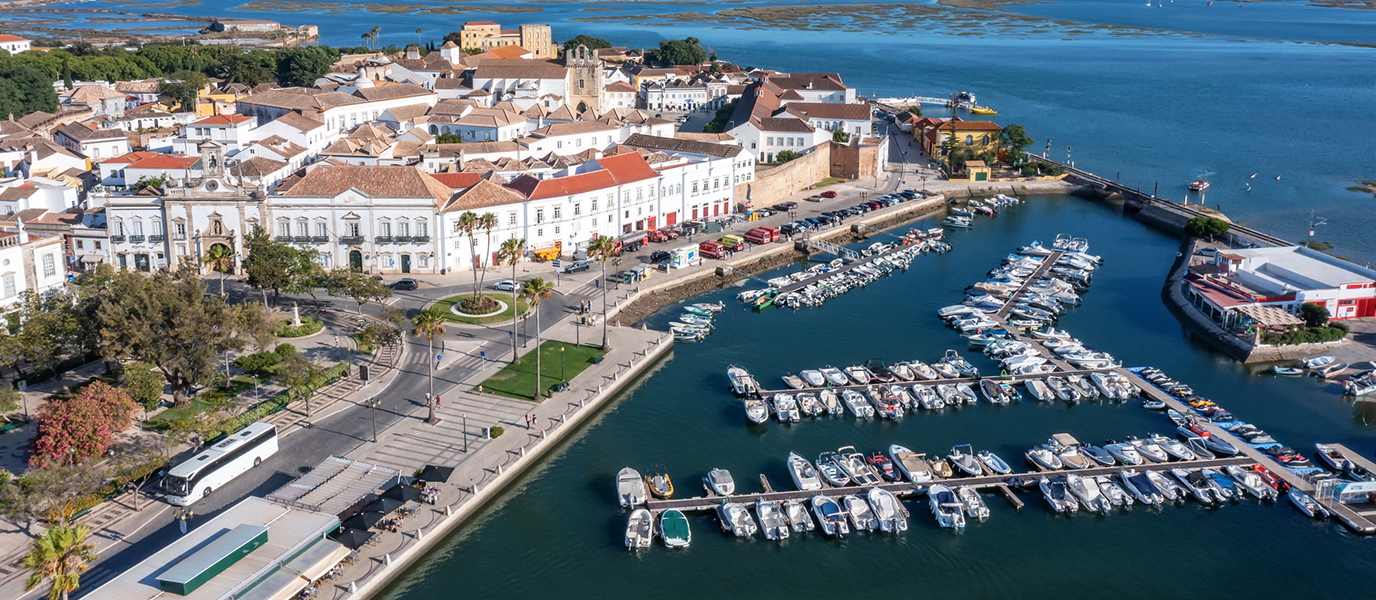
Faro Marina is a recreational and leisure area that centres on the world of leisure craft — well worth a visit on any trip to the Portuguese Algarve. Firstly, because it is located in a stunningly beautiful setting. It is in the Ria Formosa, a natural park made up of marshlands and canals that stretch over a large area before reaching the Atlantic Ocean Secondly, because the area is part of an ecosystem that is vital for migratory birds and marine life. Thirdly, because the leisure port welcomes visitors with a sculpture of a giant heart, with ‘Faro’ written in large letters, and you can take a selfie to show that you’ve been there. And because… you’re bound to have a great time.
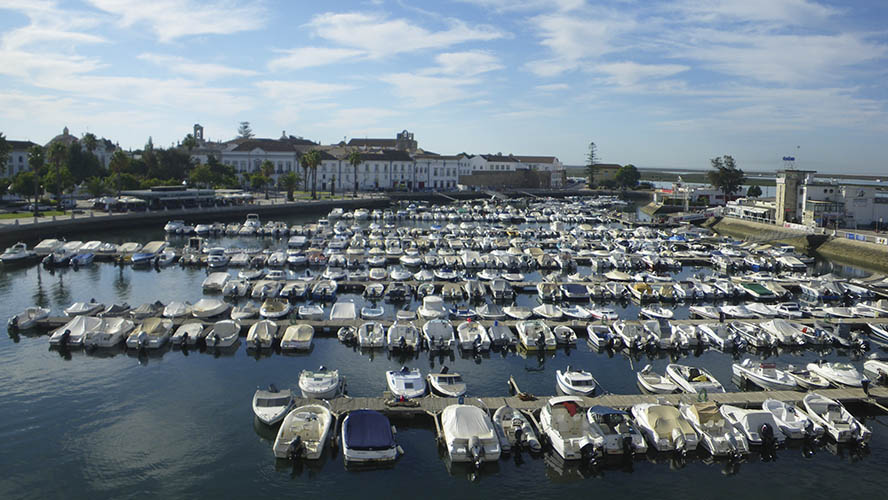
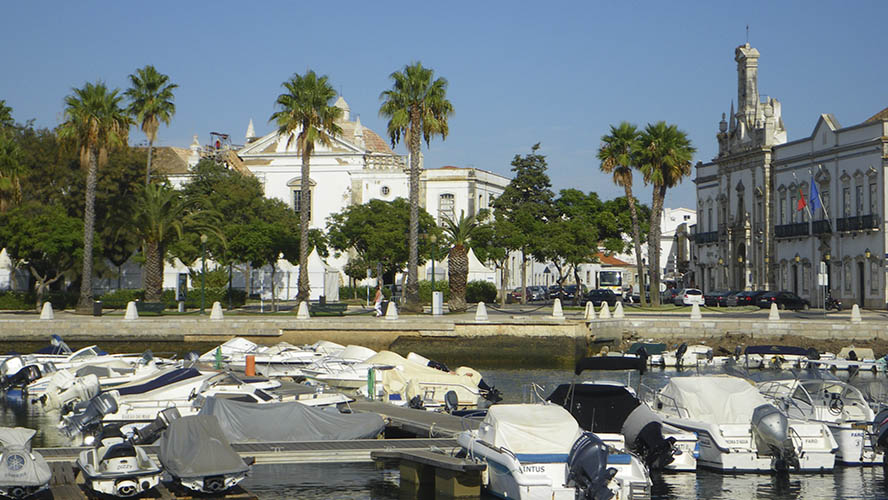
In Faro’s delightful leisure marina, brightly coloured boats are tied up alongside leisure yachts. However, the height of vessels is strictly limited by that of the railway bridge at its entrance.
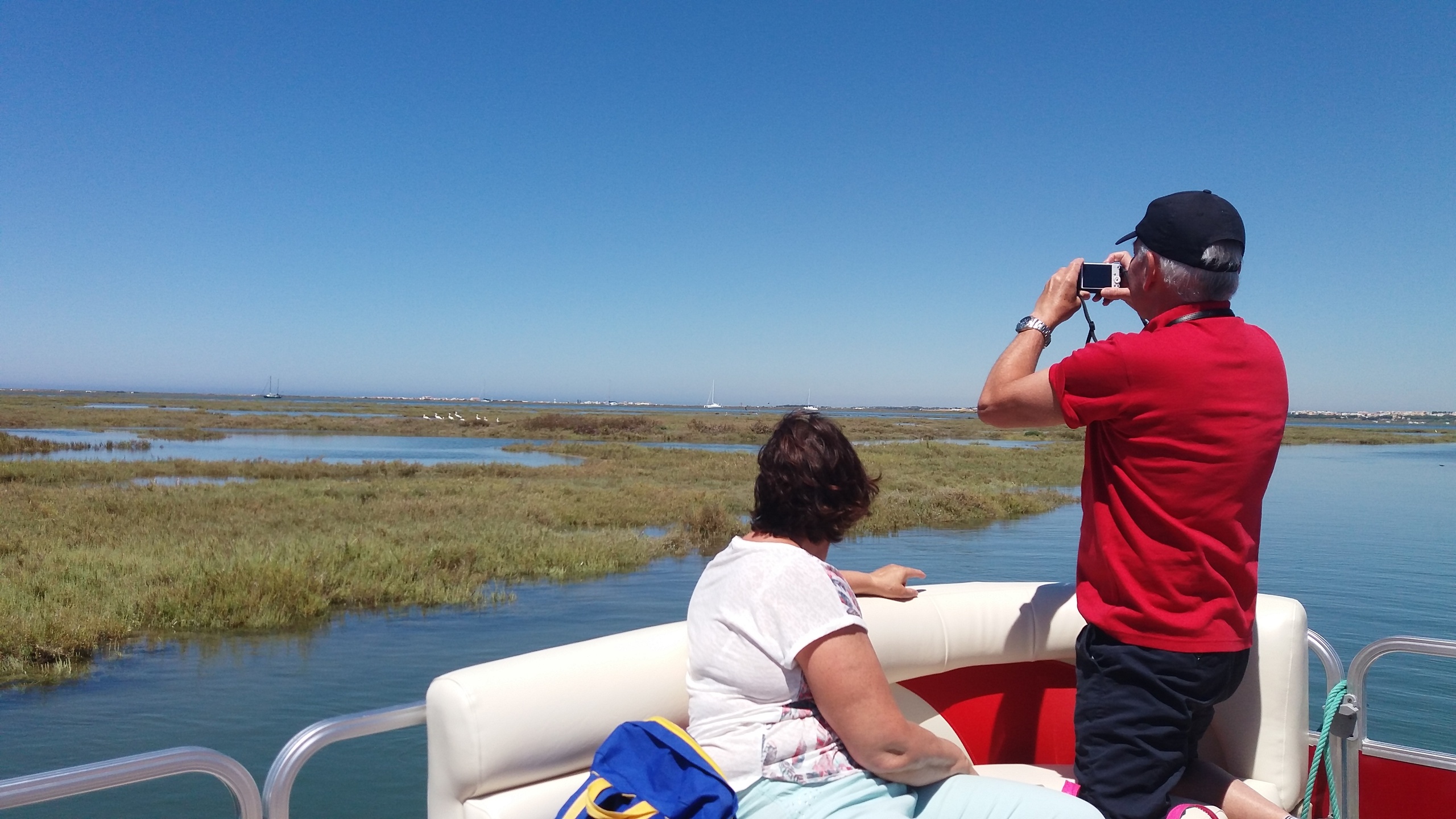
It is worth noting that this is the point of departure for tourist boats that sail on excursions to the Ria de Formosa Natural Park. From the boats you can see flamingos, spoonbills and many other bird species, as well as seahorses, that hide among the seagrasses.
- Have fun in a setting of great natural beauty
- What you can see in Faro Marina
- Restaurants and leisure in Faro Marina
Have fun in a setting of great natural beauty
With space for over 250 vessels, Faro’s Puerto Deportivo, or Leisure Marina, is quite modern and is of a significant hub for entertainment and leisure, with bars, restaurants, businesses, nightspots and cafés. Of course, the port’s sanitary and logistical facilities are impressive, to say nothing of its undisputed natural beauty.
The Marina is not far from the centre of Faro, and is the gateway to the Ria Formosa Natural Park. The Ria is a unique system of coastal lagoons that stretches for over 60 kilometres along the coast of the Algarve, between Manta Rota and Vale do Lobo. It is important to note that the park’s biodiversity is vast.
It is worth remembering that Faro held great importance in the time of the Roman Empire, when it became a major port called Ossonoba in around the third century B.C. Its strategic position also caught the attention of subsequent invaders, including the Visigoths and the Arabs, until it finally came under the control of the Portuguese in 1249.
The present port has few links with those times, but you can still detect a few traces of the past in some buildings whose architecture shows a certain Arab influence.
What you can see in Faro Marina
If you are a sailing or yachting enthusiast, or even if you just enjoy looking at boats, you are going to love Faro Marina. It offers excellent mooring facilities, and can accommodate vessels up to 15 metres in length. In addition, boat owners need to know that this leisure marina offers a plethora of services, such as refuelling stations, waste disposal points, and laundry facilities — thereby guaranteeing a comfortable stay for anyone who needs these services. In addition, there is a dry dock with modern equipment and qualified technicians for boats that require repairs or any kind of maintenance. Here they can take care of cleaning the hull, maintaining the engine or even repairing the sails.
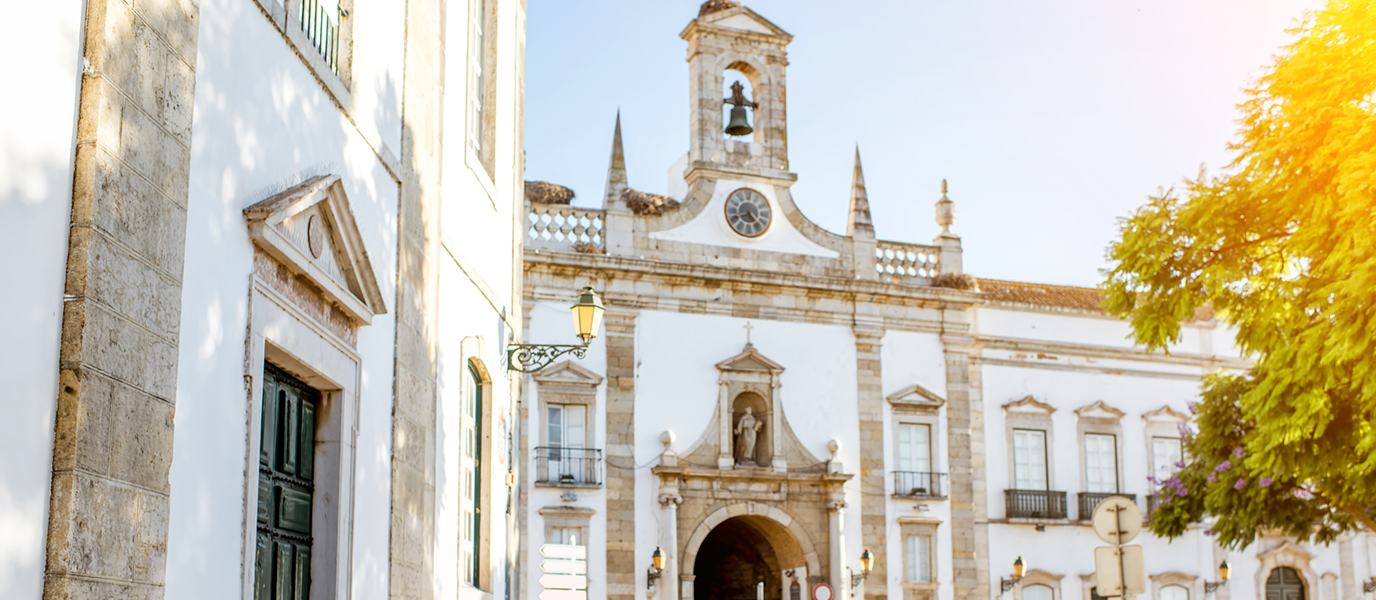
As this marina is such a short distance from the centre of Faro, it is worth planning a stroll through the old town of this attractive area of the Algarve, with its narrow, cobbled streets and remarkable edifices such as the Cathedral, Lethes Theatre, and the Municipal Museum.
Restaurants and leisure in Faro Marina
Faro Marina has an abundance of restaurants and bars serving delicious traditional Portuguese Algarve cuisine, prepared using fresh local ingredients and freshly caught seafood from the Atlantic. Don’t forget to take a pleasant walk along the seafront promenade edged with palm trees, while you watch the yachts and boats rocking on the water.
As well as the famous ‘bacalhau a bras’ [salt cod with potatoes and eggs], visitors to Faro Marina should try the mouth-watering rice and fish dishes and the traditional dishes such as fish cataplana [a type of stew], piri-piri chicken, chargrilled sardines, dressed carrots, ‘cozido a portuguesa’ [a meat stew], and ‘Dom Rodrigo’, a dessert made with almonds, cinnamon, sugar and egg yolk.