







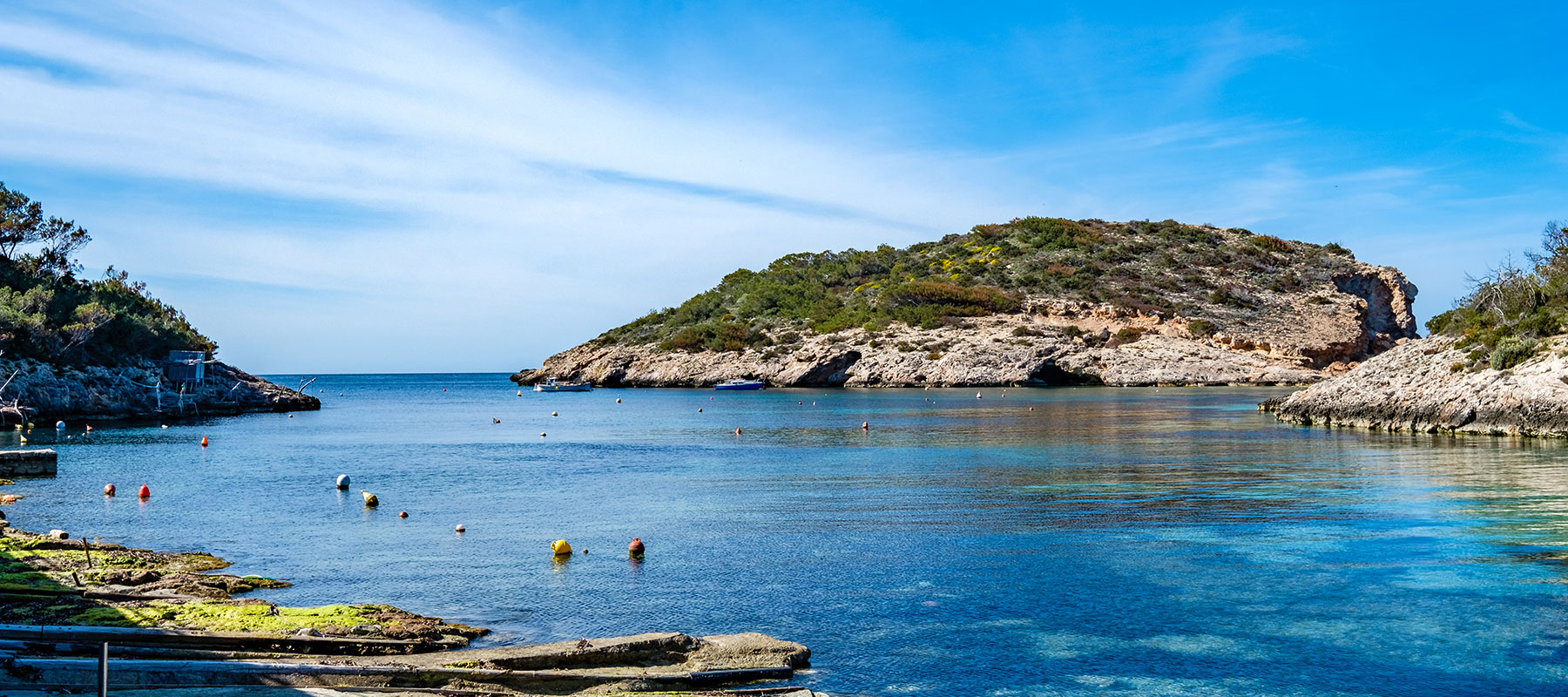
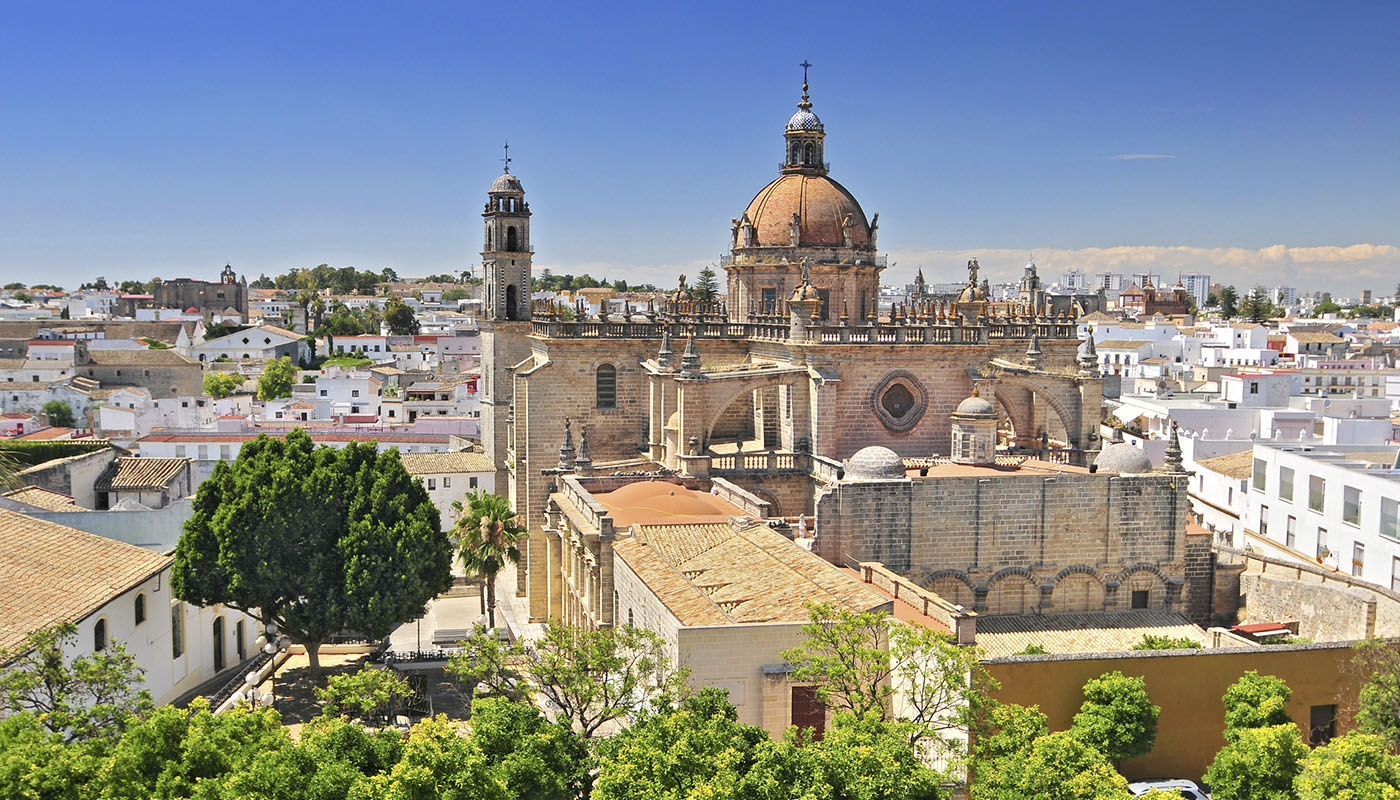
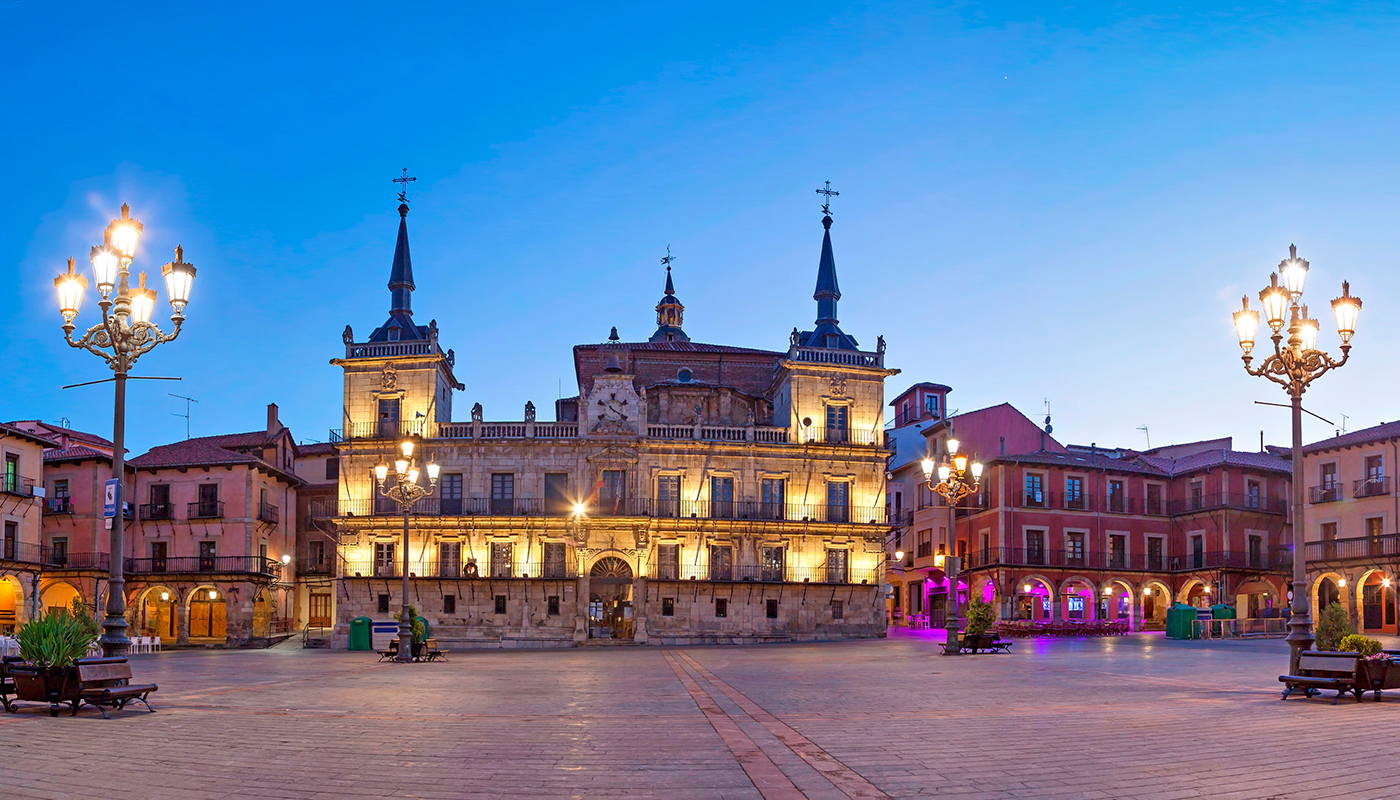
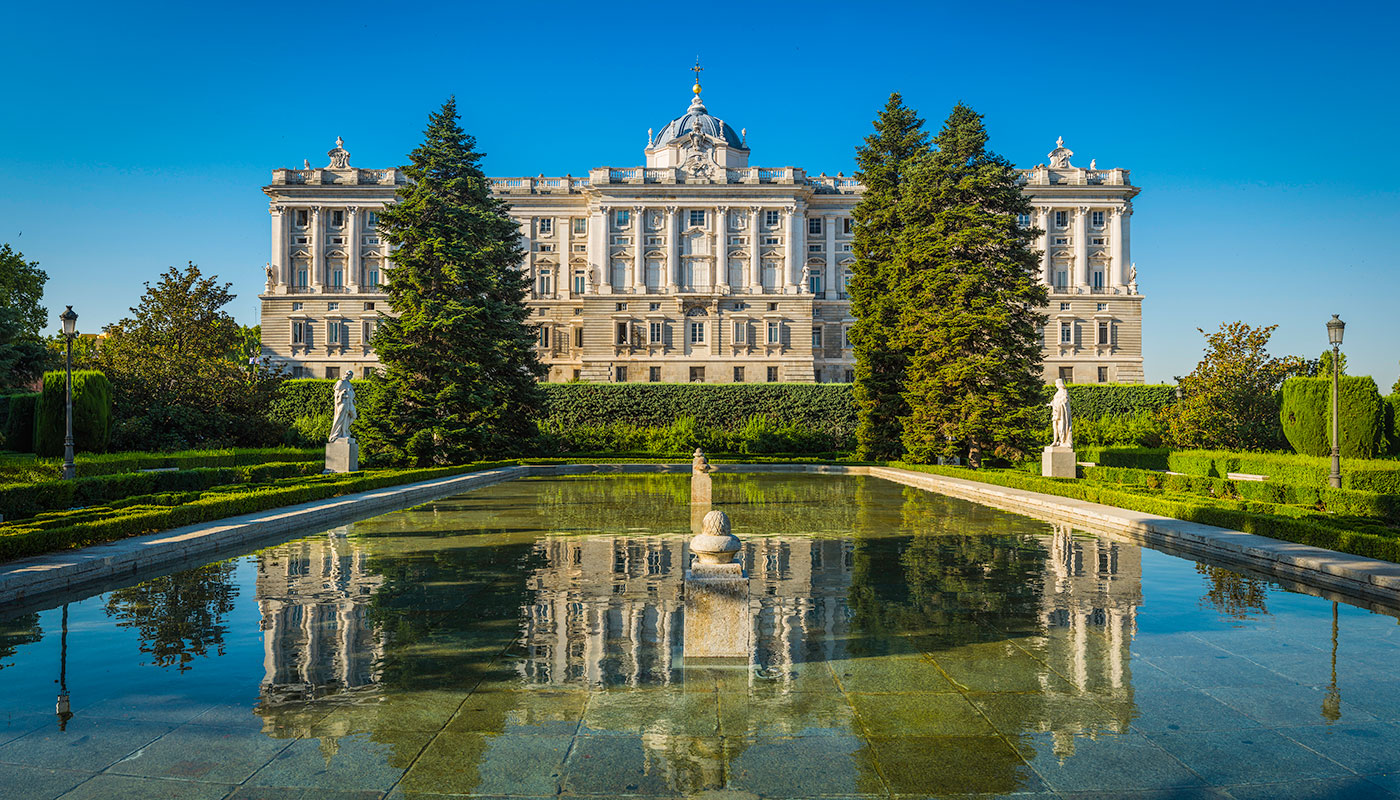


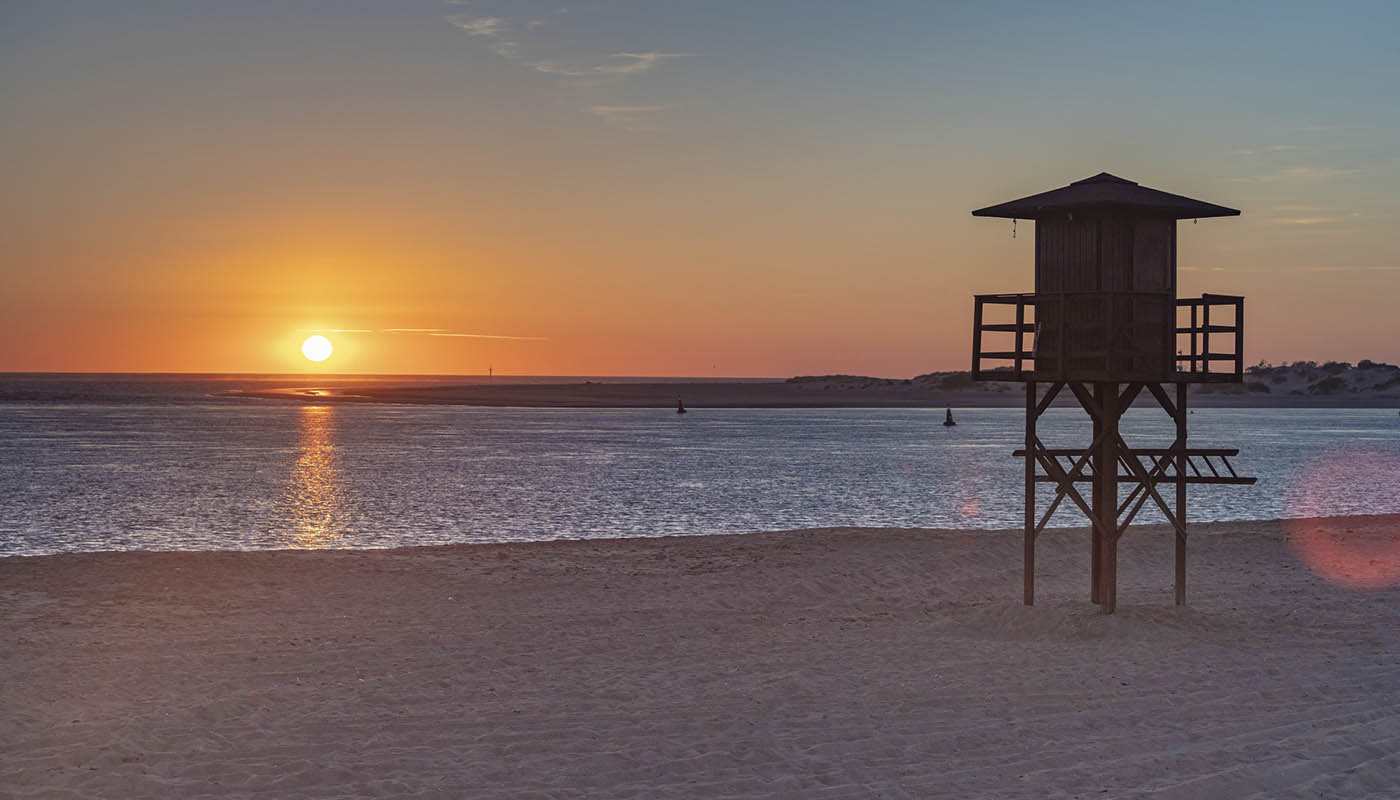


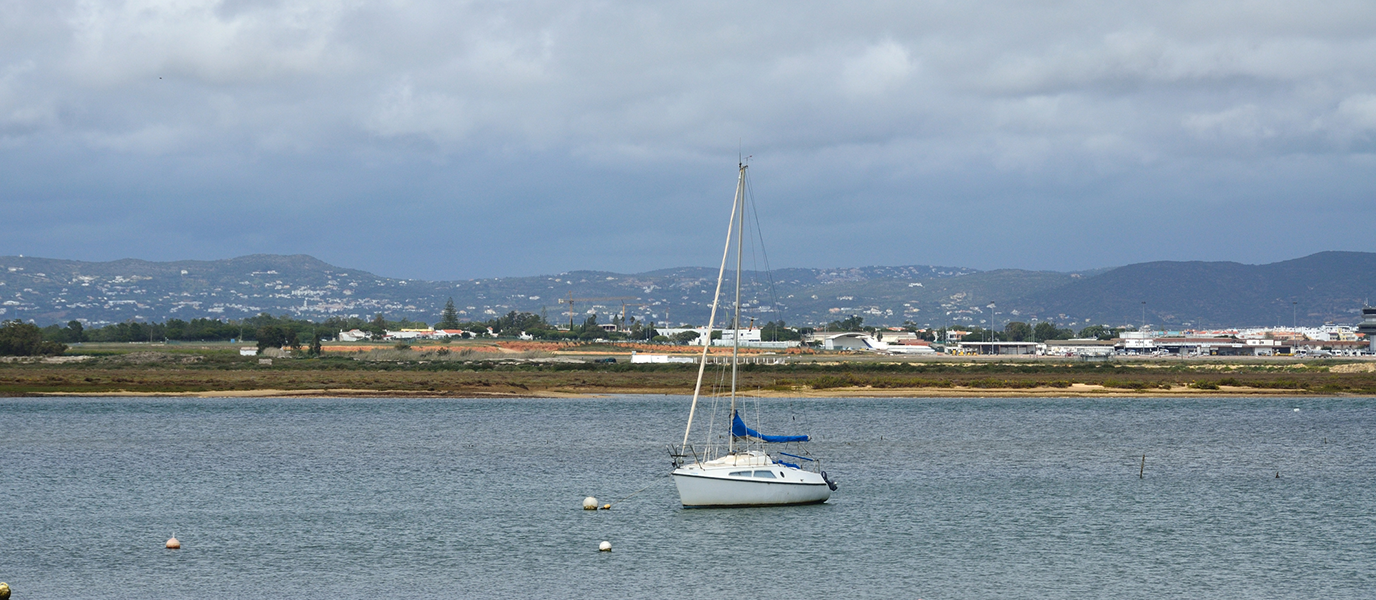
Ria Formosa Natural Park is a unique gem on the Portuguese coastline extending over more than 18,000 hectares between Faro and Tavira. It is not just a park, however, it is a delicate network of lagoons, islets, marshes and waterways where land and sea merge in a living and changing ecosystem. The estuary is a refuge for migratory birds, home to marine species and witness to the human history that has shaped the coast of the Algarve for centuries. To visit Ria Formosa is to immerse oneself in a universe where nature imposes its rhythm and stillness becomes the essential state of things.
- Background: an estuary between dunes and waterways
- What to see and do in Ria Formosa: a sensory experience in a living ecosystem
- Places and municipalities in Ria Formosa: vibrant villages lining the shore
- Practical tips for visiting Ria Formosa: the key to a respectful and sustainable experience
Background: an estuary between dunes and waterways
Ria Formosa Natural Park occupies some 18,400 hectares in a lagoon system that extends along 60 kilometres of coastline in the eastern Algarve, between Faro and Vila Real de Santo António. In geological terms, its origin is relatively recent, with formations dating back approximately 6,500 years, when the interaction between the Atlantic with the coastal relief created a barrier of sand and dunes that partially closed off the sea, giving rise to a network of waterways and estuaries. This phenomenon is what gives the estuary its unique character: a network of fresh and salt water that constantly moves with the tides.
Historically, the Ria Formosa estuary was vital for the communities that settled around it—especially in Faro and Tavira—as a source of fishing, shell fishing and salt cultivation. Since the eighteenth century, salt extraction was a key economic activity, and even today the salt pans remain as ecosystems and vestiges of the tradition. The estuary has also served as a strategic refuge and passage point for explorers and traders, as well as for migratory species. In 1987 it was declared a Natural Park, protected status that safeguards biodiversity, landscapes and environmental balance in the face of growing tourist and urban pressure.
The estuary is not static: its barrier islands, such as Armona, Culatra and Ilha Deserta, move slowly, shaped by winds and currents, making each visit a different experience. This natural dynamism, combined with its ecological richness, has made the park one of the most important areas in southern Portugal.
What to see and do in Ria Formosa: a sensory experience in a living ecosystem
Boat rides: sailing through the constantly changing lagoon and its moving islands
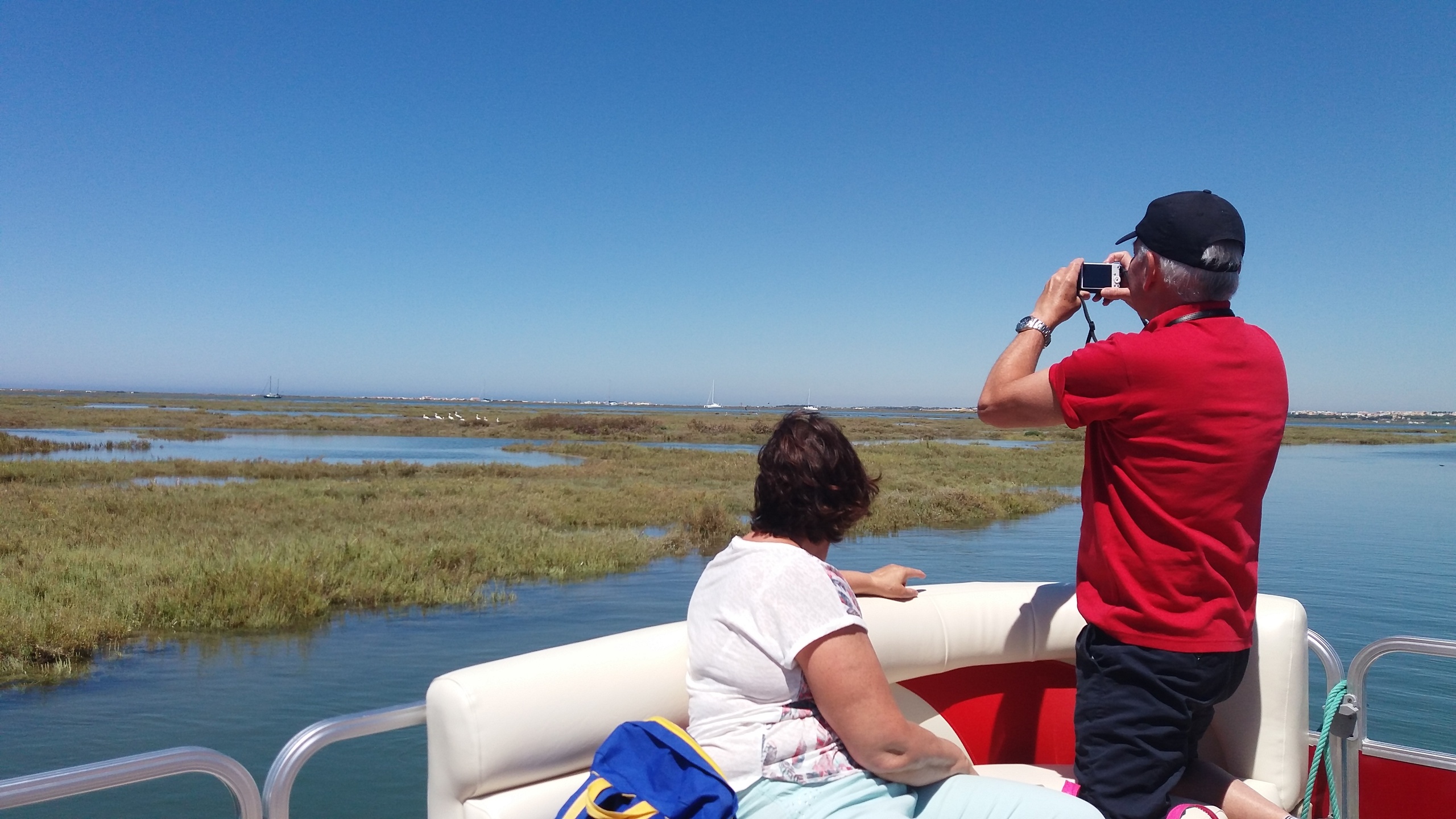
One of the best ways to discover Ria Formosa is to navigate its waters in small traditional boats or modern eco-friendly boats. From Faro, Olhão or Tavira, you can sail through channels surrounded by reeds and cattails, passing through fishing harbours and villages. On these trips you can appreciate the constant transformation of the landscape—islands that seem to emerge and disappear with the tide, sandbanks that change shape—and enjoy the opportunity to observe wildlife from an exceptional vantage point.
Some trips include stops at islets such as Ilha Deserta or Ilha do Farol, where the silence is only broken by the sound of the waves and the wind. The boat trips also offer you the chance to learn about the traditional art of artisanal fishing, or to taste goose barnacles and cockles—classic seafood delicacies in the area—in small local taverns.
Bird watching: a sanctuary for migratory and resident species
Ria Formosa is one of the most important places in Portugal for bird watching, especially during the spring and autumn migrations. Some of the most outstanding species include the grey heron, the common tern, the Eurasian coot and the greater flamingo, whose presence in the lagoon creates images of great beauty and ecological importance.
Bird observatories, strategically located in areas such as Quinta do Lago and Ilha de Tavira, allow undisturbed contemplation of nesting colonies and birds resting before crossing the Strait of Gibraltar. The diversity of habitats within the park, from saline wetlands to floodplains, supports a rich and varied ornithological community that attracts researchers and enthusiasts alike.
Hiking and routes in nature: discovering the silent heartbeat of the dunes and marshes
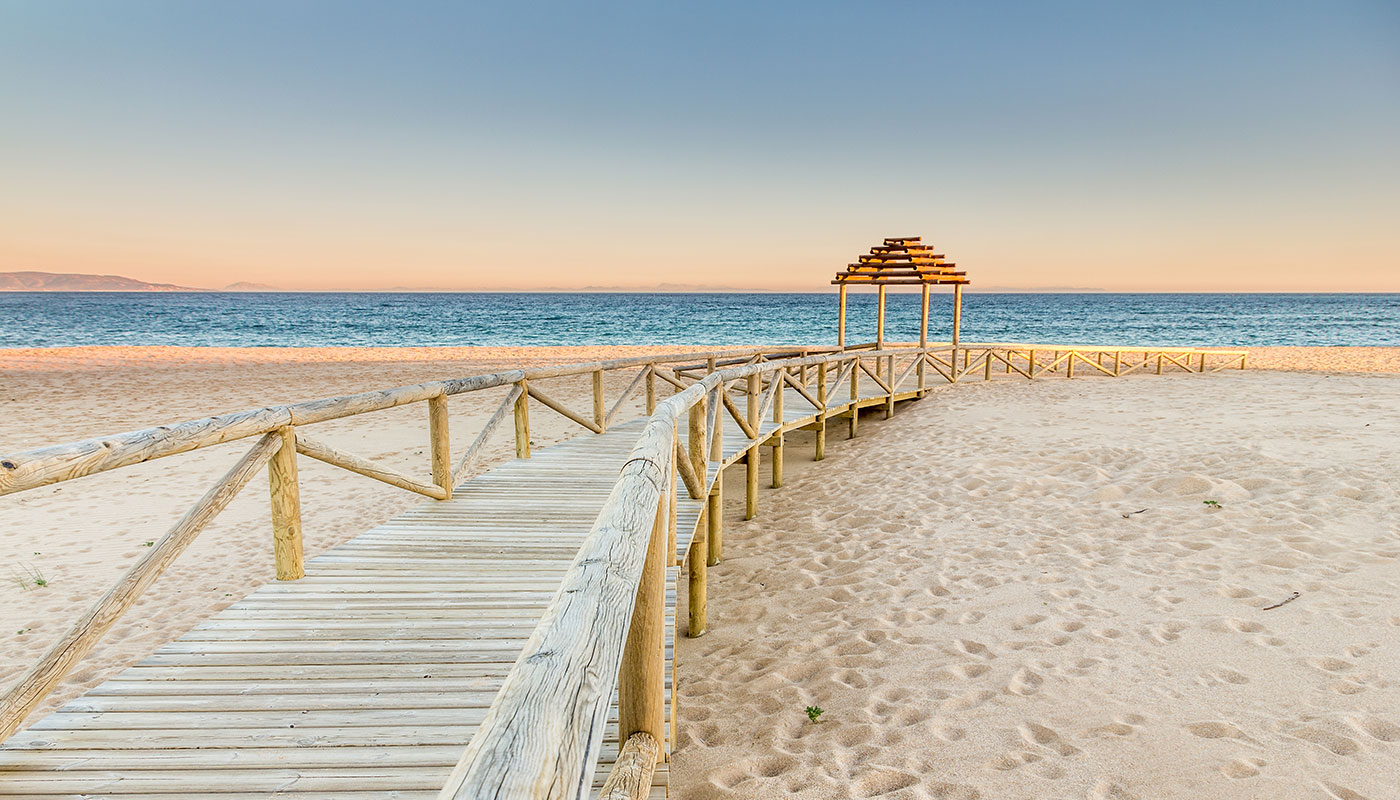
For those who love direct contact with nature, the park offers several hiking and cycling trails that cross dunes, tamarisk forests and pristine beaches. The Ilha Deserta trail, which runs through the moving dunes to the tip of Santa Maria, is a perfect example: a route where you can perceive the fragility and strength of the landscape, as well as the natural history found in every grain of sand.
Other routes allow you to go deep into the marshes, where you can learn to identify halophyte plants and understand the tidal cycles that condition animal life. The trails are marked with informative panels that explain the local geology and flora and fauna, making the walk an educational and sensory experience.
Places and municipalities in Ria Formosa: vibrant villages lining the shore
The Natural Park encompasses several municipalities, each with their own personality and a close relationship with the estuary. Faro, the capital of the Algarve, is the gateway to the park, with its walled old town and a fishing harbour that maintains the city’s strong connection with the sea. Most of the boat trips to the estuary leave from here.
A few kilometres away, Olhão is known for its fish and seafood market and famous for its tiled architecture and for being a hub for shell-fishing. Its streets retain a local and authentic air, with small taverns where you can taste freshly-caught seafood.
To the east, Tavira stands out as one of the most picturesque municipalities, with an old town that has preserved its Roman bridges, Renaissance churches and cobblestone streets leading to idyllic beaches. The estuary’s influence is noticeable in its gastronomy, its traditions and in the way the water connects its neighbourhoods.
Small coastal villages such as Cabanas de Tavira and Santa Luzia keep the fishing tradition alive with small boats and nets thrown out every day at sunrise. The villages offer visitors the chance to learn about how human life has, for centuries, adapted to and been integrated into the rhythms of the Ria Formosa.
The barrier islands, such as Culatra, Armona and Ilha Deserta, form unique micro-communities, where life adapts to the tides and the absence of cars makes you appreciate a simpler way of life.
Practical tips for visiting Ria Formosa: the key to a respectful and sustainable experience
To fully enjoy Ria Formosa Natural Park, it is advisable to plan your visit according to the tide, as many routes and activities depend on water levels. Be sure to wear clothing and footwear suitable for sandy and wet terrain and bring sun protection and water.
The park is protected by strict laws, so respecting the rules is essential: do not litter, do not disturb the wildlife, do not collect plants or shells, and drive only on marked trails. For boat trips, it is advisable to choose operators with environmental certification that contribute to the conservation of the area.
The best time to visit is usually between March and October, avoiding the coldest and rainiest months, but any season offers different landscapes and unique opportunities for bird watching and enjoying the tranquillity of the surrounding area.