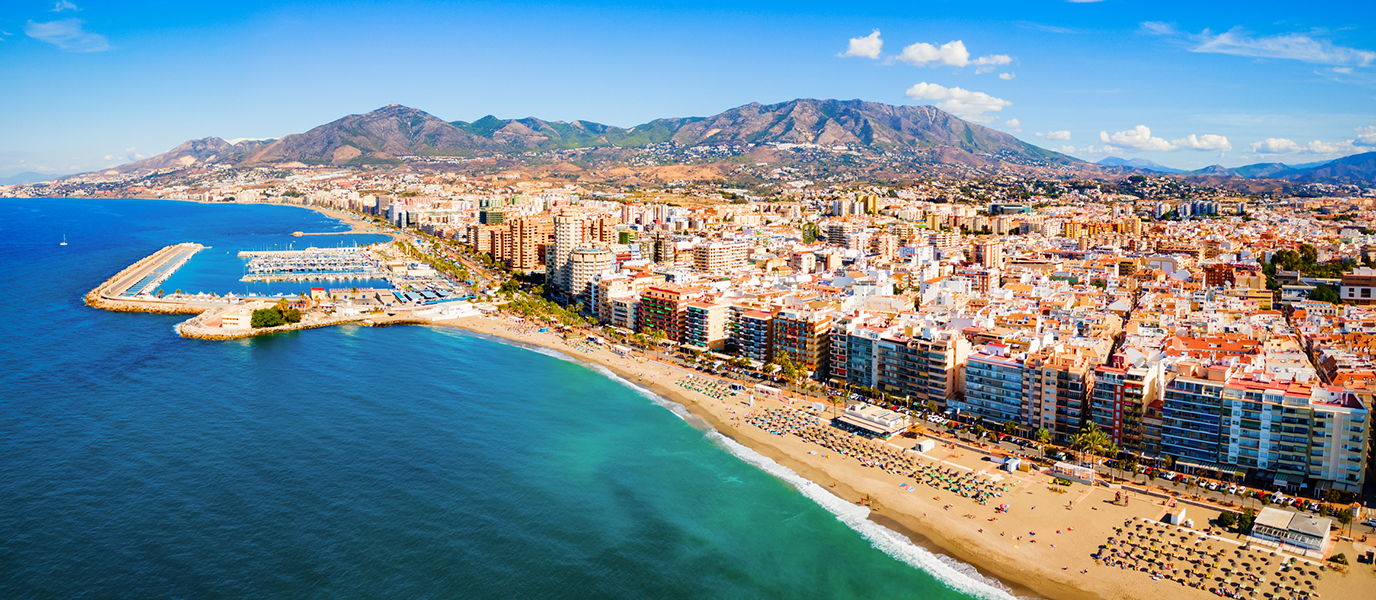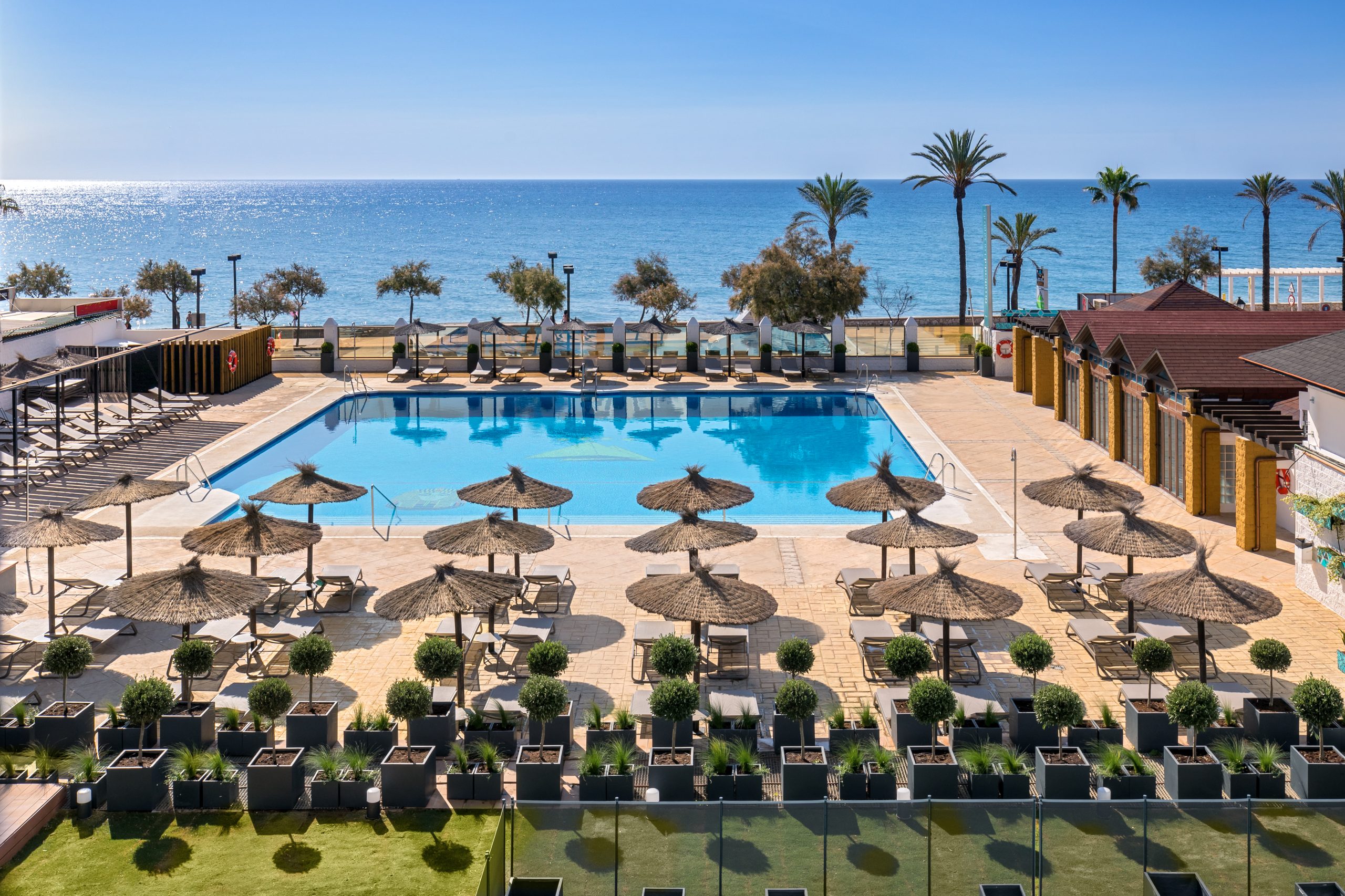







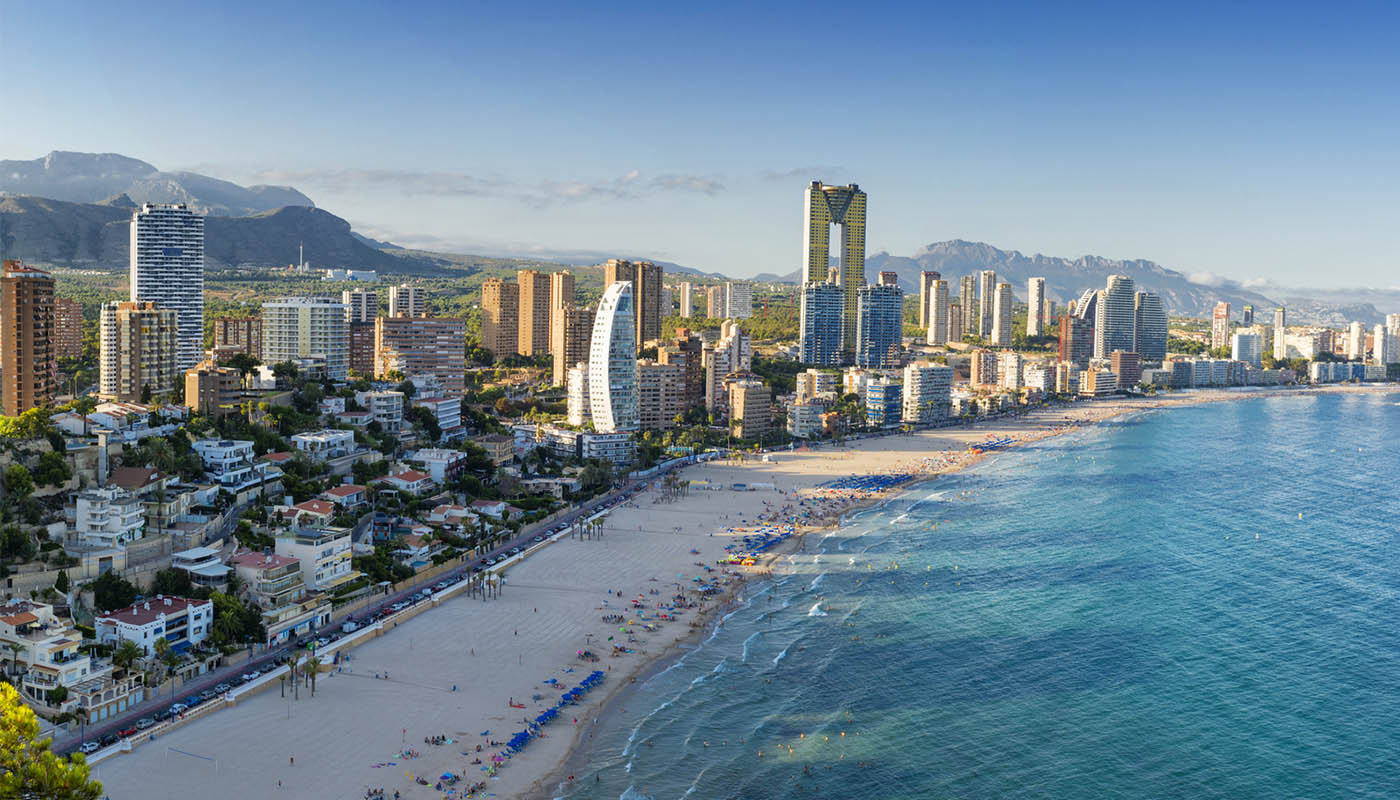

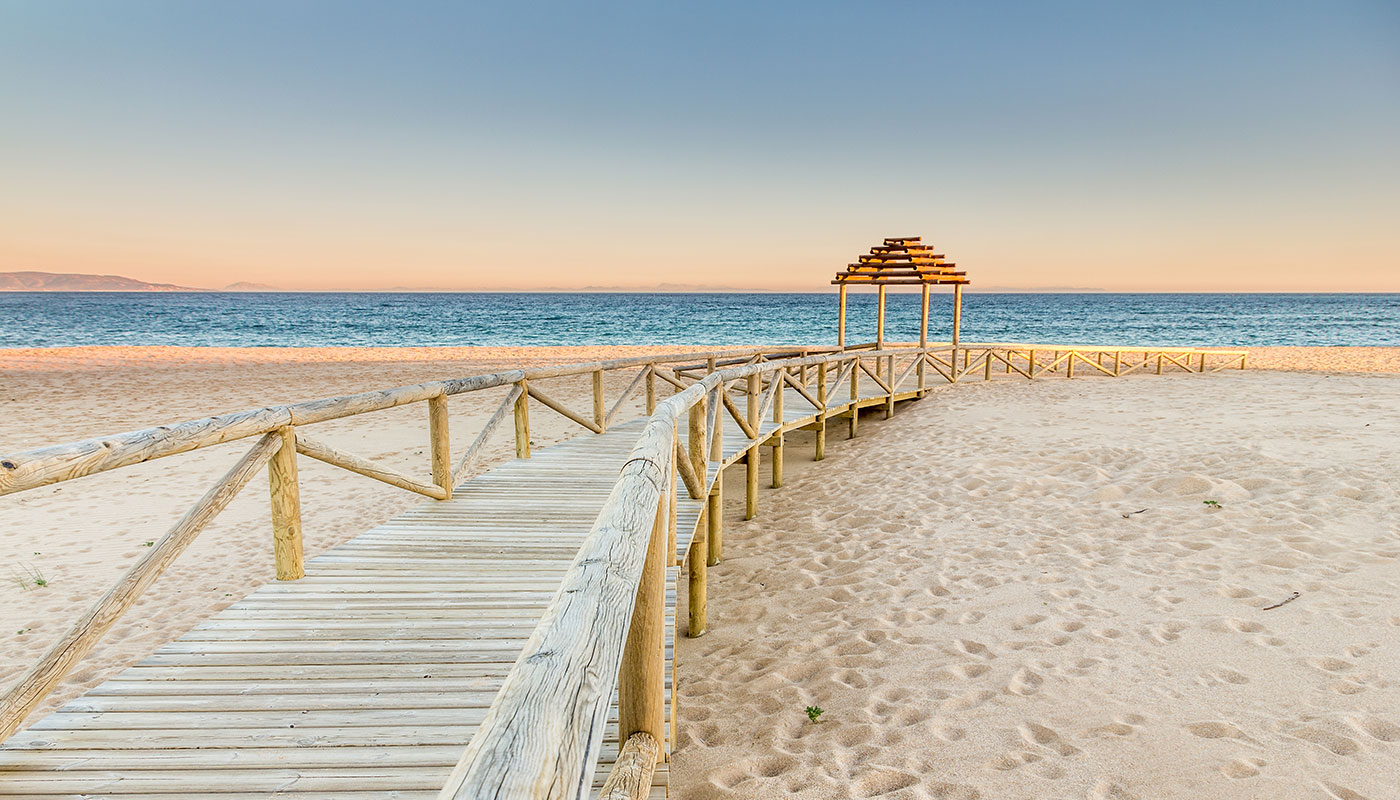
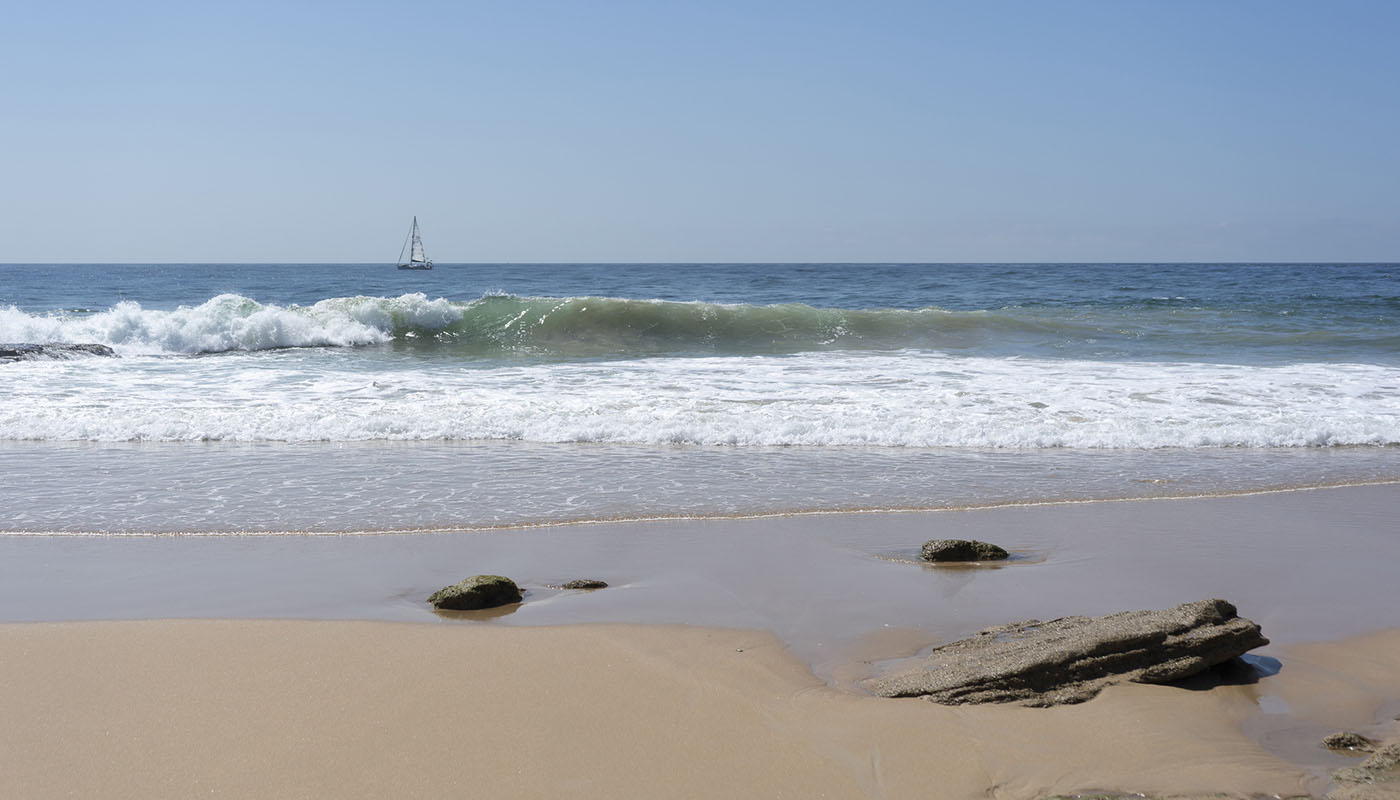






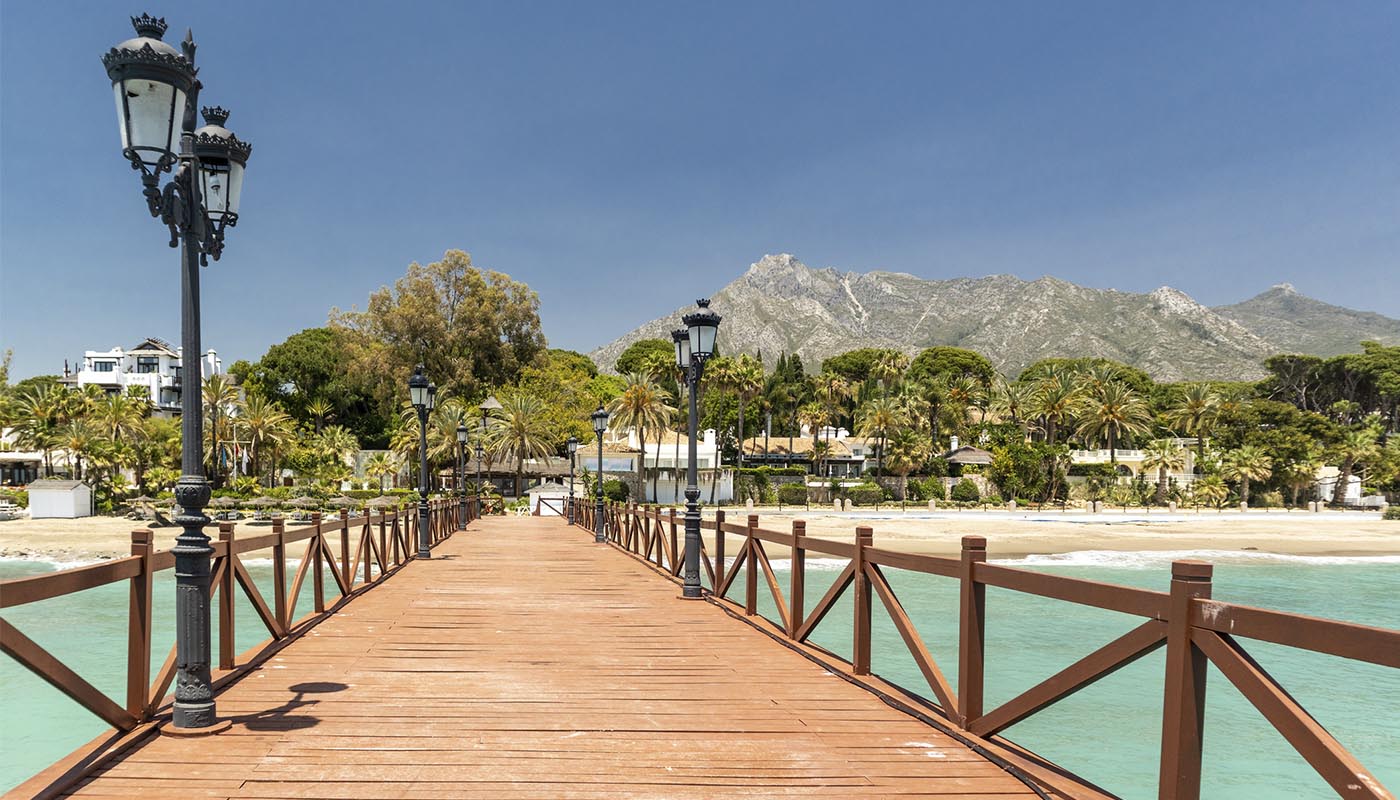


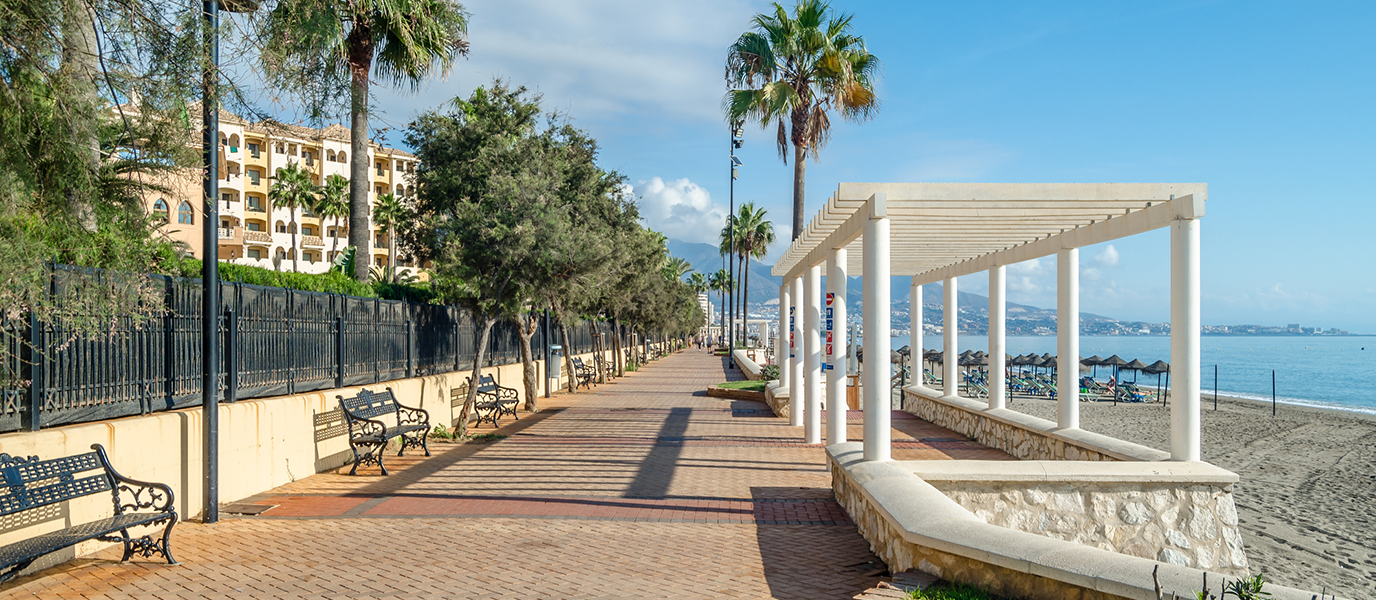
One of the best-known sights in Fuengirola is this eight-kilometre Seafront Promenade that links the town’s beaches. As you stroll between bars and restaurants, you’ll also come across great shops, a craft market and stalls selling beach gear, all with the Mediterranean in view.
- About the Seafront Promenade: the town’s main avenue
- Highlights along the promenade
- Where to eat on a street full of beach bars
- What are the best beaches with access to the Seafront Promenade
About the Seafront Promenade: the town’s main avenue
Also known as the Paseo Marítimo del Rey, the promenade was originally planned in the 1960s as a coastal walkway to connect Fuengirola’s beaches. The first section opened in 1967 and was gradually extended in the 1970s and beyond, to its current length of over seven kilometres, making it the longest Seafront Promenade on the Costa del Sol.
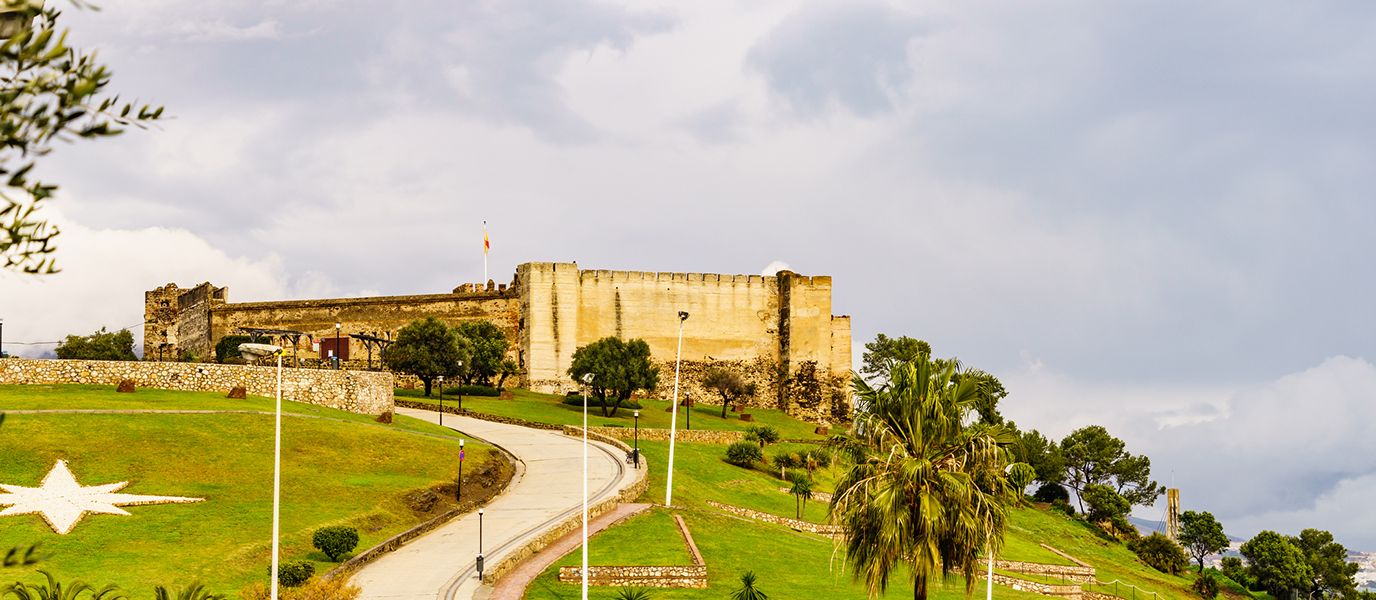
It begins at Sohail Castle and runs all the way to Torreblanca, always hugging the coast.
The promenade is lined with beach bars (one roughly every 200 metres), rest areas, outdoor gyms and cycle lanes.
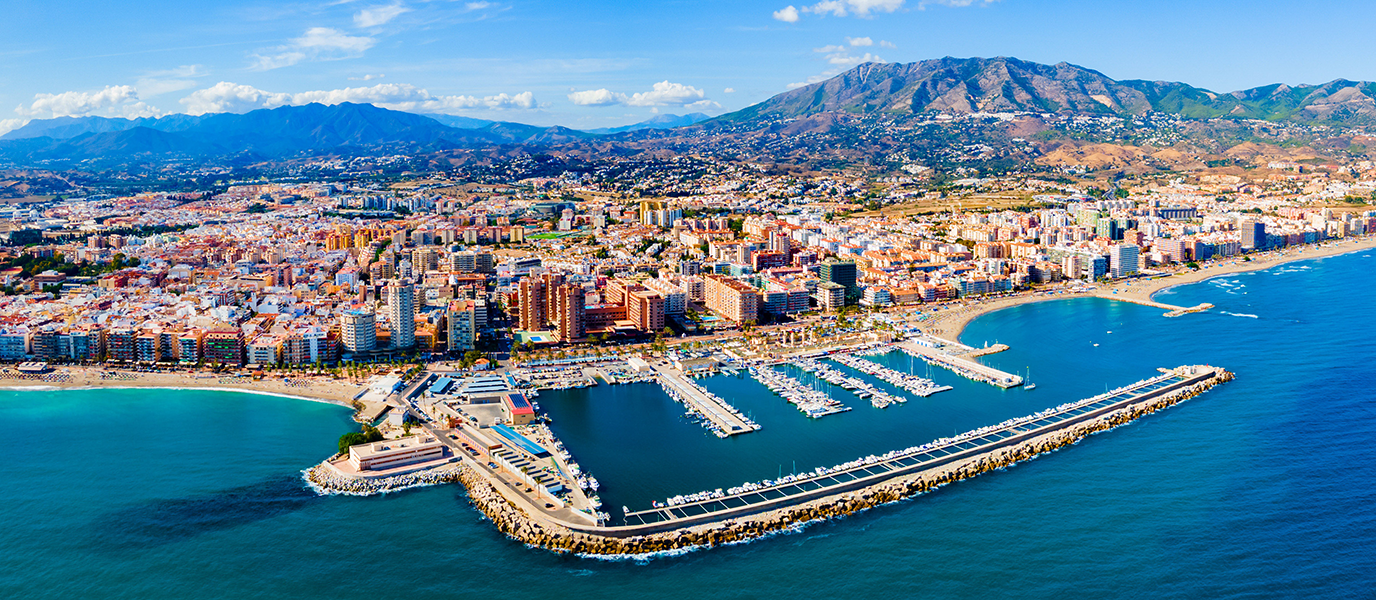
It’s a hotspot in the early morning for runners and cyclists, and in the evening for those looking to enjoy the sunset over the marina and its gently bobbing yachts.
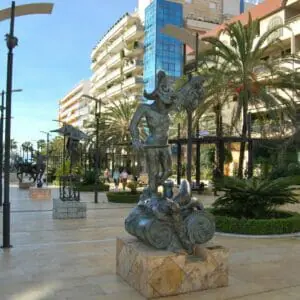
With palm trees and elegant pergolas throughout, the Seafront Promenade also features statues and monuments at the various beach access points.
Highlights along the promenade
The full eight-kilometre stretch is dotted with key landmarks like the Monument to the Peseta, the first in Spain to honour the country’s former currency and a well-known spot among visitors to Fuengirola.
But it’s not the only one you’ll come across on your walk. There’s also a statue of a fisherman and a monument to the tourist, symbolising Fuengirola’s economic and cultural life.
The Seafront Promenade wouldn’t be complete without the protector of the sea, the Virgin of Carmen. This statue is also located in the area officially named Paseo Marítimo del Rey.
Another standout is a set of Roman-style marble columns. They’re not ancient ruins, but rather a modern recreation of a Roman portico that has left a lasting impression on those who’ve walked past.
Where to eat on a street full of beach bars
The Seafront Promenade is packed with classic beach bars and newer restaurants committed to serving delicious local cuisine, including espetos, the most typical dish on Malaga’s beaches.
You won’t want to miss the Los Marinos Jose seafood restaurant, opposite Carvajal Beach, with its ultra-fresh fish that attracts many people to this spot on the promenade just to enjoy some seafood at one of its tables.
Over in Los Boliches, head to La Mar Salá, known for its range of fried fish; Oasis, which has even been recommended by the Repsol Guide and serves dishes like seafood rice; or Los Náufragos, one of the most famous beach bars in Fuengirola for its chargrilled sardines.
On the restaurant side of things, there are places as closely tied to Fuengirola as La Caracola, one of the most popular spots along the promenade, serving delicious Mediterranean dishes. Or Juan Playa, a place with incredible views, a refreshing breeze and a truly local cuisine that holds its own against Botavara, another name that absolutely belongs on our list of must visits.
What are the best beaches with access to the Seafront Promenade
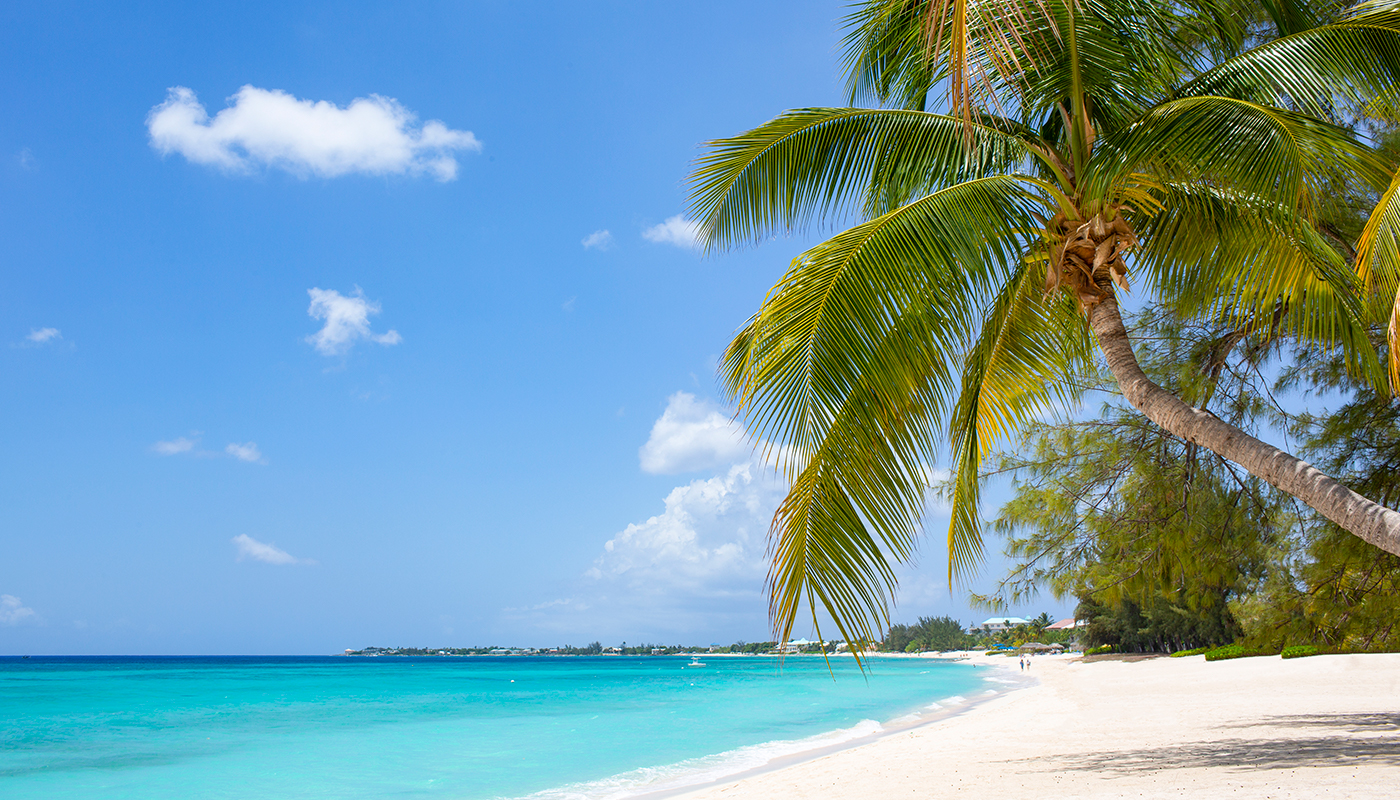
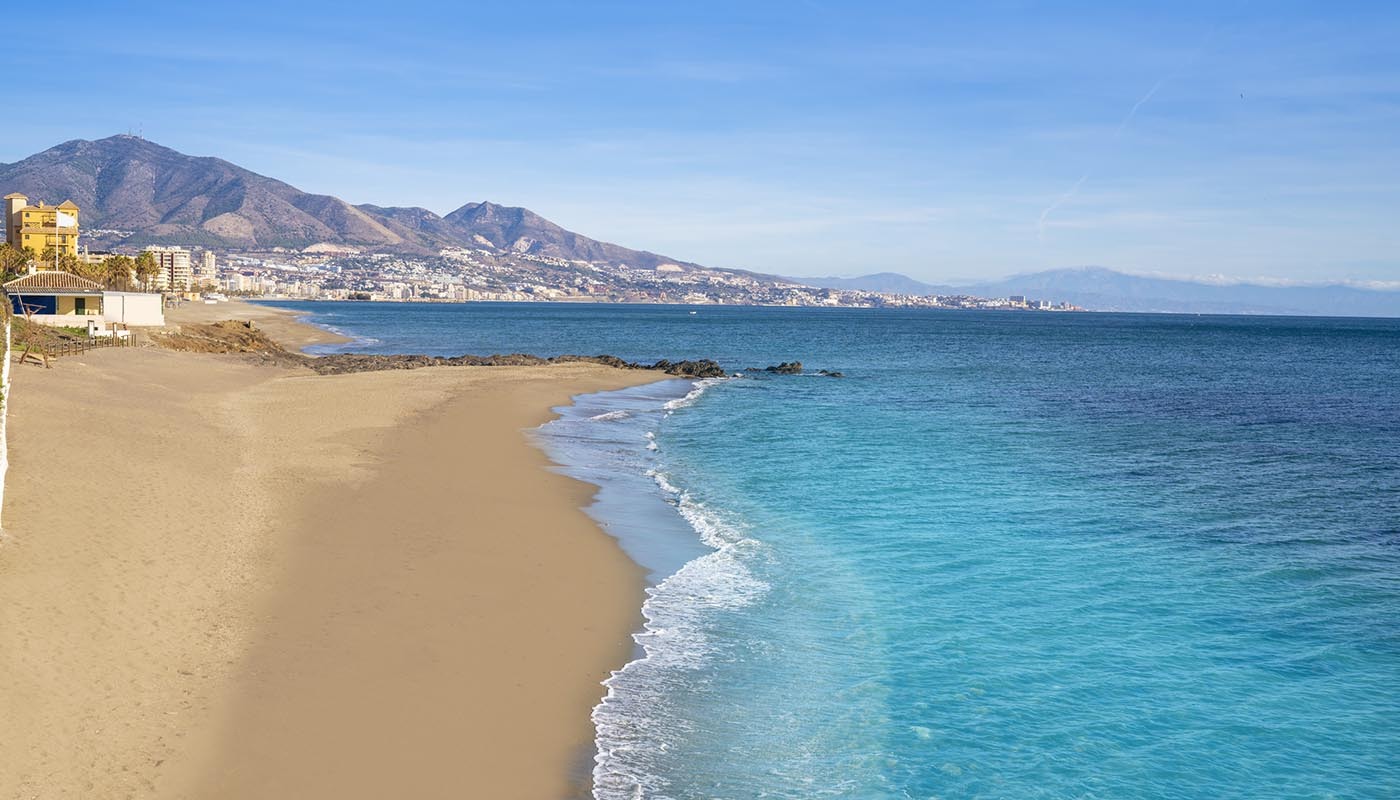
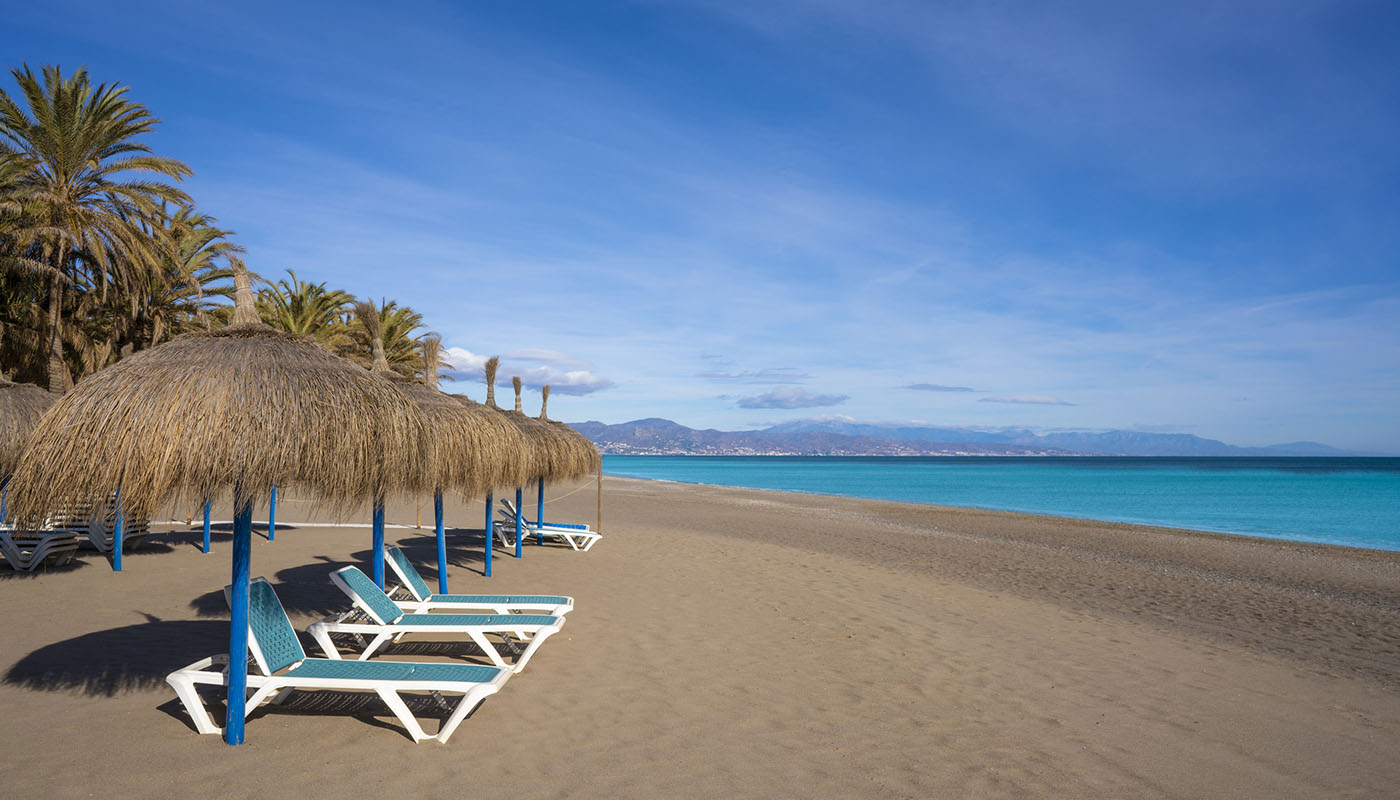
The Seafront Promenade runs past all of Fuengirola’s main beaches, Carvajal, Torreblanca, Las Gaviotas, Los Boliches, San Francisco, Santa Amalia and El Ejido. All of them connect to the promenade that runs along the coast, allowing beachgoers to move from one to another depending on the sunlight or how busy they are.
Fuengirola Beach is a central favourite, but most families head to Los Boliches for its calm, shallow waters and dark fine sand, perfect for young children.