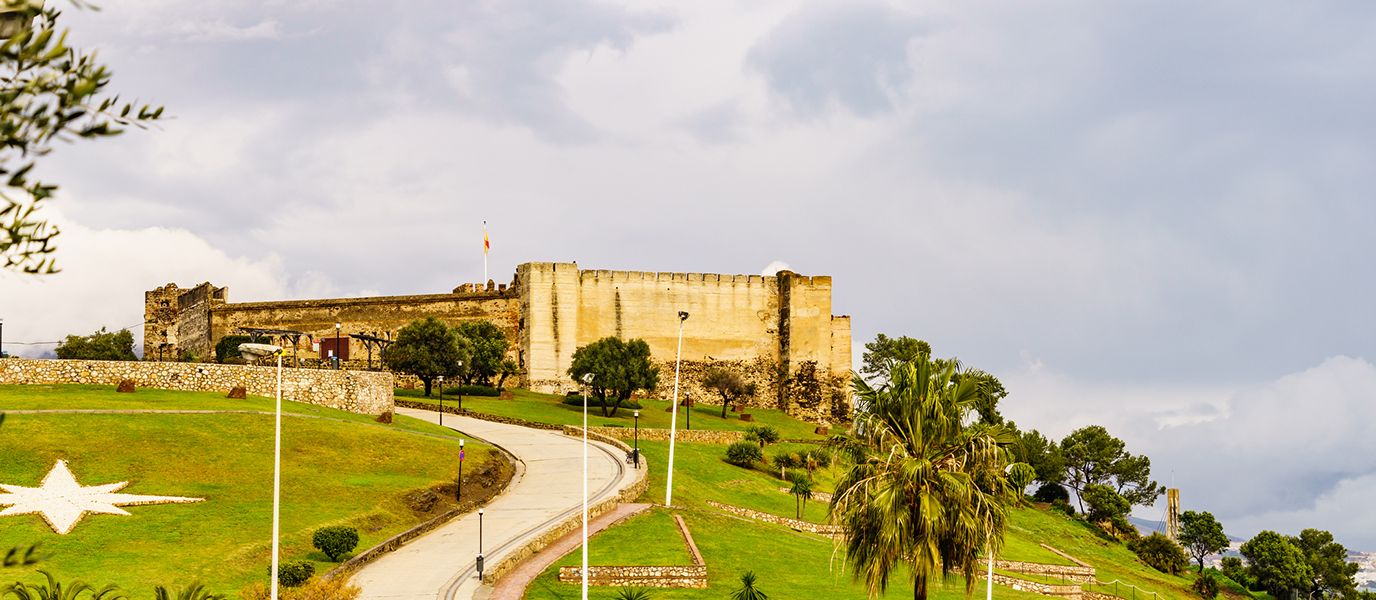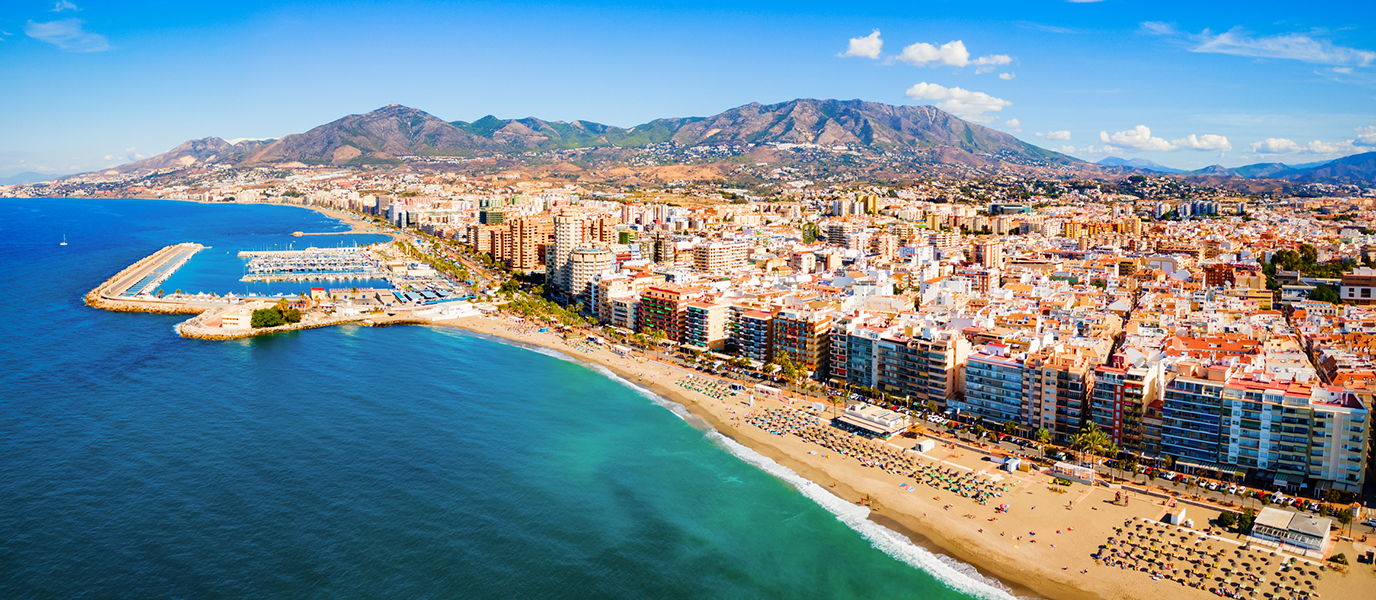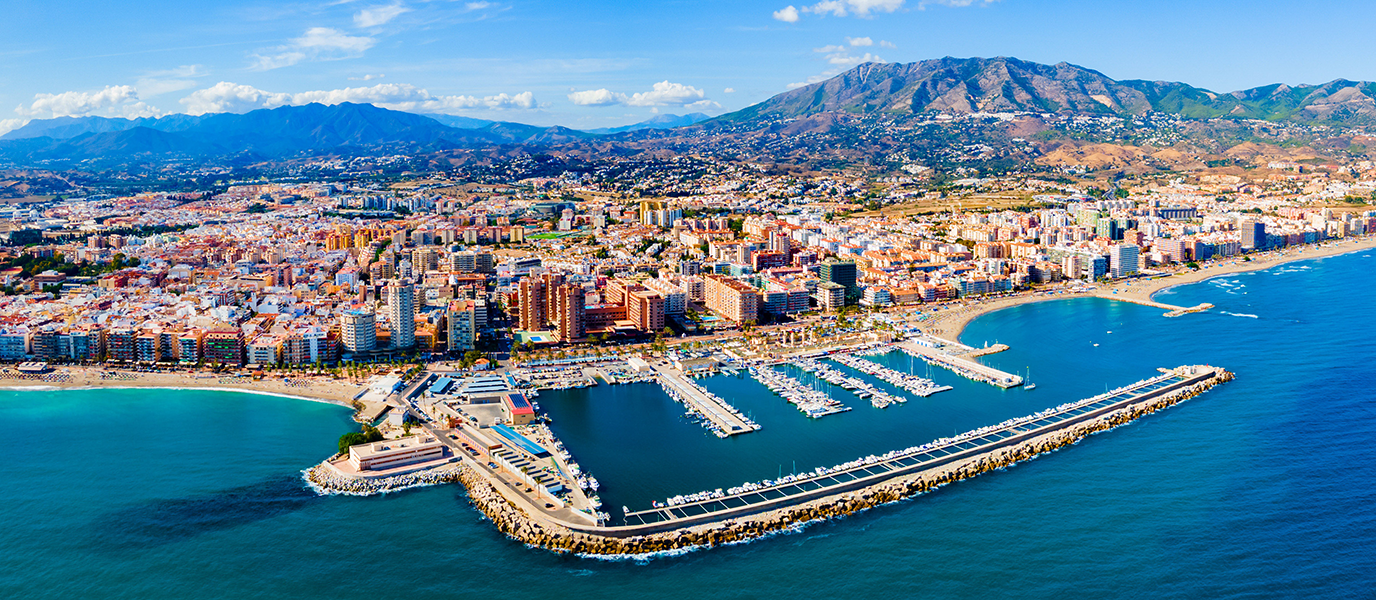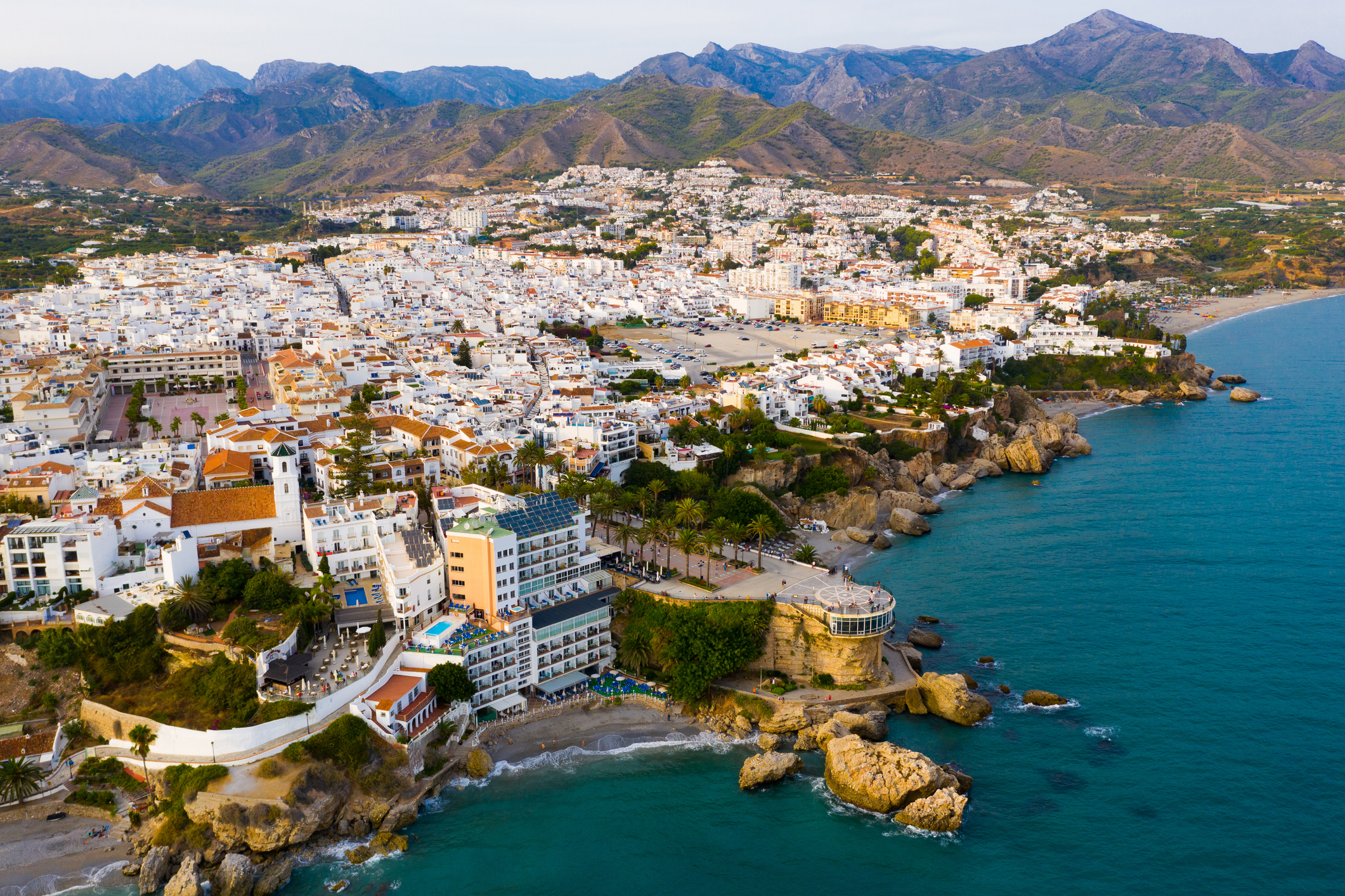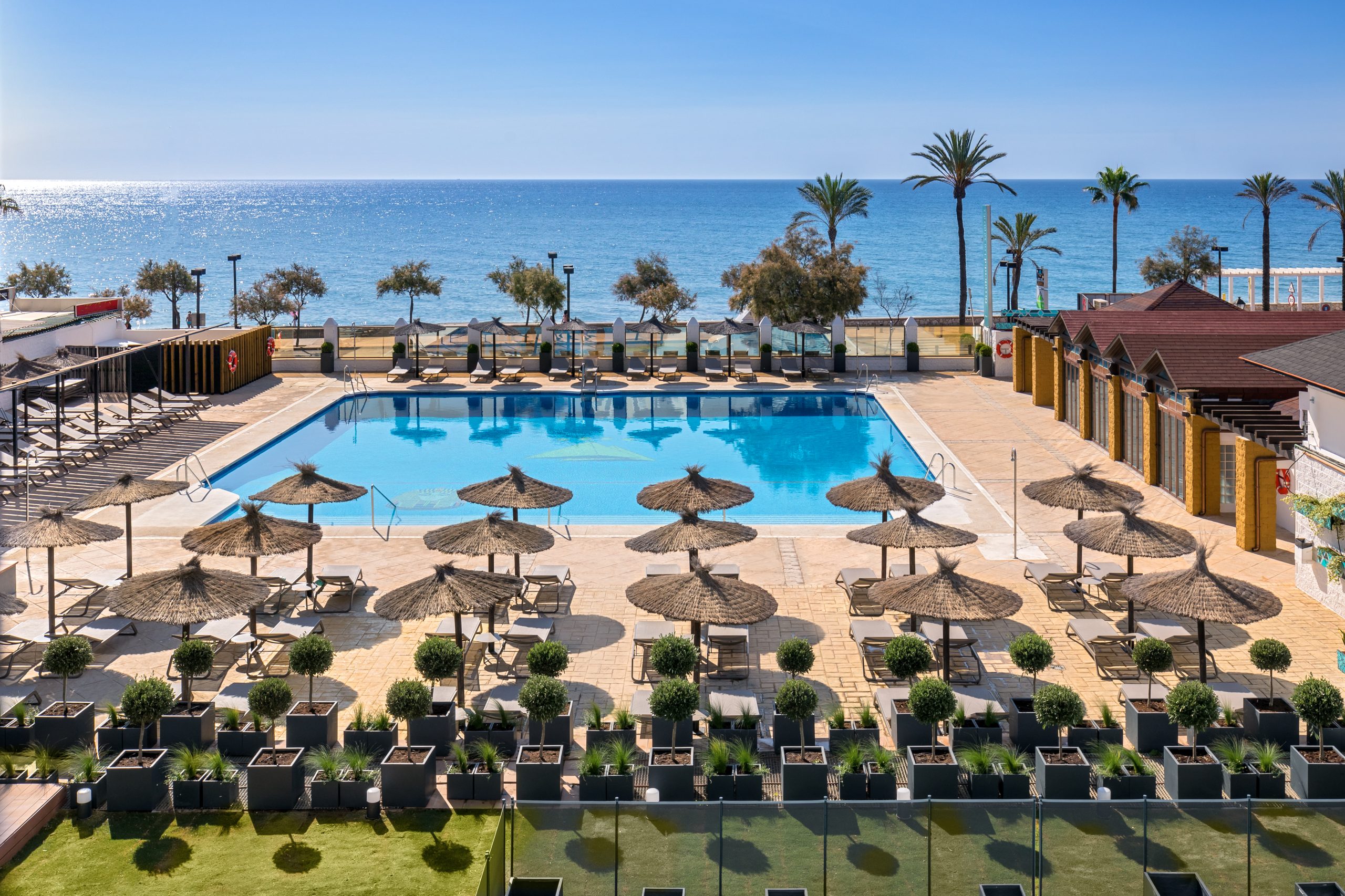
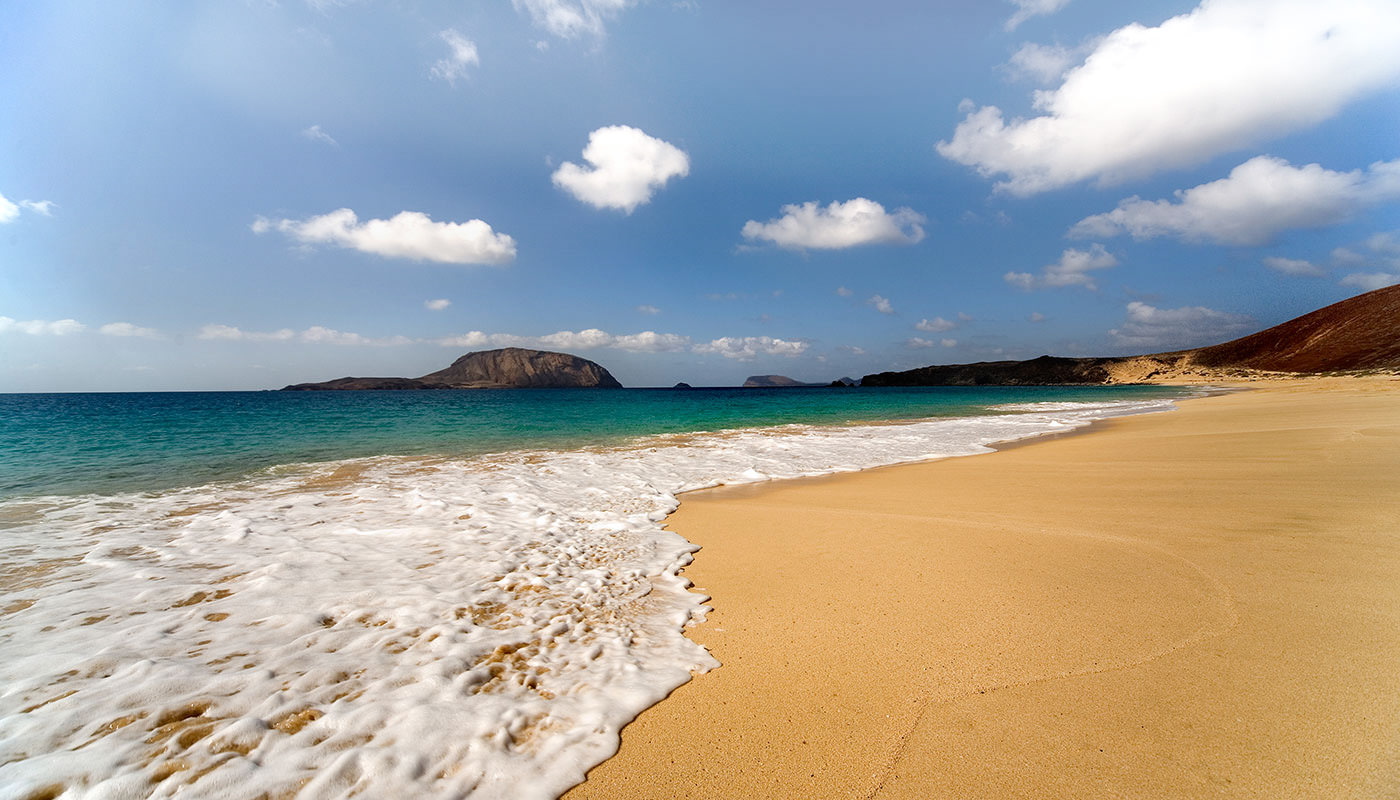
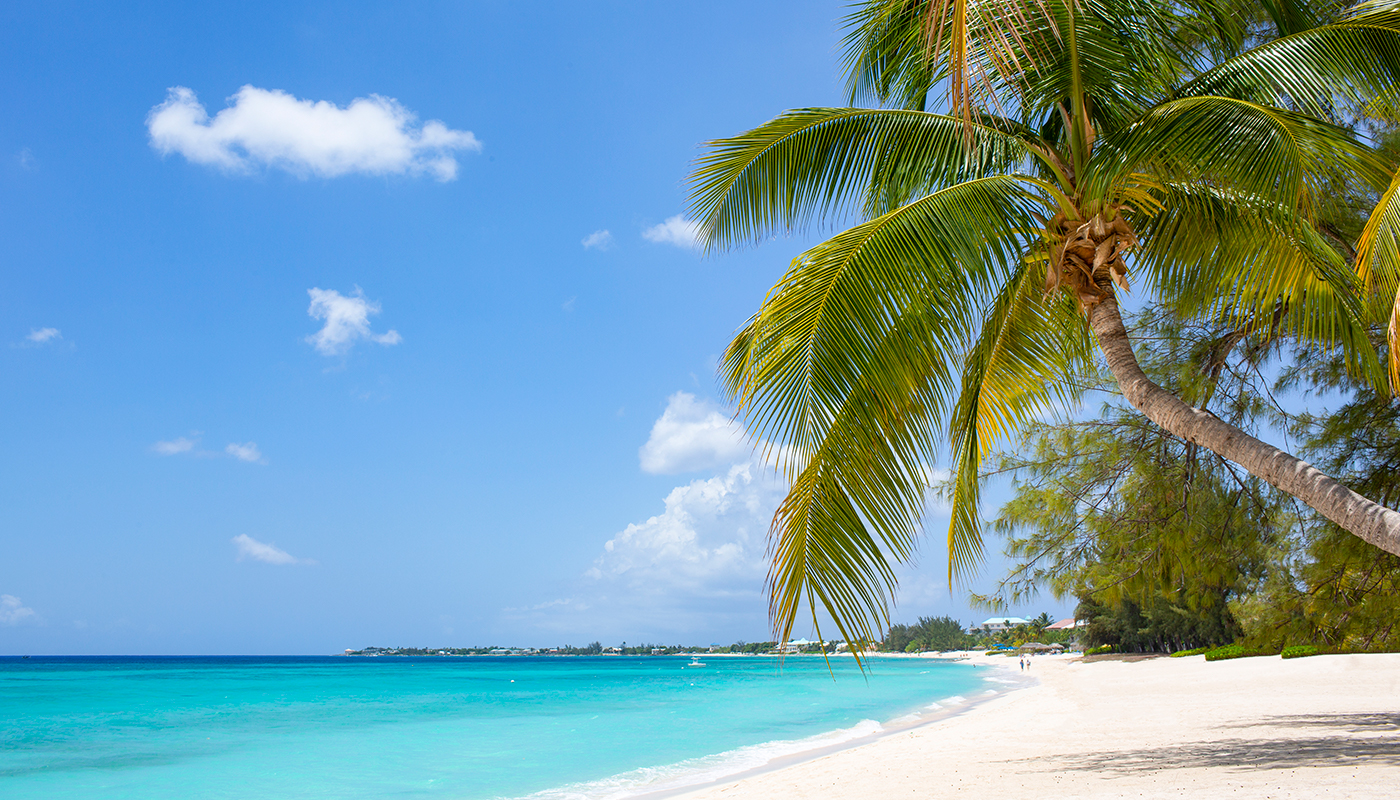







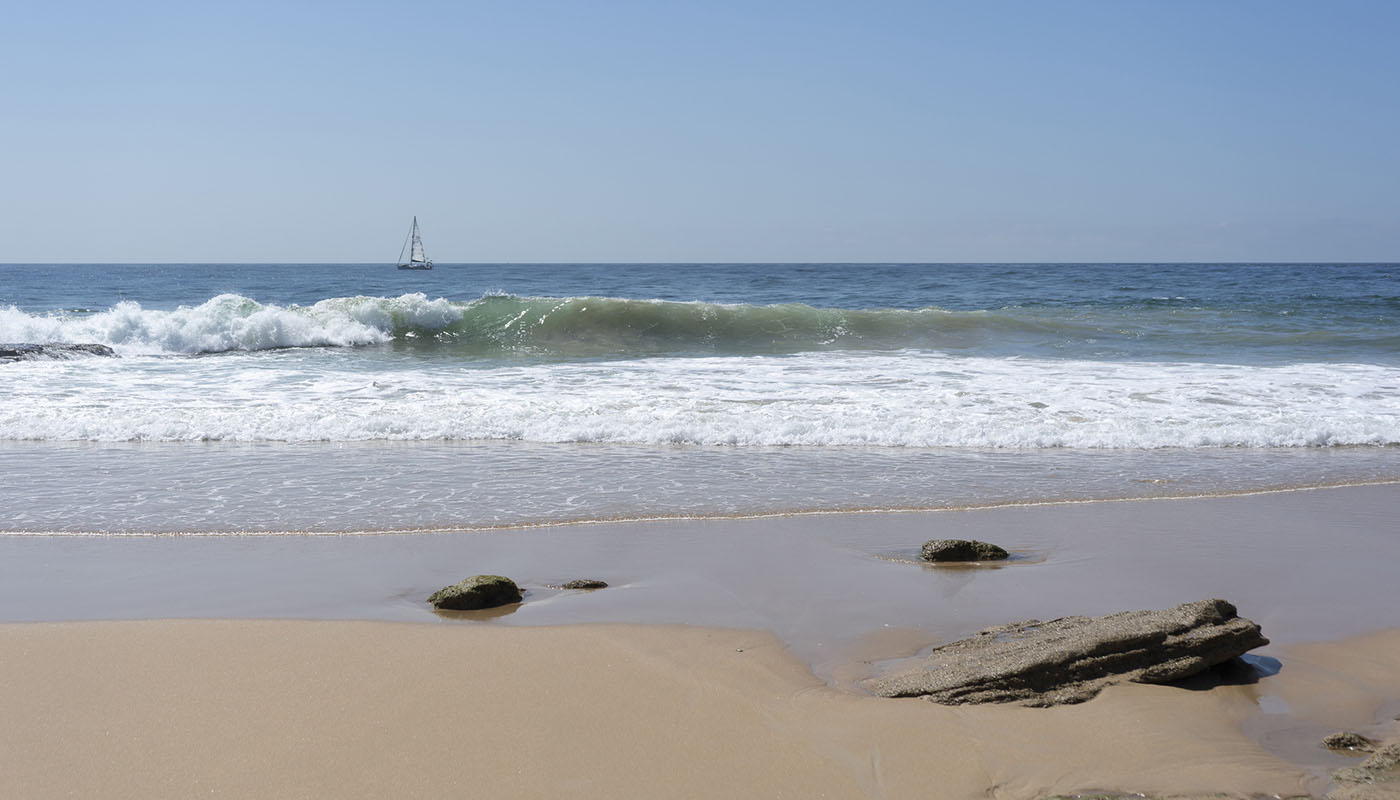
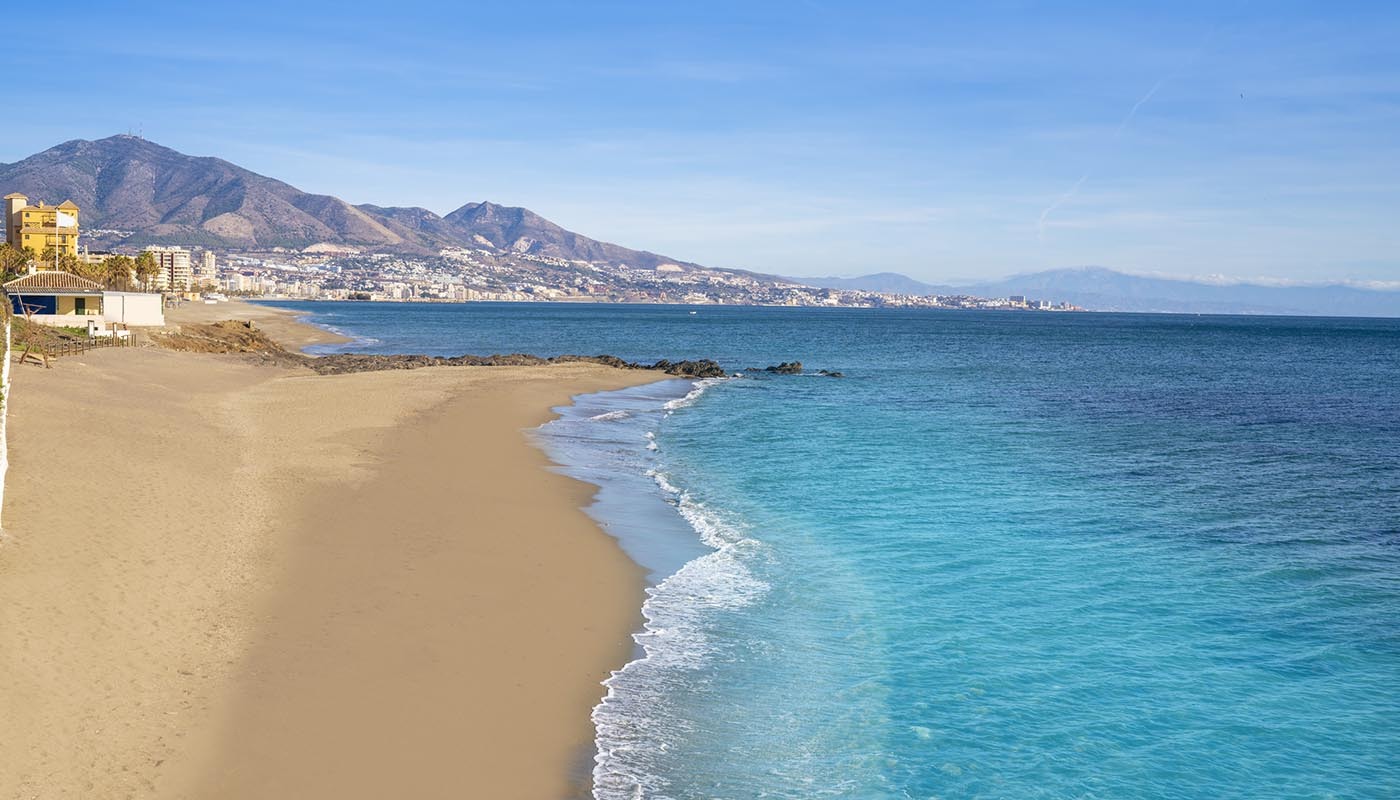

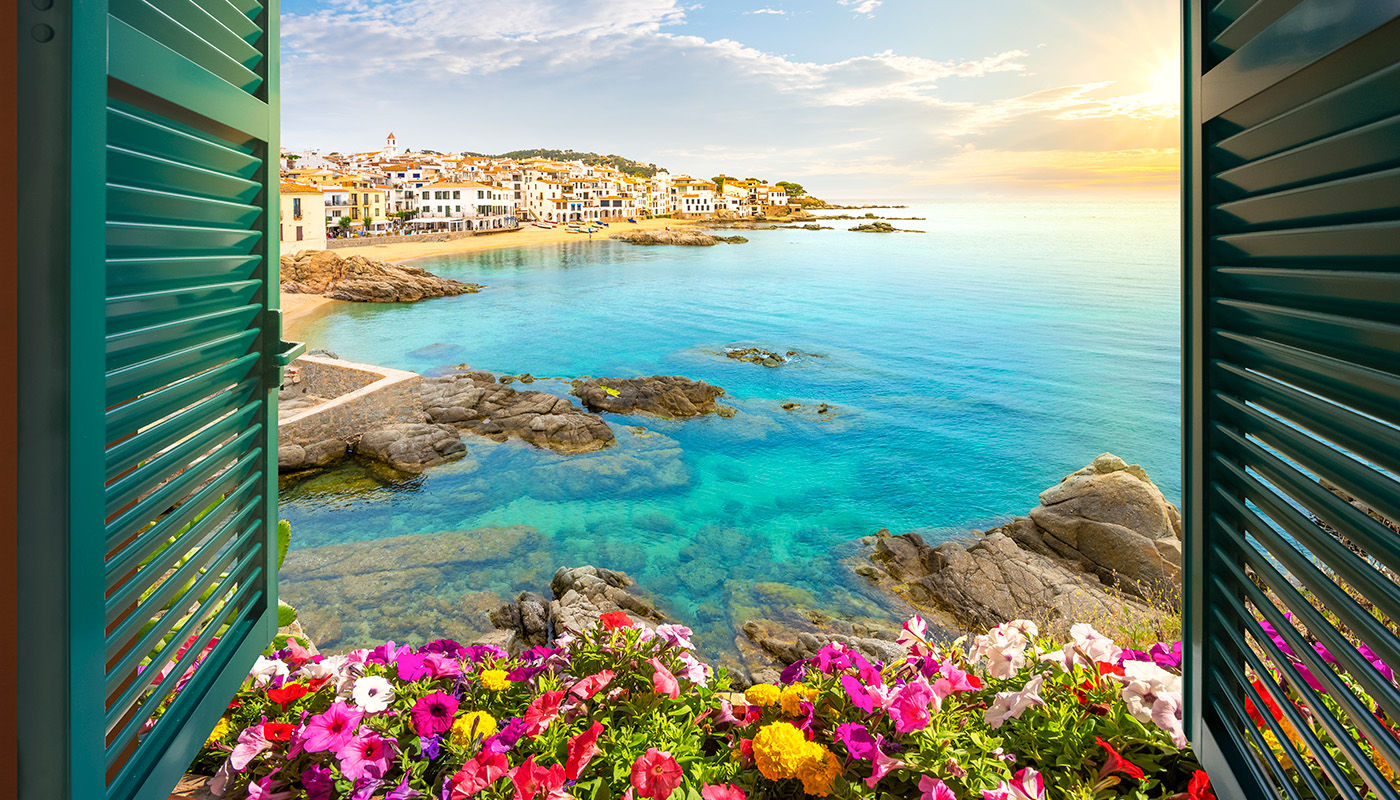

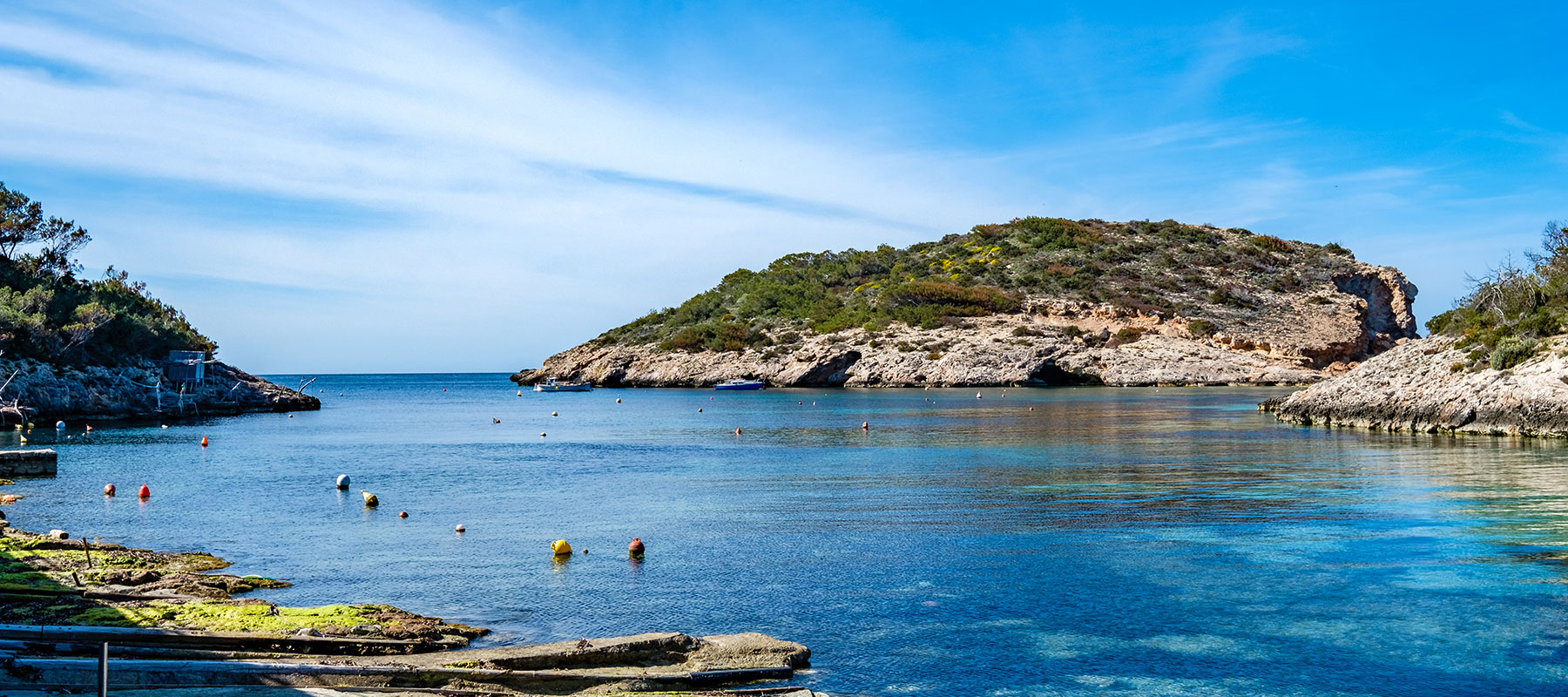


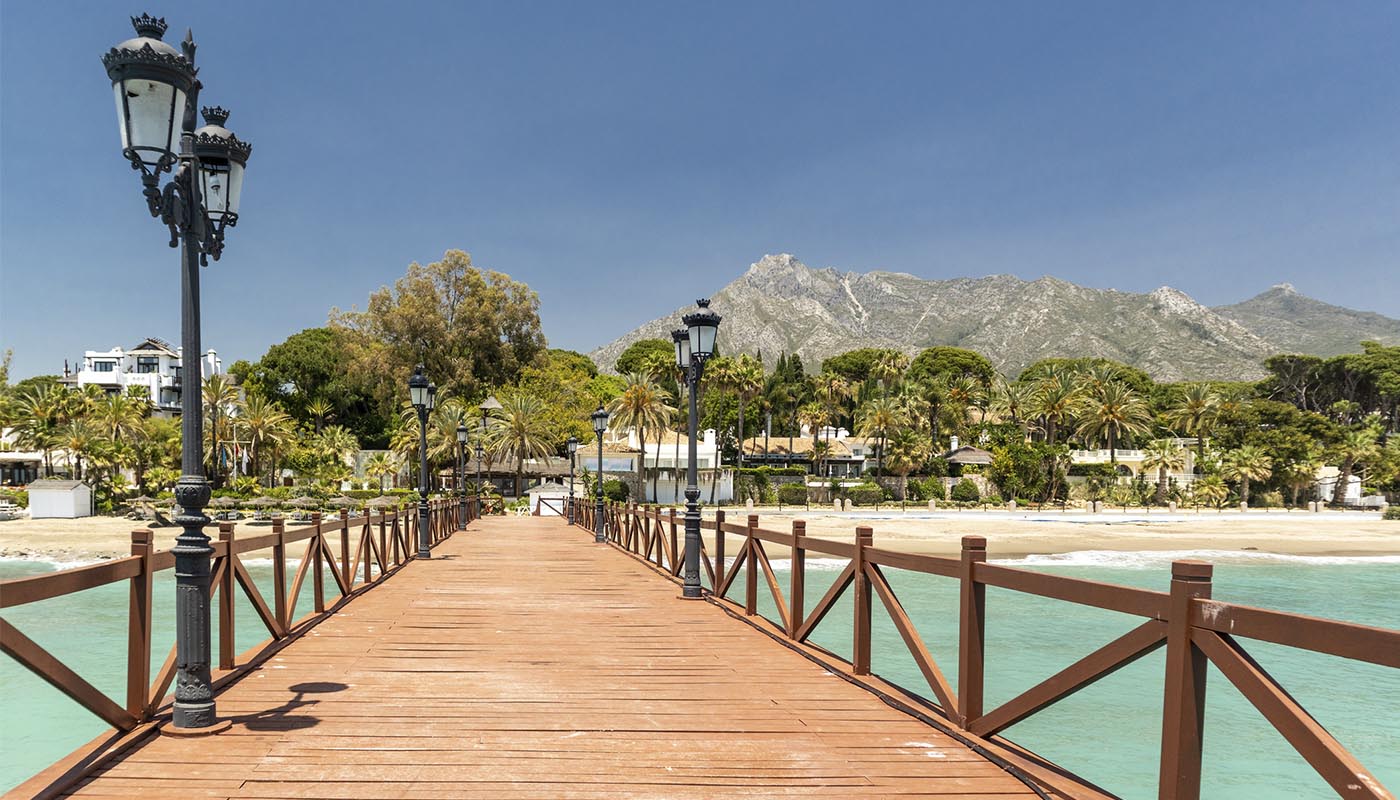
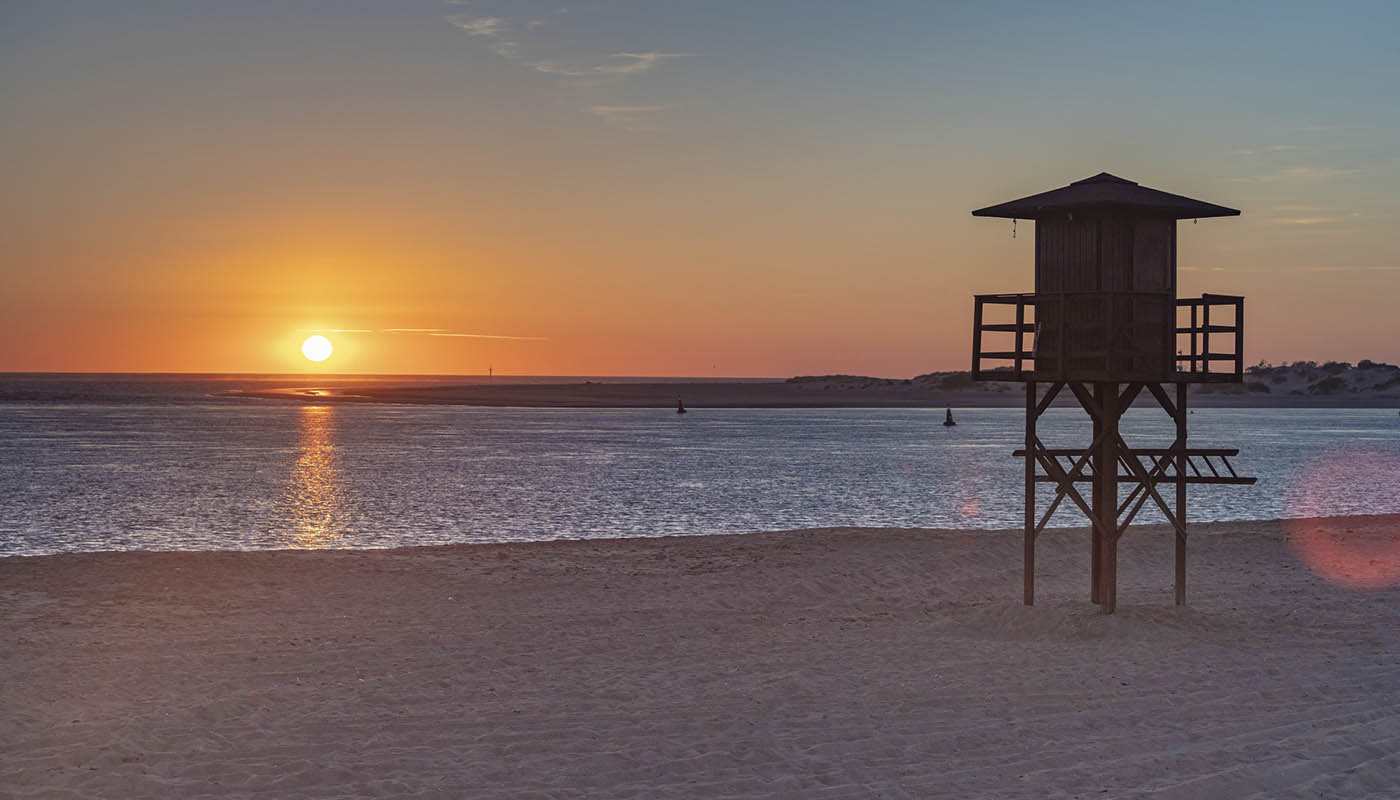
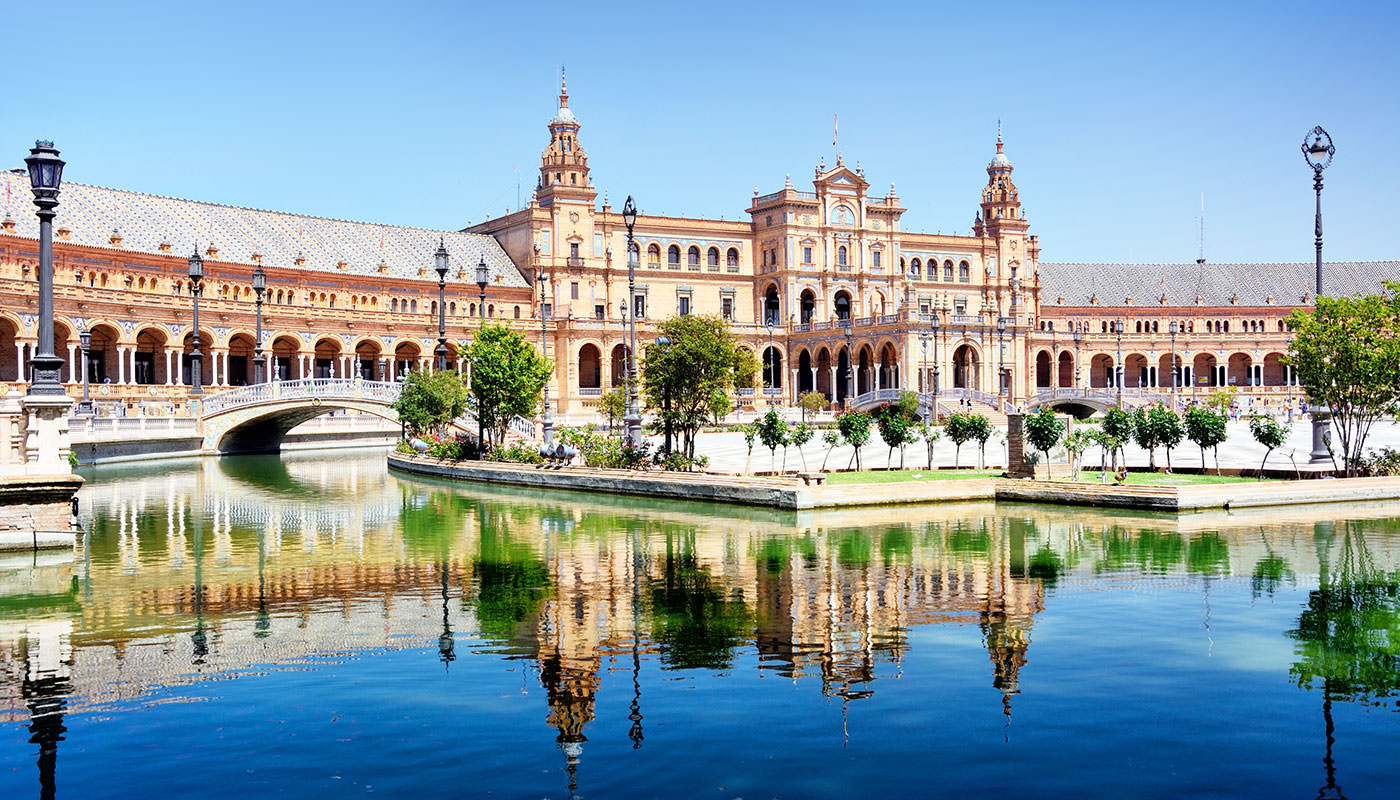
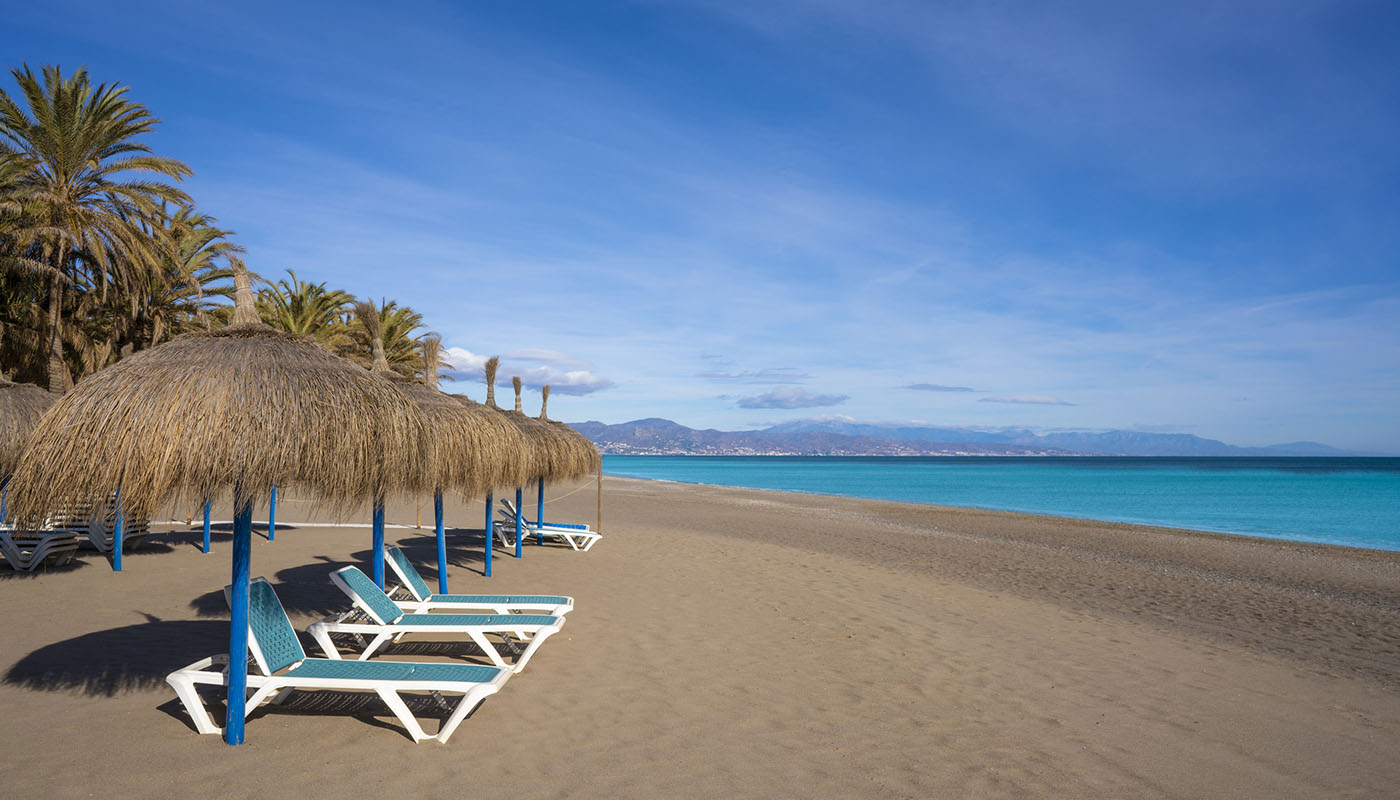
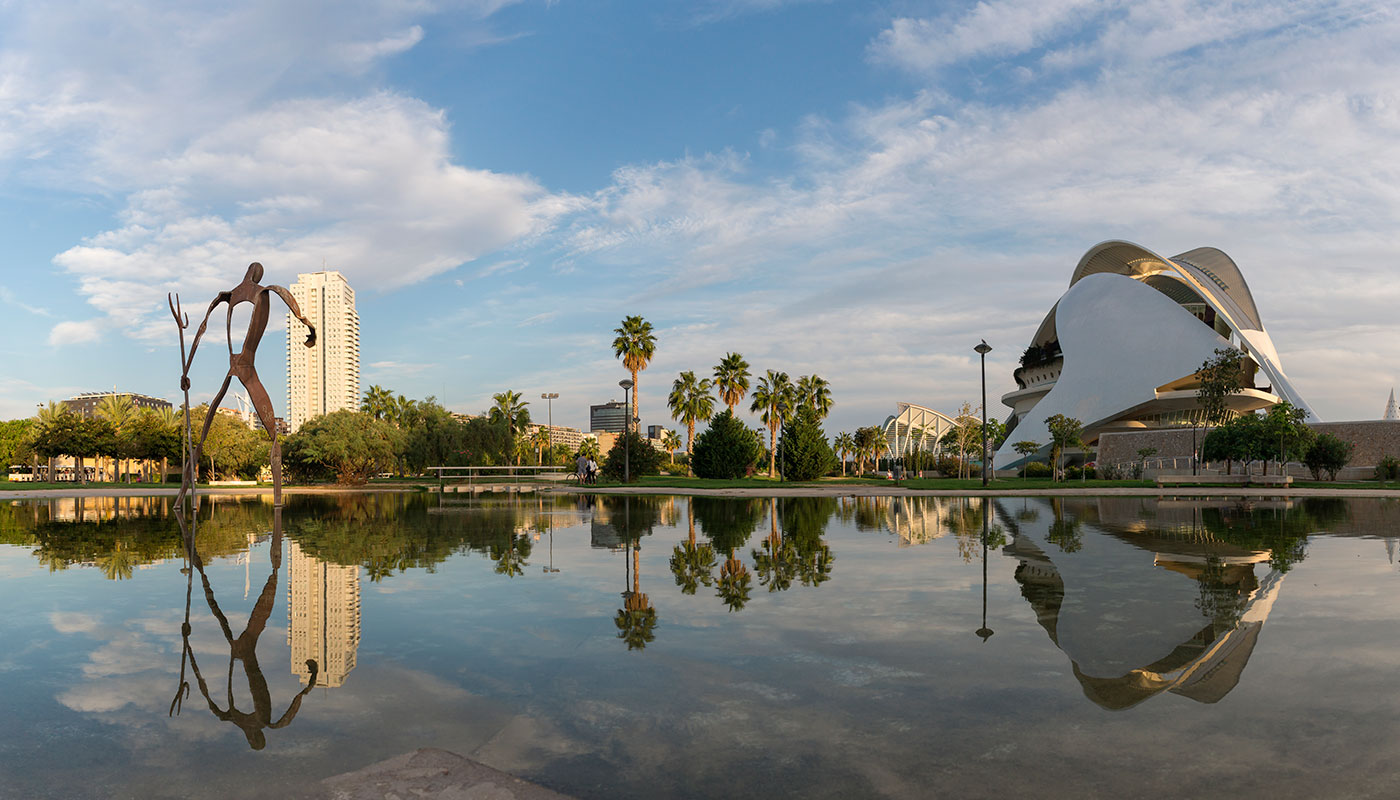


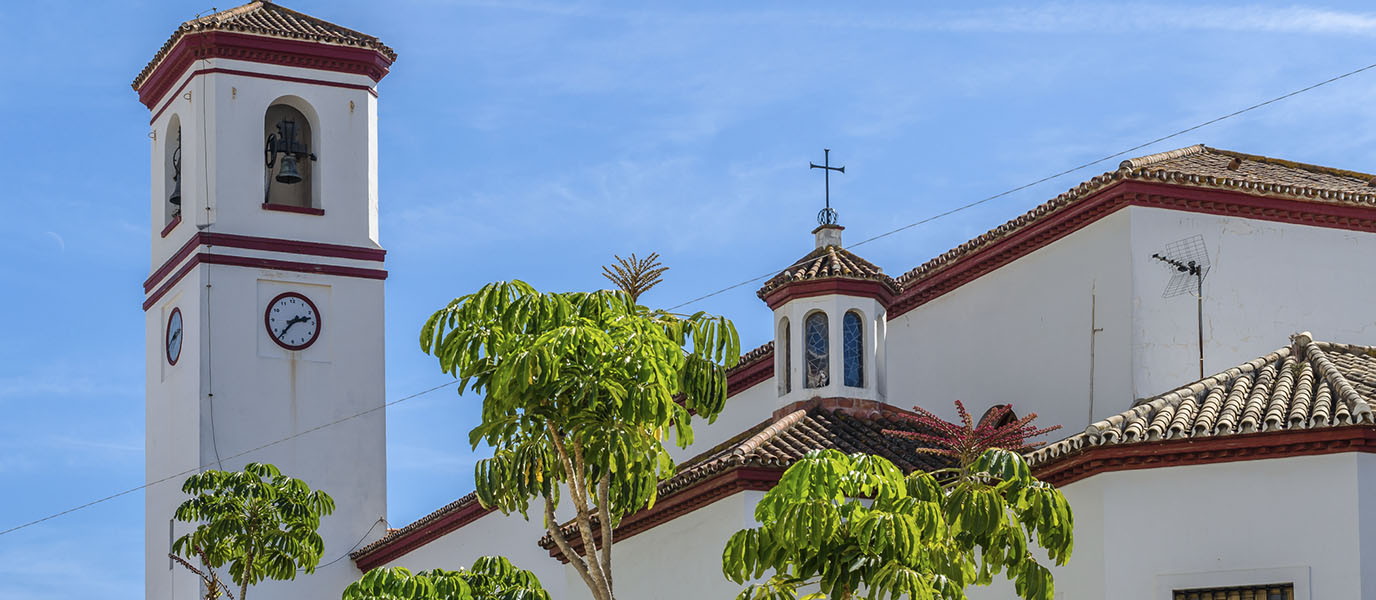
The mere mention of Fuengirola conjures up images of the sea, the beach, beach bars and sand. However, this attractive resort on the Costa del Sol, which has successfully kept abreast of the times, also retains a historic quarter with all the character and identity of Andalusia’s white towns.
To find the oldest part of Fuengirola, you just need to head towards the Plaza de la Constitución, close to the church known as the Iglesia del Rosario. This will bring you to the heart of this town overlooking the Mediterranean Sea, as if it were a delightful balcony from which you could enjoy observing the daily life of the people who live here.
Fuengirola’s historic quarter is a network of typical buildings and traditional corners that blend in with more modern infrastructure, creating a major contrast on this tourist resort not far from Malaga’s provincial capital.
- Fuengirola: a history that began with the Phoenicians
- What you can see in the centre of Fuengirola
- Where to eat in Fuengirola
- Shopping in Fuengirola
Fuengirola: a history that began with the Phoenicians
The history of Fuengirola dates back to the time of the Phoenicians and the Romans, who settled in the hills around the Moorish Castle of Sohail, which still stands. The Roman settlement was called Suel, and is mentioned by Pliny and Ptolemy. Archaeological remains have been discovered that confirm that this settlement on the coast of Fuengirola was known as the ‘Thermae’ of Torreblanca and the ‘Villa’ of the Finca del Secretario complex.
There is no mention of the town of Suel in the Middle Ages. It is said that the place was destroyed by a tsunami, and that the inhabitants left for Mijas because of raids by bandits arriving from the sea. Later, Suel became known as Suhayl, and its main occupations were fishing or camel grazing. Later still, the town gained the name Font-jirola after a fountain near the castle, but in fact the only place that was inhabited by then was the castle, which housed a military detachment.
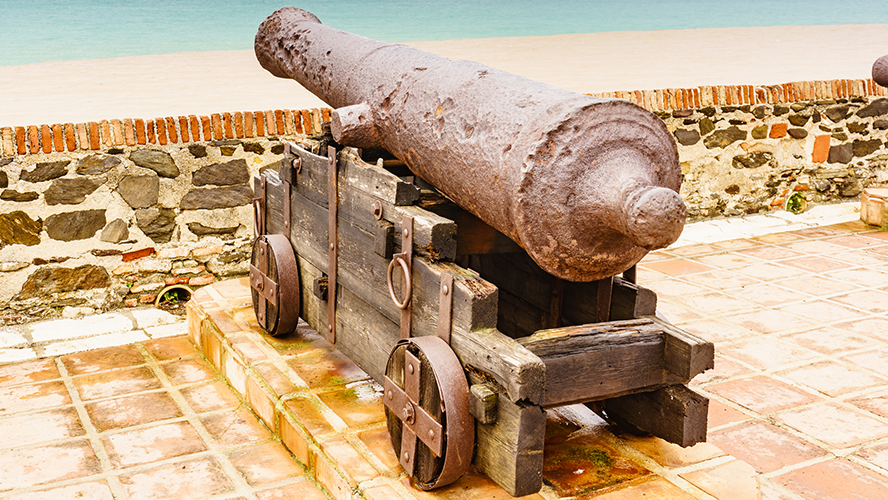
During the seventeenth century, a new town sprang up around an inn that offered lodging to travellers and muleteers. In 1822, the owners of the Inn at Fuengirola made a request to the provincial council that a constitutional town hall be created, as the population had grown to over 1,000, but the request was denied. In 1841, Fuengirola finally broke free from the municipality of Mijas.
In the twentieth century, once the phylloxera crisis was over, the town turned to the sugar cane, hemp and tourism industries. In the 1950s the first hotels were built, the sewerage system was installed and the streets were surfaced. Since then, activity has centred on tourism, with the town focusing on becoming convenient and welcoming, both for Spaniards and those arriving from other countries.
What you can see in the centre of Fuengirola
Despite the growth of tourism, Fuengirola’s historic quarter remains an authentic Andalusian town, with narrow, cobbled streets, quaint squares and historic buildings, some of which show the influence of its Moorish past. We can recommend that you perfect the art of the tapas trail in the traditional bars, go shopping in the local shops and take part in the cultural activities and festivals that are held throughout the year.
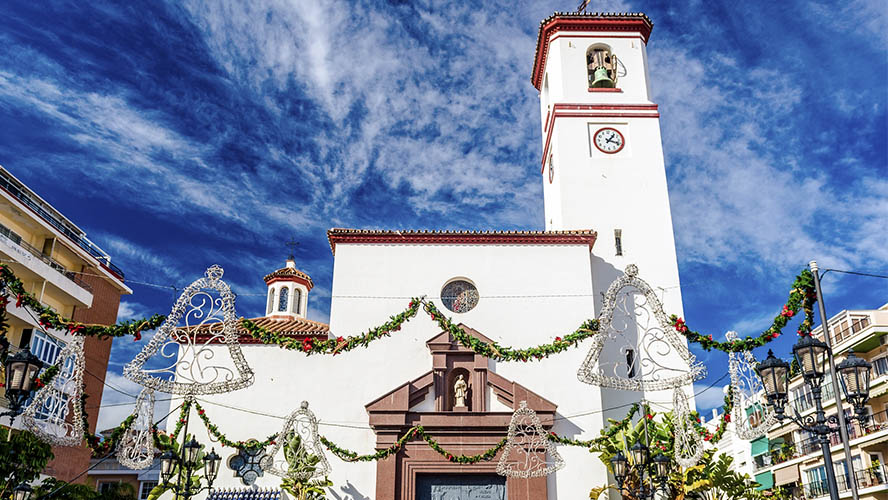
What can you see in the centre of Fuengirola? Don’t forget to visit the Iglesia de Nuestra Señora del Rosario, a church built during the eighteenth century in the Neo-Classical style. Look carefully at its white façade and its elegant bell tower. Inside, there are precious altarpieces and works of religious art.
Another interesting building in Fuengirola’s historic quarter is the Finca del Secretario, a former residential palace that dates from the nineteenth century. The building is an example of the bourgeois architecture of the time. Nowadays, it houses the Town Museum, where you can see exhibits relating to the history and culture of Fuengirola.
On the Seafront Promenade, you could visit the Monumento a la Peseta, a sculpture that represents Spain’s former currency, the peseta, and from there you can enjoy lovely sea views.
Where to eat in Fuengirola
As you might expect, Fuengirola has a plethora of the usual restaurants and beach bars. There is a vast choice, and everyone will find something to suit them here, whatever their tastes. One option is to go to one of the many beach bars scattered along the beach, and enjoy the classic skewered sardines or a good plate of fried anchovies. There are also places specialising in seafood, offering the finest produce, and even a restaurant with a Michelin Star and two Repsol Suns: Sollo.
Where can you eat in the centre of Fuengirola? There are endless possibilities, and travellers can choose a restaurant that suits both their tastes and their budget. If you are looking for a superb gastronomic offering, this is the time to treat yourself at Restaurante Sollo, which specialises in river fish and its own home-grown vegetables. An interesting feature about this establishment is that they are working on the reintroduction of the Andalusian sturgeon.
Other good restaurants in Fuengirola are El Higuerón, a family-run place that, for 30 years, has been serving food with an Asturian influence; Los Marinos José, which specialises in fish and seafood; Mesón La Salina, an excellent grill restaurant; Chiringuito Oasis, for a chance to try the finest Andalusian delicacies whilst enjoying sea views; Tánicos, where you can enjoy dishes based on market cuisine and prepared using local ingredients; Mesón de Andrés, a place with a very varied menu; Charolais where the cooking has a hint of Basque influence; and El Laberinto Bistró, which serves a combination of haute cuisine and traditional tapas.
There is also a good selection of restaurants serving international cuisine: Italian, Japanese, Hindu, Chinese, Hawaiian, Lebanese, Moroccan, and more. Every taste is catered for.
Shopping in Fuengirola
Visitors to Fuengirola can enjoy an excellent shopping experience, because the retail offer is vast. There are plenty of shops, some selling the top brands, as well as others that cater for all budgets. There are also two municipal markets and the Miramar shopping centre. Two street markets are held every week: on Tuesdays on the festival ground, and on Sundays in Doña Sofía Park; there is also an antiques market on Saturdays on the festival ground.