









What to see in Valladolid
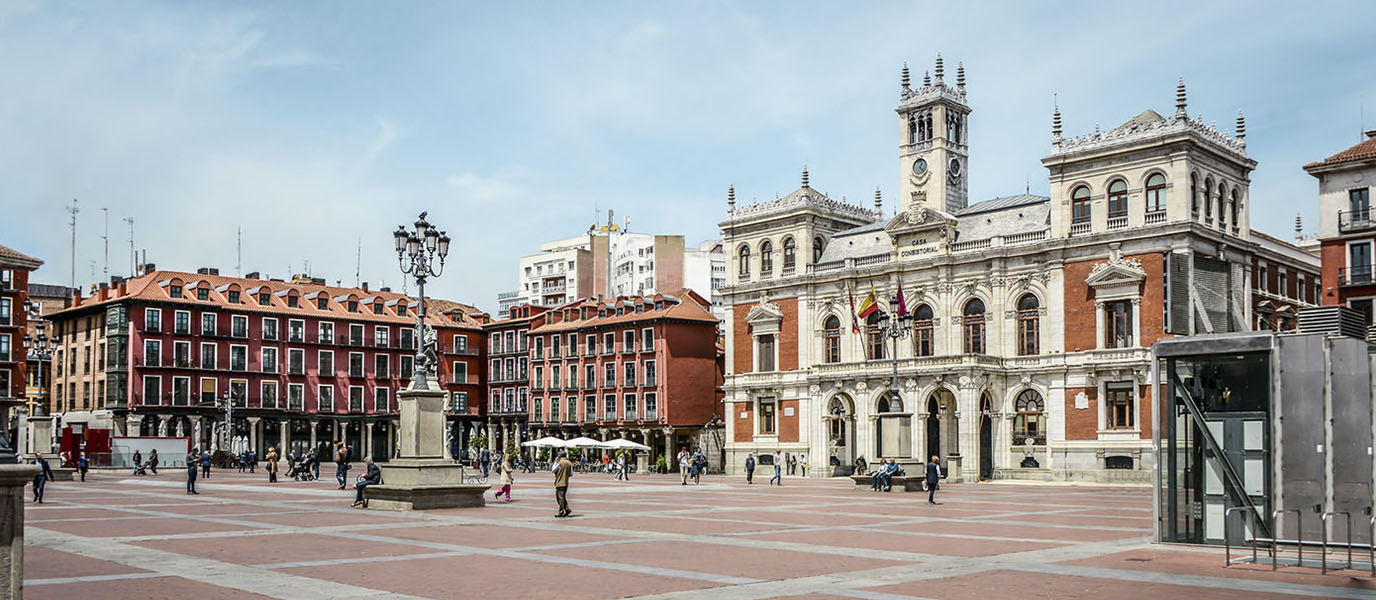
What to see in Valladolid: quiet courtyards and roast suckling lamb in the old Castilian court
A Castilian capital of sober façades and open squares, Valladolid combines art, imperial history and one of the best tapas cultures in Spain.
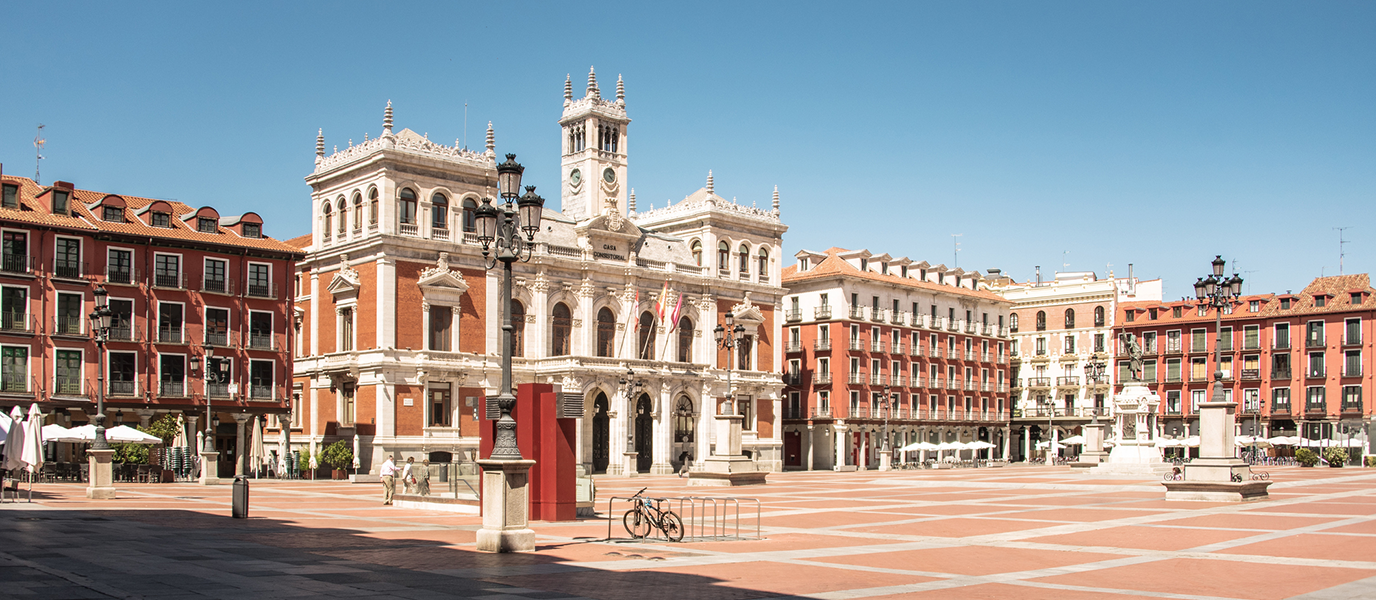
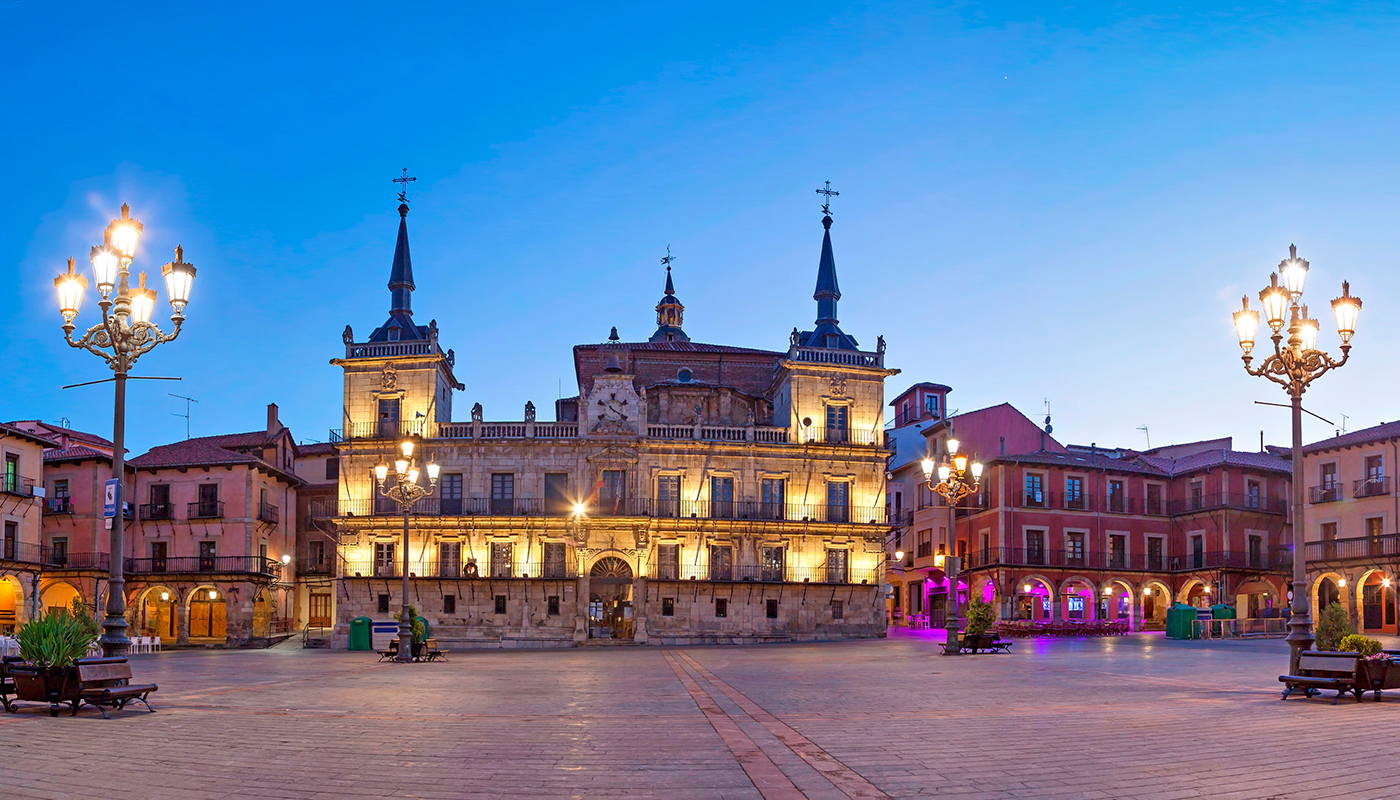
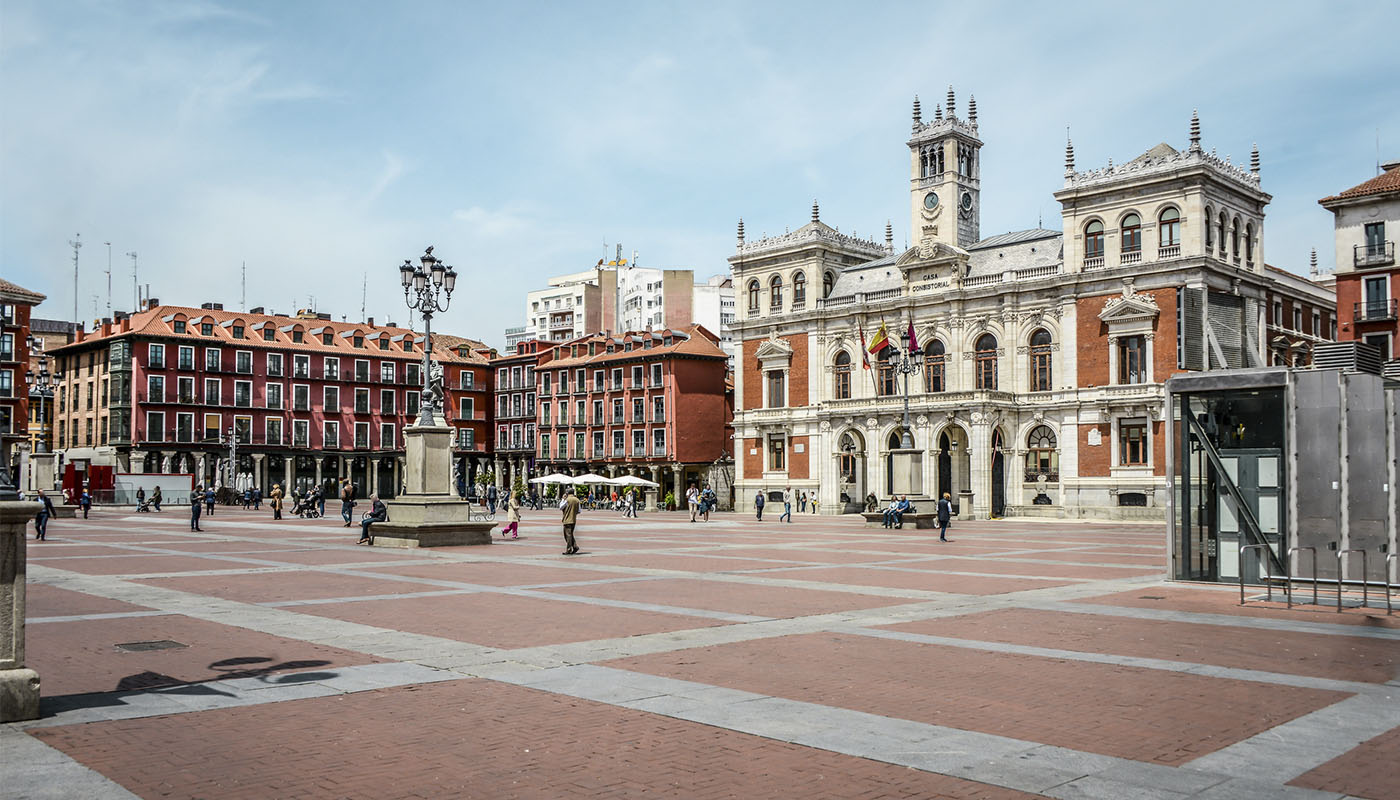
Plaza Mayor in Valladolid: the urban model exported across the Spanish Empire
The Plaza Mayor in Valladolid isn’t just a central space in the city: it’s an urban experiment born from a fire that would end up influencing how squares were built across Spain and America.
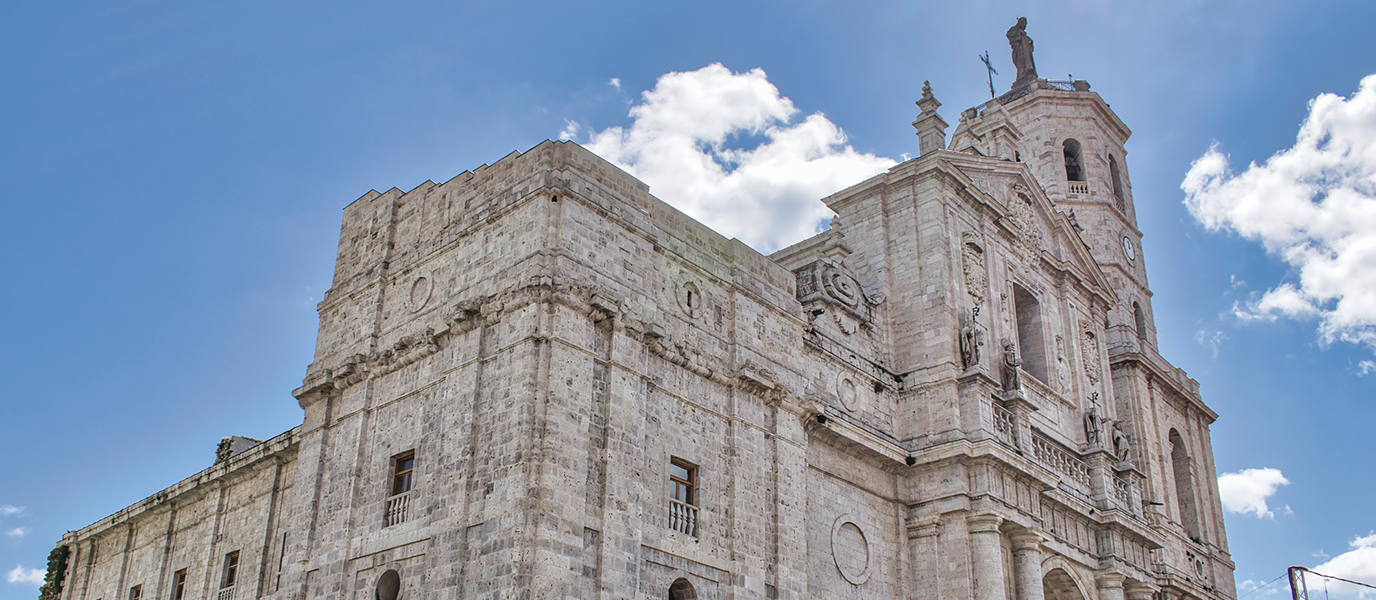
Valladolid’s cathedral: the unfulfilled ambition of the Spanish Renaissance
Valladolid Cathedral’s unfinished state is not due to carelessness, but is rather the visible result of an excessive ambition: to be one of Europe’s great sixteenth century churches in a city that aspired to become the capital of the Spanish Empire.
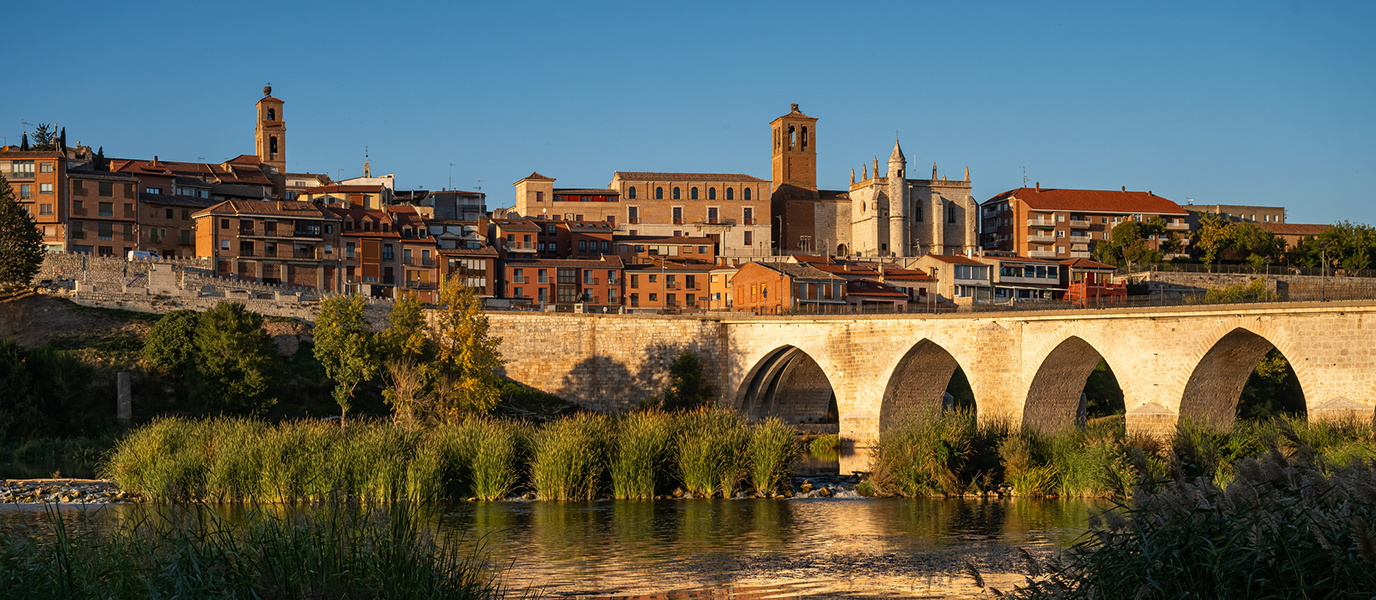
Tordesillas, the small Castilian town that split the world in two
Among the soft murmur of the river Duero and a history that shaped the destiny of the world, Tordesillas preserves an uncomfortable, powerful and fascinating past.
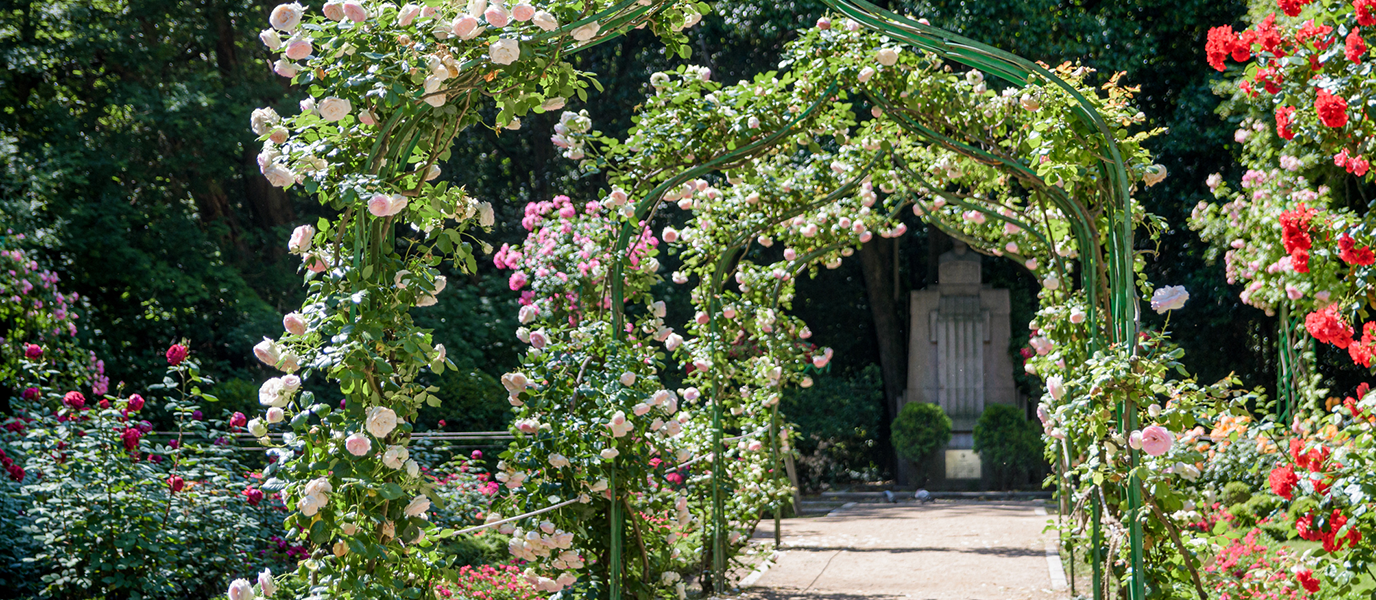
Campo Grande, Valladolid: the nineteenth-century gardens where the city perfected the art of strolling
Campo Grande is Valladolid’s great historical garden, a romantic, nineteenth-century park that is home to architecture, botanical specimens, bourgeois tradition, and everyday life.
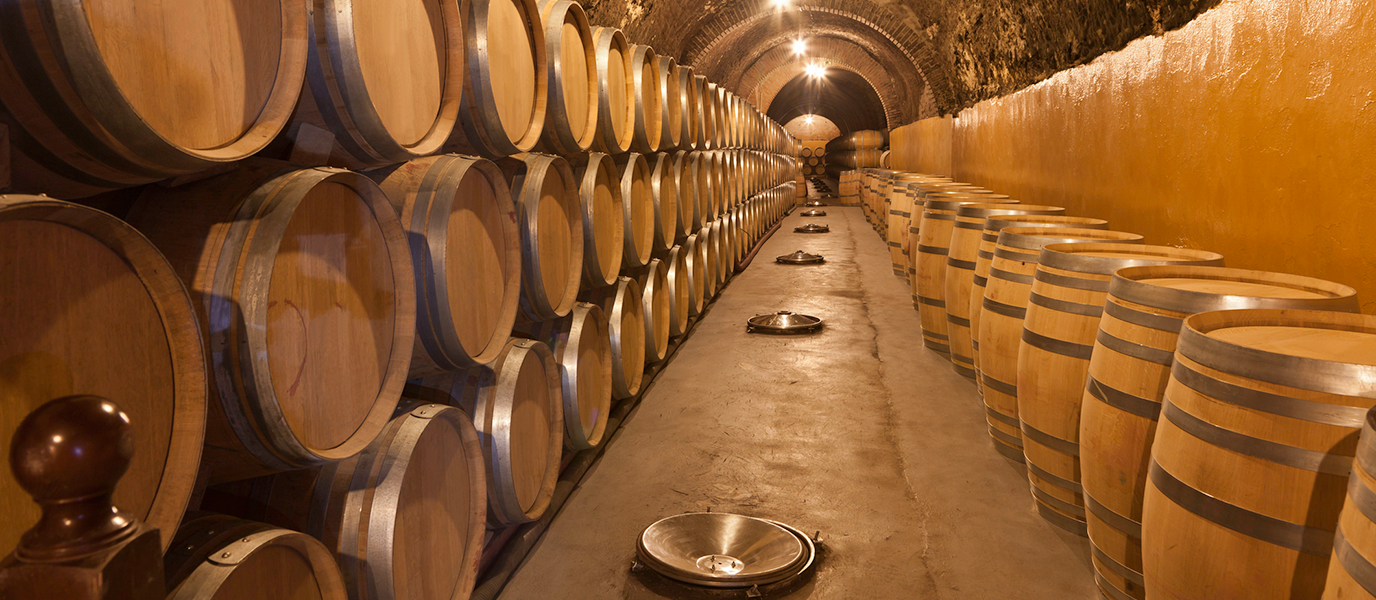
The bodegas of Ribera del Duero: cathedrals to wine on the plains of Castile
In the Ribera del Duero, medieval bodegas cut into the rock exist in harmony with projects by international architects, all in a landscape of extremes that determines the intense character of its red wines.
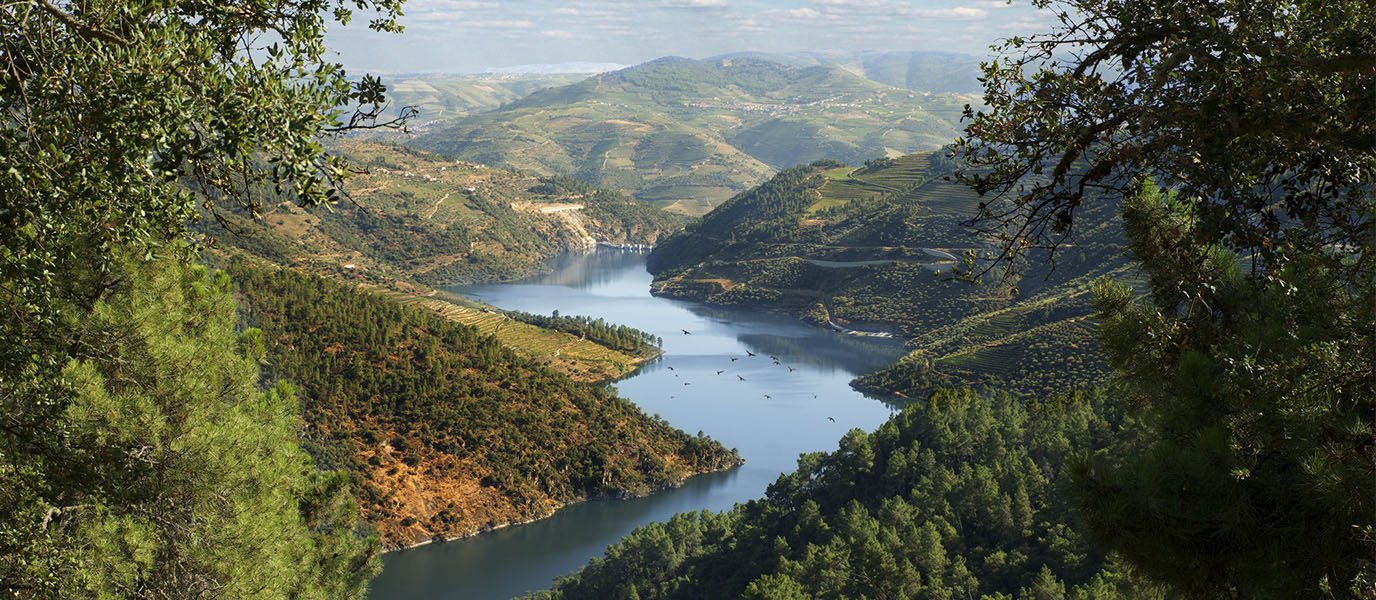
What to see in Valladolid and its surroundings: historic towns, frontier castles and vineyards nurtured by the Duero
Less than an hour from Valladolid lies one of Castile’s densest concentrations of historic sites.
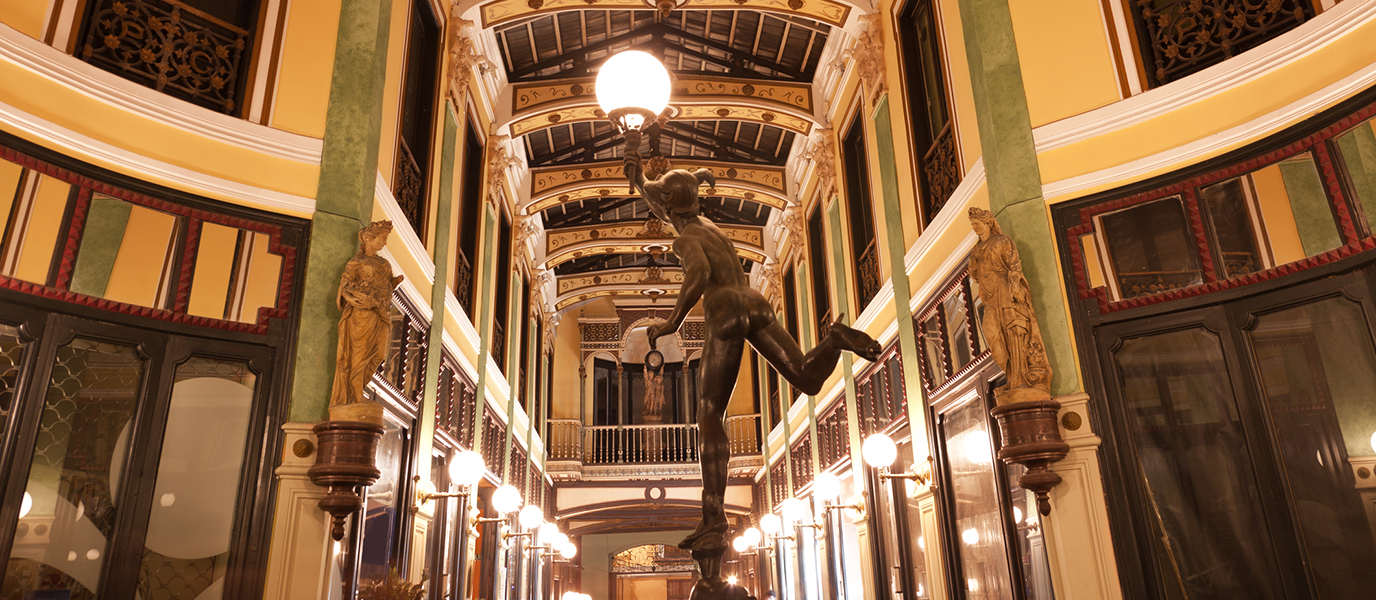
Pasaje Gutiérrez: the iron and glass arcade where the people of Valladolid take refuge in the winter
A covered arcade built in 1886, with a glass roof and cafés reminiscent of a bygone era: Pasaje Gutiérrez is one of the most unique and photogenic places in Valladolid.
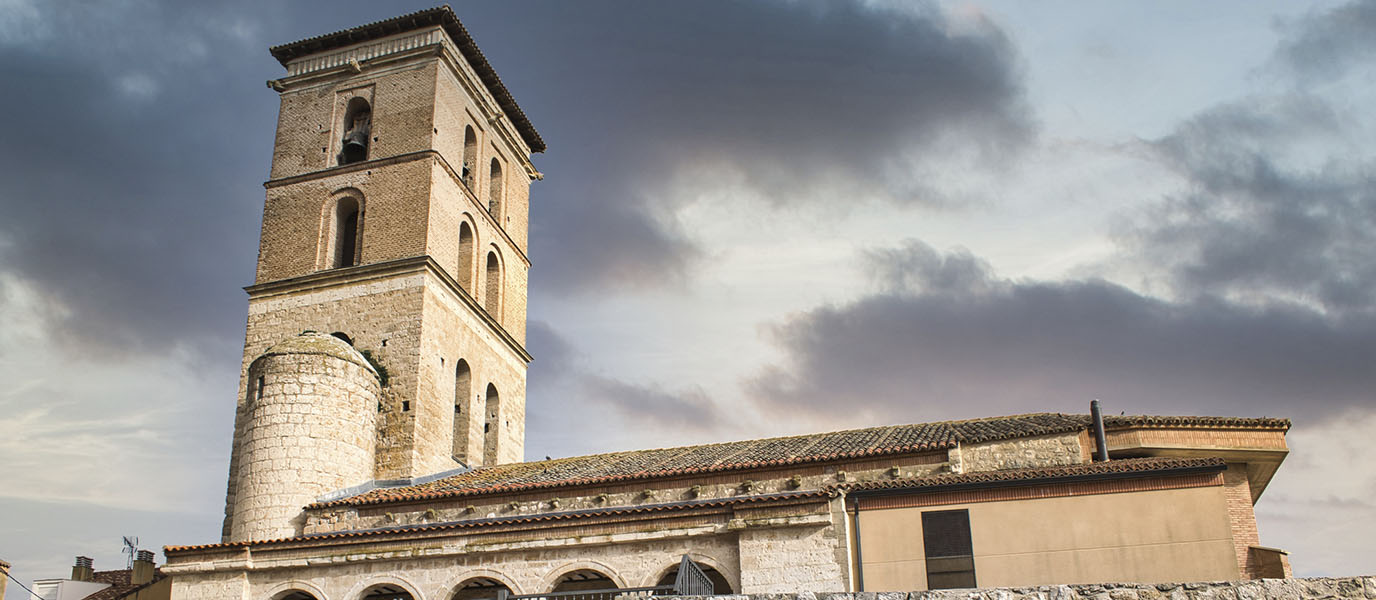
Fuensaldaña: the castle that watches over the vineyards of Cigales just five kilometres from Valladolid
A medieval fortress made from golden stone, quiet streets and vineyards that stretch towards the horizon make Fuensaldaña a perfect day trip from Valladolid.
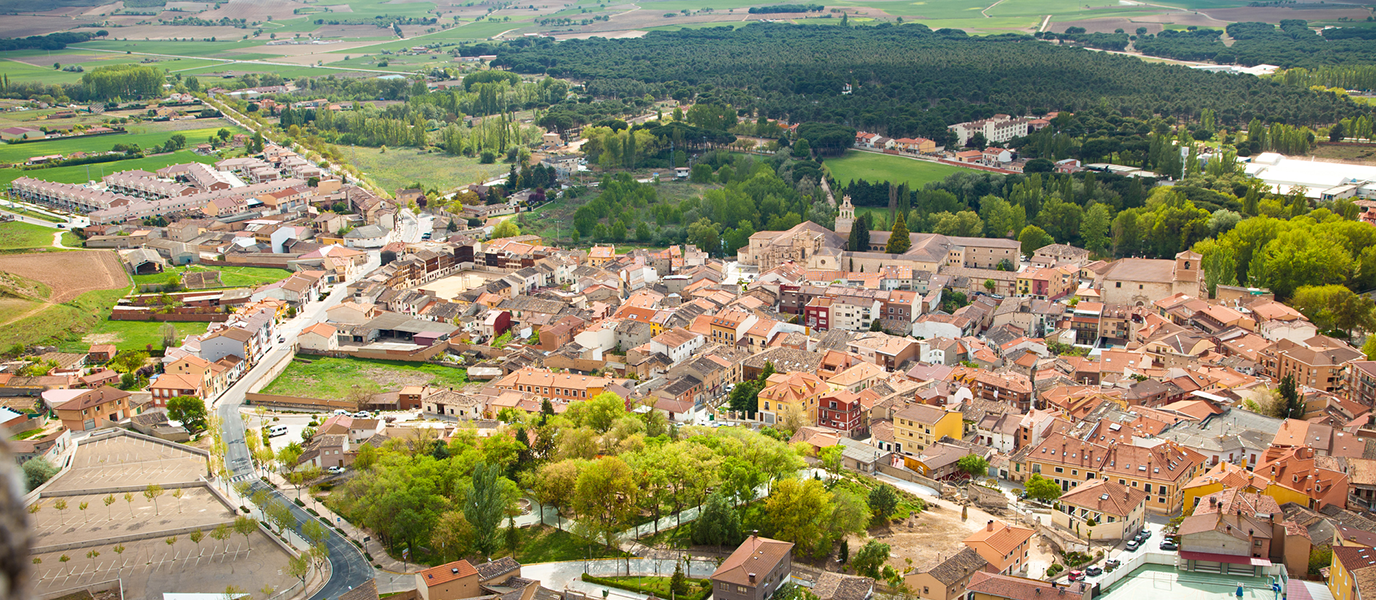
Things to see in Peñafiel, the Christian beacon against Islam
Things to see in Peñafiel, where wine and history intertwine: beautiful wineries, a castle and Prince Juan Manuel's tomb.
Find your ideal itinerary
We help you design the best itineraries for your stay in Valladolid.
Select the area you are staying in and the duration of your trip.
What area will you be in?
How many days?