


















Among high moorlands, stone-built towns and vineyards that can withstand extreme cold and dry heat, Ribera del Duero has built one of Spain’s most solid wine identities. To visit the area’s bodegas is to travel through a region where wine is not something extraneous, but a way of understanding the landscape and the history. The attractions of Ribera del Duero are not immediately obvious. At first sight, travellers behold a desolate plateau, crossed by the slow-flowing river Duero and flanked by bare hills. But one only needs to stop off in one of the area’s towns, step down into an underground bodega or wander around a vineyard at dawn to understand that beneath this bleak exterior lies one of the peninsula’s most passionate wine-growing traditions.
Here, wine is born out of resilience: long winters, scorching summers, poor soil and a wine-growing culture that for centuries barely provided the means to survive. Nowadays, Ribera del Duero offers centuries-old bodegas dug into the ground along with cutting-edge architectural projects, maintaining an extraordinary balance between tradition and the modern world. Wine tourism allows us to study this area calmly, glass in hand, and to appreciate why its wines have achieved international recognition without losing any of their character.
- The characteristics and the importance of Ribera del Duero wines
- Wine tourism in Ribera del Duero: the bodegas, the towns and wine making
- Ribera del Duero’s best-known bodegas
- The best time to visit the Ribera del Duero bodegas
- Advice for visiting bodegas in Ribera del Duero
The characteristics and the importance of Ribera del Duero wines: an extreme climate and tempranillo grapes
The identity of Ribera del Duero wines has been built on a number of clearly-defined elements. The first of these is the extreme continental climate: harsh winter frosts, dry summers with huge fluctuations between daytime and night-time temperatures, and scant rainfall. These conditions force the vines to send down deep roots and to mature slowly, concentrating their flavour and structure.
The second crucial element is the altitude. Most of the vineyards are located between 750 and 950 metres above sea level, making this one of Spain’s highest wine-growing areas. This altitude imparts a natural freshness to the wines, balancing their characteristic alcoholic potency. The resulting red wines have structure and body, along with an acidity that allows them a long maturing period in the bottle.
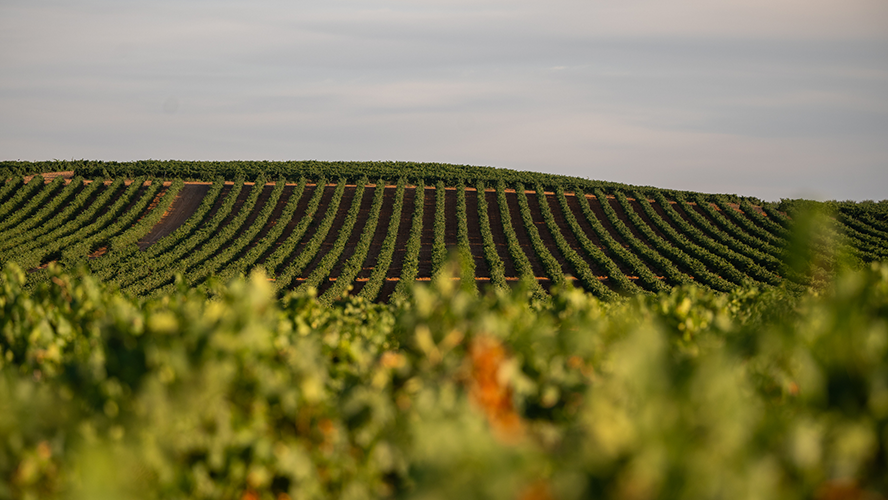
The dominant grape variety is the tempranillo, known locally as ‘tinto fino’ [fine red] or ‘tinta del país’. This grape is perfectly adapted to the landscape, with an ability to reveal clearly the differences in soil, orientation and age of the vines. Alongside the tempranillo (but less prevalent) are other approved grape varieties such as cabernet sauvignon, merlot and malbec, in addition to very limited quantities of Albillo.
Wine tourism in Ribera del Duero: the bodegas, the towns and wine making
There’s so much more to wine tourism in Ribera del Duero than just visiting a bodega. It is an experience that combines scenery, architecture, gastronomy and historical heritage. Lots of itineraries combine visits to vineyards with tours of towns such as Peñafiel, Gumiel de Izán or La Horra, where wine has been part of daily life for centuries.
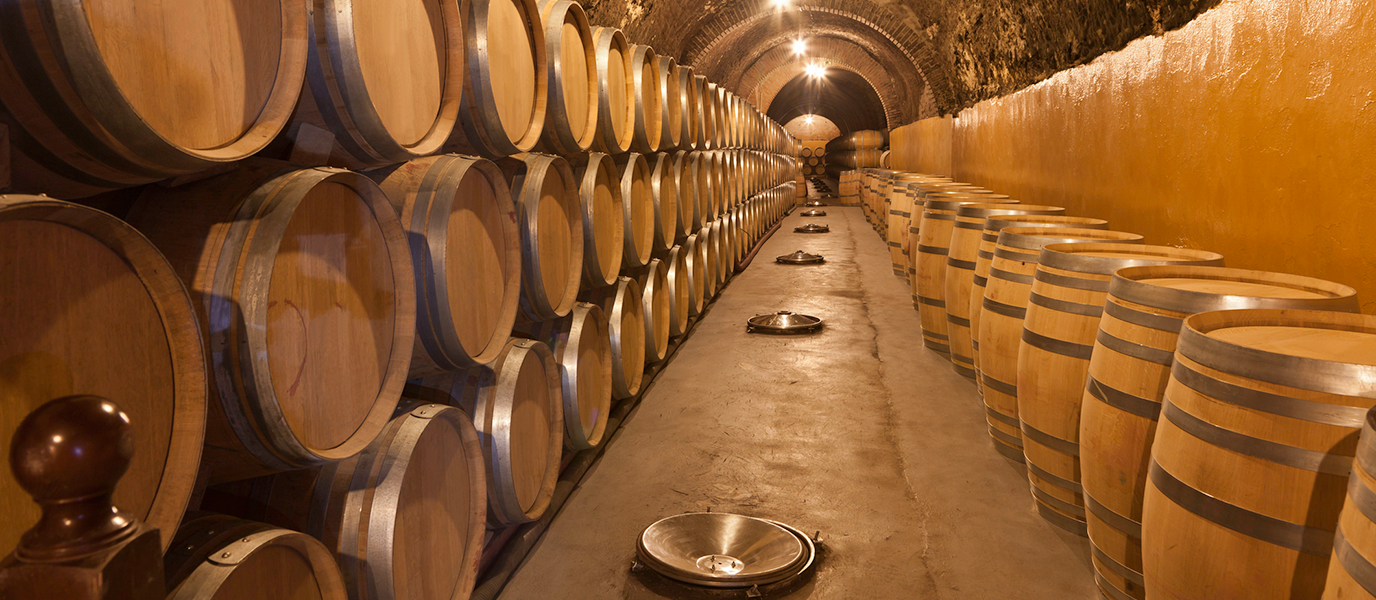
One of the area’s most remarkable features is its traditional underground bodegas, buried under the urban fabric. In places such as Aranda de Duero and Baltanás, kilometres-long stretches of galleries maintain a constant temperature throughout the year, using an age-old method of making and storing wine. Today, these bodegas co-exist alongside modern installations that rely on design and sustainability.
The wine tourism offer includes guided tastings, technical visits, tours of old vineyards, food and wine pairings, and other experiences linked to the wine harvest. Many bodegas offer rural accommodation or have their own restaurants, which allows travellers to enjoy a leisurely learning experience.
Ribera del Duero’s best-known bodegas: tradition and international prestige
One cannot talk about the Ribera del Duero without mentioning the bodegas that are currently most influential in the world of Spanish wine. Vega Sicilia, in Valbuena de Duero, is the DO’s most historic and symbolic bodega. Founded in the nineteenth century, its philosophy of long aging and limited production has paved the way for the entire region.
Enterprises such as Pesquera, in Peñafiel, were key to establishing the DO during the sixties and seventies. Other bodegas, such as Protos (with its emblematic base at the foot of Peñafiel castle), offer tours that combine history with modern architecture.
Recent years have seen the establishment of smaller, private bodegas, many focused on old vineyards and limited production. Dominio del Águila, Aalto, Emilio Moro and Pago de los Capellanes are a few examples of the diverse range of Ribera del Duero bodegas, where famous names co-exist alongside small-scale operations, while sharing a strong common identity.
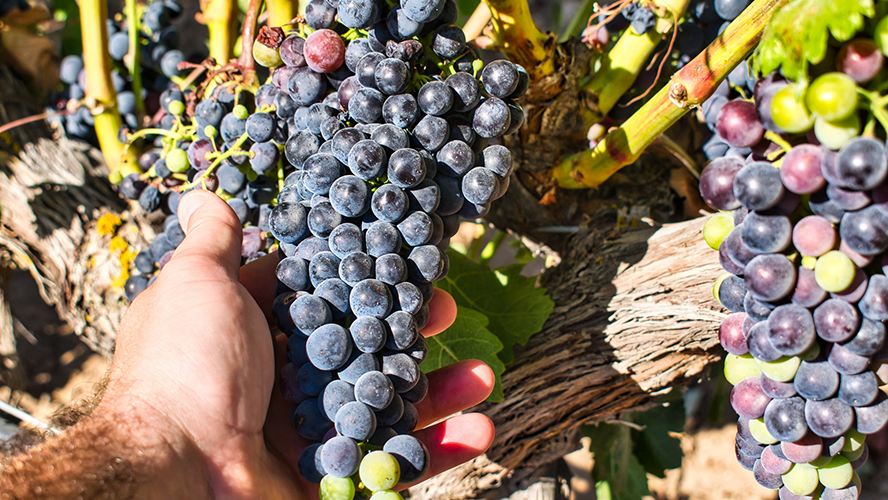
The best time to visit the Ribera del Duero bodegas: during the autumn grape harvest, in the freshness of spring, or in the magical winter
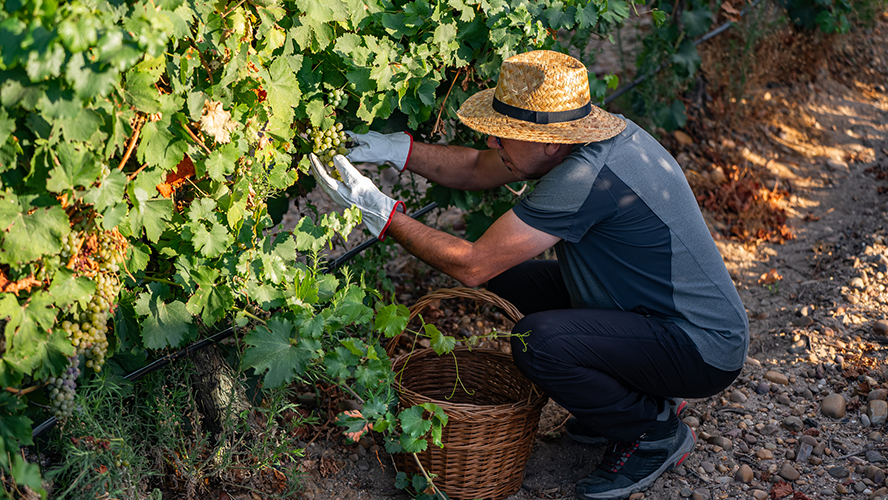
The best time to visit Ribera del Duero depends on the type of experience you are seeking. Autumn, particularly September and October, is the time of the grape harvest. This is a busy time, with lots of activity in the bodegas and vineyards, but it is also the time of greatest demand.
Spring offers fresh green scenery and mild temperatures, perfect for a peaceful tour of vineyards and towns. Winter, though cold, has its own special charm with fewer visitors, underground bodegas in full swing and a quieter atmosphere, perfect for appreciating the region’s austere character.
Advice for visiting bodegas in Ribera del Duero: planning and cultural awareness
Booking in advance is recommended, particularly for the well-known bodegas. Lots of them accept small groups and have fixed hours of business. It is also a good idea to visit a combination of large bodegas and smaller initiatives — to get a complete overview of the region.
A car is almost indispensable for travelling between the towns and vineyards. If you want to enjoy wine tasting without having to worry, there are companies that specialise in guided tours. Finally, it is important to remember that here wine is regarded as part of the region’s culture and its working life: quiet, well-behaved visitors will always be more welcome.