












What to see in Ankara
Where to eat in Ankara: flavours that tell the story of the Turkish capital
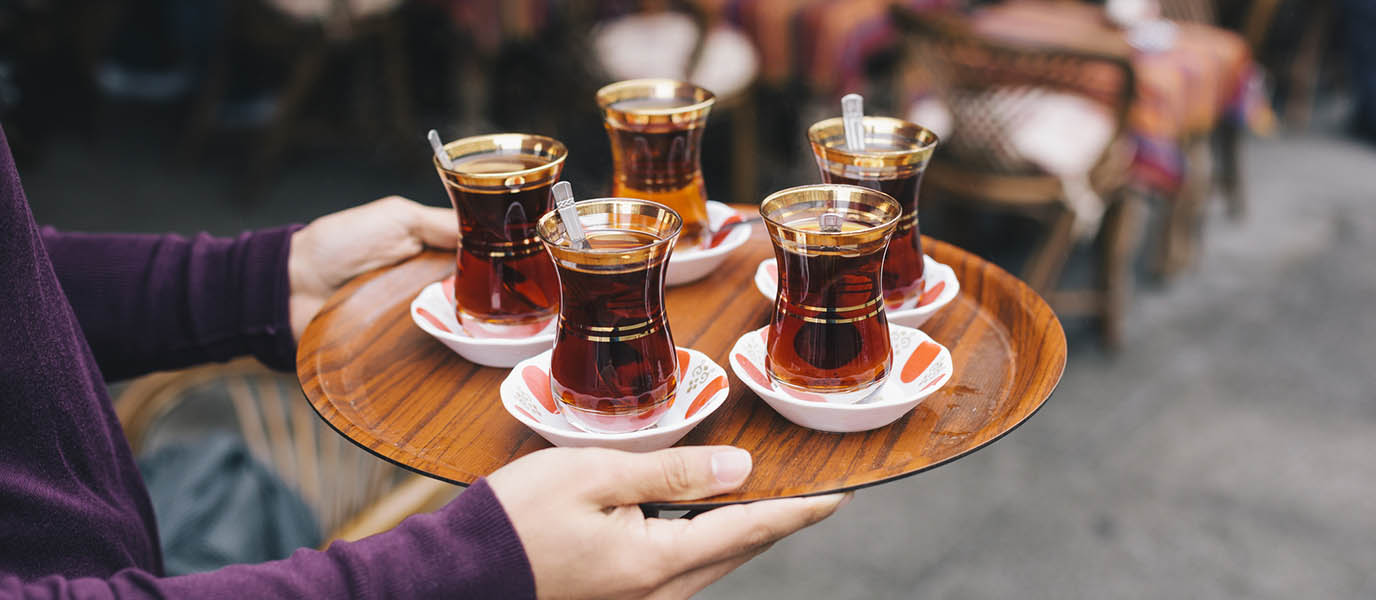
To really understand Ankara’s cuisine, you need to lose yourself in its markets. The Ulus Bazaar, one of the city’s oldest, offers a rich display of spices, dried fruit and nuts and local cheeses that reflect the diversity of Anatolia. Among the most prized products are tulum peyniri, a mature sheep’s cheese, and Gemlik black olives, known for their intense flavour. Another fascinating stop is Çıkrıkçılar Yokuşu Market, where alongside antiques and textiles, you’ll find stalls selling local delicacies like sucuk (spicy sausage) and pastırma (spiced cured meat). At Maltepe Bazaar, which leans more towards food, the bakeries sell the legendary simit, sesame-crusted bread rings that locals enjoy with black tea at breakfast. The markets aren’t just a treat for the senses, they also let visitors take home a piece of Ankara in the form of spices, sweets or handmade products.

What to see in Ankara, the capital of Turkey
Exotic, cosmopolitan, packed with monuments and with over 5 million inhabitants, Ankara is now a modern city looking towards the future.
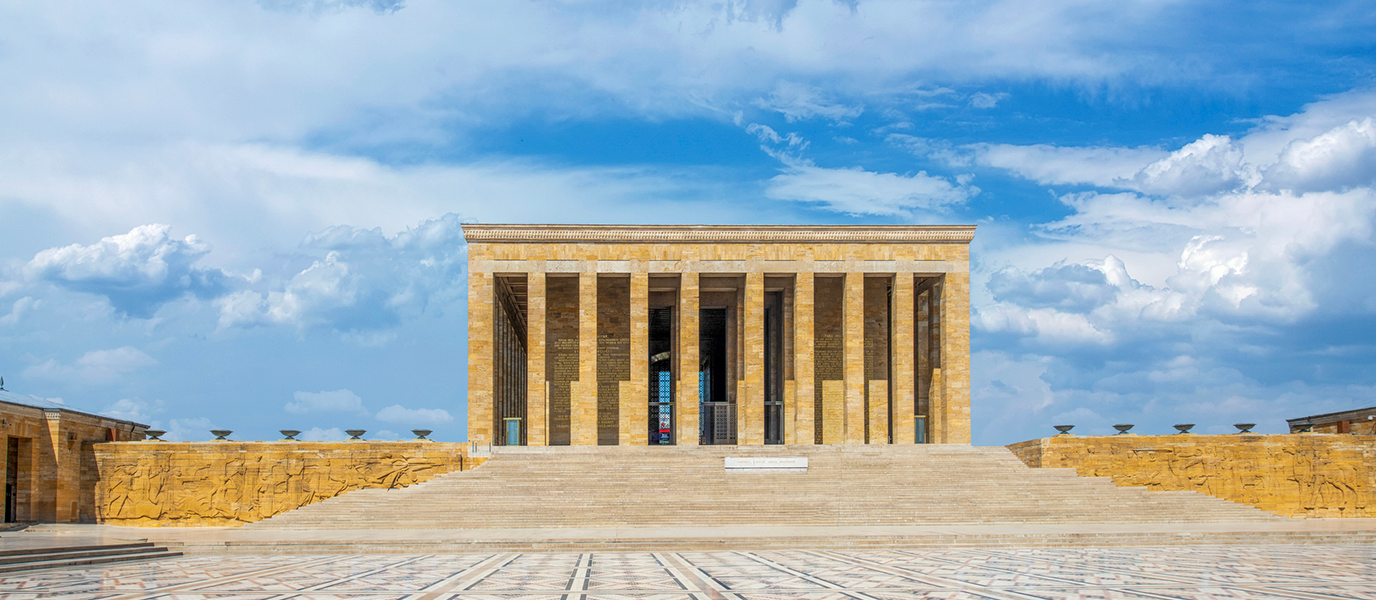
Atatürk Mausoleum: the nation’s tribute to the father of modern Turkey
High above Ankara, Anıtkabir stands as an eternal symbol of memory, modernity and Turkish identity.
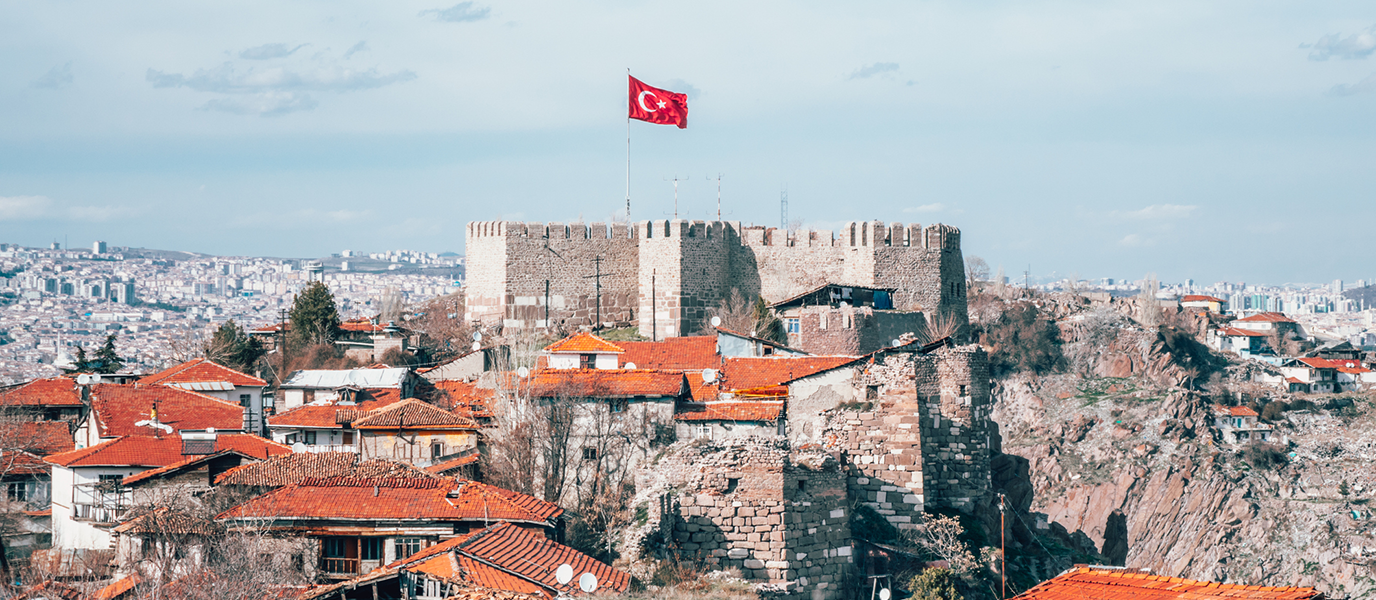
Ankara Castle: the age-old fortress that dominates the history of Turkey’s capital city
From the Hittites to the Ottomans, successive civilisations have conquered and rebuilt this citadel strategically positioned on a hill in the Altındağ district. Its fascinating history is best appreciated along with a complementary visit to the nearby Museum of the Civilisations of Anatolia.
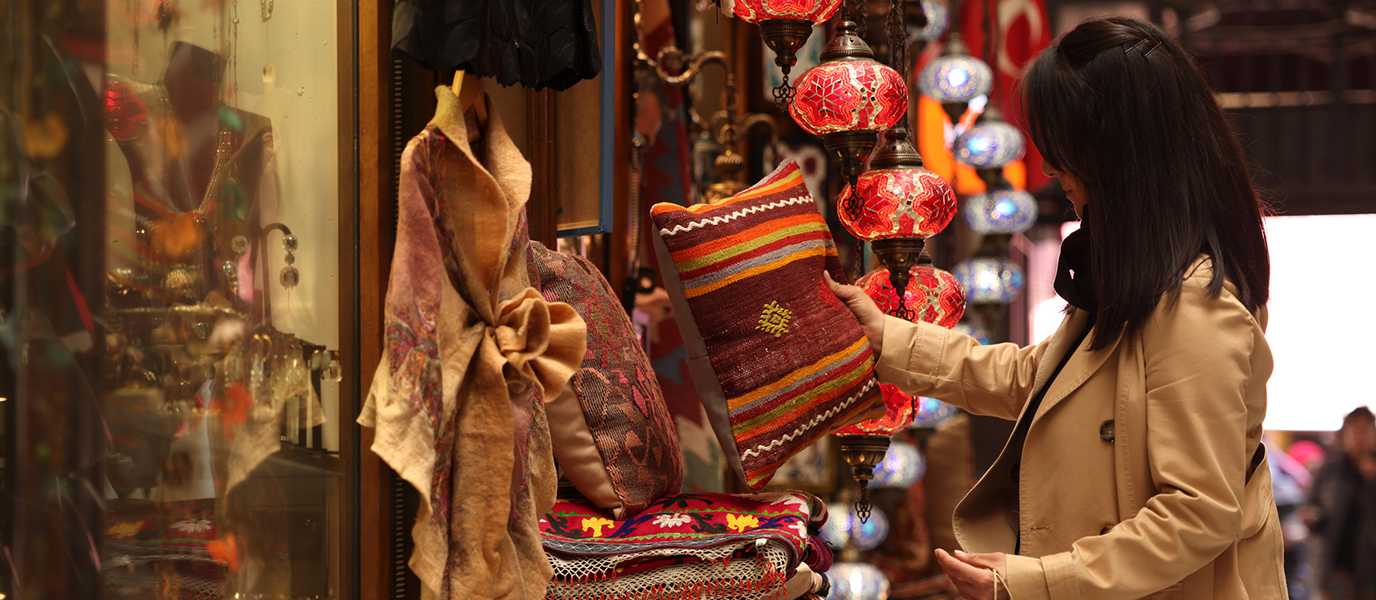
Markets and bazaars in Ankara: a sensorial journey through Turkey's capital city
Ankara retains a number of traditional commercial sites where echoes of the Ottoman past still resonate, bargaining is an art form, and the stalls overflow with fragrant spices and colourful fabrics.
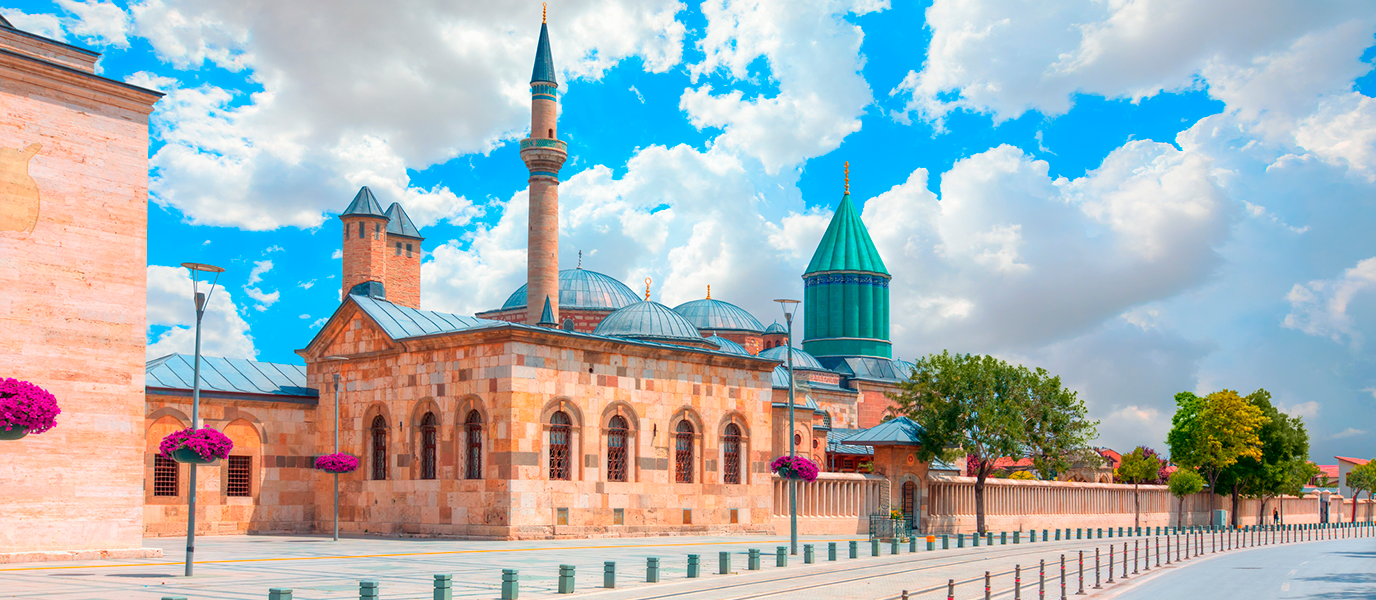
Things to see in Konya: Sufi mysticism and Seljuk splendour in Anatolia
Once the epicentre of the Seljuk Sultanate of Rum and the birthplace of the mesmerising dervish dance, the streets of this ancient city hide centuries-old mosques and madrasas, spice-scented bazaars and medieval caravanserais.
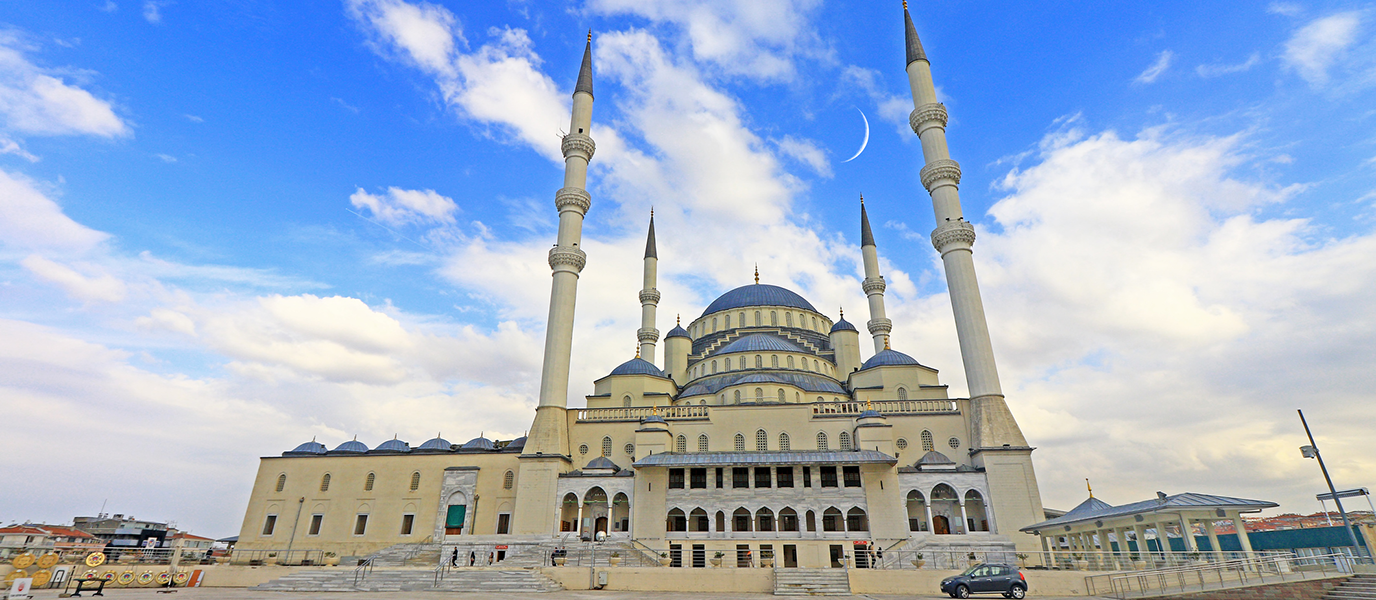
Kocatepe Mosque: the spiritual colossus of Ankara
Inspired by classical Ottoman architecture with a modern twist, this vast space, which can host up to 24,000 worshippers, is visible from nearly every corner of the Turkish capital.
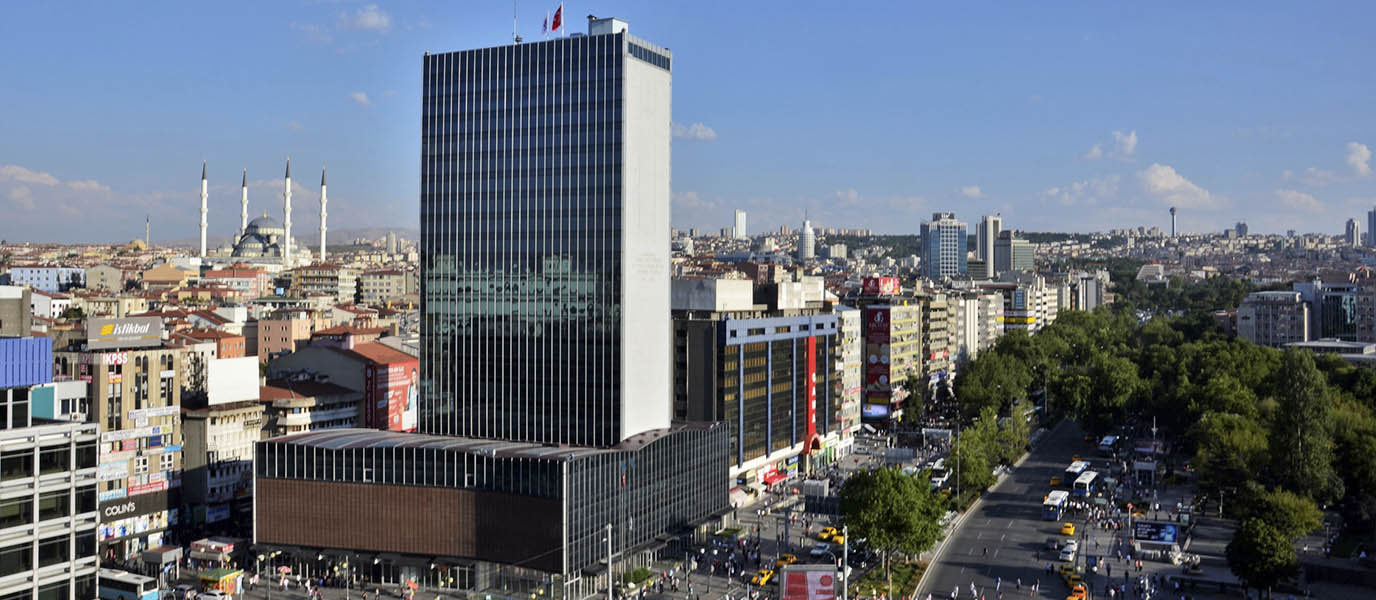
Kızılay: the heartbeat of Ankara that never stops
With streets like Atatürk Boulevard, Sakarya Caddesi or the alternative Pasaj Karanfil, this neighbourhood is the perfect way to get to know the soul of a city that never sleeps.
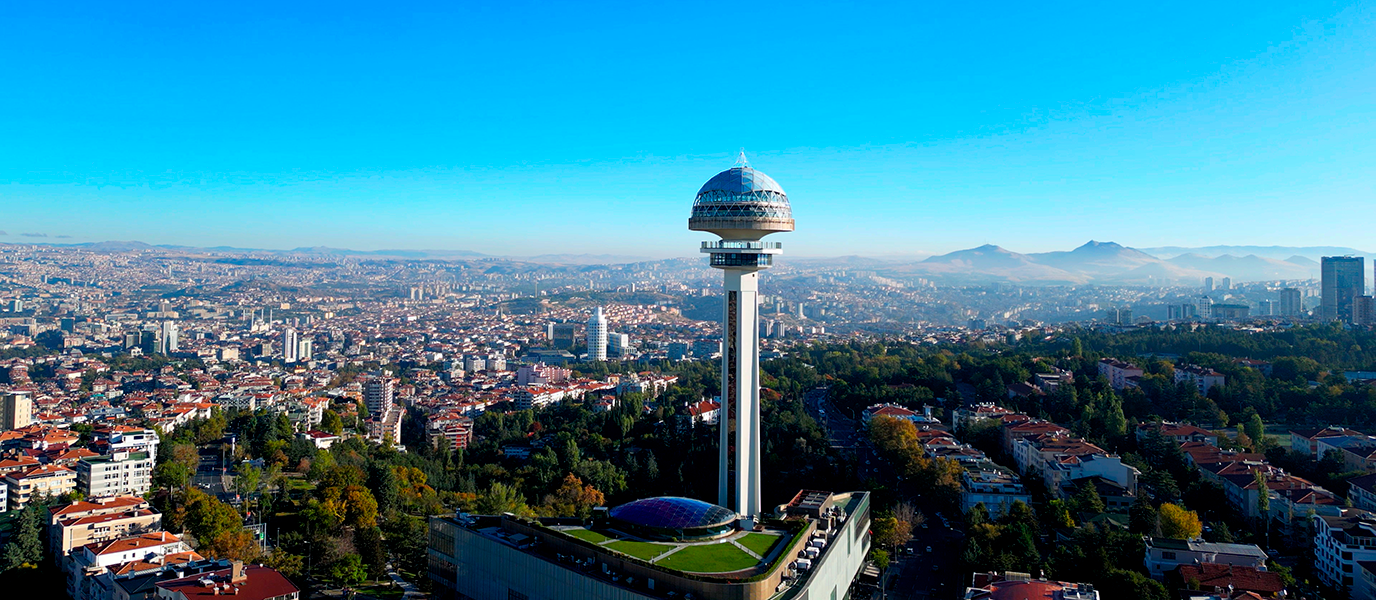
Atakule: Ankara’s modern lighthouse that touches the sky
Since it opened in 1989, the 125-metre-tall skyscraper, with its viewing platform and revolving restaurant at the top, has become a symbol of modern Ankara.
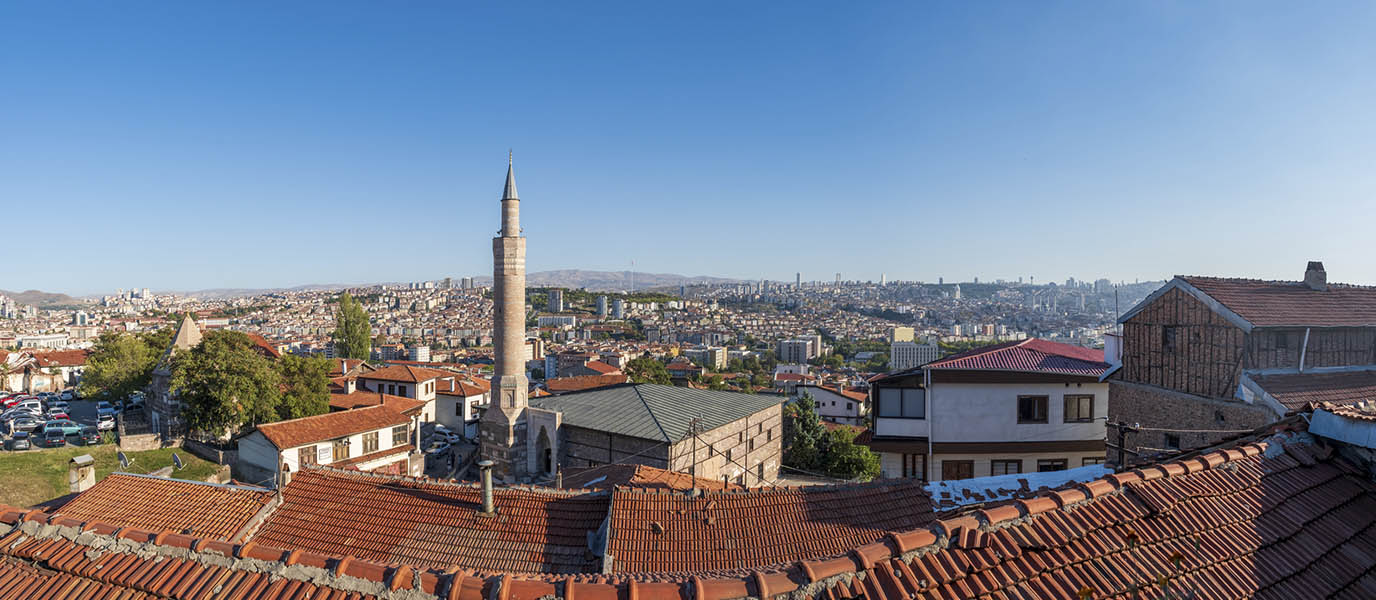
Arslanhane Cami, Ankara’s Seleucid mosque built of wood
Built during the twelfth century, the city’s oldest place of worship takes its name from the sculpture of a lion that stands in its courtyard, and impresses visitors with its juniper wood columns and an atmosphere that transports visitors back to medieval Anatolia.
Find your ideal itinerary
We help you design the best itineraries for your stay in Ankara.
Select the area you are staying in and the duration of your trip.
What area will you be in?
How many days?