










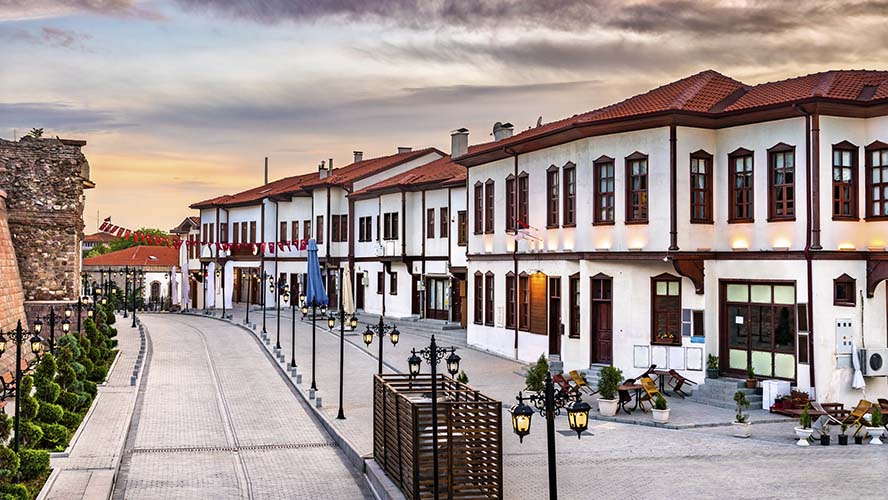
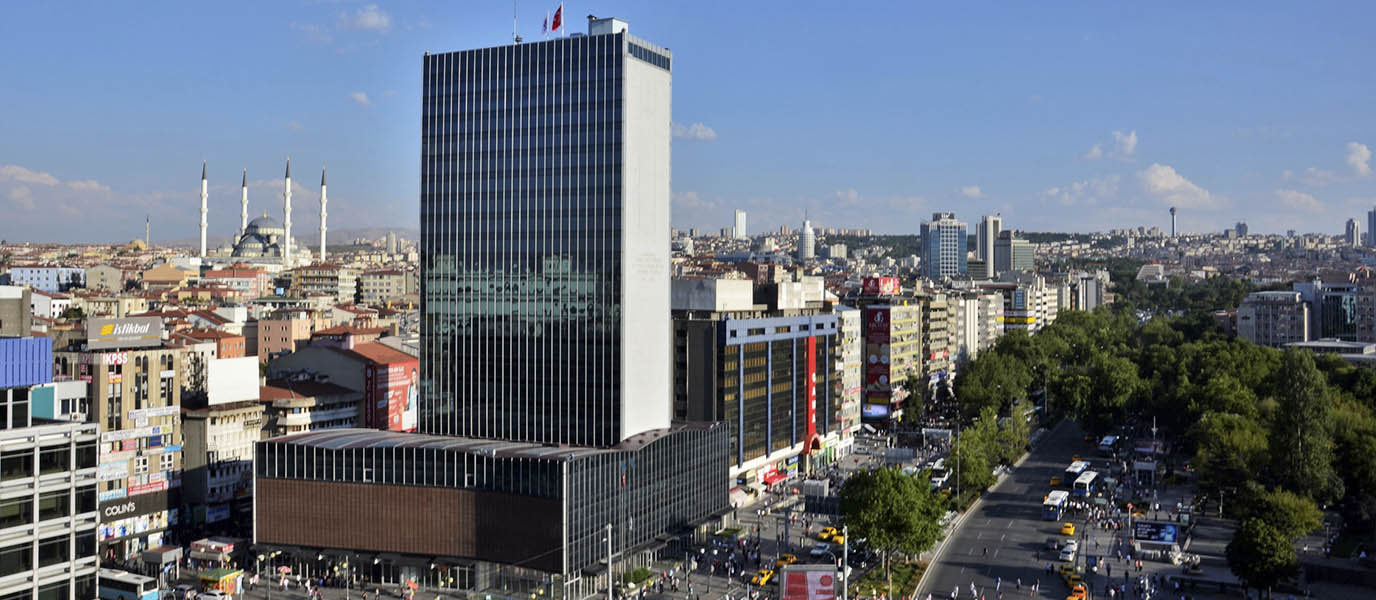
Kızılay isn’t just the centre of Ankara, it’s the city’s pulse, its most frenetic heartbeat. Its streets are filled with students rushing out of Ankara University, civil servants heading to nearby ministries and street vendors offering freshly baked simit. Kızılay Square, with its constant traffic and underground passages lined with bookshops and fish sandwich stalls, is the epicentre of a neighbourhood where history and modernity collide and intertwine. Here, glass-fronted office buildings stand next to old shopping arcades like Pasaj Karanfil, where locals search for everything from clothes to second-hand vinyl records. As night falls, the bars on Sakarya Caddesi fill with animated conversations and live music, while arthouse cinemas screen Turkish and international films for a bohemian crowd. For visitors, Kızılay isn’t just somewhere to pass through, it’s the ideal starting point to understand this city in all its chaotic and vibrant energy.
- History and context of the Kızılay neighbourhood: from open fields to urban epicentre
- Where the neighbourhood is and how to get there: the heart of Ankara within everyone’s reach
- What to see on your visit: a stroll through the heart of Ankara
- Food and entertainment: Turkish treats and a nightlife that doesn’t sleep
History and context of the Kızılay neighbourhood: from open fields to urban epicentre
Kızılay hasn’t always been the beating heart of Ankara. In the early 20th century, when the city was still small and far from the metropolis it is today, this now-bustling district was little more than semi-rural land with a few scattered buildings and wide open spaces. Its transformation began in the 1920s, when Ankara was declared the capital of the Republic of Turkey and an ambitious modernisation process began. The need for new government and commercial infrastructure quickly turned Kızılay into the hub of urban development.
The neighbourhood takes its name from the Turkish Red Crescent (Türk Kızılayı), whose headquarters once stood in the district’s central square. Opened in the 1920s, the building became a symbol of humanitarian aid and the country’s modernisation, but was demolished in the 1970s to make way for new construction. Despite its disappearance, the name Kızılay stuck and still defines the busiest part of Ankara.
Over the years, Kızılay has been much more than a shopping district. In the 1960s and 70s, it became a hotbed of political and social activity, hosting student protests, strikes and demonstrations that helped shape modern Turkish history. Its square has seen some of the country’s most significant protests, cementing its role as a space for public expression.
Today, Kızılay keeps evolving. Its contemporary architecture sits alongside historic buildings, its avenues are filled with shopping centres, offices, cafés and restaurants that never sleep, and its role as Ankara’s economic and cultural engine remains intact. For visitors, walking through its streets means stepping into a story of transformation, resistance and modernity, all within a single district that never stops moving.
Where the neighbourhood is and how to get there: the heart of Ankara within everyone’s reach
Located right in the centre of Ankara, Kızılay is easily accessible from anywhere in the city. Kızılay Square, which gives the district its name, is the hub of the area and a key transport hub.
The best way to reach Kızılay is by using the Ankara metro, which has a major station on the square. Line M1 connects Kızılay with the north of the city, while M2 and M3 link it to the east and west. Several city bus lines also stop here, making it easy to reach from any neighbourhood in Ankara.
For those after a more local experience, dolmuşes, small shared minibuses, are a quick and cheap way to get around. You can also walk or take a taxi from nearby districts like Ulus or the Turkish Parliament which are close by.
If arriving from Esenboğa International Airport, the best option is to take the Havaş bus into the city centre, then switch to the metro or take a taxi. In under an hour, you’ll be right in the heart of Ankara, ready to explore.
What to see on your visit: a stroll through the heart of Ankara
Kızılay is a neighbourhood best explored on foot. Its focal point is Kızılay Square, where traffic, pedestrians and street vendors create a lively and ever-changing atmosphere. From here, you can explore some of the capital’s most iconic streets.
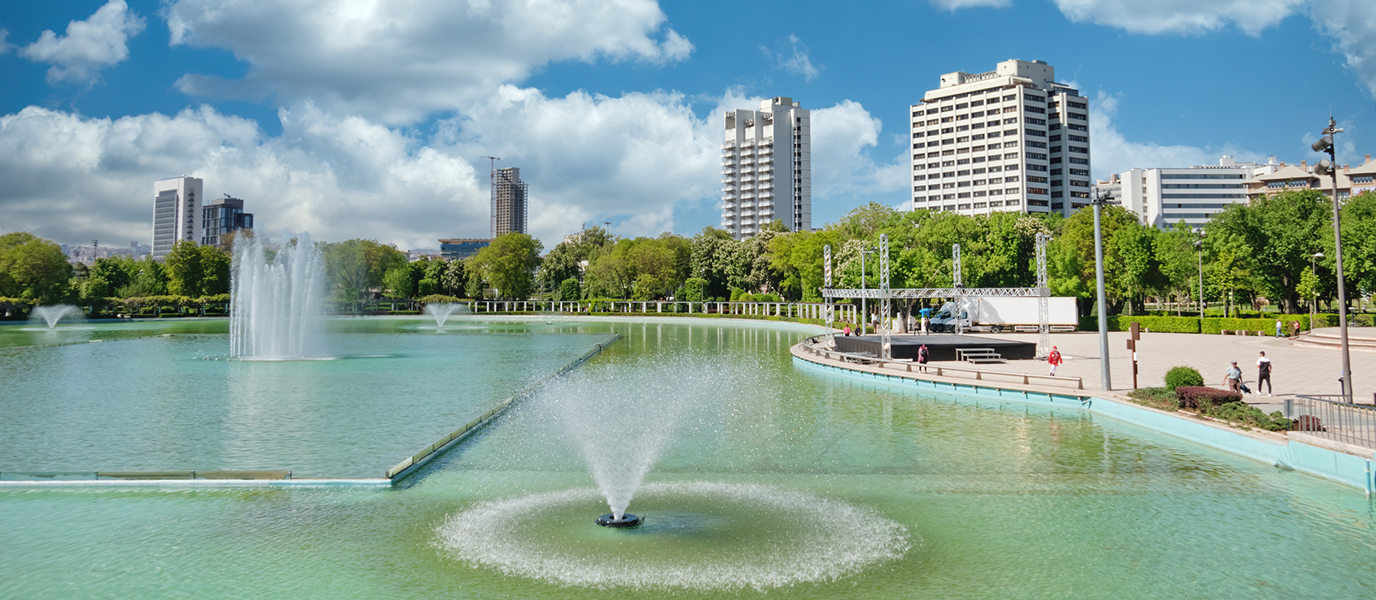
One of the highlights is Güven Park, a peaceful oasis amid the urban hustle and bustle. At its main entrance stands the Security Monument, an iconic Ankara sculpture that commemorates the founding of the Republic and honours the country’s law enforcement.
Shopping streets like Atatürk Boulevard and Sakarya Caddesi are full of clothes shops, bookshops and bazaars selling everything from electronics to traditional souvenirs. Kızılay also has a thriving cultural scene, with cinemas, theatres and exhibition halls showing everything from international films to live music.
For a more alternative side of the city, Pasaj Karanfil is a fascinating spot packed with vintage cafés and little record and antique shops. It’s also worth visiting the local markets, where you can sample fresh produce and get a glimpse of daily life in Ankara.
Food and entertainment: Turkish treats and a nightlife that doesn’t sleep
Kızılay is one of the best neighbourhoods in Ankara for enjoying Turkish food. From traditional establishments to modern cafés, the choice is wide and delicious.
For a classic breakfast, grab a freshly baked simit with cheese and olives from one of the local bakeries. For lunch or dinner, restaurants serving iskender kebab and pide, a kind of Turkish pizza topped with cheese, minced meat or spinach, are always a good bet. There are also loads of places offering lahmacun, a thin dough topped with spiced meat, eaten rolled up with parsley and lemon.
Coffee lovers will find some of Ankara’s best cafés here. Spots like Kocatepe Kahve Evi serve traditional Turkish coffee, often with sweets like baklava or künefe.
When night falls, Kızılay turns into one of the liveliest areas in the city. Its streets are lined with bars, pubs and live music venues where you can enjoy a cold Efes beer or a rakı, the country’s famous anise-flavoured drink. Among the top places for a night out are the bars on Konur Street, known for their bohemian vibe and its programme of live concerts.