

_435x320?&)

Spanish holiday on the horizon? Here's how to learn Spanish fast
Speaking even just a little of the local language can make a big difference to any trip. If a trip to Spain’s on your agenda, find out the best tactics for learning quickly, and brush up on basic Spanish travel phrases that are sure to come in handy

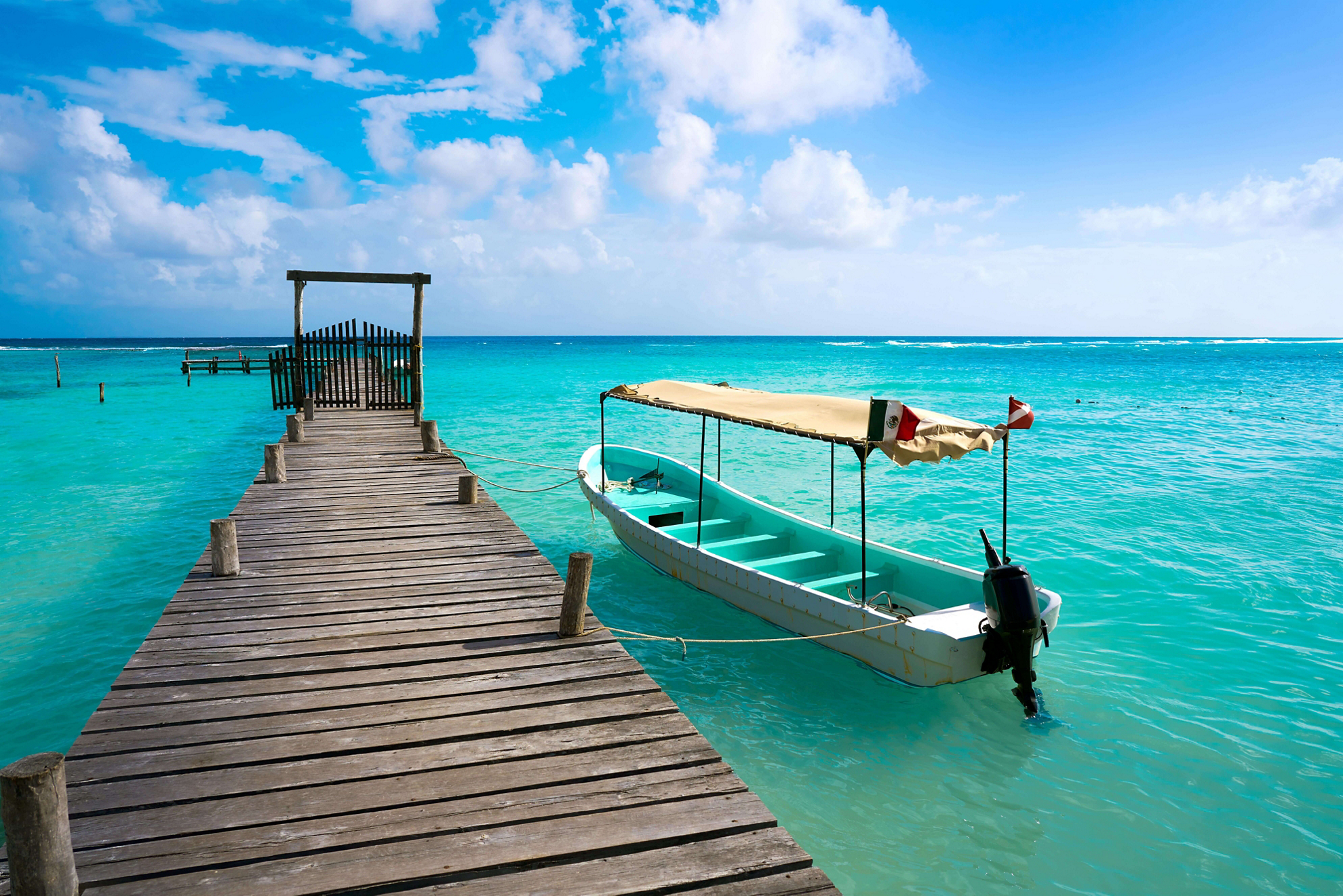
Is that the sound of cicadas, lapping waves or the buzz of a busy square of tapas bars we can hear? If you’ve found yourself here, you’re probably lucky enough to be jetting off to Spain at some point in the not-too-distant future. And, credit where credit’s due, you want to pick up some language skills before you go, getting a few basic Spanish travel phrases under your belt.
Learning Spanish for travel, however basic it might be, before taking a trip to Spain, can be a real game-changer. It can give you an insight into Spanish culture and mean that when you leave, you’ll feel like you’ve genuinely got under the country’s skin.
People always really appreciate it when you make an effort with the local language
People always really appreciate it when you make an effort with the local language, and knowing a few words can make your life an awful lot easier when you’re on the road, as when you head even just a little off the beaten tourist track, you’ll find that not everyone speaks English, and menus probably won’t be available in English either.
If you’re up for learning a little basic holiday Spanish, here’s an overview of the best ways to make that happen, as well as a handy list of some of the phrases you’ll find most useful when you’re exploring Spain.
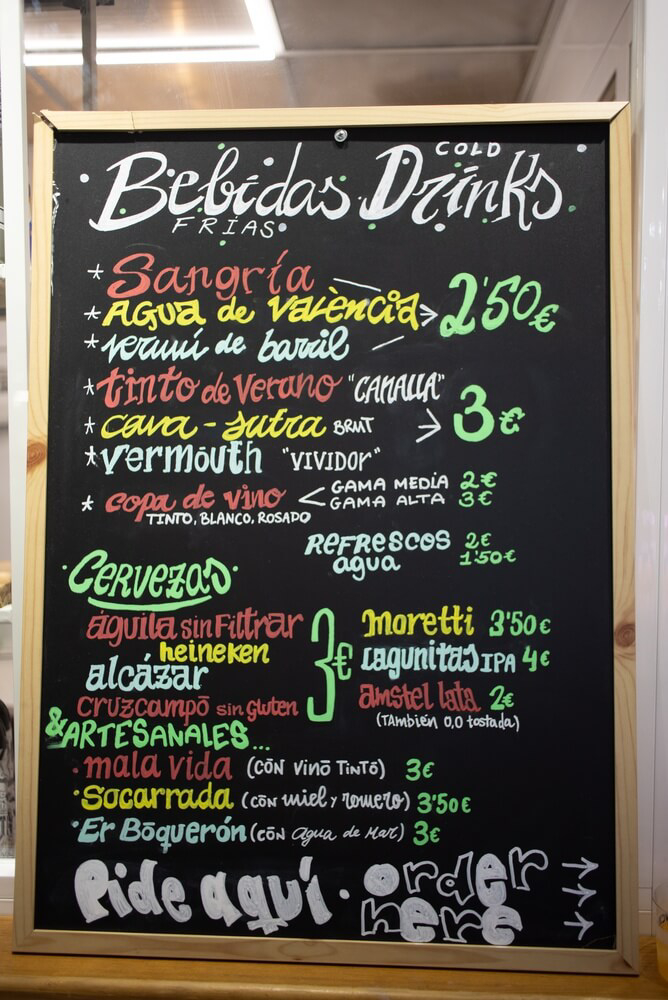
Understanding menus could make a big difference to your dining experiences
Learn Spanish for travel with an app
You probably don’t need us to tell you about Duolingo, a language learning app used by millions. The important thing to know about Duolingo, though, is that it won’t start you off with basic Spanish for travel.
You’ll learn how to say something along the lines of “My owl is wearing socks” before it teaches you to say “Two glasses of wine, please”, but it can still be a great way to start getting familiar with the language.
There are plenty of other language learning apps out there, from famous ones like Rosetta Stone or Babbel to lesser-known options. Most of them have paid plans and free options, although most also have free trials, so experiment with a few until you find something that works.
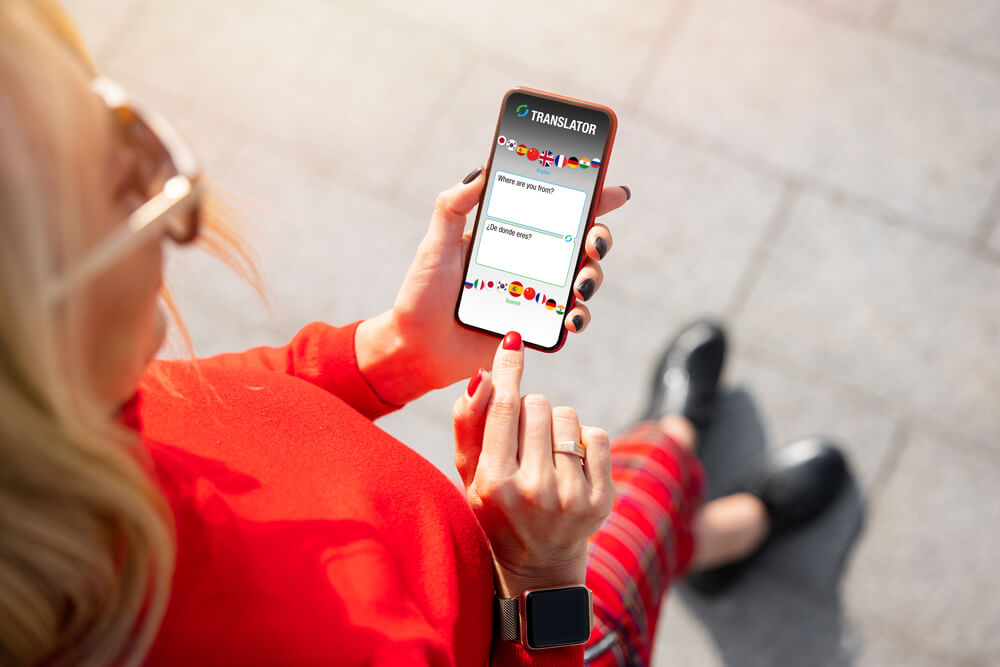
Get to grips with Spanish with the help of your phone
Learn basic Spanish travel phrases with a trusty book
Many of us are very used to everything being digital these days, but depending on your learning style, you might find that doing it the old-fashioned way, with the help of a book, might work better for you.
There are so many options out there, and if you look online, you might find the choice overwhelming, so try heading to your local physical bookshop instead and browsing the selection there. Whether it’s something including a bit of basic grammar, or you just go for a classic phrasebook, having it there in black and white could be helpful.
And a phrasebook could be very handy when you’re on your trip, to give you a quick refresher on those basic Spanish travel phrases you’ve been practising before you go into a shop or sit down at a table in a picturesque plaza.

Take your phrasebook with you on your trip to refresh your memory
Take Spanish lessons for travellers, online or in-person
Using apps or books might not be the best way to learn Spanish for travel if you struggle with self-motivation or discipline. If that’s your case, then signing up for Spanish lessons could be the answer for you.
You can take online classes, whether that’s group classes through a platform or private, one-to-one classes over video call. One-to-one classes are, of course, more tailored to your individual needs, so you can focus on travel Spanish, although you should be able to find group classes for tourists that concentrate on basic Spanish travel phrases too.
If you struggle to focus if you’re not in a standard learning environment, it might be time to see if there are any Spanish evening classes in your area
But if you struggle to focus if you’re not in a standard learning environment, it might be time to see if there are any in-person Spanish evening classes in your area. As well as offering more structure, this is a great way to meet other, like-minded people you can practise with.
Opt for a bi-weekly class if you can, as you’ll progress so much faster in time for your Spanish holiday.

The more Spanish classes you take before you visit Spain, the better
Watch TV to get used to hearing Spanish
On the other end of the spectrum, if you want something less structured, then just watching TV could help you absorb a few words of Spanish, or at least get your ear used to hearing it.
Cartoons are a great place to start to pick up a bit of easy vocabulary that could be useful basic Spanish for tourists, normally spoken much more slowly than programmes made for adults.
You could then move on to watching programmes or films in English you already know and love, but dubbed into Spanish. Already being familiar with the plot will give you a good foundation for understanding what’s being said. Watch once with English subtitles, then again with Spanish subtitles so you can read as you listen.
Once you’ve done all that, it’s time to try watching some of the many hugely successful Spanish series, again starting with English subtitles and then graduating to Spanish ones.

Reading Spanish subtitles could help boost your reading skills for your trip
Read bilingual Spanish-English books to get your eye in
Not a TV person? Or perhaps you want to boost your chances of understanding menus, museum signs or leaflets on your getaway to Spain.
Try reading a bilingual book. You should find a few of these at your local bookshop, and you’ll definitely find endless options online. The same story is told in parallel, in English on one page and Spanish on the opposite page.
These books often contain lists summarising the vocabulary that has appeared on that page or in that chapter, to help you memorise it. Look out for travel-themed ones for plenty of Spanish travel vocabulary.
Kids' picture books with basic texts are a great way to learn, too. If you’ve got any little people in your life, buy them some basic Spanish picture books and read them together.
Look out for local language exchanges
Depending on where you live, there might be some Spanish language exchanges going on near you. Once you’ve got to grips with a few basic Spanish holiday phrases, go along to one of these for a drink and a chat and try a few of them out.
Even if you just say a few words, speaking in a social setting like this is a great way of building your confidence before you get to Spain, so ordering yourself a glass of sherry or a plate of patatas bravas doesn’t feel quite so daunting.

Language exchanges are the perfect way to get a bit of speaking practice
The best place to learn Spanish for travel to Spain, is Spain
Practising in Spain itself is the best way to learn, but to make that happen, you’ll want to plan your trip carefully.
Don’t plan on spending all your time in places you know are tourist-heavy, like a lot of places on the Spanish coast. Waiters are busy people, so if they speak English, they probably aren’t going to have the patience to wait for you to remember the words. Plus, you’ll be tempted to just give up and speak English.
In more rural, off-the-beaten-track spots, especially in the beautiful Spanish countryside, you’ll be forced to use the basic Spanish travel phrases you’ve picked up
In more rural, off-the-beaten-track spots, however, especially in the beautiful Spanish countryside, you’ll be forced to use the basic Spanish travel phrases you’ve picked up. For even better practice, take to social media and find out if there are any language exchanges going on in the place where you’re holidaying.
If you really want to commit, you could even go along to Spanish classes as part of your holiday. There are plenty of academies all over Spain dedicated to teaching the language to foreign visitors as well as making sure that everyone has a good time.

To really improve your Spanish, take an educational holiday
Basic Spanish travel phrases you’ll need on your trip
Here’s a rundown of some common Spanish phrases for travel you’re sure to find useful for your next trip.
- Hola - Hello
- Buenos días - Good morning
- Buenas tardes - Good afternoon
- Buenas noches - Good evening/good night
- ¿Qué tal?/¿Cómo estás? - How are you?
- Sí - Yes
- No - No
- Muchas gracias - Thank you very much
- Por favor - Please
- Adiós - Goodbye
- Hasta luego - See you later
- ¿Cuánto es? - How much?
- La cuenta - The bill
- Una botella de agua, por favor - A bottle of water, please
- Dos cervezas, por favor - Two beers, please
- Una copa de vino tinto/blanco, por favor - A glass of red/white wine, please
- Postre - Dessert
- Soy vegetariano/vegetariana - I’m vegetarian (vegetariano for men, vegetariana for women)
- Soy vegano/vegana - I’m vegan
- Soy celíaco/celiaca - I’m celiac
- Soy alérgico/a a… - I’m allergic to…
- (Pagar) con tarjeta - (Pay) by card
- ¿Dónde está…? - Where is…?
- El bar - The bar
- El restaurante - The restaurant
- La playa - The beach
- La piscina - The swimming pool
- El baño - The bathroom
- Aeropuerto - Airport
- Parada de autobús - Bus stop
- ¿Puedes ayudarme? - Can you help me?
- No hablo español - I don’t speak Spanish
- ¿Hablas inglés? - Do you speak English?
- No entiendo - I don’t understand
Top tip: Not sure how to pronounce the above? The Google Translate app is your best friend. Pop the phrase you want to say into the app, hit the speaker under the Spanish version to hear it pronounced, and then practise out loud.