
_435x320?&)

Salsa & soul: A deep dive into Cuban culture
Immerse yourself in Cuban culture during your travels and explore the island’s rich and diverse history
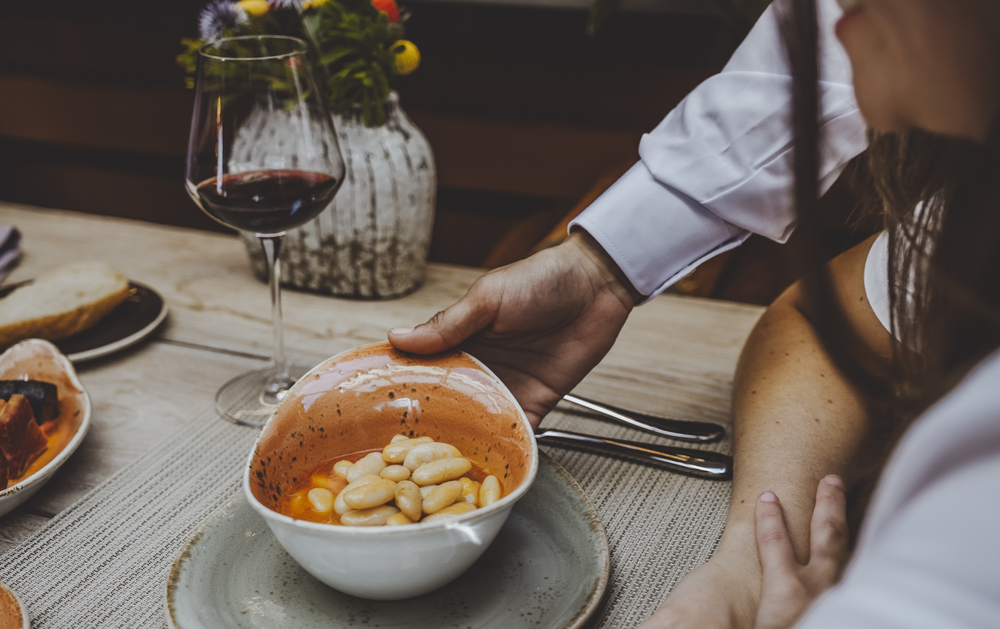
When you think of Cuba, it is easy to imagine the colourful streets of Havana, once walked by Hemingway and other legendary creatives. Yet, Cuban culture is so much more. The anthropologist, Fernando Ortiz, once famously compared the culture of Cuba to the traditional dish ajiaco. This stew is a mix of whatever is to hand or in season, from roots, herbs, vegetables, reptiles, birds and sometimes even insects. Of course, the stew is seasoned with chilli to mask any odd flavours, giving the dish its name (ají is the Cuban word for chilli). Today, Cuba still remains the melting pot known by Ortiz and this mix can be boiled down to four factors: the Taínos (the largest indigenous group in Cuba), the Spanish, various African people (particularly the Yoruba tribe), and the Chinese, who were the latest to be added to the metaphorical soup. If you are planning a holiday in Cuba, get to know the rhythms, flavours, and Cuban traditions that define the island for a more authentic stay.
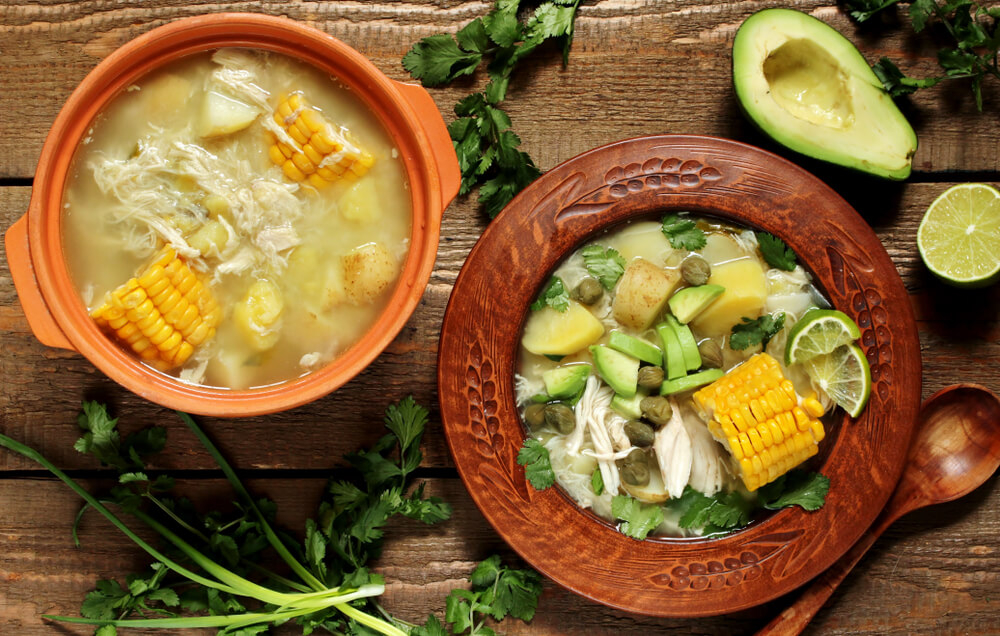
Ajiaco Criollo, a typical Cuban dish
The Taínos: the indigenous people of Cuba
For a long time, history books told us that the indigenous residents of the Antilles died out shortly after the conquest due to imported diseases and hard labour, thus having little influence on the culture of Cuba and other Caribbean countries. Yet, today we know that this version of history is simply not true.
The Taíno culture is a living culture
Since the dawn of time, some island residents in the Caribbean have chosen to identify themselves as “Indigenous”, particularly as Taínos, but mysteriously, this information went missing from the censuses. Why? There were several reasons for this. First, the Spanish crown court banned the enslavement of the indigenous people relatively early on, but not the enslavement of slaves imported from Africa. Many landowners found a loophole in this law and registered their slaves as "Black," even though they were Taínos.
Many landowners found a loophole in this law and registered their slaves as "Black," even though they were Taínos
Another reason why Taíno culture got pushed underground was the fact that cultural assimilation took place over time. The Taíno people began to learn Spanish and integrated into the culture of the Spanish conquerors, yet some also decided to flee into the mountains where they could freely maintain their traditions and live off the grid. For example, traditional Taíno farming methods and millennia-old rituals such as the burning of tobacco leaves to establish contact with Mother Earth are still practised in the mountains of Cuba today.
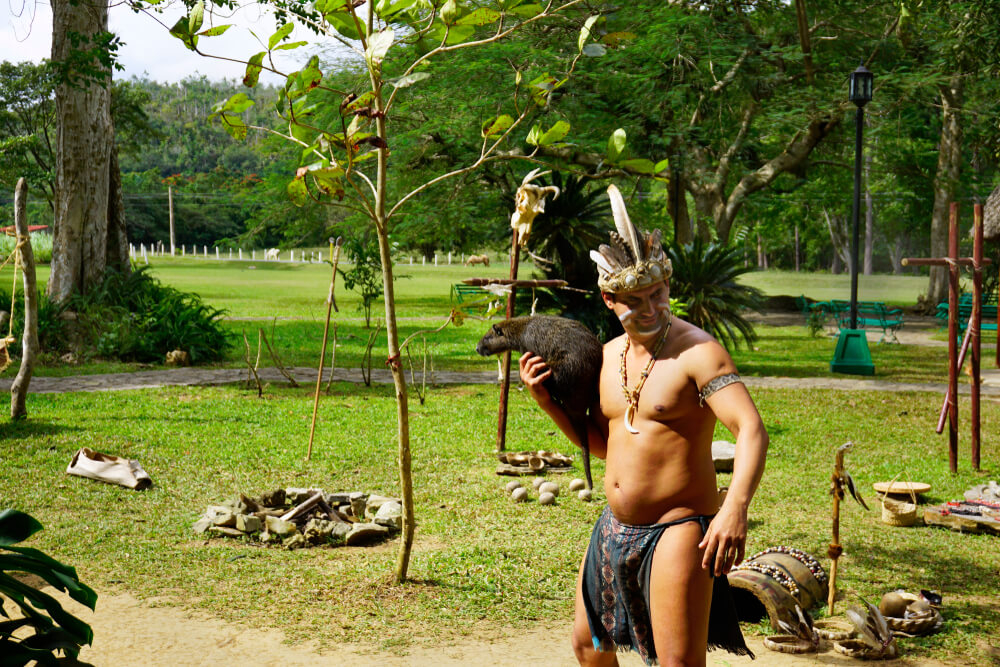
The Taíno lifestyle in Cuba
Cuba indígena: Claiming the cultural heritage of the Taínos
Cuba's Chocolate Museum is every child's paradise and a must-visit on your family travels. Located at the corner of Merchants and Bitterness streets in the heart of Old Havana , the museum allows you to watch chocolates being made inside the premises while you sip on a warming cup of hot chocolate or soothing glass of cold chocolate. Chocolate Museum also sells delicious artisan chocolates singly, or boxed, if you fancy taking home some treats.
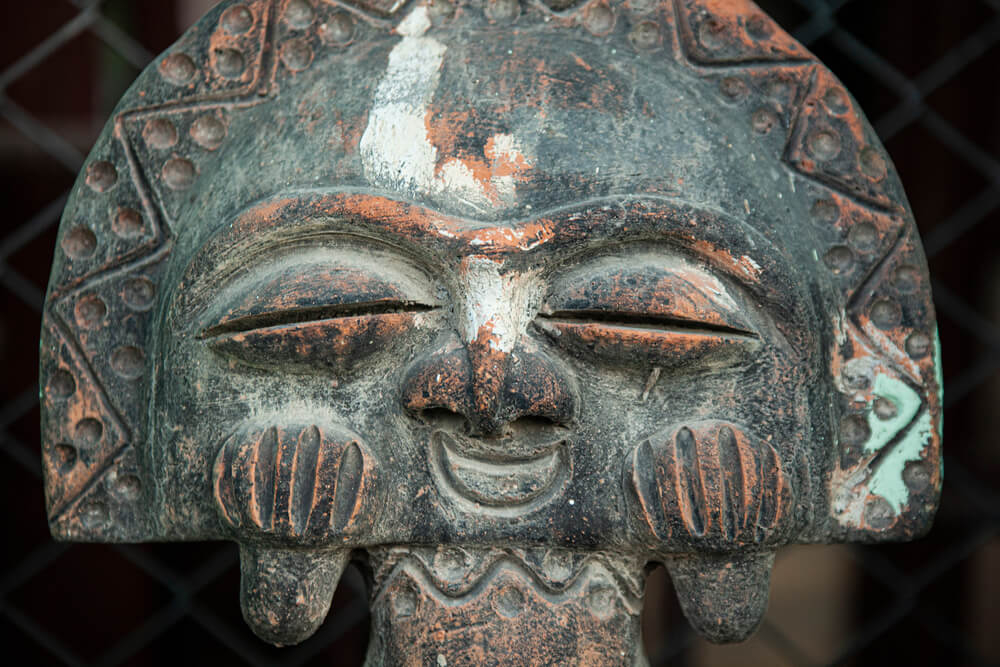
An example of traditional Taíno sculpture art
The Spanish and European influences in Cuban culture and traditions
It is safe to say that of all the European nations, it was, of course, the Spanish who have left the biggest mark on Cuban customs and culture. After all, Cuba was a Spanish colony until 1898, being one of the last to gain (relative) independence. After 1898, however, it initially fell under US influence until the outbreak of the Cuban Revolution.
Language and literature in Cuba
The biggest influence the Spanish had on this Caribbean island was the language. Today, Spanish is the official language of Cuba, and islanders speak it with a dialect based on Andalusian Spanish, as the region's first settlers came from Andalusia. Of course, today it is also peppered with some African and indigenous influences and Cuban literature has become world famous thanks to authors such as José Martí, Alejo Carpentier, and Nicolás Guillén.
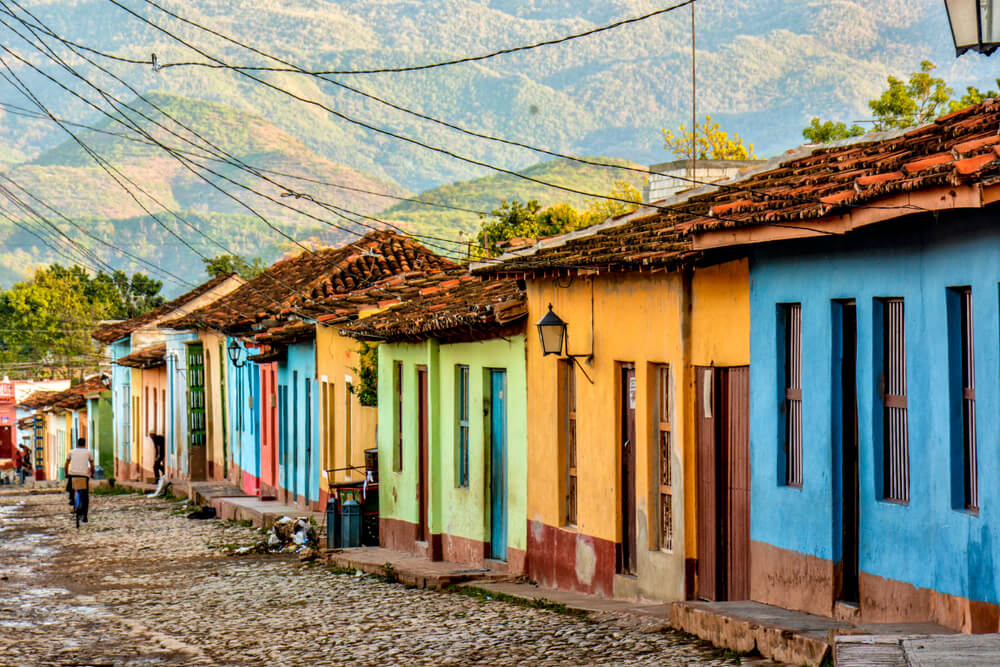
A typical street in Trinidad, Cuba
Christian faith, architecture and art in Cuba
The Christian faith was another important takeaway from the Spanish conquest. Today, this faith has blended with belief systems from the Taínos and different African religions to form various offshoots. Numerous churches from the colonial era, such as the Iglesia del Espíritu Santo in Havana, bear witness to this spiritual heritage. Architecture in general is another important testimony to Spanish culture in Cuba. Colonial cities such as Trinidad and Cienfuegos, with their beautiful, well-preserved architecture, are considered to be the country's most popular tourist attractions. In addition to their art and architecture, the Spanish also brought their music and, above all, their musical instruments, such as the guitar, which was later to play a particularly important role in Son Cubano.
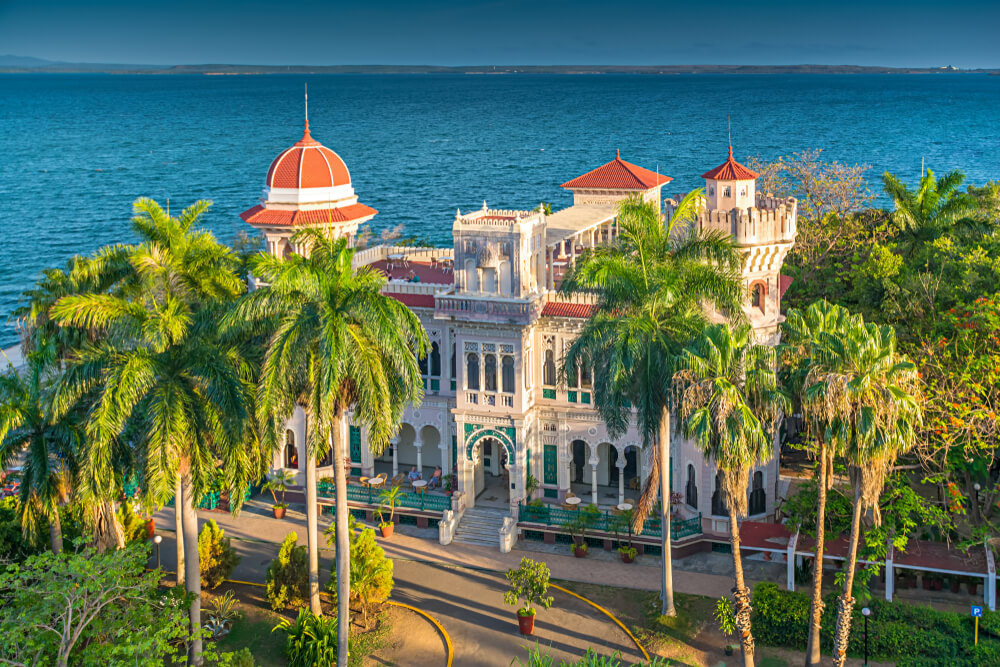
Palacio de Valle, Cienfuegos, Cuba
The African culture in Cuba: The influence of the Yoruba and other people of West Africa
While the Spanish had the biggest visible impact on Cuban history and culture, the island’s African heritage cannot be ignored. The slaves brought to Cuba over the centuries came primarily from West Africa and belonged to various ethnic groups, including the Yoruba, the Mandinka, the Bakongo and the Wolof. A distinctive aspect of slavery in the Antilles was that ethnic groups were not intentionally separated from one another, unlike in the United States, for example.
Many African cultures and languages were preserved, with many making instruments to continue their musical traditions
This meant that many African cultures and languages were preserved, with many making instruments to continue their musical traditions. Among other things, various drumming languages were exported to Cuba and used by the slaves to secretly communicate with each other (one reason, incidentally, why all African instruments were immediately banned in the USA).
African art and religion in Cuba
The African slaves also brought their gods with them. The Yoruba religion, in particular, is very widespread in Cuba. However, today, it has merged with Catholicism to form an offshoot, initially disparagingly referred to as Santería. African culture can also be found in Cuba’s art and literature. One example is the poetry of the Cuban poet Nicolás Guillén, who combined the oral tradition of Afro-Cuban people with the written tradition of Spanish poetry.
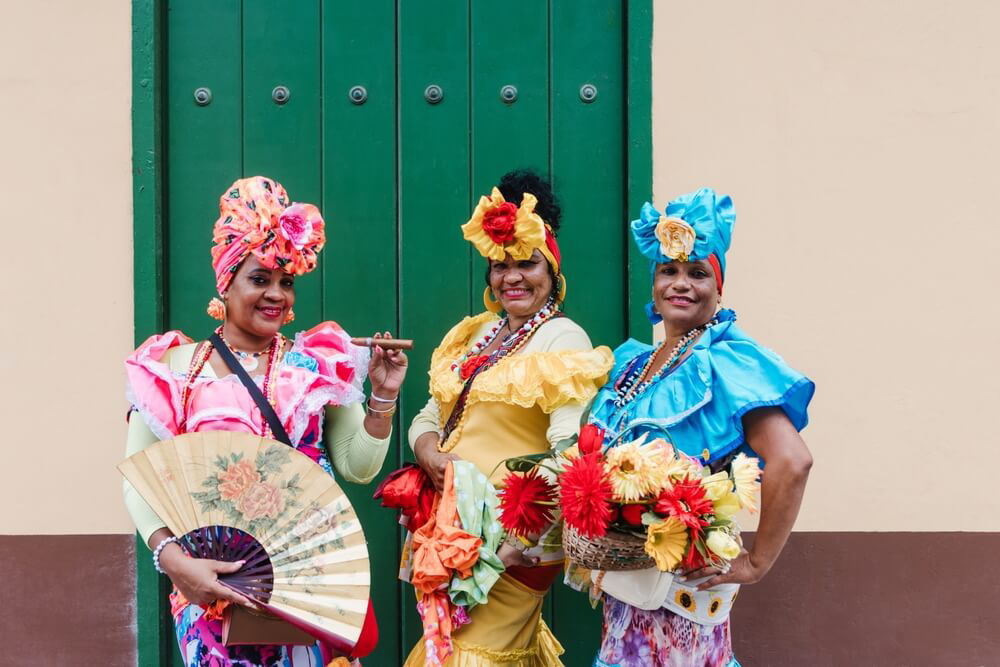
The African influence can be seen in the clothing
Chinese cultural traditions in Cuba
After the Afro-Cuban culture, the last formative culture to shape the present-day Cuban lifestyle was the Chinese. They arrived in large waves of immigration from the second half of the 19th century onwards. This was sparked by the abolition of slavery in 1847 and the Latin American need for cheap labour from Asia. In Cuba's case, these were almost exclusively Chinese, and within just 40 years, around 150,000 Chinese, known as coolies, came to the country. At the time, this was about 10% of Cuba's population. They were almost exclusively men who married women of African descent in Cuba. The descendants of these unions, still identifiable today by their distinctive facial features, have retained many aspects of Chinese culture and established various associations to help preserve Sino-Cuban heritage. One Cuban tradition that reflects this Chinese influence is Carnival, where traditional Chinese flutes, originally brought to the island by the coolies, are still played.
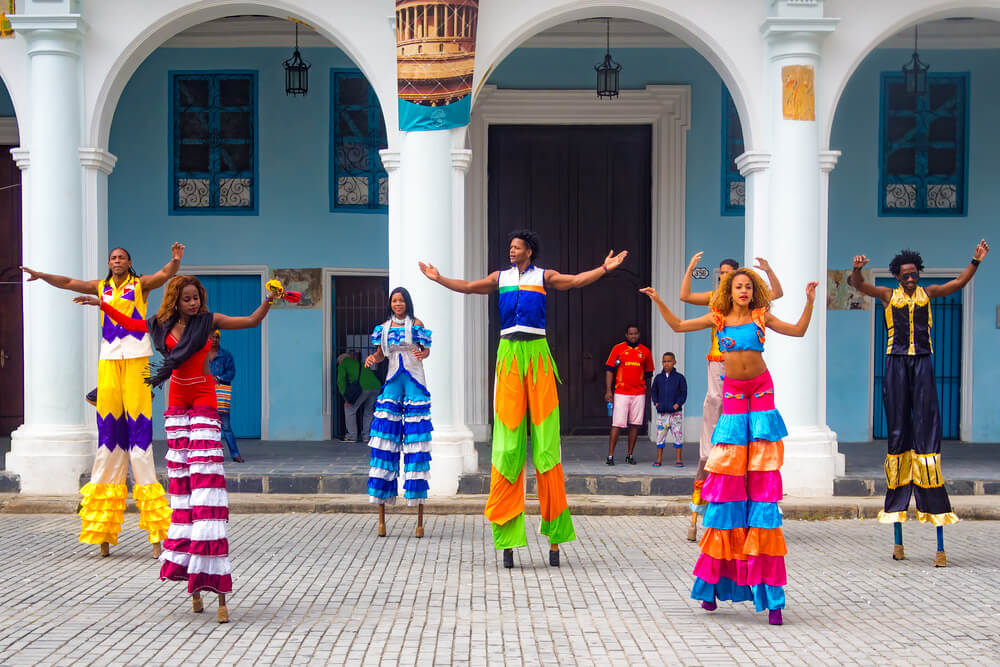
Street performers in Havana
Chinatown and the Chinese cultural traditions in Havana
Interested in getting to know Chinese culture in Cuba during your holidays? Head to Havana's Chinatown. Once the largest Chinese quarter in Latin America and the second most important in the world (after San Francisco's Chinatown), this district's heyday is long gone. However, in recent decades, many of the historic buildings have been restored, providing a particularly beautiful glimpse into Havana culture and this important cultural influence in Cuba.
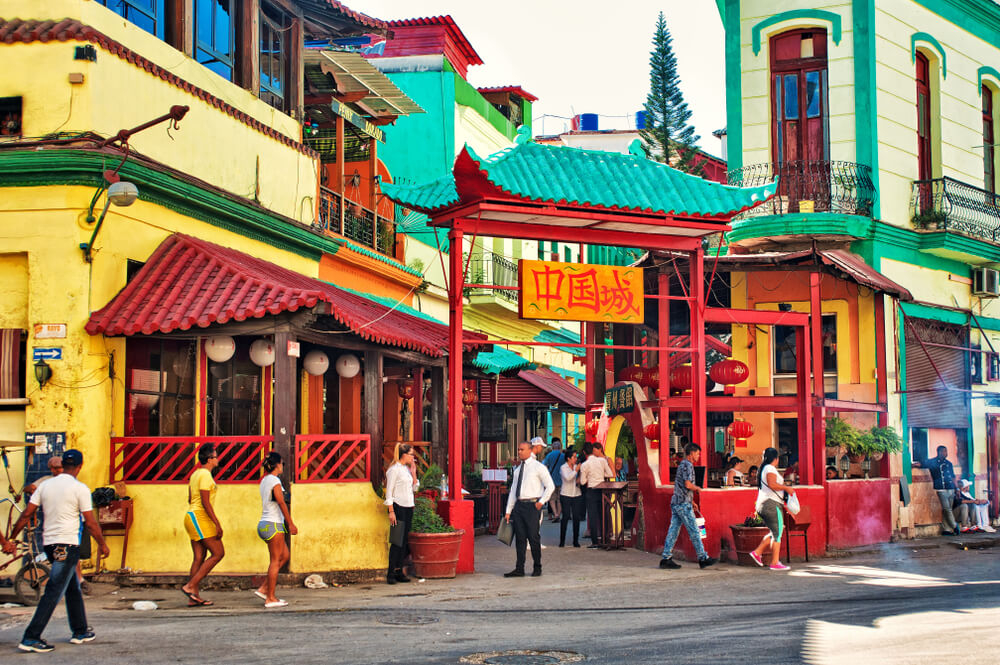
ChinaTown Havana
Cuban music: the island's most important cultural product
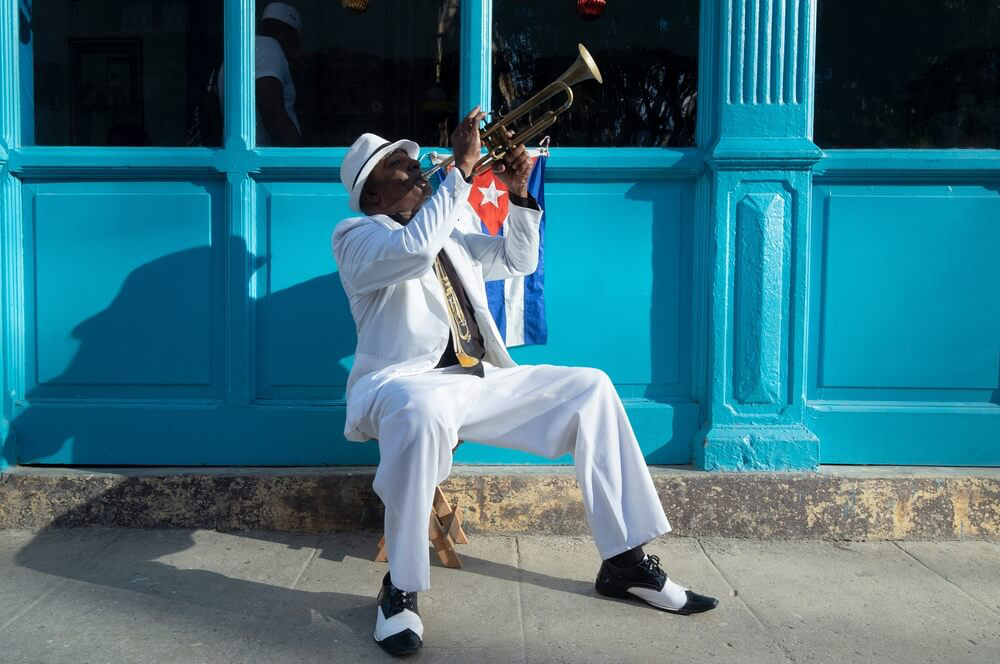
When you think of the culture of Cuba, probably one of the first things to come to mind is music. Reaching global fame, Cuban rhythms like the Son Montuno and the Guaguancó were brought to the USA by Cuban immigrants in the 1960s, particularly to New York, where they formed the basis for famous musical styles like salsa and Latin jazz. This dizzying mix of African rhythms and European melodies is just one facet of Cuban music. Other lesser-known Cuban musical styles include changüí, which is associated with the marimbula, a curious musical instrument. After the Cuban Revolution, music in Cuba developed relatively independently of the rest of Latin American music for a long time, which led to the emergence of musical styles such as Songo and Timba, which are quite different from what is normally referred to as salsa. Cuban music is a world of its own, and one thing is clear: if you are on holiday in the country, you should definitely not miss out on this aspect of Cuban culture!
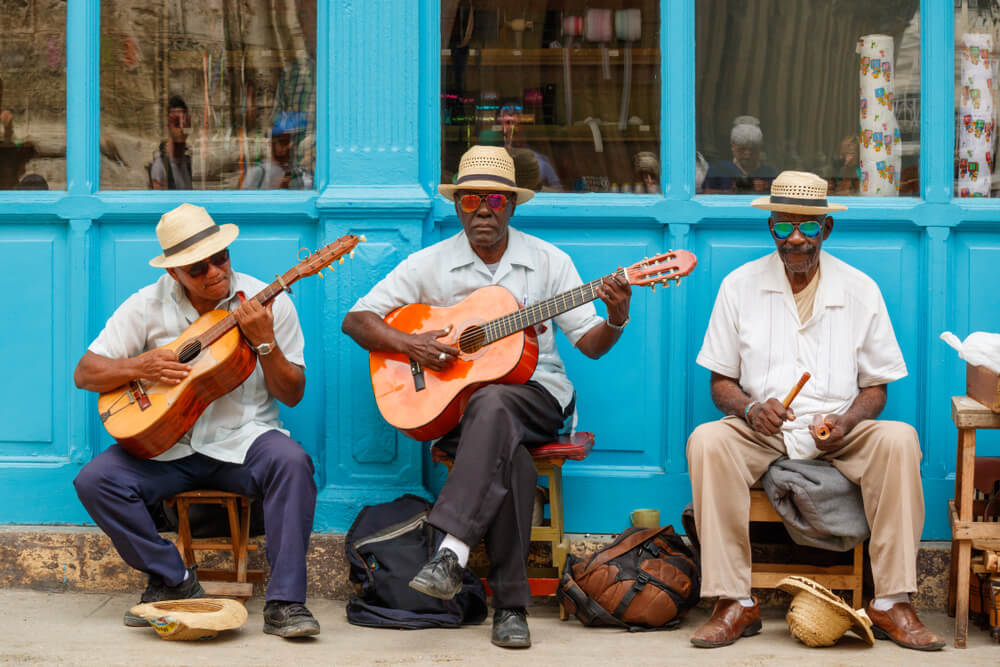
You live and breathe music in Cuba