

_435x320?&)

Indonesian culture: celebrating the beauty of diversity
Indonesia is a treasure trove of fascinating traditions proudly upheld by the archipelago’s countless ethnic groups. Read on for a taste of a stunningly diverse country

Table of contents
1.
2.
3.
4.
5.
6.
7.
8.
Think of Indonesia and you might well conjure up images of a tropical paradise of peerless, pristine beaches, an enchanting archipelago of over 130 active volcanoes or even the buzzing, bustling metropolis of Jakarta. Indonesia is all those things, for sure, but it’s also one of the most culturally diverse countries on Earth. Stretching across more than 17,000 islands, 5,000 km and three time zones from the Indian Ocean to the Pacific, it’s home to hundreds of ethnic groups, 700+ languages and traditions that have evolved over thousands of years. A trip to the archipelago is a chance to experience first-hand Indonesia’s kaleidoscope of history, spirituality, customs and artistic expression. From the temples of Bali to the ancient rituals of Papua and the rhythmic sounds of Java’s traditional gamelan music, be prepared for a completely different cultural experience on every island you visit. Discovering Indonesian culture, then, feels like exploring multiple countries in one.
The culture of Indonesia: a rich tapestry
What makes art and culture in Indonesia so fascinating is its incredible variety. The dynamic fusion of homegrown Betawi culture, regional identities and global influences in Jakarta is a world away from the customs of the mountain villages of Sulawesi or the rituals of the remote peoples of Papua, who live much as their ancestors did thousands of years ago. Yet Indonesians proudly embrace these differences in the national motto: Unity in Diversity. Every region cherishes its own traditions, architecture, cuisine, clothing, music and ceremonies. Together they form the staggeringly rich tapestry of Indonesian culture.
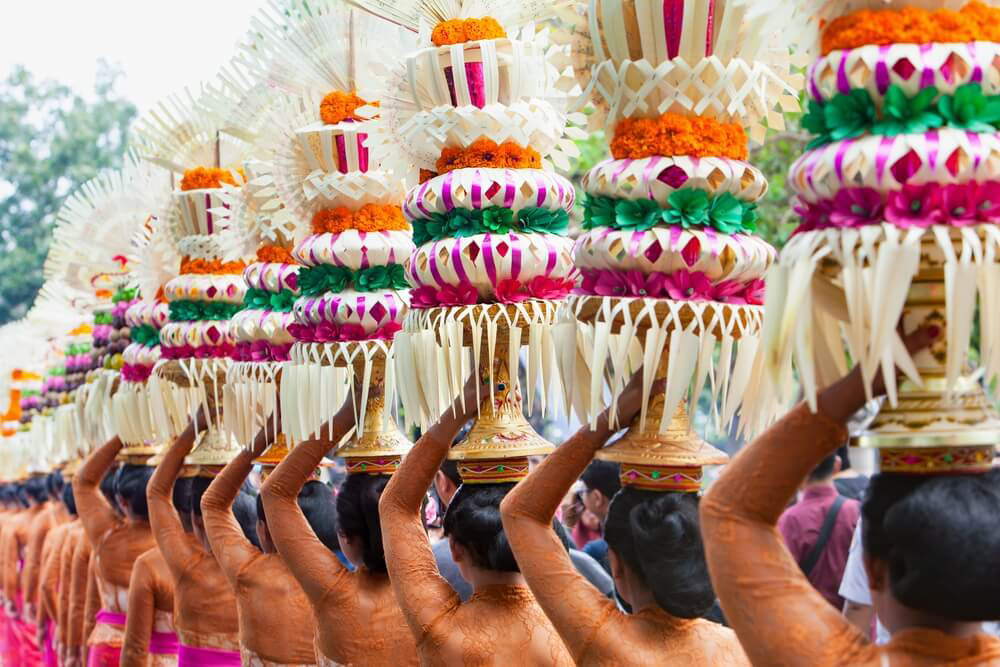
A ceremony in Bali
Indonesian dance: storytelling through movement
One of the most captivating aspects of Indonesian culture is its traditional dance. The variety is mind-boggling and a reflection of Indonesia’s wealth of diversity – several have been awarded UNESCO World Heritage status.
Some can trace their roots to the prehistoric, tribal era. They might be war dances, like cakele from the Maluku Islands, which originated as a way of celebrating victory in battle. Or they could be dances to call or give thanks for good harvests, as the Dayak people of Borneo do with their Hudoq ritual, wearing striking, elaborate masks representing crop-threatening pests like rats or crows.
Perhaps the most familiar Indonesian dance, though, is the type that emerged with the advent of Hinduism and Buddhism in the archipelago. In fact, many of these dances tell stories from the ancient Hindu epics Ramayana and Mahabharata. Famed for intricate hand gestures, dramatic eye movements and elaborate costumes, performances are sophisticated, expressive, technically complex and deeply spiritual, often accompanied by live music. Today, they are mostly found in Bali and Java and remain an essential part of temple celebrations and religious rituals.
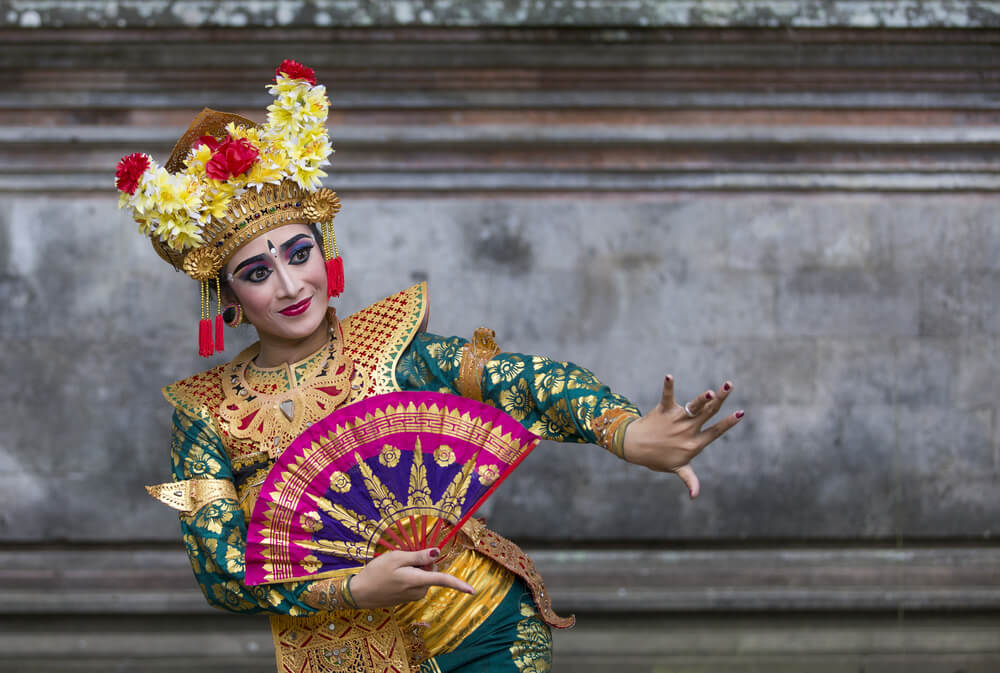
Balinese dance is sophisticated and complex
Other dances absorbed Arabic and Persian influences as Islam gradually penetrated the region. The Saman, or “dance of a thousand hands”, is thought to have originated around 800 years ago in the Gayo highlands of Sumatra. It combines pre-Islamic rituals with Sufi chanting and makes for an enthralling way to transmit Muslim teachings, though the tone can be more romantic or humorous too. Performers sit shoulder-to-shoulder and clap, slap their chests, thighs or the ground and sing in a rising crescendo of perfectly synchronised body percussion.
Indonesian music: a magical sound
Every bit as mesmerising as its dance, traditional Indonesian music is deeply woven into the country’s identity too. Again, the sheer range of instruments, styles and influences – from India and China, Malaysia and the Arab world – is dizzying.
The most famous genre is gamelan, ensemble music originating from Java and Bali. Gamelan orchestras use gong chimes (common in most traditional Indonesian music), metallophones, drums, bamboo flutes and string instruments to create hypnotic rhythms and layered, interlocking melodies. It’s often performed during religious rituals, ceremonies, Indonesian shadow puppet theatre and festivals.
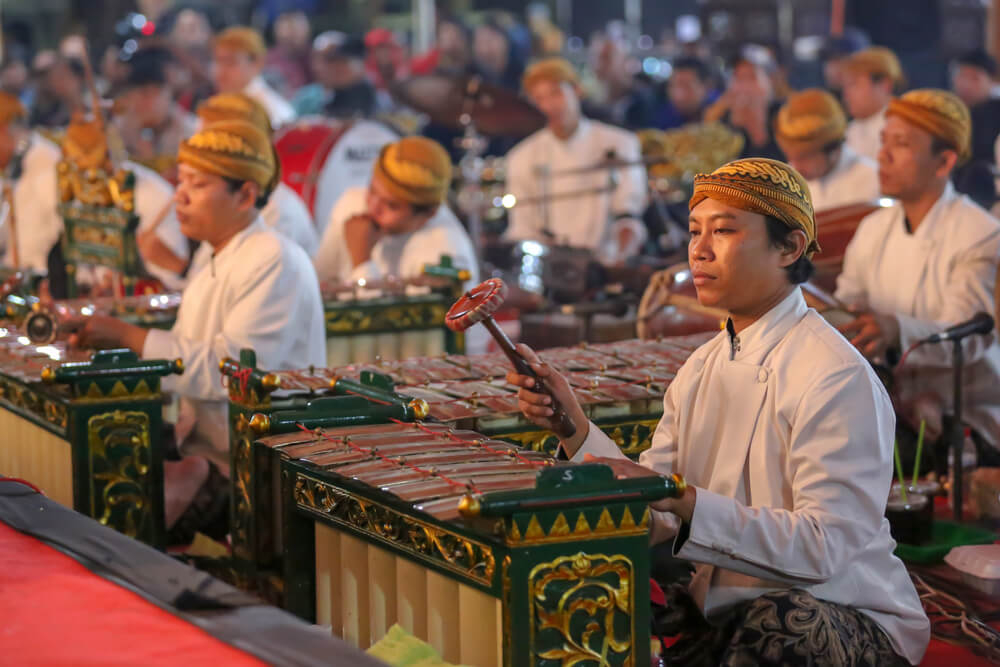
Gamelan is the traditional ensemble music of Indonesia
You’re almost certain to come across gamelan during your stay, so catch a live performance if you can. It’s an unforgettable cultural experience and a memory of Indonesian traditions every traveller should take with them.
Indonesian crafts: fabulous folk art
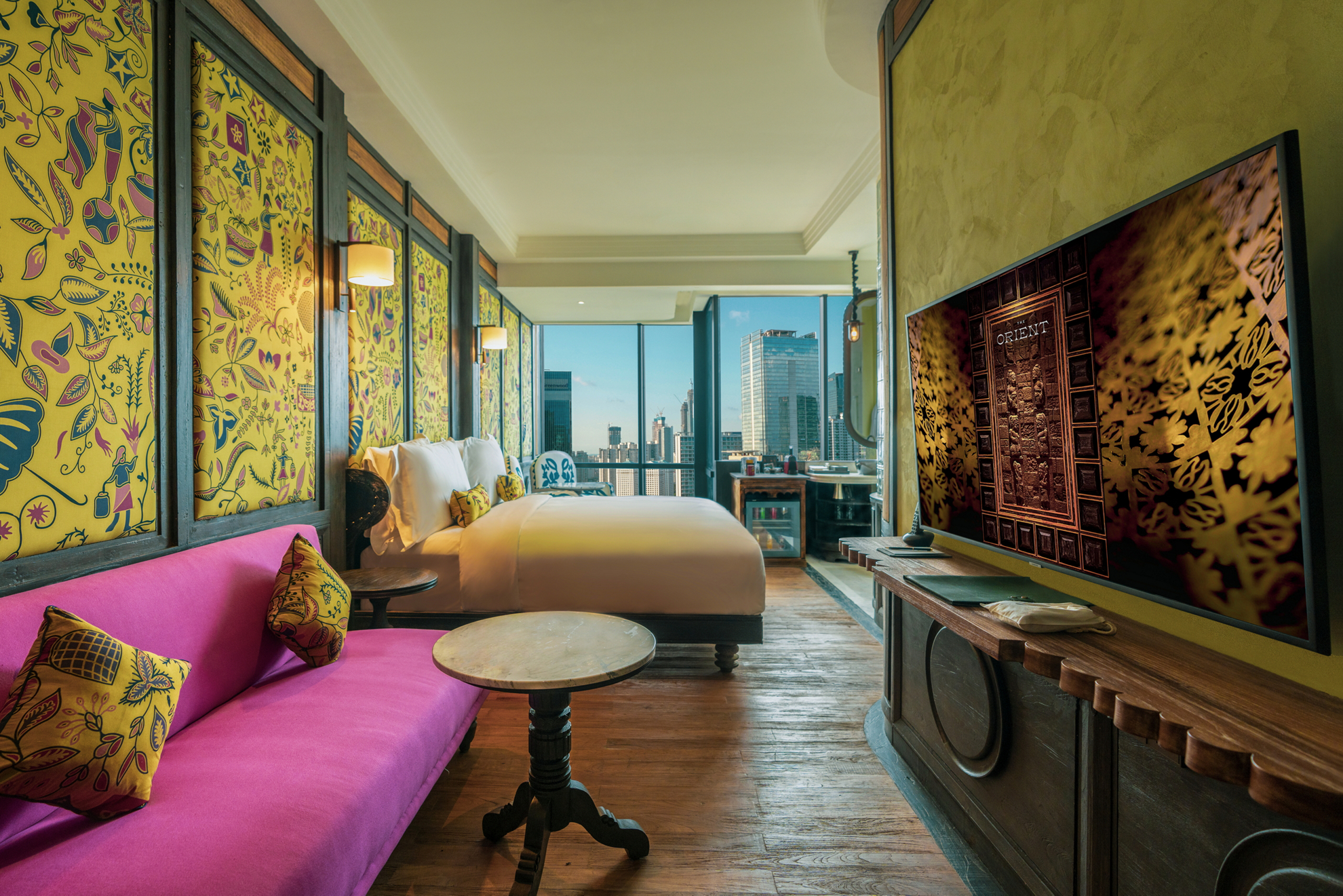
Indonesia is also deservedly famous for its traditional crafts. One of the most iconic folk arts of Indonesia is batik, a centuries-old textile dyeing technique where intricate patterns are applied to fabric using wax, often involving multiple dyeing stages. In the past, each batik design is thought to have carried symbolic or spiritual significance and even today the best textiles are reserved for special occasions. It’s a painstaking process and the artistry and craftspeople behind batik art in Indonesia have earned it UNESCO cultural heritage status. A batik fabric makes a beautiful souvenir of the culture of Indonesia. An authentic, hand-drawn piece, of course, comes at a price. Fortunately, there are more budget-friendly printed and stamped versions.
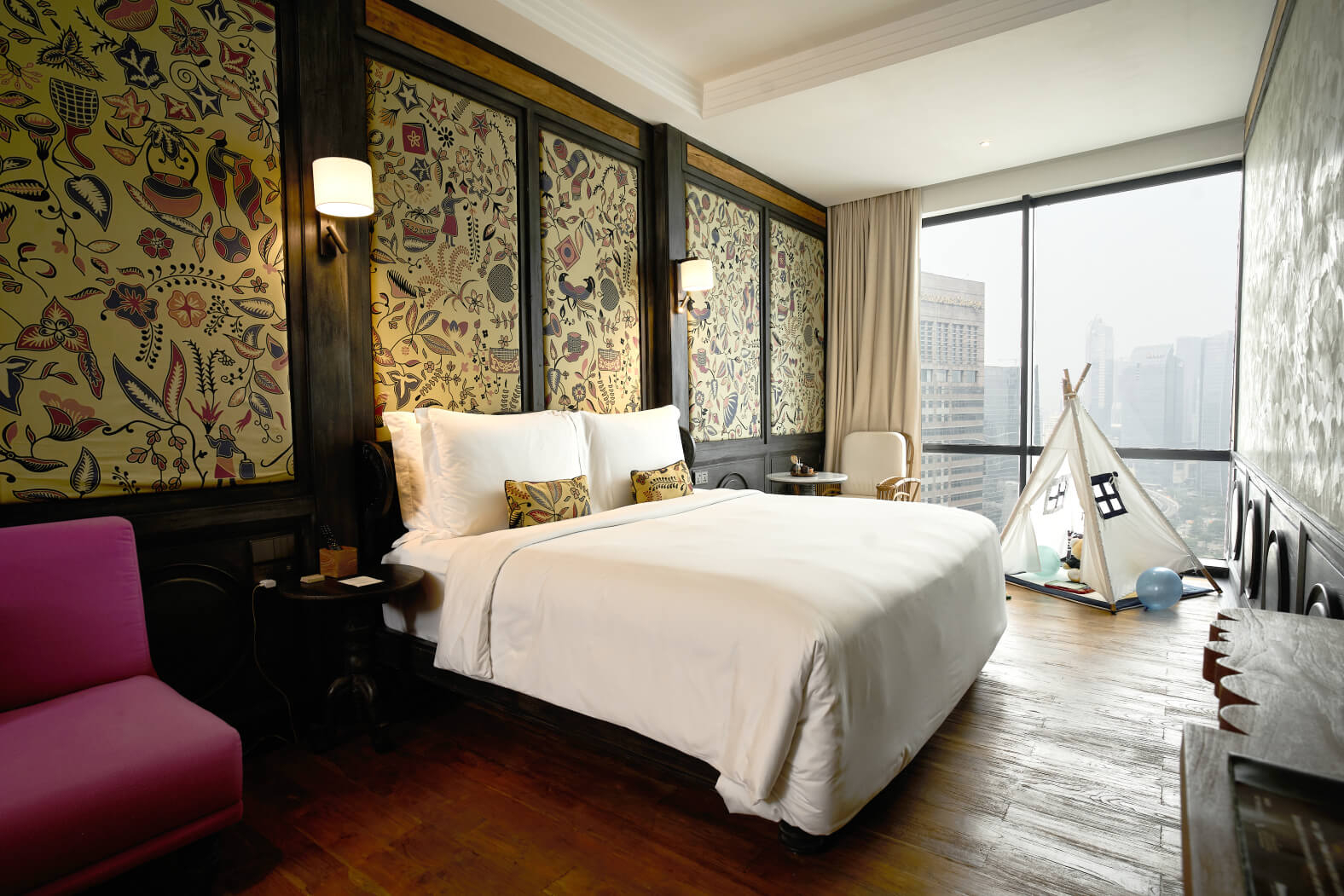
Batik fabric as wall decoration at The Orient Jakarta, a Royal Hideaway Hotel
Alternatively, itak is another ancient resist-dyeing technique that is still lovingly practised in the archipelago. Yarns are tightly bound and dyed before being woven into fabric, giving the finished piece its signature “blurry” or feathery effect.
An unmissable cultural treasure for every visitor to Indonesia is wayang, the traditional puppet theatre especially popular in Java and Bali. Beautiful puppets intricately carved from leather or wood are used to perform stories from mythology or legend, moral lessons and historical tales, all accompanied by a beguiling gamelan orchestra. They are often shadow plays, but in one form of wayang colourful, three-dimensional puppets are used. Like so many of the country’s forms of cultural expression, Indonesian puppet theatre is recognized by UNESCO as Intangible Cultural Heritage.
A wayang puppet is a work of Indonesian art and makes an excellent reminder of your holiday – the perfect way to bring hand-crafted artistry and enchanting folklore into your home.
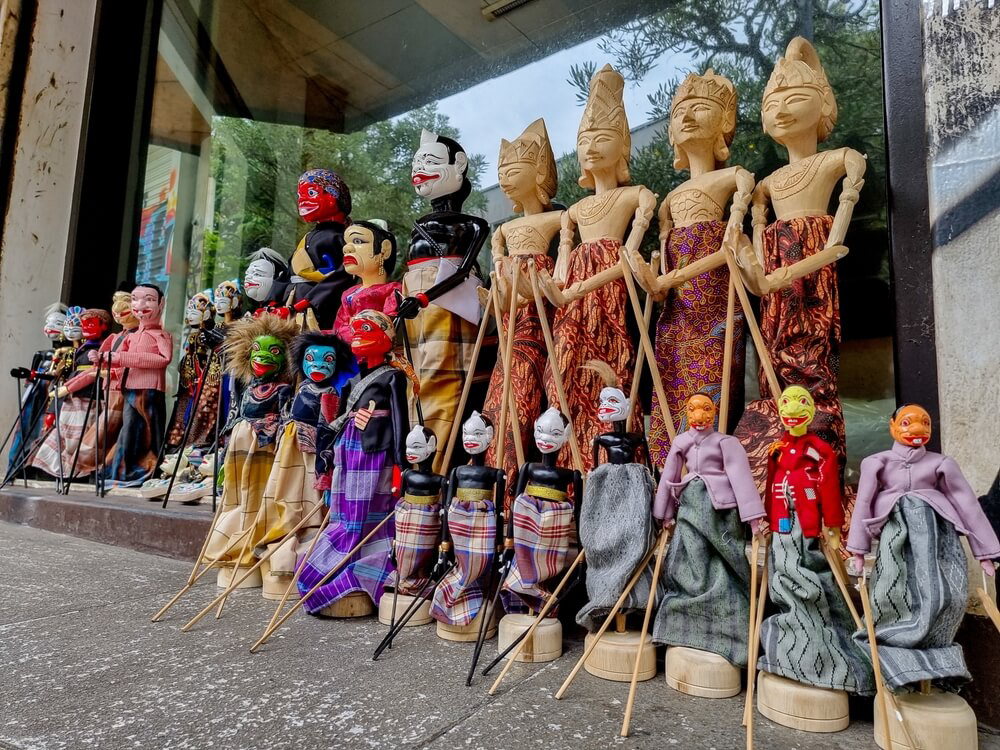
A wayang puppet is a work of art
Architecture: a unique culture in Indonesia
Traditional Indonesian architecture varies greatly from island to island, reflecting the diversity of influences that have shaped Indonesia as a whole. Historic Indonesian constructions do share some common features, though, like the use of natural building materials, elaborate roof structures and techniques that are perfectly adapted to the environment. Each style is a unique expression of cultural identity, social structure and local wisdom, and many traditional Indonesian villages welcome respectful tourists into these ancestral homes.
One of the most striking examples of traditional Indonesian architecture is the Tongkonan houses of the Toraja people in Sulawesi. These dramatic wooden structures, with their curved boat-shaped roofs, are central to Torajan culture and often used for ceremonies and family gatherings.
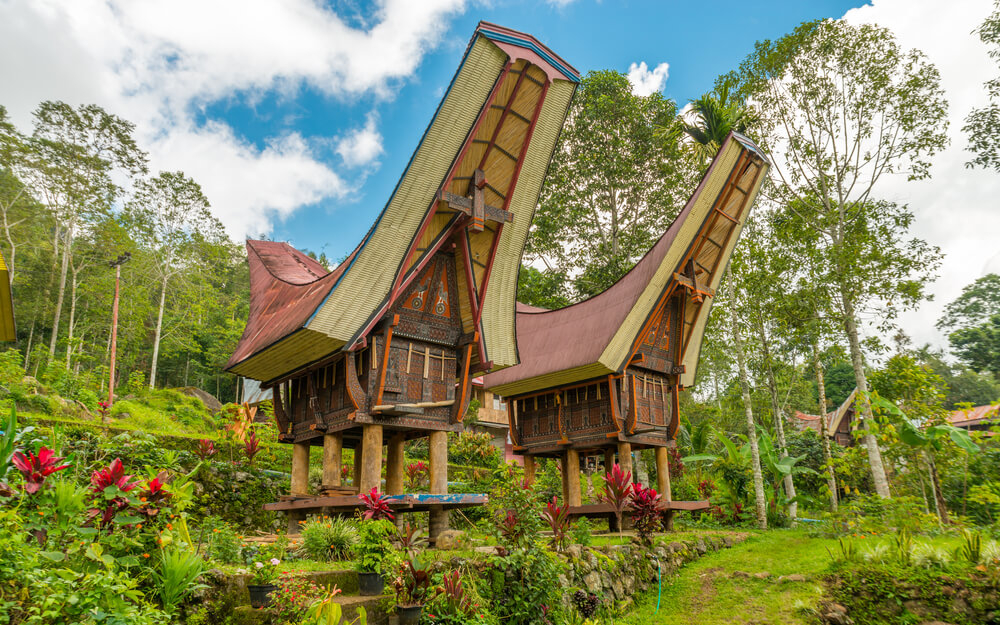
Traditional Tongkonan houses of the Toraja people in Sulawesi
Food: culture and tradition of Indonesia
Foodies will quickly fall head over heels for Indonesian cuisine. A blend of Chinese, Indian, Arab and local traditions, Indonesian food is rich in spices, textures and bold flavours, spanning fragrant curries to rice and noodle dishes. An Indonesian staple is tempeh, made from fermented soybeans. Its nutty flavour adds a hit of umami and easily absorbs spice and marinades.
Some dishes you absolutely must try for a true taste of Indonesian culture during your stay include nasi goreng, Indonesia’s famous fried rice; rendang, a kind of beef stew cooked slowly in coconut milk and spices; satay, marinated grilled meat skewers in a peanut sauce; or gado-gado, a salad of raw and cooked vegetables, hard boiled eggs, tofu and tempeh with a creamy peanut sauce dressing. Street food culture is vibrant throughout the archipelago, and some of the best meals are to be had at small local markets and roadside stalls.
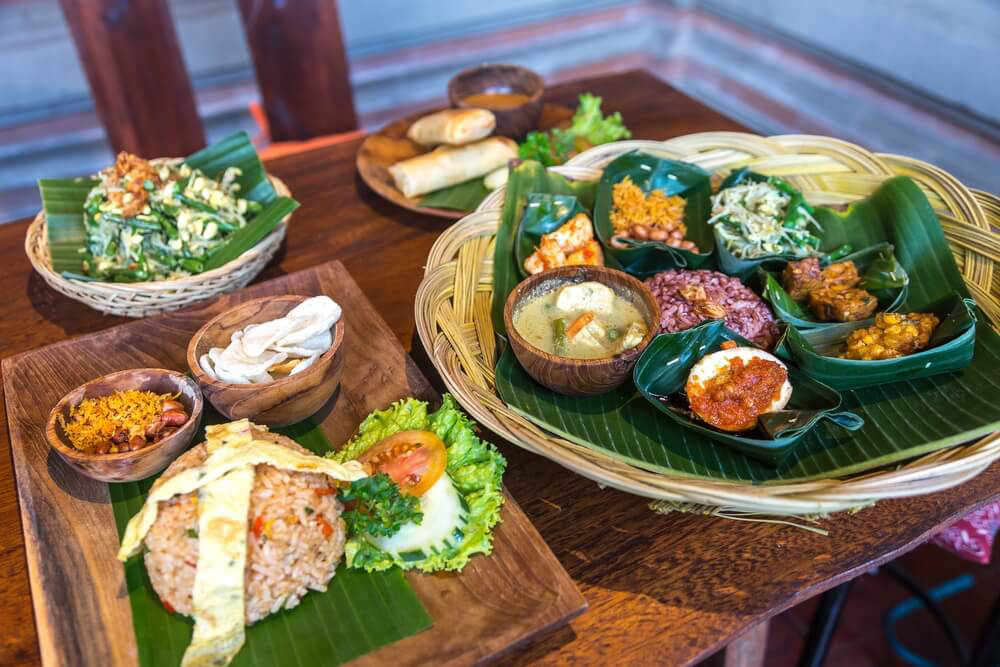
Foodies will love Indonesian cuisine
Spiritual life and religion: key to understanding Indonesian culture
Indonesia is the world’s largest Muslim-majority country, but it’s also home to Hindu, Buddhist, Christian, Confucian and indigenous spiritual traditions. Not surprisingly, this diversity of religious devotion shapes the country’s art, festivals and daily life. Hinduism and Buddhism in particular – dominant for centuries before the arrival of Islam – have left a lasting mark on art and culture in Indonesia. Mysticism and animist beliefs remain a vibrant part of the cultural fabric too.
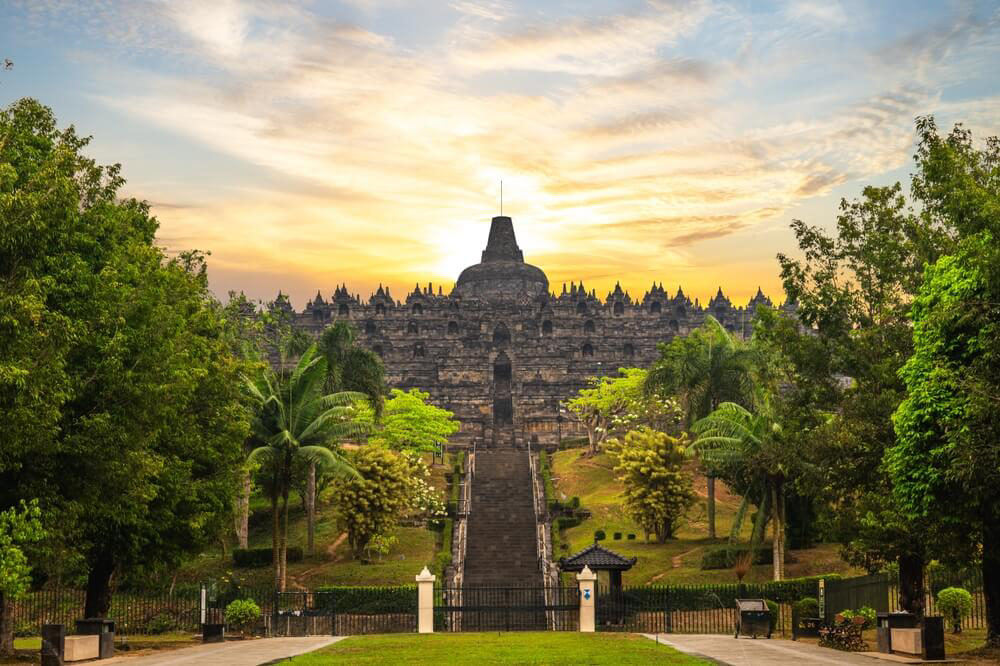
Borobudur is a must-see for anyone visiting Java
Some of Indonesia’s most important cultural landmarks bear witness to its rich religious diversity. Magnificent Borobudur is the world’s largest Buddhist temple complex and a must-see for anyone visiting Indonesia. The grand Istiqlal Mosque in Jakarta is the largest mosque in Southeast Asia, with space for a staggering 120,000 or more worshippers. In Bali, Hindu traditions are still deeply woven into everyday life, with daily offerings, temple ceremonies and colourful festivals taking place year-round.
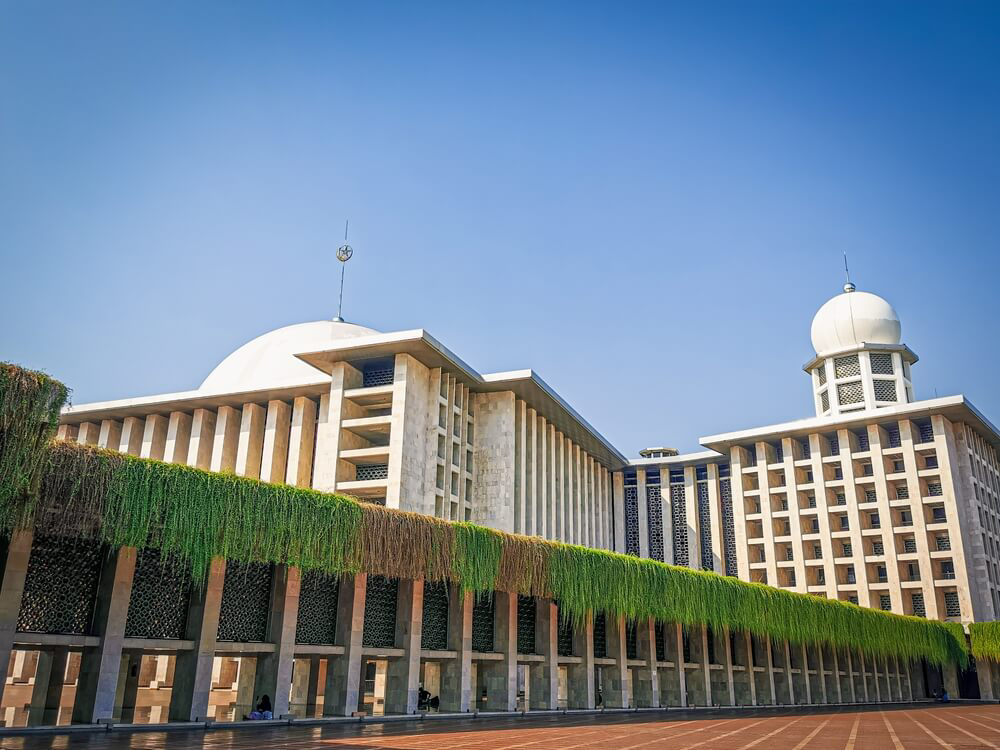
Istiqlal Mosque is the largest mosque in Southeast Asia
Festivals: the customs and traditions of Indonesia
Indonesia’s festivals are among the best ways to experience local culture first-hand. One of Bali’s most unique and impressive celebrations is Nyepi, the Balinese Hindu New Year. During Nyepi, the entire island falls silent for 24 hours – no traffic, no flights and no going outside. It’s a day dedicated to reflection and spiritual cleansing and something to experience for visitors seeking a deeper connection with Indonesian culture.
The Islamic festival of Eid al-Fitr, marking the end of Ramadan, is a family-focused affair in Indonesia. Most of the country’s Muslims return to their hometowns to reconnect with relatives and old friends. It’s also customary to seek and grant forgiveness for any wrongs over the year, while many visit the graves of deceased family members.
Another spectacular occasion is Galungan, a vibrant Balinese Hindu festival celebrated every 210 days, following the local Pawukon calendar. Over 10 days, devotees mark the triumph of good over evil as ancestral spirits descend to Earth. The streets are lined with decorated bamboo poles and there are temple ceremonies, dances and processions. Kuningan signals the end of the celebration, when the spirits return.
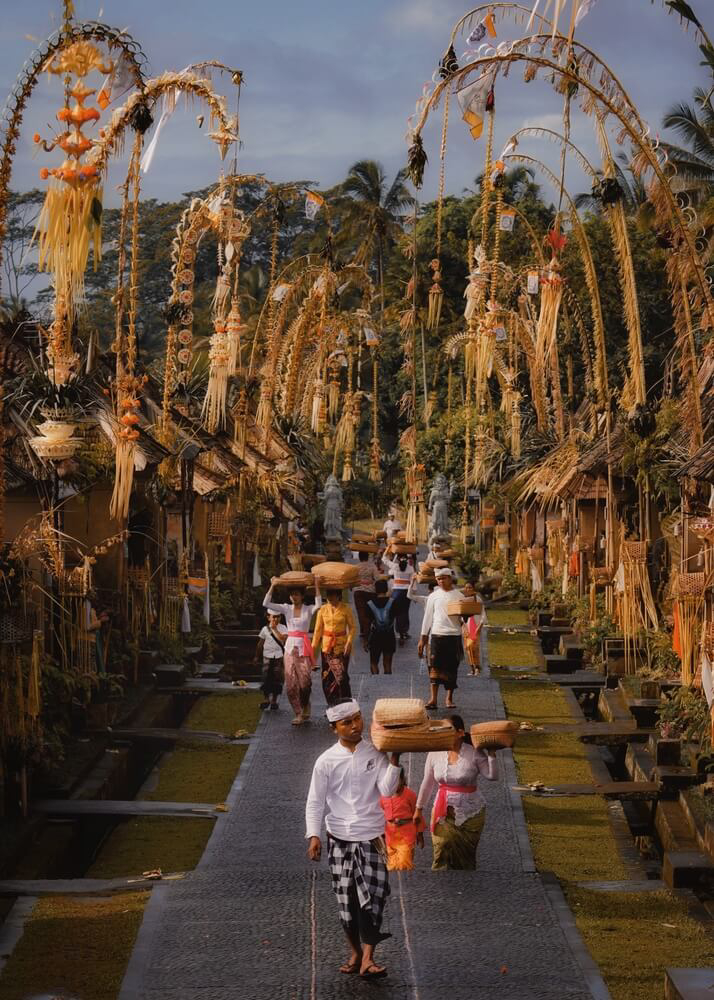
A street lined with decorated bamboo poles during Galungan
Vesak is among the most important festivals for Indonesia’s Buddhists. One particular moment that draws local and international tourists alike is the night-time release of lanterns at the UNESCO World Heritage-listed temple of Borobudur. Both beautiful and deeply spiritual, it symbolises enlightenment, hope and the dispelling of inner darkness.
Indonesia, then, is more than a destination, it’s a journey of endless cultural discovery. Whether you’re watching a traditional dance performance in Bali, listening to gamelan music in Java, tasting spicy street food in Yogyakarta or exploring ancient temples, the country leaves a lasting impression on every traveller.

Latest articles
Children
Mexico
More Destinations
Gastronomy

Mexico
Art and Culture
Sport and Nature
Fancy a quick trip away with the kids? Check out these family-friendly cities in Europe
Go to article
Discover the best beaches, charming towns, and excursions in Nayarit
Go to article
Get a taste of this vibrant Southeast Asian hub with our guide
Go to article
From meat lovers to vegans, Bulgaria’s scrumptious staples have you covered
Go to article
From cenotes to adventure parks… your ultimate Riviera Maya bucket list awaits
Go to article
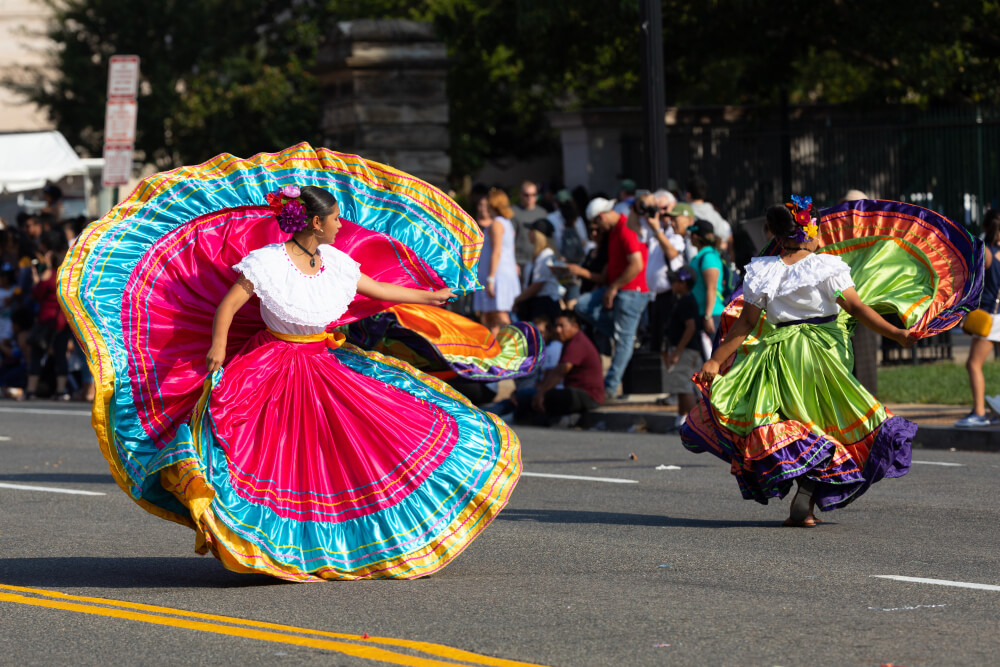
Beyond this country's natural beauty lies a world of art, music, and tradition
Go to article
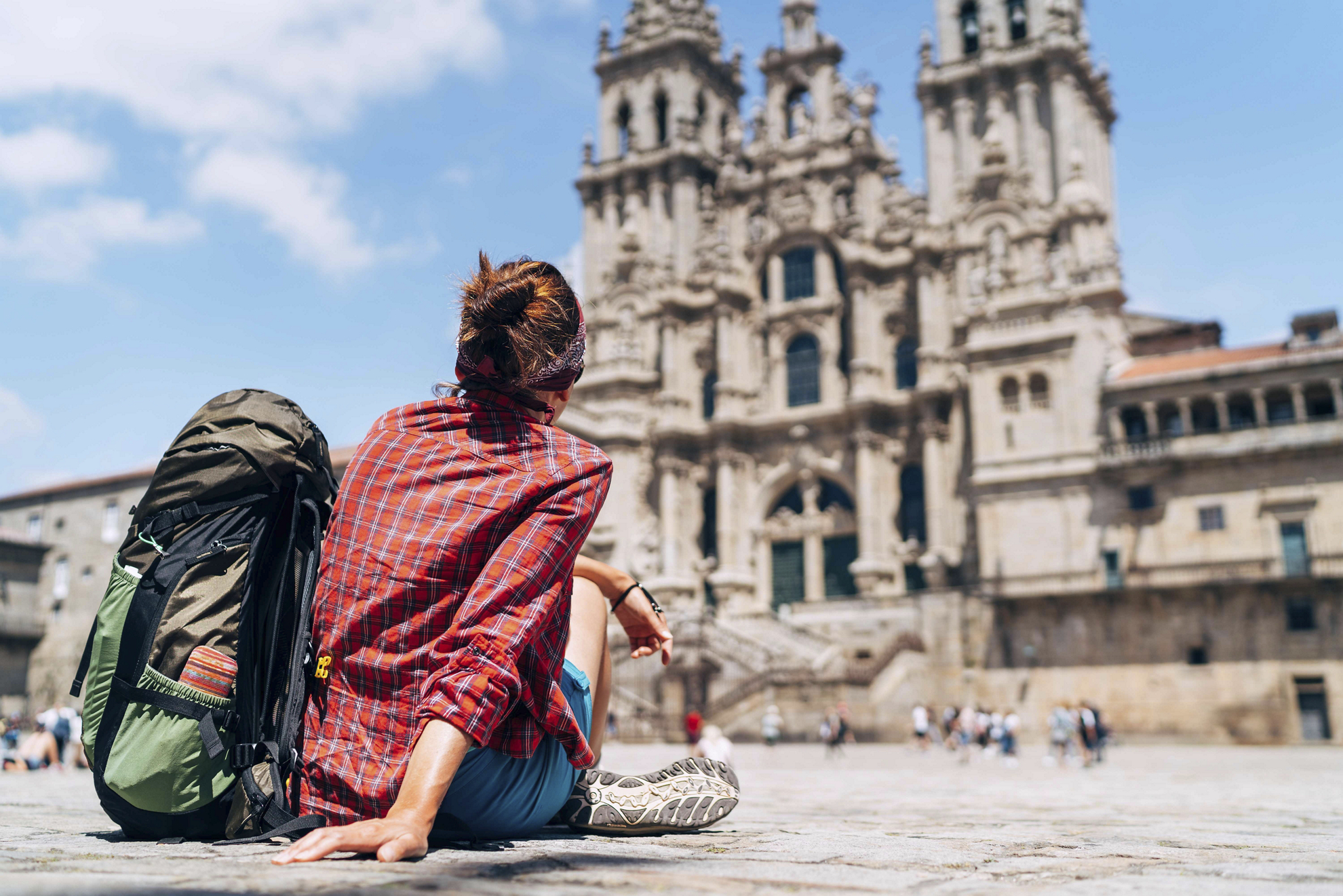
Planning to walk the Way of St James? Take a look at our route guide
Go to article

Table of contents
1.
2.
3.
4.
5.
6.
7.
8.
Latest articles
Children
Mexico
More Destinations
Gastronomy
Mexico
Art and Culture
Sport and Nature
Fancy a quick trip away with the kids? Check out these family-friendly cities in Europe
Go to article
Discover the best beaches, charming towns, and excursions in Nayarit
Go to article
Get a taste of this vibrant Southeast Asian hub with our guide
Go to article
From meat lovers to vegans, Bulgaria’s scrumptious staples have you covered
Go to article
From cenotes to adventure parks… your ultimate Riviera Maya bucket list awaits
Go to article
Beyond this country's natural beauty lies a world of art, music, and tradition
Go to article
Planning to walk the Way of St James? Take a look at our route guide
Go to article