
_435x320?&)
Add these Moroccan beauty products to your souvenir wish-list
From black soap to argan oil, these are the Moroccan beauty products to pick up on your next getaway
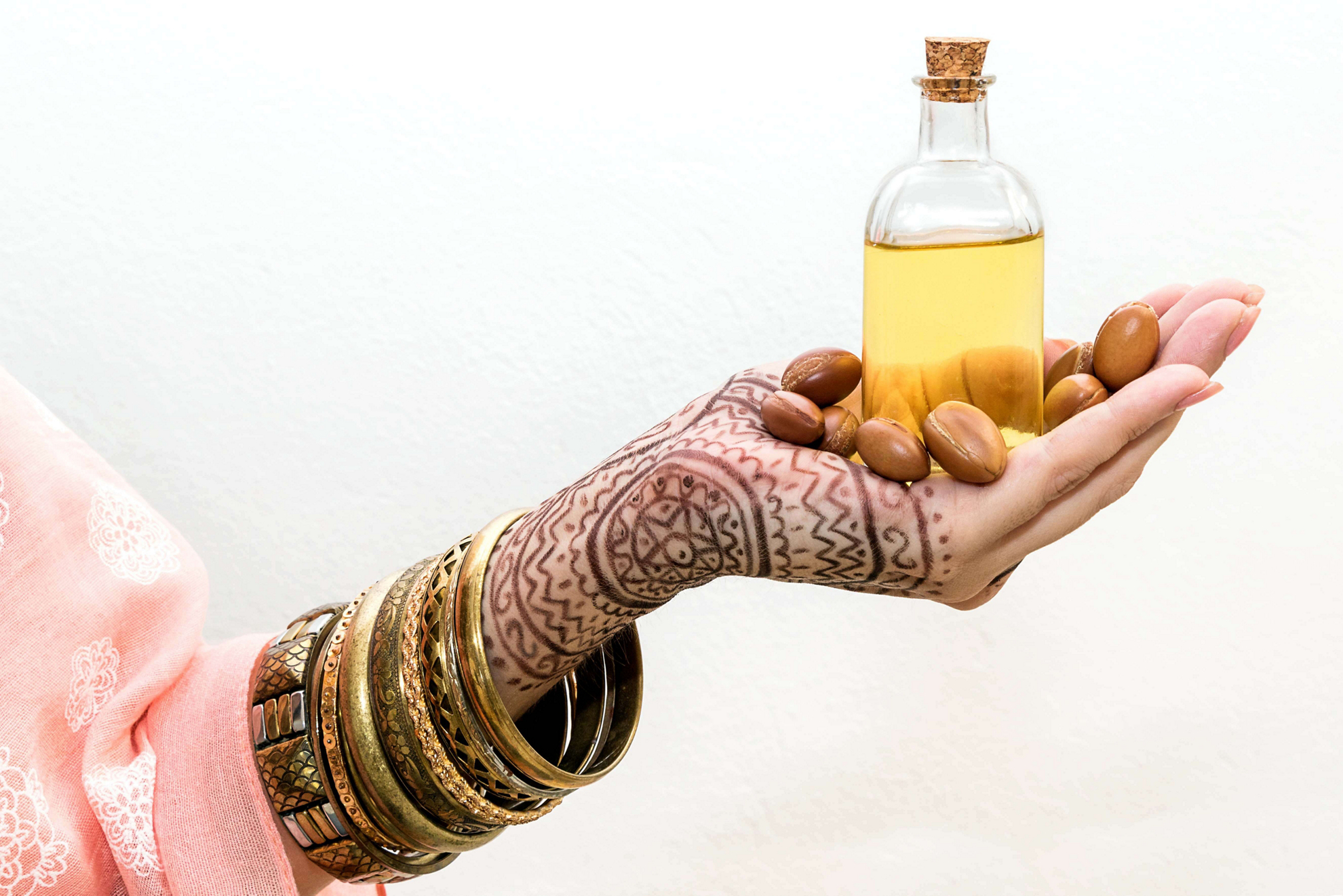
From the sun-drenched souks of Marrakech to the quiet mountain villages of the High Atlas, Morocco is a land of vibrant colour, natural ingredients and centuries-old beauty traditions. For generations, Moroccan women have relied on the richness of the land, its oils, clays and botanicals, to care for their skin, hair and wellbeing. Today, these rituals form the foundation of a thriving natural beauty culture that has captivated the world. Anyone travelling to Morocco will know that the country’s souks are a treasure trove for artisanal souvenirs. Yet, one thing that is often overlooked by travellers is the wide array of Moroccan beauty products found at the markets. Argan oil has gained worldwide recognition; however, there are so many more Moroccan cosmetics to discover when out shopping.
Inclusive and ethical beauty
Moroccan beauty isn’t just about appearances, it’s about ritual, community and connection to nature. These customs date back hundreds of years, blending Berber, Arab, and Andalusian influences. Traditional hammams (public bathhouses) have long been the centre of Moroccan self-care culture, where women gather to cleanse, exfoliate and nourish their bodies in a deeply social and sensory experience. Today, this tradition and the Moroccan beauty products that accompany it are open to people of all ages and backgrounds.
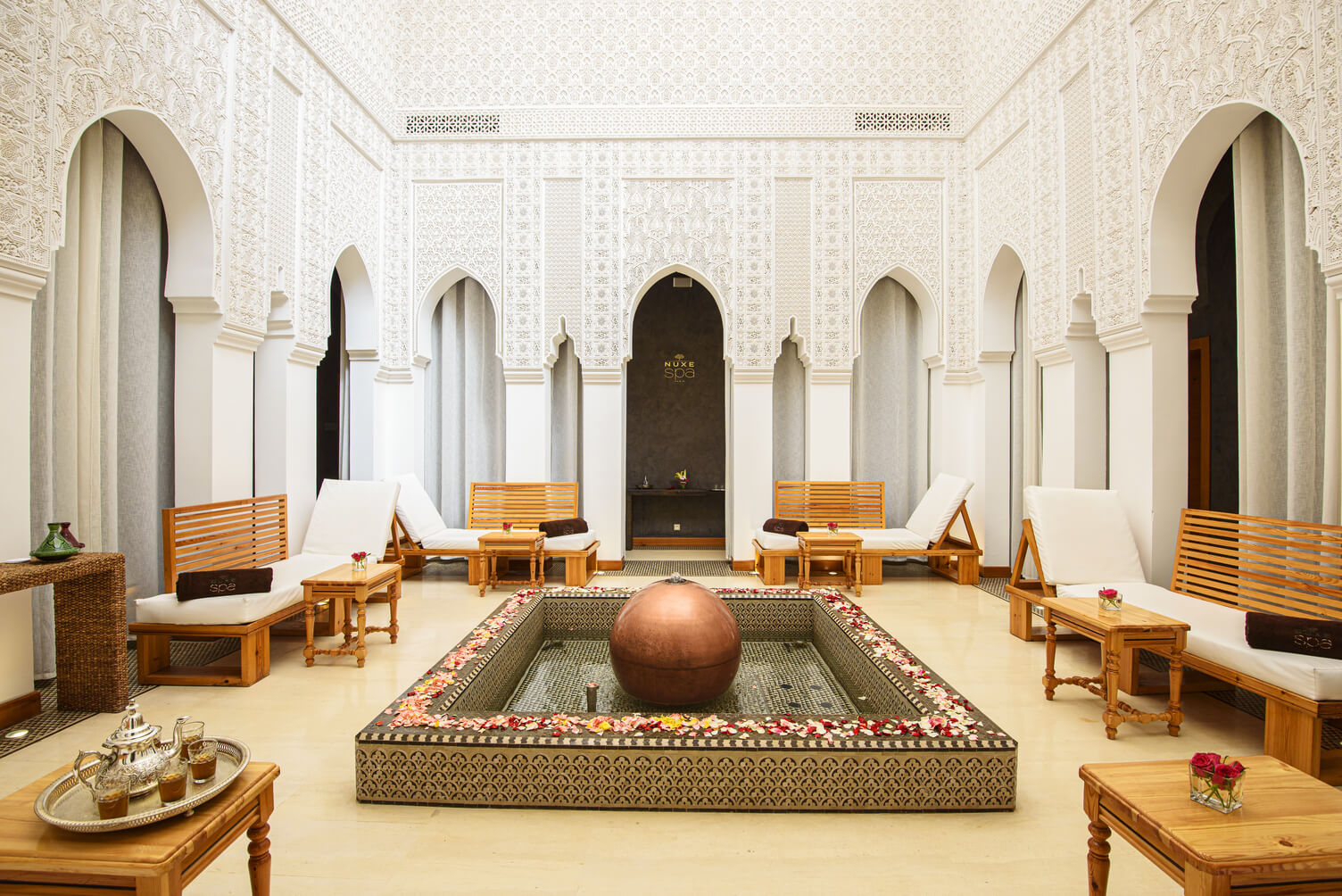
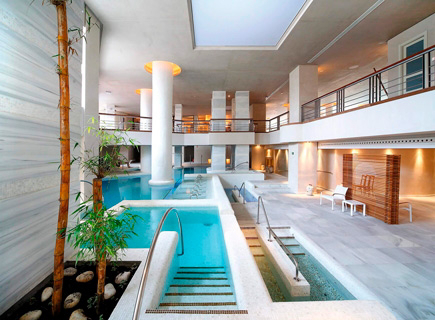
Barceló Palmeraie Oasis Hotel Hammam
Pure Moroccan argan oil is a beauty staple
No conversation about Moroccan beauty is complete without argan oil. This golden liquid is packed with antioxidants, vitamin E and fatty acids, making it a powerhouse for both skin and hair. Extracted from the nuts of the argan tree, which grows only in southwest Morocco, this multitasking oil has been used by Amazigh (Berber) women for generations. Everyone in Morocco uses argan oil and it can be found in almost everything from body oils and hair serums to facial oils.
Did you know? It takes 24 hours to produce just one litre of argan oil
Yet not all oil is made equal. Due to demand, there are lots of touristy imitations being sold at high prices. To avoid this, look for 100% pure, cold-pressed argan oil from a local women's cooperative in the Essaouira or Agadir region. The real stuff absorbs quickly, smells slightly nutty, and leaves your skin glowing without any greasy residue. Did you know? It takes 24 hours to produce just one litre of argan oil.
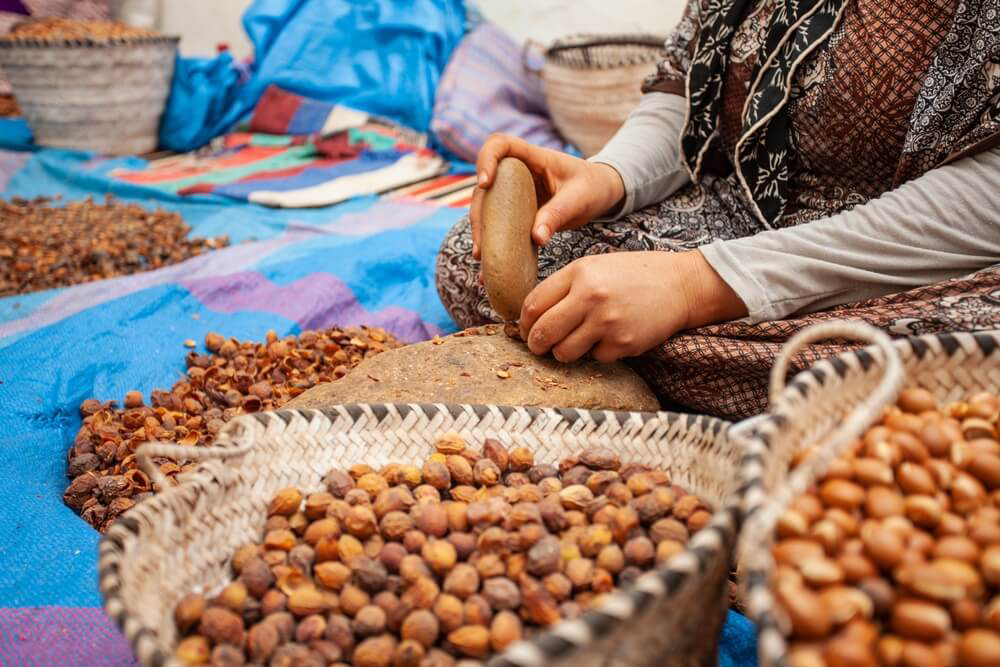
Traditional method of making argan oil
Another stand-out product is Moroccan Baldi
It may seem odd to use a sticky, dark black soap to clean your skin. But, step inside any hammam and you’ll likely catch the unmistakable scent of savon beldi, otherwise known as Moroccan black soap. It gets its appearance from crushed olives and olive oil and when applied to the body before exfoliation, it softens the skin to a butter-like texture, making exfoliation easy. It may not seem glamorous, but it works. Bring home a jar from a local hammam or spice market and you’ve got an authentic Moroccan spa experience waiting for you in the shower.
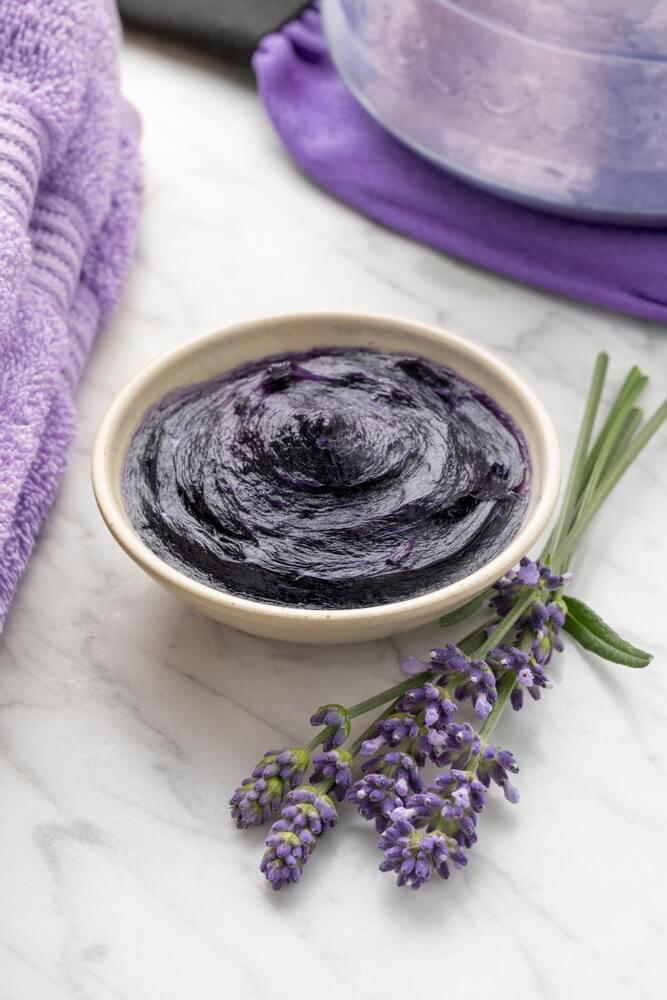
Moroccan Baldi, also known as black soap
Rhassoul Clay, an essential in Moroccan skin care
Harvested from the Atlas Mountains, rhassoul (or ghassoul) clay has been a Moroccan beauty staple for over a thousand years. It may look like shards or compacted dirt, but this clay is rich in minerals like silica, magnesium and potassium. Its name translates to “that washes” and has been used to detoxify and cleanse skin for millennia.
Its name translates to “that washes” and has been used to detoxify and cleanse skin for millennia
Moroccan women typically mix the clay with rosewater or orange blossom water and use it as a face mask, body wrap or even a gentle shampoo. It draws out impurities, reduces oiliness and leaves skin noticeably smoother after just one use. It is also hypoallergenic and is customary to offer it as a wedding gift in Morocco. If you’re putting together your Moroccan spa kit, this is a must.
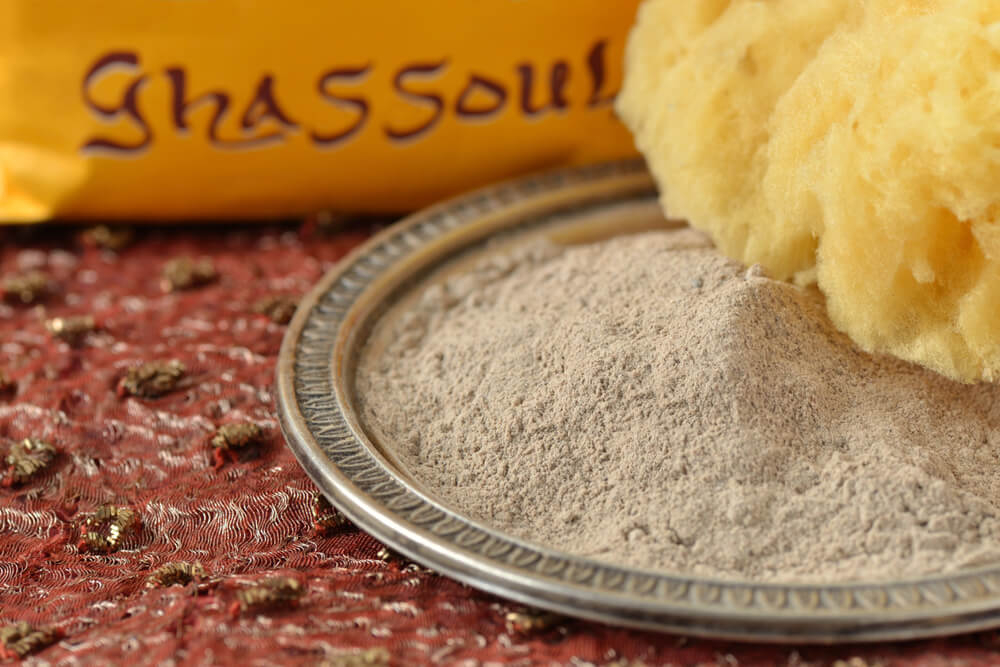
Rhassoul Clay
Nila Powder, nature’s pick-me-up
Ever wondered where Moroccan women get their fresh, glowing complexion from? The answer is Nila powder. This indigo blue powder can be found across Morocco and is traditionally used to brighten and soften the skin. Often sourced from the southern desert regions, this ultra-fine powder is rich in minerals and has long been a favourite for brides preparing their skin for weddings and special occasions. When mixed with rosewater or milk, Nila forms a silky mask that helps to even skin tone, reduce the appearance of dark spots, and leave the skin visibly luminous. When it comes to Moroccan beauty products, this is a must-have.
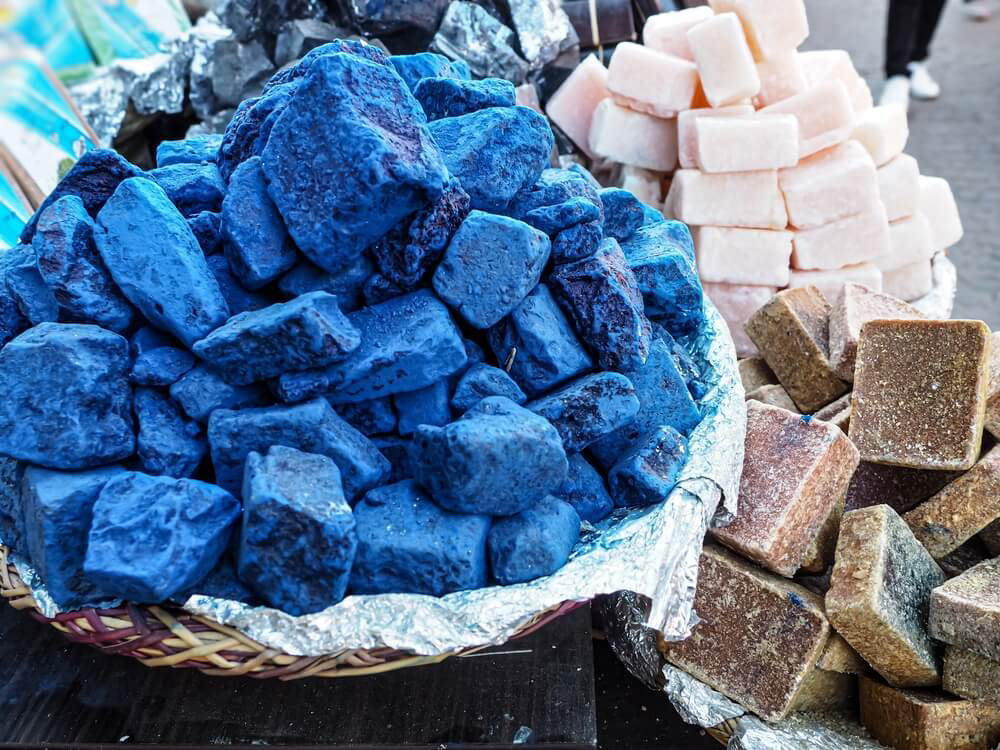
Nila Powder
Rosewater and orange blossom water
Rose and orange blossom waters are staples when it comes to cosmetics in Morocco. These floral elixirs are mixed with clays or used alone as a toner. Rosewater, often distilled in the Valley of Roses near Kelaat M’Gouna, is a Moroccan favourite with natural astringent properties that help calm irritation and balance the complexion. Meanwhile, orange blossom water, known as ma zhar, is used to cleanse the face and scent bathwater.
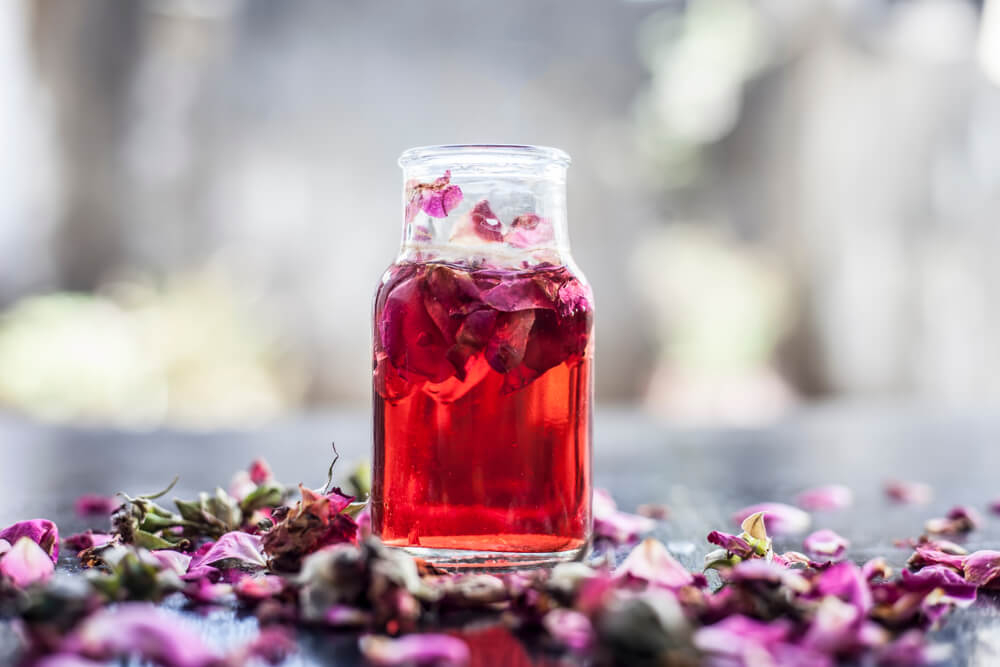
Rosewater and infused oils are popular in Morocco
M’hekka, terracotta clay, pumice stone
While shopping in the souks, you may see some carved, ceramic discs with a handle. These are M’hekkas and are made from terracotta clay, designed to exfoliate rough areas like the feet, knees, elbows, and other dry patches. Any Moroccan woman (and man) can tell you that they effectively buff away dead skin and calluses, leaving your skin feeling soft, smooth, and rejuvenated.
Don’t forget to pick up a Kessa mitt
To recreate an authentic hammam experience, you will want to buy a traditional Moroccan Kessa mitt. Apply Beldi Moroccan soap to the mitt, then massage it over your body, leaving it for 5-10 minutes before washing it away. This mitt banishes dry skin, reduces the appearance of strawberry legs and minimises the chance of ingrown hairs.
What’s in a Moroccan makeup bag?
Moroccan women may spend lots of time pampering their bodies, yet their traditional makeup routines are equally as alluring. You will also be able to pick up authentic Moroccan makeup when you are out shopping. Here is what to buy:
Moroccan Kohl
Looking for that sultry, smoky eye? Try Ithmid Kohl, an ancient eye cosmetic that can be traced back to Egypt. Made using only natural ingredients such as Ithmid Kohl powder, date seed powder and olive pit powder, this is a great alternative to commercial eyeliners. Apply it with a slender stick, traditionally carved from a sheep’s horn, and create a bold, defined eye. Aside from its aesthetic popularity, it is also believed to ward off the evil eye as well as reduce redness and eye irritation. Find it at markets in ceramic or metal containers.
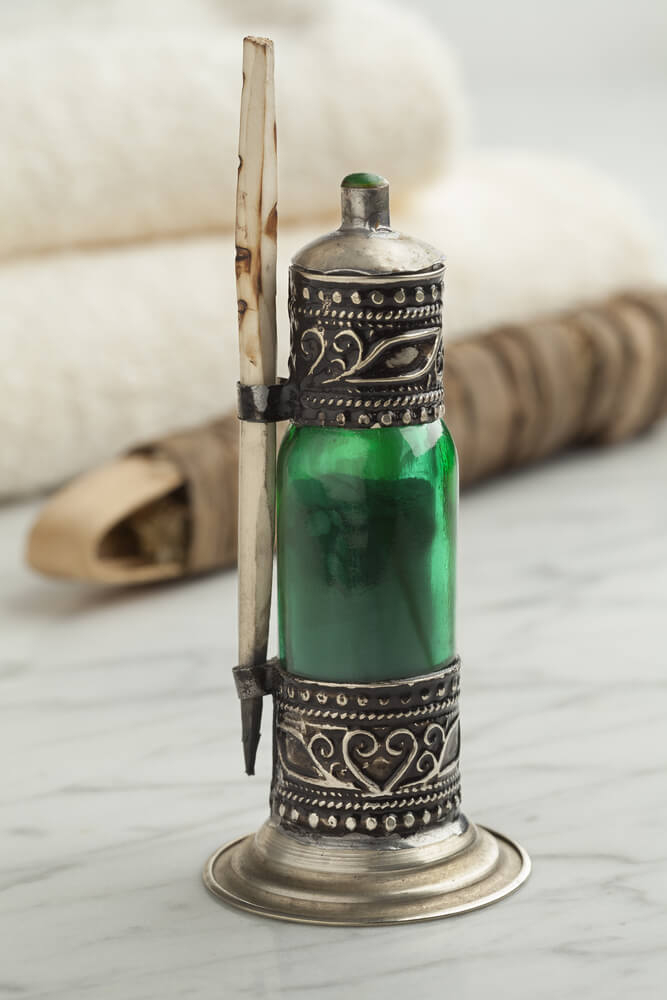
Moroccan kohl
Aker Fassi, one of the most eye-catching Moroccan cosmetic products
Made from dried poppy petals and pomegranate skin, aker fassi is a vibrant, natural pigment used as a blush or lip tint. Usually sold in small clay pots or as a painted terracotta disc, it’s activated by dipping a damp brush or finger into the surface. This traditional cosmetic has long been part of Moroccan bridal beauty rituals and gives a fresh, healthy flush that lasts all day.
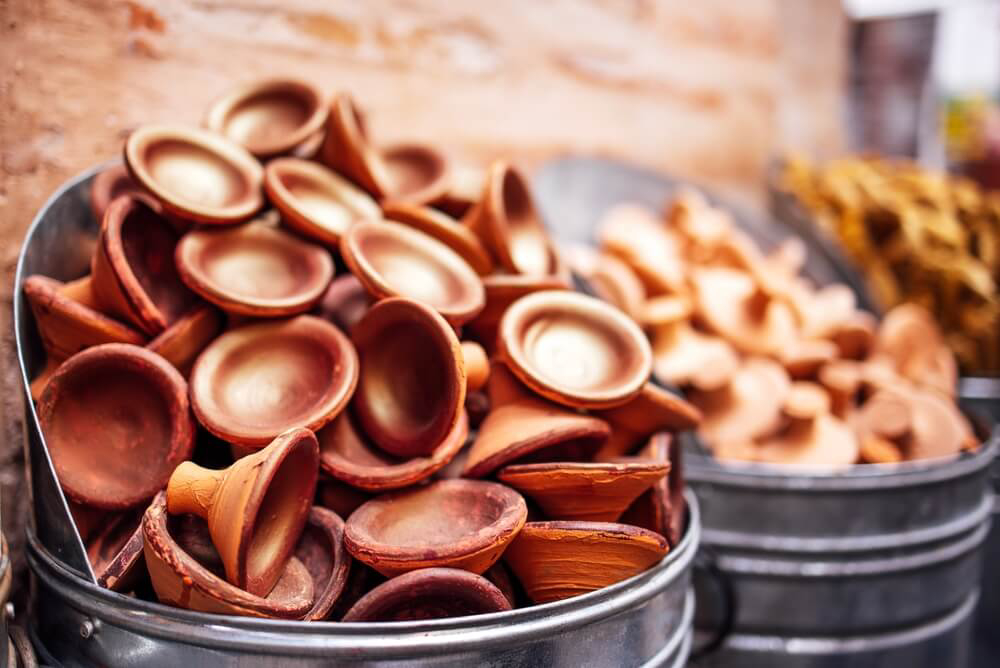
Aker Fassi
How do Moroccans always smell good? Alum and Musk
With Morocco’s hot climate, smelling sweet is top priority. This is where alum stones, chebba, come into their own. This clear potassium alum crystal is used as a natural deodorant as it kills odour-causing bacteria without blocking the skin’s natural function.
Another sensory gem found in the Moroccan souks is musk bars. These blocks of scented wax are used as perfume and are typically infused with white musk, amber or rose. Rub this onto your neck, or even behind the ears, for a long-lasting and subtle scent.
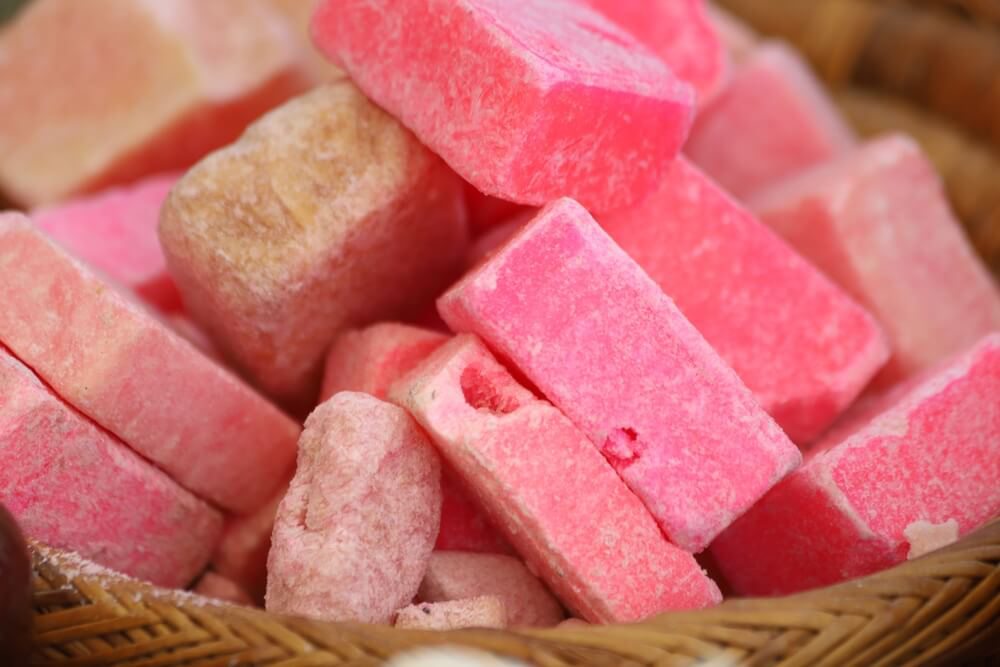
Moroccan perfume bars
And, when in Morocco, discover Henna
Of course, we cannot talk about Moroccan beauty products and forget to mention henna. Made from finely ground henna leaves, the paste is used to create intricate designs on hands and feet, especially during weddings and festivals. It can also be used to dye hair, leaving a rich, earthy colour. You will see many places offering henna hand designs while browsing the souks from Marrakech to Casablanca.
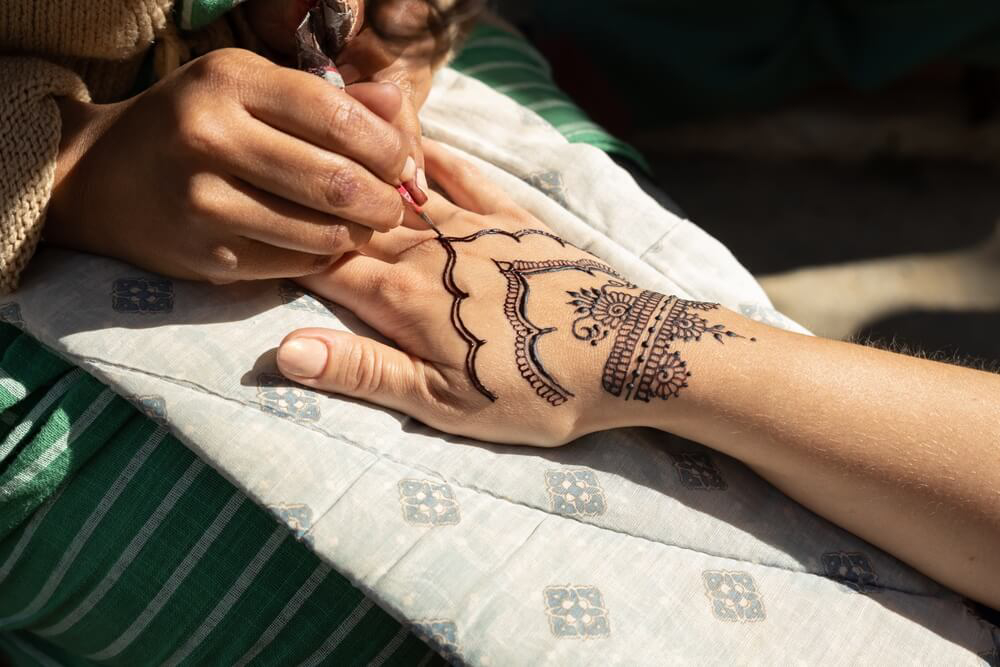
Henna in Morocco