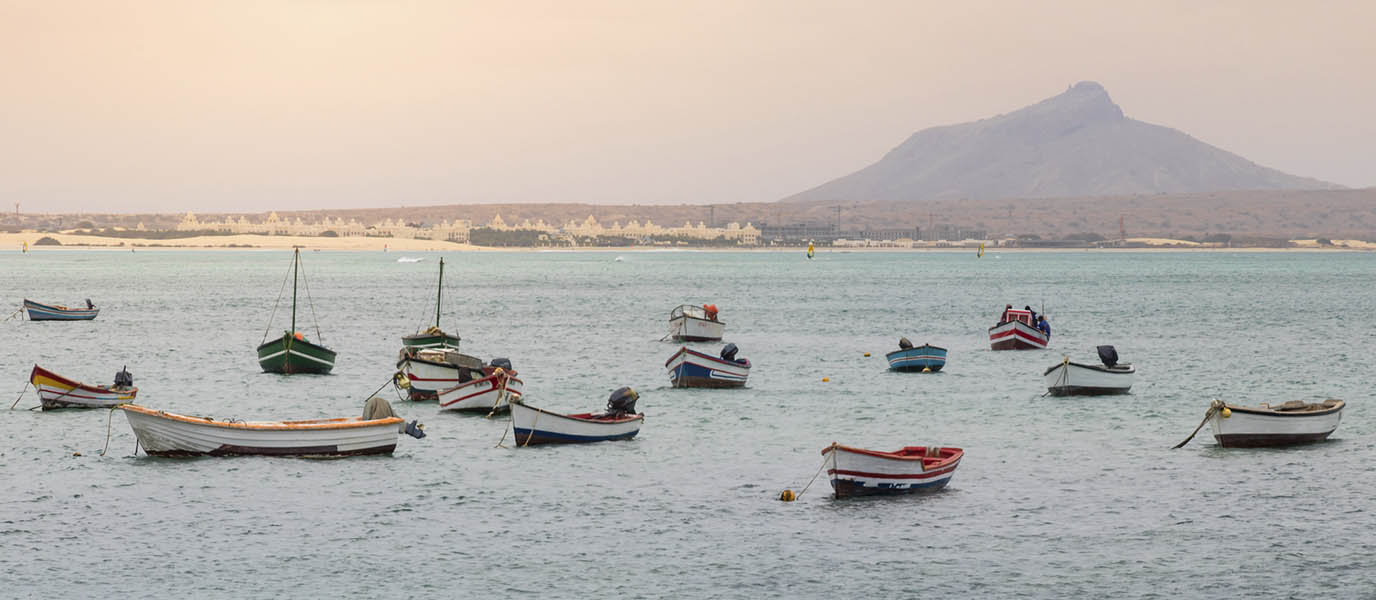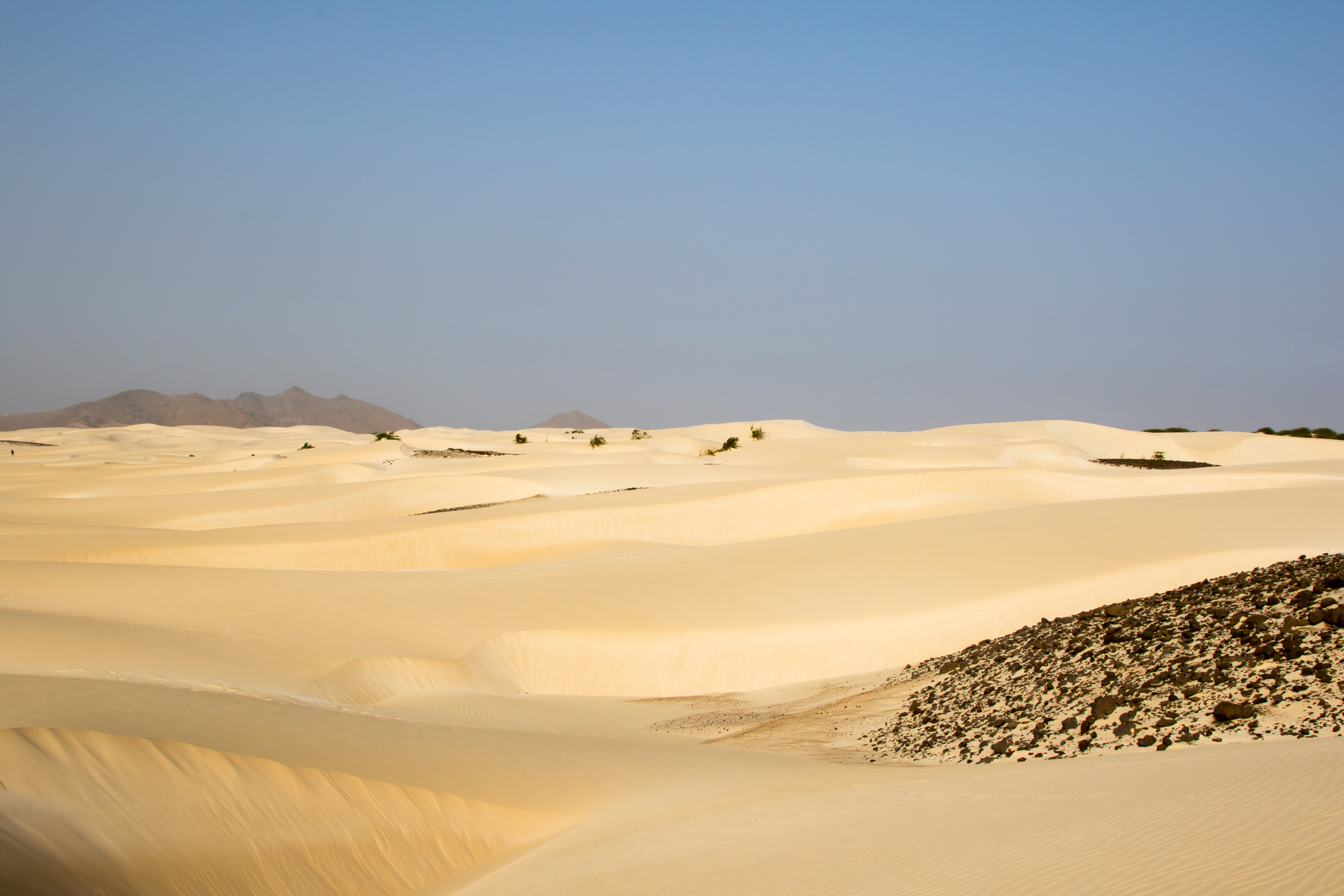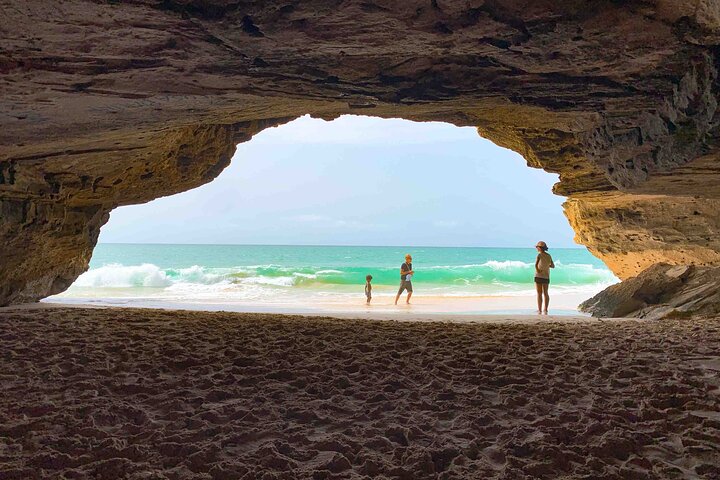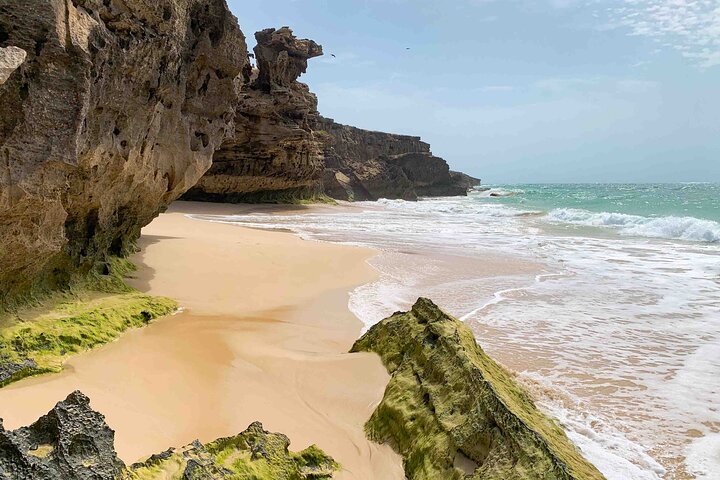

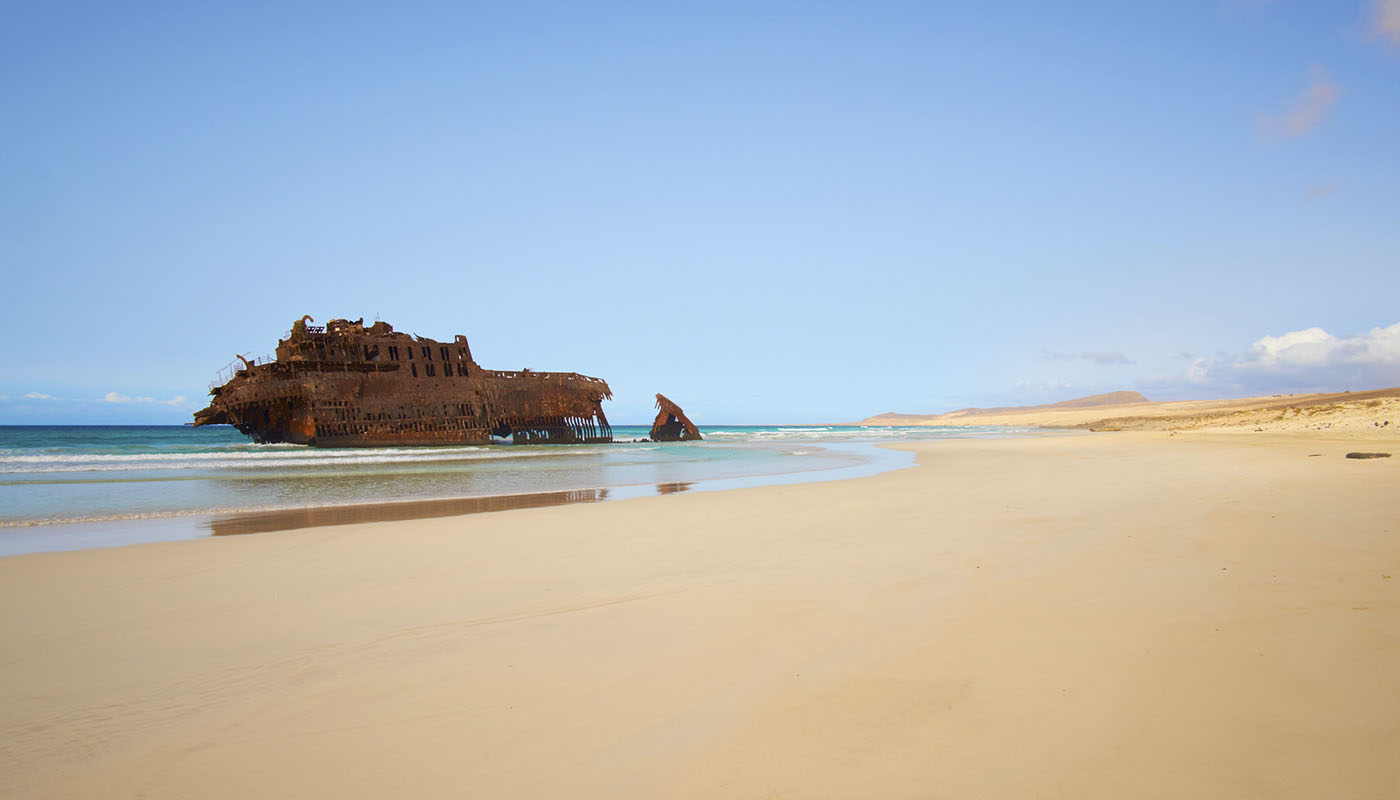

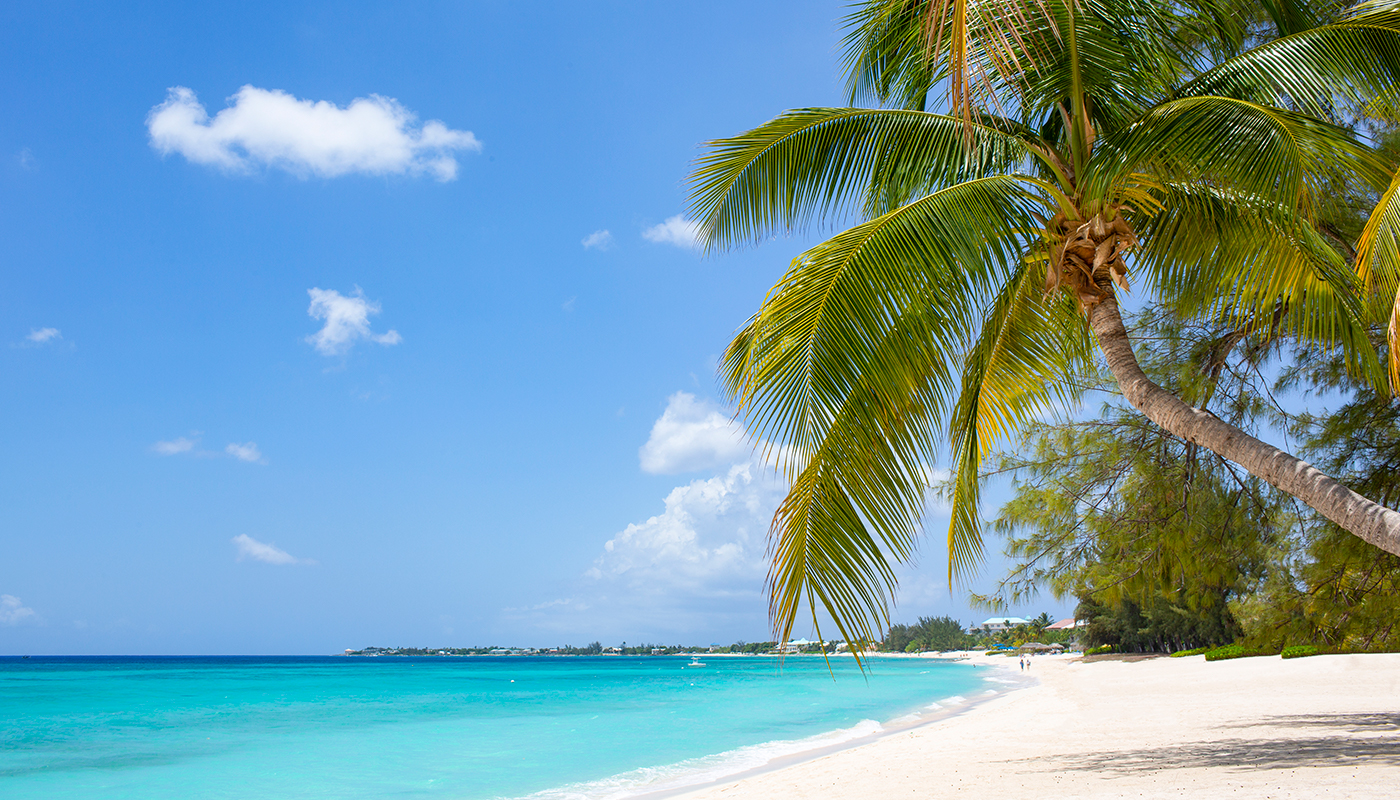


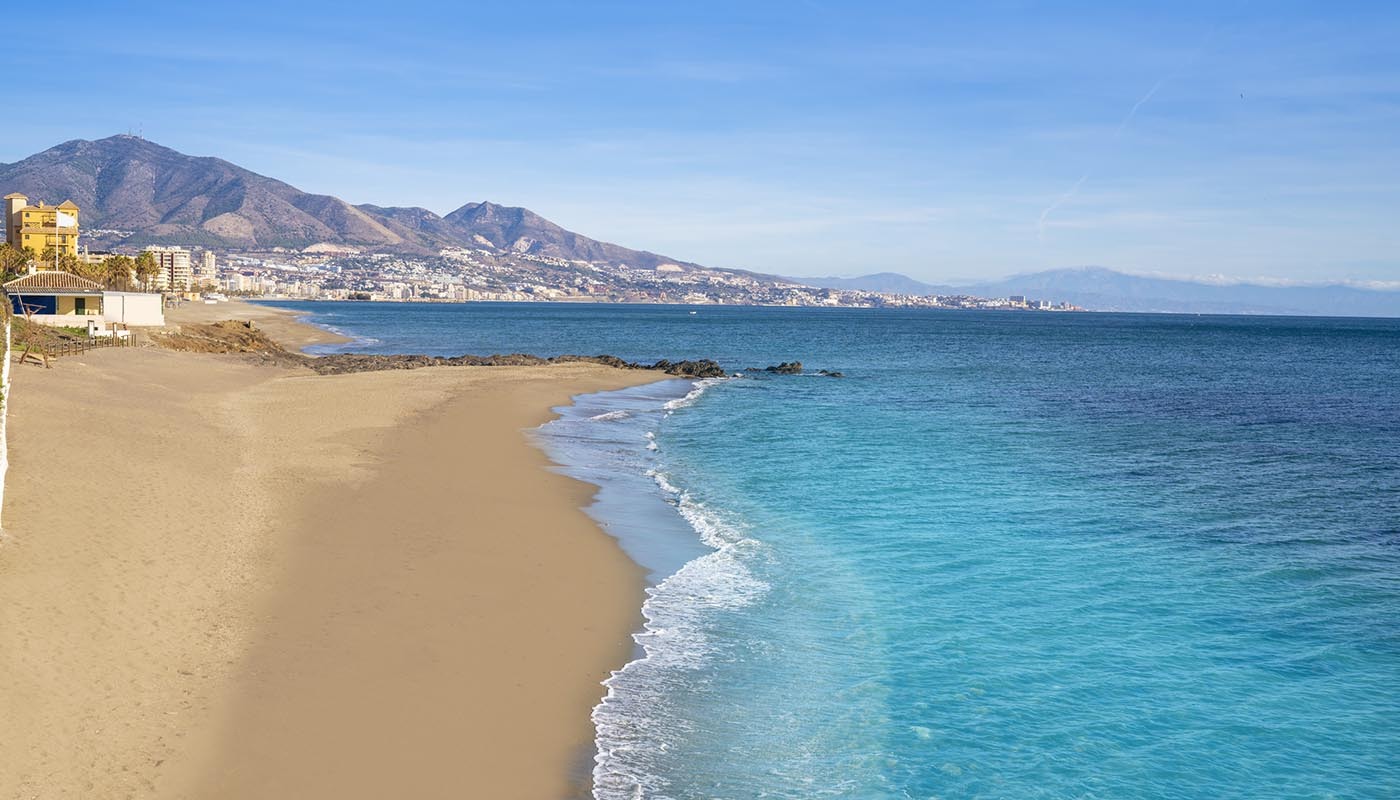








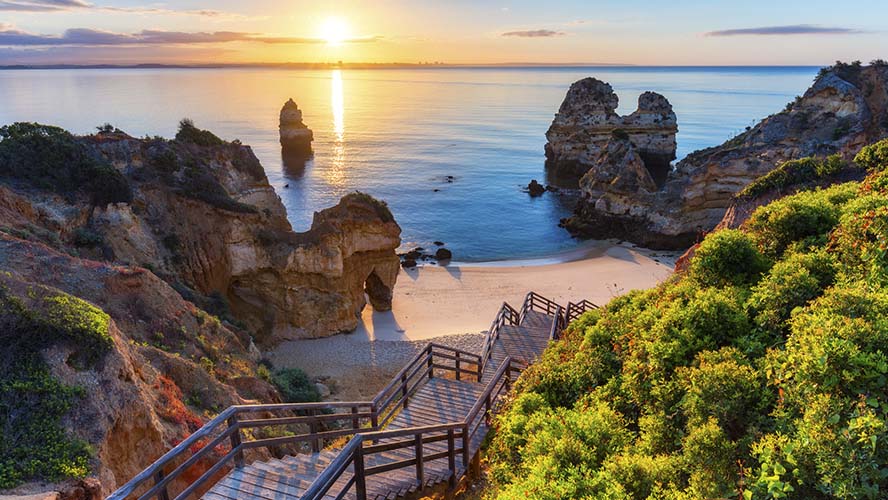
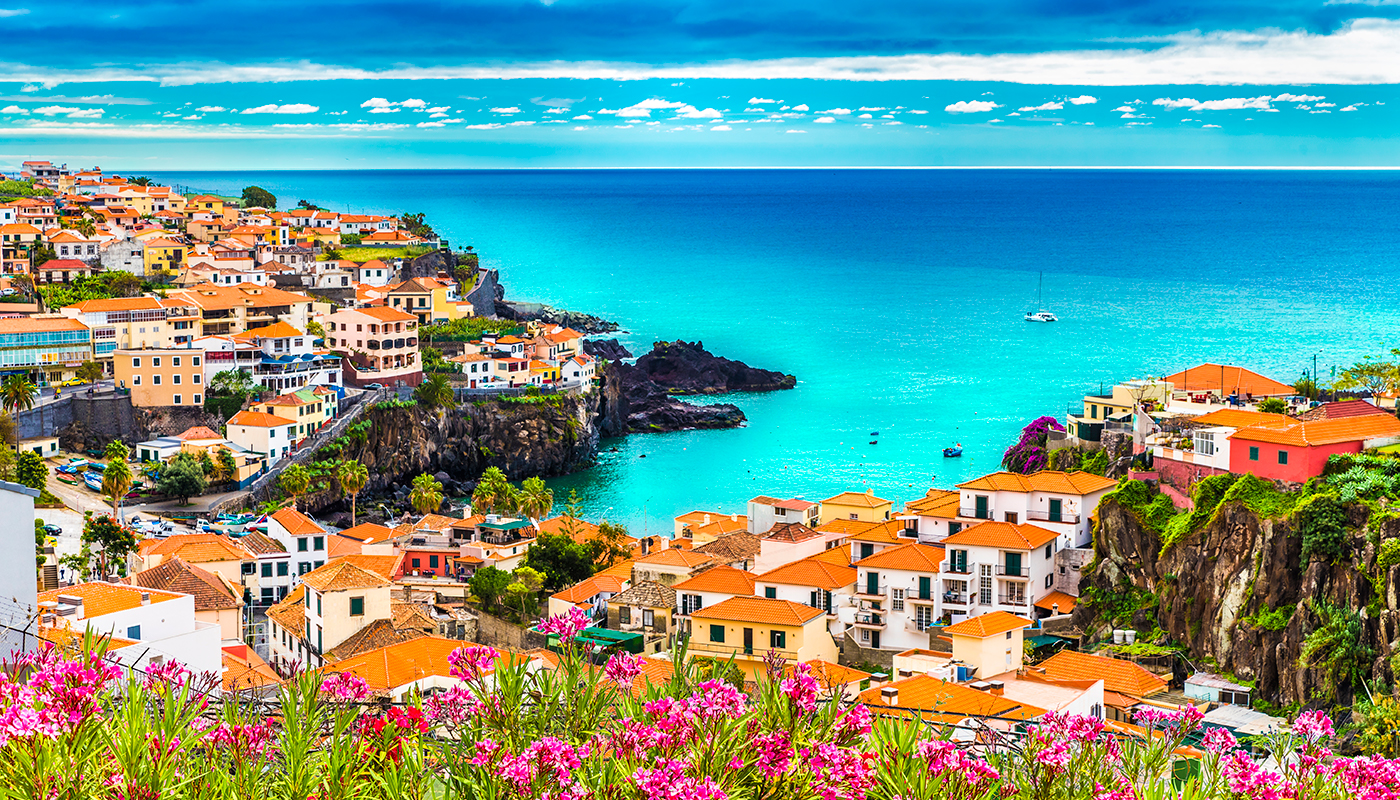

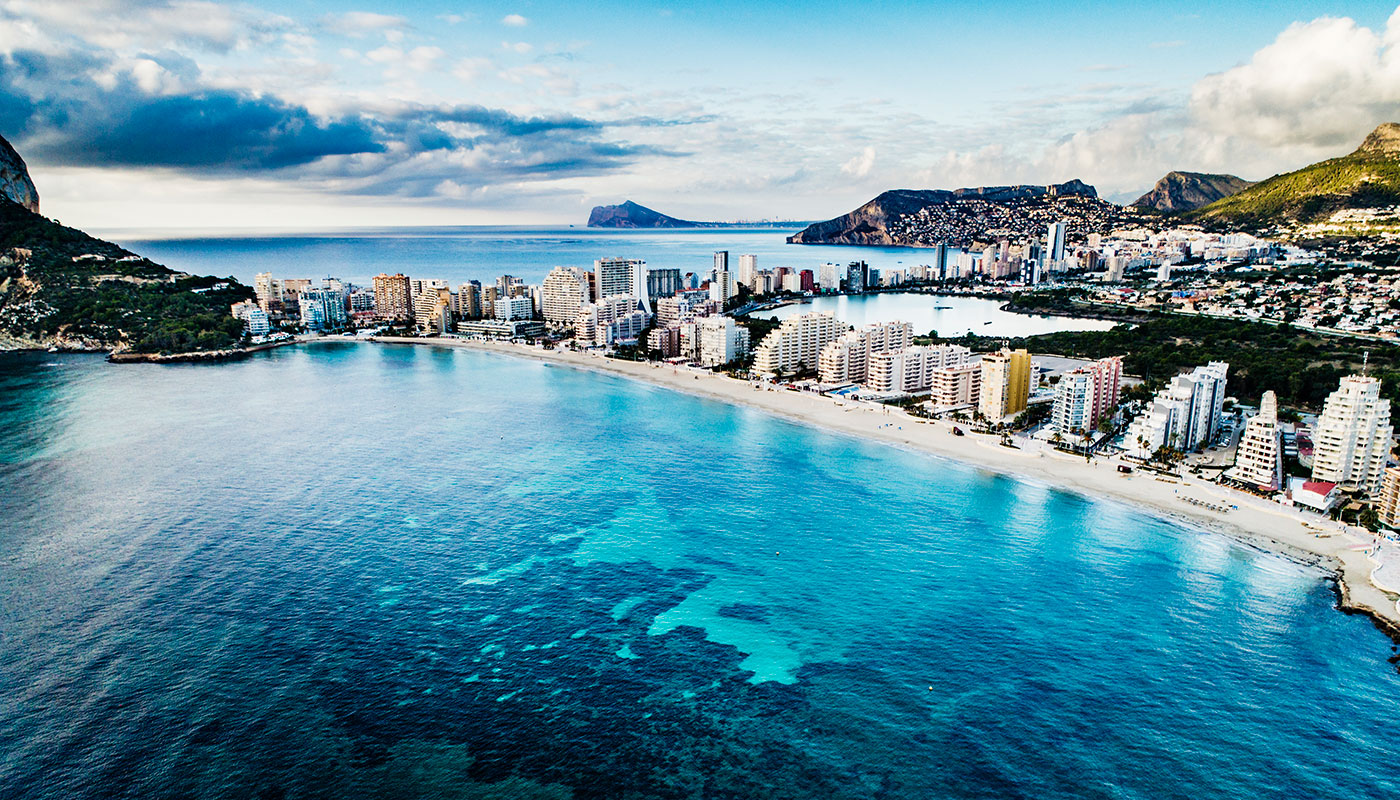
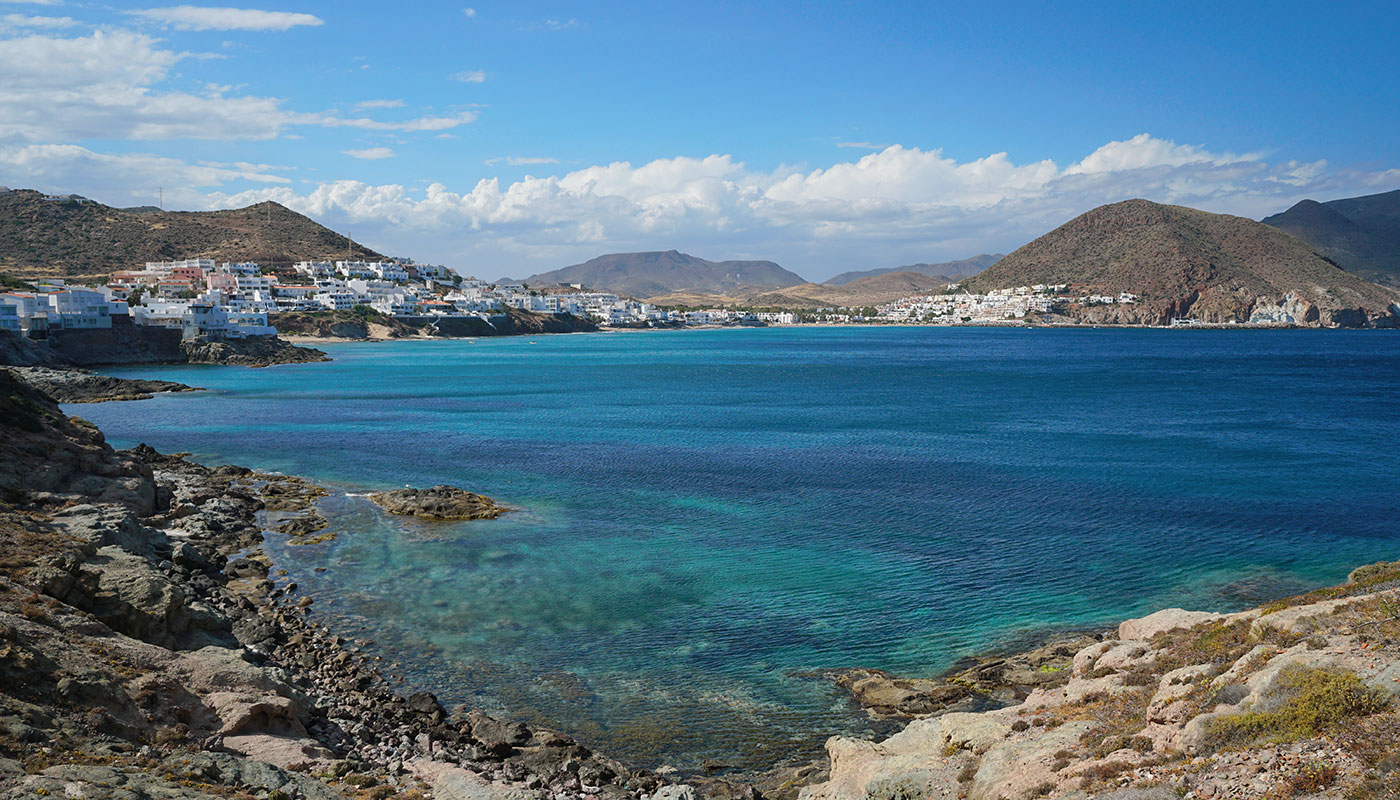











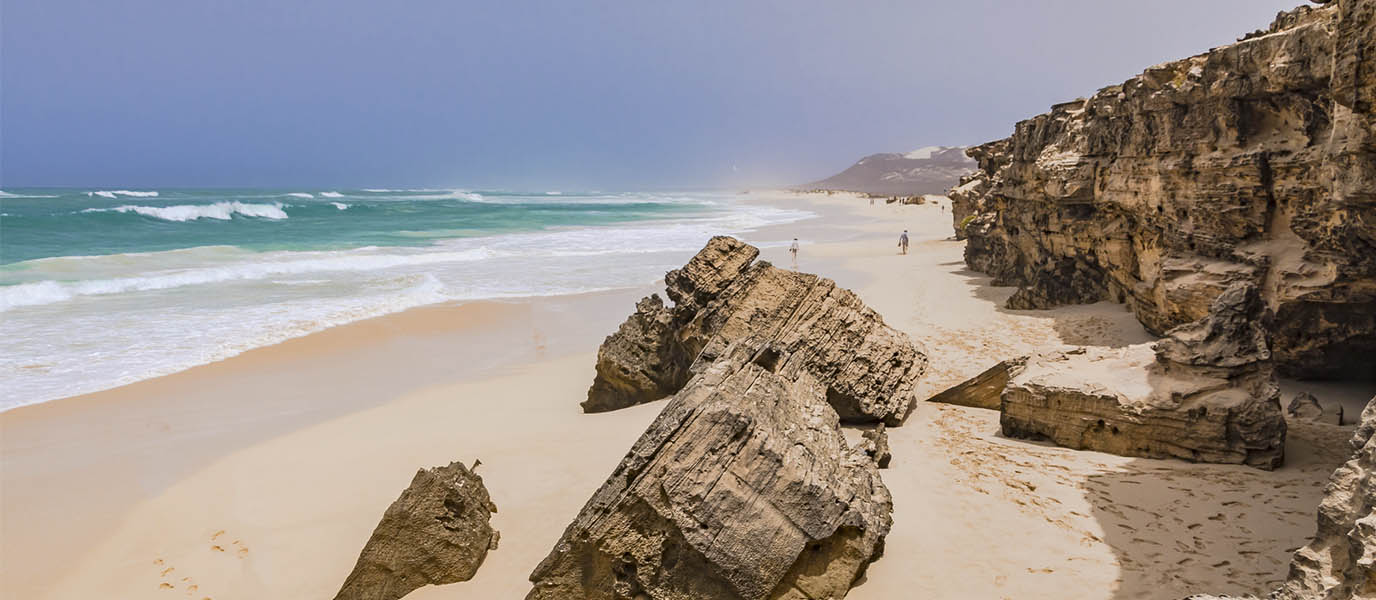
The Varandinha Caves are tucked away on the southwest coast of Boa Vista, where the wind shapes the landscape and the Atlantic relentlessly rushes over the rock. They are not mere cavities along the coastline, but a stone sanctuary formed over thousands of years by the erosion of the sea and the incessant pounding of the trade winds. The natural arches, which resemble the vaults of an underwater cathedral, open up to a furious ocean, which seeps through the cracks like the roar of a wild animal. This isolated corner is much more than a geological wonderland: it is a haven for seabirds, a nesting site for hawksbill turtles and a link to Boa Vista’s earliest settlers. Strolling along Varandinha Beach, with its golden sand dotted with marine fossils and sun-bleached shells, you feel as if you are passing through a primeval setting, where time moves at a different pace.
- Natural context and situation: a dreamlike landscape carved by the wind and sea
- Tips for visitors. How to get there: exploring the untamed southwest
- Varandinha Beach: a sand and rock sanctuary
- Recommended activities: beyond cave exploration
Natural context and situation: a dreamlike landscape carved by the wind and sea
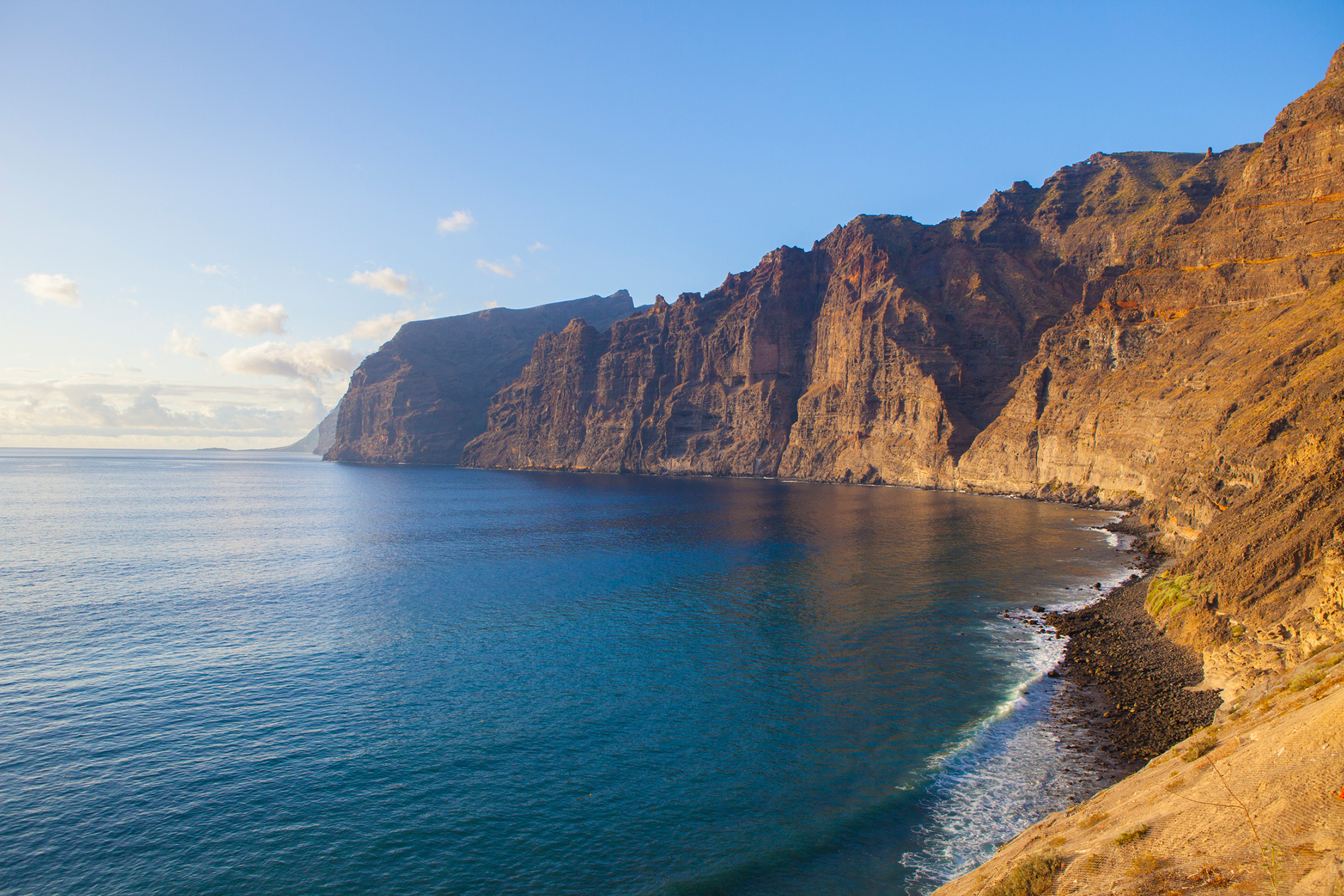
The Varandinha Caves are located on the southwestern coast of Boa Vista, one of the wildest and most deserted islands in Cape Verde. This area is part of Norte Natural Park, a large protected reserve that is home to fragile ecosystems such as shifting dunes, compact sand plains and cliffs that plunge steeply into the Atlantic.
Geologically, the caves are the result of millions of years of erosion of the limestone rocks along the coast. The combination of waves and trade winds has weathered the stone, creating arches, tunnels and formations reminiscent of the ancient halls of a submerged temple. At high tide, the sea penetrates the nooks and crannies of the caves with thunderous roars while, at low tide, visitors can enter the caves and admire the textures carved into the rock, like the fingerprints of a titanic hand.
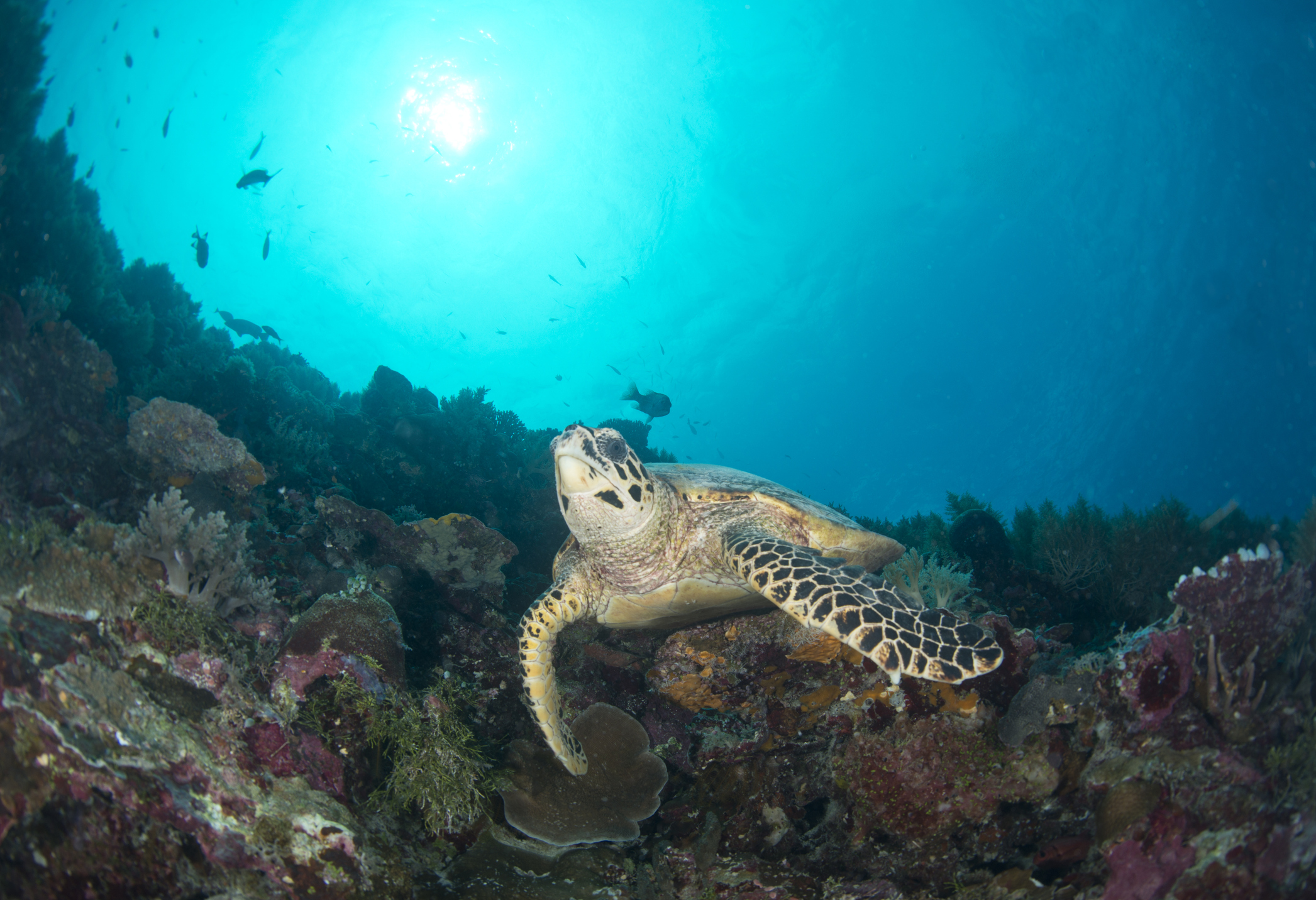
In addition to the geological interest, the area is a natural haven for a variety of species. Gannets and shearwaters nest on the nearby cliffs, while hawksbill and loggerhead turtles lay their eggs on the beach between June and September. Underwater, near the coast, the reefs are home to a rich marine biodiversity that makes this a privileged spot for diving and snorkelling.
Tips for visitors. How to get there: exploring the untamed southwest
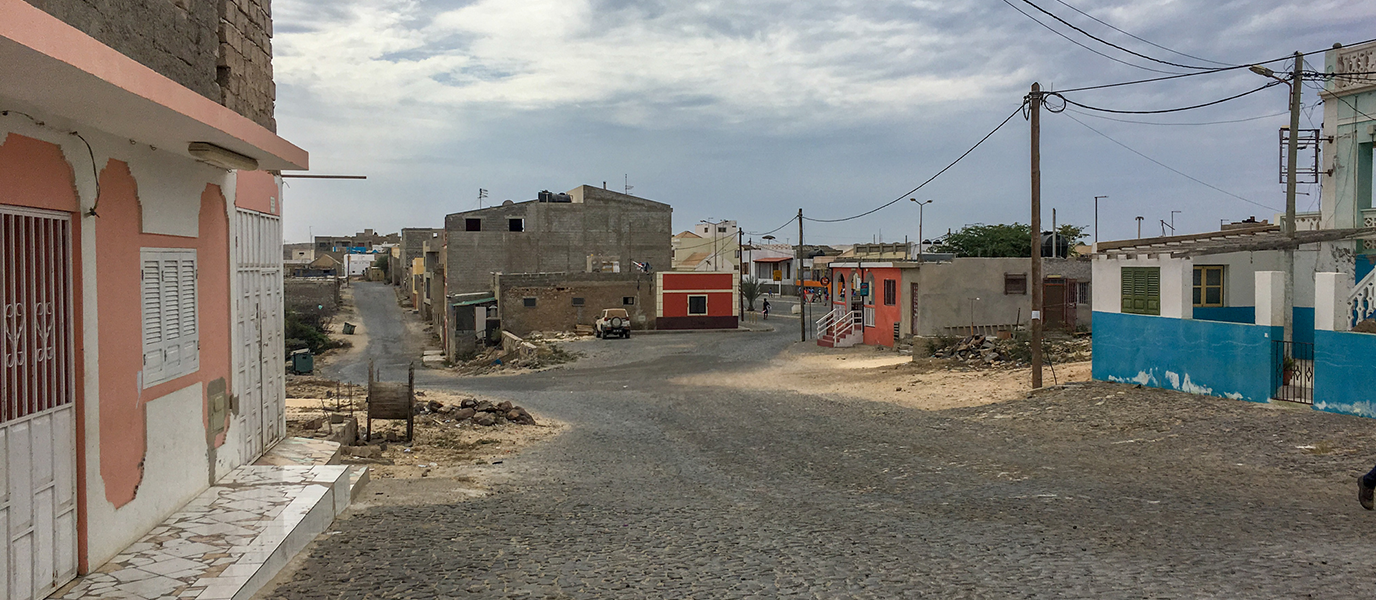
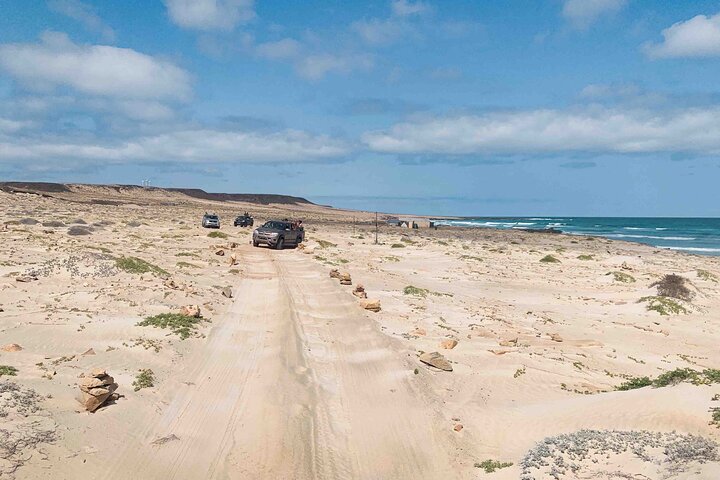
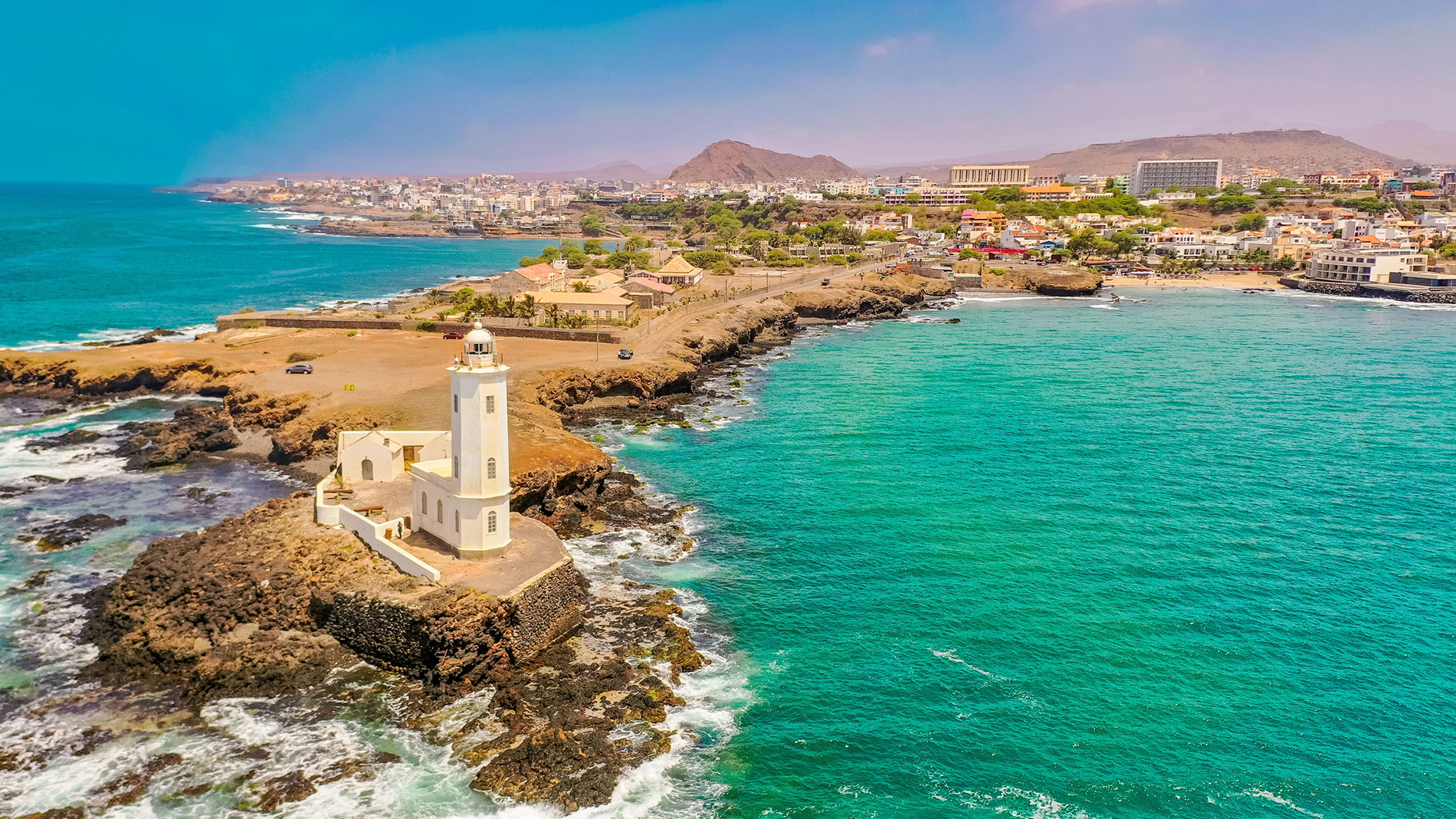
Getting to the Varandinha Caves is a small adventure in itself. From Sal Rei, Boa Vista’s capital, take the road south towards Povoação Velha, the oldest settlement on the island, founded by Portuguese settlers in the 16th century. This tiny village with small stone houses is the last reference point before entering the sandy tracks that lead to the coast.
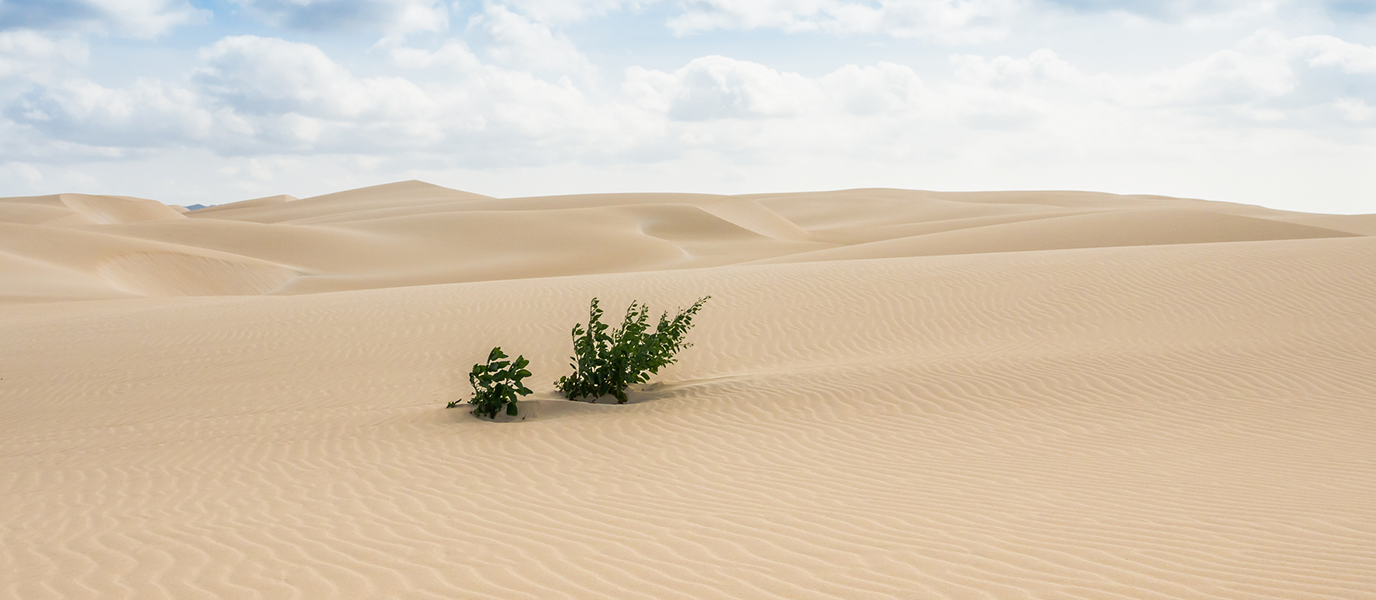
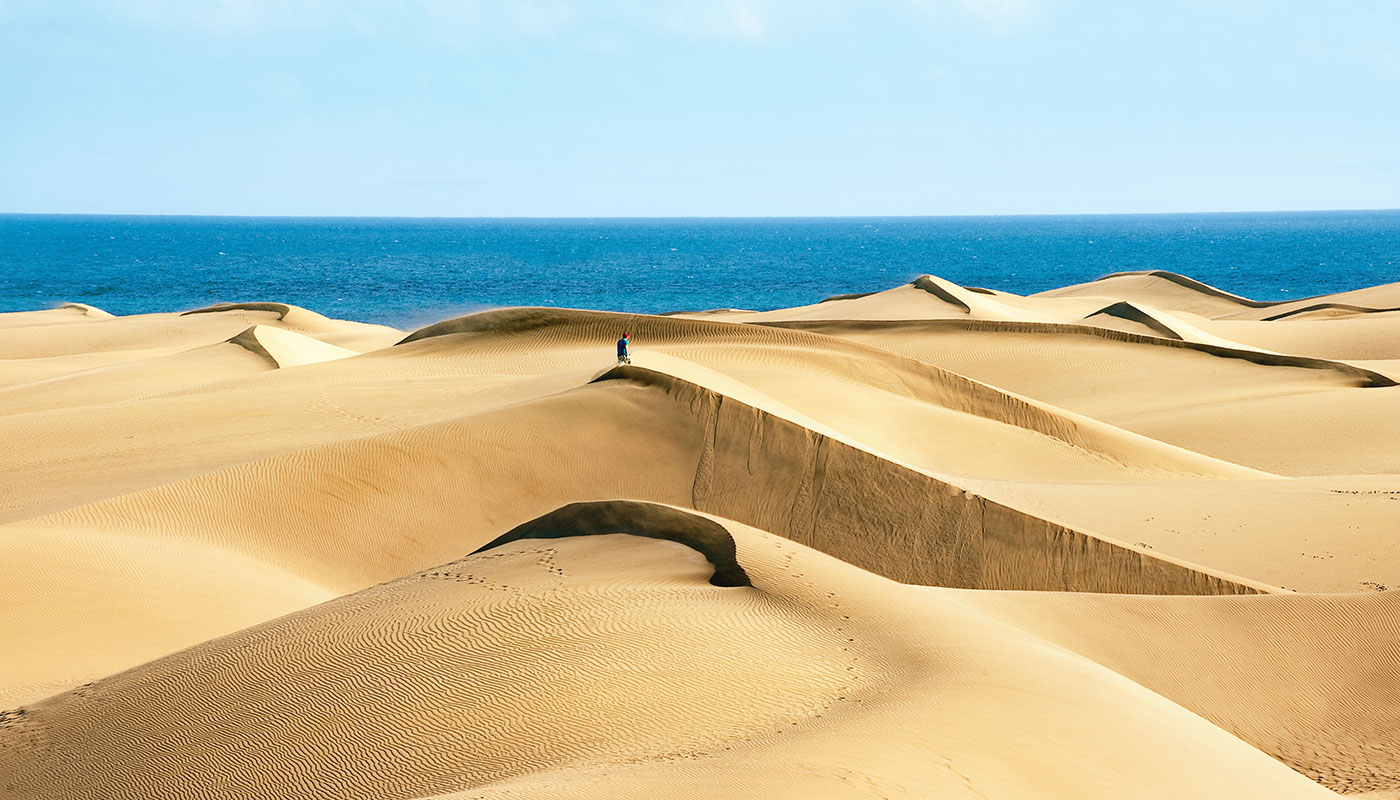
The final journey, about 5 kilometres from Povoação Velha, must be done in an off-road vehicle since the road runs over sandy terrain and dunes that shift with the wind. You can also book guided quad or buggy tours, which combine the visit to Varandinha with other Boa Vista landmarks such as the Viana Desert and Santa Monica Beach.
Our advice is to visit the caves at low tide, when you can explore the interior without the danger of rising water. You should bring suitable footwear for walking on rocky surfaces and, if you plan to stay in the area for several hours, plenty of water and sun protection since the sun on this part of the island can be relentless.
Varandinha Beach: a sand and rock sanctuary
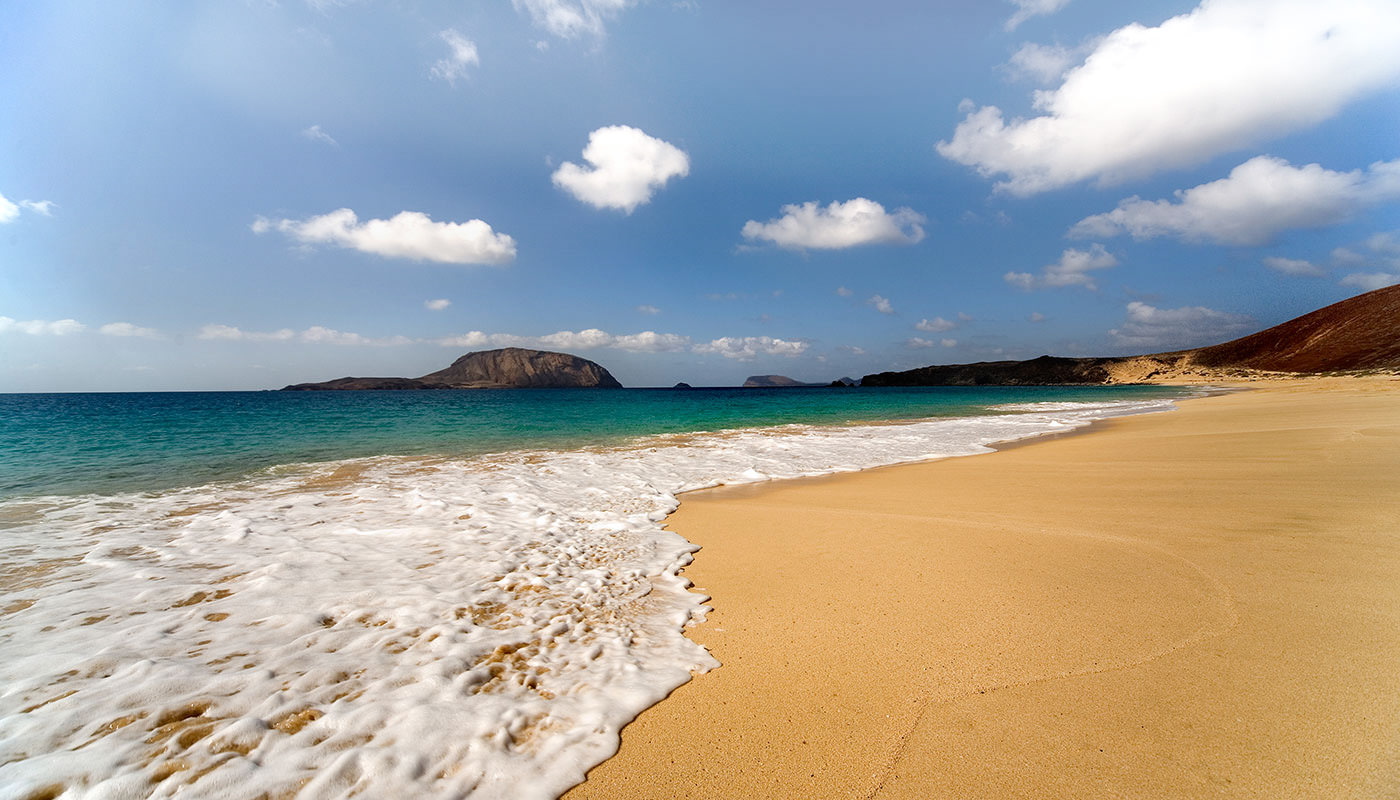
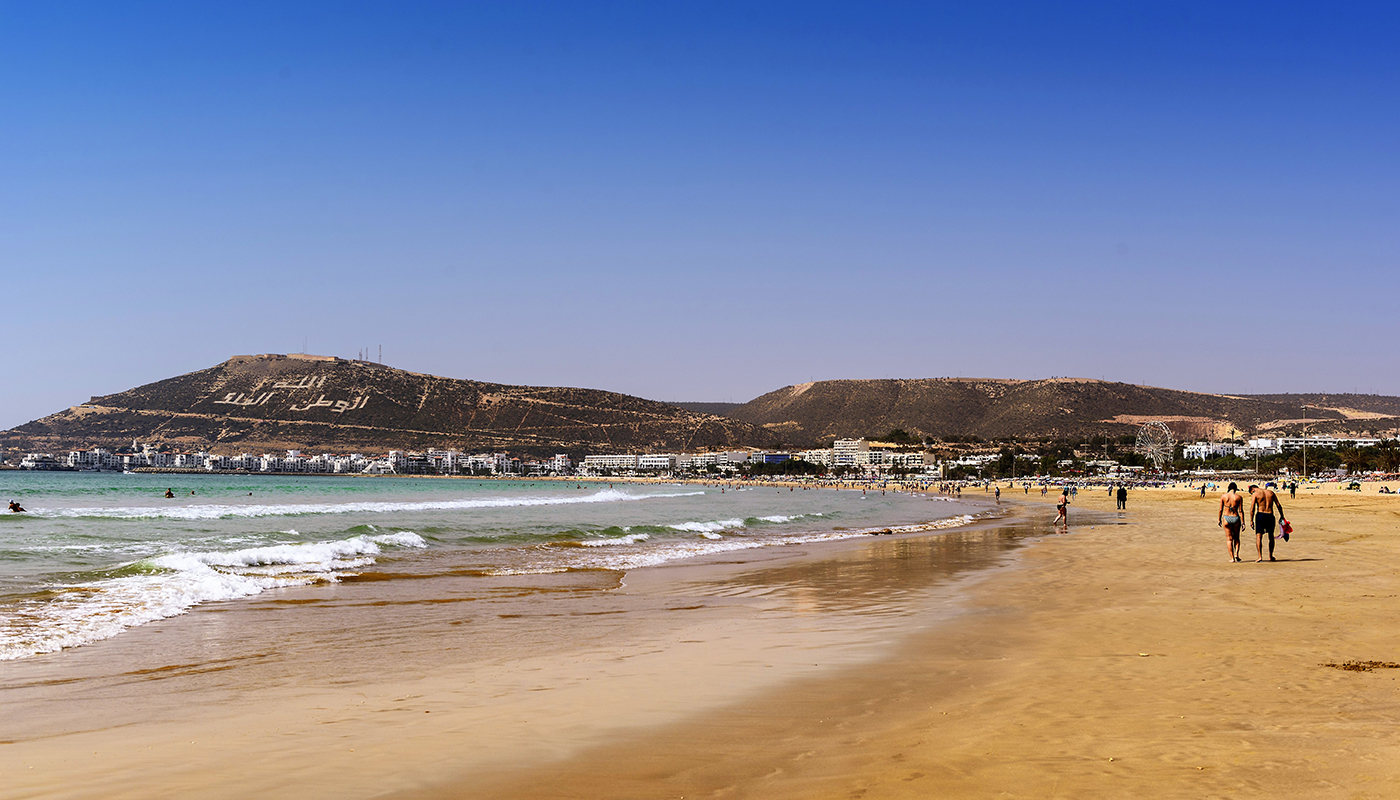
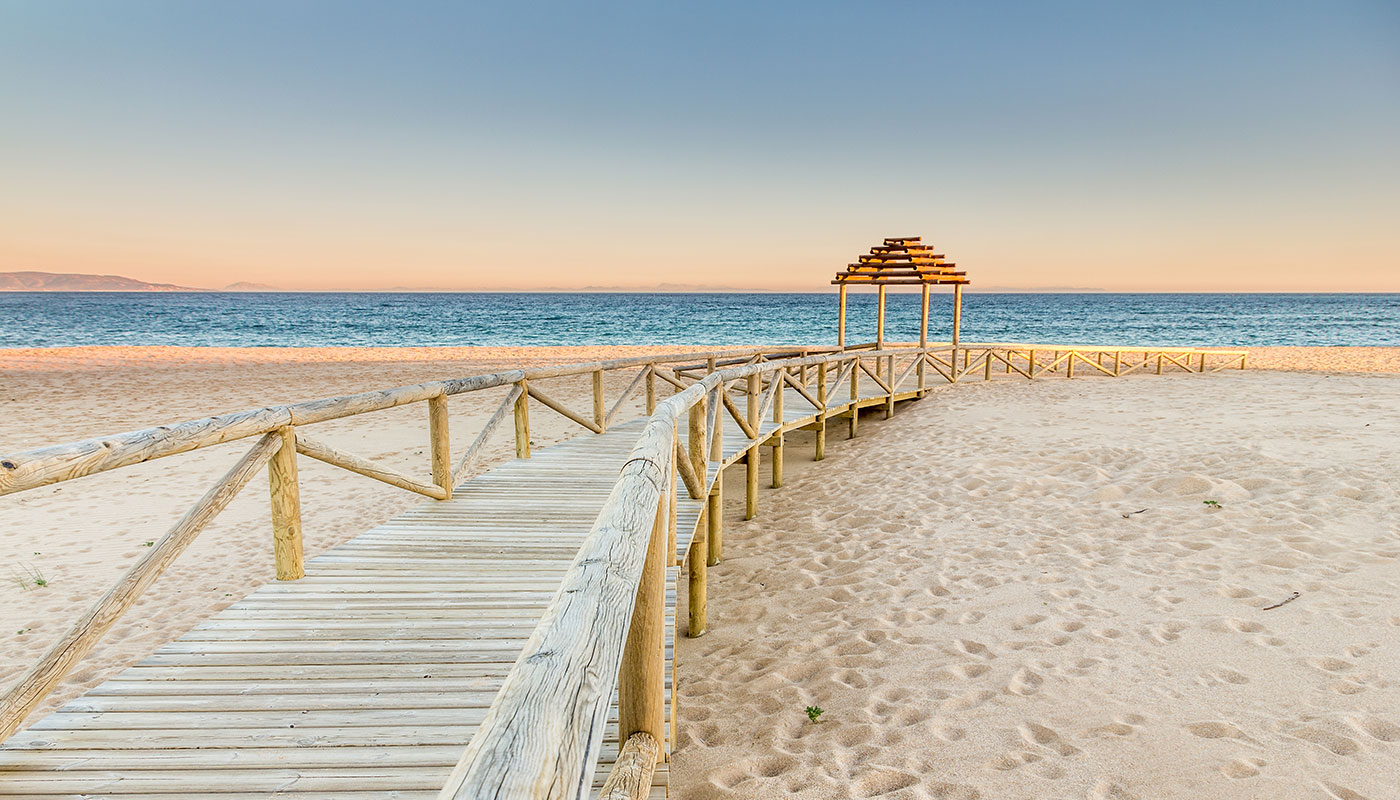
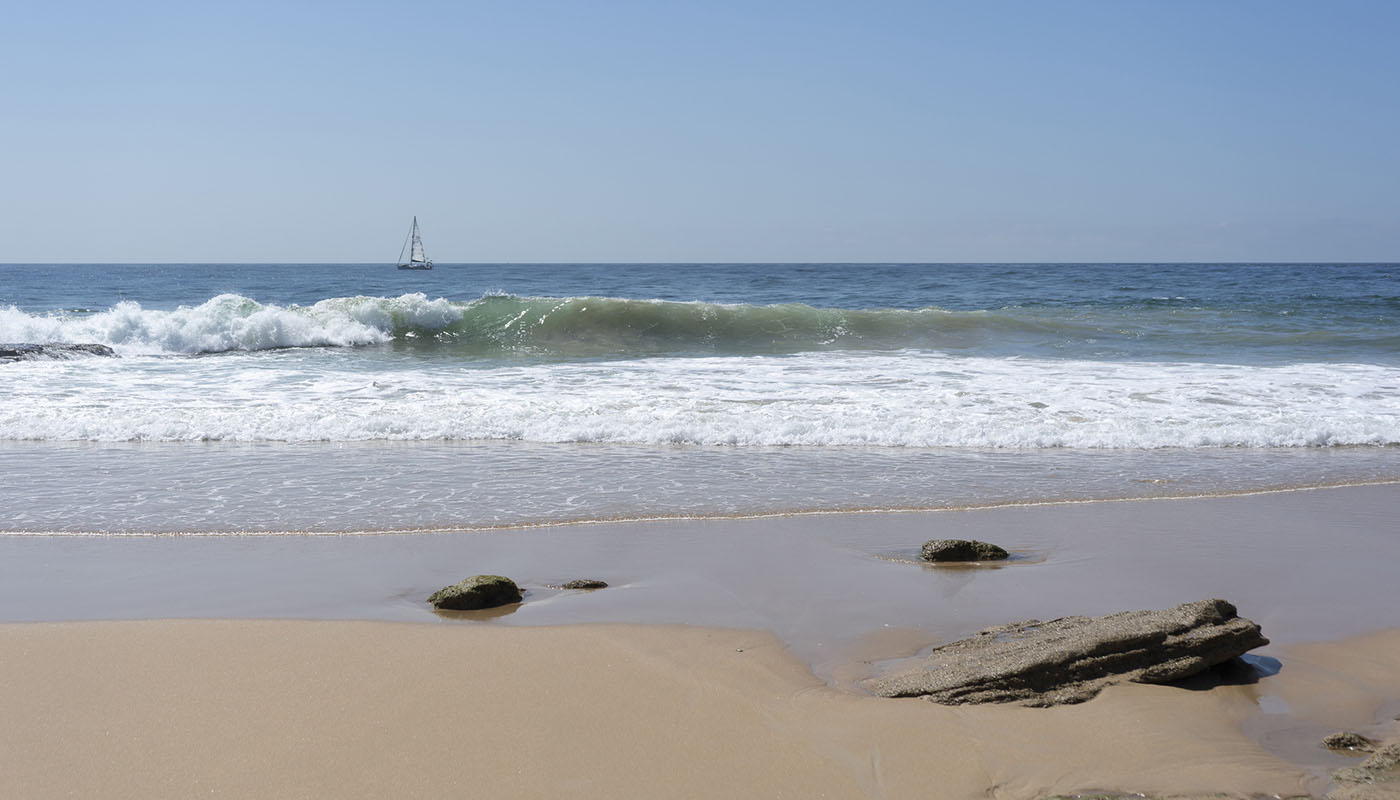
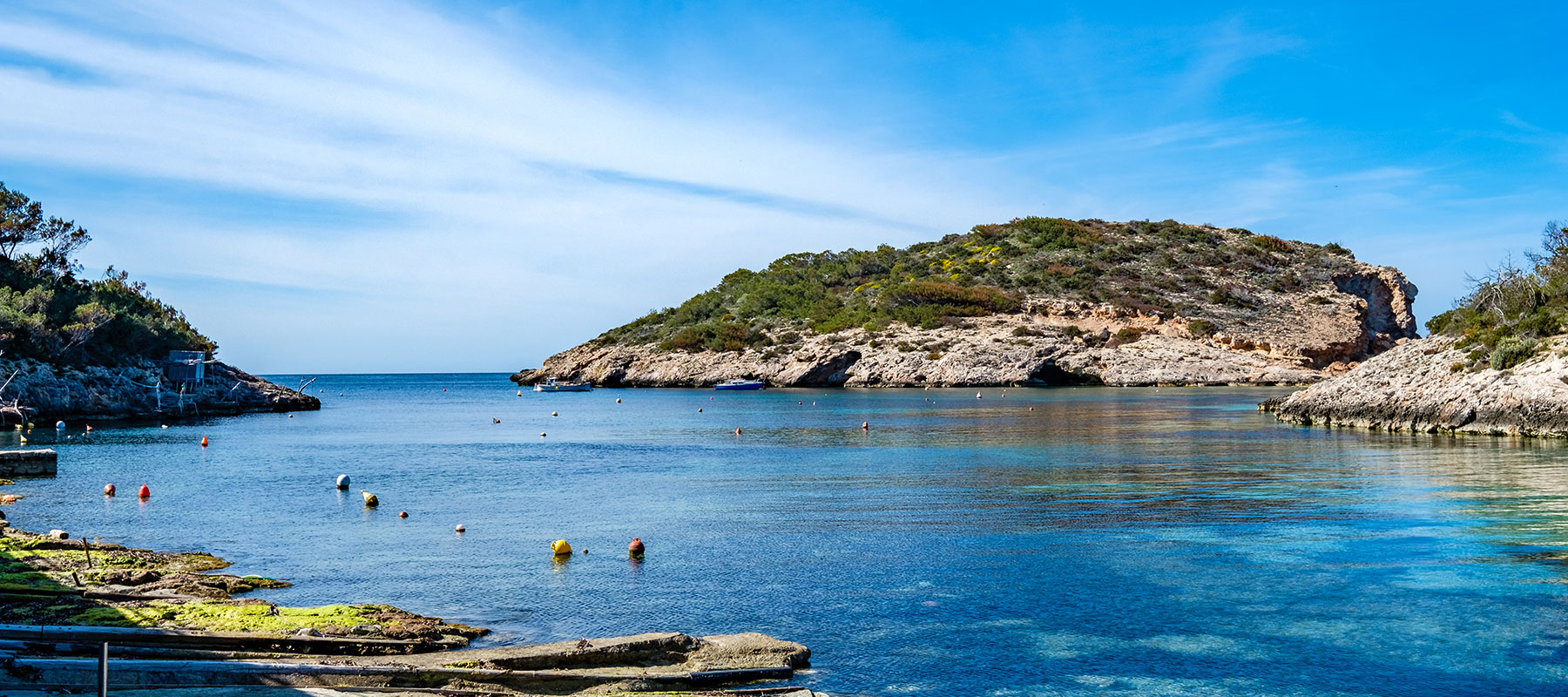
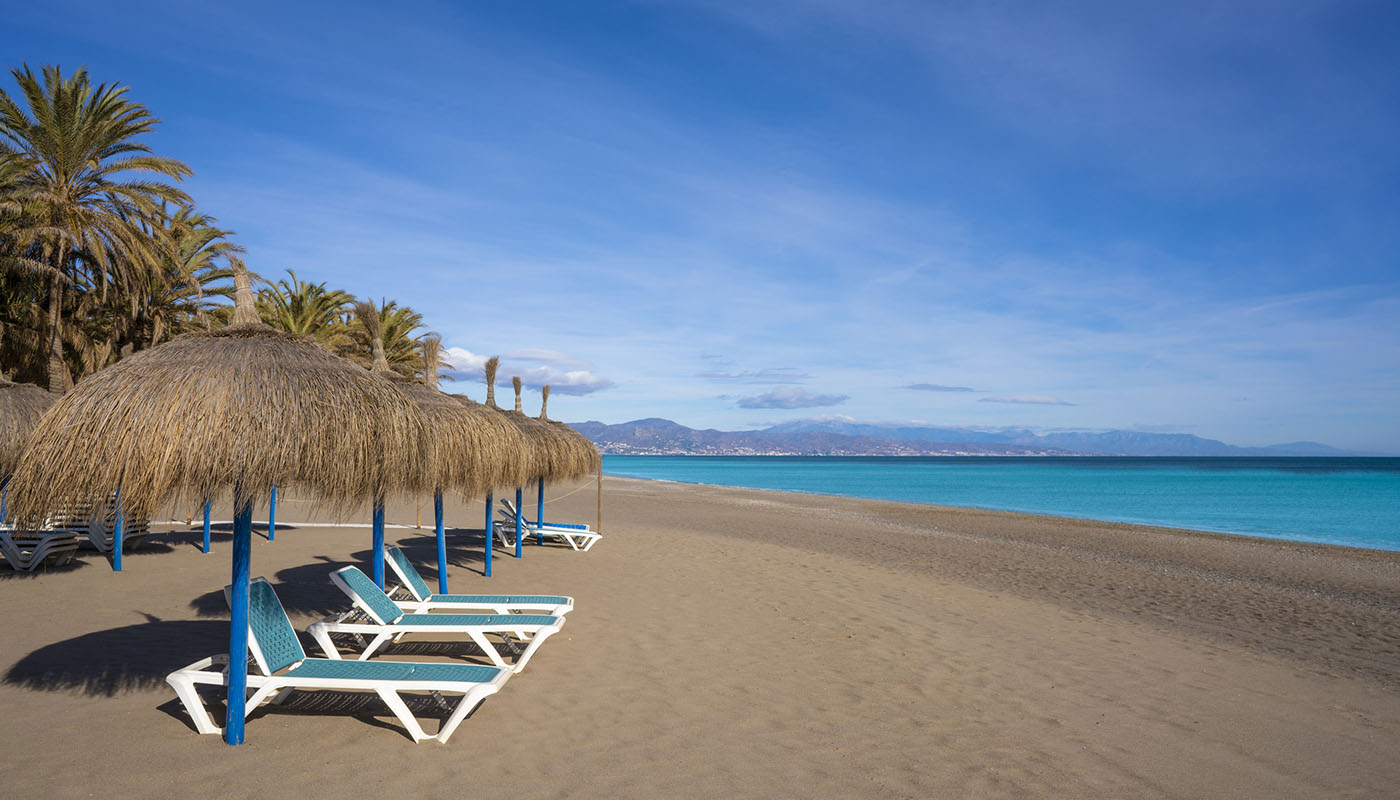
Varandinha Beach stretches like a golden tongue between jagged cliffs and rock formations shaped by time. Unlike other beaches on Boa Vista that are more frequented by tourists, this beach is almost completely deserted. Only the sound of the wind and the lapping of the waves break the silence, making this the perfect place for those seeking to unwind and experience the immensity of the landscape.
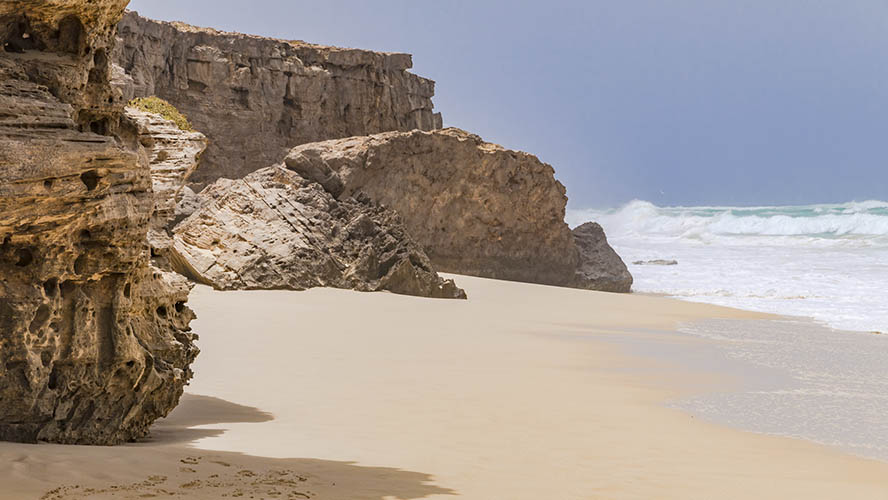
The waves in this area are strong and not always suitable for swimming, but the crystal clear waters and the contrast between the pale sand and the reddish rocks create an unforgettable setting. It is also a privileged site for watching seabirds such as the royal tern and the Cory’s shearwater since it is a safe place for nesting on the cliffs.
Also, at certain times of the year, sea turtles go to the beach to lay their eggs. During the night, under the moonlight, the traces of females that have emerged from the sea to bury their eggs leave a fleeting testimony of this ancient ritual of nature.
Recommended activities: beyond cave exploration
The Varandinha Caves’ main attraction is their own geology. Exploring the rock formations is a unique experience, especially when the sunlight filters through the arches and cracks, creating shadows on the stone walls. It is an ideal place for taking photographs since every angle offers a new perspective on this landscape sculpted by nature.
Hiking enthusiasts can combine the visit with a walk through the surrounding area. Following the coast eastwards, you get to other lesser-known but equally fascinating spots, where the cliffs drop steeply into the Atlantic and the landscape takes on an almost moon-like atmosphere. You will also find small natural pools among the rocks which are perfect for a refreshing swim on hot days.
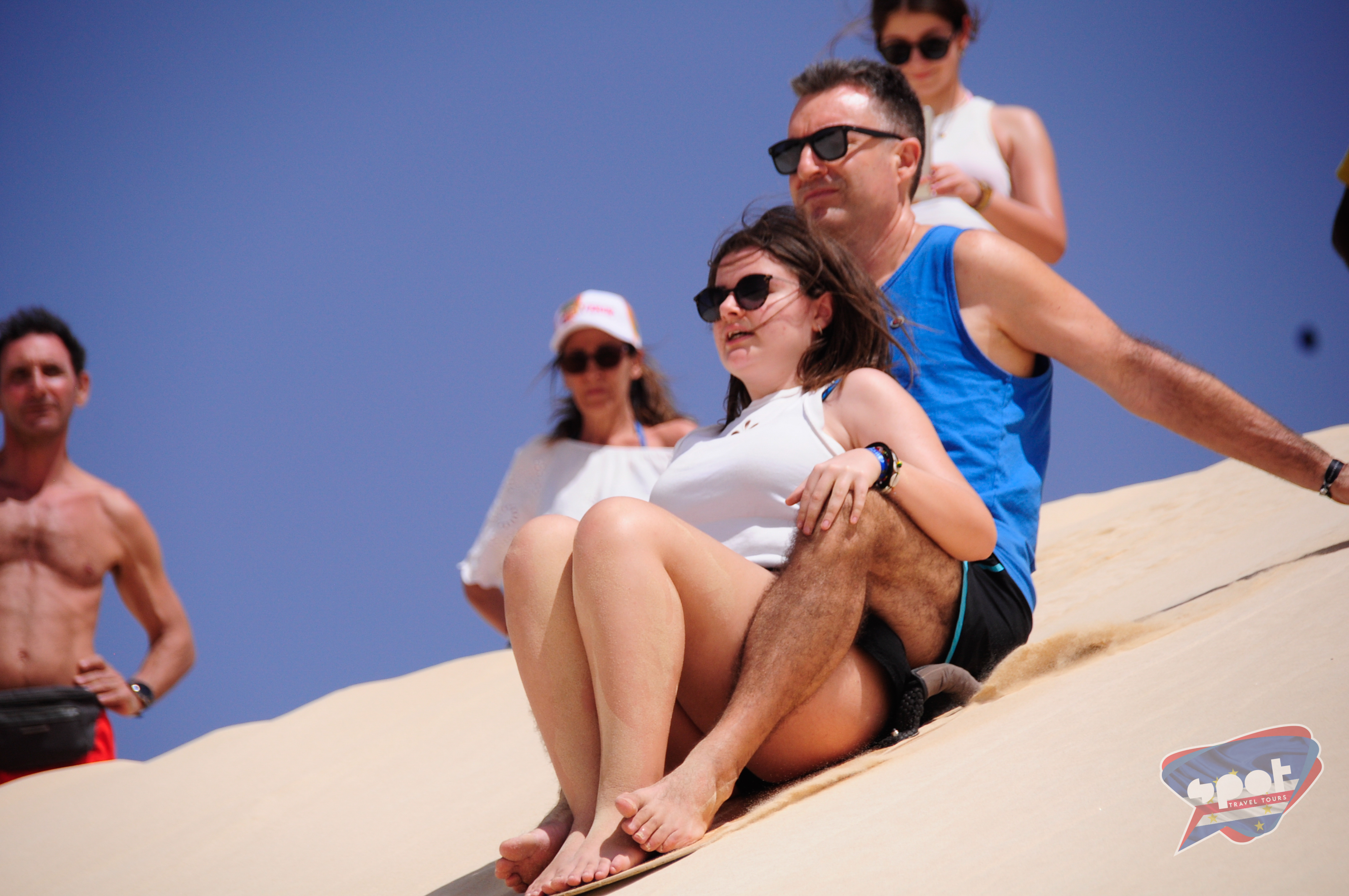
Not far from Varandinha Beach, there are small sand dunes where you can go sandboarding, an activity which is often included in buggy tours. For the more adventurous, Varandinha is also a popular spot for kitesurfing. This area is also ideal for watching seabirds and, if you are lucky, dolphins that can sometimes be seen on the horizon.
Before or after exploring the caves, it is worth stopping at Povoação Velha, the first settlement on Boa Vista. Its traditional stone houses and small white church preserve the spirit of the first Portuguese settlers, providing a glimpse into the island’s past.