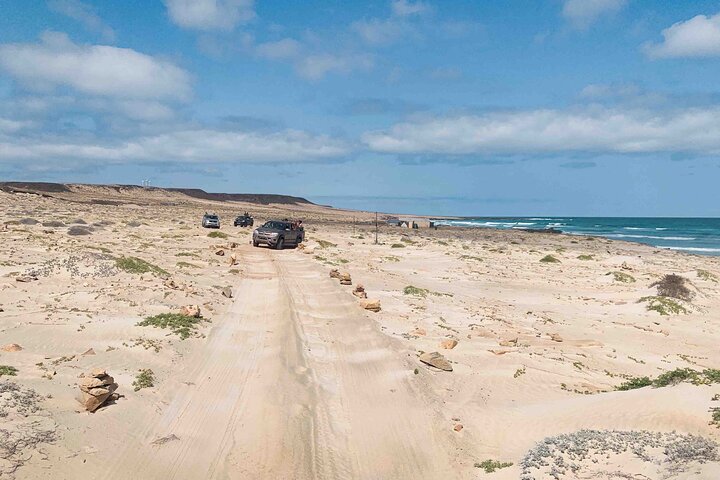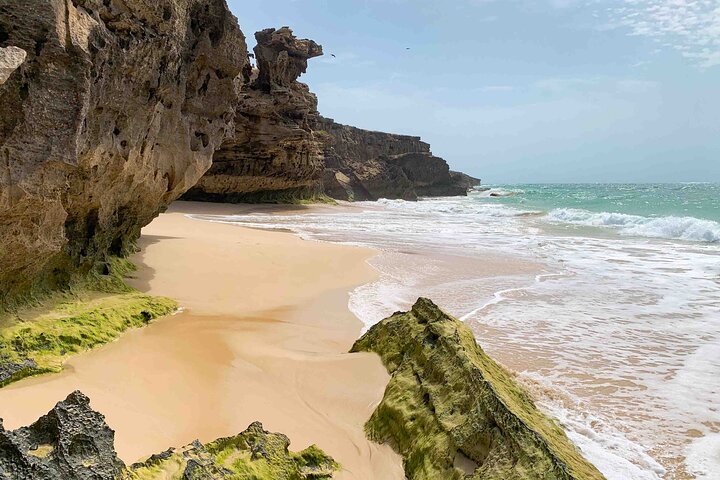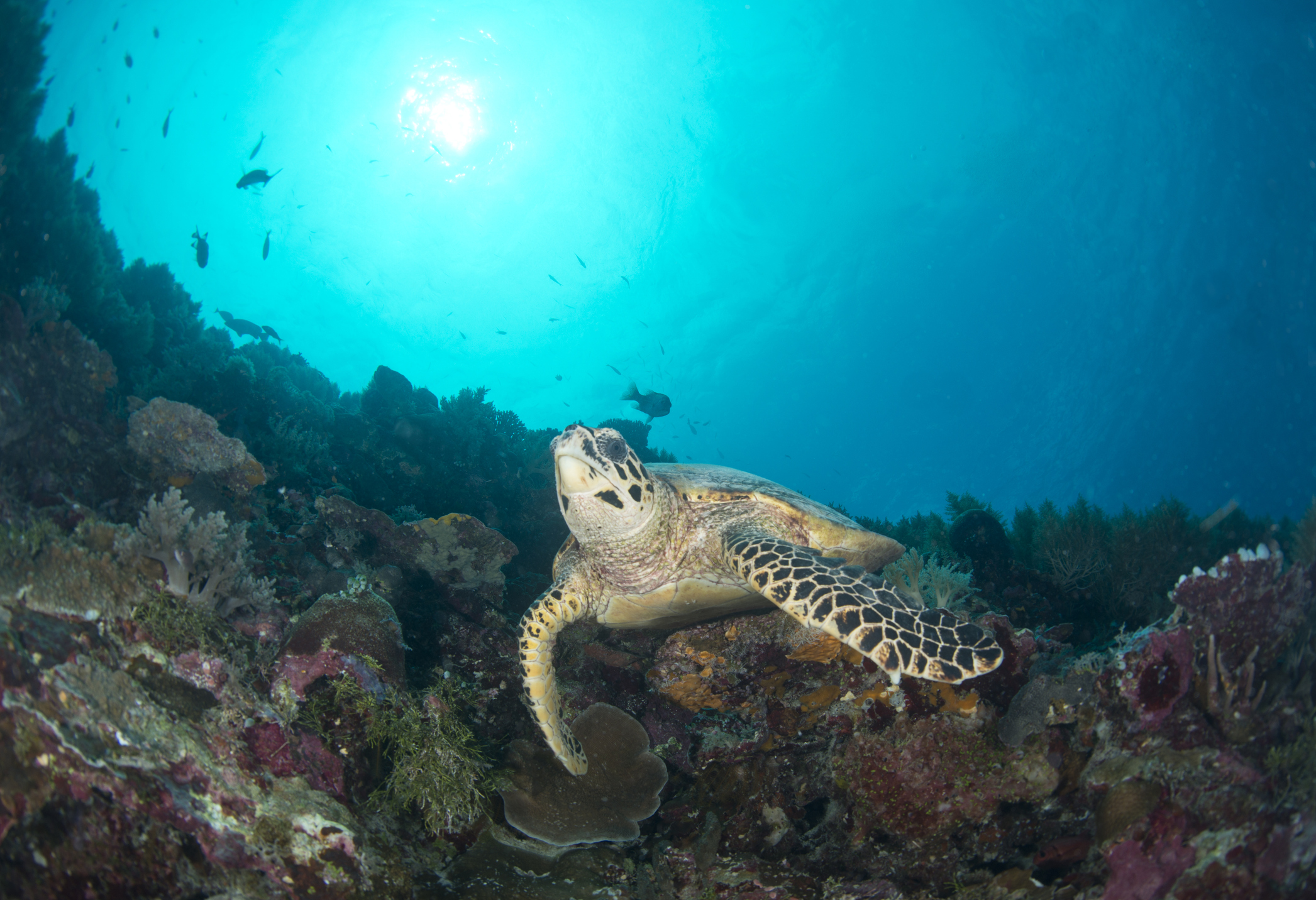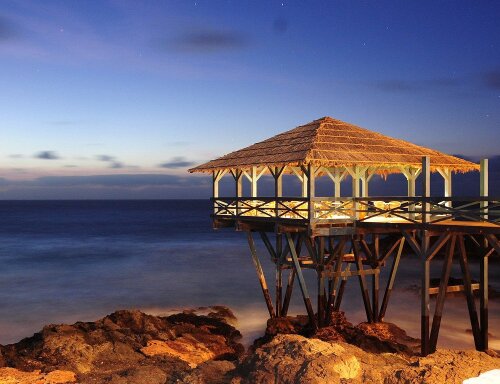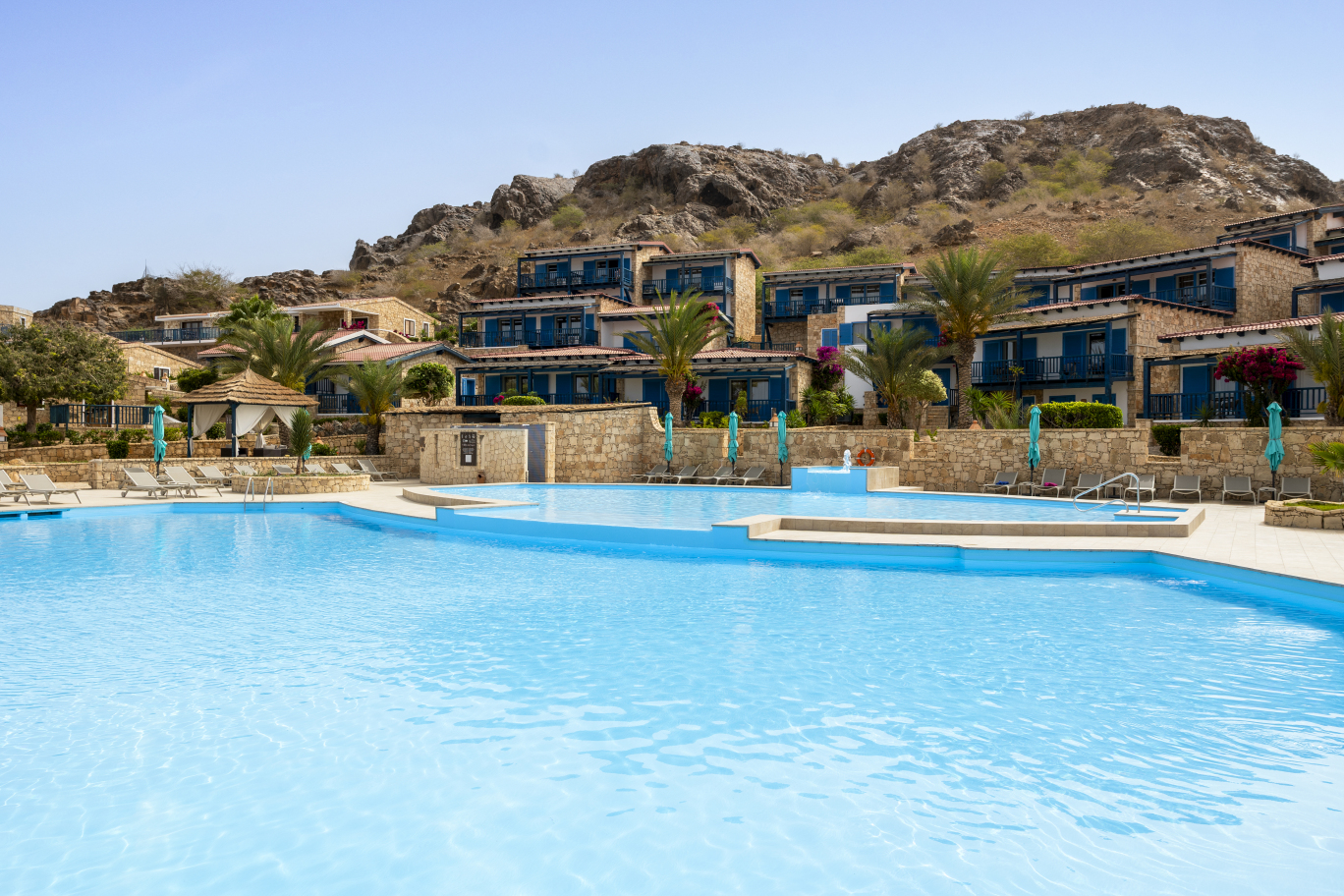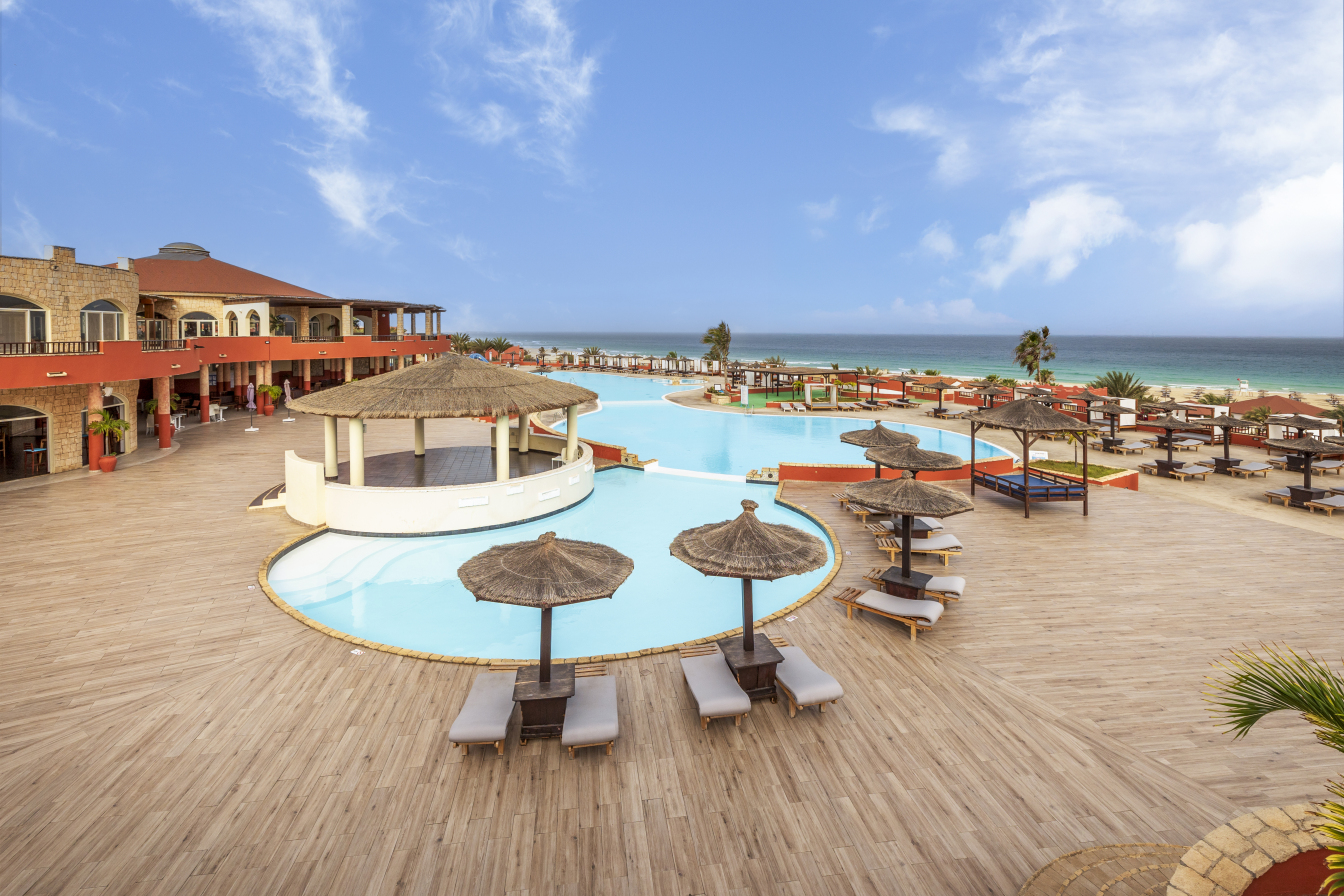
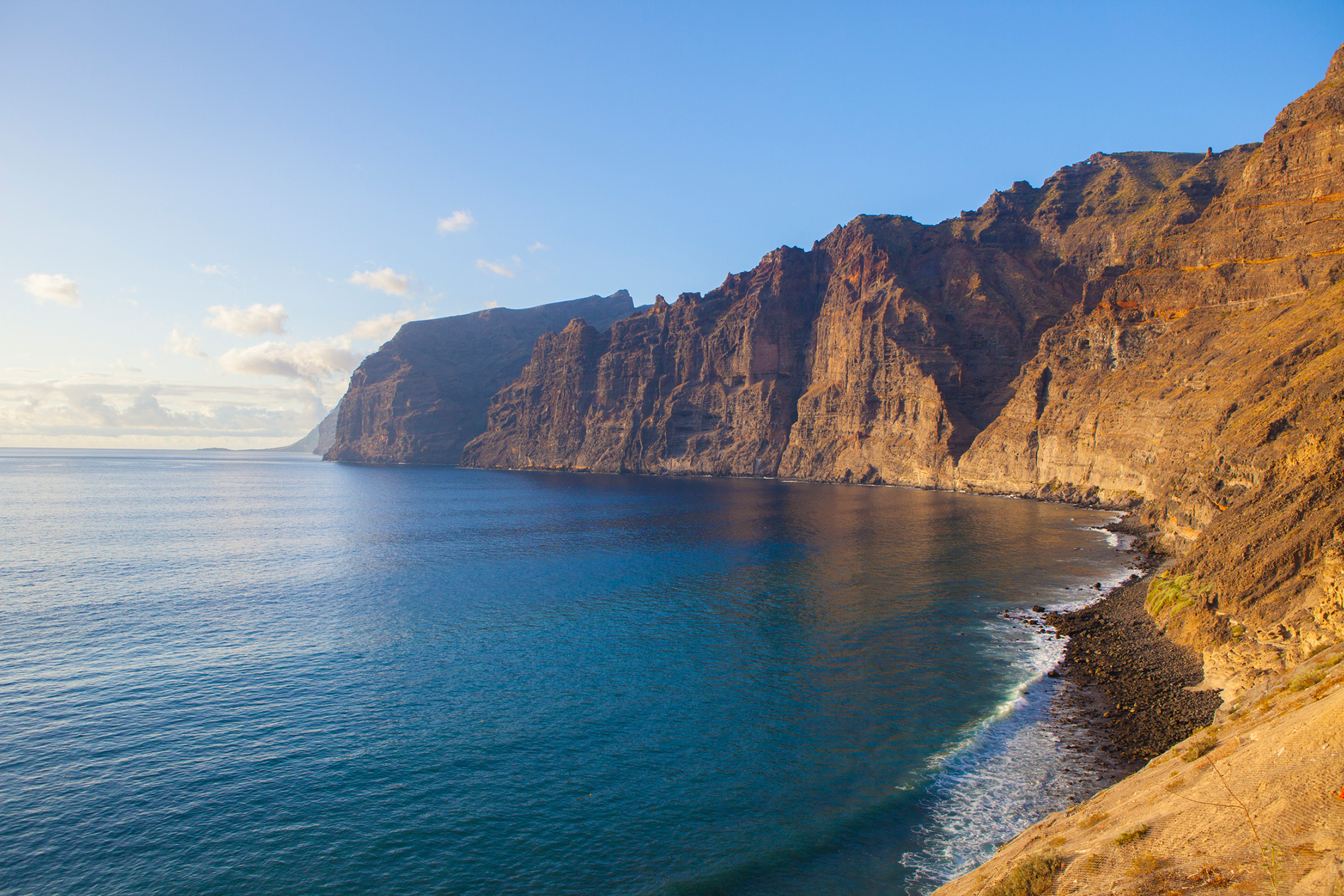
















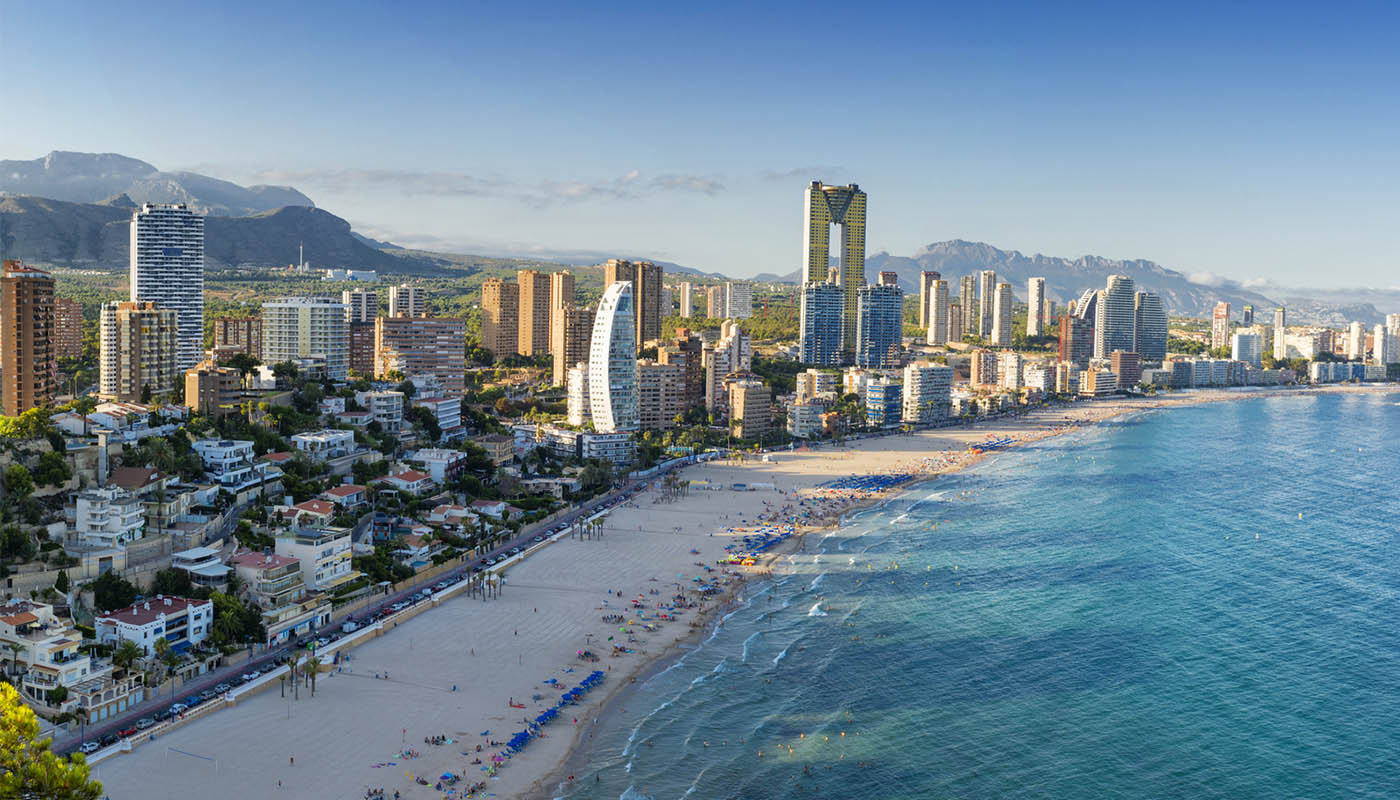


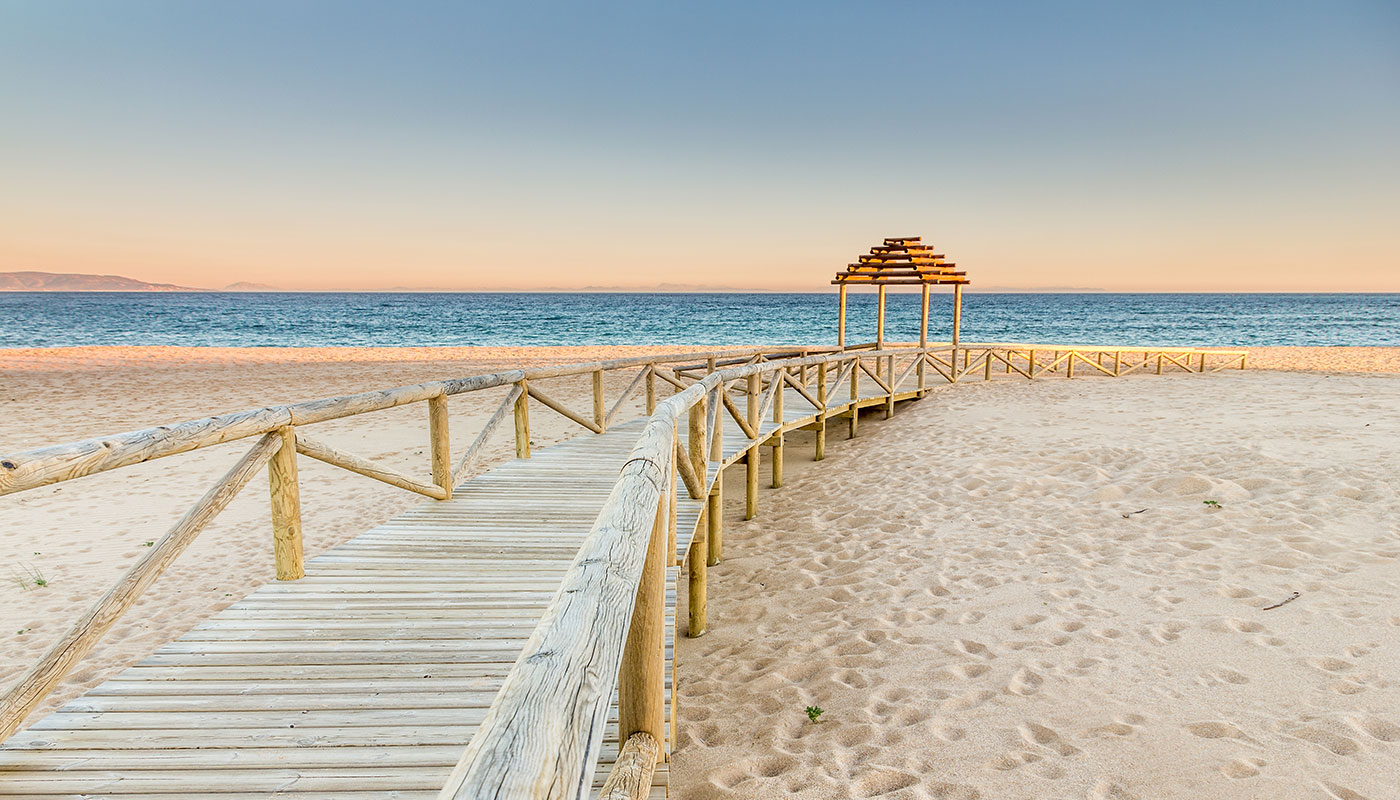
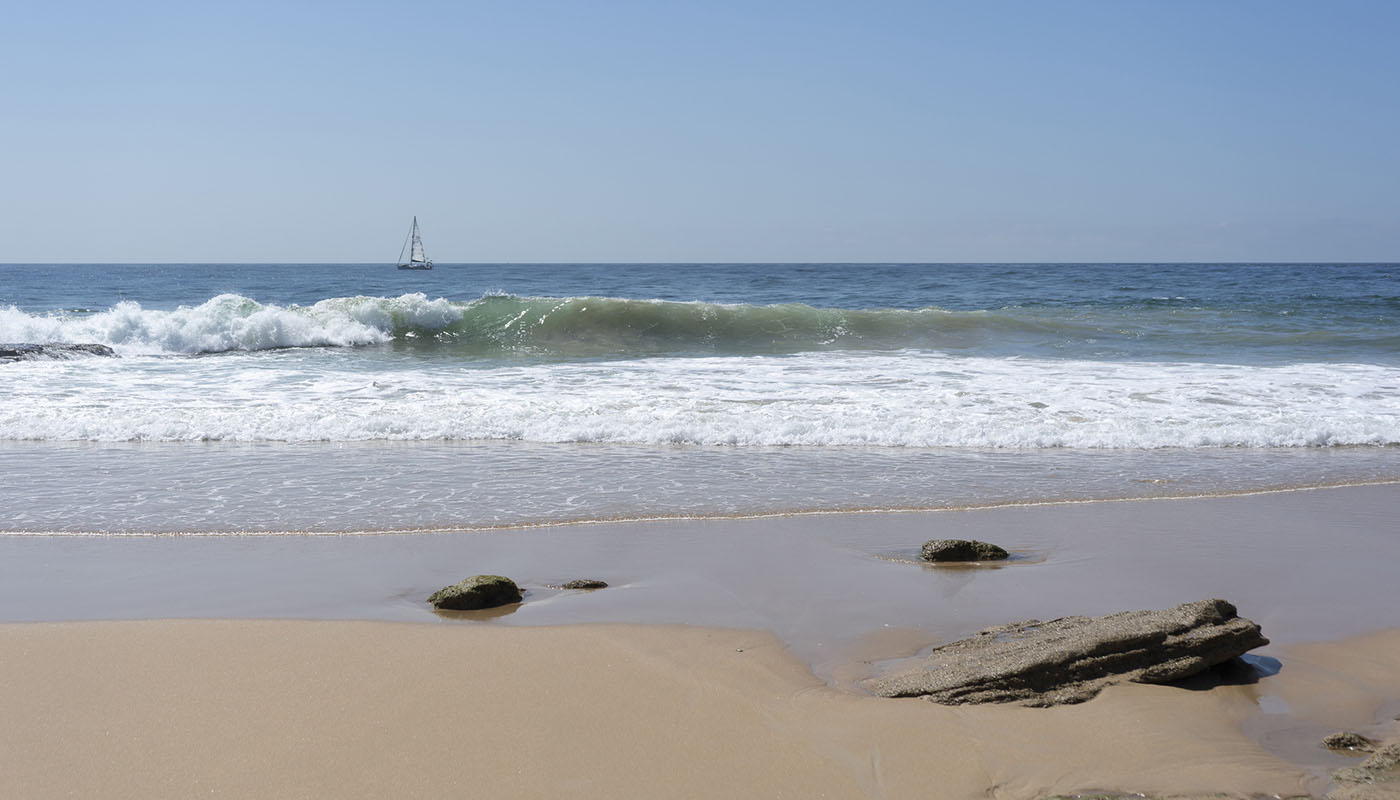













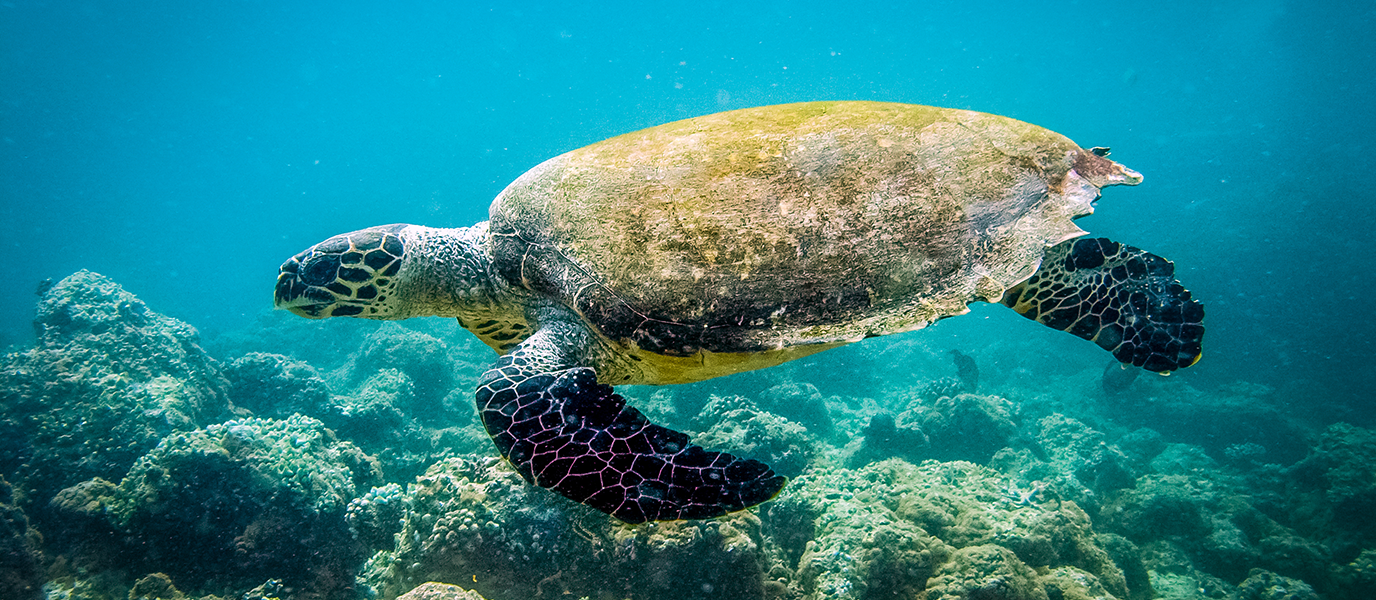
On the remote and almost unexplored eastern coast of Boa Vista in Cape Verde, you will find the Turtle Nature Reserve, an area that protects one of the Atlantic’s most vital marine ecosystems. Here, the loggerhead turtles (Caretta caretta) find refuge and an environment where they can safely reproduce, making it a sanctuary for this species at risk of extinction. The reserve is more than a symbol of the struggle for conservation: it is also a privileged setting where visitors can witness the fascinating life cycle of these marine creatures, whose population is in free fall due to the loss of habitat caused by the growing pressure of tourism on these coasts. On these quiet beaches with their horizon open to the sea, visitors can perceive the perfect balance between untamed nature and the effort to conserve it, an experience that elicits both respect and admiration for marine life.
- The natural context: a unique ecosystem in the Atlantic
- Where to see turtles in Boa Vista: key nesting beaches
- Outstanding organisations and work: the guardians of marine life
- Advice and information for visitors: a responsible and enriching experience
The natural context: a unique ecosystem in the Atlantic
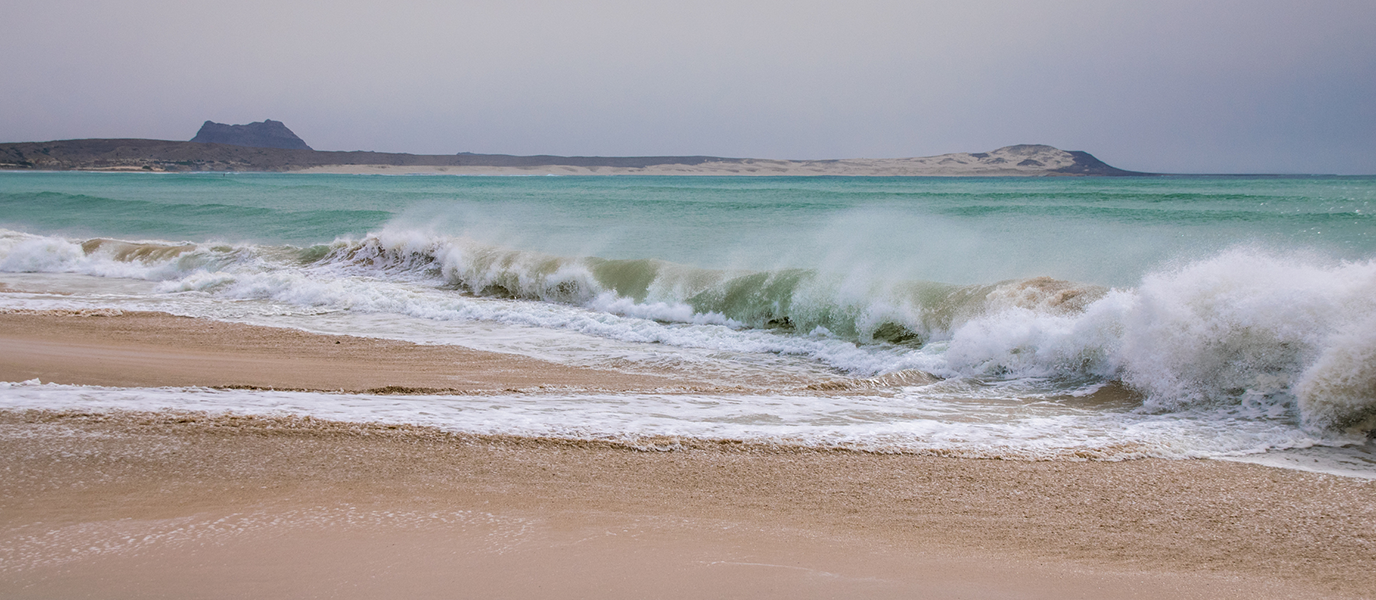
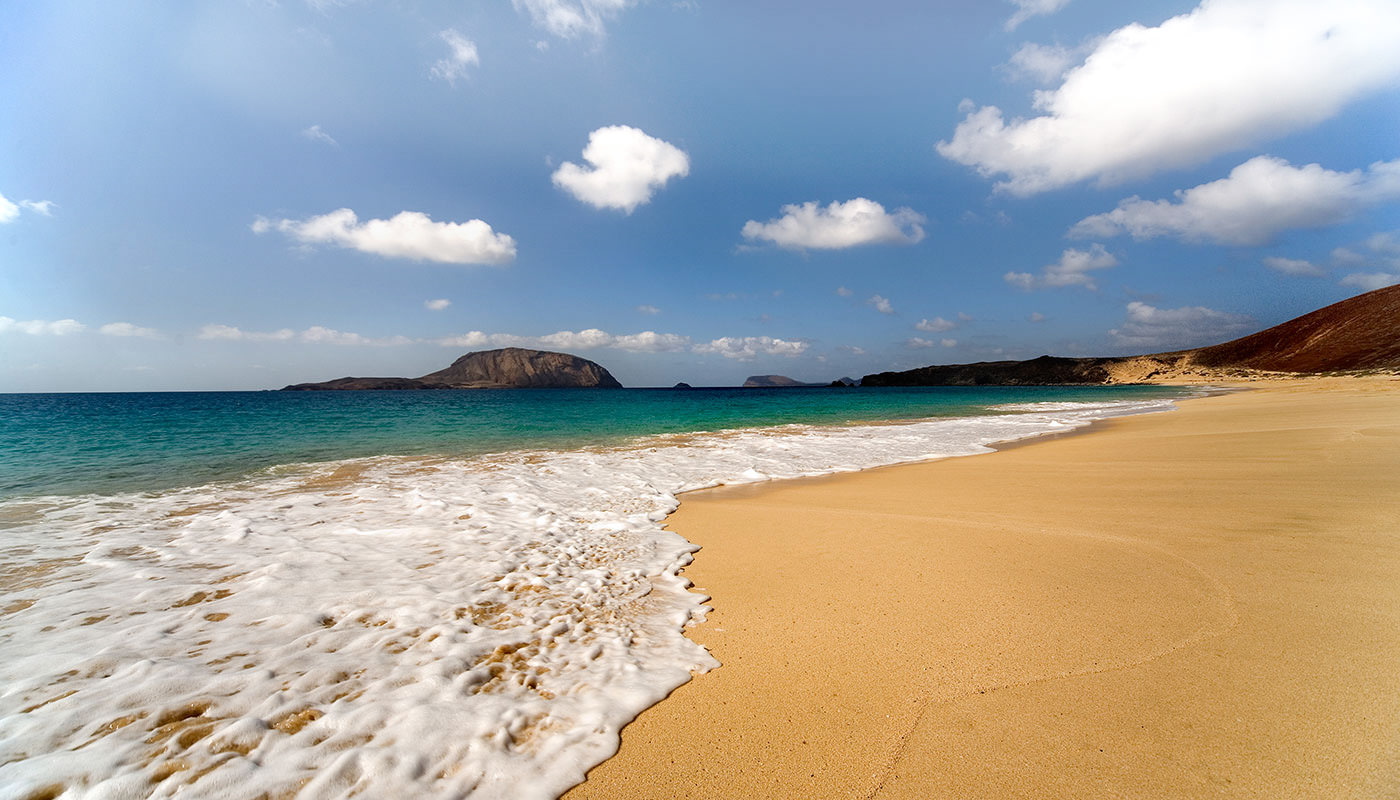
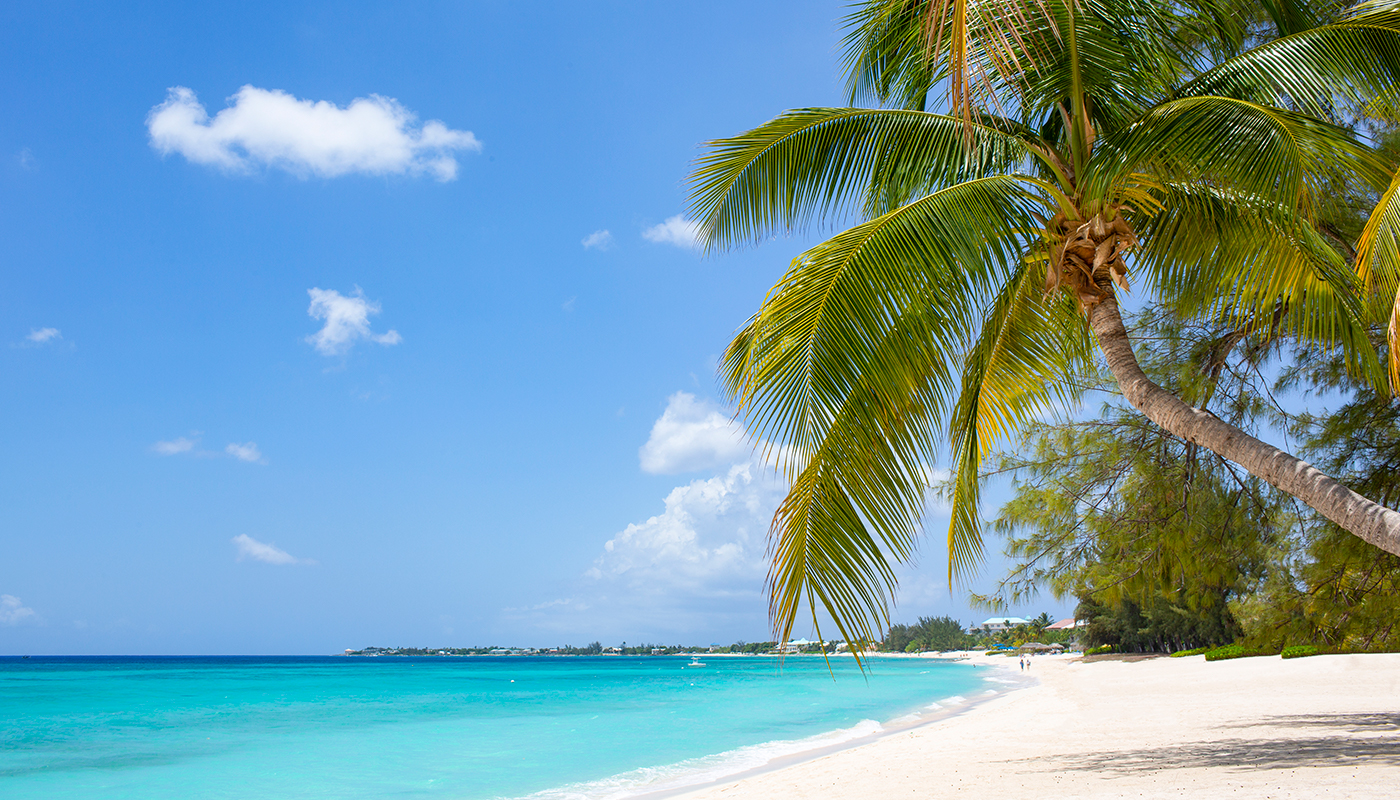
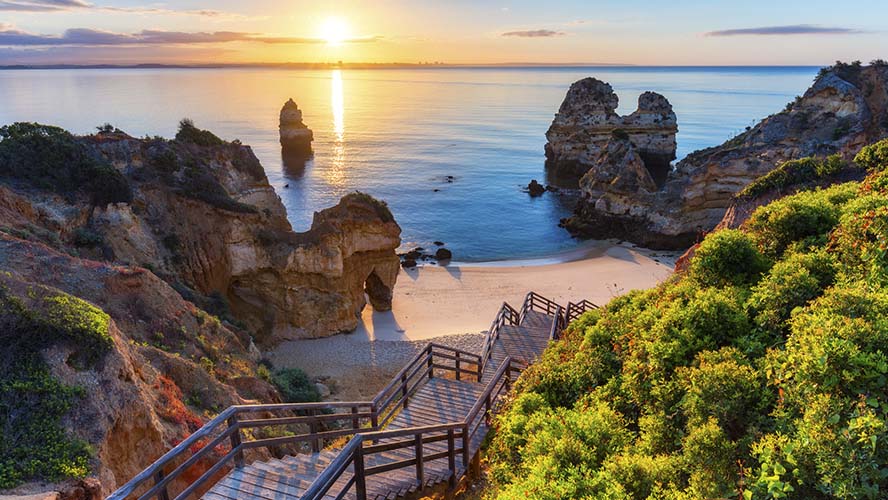
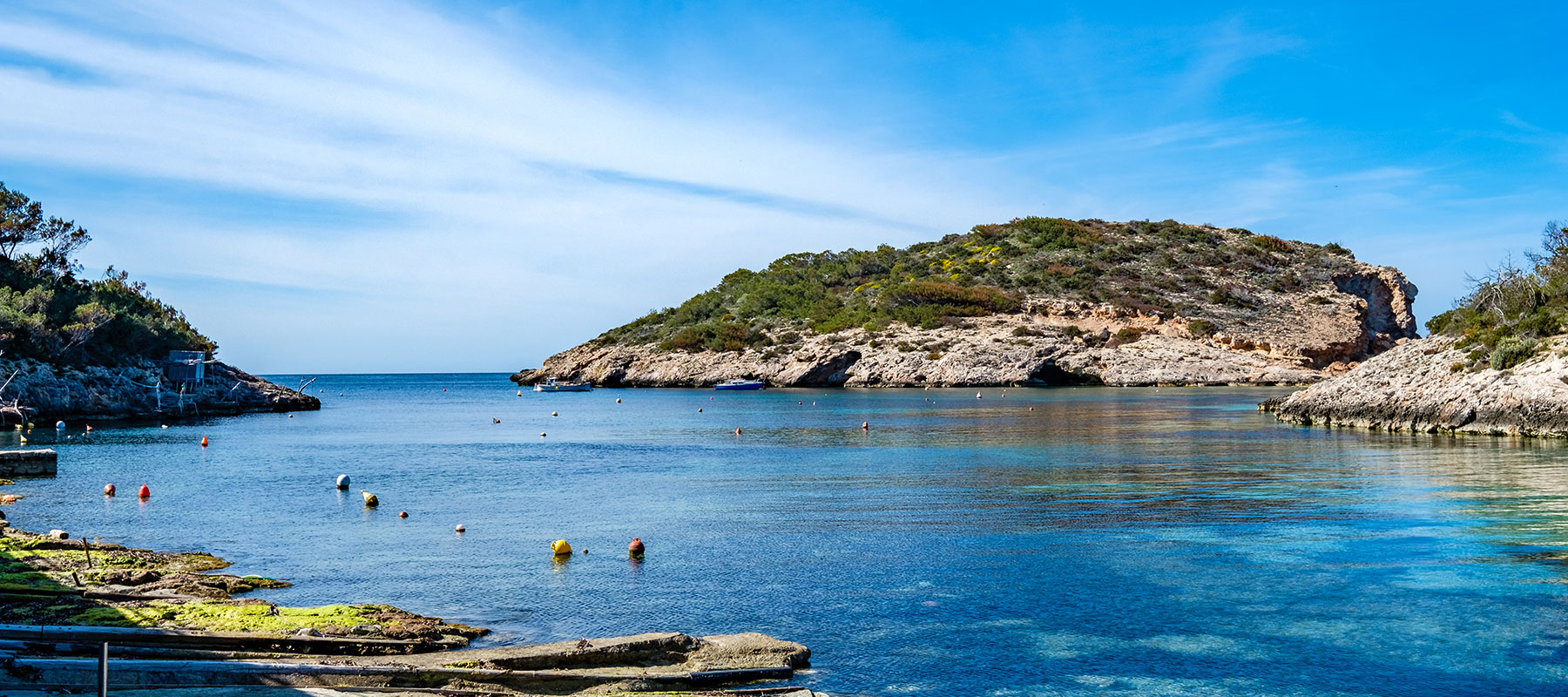
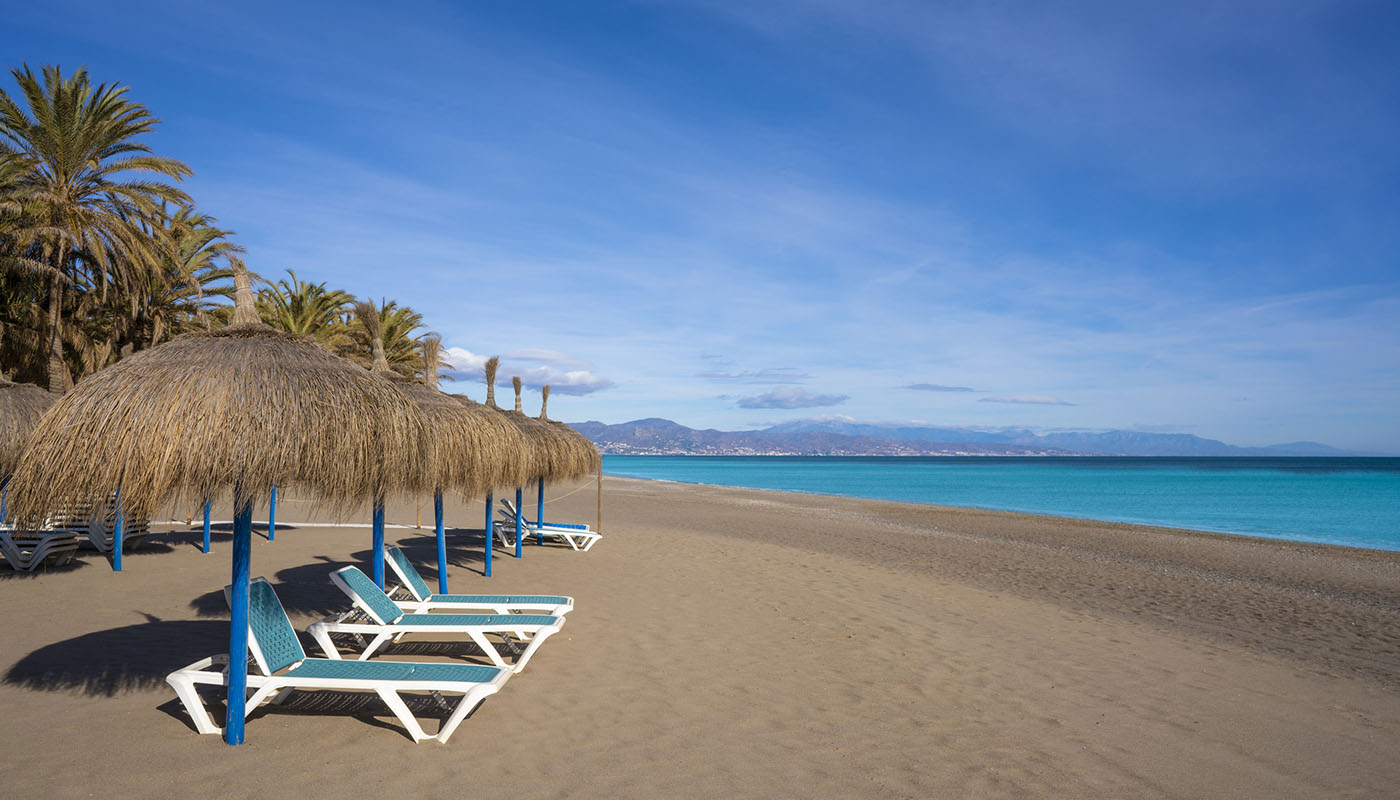
Boa Vista’s Turtle Nature Reserve extends along much of the island’s eastern coastline, and includes beaches such as Ervatão, Ponta Cosme and Ponta de Ervatão; these with their kilometres of golden sand and clear blue waters provide a natural habitat for the loggerhead turtle. These beaches stand out not only for their pristine beauty, but also for the exceptional conditions they offer for the turtles to nest in. The constant temperature of the sand, the peacefulness of the area and the total darkness at night (free from the light pollution associated with civilisation) create the perfect environment for the females to spawn and for the eggs to hatch, thereby increasing the possibility of survival for the young.
In addition to its role as a refuge for turtles, the reserve nurtures an impressive range of marine and terrestrial diversity. The seas around the island are home to groups of dolphins, while humpback whales migrate through these same waters, offering a particularly breathtaking experience for lovers of marine fauna. On the sea bed, shoals of tropical fish swim in harmony with the coral formations, creating a vibrant undersea scene. On land, the tough, arid vegetation, dominated by species such as coastal scrub and succulents, has adapted to the harsh climatic conditions, playing a vital role in maintaining the area’s ecological stability.
Where to see turtles in Boa Vista: key nesting beaches
Boa Vista is recognised as one of the most important sites in the world for nesting loggerhead turtles. One of the best places to observe this phenomenon is Ervatão Beach, located on the island’s south-eastern coast. Ervatão is considered the main nesting ground, as it is the site of 70% of the loggerhead turtle nests in Boa Vista. During the peak season, up to 8,000 nests have been recorded on this beach.
Ponta Cosme Beach, which lies next to Ervatão, offers a quiet and protected setting, which draws a great many females to spawn. João Barrosa Beach, in the north-east of the island, is another of the beaches where turtles find the perfect conditions for nesting.
These beaches, far away from the urban areas, suffer little interference by humans, which is crucial if the turtles are to reproduce successfully. It is therefore vital that visits are managed responsibly, and that they always take place accompanied by specialist guides, to guarantee minimal disturbance of the animals.
Outstanding organisations and work: the guardians of marine life
The protection of turtles in Boa Vista is possible thanks to the collective efforts of various government and non-governmental bodies committed to marine conservation. Among the most prominent is Tartaruga Boa Vista, an organisation dedicated to the conservation of sea turtles through monitoring programmes, research, and environmental education. Their operations include keeping watch over the beaches during the nesting season, protecting the nests, and raising awareness among local communities on the importance of conserving this species.
The Fundação Tartaruga, which focuses on scientific research, works to compile data on turtle populations, as well as on their migratory habits and the threats that face them. They also implement programmes to rescue and rehabilitate wounded or sick turtles. Finally, BIOS.CV is a not-for-profit organisation that focuses on environmental conservation and sustainable development in Cape Verde. Its projects range from protecting sea turtles to the promotion of ecological practices within local communities.
Thanks to the tireless work of these bodies, there has been a significant increase in the number of protected nests as well a greater public awareness of the need to conserve the sea turtle population and its habitats.
Advice and information for visitors: a responsible and enriching experience
For those who would like to watch the turtles spawning in Boa Vista, it is essential to note the following:
The nesting season for the loggerhead turtle in Boa Vista runs from June to mid-October, with activity peaking in August. During this period, night-time visits offer the opportunity to see the females depositing their eggs on the sand. It is absolutely essential to choose responsible tourism operators who work in cooperation with the conservation organisations, and who follow strict protocols in order to minimise the impact on the turtles. These tours limit the number of participants and prohibit the use of white lights or flashes that could disorientate the animals.
Visitors must maintain a discreet distance from the turtles, avoid making a noise, and follow the instructions of the guides at all times. Visitors are not allowed to touch the turtles or to obstruct their path to or from the sea.
As these activities take place during the night, you are advised to wear comfortable clothing and to use insect repellent. It is also advisable to carry water and a light snack.