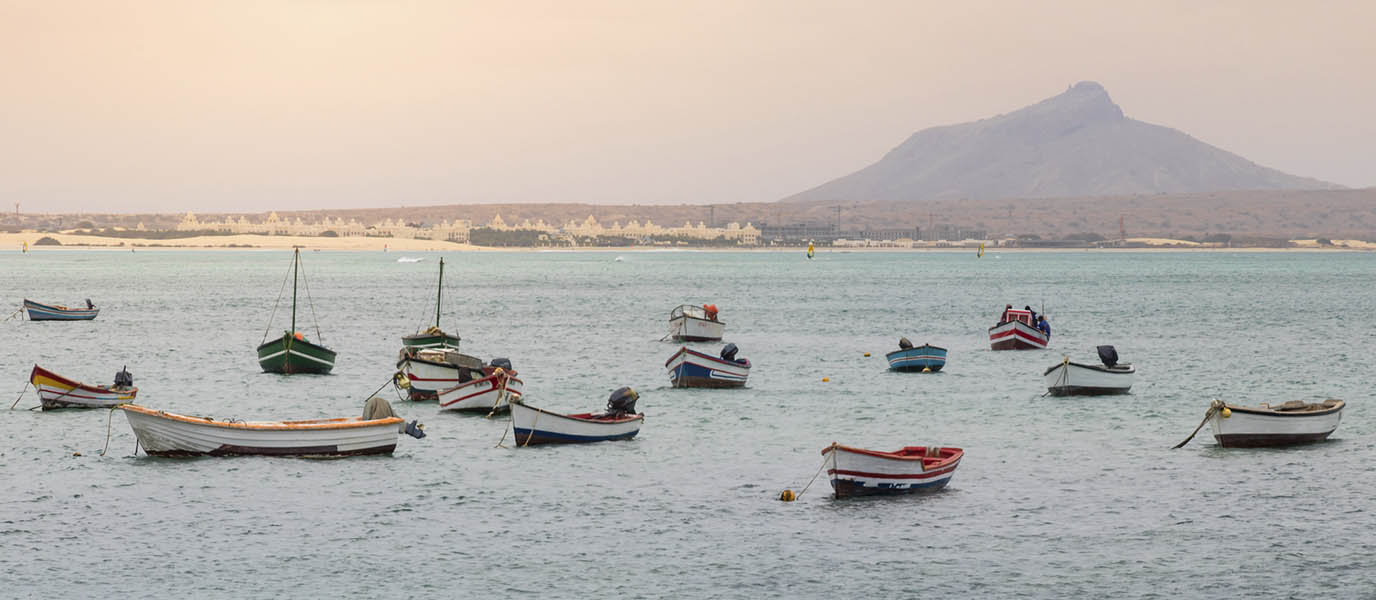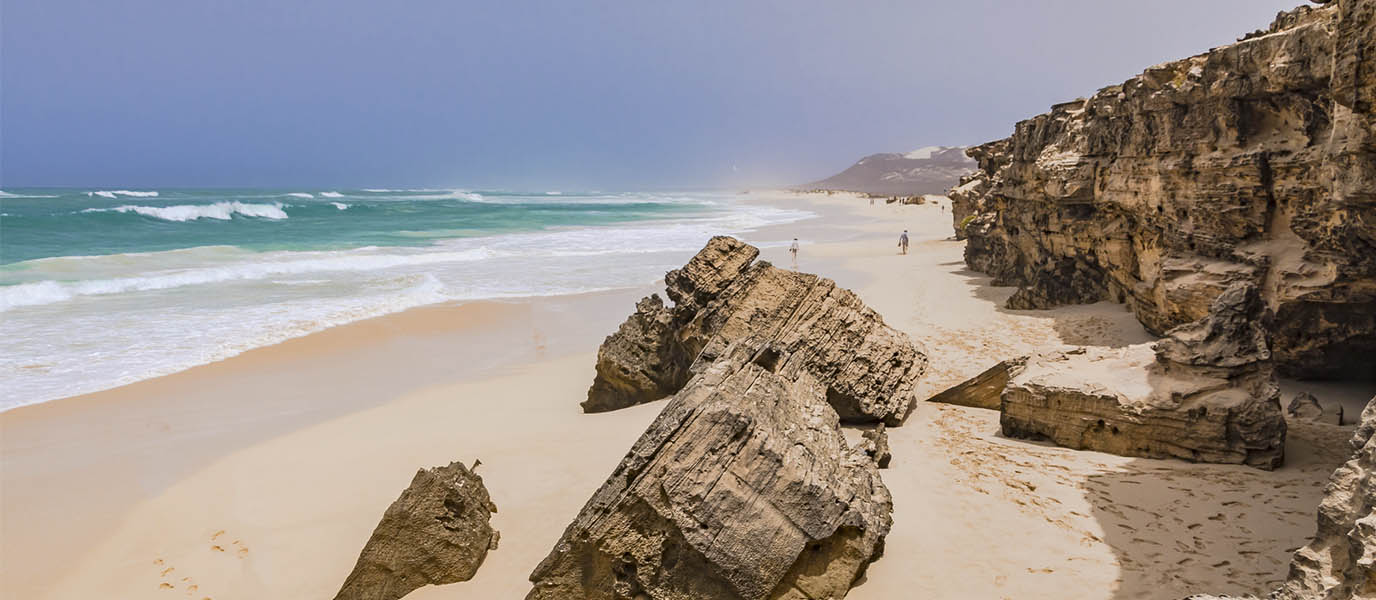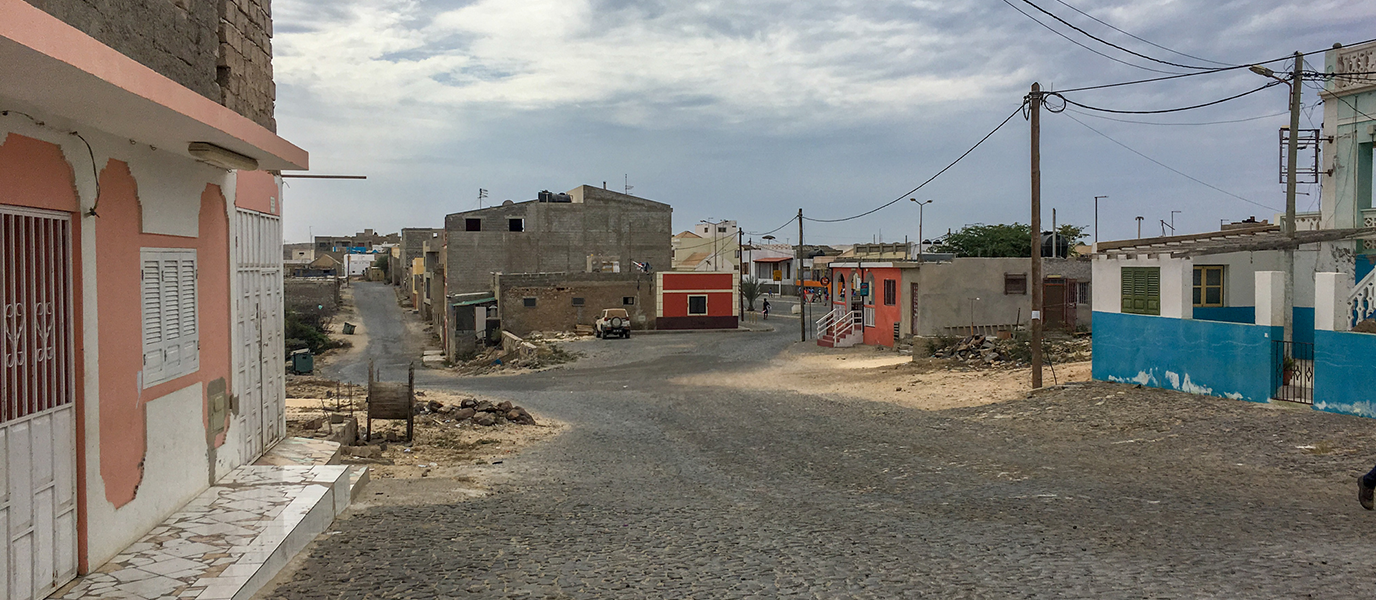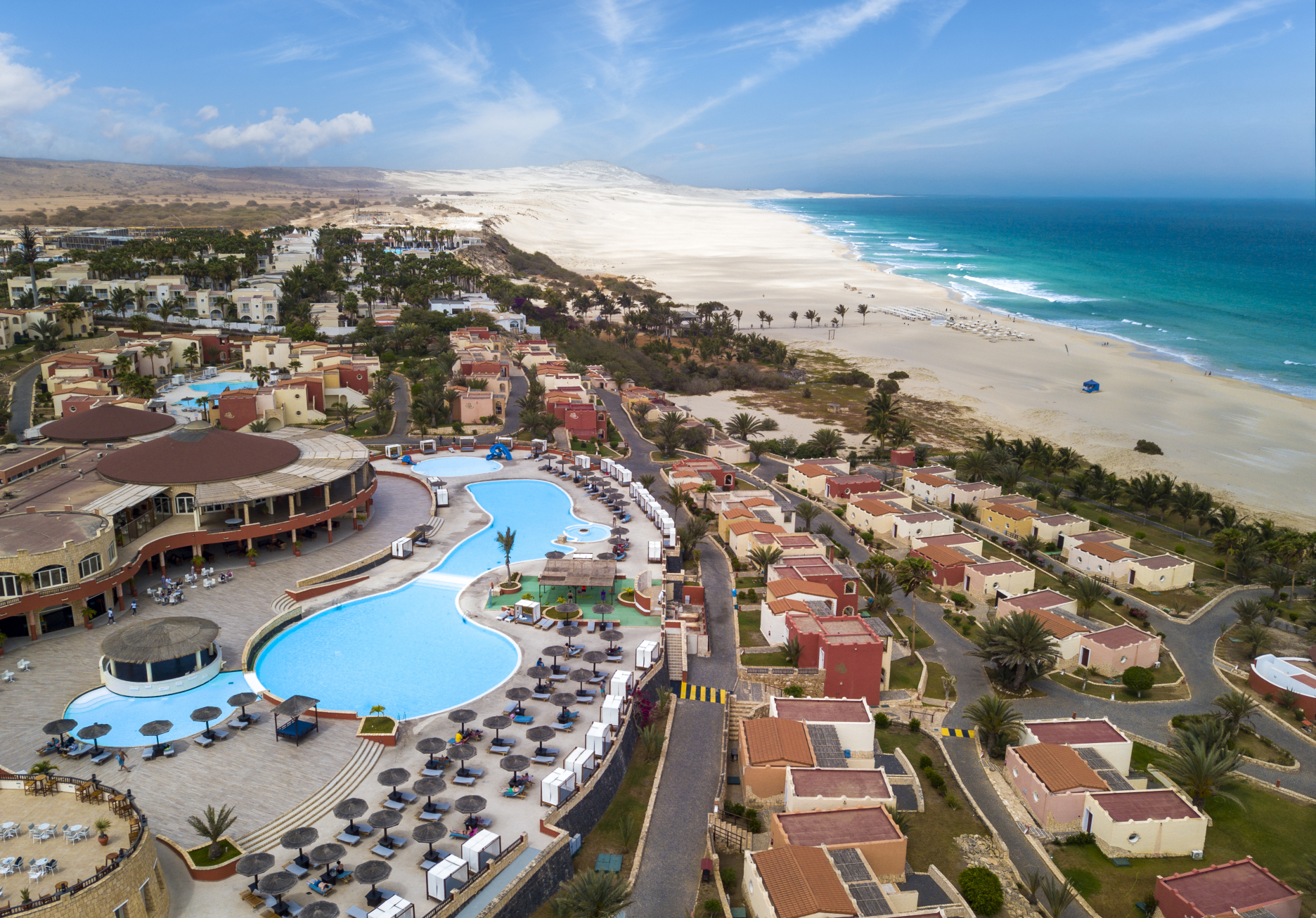













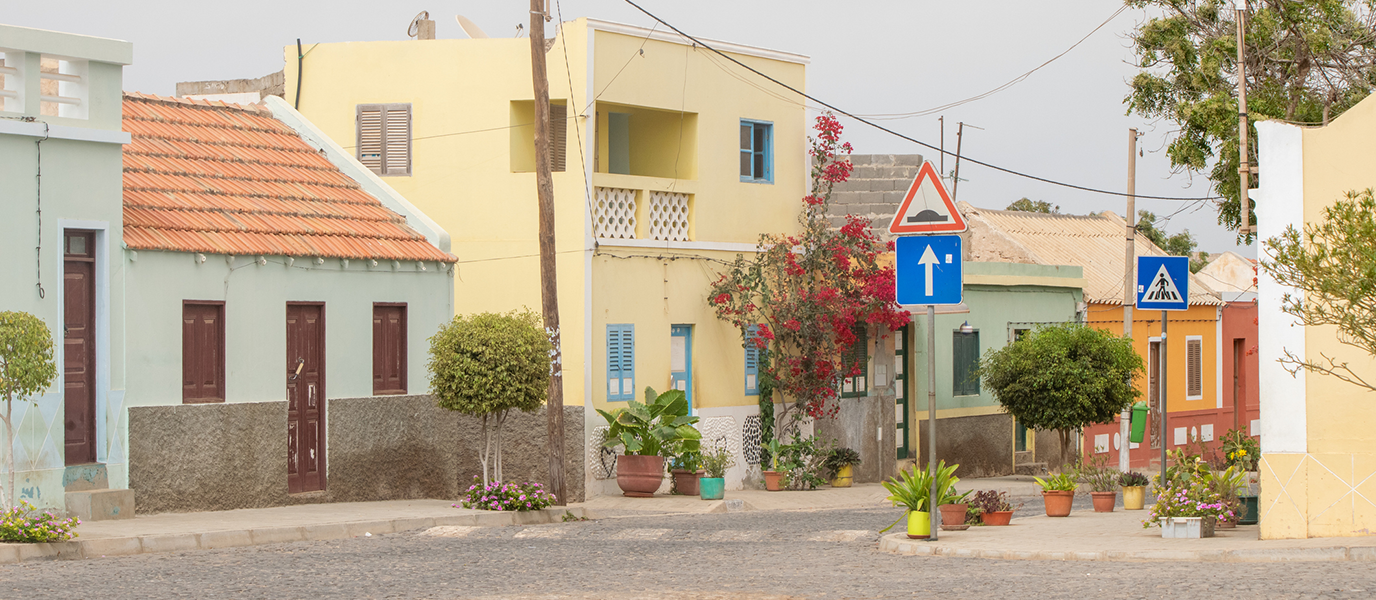
In the northeast of Boa Vista, far from the hustle and bustle of Sal Rei and the golden beaches that have made the island an emerging tourist destination, lies Fundo de Figueiras. This small village off the beaten tourist track preserves the essence of Cape Verdean life with an authenticity that few places have managed to preserve. The colourful architecture, the sandy streets and the warmth of its inhabitants welcome anyone who ventures there, where traditions still set the pace of daily life: people sit on their doorsteps and share stories as the sun dips below the horizon. Festivals such as that honouring Saint John the Baptist are not just a religious celebration, but a reflection of a community that has withstood the ravages of time without losing its identity.
- History of the village: Fundo de Figueiras, authentic Cape Verdean life away from the masses
- How to get there and tips for visitors: a journey between desert landscapes and the Atlantic Ocean
- What you can see: colourful streets, centuries-old churches and everyday Cape Verdean life
- Saint John the Baptist celebrations: the festive soul of Fundo de Figueira
- Nearby visits: exploring the northeast of Boa Vis
History of the village: Fundo de Figueiras, authentic Cape Verdean life away from the masses
The origin of Fundo de Figueiras is linked to the first agricultural settlements on Boa Vista, an island where arid conditions pose constant challenges to human life. The name Fundo de Figueiras is no coincidence: in its origins, this area, as is still the case in some of the island’s oases, must have been full of fig trees (figueiras) that provided shade and food for the first settlers. In an area where the arid climate is a constant challenge, finding fertile land was a treasure, and the inhabitants of this region knew how to make the most of every resource.
The village developed between the 18th and 19th centuries, when Boa Vista established itself as a strategic point for the salt trade and cattle breeding. While Sal Rei prospered thanks to salt mining and its connection to maritime routes, villages such as Fundo de Figueiras emerged as self-sufficient communities dedicated to goat farming, cheese production and the cultivation of corn and beans on the island’s scarce fertile land.
During the 20th century, emigration reduced the village’s population, as in so many other regions of Cape Verde. Lack of resources and adverse weather conditions pushed many families to seek a better life in the Americas and Europe, especially in the United States and Portugal. Nevertheless, those who stayed managed to keep the village’s traditions and character intact, making Fundo de Figueiras an area where the history of Boa Vista is still very much alive.
Unlike other towns on Boa Vista, Fundo de Figueiras remained relatively isolated, enabling its traditions to be preserved almost intact. The adobe and stone houses, built with local materials, and the small churches, where religious faith continues to mark the pace of daily life, bear witness to a past in which the community was everything.
Today, although tourism has timidly begun to creep into the region, Fundo de Figueiras remains a place where authenticity is the norm. The elderly still tell their tales in the evening, and the popular festivals are still the best reflection of the Cape Verdean soul.
How to get there and tips for visitors: a journey between desert landscapes and the Atlantic Ocean
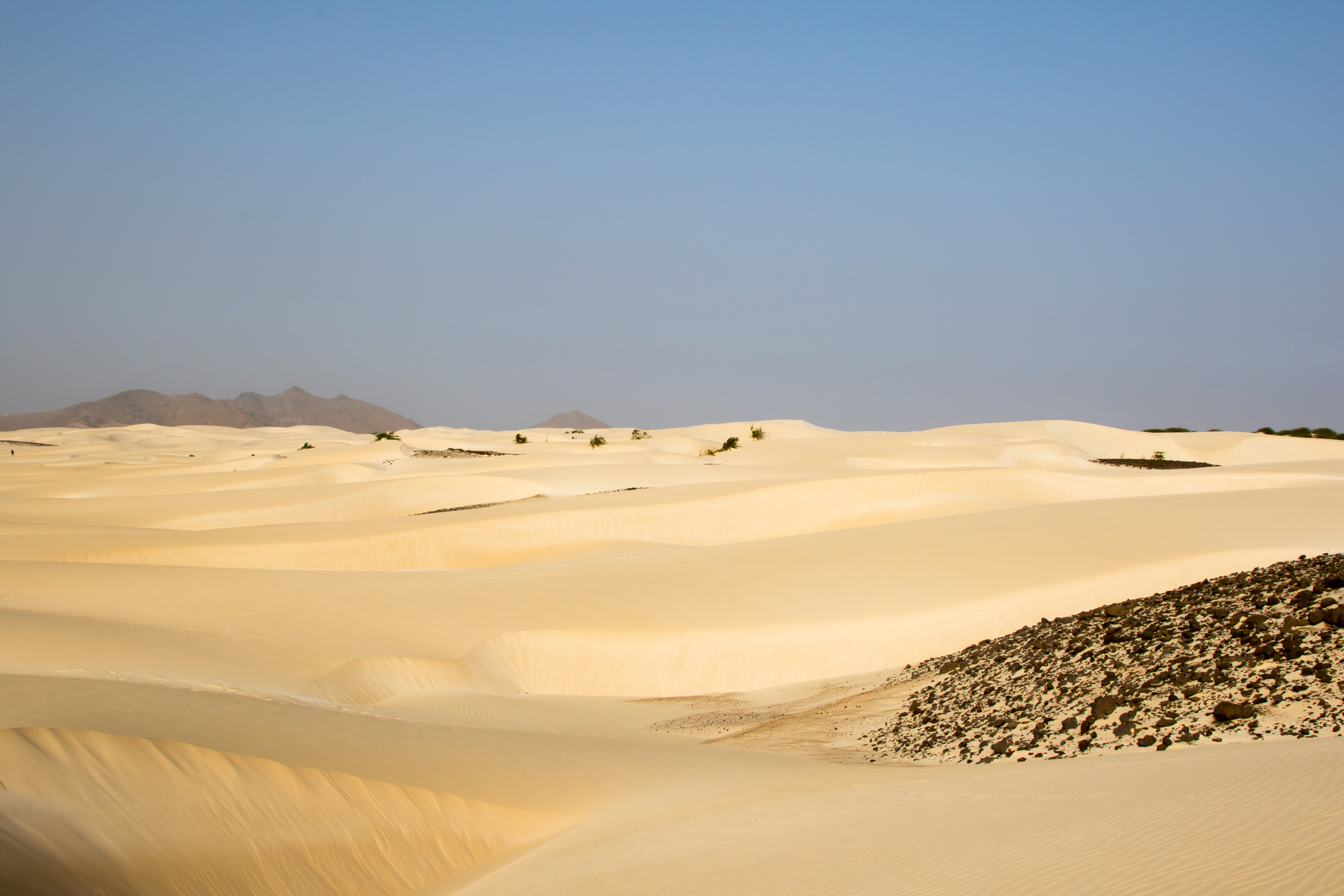
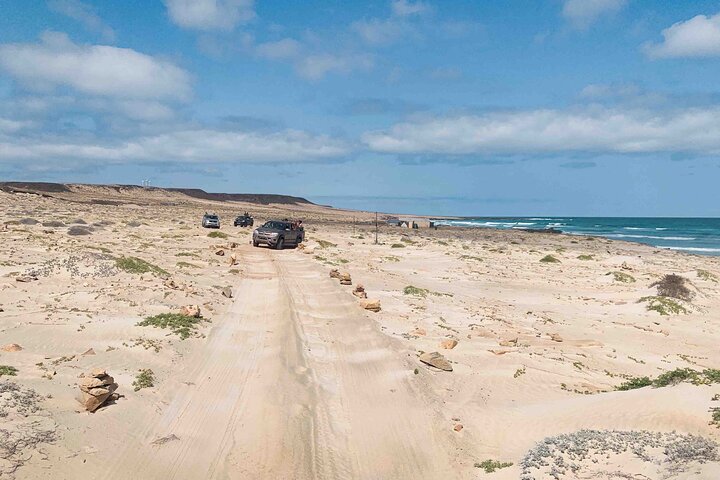
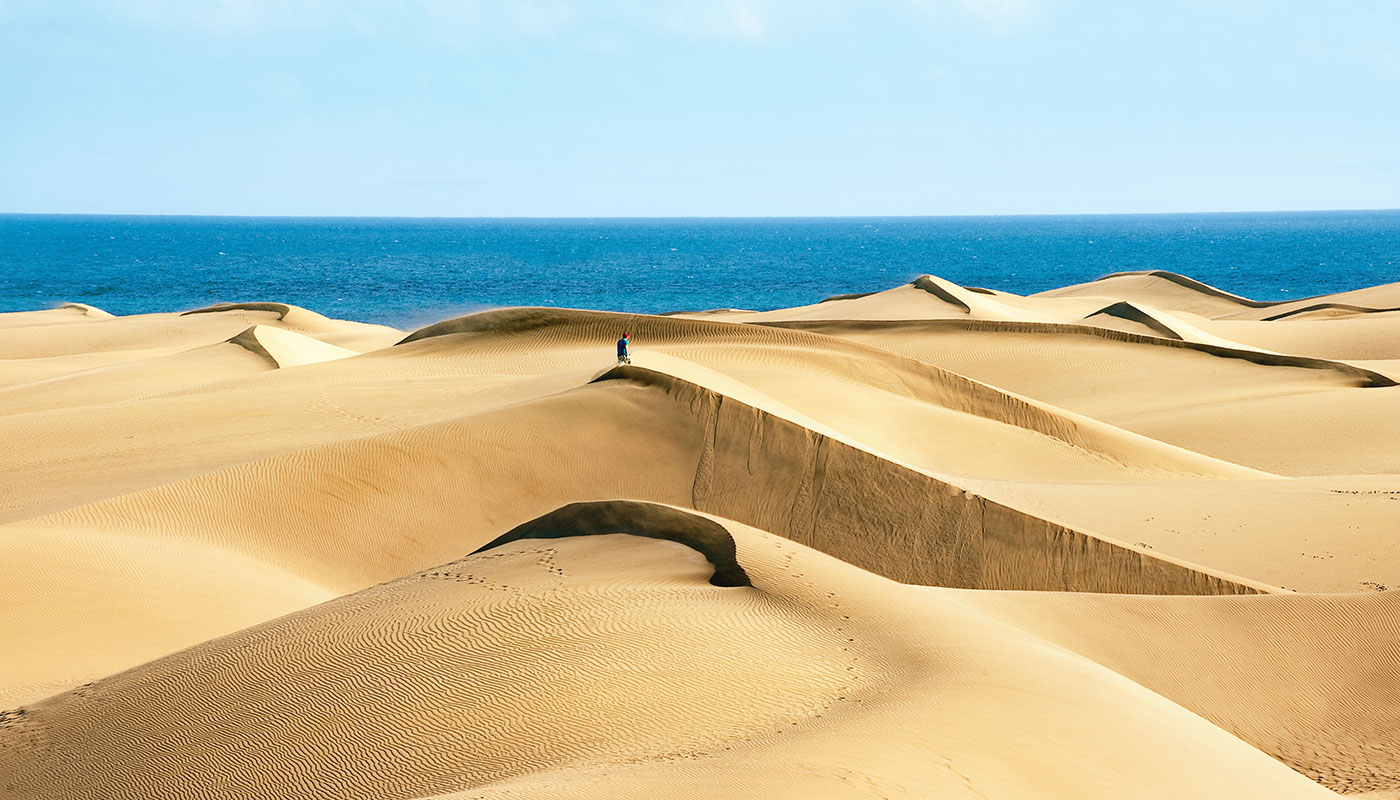
Fundo de Figueiras is located about 25 kilometres northeast of Sal Rei, the island’s capital. To get there, you drive along dirt roads through a semi-desert landscape dotted with acacia trees, thorn bushes and dunes that stretch as far as the eye can see.
The transport options are limited. The best way to visit the village is to hire an all-terrain vehicle since the roads can become impassable after sporadic rains. Alternatively, you can go on an organised tour, which usually includes Fundo de Figueiras along with other nearby villages such as João Galego and Cabeça dos Tarafes.
You should bring water and some food with you since there is little in the way of restaurants in the village. Mobile coverage is also patchy, reinforcing the sense of isolation and disconnection that characterises this corner of Boa Vista.
What you can see: colourful streets, centuries-old churches and everyday Cape Verdean life
One of the greatest delights of Fundo de Figueiras is its traditional architecture. A stroll through the sandy streets reveals brightly coloured houses with carved wooden doors, some with ancient inscriptions dating from the late 19th century. Life there is peaceful, and it is easy to find neighbours sitting on the porches and chatting while the sea wind softens the heat of the day.
The local hotspot is the Church of Saint John the Baptist, a simple but imposing white building that stands as the village’s spiritual symbol. Its austere but welcoming interior reflects the community’s strong religiousness as it continues to gather there for Sunday masses and religious festivals. If you have the opportunity to visit the church during a mass, you will experience first-hand the devotion and fervour with which the inhabitants of Fundo de Figueiras live their faith.
Another highlight includes the small handicraft workshops where you can find textiles, braided palm baskets and ceramics made with ancestral techniques. In an increasingly tourist-oriented Cape Verde, these handmade products are a reminder of the traditional life that still survives in some corners of the island.
Saint John the Baptist celebrations: the festive soul of Fundo de Figueira
On 24 June, Fundo de Figueiras transforms itself to celebrate the festival of Saint John the Baptist, the biggest event of the year. This religious and popular festival combines solemn processions with manifestations of collective joy that fill the town with music, dance and colour.
One of the most eagerly awaited moments is the cavalhada, a parade of horsemen dressed in traditional costumes who ride through the streets in honour of the saint. There are also Cape Verdean wrestling competitions, live music performances and large community banquets where local specialities such as cachupa stew and fish soup are served.
If you visit the village during that time, you will have an unforgettable experience. The villagers’ hospitality is overwhelming and all visitors are welcome to share in the joy of the festivities.
Nearby visits: exploring the northeast of Boa Vis
There are other places worth visiting just a few kilometres from Fundo de Figueiras. João Galego is another village with a strong agricultural tradition, where the cobbled streets and small local shops provide a glimpse of everyday life on the island. Nearby, Cabeça dos Tarafes is another small village where life follows the peaceful pace of the more authentic Boa Vista.
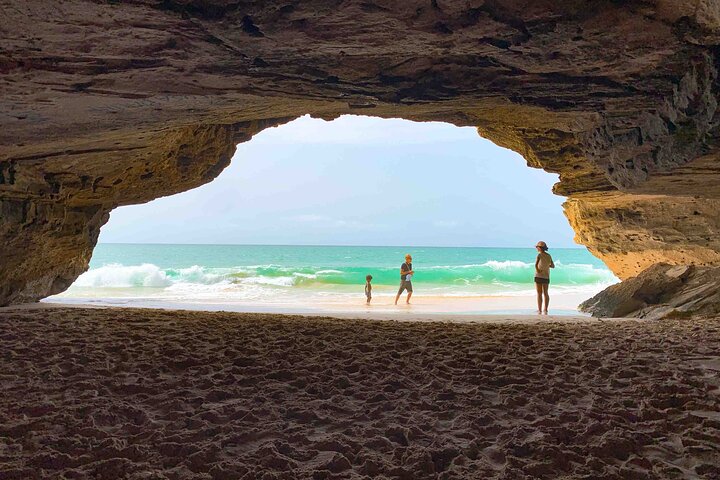
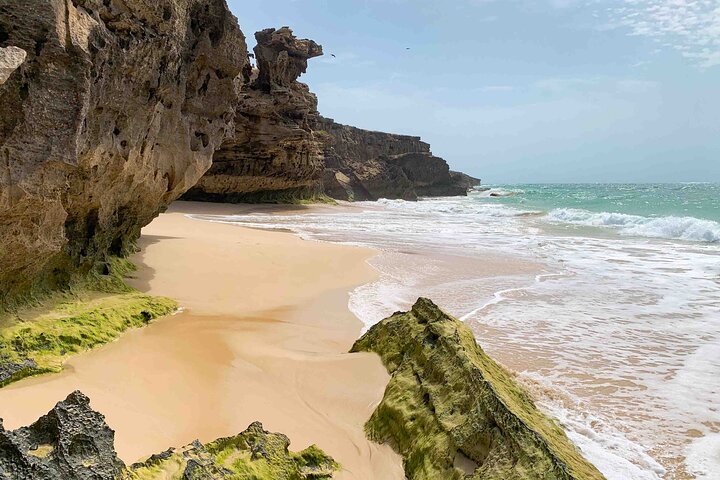
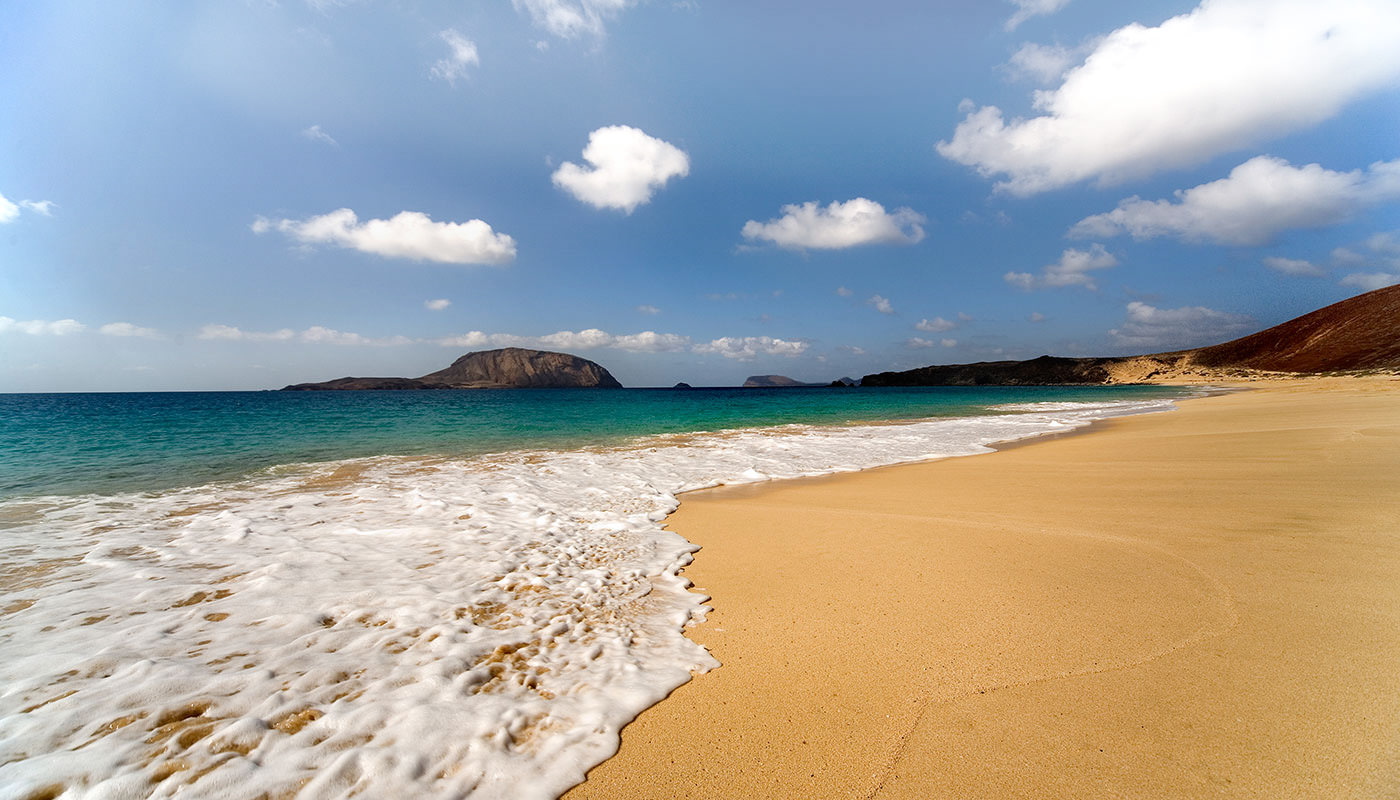
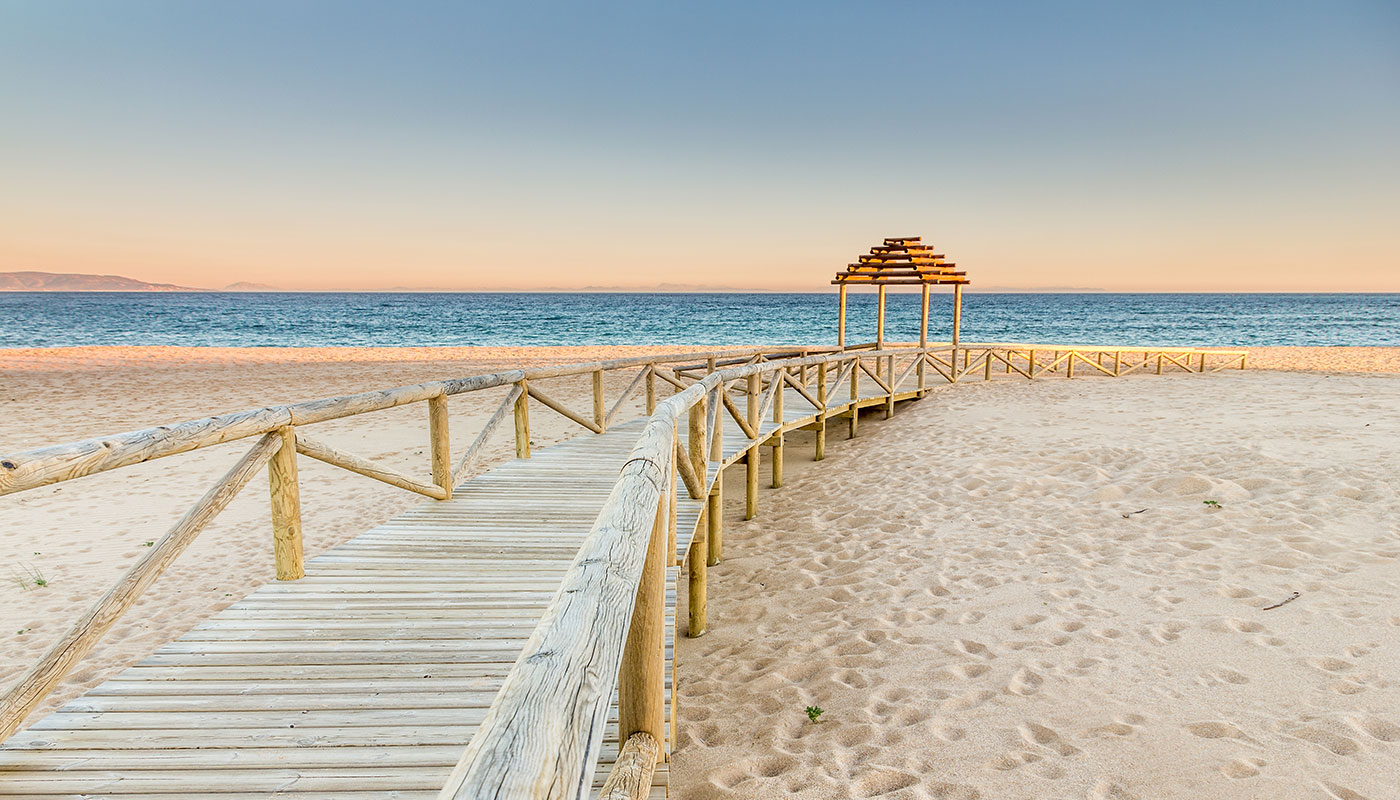
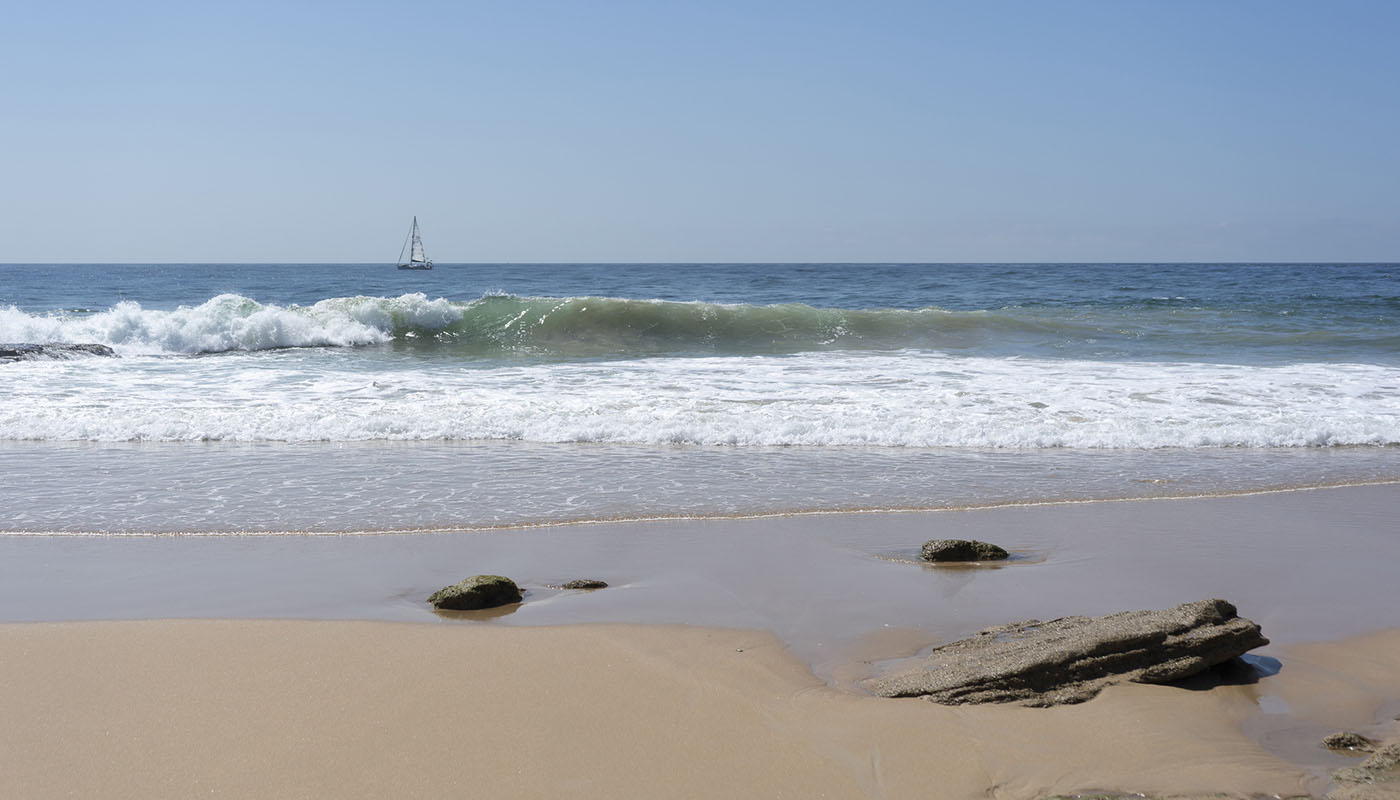
If you are looking for a wilder landscape, Santa Maria beach, with its golden sand and powerful waves, is an ideal place for photography and nature lovers. You can also visit the dunes and cliffs on Ponta Antónia, where the wind carves whimsical shapes in the sand, there are breathtaking views of the Atlantic and the feeling of isolation is absolute.