






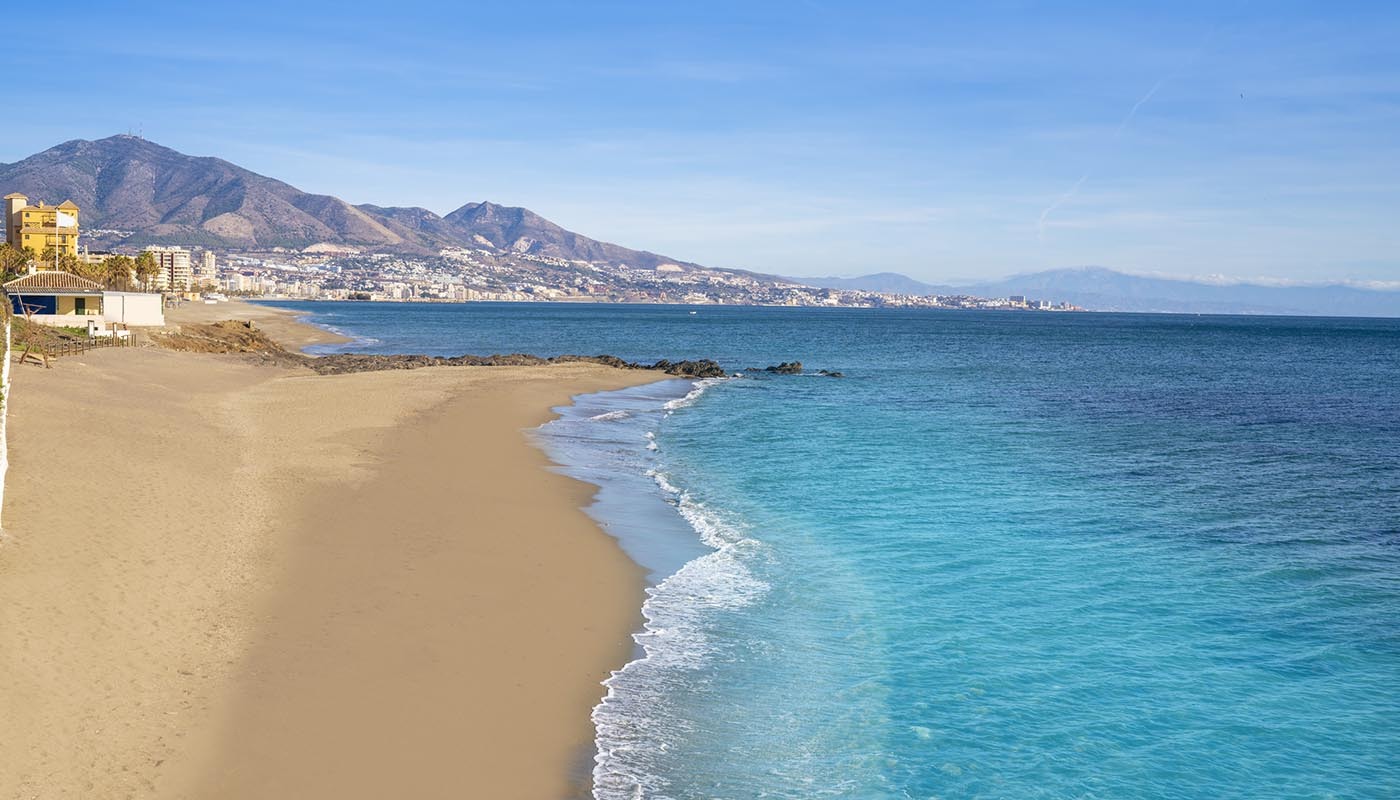














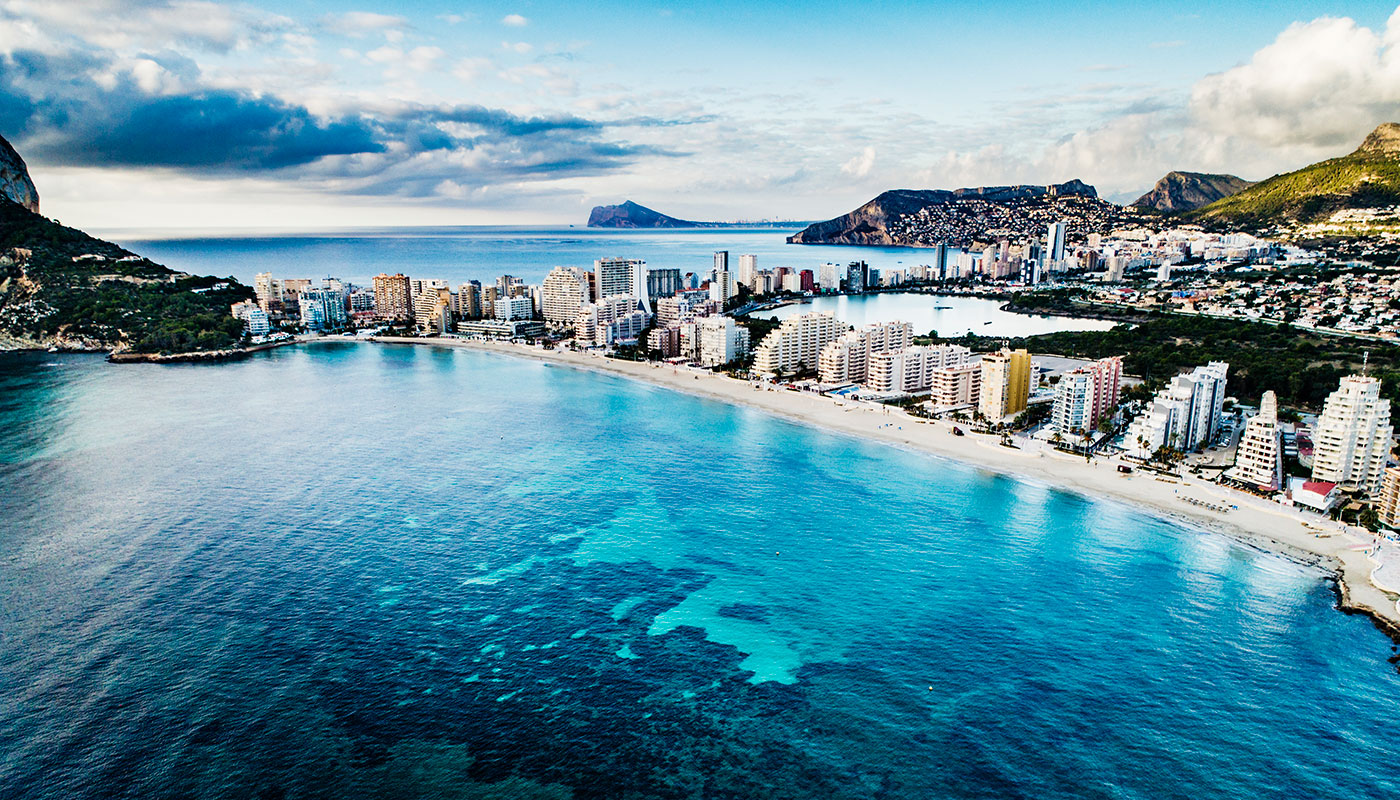
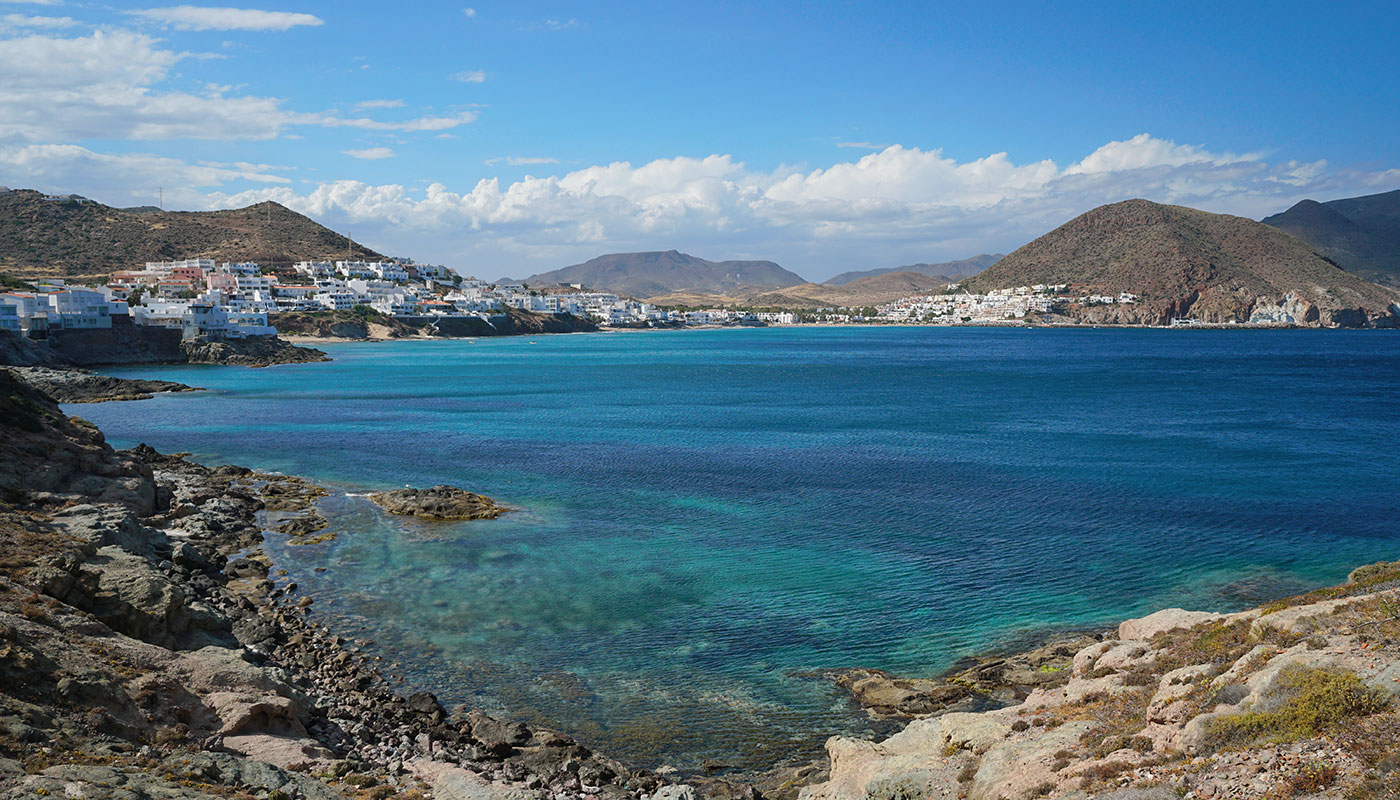

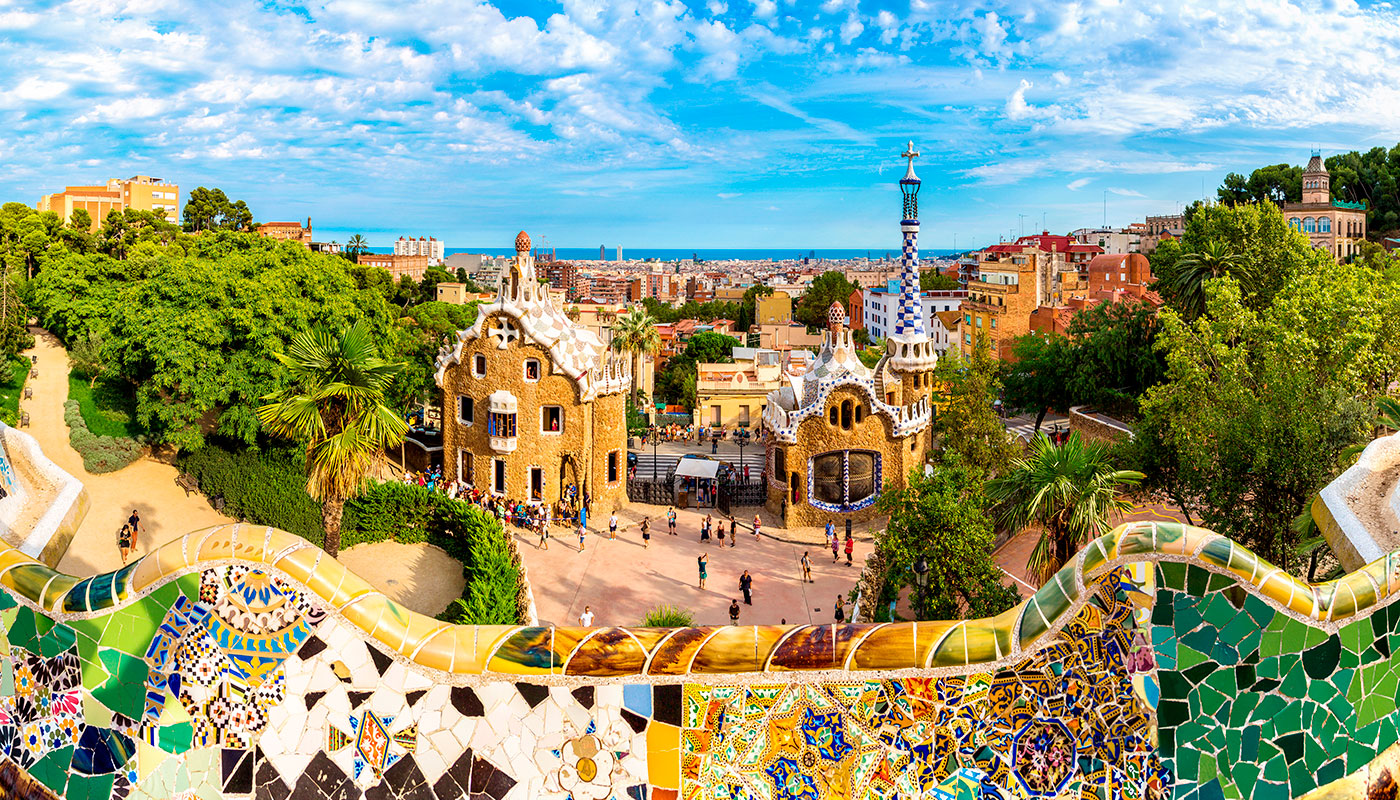
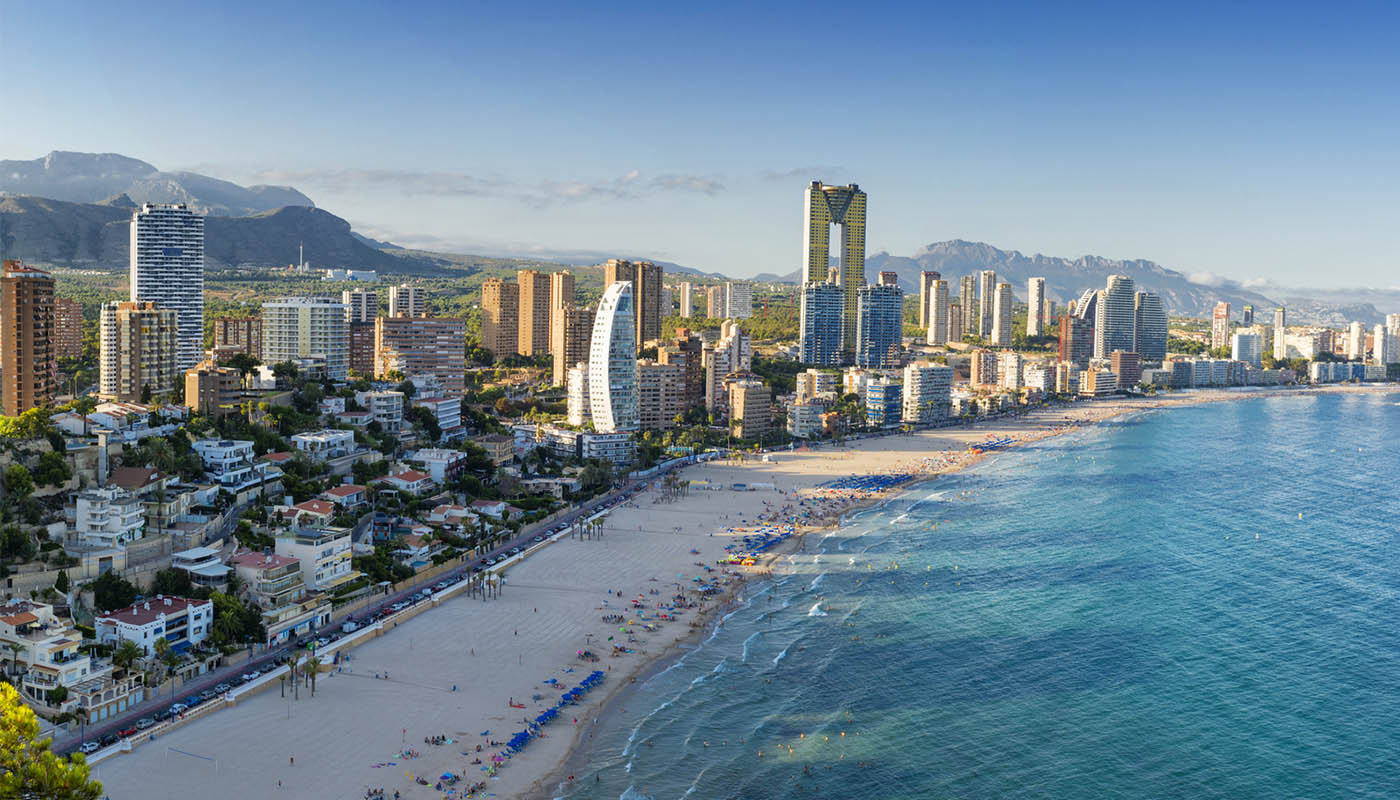


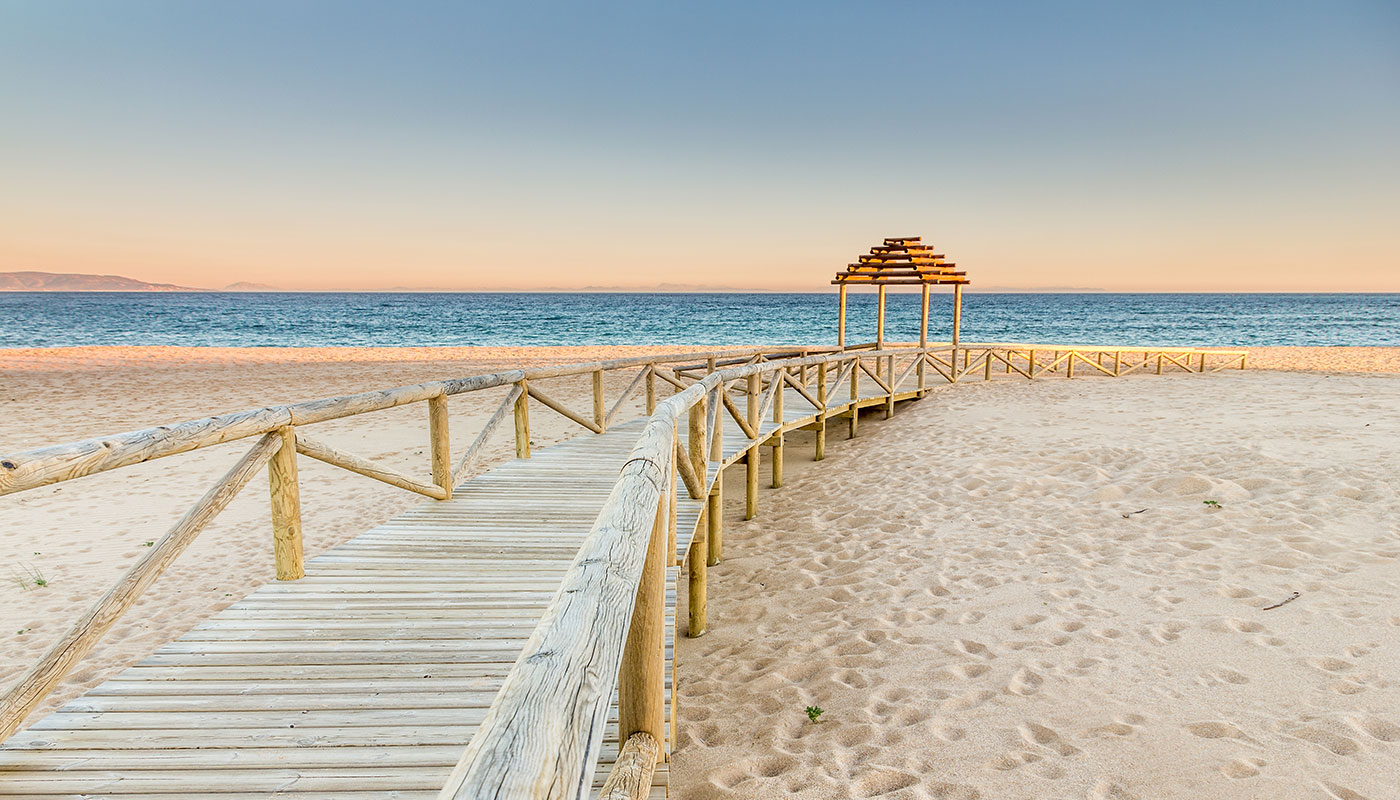




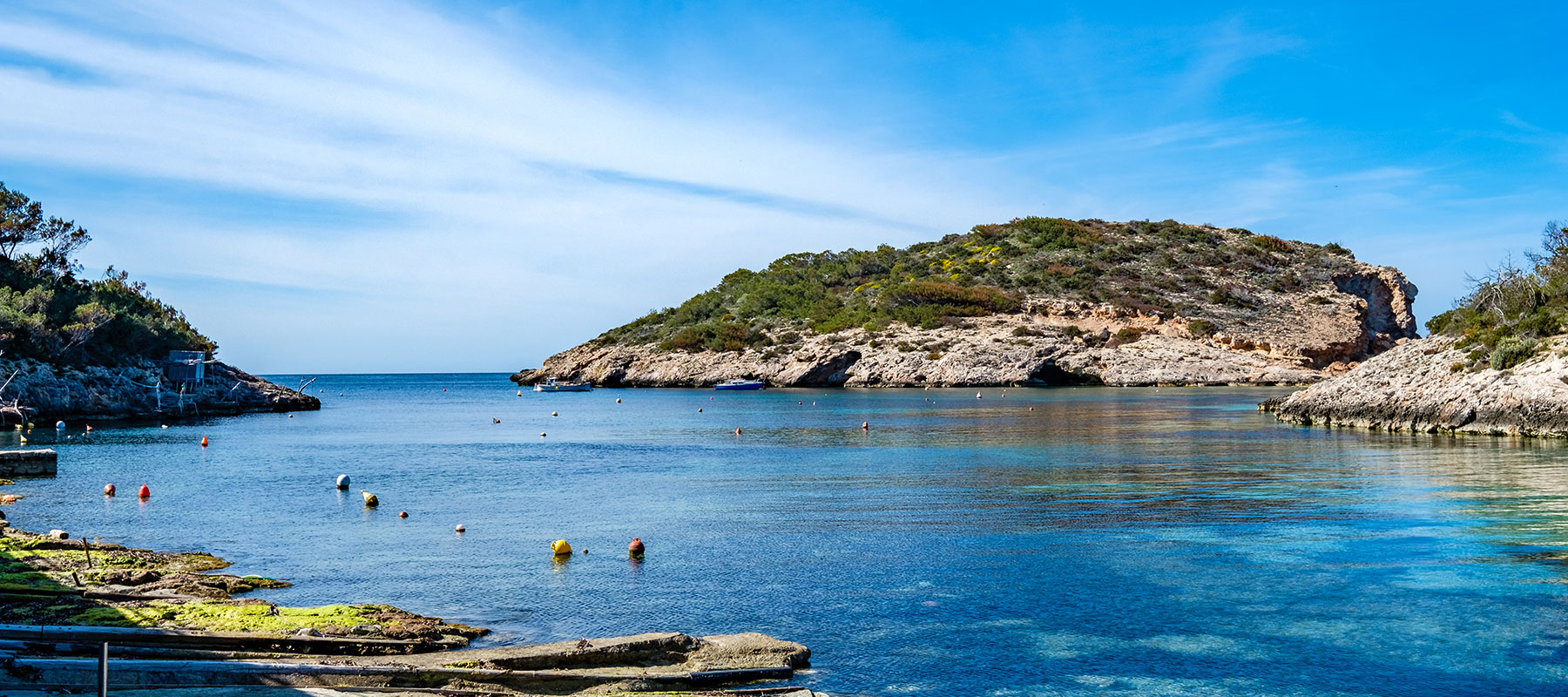





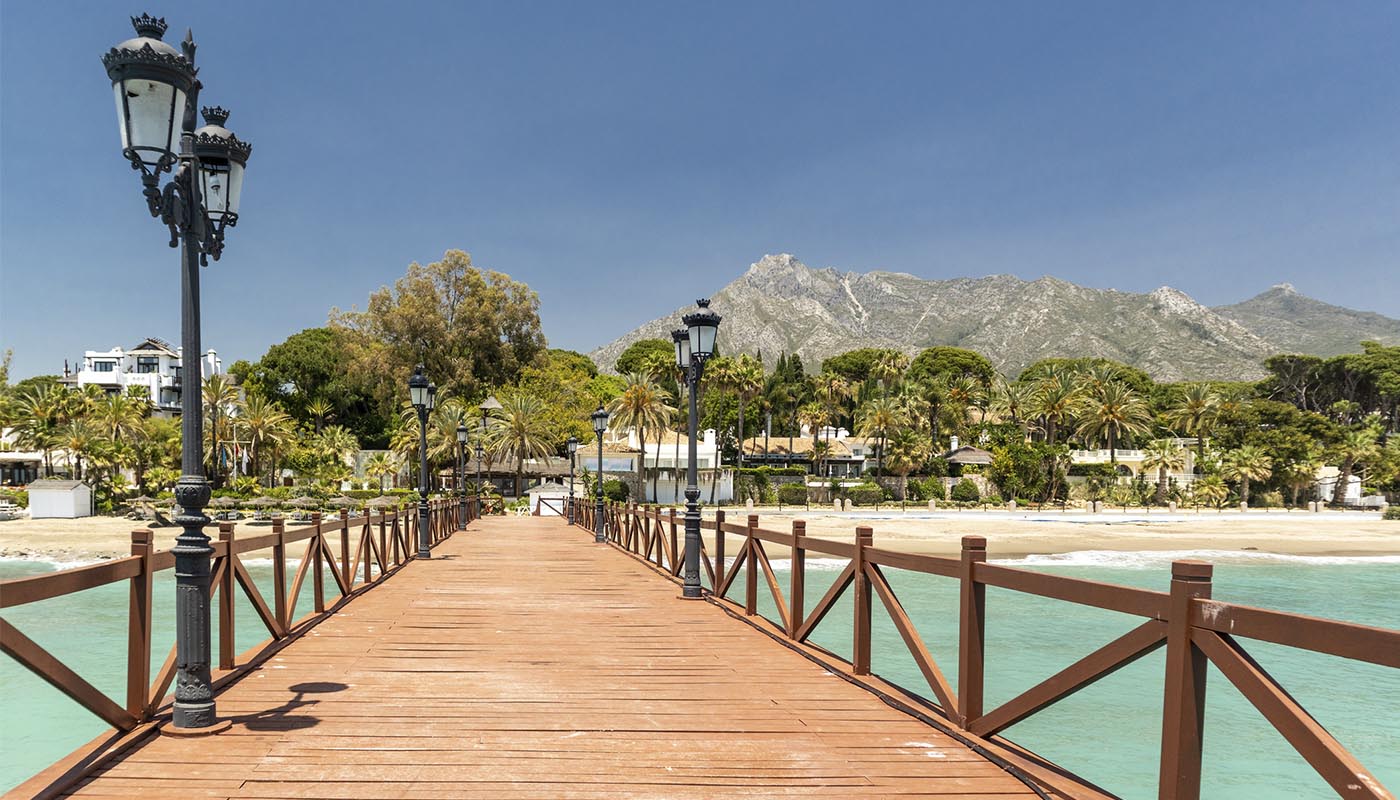
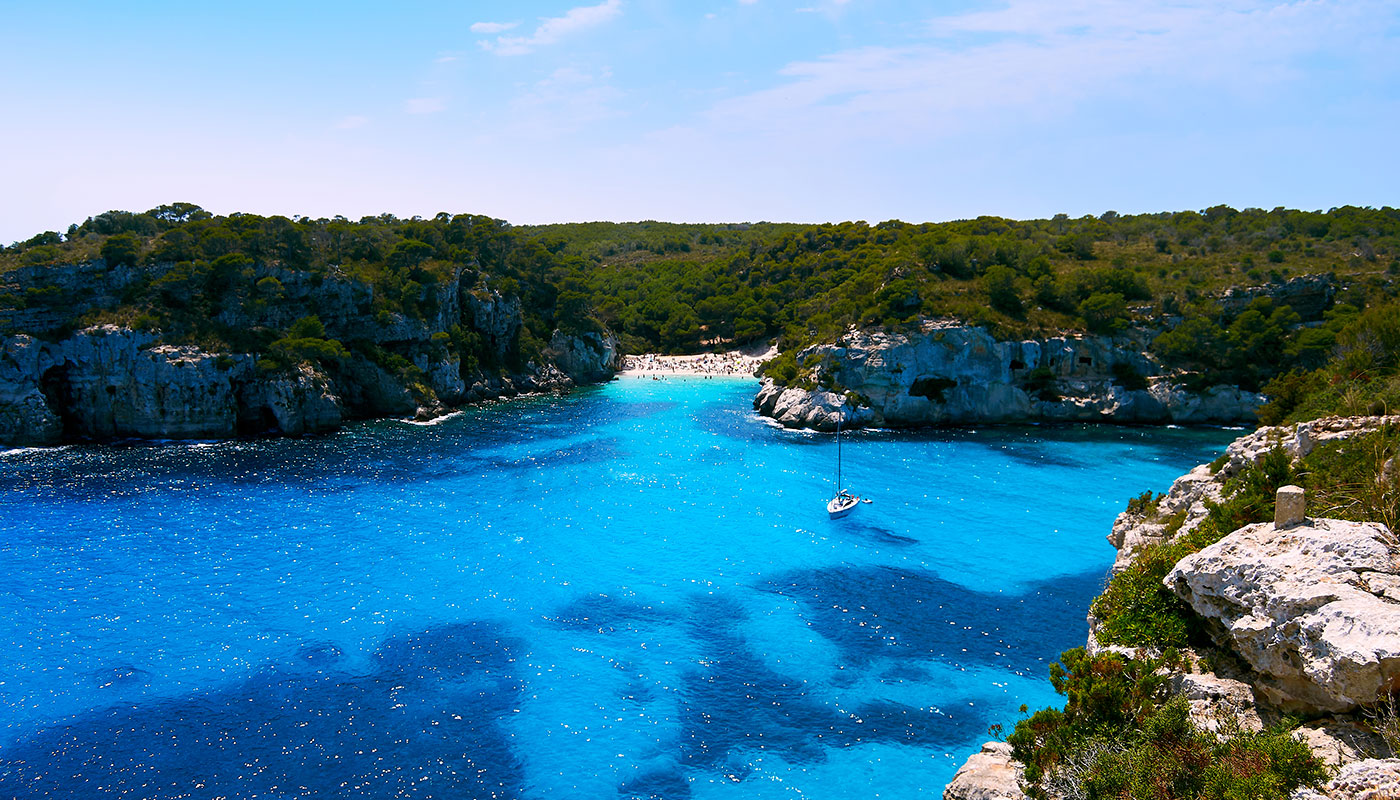


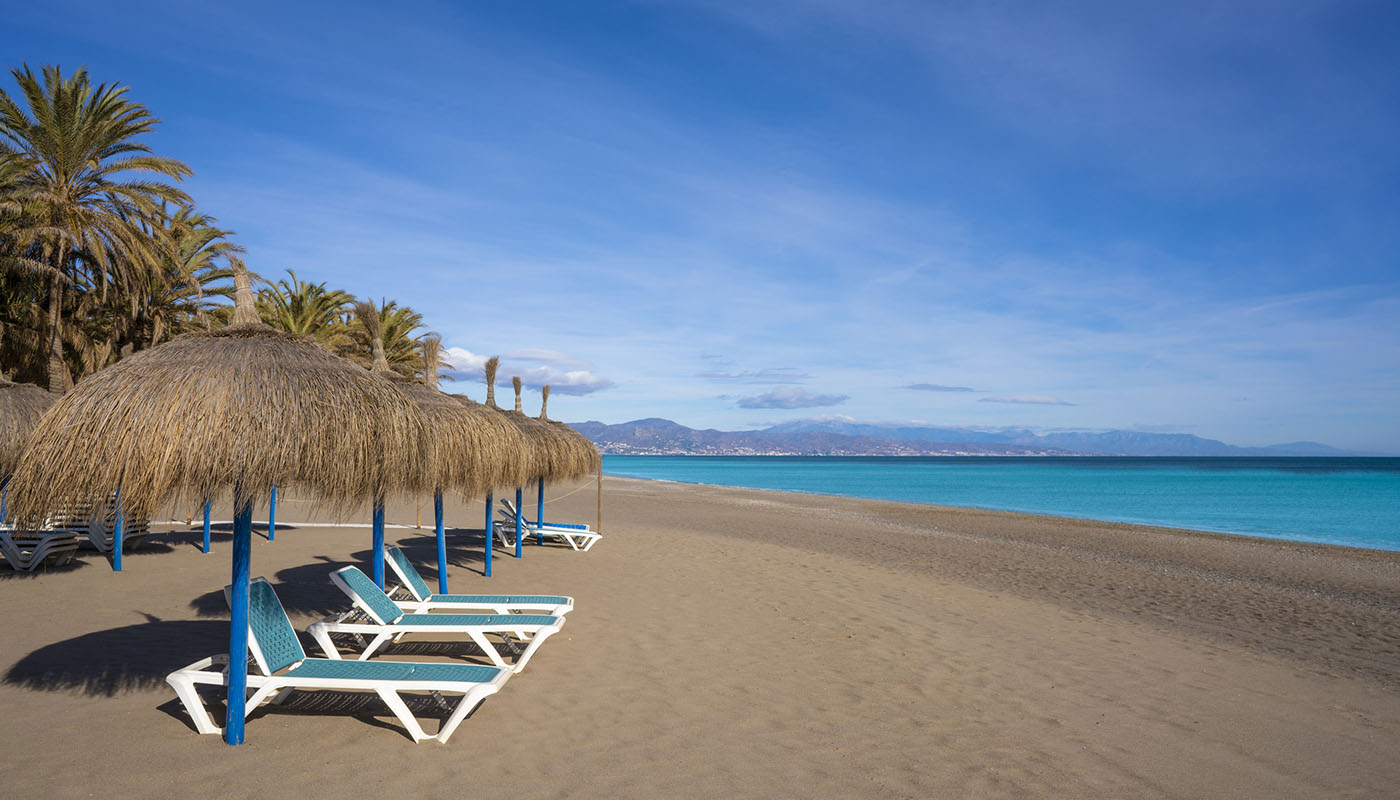







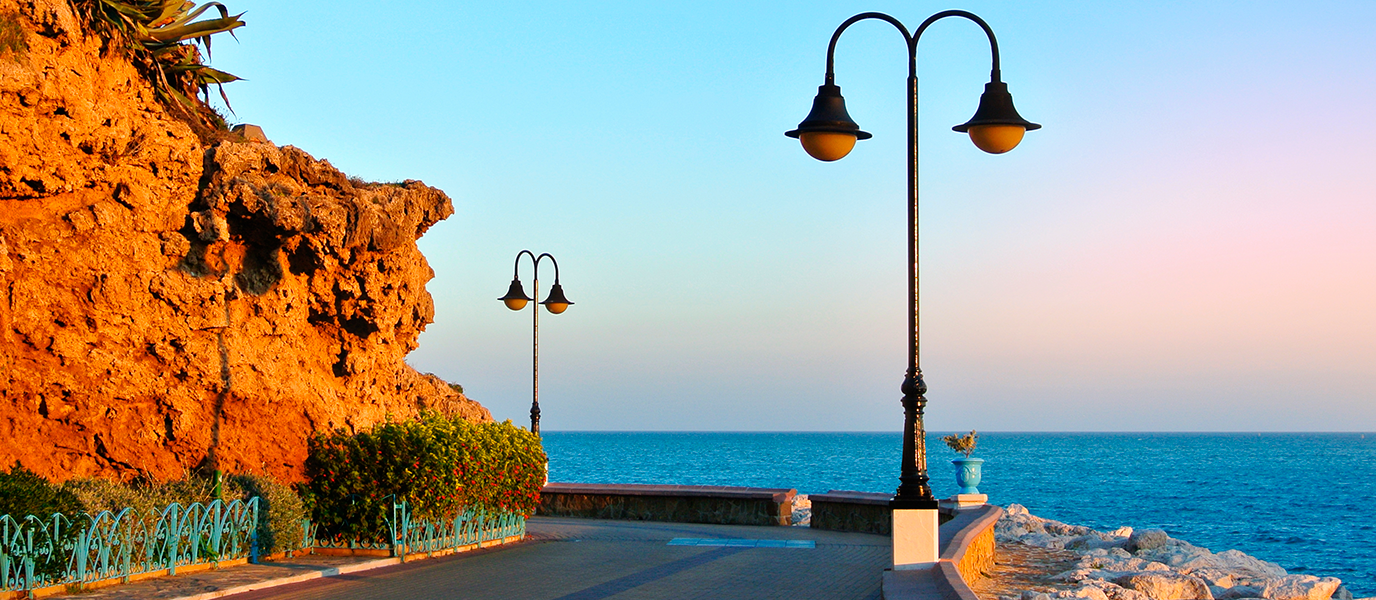
Torremolinos’ seven-kilometre beachfront promenade runs almost the full length of its Mediterranean coastline.
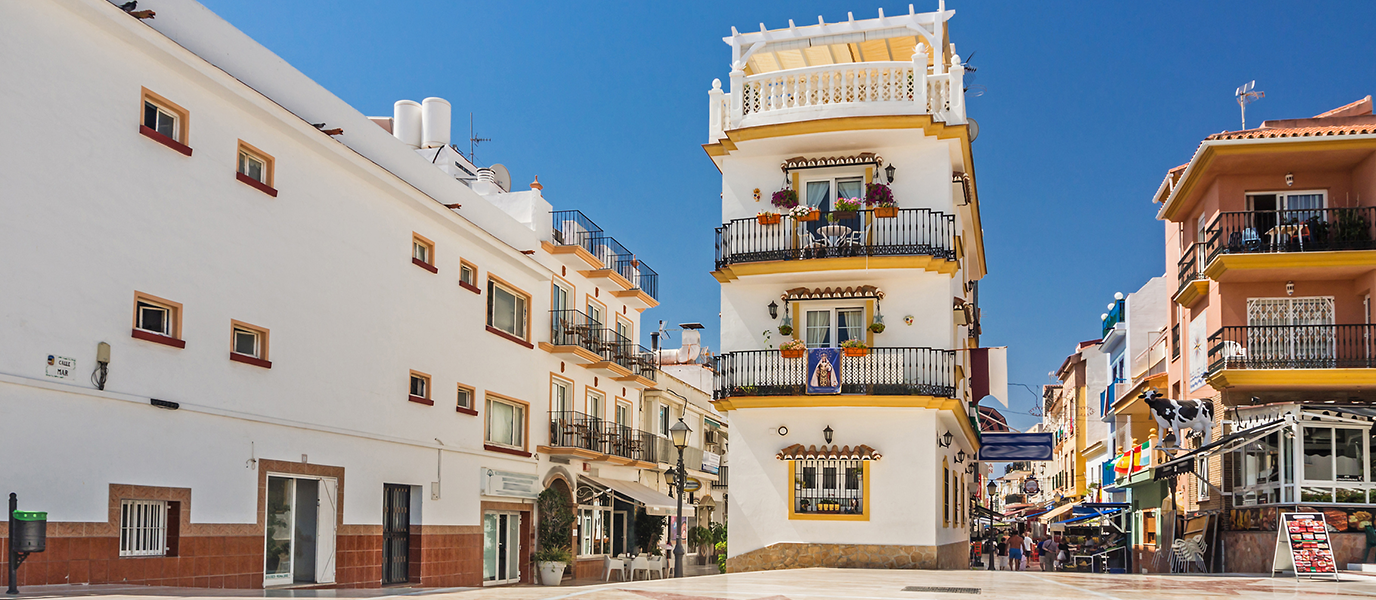
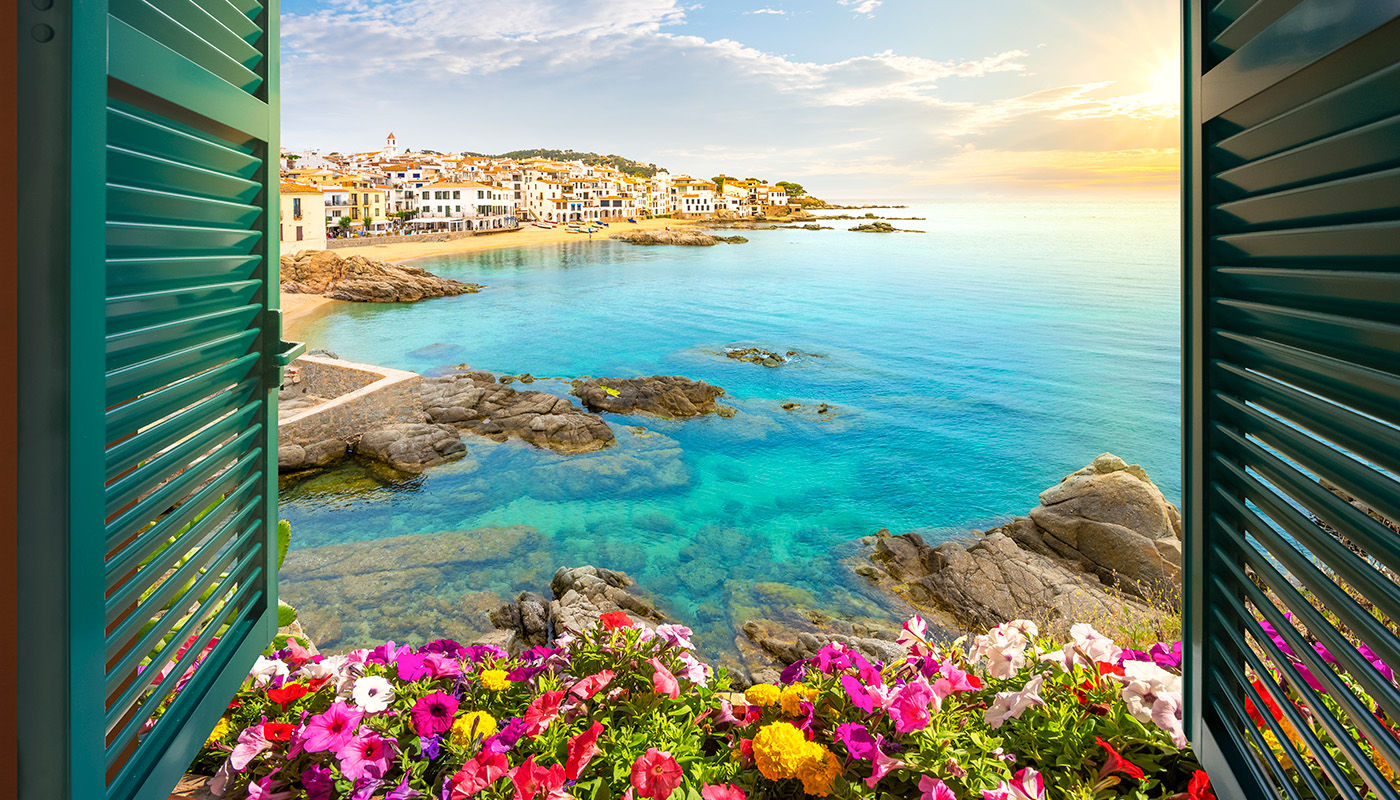
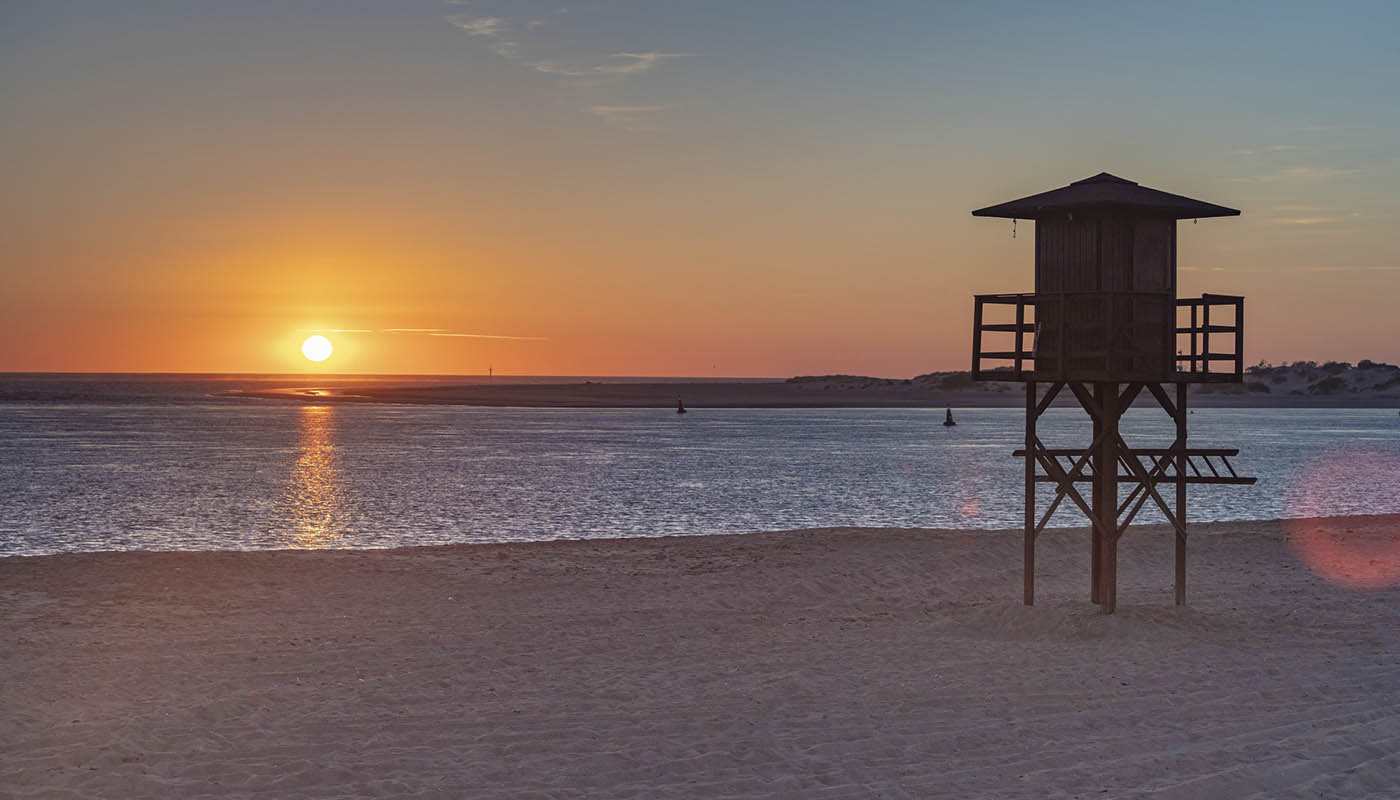
Early morning and sunset are the two best times to go for a walk, cycle, run or scooter ride along this stunning beachfront promenade. This walkway offers convenient access to the main beaches of this former fishing village–including La Carihuela and El Bajondillo–as well as a range of ‘chiringuitos’, supermarkets, restaurants, hotels and typically Andalusian whitewashed buildings.
We recommend starting the day at one beach and ending it at another, taking pit-stops as you walk along the coastline to sample the town’s ‘espetos’ (grilled sardines), fried squid and other delicious southern Andalusia delicacies (accompanied by a refreshing drink or two!)
If you’re looking for nightlife, you won’t need to go very far. The stretch of the promenade above Los Álamos Beach is punctuated by some of the area’s most popular nightclubs and late night venues.
- From One End of Torremolinos to the Other
- Main Points of Interest Along the Promenade
- Beaches Along the Promenade
- Where to Eat: Restaurants and Beach Bars
From One End of Torremolinos to the Other
Torremolinos’ beachfront promenade runs from the Camino de la Cizaña (which begins in the neighbourhood of the same name in the neighbouring city of Málaga) all the way to the westernmost tip of La Carihuela Beach, stopping before the border with Benalmádena.
Approximately halfway along the promenade, a natural rocky promontory known as La Punta de Torremolinos (but more commonly referred to as El Morro) divides the walkway into two main sections: the eastern Los Álamos Promenade and the western La Carihuela Promenade.
You can reach Torremolinos’ beachfront promenade from any part of town: all you need to do is head toward the sea!
Main Points of Interest Along the Promenade
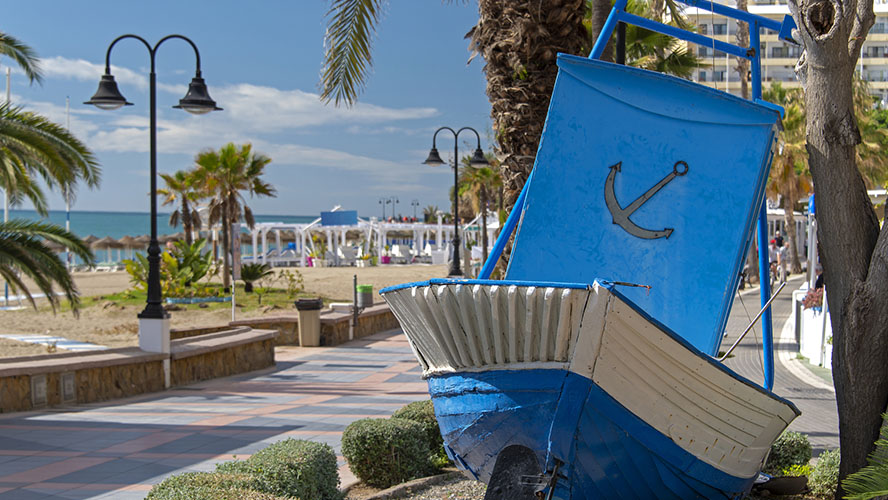
Torremolinos’ beachfront promenade contains several grassy areas featuring palm trees. These green havens are ideal for seeking shelter from the sun, enjoying a quiet moment for yourself or even practising yoga. The promenade’s biggest draw, however, is the magnificent perspective it offers of the town’s dark sandy beaches and the calm Mediterranean waters. From the other side of the promenade, you’ll be able to admire the town’s early tourism infrastructure from the 1960s. In this decade, Torremolinos played a key role in Spain’s tourism boom through the construction of huge hotel complexes and other tourist-centric infrastructures.
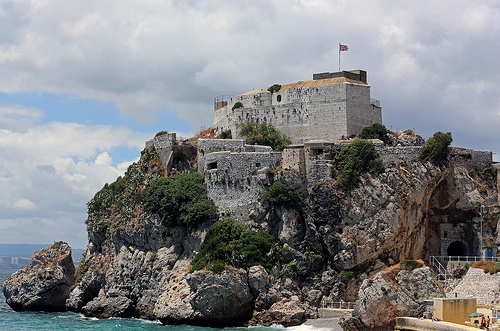
Half-way along the promenade stands the aforementioned El Morro promontory, which acts as a natural boundary between La Carihuela and El Bajondillo beaches. At the top stands the Santa Clara Castle: now an apartment complex, but originally a fort constructed in 1763 to protect the Bay of Málaga from pirates. In 1898, English army commander Langworthy and his partner Anne Margaret Roe purchased the castle (used as police barracks at the time) and turned it into a private residence with gardens and sea views. Later, it became a hotel that was visited by celebrities such as Salvador Dalí and his muse Gala Éluard. The latter famously made history here in 1930 with the first documented topless sunbathing in Spain and, therefore, the Costa del Sol.
Another landmark on Torremolinos’ beachfront promenade is the Hotel Pez Espada, which opened in 1959 as the Málaga province’s first five-star hotel and a clear exponent of ‘relax architecture.’ This hotel famously hosted showbiz icons such as Ava Gardner, Marlon Brando, Frank Sinatra and Brigitte Bardot in the 1960s, exemplifying Torremolinos’s rise as an attractive destination during this ‘boom’ period of Spanish tourism.
Beaches Along the Promenade
All of Torremolinos’ urban beaches can be accessed from its seven-kilometre promenade. From east to west, these are Los Álamos, Playamar, El Bajondillo and La Carihuela. The first three beaches are directly connected, whereas La Carihuela is located on the other side of the El Morro promontory.
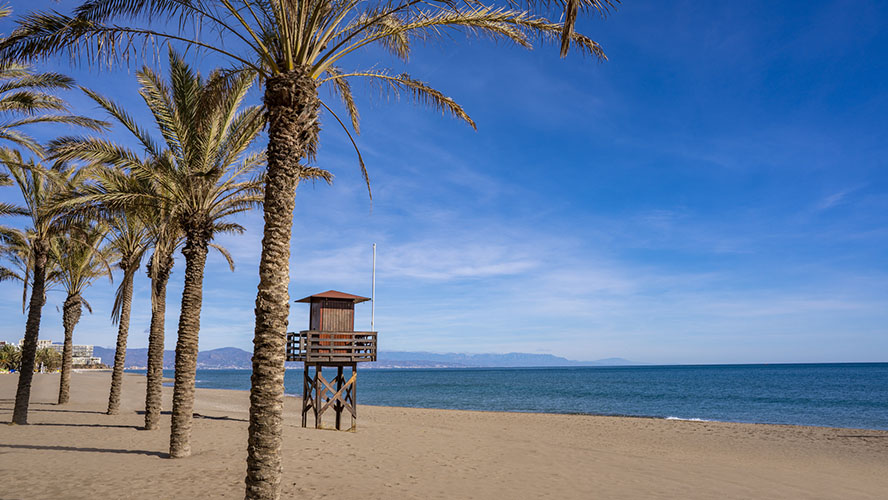
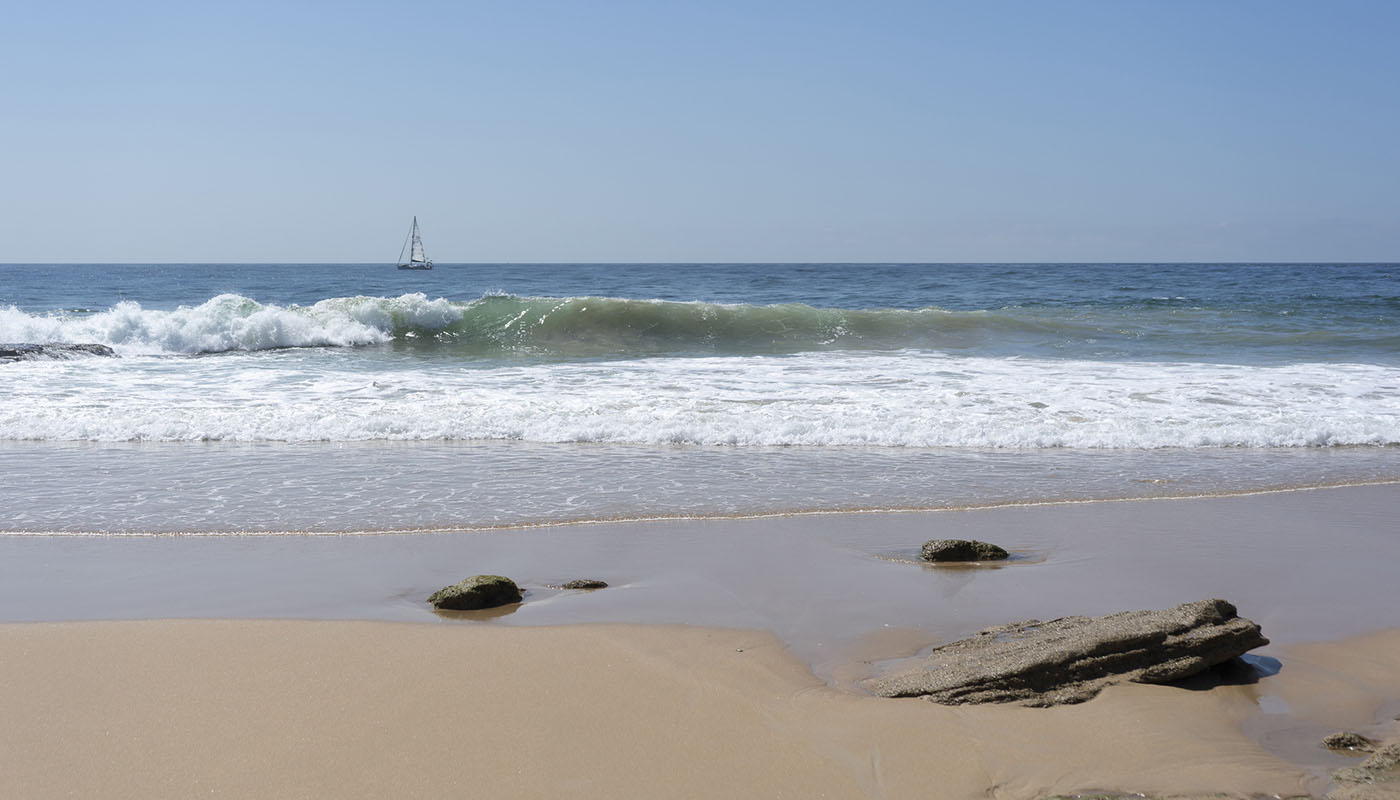
These beaches, which are characterised by gentle waves, are perfect for practising water sports such as paddleboarding, kayaking and snorkelling. They are well-equipped to meet the needs of all kinds of beachgoers, with a comprehensive range of services and accessible areas for those with reduced mobility.
Visitors should note that these beaches tend to be busy, particularly in high season. However, the occupation level can vary depending on the time of day. All of the beaches have their own ‘chiringuito’ beach bars where you can enjoy a refreshing drink and some delicious ‘pescaito frito’ (fried fish). Playamar and Los Álamos are also well regarded for the range of cocktail bars and the vibrant nightlife that can be enjoyed on their stretch of the promenade.
Where to Eat: Restaurants and Beach Bars
Feeling peckish? Whether you’re sunbathing, swimming or going for a stroll along Torremolinos’ beachfront promenade, you won’t have to travel far to find exquisite food. This famous walkway is lined with a vast range of restaurants and beach bars that cater to all tastes and budgets.
Located on the stretch of the promenade above Los Álamos Beach, Restaurante Ramos (Paseo Marítimo de Los Álamos) has been serving delicious Mediterranean seafood dishes since 1980.
On Playamar Beach, Chiringuito Los Manueles has been a seafront favourite for more than 40 years, delighting diners with traditional Costa del Sol dishes such as bay-caught fried fish, grilled sardines, shellfish and grilled meats.
Towards the western end of El Bajondillo Beach, El Gato Lounge (Calle Casablanca, 27) offers a daily set menu, creative tapas and an impressive range of refreshing cocktails.
Located on the section of the promenade above La Carihuela Beach, La Caleta Beach Club (Playa de la Carihuela) is a hybrid between a traditional ‘chiringuito’ and a contemporary beach club, where you can sip a cocktail while enjoying live music.