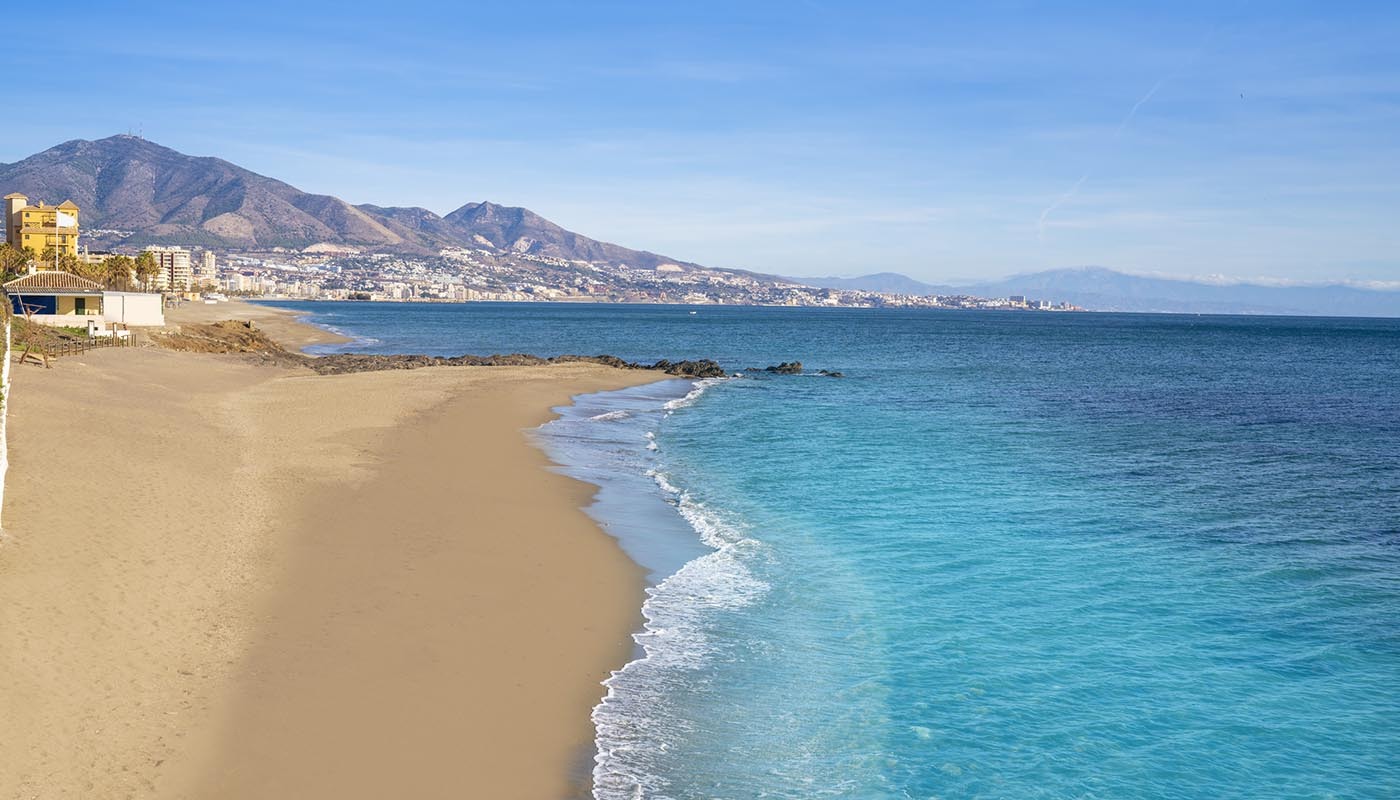









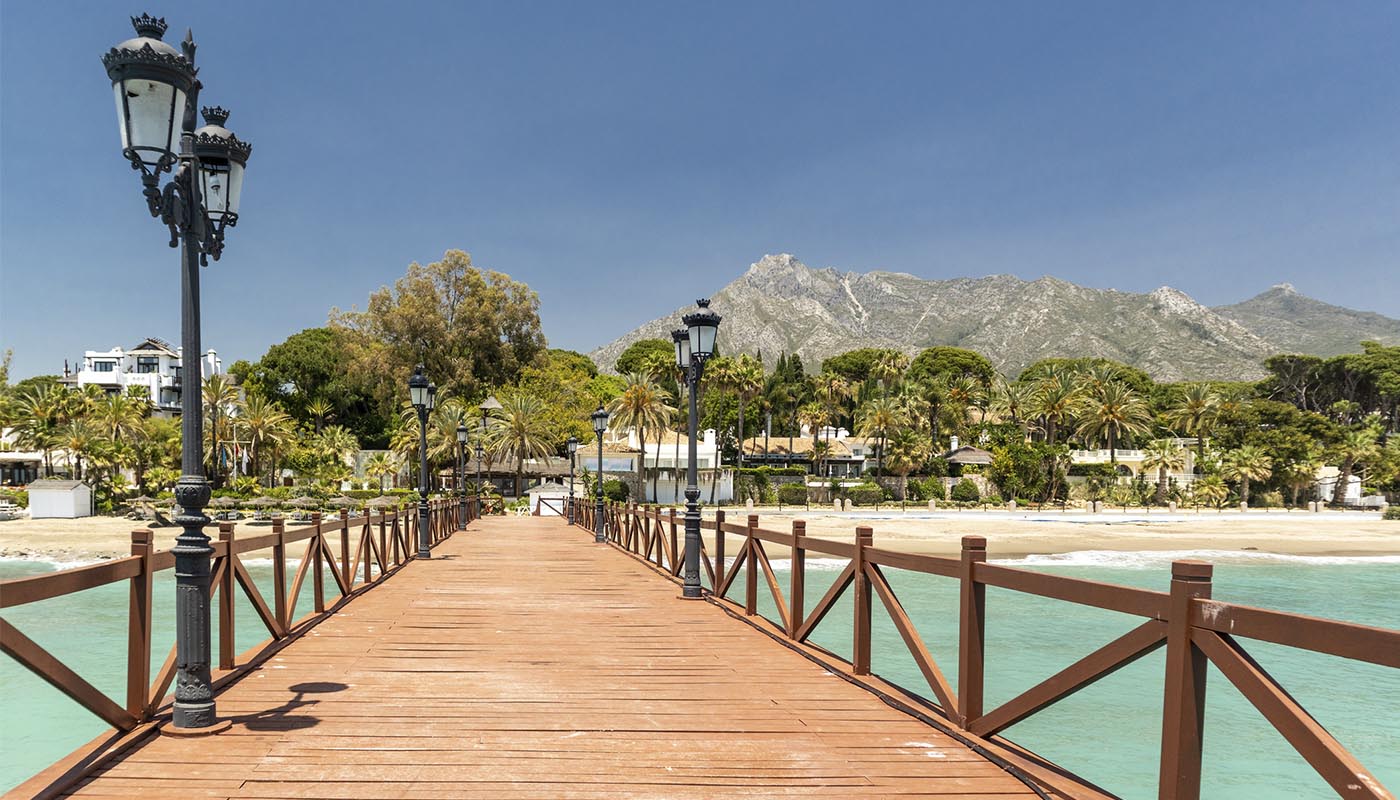
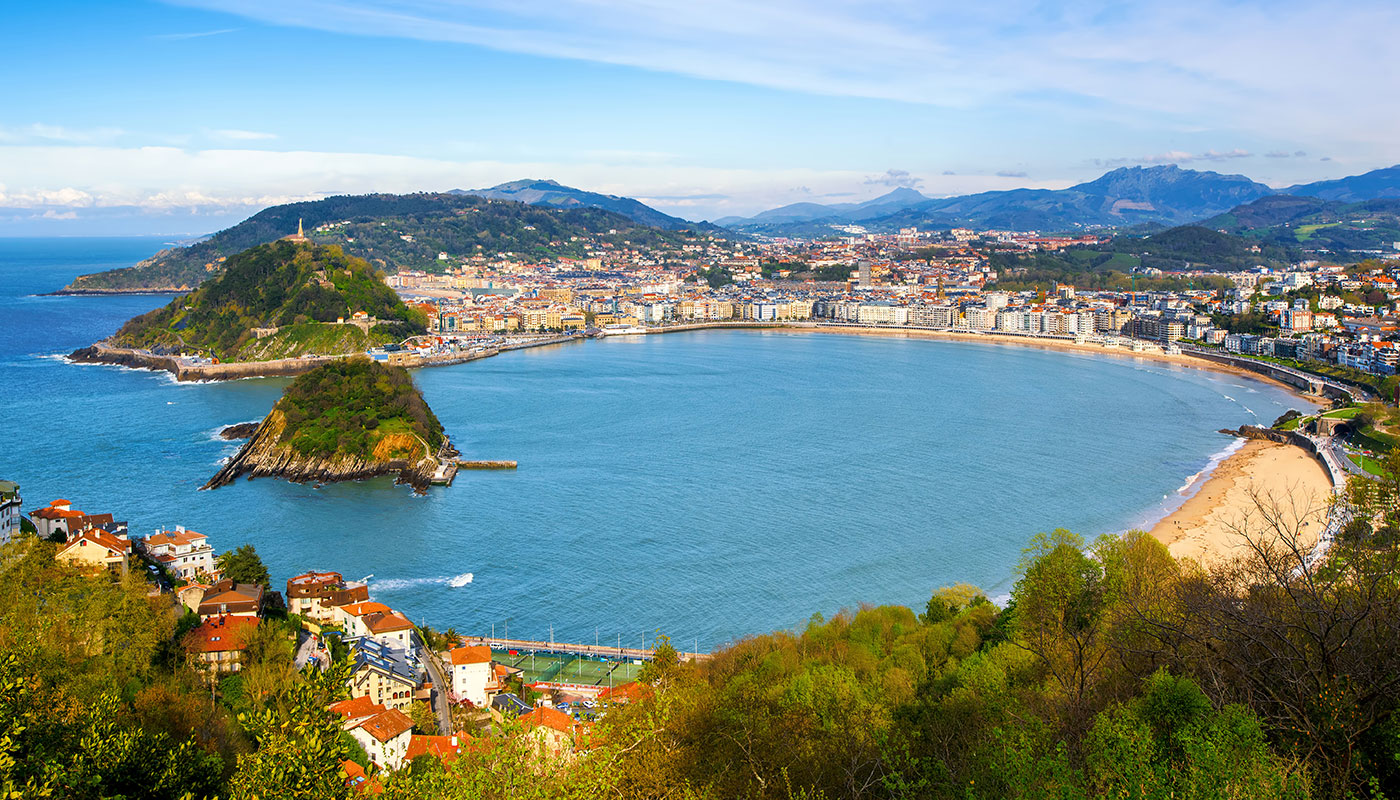
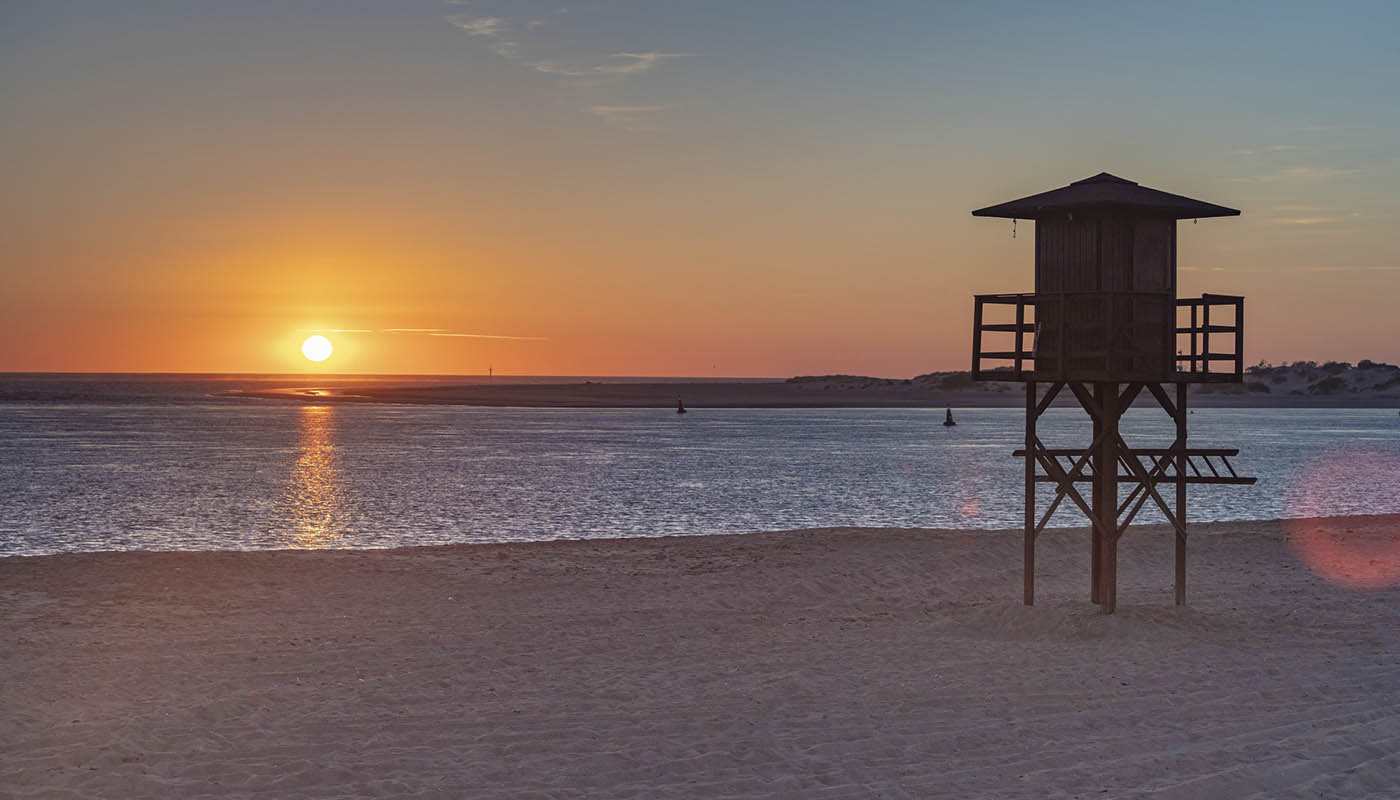
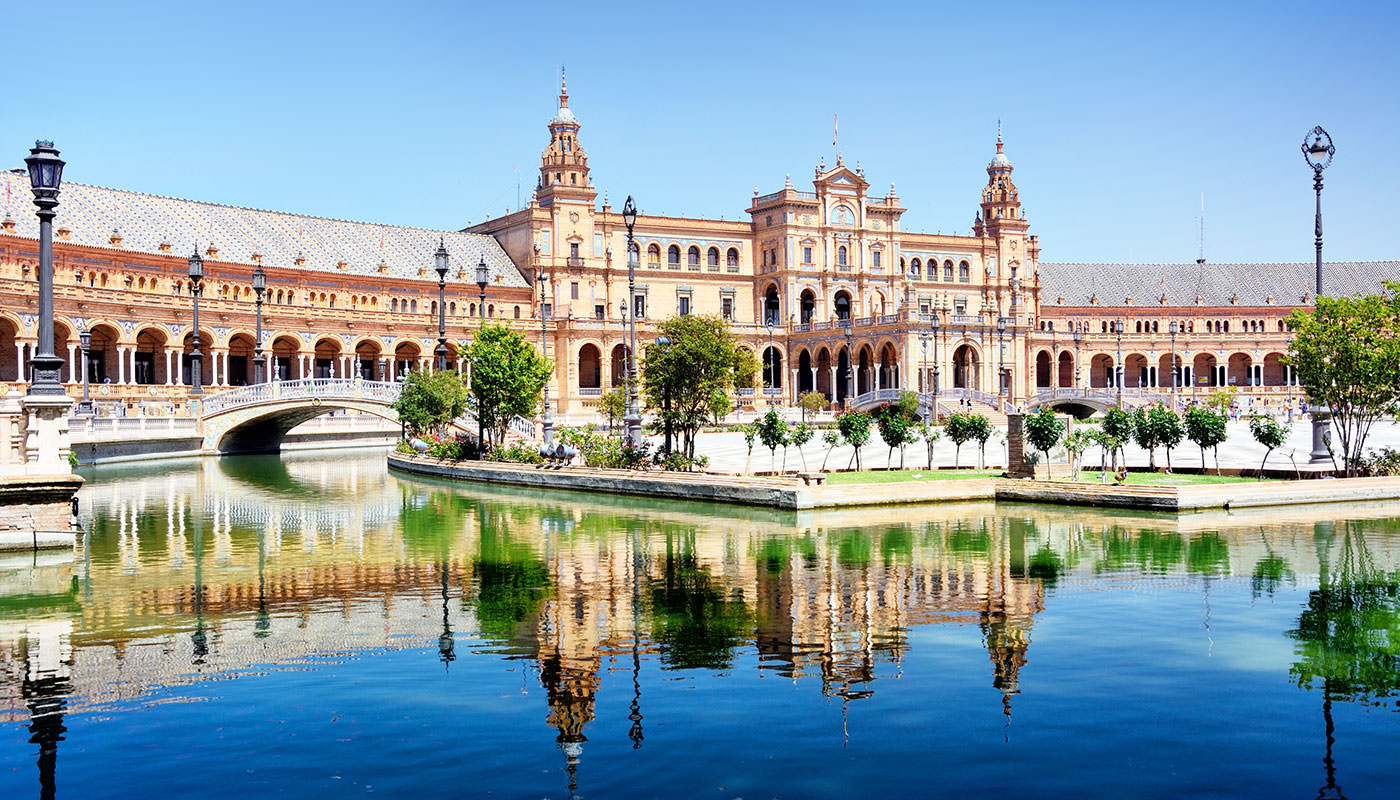
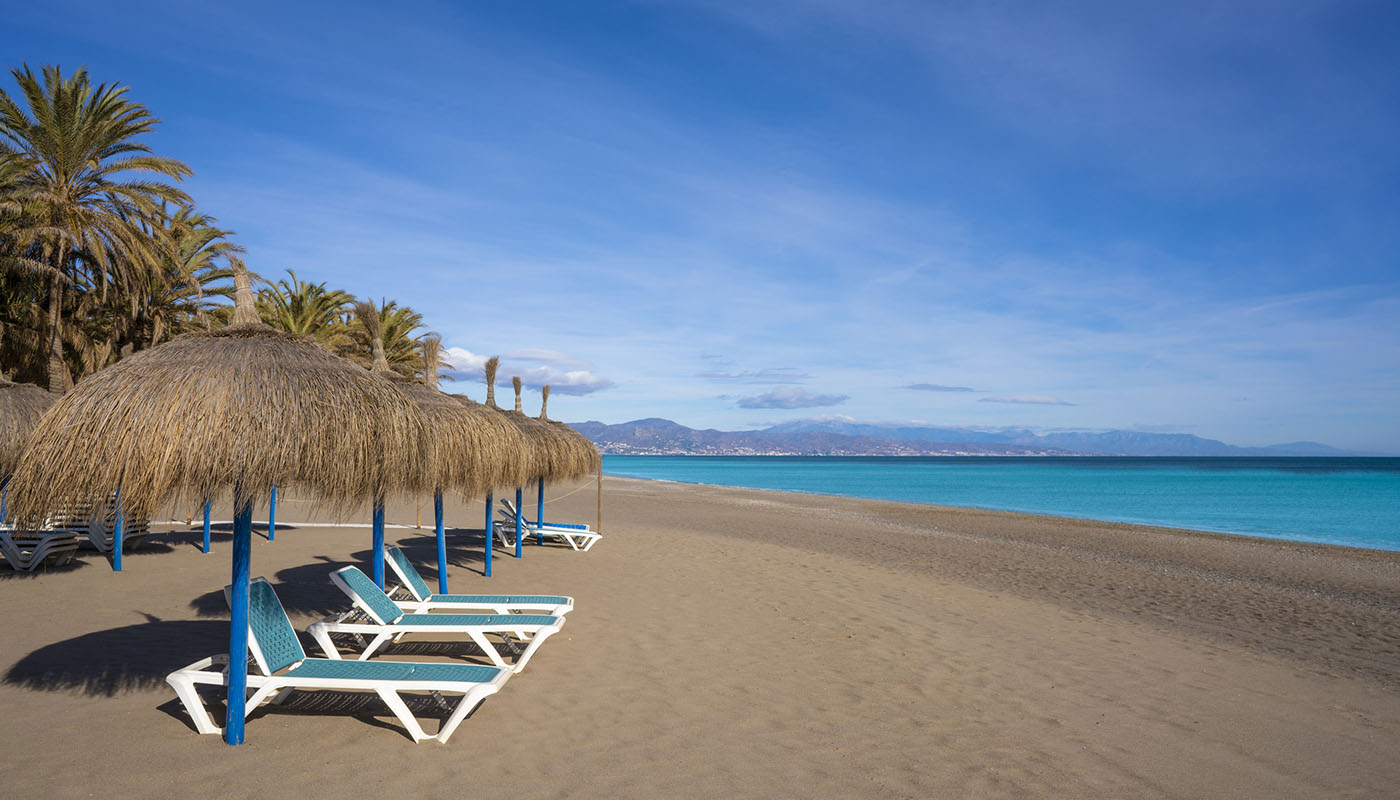


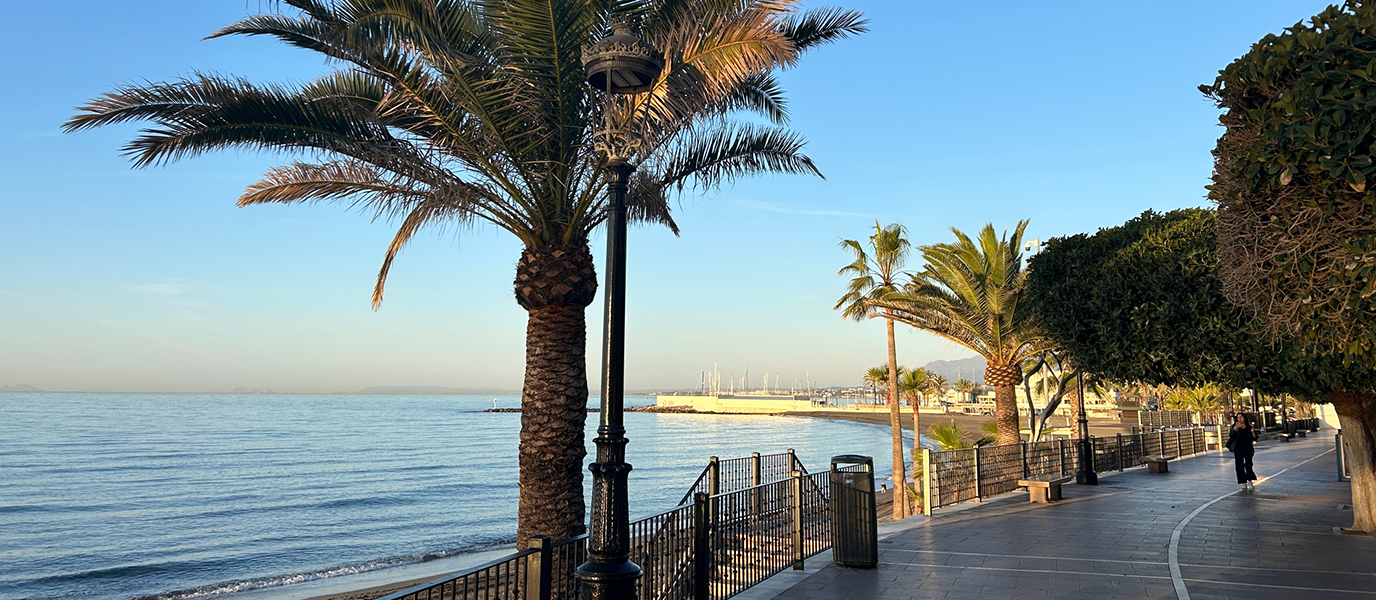
From the city’s main marina to the entrance of Puerto Banús, the Seafront Promenade runs along six kilometres of urban coastline where the city reveals all its different faces. Beneath the shade of palm trees, this paved path holds the memory of the old fishing village alongside the glamour of international Marbella, in a journey that unfolds step by step through beaches, sculptures, gardens, beach bars and stately villas. Opened in the mid-20th century and gradually extended over the decades, the promenade is now one of the city’s most cherished public spaces, part of a reinvention that never betrayed its roots. Central European aristocrats and Andalusian fishermen have left their mark on its tiles, as have stylish tourists in wide-brimmed hats and early-morning runners in the golden light of dawn. It is a prime showcase of Marbella’s lifestyle: cosmopolitan, relaxed, with feet in the sand and eyes always on the sea.
- Context and setting of the seafront promenade: Marbella’s coastal boulevard, between yachts and fishing nets
- Points of interest: coastal landmarks that tell Marbella’s story
- Bars and restaurants in the area: from traditional beach bars to fine dining
Context and setting of the seafront promenade: Marbella’s coastal boulevard, between yachts and fishing nets
The Seafront Promenade begins beside the central marina and stretches west along some of the city’s most iconic beaches: La Venus, El Faro, La Fontanilla and Casablanca, until it merges with the entrance to the luxurious Puerto Banús. This central stretch, around 6.5 kilometres long, forms a continuous and well-maintained coastal corridor where the tourist hustle and bustle blends with the life of the locals. To the east, the path continues intermittently towards Río Real, Bahía de Marbella and the semi-wild beaches of Los Monteros, though without the same sense of uniformity. From the Don Carlos Hotel in Elviria onwards, the coastline becomes rougher and more fragmented, with natural trails that are perfect for solitary walks and offer more open views.
The promenade, as we know, it began to take shape in the late 1960s, when Marbella transformed from a quiet fishing village into a hub of international tourism. At that time, figures such as Alfonso de Hohenlohe and Prince Fahd of Saudi Arabia helped redefine Marbella’s image, drawing aristocrats, artists and magnates to a location where the climate was mild year-round and glamour gradually replaced salt in the air.

However, the origins of this coastal route stretch back even further: as early as the 19th century, when Marbella began to emerge as a summer retreat for Andalusian elites, the first seaside paths were designed, rudimentary, yet full of charm. The need to connect the city’s growing coastal neighbourhoods, from the historic centre to emerging tourist resorts, gradually shaped the current promenade, which was not fully established until well into the 1990s. Today, it offers a meeting point between the traditional and globalised Marbella, between the shade of century-old ficus trees and the mirrored façades of five-star hotels.
Points of interest: coastal landmarks that tell Marbella’s story
Strolling along the Seafront Promenade is more than a nice thing to do, it’s a way of reading the city like a book out in the open air. One of the first landmarks is Avenida del Mar, a direct link between the old town and the sea, where a striking collection of bronze sculptures by Salvador Dalí is on display. “El elefante cósmico”, “Perseo” and “Don Quijote sentado” not only decorate the path, but also turn it into a surreal outdoor gallery, an unusual blend of art and daily life.
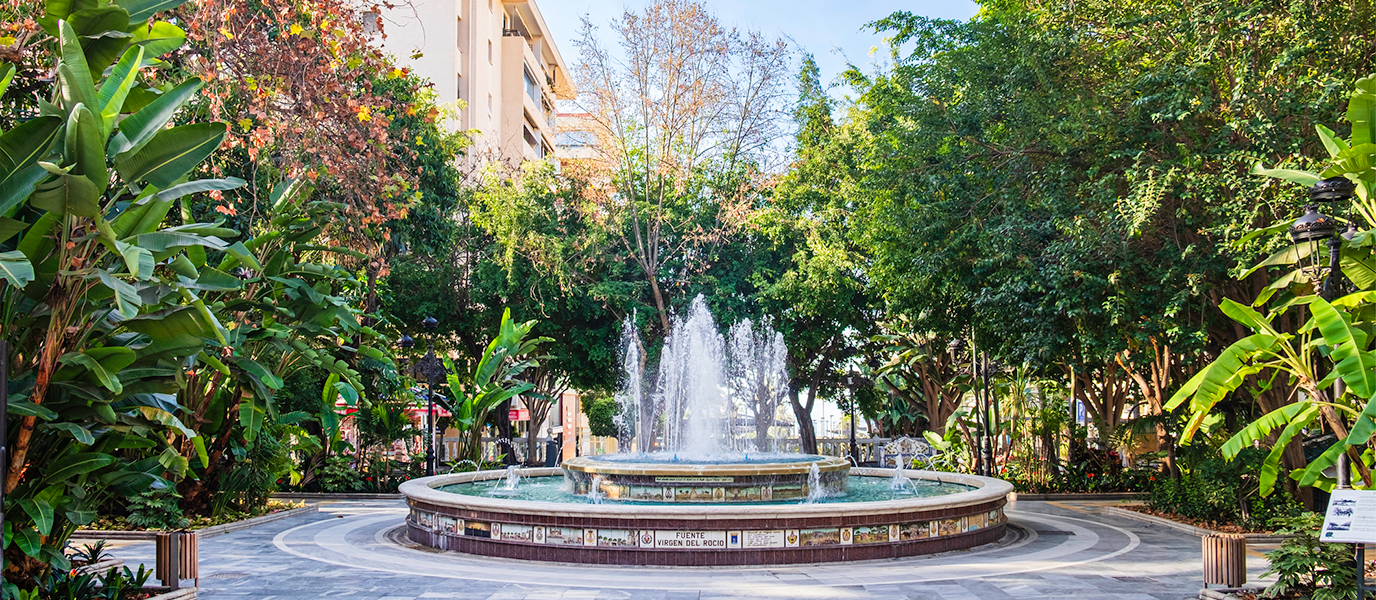
Nearby stands the Marbella Lighthouse, built in 1864, which guided sailors through these waters for over a century. Although now dwarfed by taller buildings, it remains a visual landmark, bridging the city’s maritime past with its modern tourist identity. Next to it, small squares with glazed ceramic benches and flower beds of hibiscus and jasmine invite visitors to pause and watch as the pace of the city slows down beside the sea.
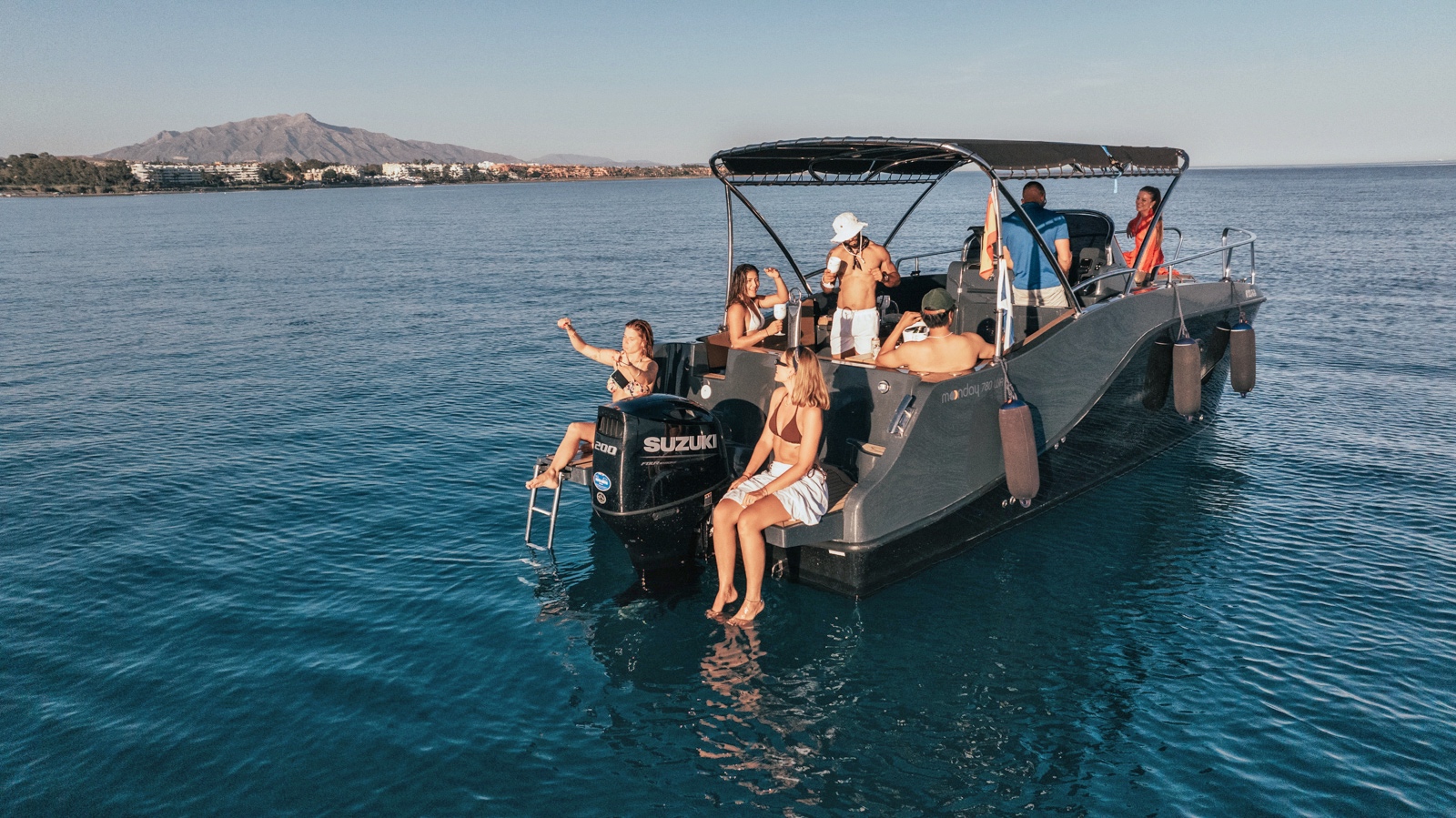
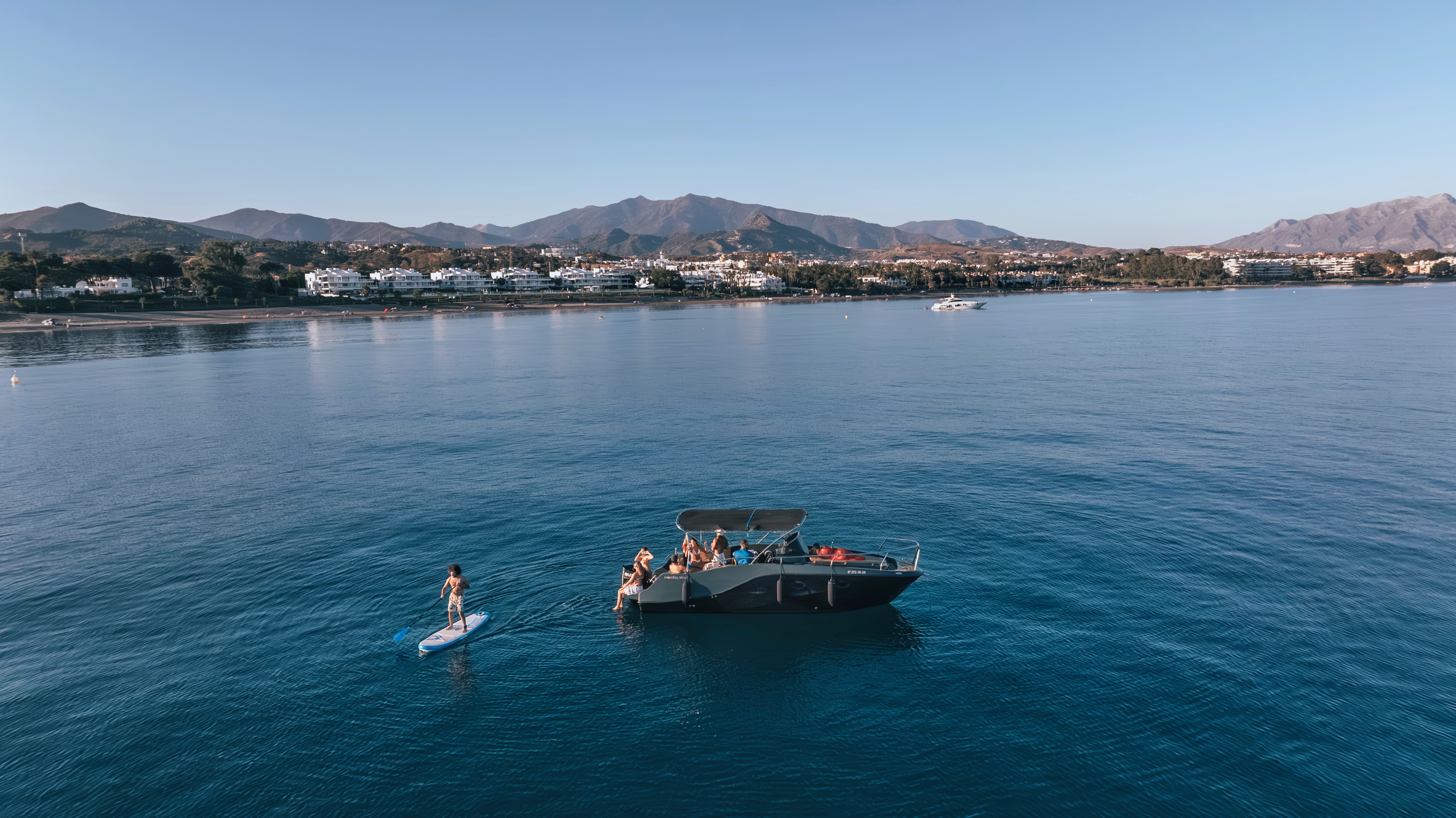
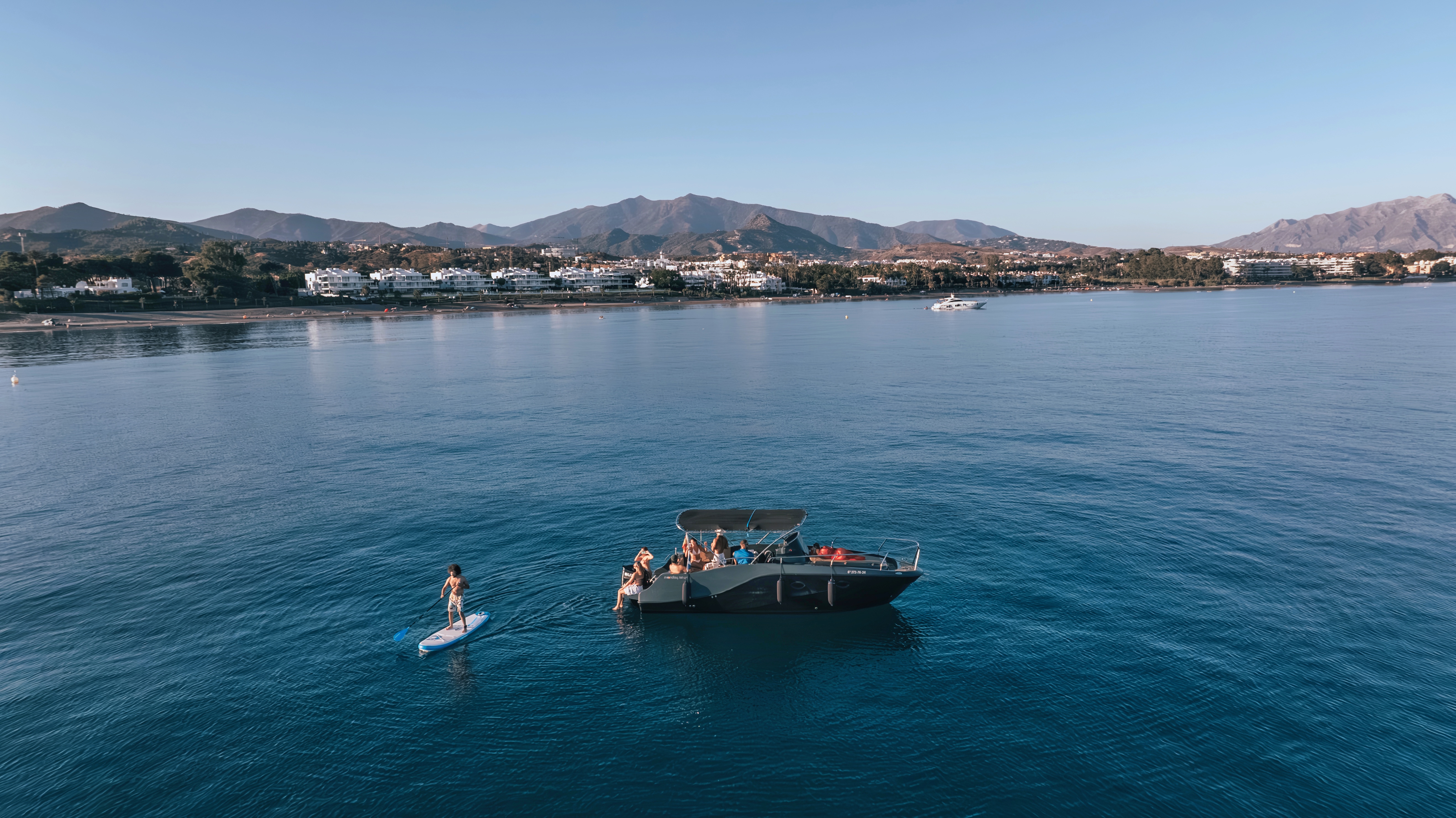
Marbella’s marina, also known as Puerto Marina La Bajadilla, is another essential stop. Unlike the flashy Puerto Banús, this port has a more human feel, with pleasure boats, local fishermen unloading their early morning catch and restaurants serving fried fish in paper cones. In summer, excursions depart from here for dolphin watching, paddleboarding or simply sailing to the horizon where the sea meets the sky.
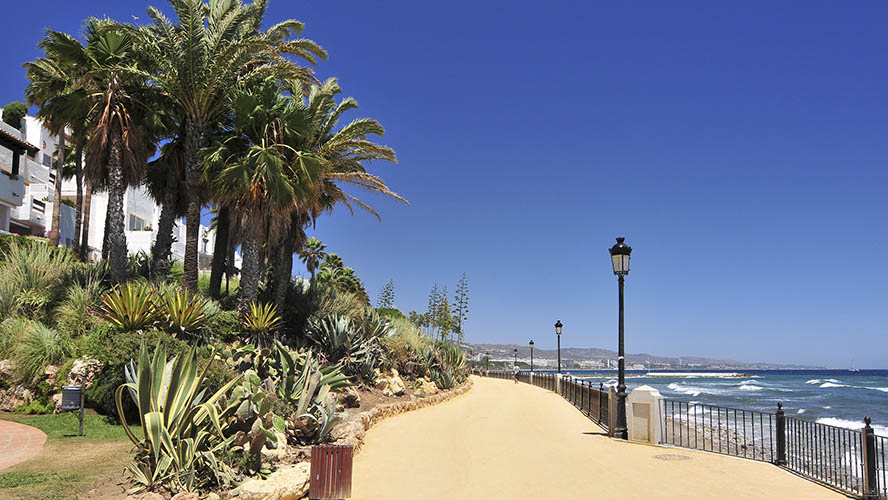
As the path continues westward, the landscape changes. In the areas of Nagüeles and Casablanca, the promenade widens and takes on a more residential air, flanked by historic villas, boutique hotels such as the Hotel Fuerte Marbella, opened in 1957 and one of the city’s tourism pioneers, as well as beaches like La Fontanilla or El Faro, with sun loungers, showers and beach bars where sardines still reign supreme, despite the international menus.
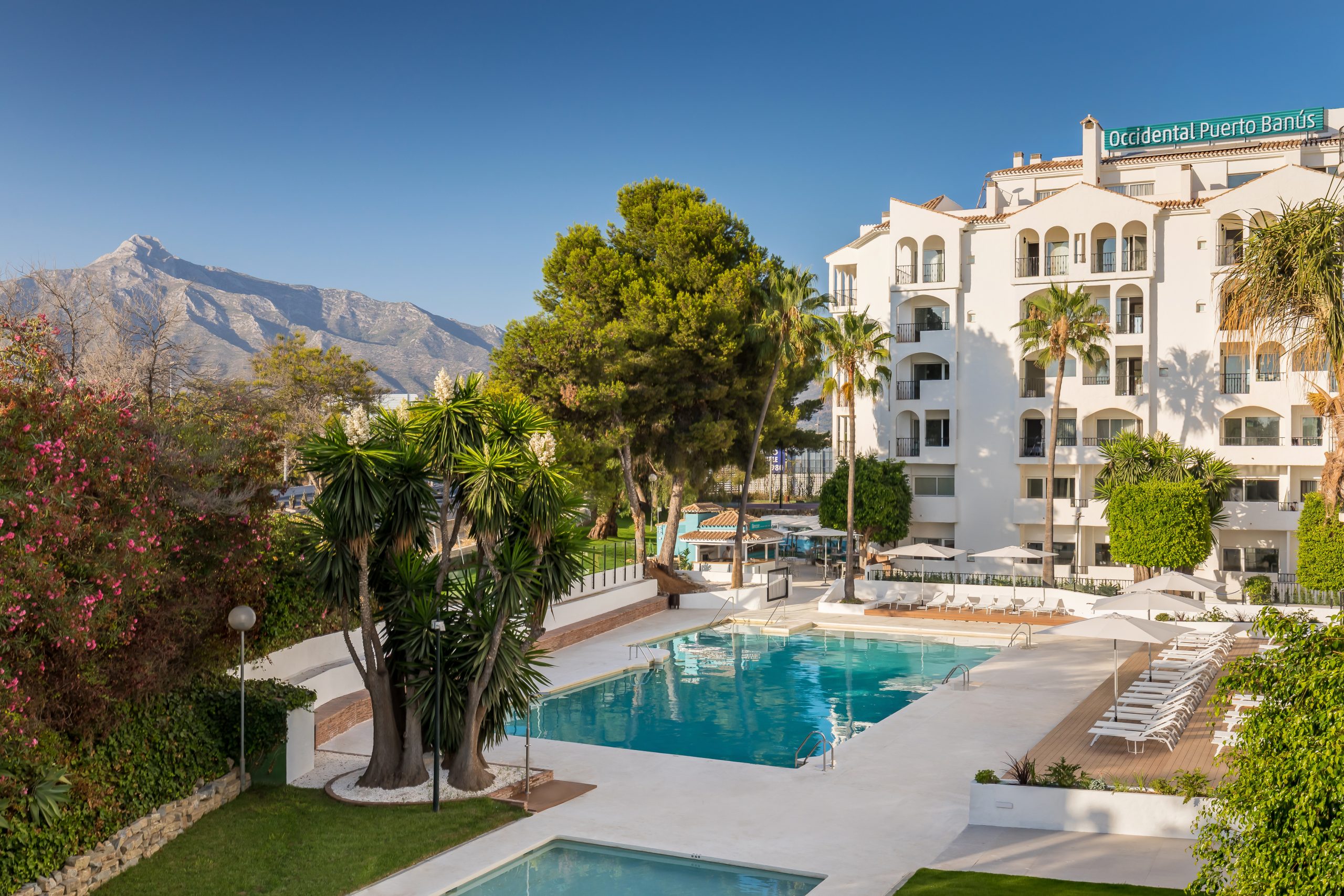
Approaching Puerto Banús, the Seafront Promenade becomes even more luxurious. Here, beach clubs such as Ocean Club and La Sala by the Sea set the pace for guests who divide their time between sunbathing, sipping chilled champagne and listening to international DJs. Designer boutiques sit alongside fusion restaurants and cocktail bars with sea views, in a section that showcases Marbella’s most high-profile and most divisive side.
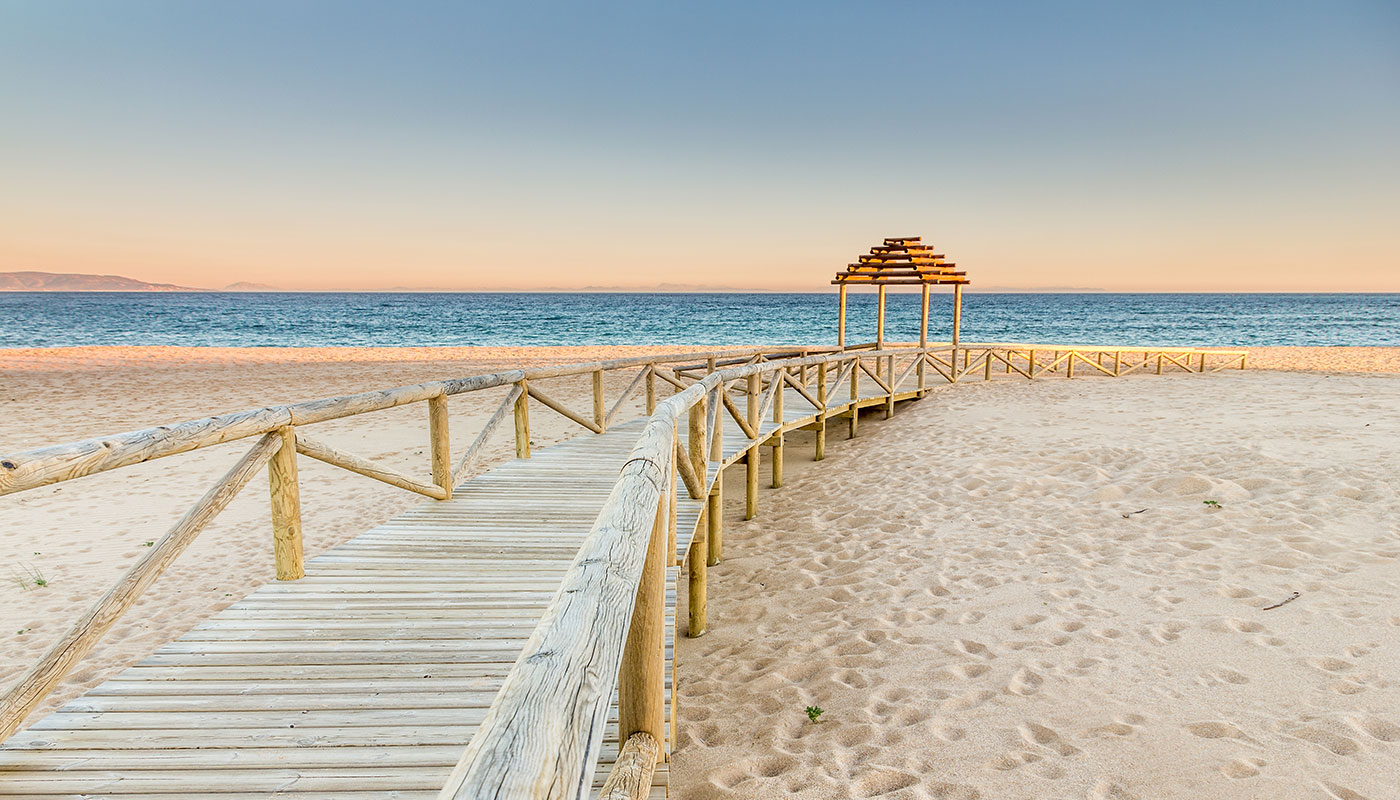
Heading east, the promenade becomes more natural and authentic. Near the beaches of Río Real and Los Monteros, the buildings thin out and the surroundings grow wilder. The Artola dunes, protected as a natural site, offer a surprising contrast to the livelier central areas. Here, the promenade becomes a wooden boardwalk winding through coastal scrubland and pine groves, with viewpoints and benches for watching the sun melt into the water in a peaceful, almost intimate setting.
Bars and restaurants in the area: from traditional beach bars to fine dining
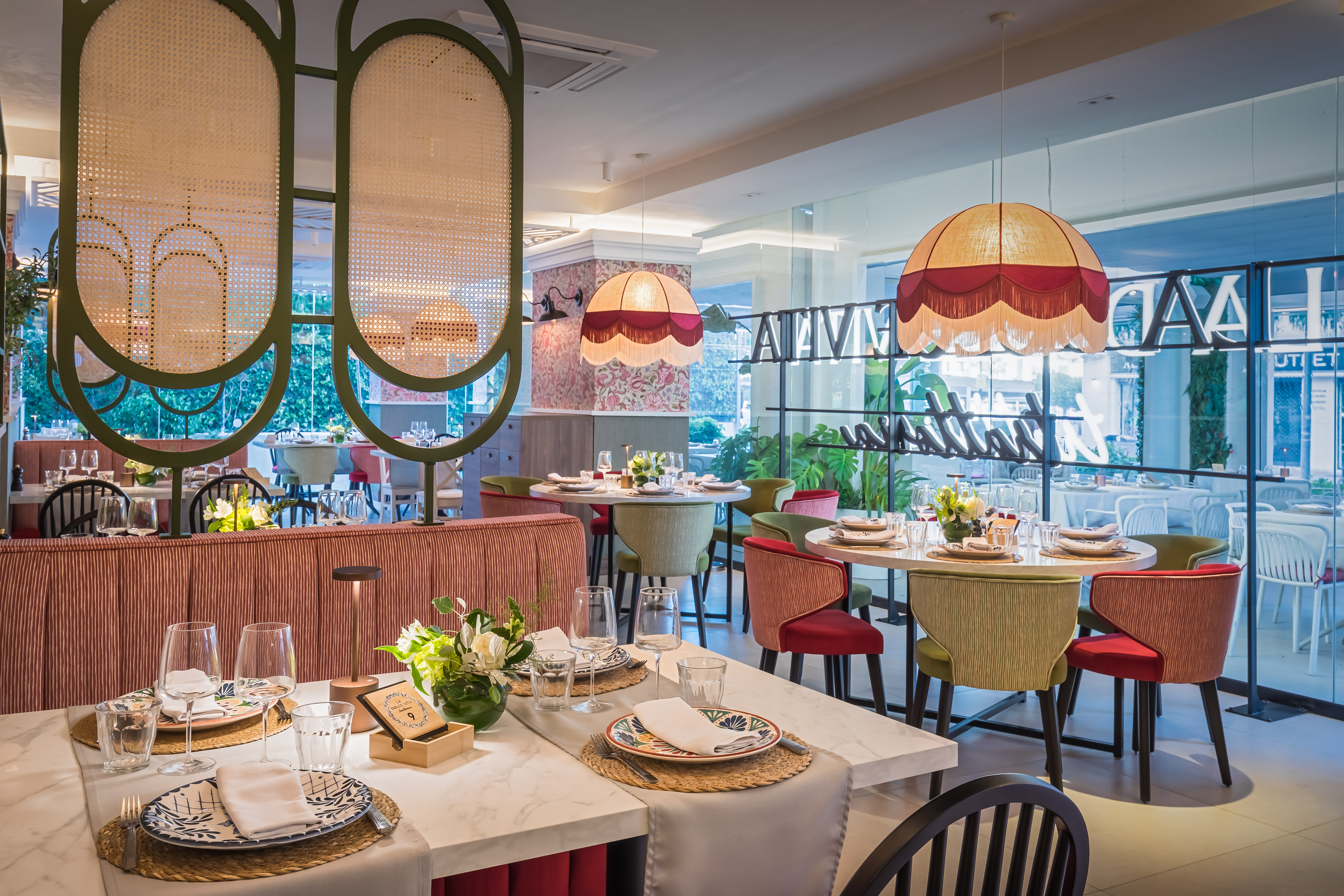
The gastronomic scene along Marbella’s Seafront Promenade is as varied as the landscape itself. Traditional beach bars share the space with gourmet restaurants, offering something for every palate.
Among the local staples is Chiringuito Pepe’s Bar, a favourite for those looking to try some iconic sardine skewers grilled over charcoal in beach boats. Another excellent choice is Los Sardinales. Also worth noting is Restaurante Soleo, serving a Mediterranean fusion menu based on fresh seafood and located just metres from the shore.
For those after a more exclusive experience, Los Mellizos Marbella is an excellent option. It offers a refined service and carefully presented seafood and rice dishes. Along similar lines, Trocadero Playa is an elegant beach club where top tier dining meets a laid-back atmosphere in a paradisiacal Mediterranean setting.
At the western end of the promenade, Puerto Banús is the epicentre of gastronomic luxury. Here, restaurants such as La Sala and Bibo Marbella, led by acclaimed chef Dani García, offer sophisticated menus in glamorous, exclusive settings. Whatever your budget or preferred style, Marbella’s Seafront Promenade guarantees top-quality cuisine with unforgettable views of the Mediterranean.