












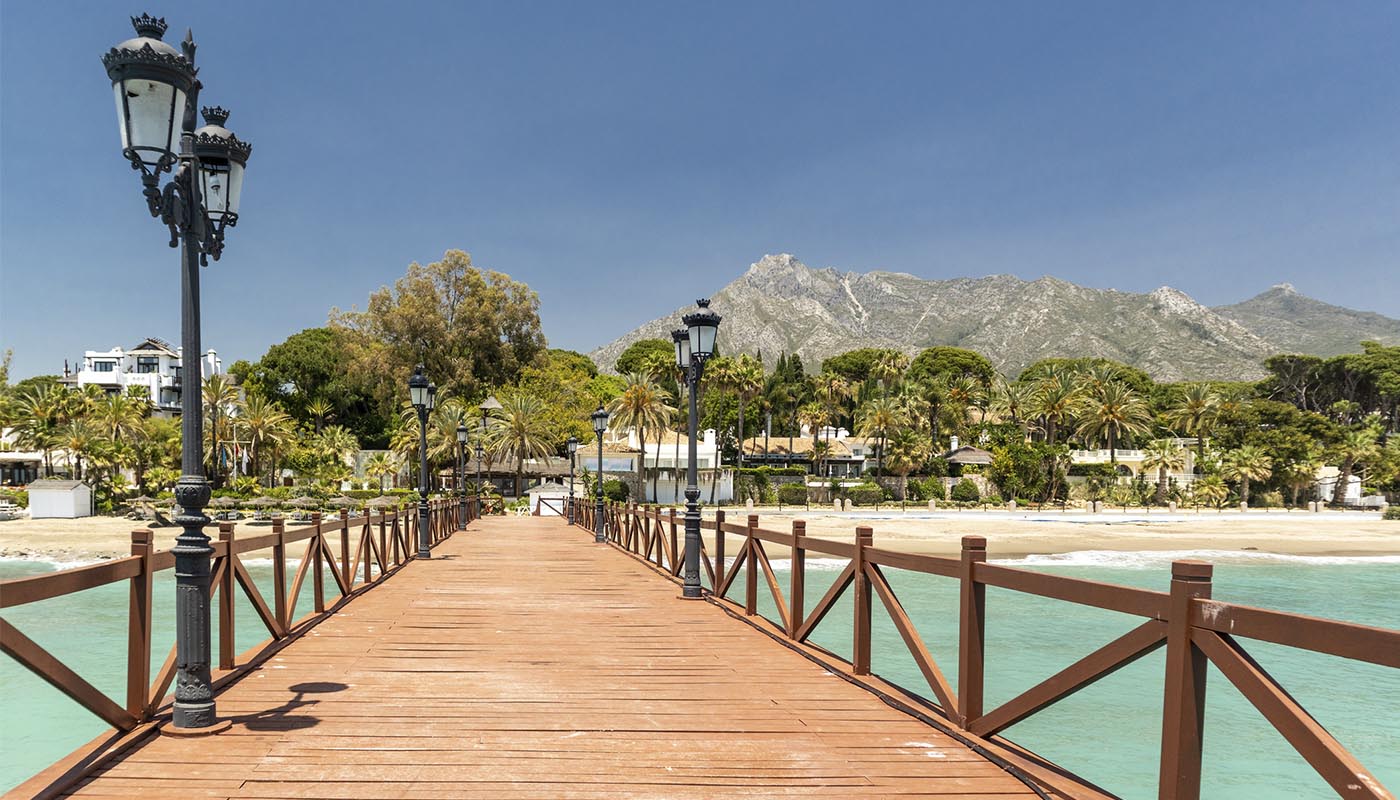




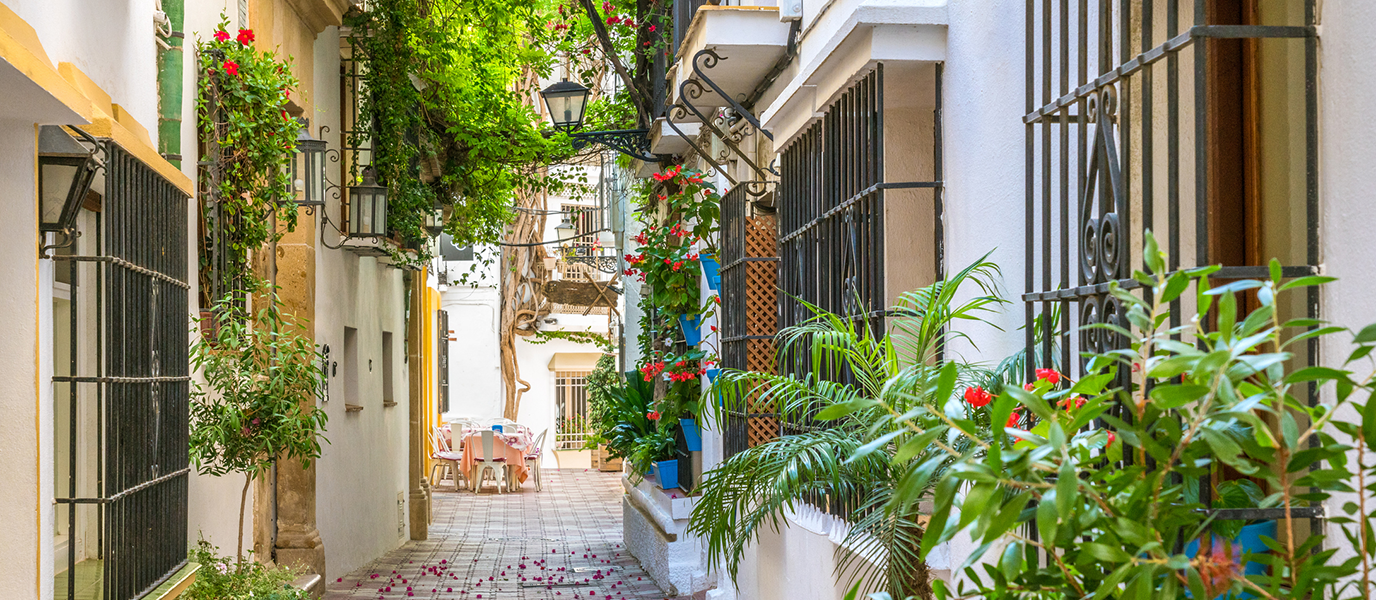
Whenever one thinks of Marbella, the imagination conjures up stunning yachts, nights of luxury in Puerto Banús, and terrace bars frequented by celebrities. But you only need to take a few steps into the Old Town to discover a completely different Marbella: a calm, close-knit community, steeped in centuries of history and tradition. Among its narrow streets and whitewashed walls, this ancient neighbourhood has withstood the passage of time with its Andalusian soul intact, looking back over a history that dates from the Romans to Al-Ándalus, and from the Renaissance to today. Here there is no flash photography or convertibles — only squares such as the Plaza de los Naranjos, scented with orange blossom, fountains murmuring beside churches dating back hundreds of years, and taverns that have a story to tell as you enjoy your tapas and wine. It is in this contrast that Marbella reveals its most human side and its deepest memories.
- The history and origins of the city: from a Phoenician and Roman settlement to the Andalusí ‘Marbiliya’ and Christian Marbella following the Reconquest
- What you can see in Marbella’s Old Town: a walk from the Plaza de los Naranjos
- Where to eat: Andalusian cuisine in the finest bars and Michelin-starred restaurants
- Where to park: tips to start your tour without mishaps
The history and origins of the city: from a Phoenician and Roman settlement to the Andalusí ‘Marbiliya’ and Christian Marbella following the Reconquest
Marbella’s origins can be traced back to antiquity, when the Phoenicians and the Romans left their imprint on these lands. The Roman city of Salduba, with its salting factories and burghs such as Río Verde, bears testament to the strategic and commercial importance of this enclave at that time. Archaeological remains found in the area reveal a prosperous city, with an economy based on fishing and maritime trade.
However, it was under Moslem rule, from the eighth century onwards, that Marbella, now known as Marbiliya, took on its present form. The medina became a major urban centre, enclosed within walls and ruled from an alcazaba, or citadel, that dominated the surrounding area. The narrow, winding streets of the Old Town, designed to keep out the heat and to foster a close-knit atmosphere, are a legacy of Islamic town planning. The Arab influence can be seen in the architecture of the houses with their interior courtyards and decorative tiles, as well as in the layout of many streets and squares.
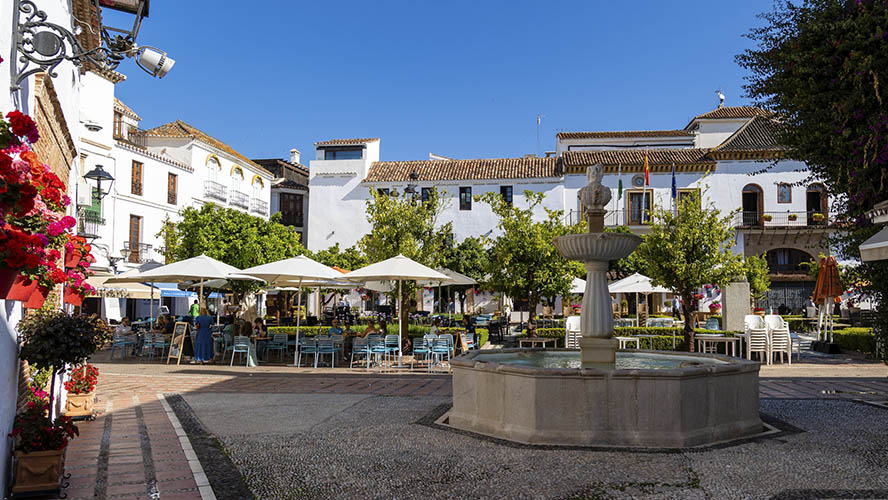
In 1485, the Reconquest marked a new chapter in the history of Marbella. The Catholic Monarchs transformed the city into a bastion of Christianity, building emblematic edifices such as the Casa Consistorial (Town Hall) and the Plaza de los Naranjos, which became the city’s social and administrative heart. The harmonious co-existence of cultures left an indelible impression on Marbella’s architecture and infrastructure, creating a mosaic of styles that can still be seen today.
Down the centuries, Marbella has witnessed many historical events, from the wars with Berber pirates to the War for Independence and the Spanish Civil War. Each age has left its mark on the city, enriching its cultural and architectural heritage up to the present day, and today we are fortunate enough to enjoy it as visitors.
What you can see in Marbella’s Old Town: a walk from the Plaza de los Naranjos
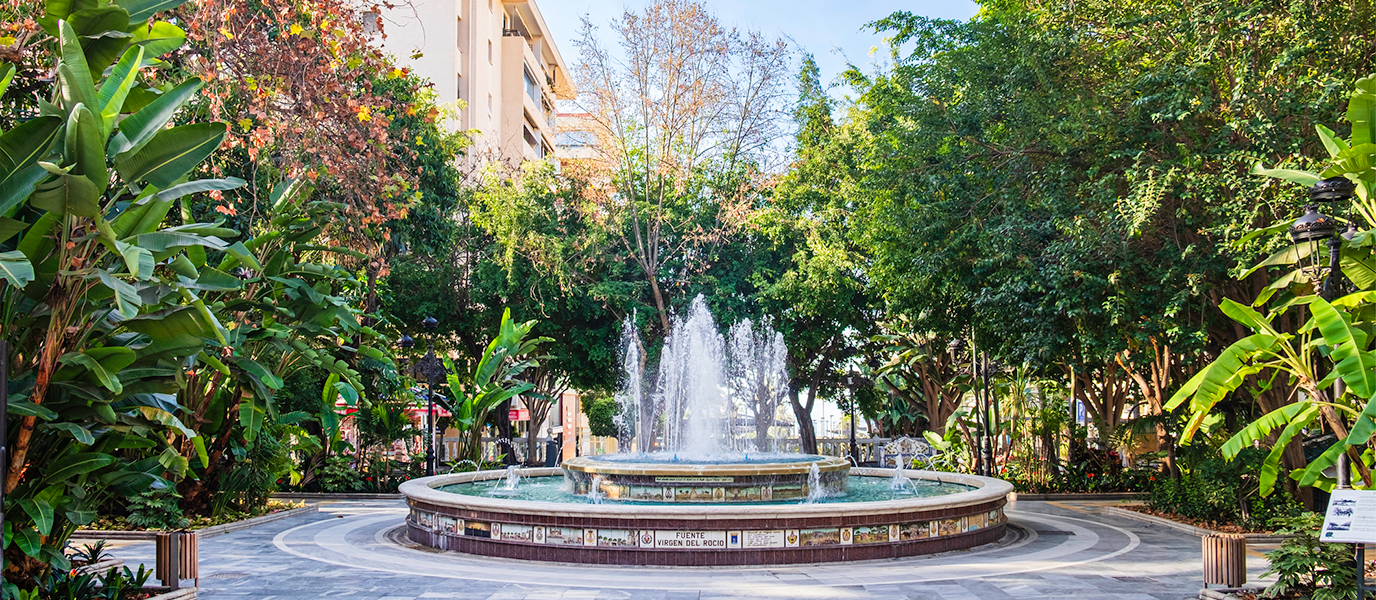
Walking around Marbella’s Old Town is like stepping into an open-air museum, with every corner revealing a treasure from the past. The Plaza de los Naranjos, with its Renaissance fountain and the perfume from its orange trees in the air, is the perfect starting point for an exploration of the city. The Town Hall, with its Renaissance façade and its sundial, is one example of the civil architecture of the time. Next to it, the Casa del Corregidor, with its blend of Gothic and Mudejar styles, is a reminder of the harmonious co-existence of the city’s past cultures.
The Church of Santa María de la Encarnación, built on the site of a former mosque, is a jewel of sacred art. Its imposing Baroque façade and its majestic organ encourage contemplation and spirituality. The walls of the Arab castle, though only partly preserved, offer a vision of the city’s defensive past. A walk along Calle Fortaleza allows us to appreciate the strength of these structures that protected Marbella from attacks and invasions.
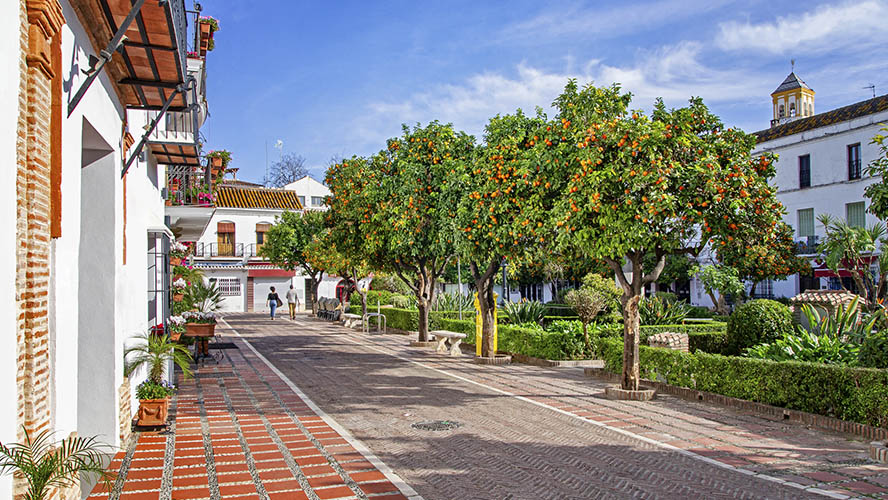
But the charm of the Old Town is not limited to its historical monuments. A wander around these streets reveals courtyards filled with flowers, hidden squares, and corners buzzing with life. Calle Ancha, with its shops selling craft items and its tapas bars, is the perfect spot to absorb the local ambience. Plaza de Santo Cristo, with its hermitage of the same name, is another captivating corner that tempts the visitor to pause and reflect.
Other places of interest are the Chapel of San Juan de Dios, a small Baroque church which is home to an image of the Virgen del Carmen, and the Museo del Grabado Español Contemporáneo, an art museum that houses works by artists including Picasso, Miró and Dalí.
Where to eat: Andalusian cuisine in the finest bars and Michelin-starred restaurants
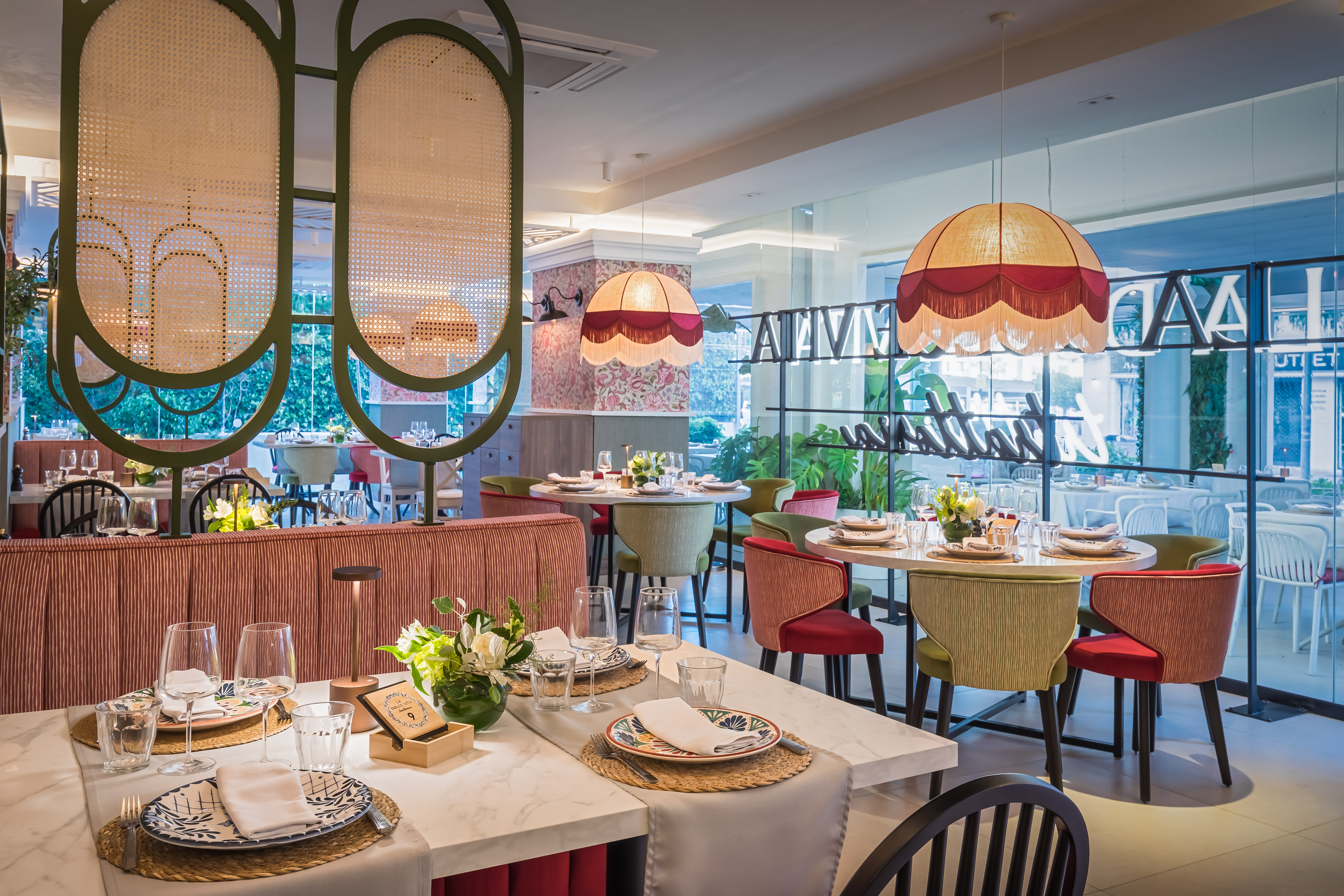
Marbella Old Town’s rich history and cultural diversity are reflected in its gastronomy. From traditional tapas bars, where you can sample the authentic flavours of Andalusia, to haute cuisine restaurants that blend tradition and modernity, the offer is both varied and delicious.
In taverns dating back hundreds of years, such as El Estrecho, you can try classics like pescaíto frito [fried fish], prawns in pil-pil sauce, or gazpacho andaluz. Michelin-starred restaurants, such as Skina, offer a reinterpretation of Andalusian cuisine, using local, seasonal ingredients and innovative techniques. Wine lovers can enjoy a wide range of Andalusian wines, from Jerez finos to reds from the Serranía de Ronda. Nor should we forget the many tapas bars, each offering its own particular version of these little mouthfuls of pleasure.
Apart from those we have already mentioned, other restaurants worth visiting include Zozoi, which offers a fusion of Mediterranean and Asian cuisine, and Tempora, famous for its creative dishes and its romantic atmosphere. It is also worth highlighting La Niña del Pisto, a place where you can enjoy traditional, homemade food, and Casa Curro, a classic with mouthwatering tapas.
Where to park: tips to start your tour without mishaps
Parking in the centre of Marbella can be a challenge, particularly during the peak season. However, there are options that make it easier to access the Old Town.
Parking Alameda, close to the Parque de la Alameda and centrally located, provides convenient access to the historic quarter. Another possibility is Parking Mercado, near the municipal market and a few minutes’ walk from Plaza de los Naranjos.
For those who prefer to look for free parking, it is possible to park in areas further away from the centre, such as around Avenida del Mar, although you will need patience and extra time to find an available parking space.