











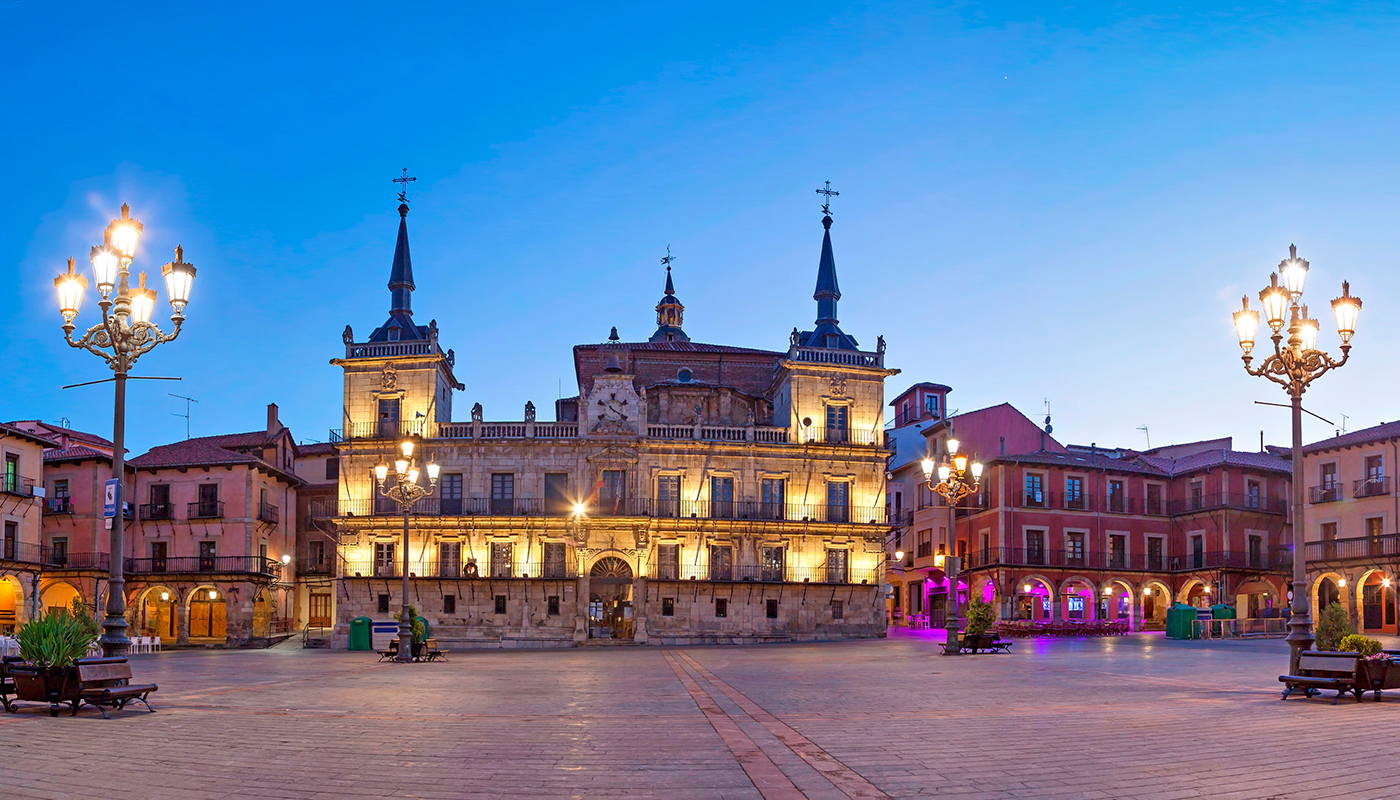





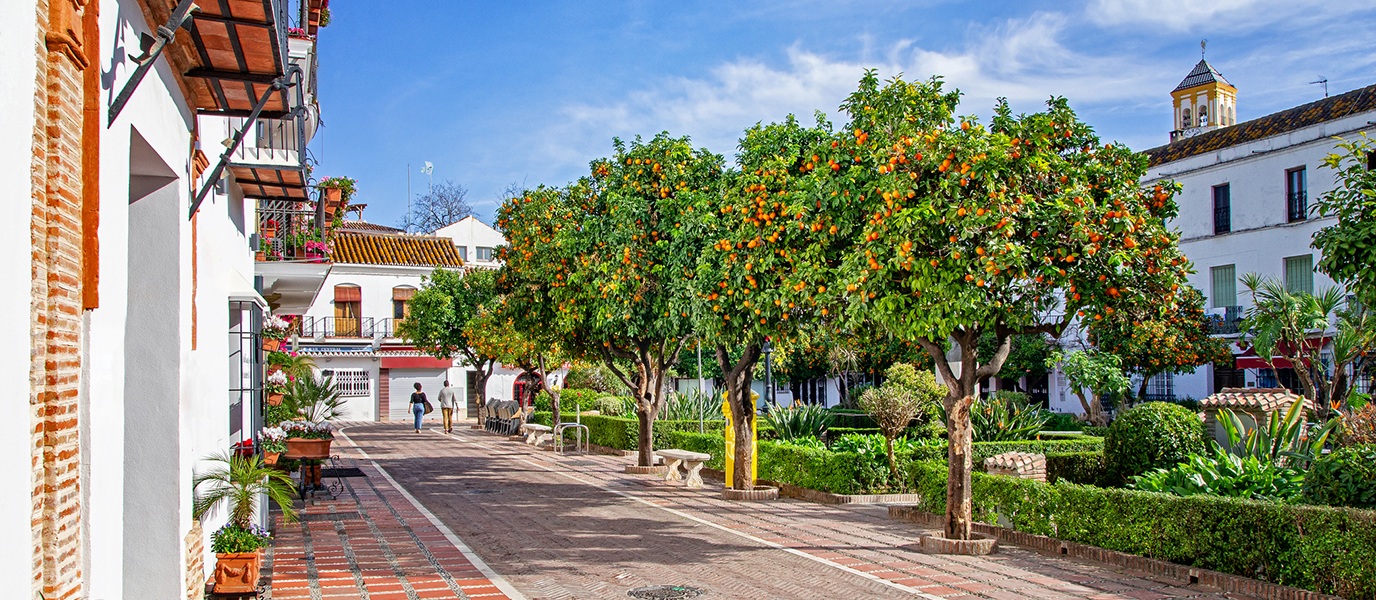
In the labyrinth of cobbled streets of Marbella’s old town, the Plaza de los Naranjos, founded in the 15th century after the Christian conquest, has been the town’s social, political and commercial epicentre for centuries. Today, its historic buildings, such as the Renaissance Town Hall and the Chief Magistrate’s House, coexist with bustling terraces and small shops, giving it a cheerful and pleasant atmosphere throughout the year. All of this is surrounded by the fresh aroma of orange trees which, depending on the season, offer a picture of orange blossoms or golden fruits. Apart from being a meeting point, the Plaza de los Naranjos reflects Marbella’s essence: a fusion of history, beauty, and the southern art of enjoying life without rushing.
- History of the Plaza: from a Renaissance enclave to a symbol of Marbella
- How to get there and what to see in the Plaza de los Naranjos: strolling through the soul of Marbella
- Sightseeing and activities in the surrounding area: hidden treasures just a stone’s throw from the square
- Restaurants and bars: dishes that tell stories under the orange trees
History of the Plaza: from a Renaissance enclave to a symbol of Marbella
The Plaza de los Naranjos was conceived in 1485, after the conquest of Marbella by the Catholic Monarchs. By reorganising the urban layout and establishing the civil and administrative centre, this area was designed following the Renaissance standards of the time. Its creation involved the demolition of ancient Muslim structures, giving way to a rectangular plaza, surrounded by major buildings and destined to be the beating heart of the town.
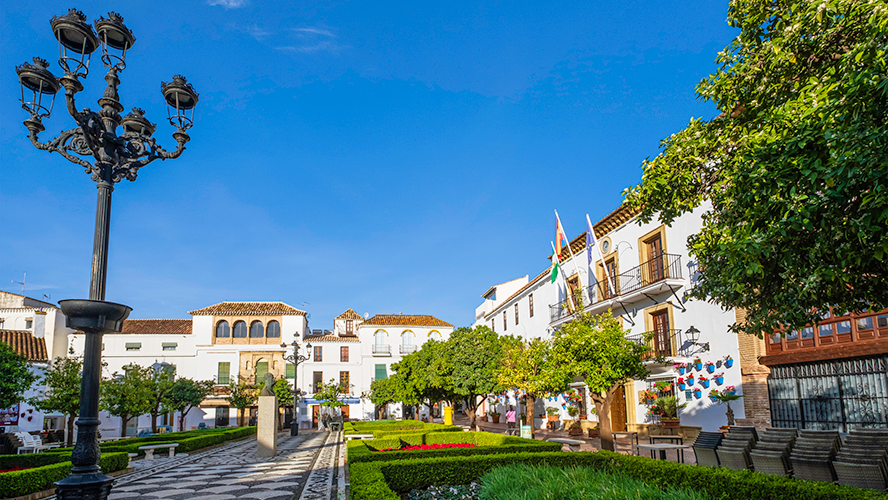
Over the centuries, the plaza has witnessed countless events and transformations. Significant constructions were built along its perimeter, such as the Town Hall in 1572, which has served as the Town Council’s headquarters and reflects Renaissance civil architecture with Moorish Revival details. Next to it, the Chief Magistrate’s House from the 16th century stands out for its stone façade and wrought iron balconies, blending Gothic and Renaissance styles. The ensemble is completed by the Santiago Hermitage, the oldest religious temple in Marbella, whose simple structure contrasts with the historical wealth it houses.
The square’s current name comes from the orange trees that were planted in its centre in the 18th century, providing shade and a distinctive character to the place. Since then, the Plaza de los Naranjos has evolved, adapting to the times without losing its essence and consolidating itself as a meeting and celebration point for locals and visitors alike.
How to get there and what to see in the Plaza de los Naranjos: strolling through the soul of Marbella
Located in the heart of Marbella’s old town, the Plaza de los Naranjos is the town’s historical and social epicentre. Getting there is a journey through time: you will stroll through cobbled streets flanked by whitewashed façades and wrought iron balconies adorned with bougainvillea. Since access by car is limited, it is best to park in one of the nearby car parks, such as Mercado or Avenida del Mar, and continue on foot, so that you can appreciate the small details that give character to this corner of Marbella.
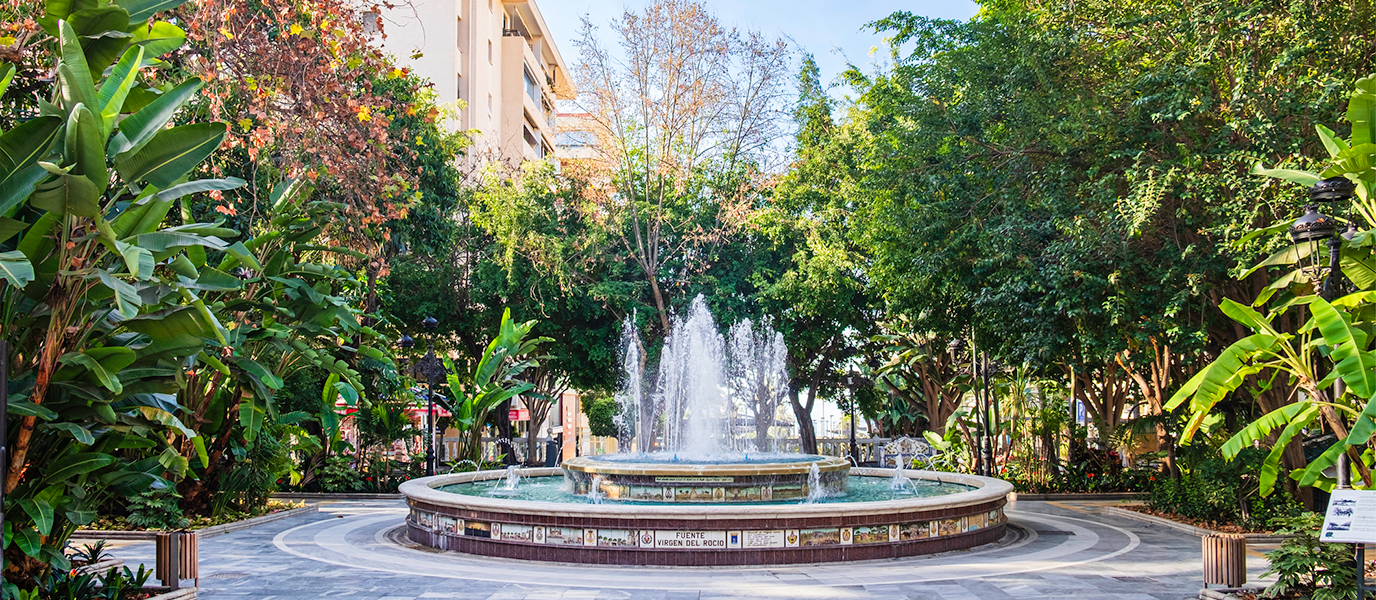
As you enter the square, the aroma of orange trees surrounds you, especially in spring, when orange blossom perfumes the air with its intoxicating fragrance. Its rectangular layout, typical of Renaissance urban planning, is organised around a 17th-18th century stone fountain, whose murmuring water adds a touch of serenity to the lively atmosphere of the surrounding terraces. It is a place where the past coexists with the present: the murmur of conversations in the outdoor cafés mixes with the sound of the bells of the nearby Church of the Incarnation.
The Plaza de los Naranjos is surrounded by historic buildings that tell the story of Marbella’s evolution over the centuries. On its eastern side is the Town Hall, an elegant 16th-century building with a façade featuring Latin inscriptions, sundials, and the coat of arms of the Catholic Monarchs, who ordered the town’s remodelling after the Reconquest of Spain. Directly opposite, the Chief Magistrate’s House blends Gothic, Moorish Revival and Renaissance elements in a building that served as the seat of the king’s representative at the time. Its stone façade and wrought iron balconies retain the stately air of yesteryear.
In a discreet corner of the square, the Santiago Hermitage is the oldest Christian temple in Marbella. With simple lines and a white façade, its interior houses an image of Saint James the Apostle, the patron saint of Spain. This small church has witnessed countless historical events and remains a place of contemplation and devotion amidst the hustle and bustle of the square.
Sightseeing and activities in the surrounding area: hidden treasures just a stone’s throw from the square
The Plaza de los Naranjos is just the beginning of a journey through Marbella’s old town, an area brimming with history and charm at every turn. By losing yourself in its narrow streets, you will discover traditional Andalusian architecture, with flower-filled balconies and hidden courtyards that whisper tales of years gone by.
Just a few steps from the square, the Castle Walls rise as vestiges of the Muslim era that protected the original medina. The walls built in the 10th century offer a unique perspective on the town’s historical evolution and provide an opportunity to imagine Marbella’s past.
Another nearby gem is the Spanish Contemporary Engraving Museum, located in the former Bazán Hospital. This cultural venue houses an impressive collection of graphic works by renowned artists such as Picasso, Miró and Dalí, providing a glimpse into 20th- and 21st-century Spanish art.
A stroll through the old town also reveals small boutiques, artisan workshops, and art galleries that invite you to check out the local talent and bring back home an authentic Marbella souvenir. Every corner, every hidden square, like the Plaza de Santo Cristo, adds another layer to the town’s rich cultural tapestry.
Restaurants and bars: dishes that tell stories under the orange trees
Whether it is with a plate of ice-cold gazpacho in the summer or a glass of sweet Malaga wine at sunset, dining in the Plaza de los Naranjos is a truly unique experience. There, among centuries-old façades and terraces blending with the shade of orange trees, Marbella cuisine unfolds in a fusion of tradition and modernity, with dishes that reflect the town’s Mediterranean soul.
One of the most iconic restaurants is Los Naranjos, with more than half a century of history in the square. Its menu, faithful to the Andalusian essence, offers specialities such as the Malaga fish fry, a selection of crispy light fresh fish, and the ajoblanco, a refreshing cold soup made with almonds and garlic, perfect for hot days. Just a few steps away, Casa del Corregidor, located in a historic building, provides a carefully chosen selection of tapas and stews, including braised oxtail and aubergine with cane honey, a dish that intertwines the sweet and savoury flavours of Andalusian cuisine.
For fish and seafood lovers, El Estrecho, a nearby tavern with more than 60 years of history, is a local benchmark. There, the sardines grilled on olive wood embers transport you directly to the seaside, while the Russian potato salad and pil-pil prawns offer an explosion of local flavour. Another excellent option is Mia Café Marbella, where you can enjoy more contemporary cuisine without losing sight of regional ingredients, such as almadraba tuna tartar and Iberian sirloin with boletus cream.