



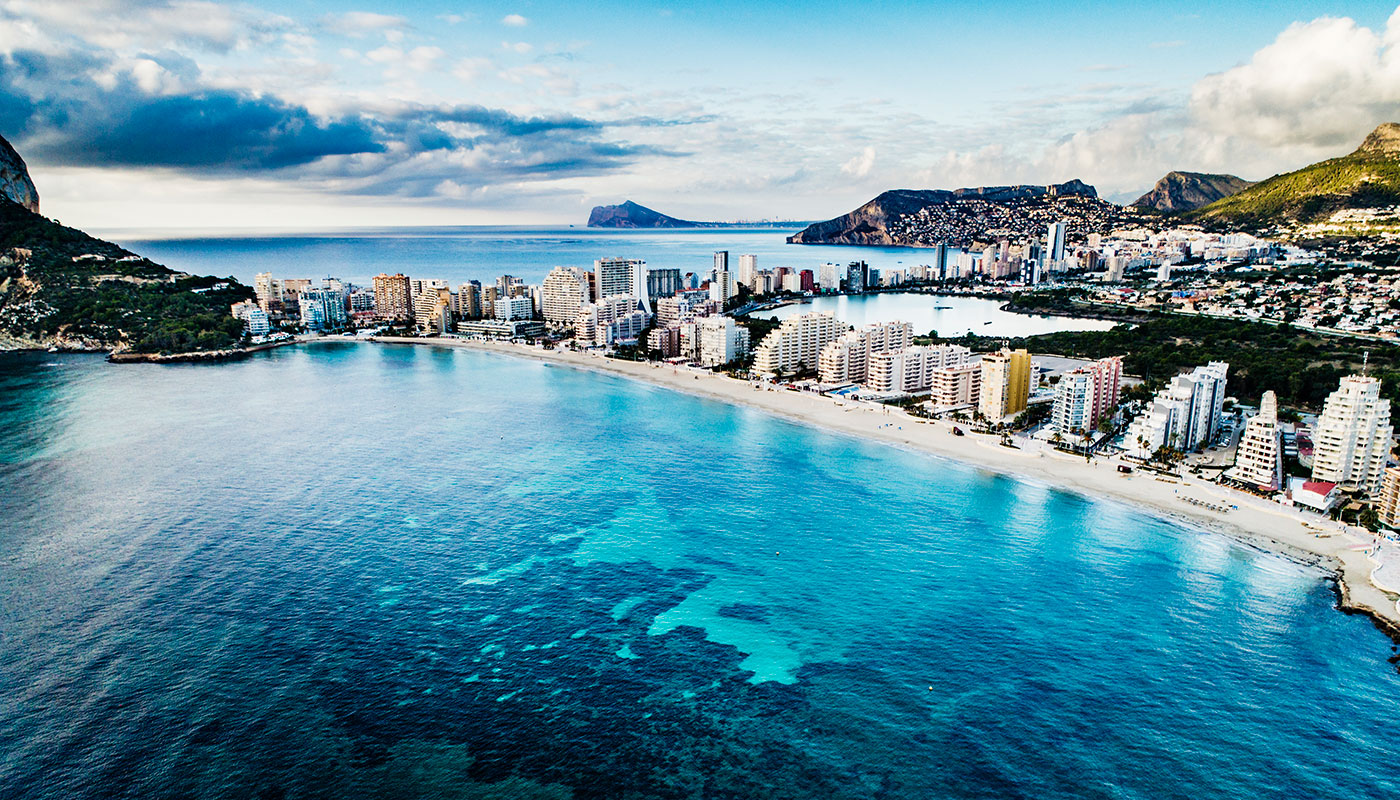
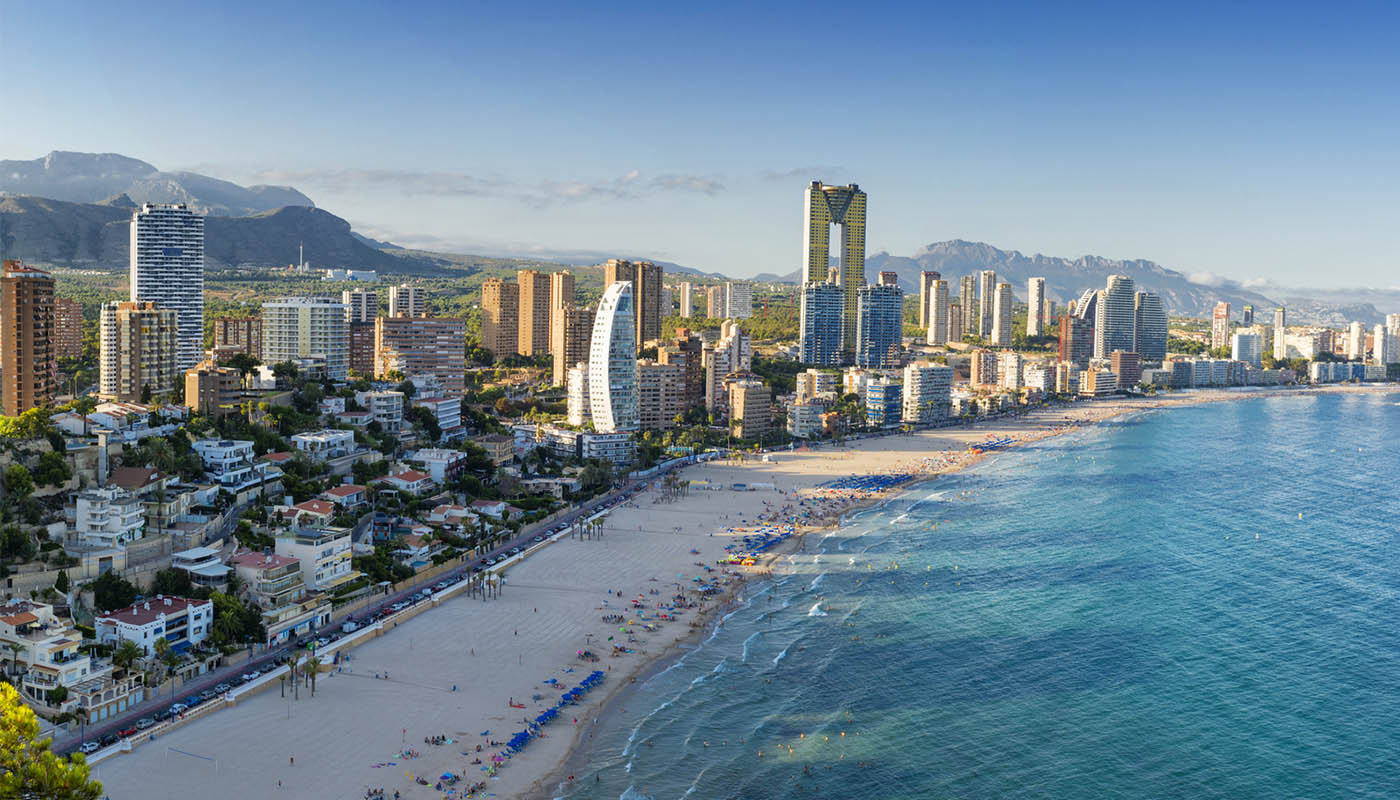







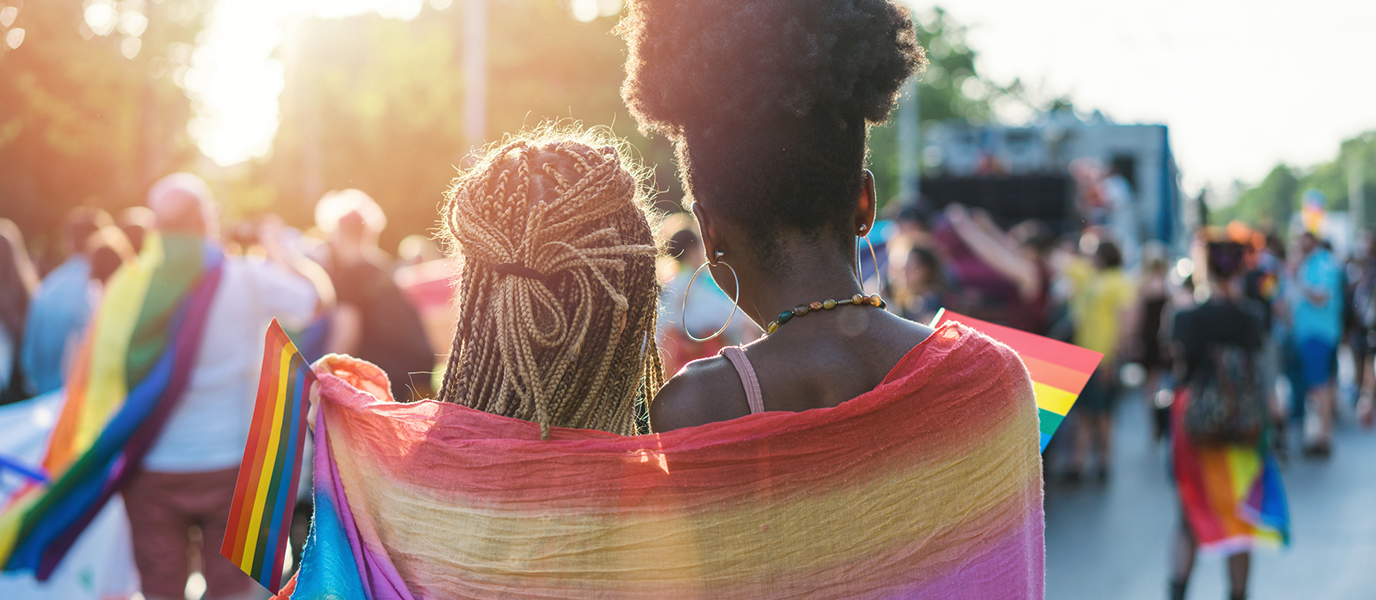
Ever since the mid-twentieth century tourism boom, Benidorm has been much more than just another holiday destination. At the height of the Franco dictatorship, this vertical, luminous town emerged as an oasis of liberty. While the rest of the country remained anchored in a repressive state, Benidorm became an ambiguous and permissive place where many people could live in less fear and under less inquisitorial scrutiny. In the late 1970s and during the 80s, with the arrival of democracy and the liberalisation of attitudes, the LGBTQ+ community found this a fertile territory in which to thrive, with the support of a cosmopolitan population, the anonymity conferred by tourism, and a more relaxed outlook. Nowadays, Benidorm is one of southern Europe’s leading LGBTQ+ destinations.
- Benidorm Pride — more than a party: a symbol of liberty and community
- Rainbow events and festivals: how Benidorm made Pride into a permanent celebration
- LGBTQ+ hotspots: emblematic spaces where liberty is celebrated every night
Benidorm Pride — more than a party: a symbol of liberty and community
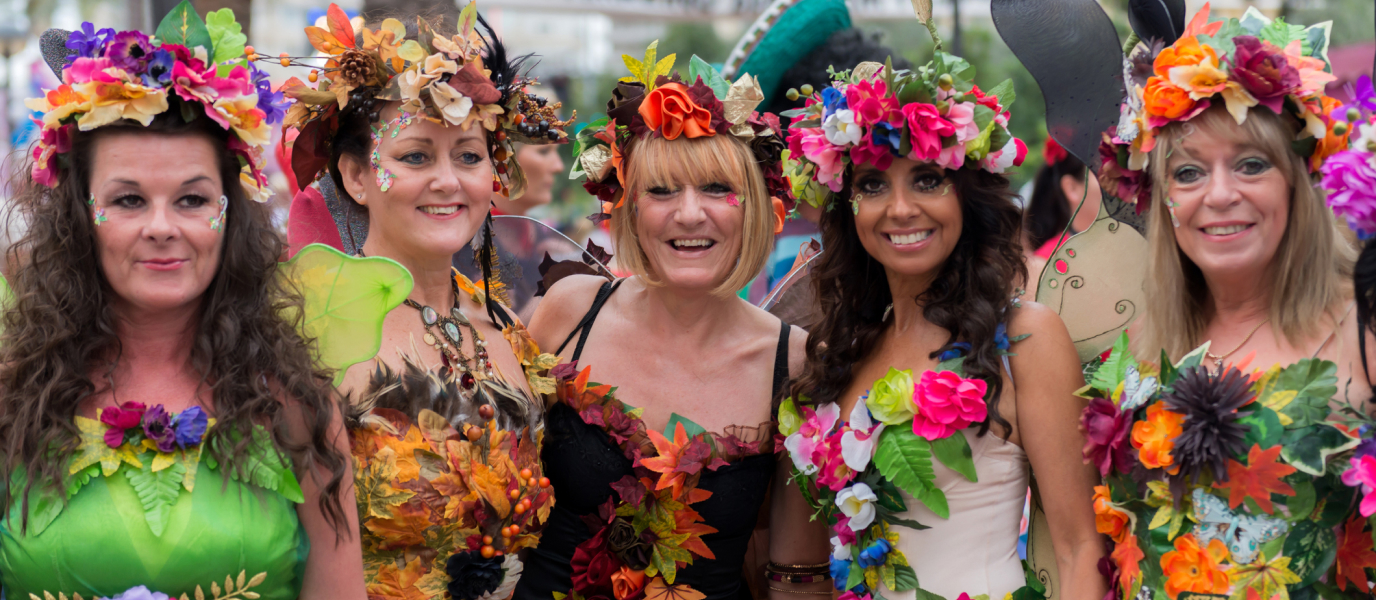
Every September, Benidorm’s Pride festival fills the town with colour and music to celebrate the status and rights of LGBTQ+ people. Over 20,000 people join this celebration that combines a festive atmosphere with a strong sense of community. The epicentre of the event is the Avenida de Europa, although the spirit of Pride permeates the entire town as businesses, hotels, bars and restaurants all join in with promotions, flags and special activities. The festival is a cross-cutting, intergenerational event, with activities for families as well as for those in pursuit of a party and freedom.
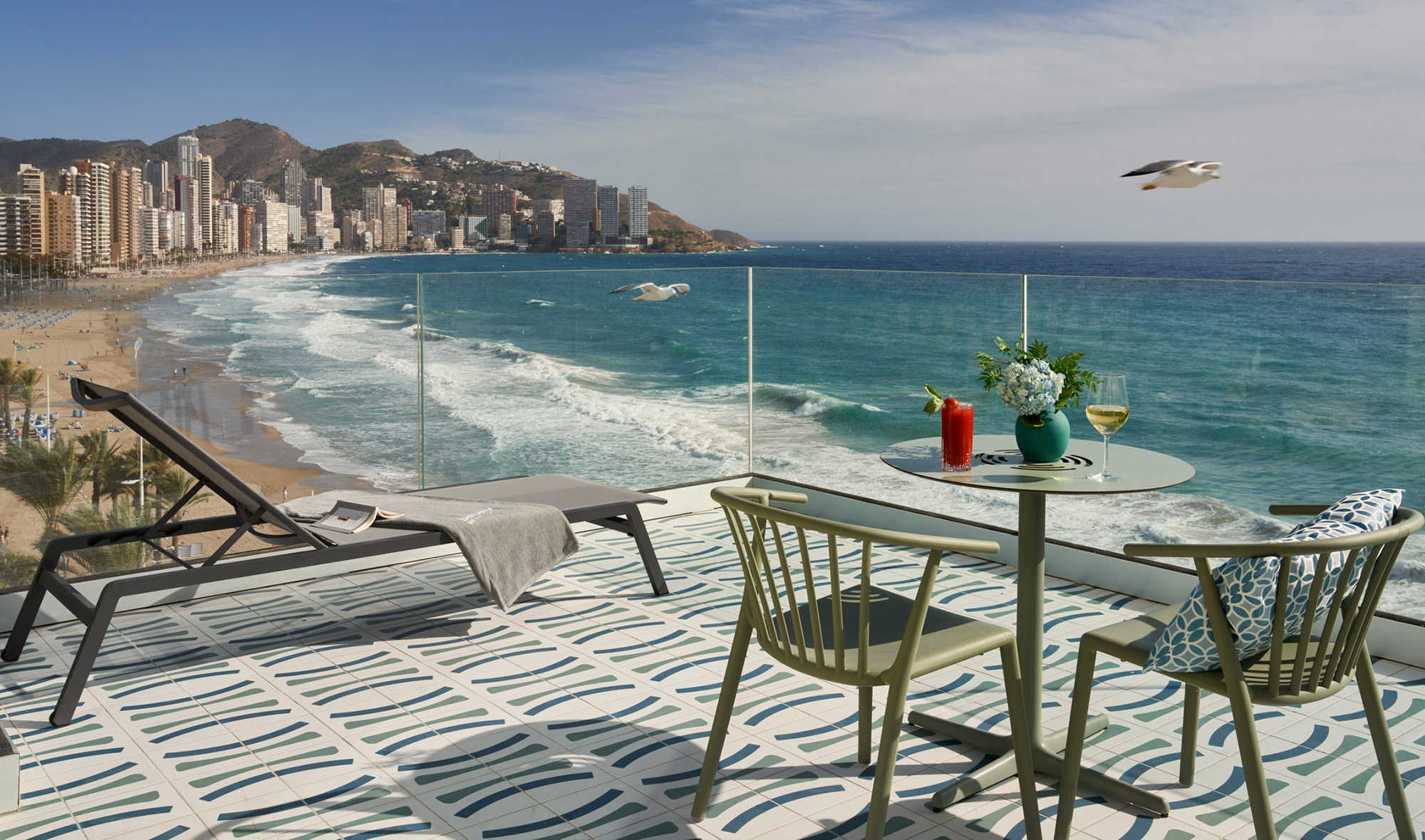
At the heart of the event is the Parade: a procession of floats, painted bodies, drag queens and messages of visibility that snakes along the Mediterranean coast with a contagious energy. And there’s more: free concerts on Levante beach, themed parties, cultural activities, and talks organised by organisations such as BenAmics and ALGTB Benidorm. Benidorm Pride is a smaller-scale event than the Madrid or Barcelona Pride, but its heart is big, friendly, welcoming and accessible.
Rainbow events and festivals: how Benidorm made Pride into a permanent celebration
Benidorm’s Pride Festival, which takes place every September, is much more than just a party date: it is the great loudspeaker of diversity on the Costa Blanca. Held for the first time in 2011, this event has grown to become one of southern Europe’s leading Pride festivals, attracting more than 20,000 visitors from all over the continent. For one week, the city is transformed into a multicoloured stage for parades, open-air concerts, beach parties, cultural events, and inclusive activities for all. The final great parade, passing along the Levante Seafront Promenade with floats, music and spectacular costumes, is an explosion of joy, liberty and visibility — a party that the whole town can join in.
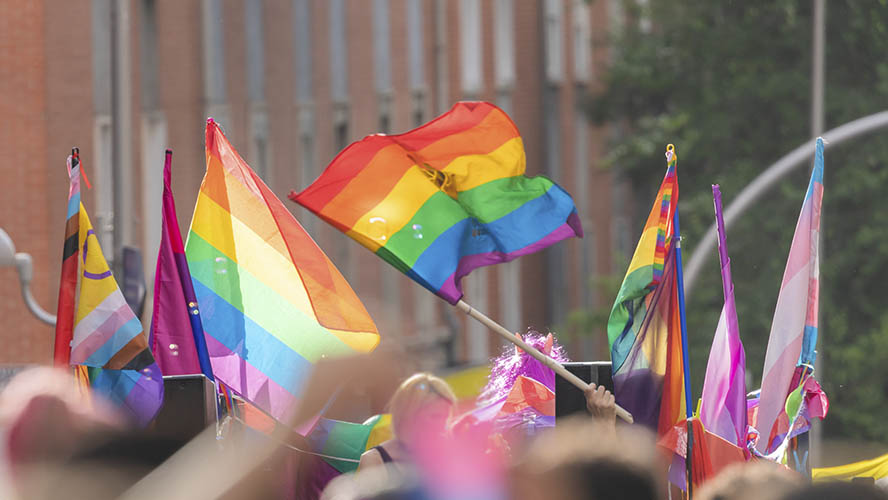
Although Pride is the biggest event, it is not the only time in the year when the LGBTQ+ community claims its space on Benidorm’s cultural calendar. Other festivals, such as the Iberia Festival and the Low Festival — while not exclusively queer-centred — also attract a diverse public thanks to their open atmosphere and their programmes featuring top artists from the worlds of pop and electronic music. To add to this, there are activities organised by local groups such as ALGTB Benidorm, which promotes events about human rights, emotional and sexual health, and films with an LGBTQ+ perspective, in places such as the Casa del Fester and the Aula de Cultura.
The regularity of these events and their increasing integration into public life reflect a clear will: that LGBTQ+ should not be a mere tourist gimmick, but an integral and living part of Benidorm’s soul.
LGBTQ+ hotspots: emblematic spaces where liberty is celebrated every night
Benidorm is famous for its buzzing nightlife, and the LGBTQ+ community has succeeded in carving out here a safe, diverse space of its own. The Rincón de Loix district, especially the area around Calle Gerona and Avenida de Mallorca, has a large concentration of gay-friendly bars and nightclubs. Some of the classic establishments (including Mercury, People, Brief Encounter and the iconic Ricky’s Cabaret Bar) offer impersonation and karaoke shows, DJ sets and a good atmosphere until the early hours of the morning.
In the historic quarter, Calle Santa Faz — also known as ‘la calle del ambiente’ [the street with ambience, i.e. gay friendly] — is a more alternative, intimate option. Recommended places here include People Pub, Spirit Bar and DD’s Bar, which welcome a loyal, cosmopolitan clientèle. This area is perfect for those seeking a more relaxed setting, with open-air terraces and music that allows conversation.
The interesting thing about Benidorm is that its LGBTQ+ life is not limited to a few square metres. From queer-friendly cafés to alternative fashion shops and bookshops stocking LGBTQ+ literature, the town has cultivated a diverse, welcoming ecosystem. This makes Benidorm a destination where coming out of the closet is not an occasional experience, but a permanent state of quiet visibility.