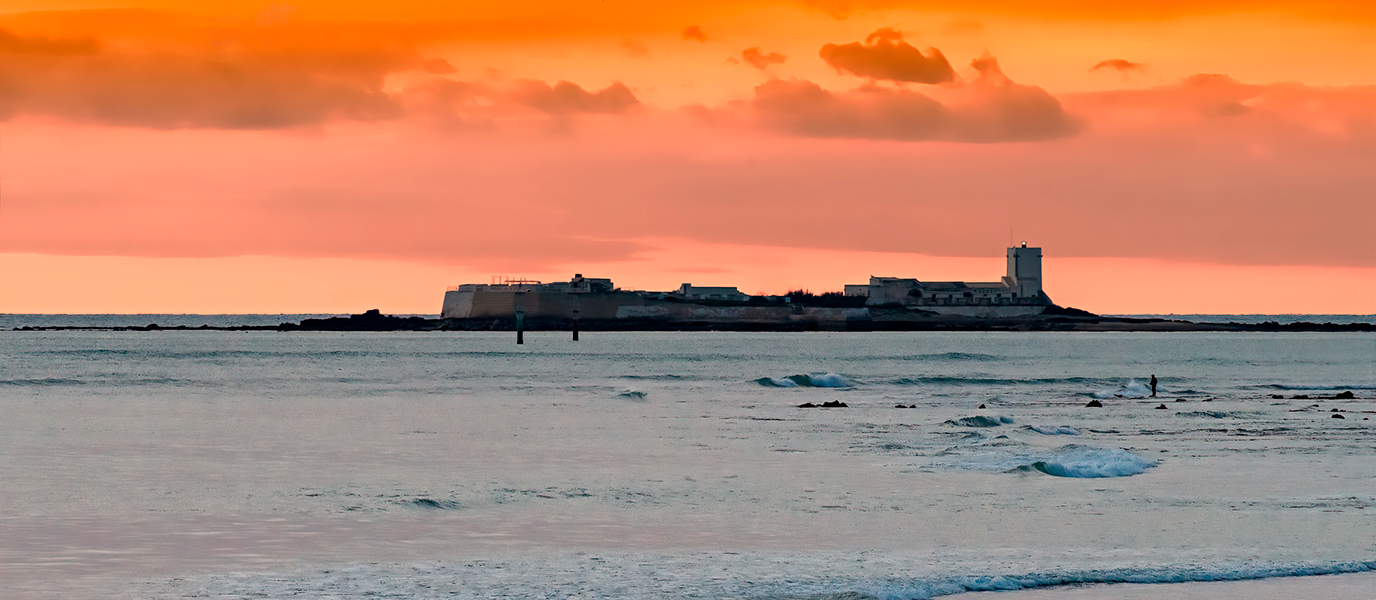
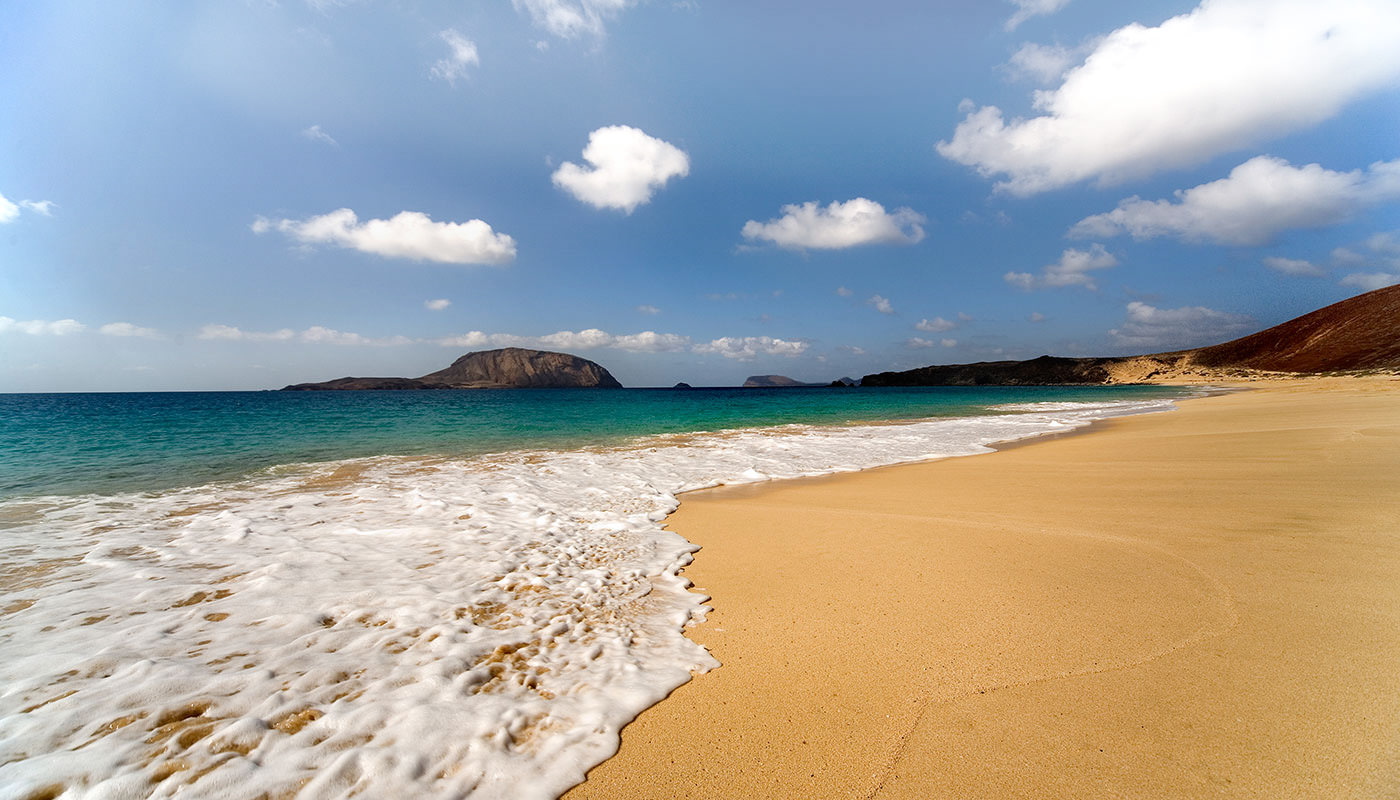
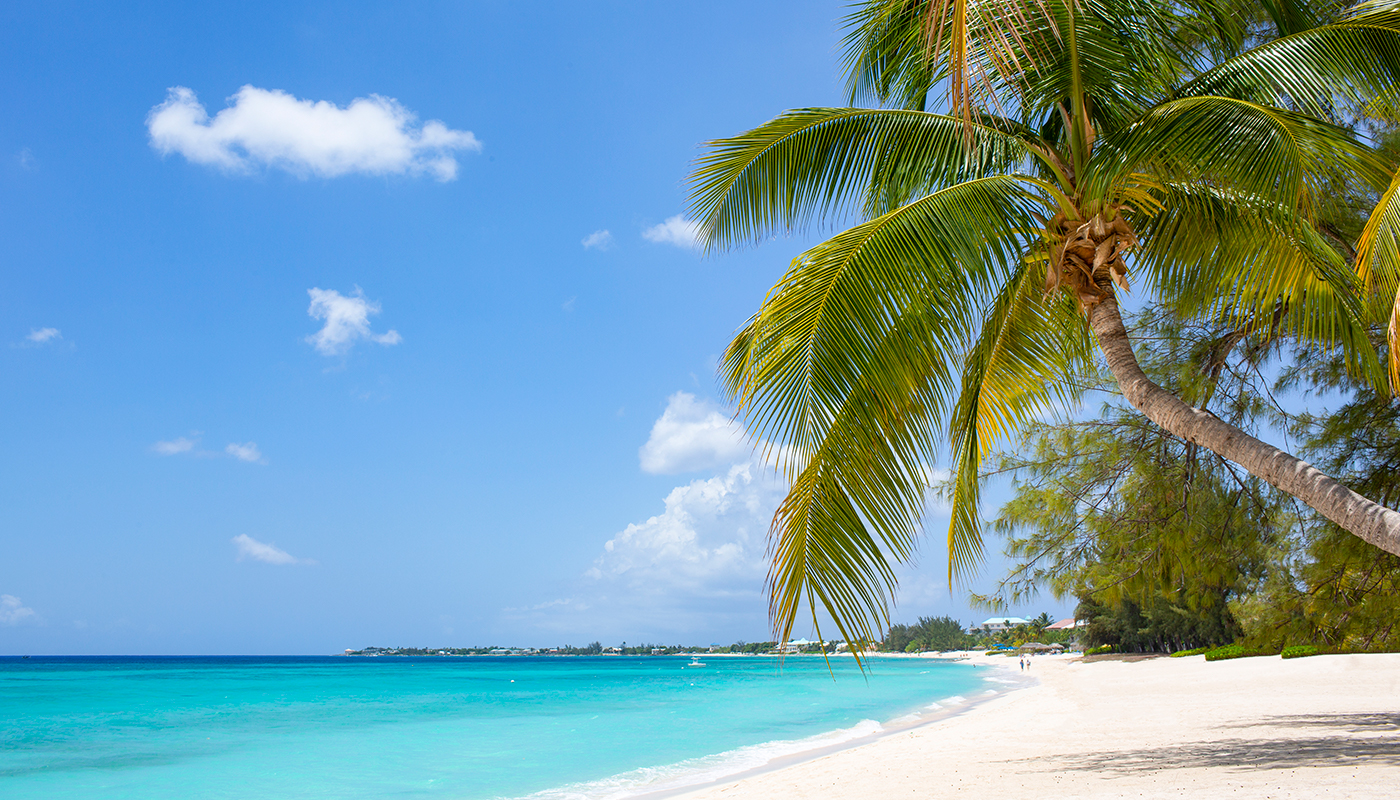
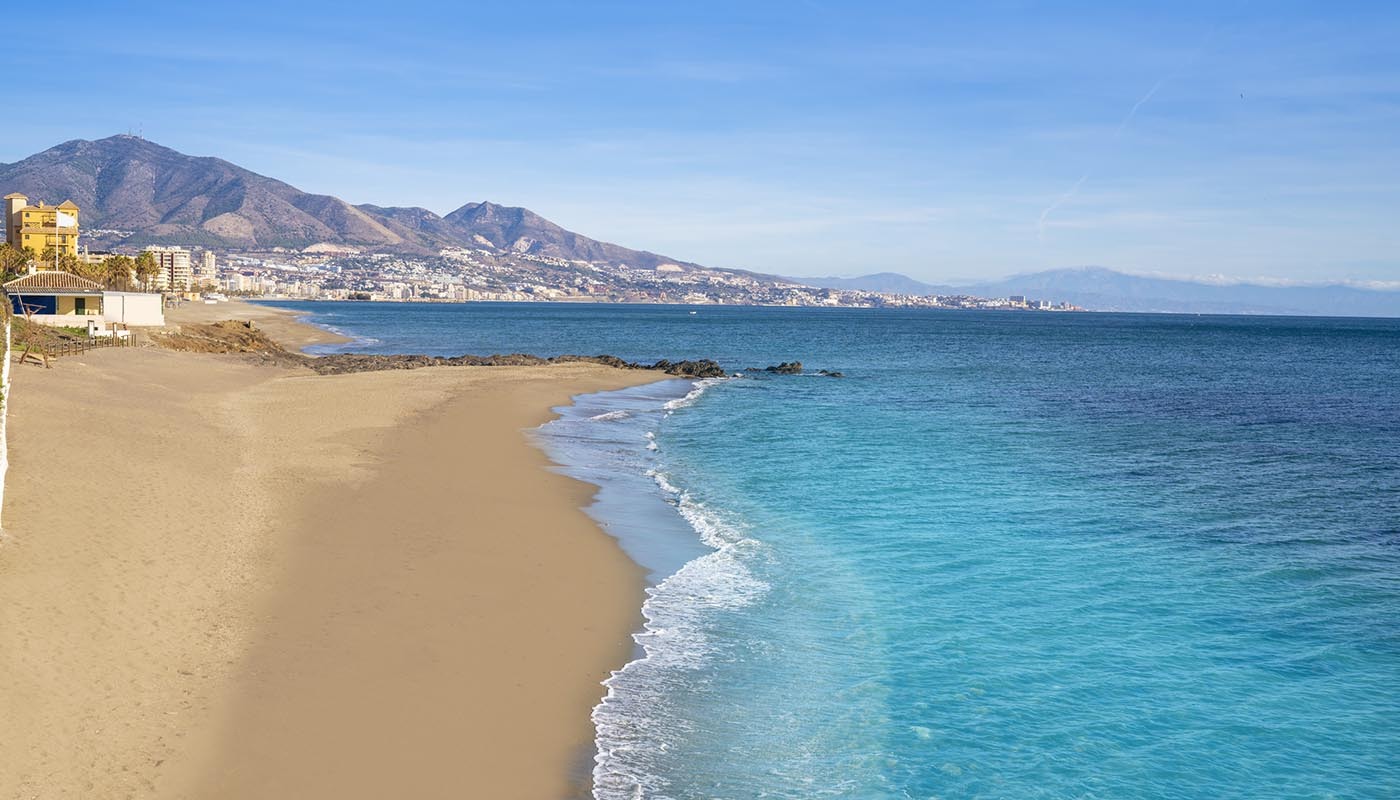


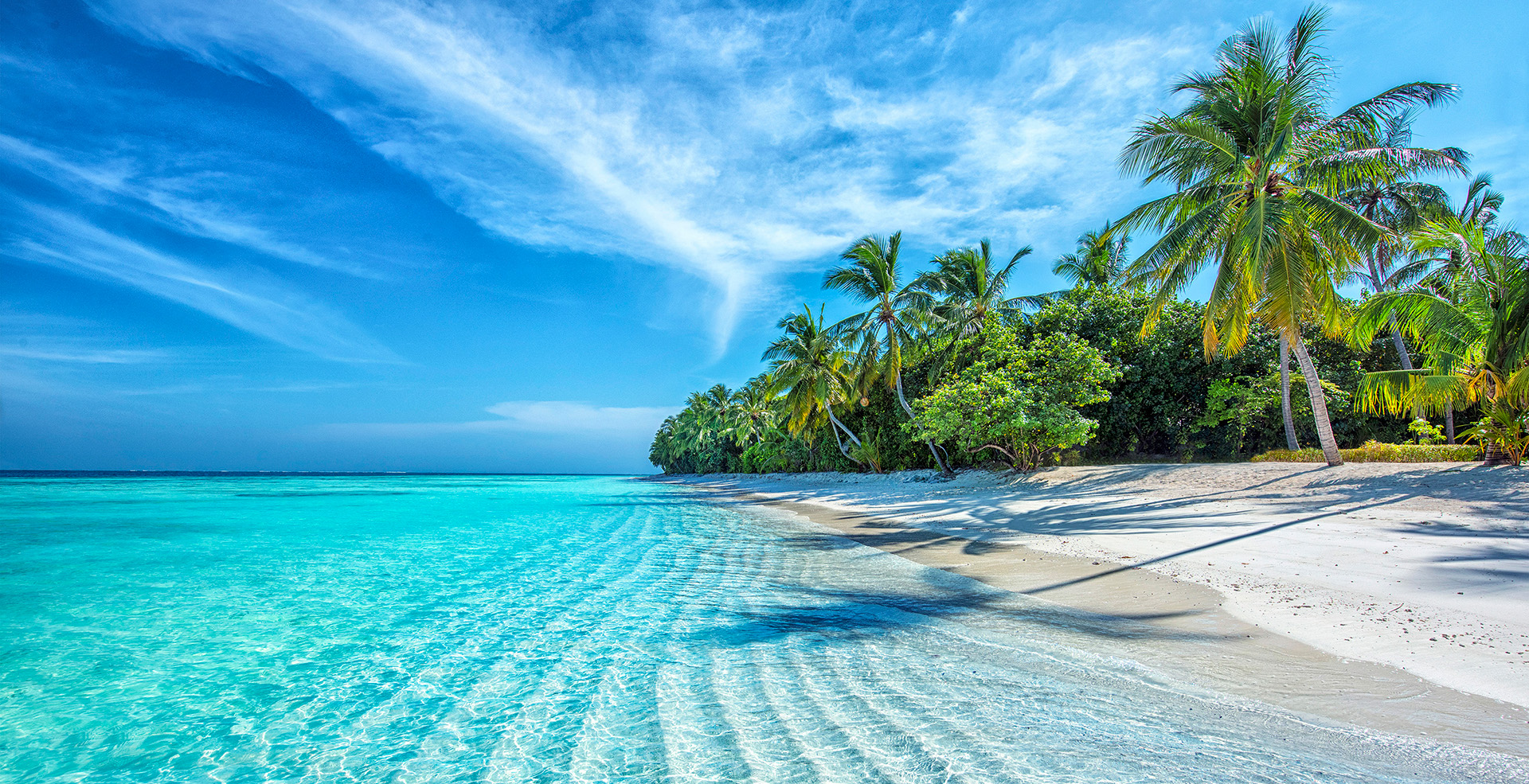

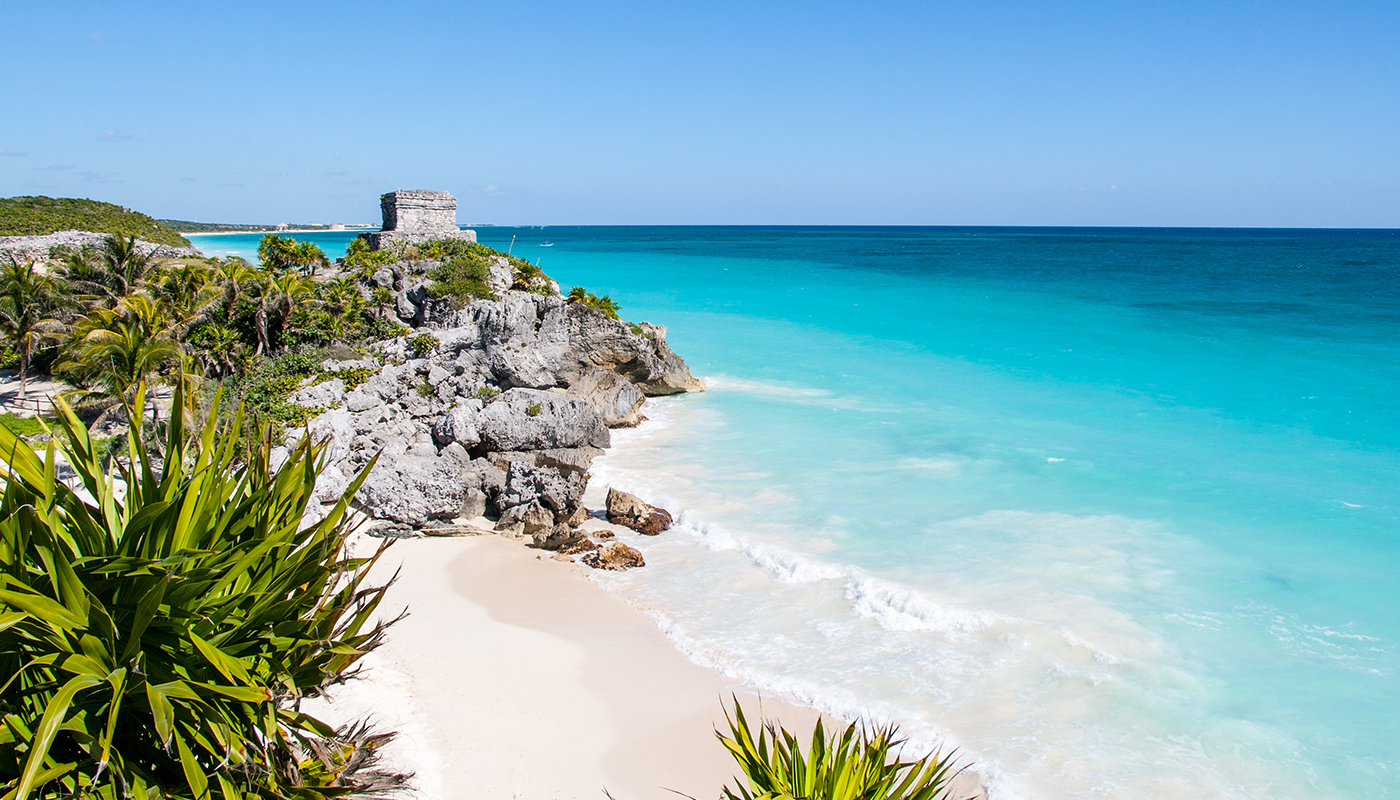
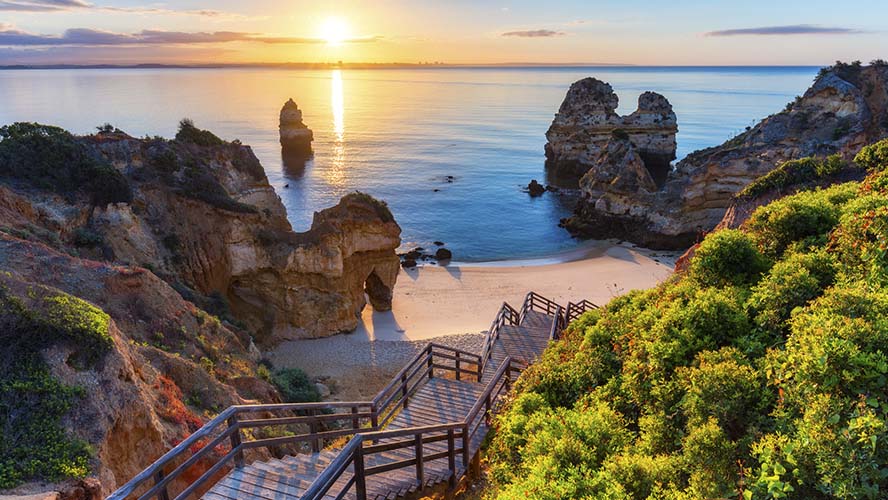
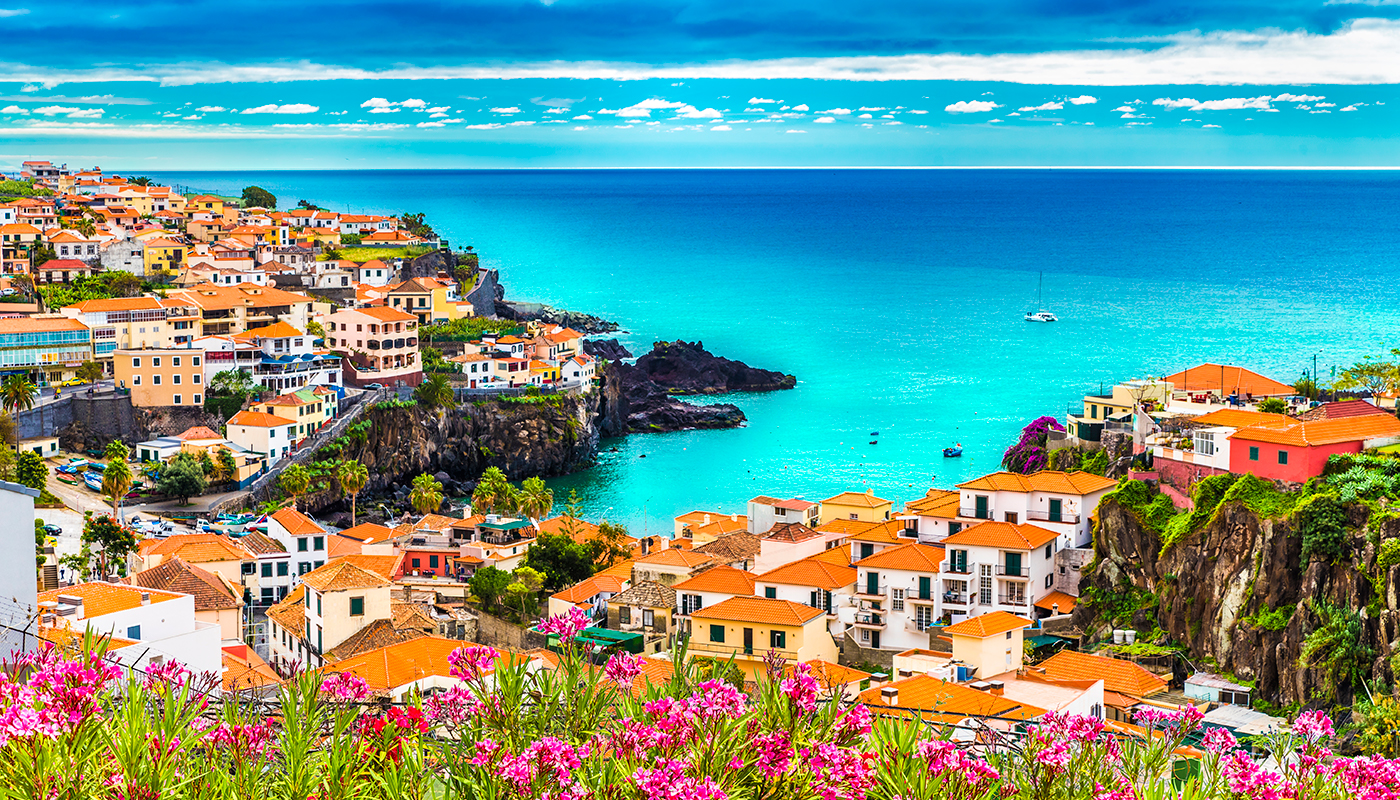

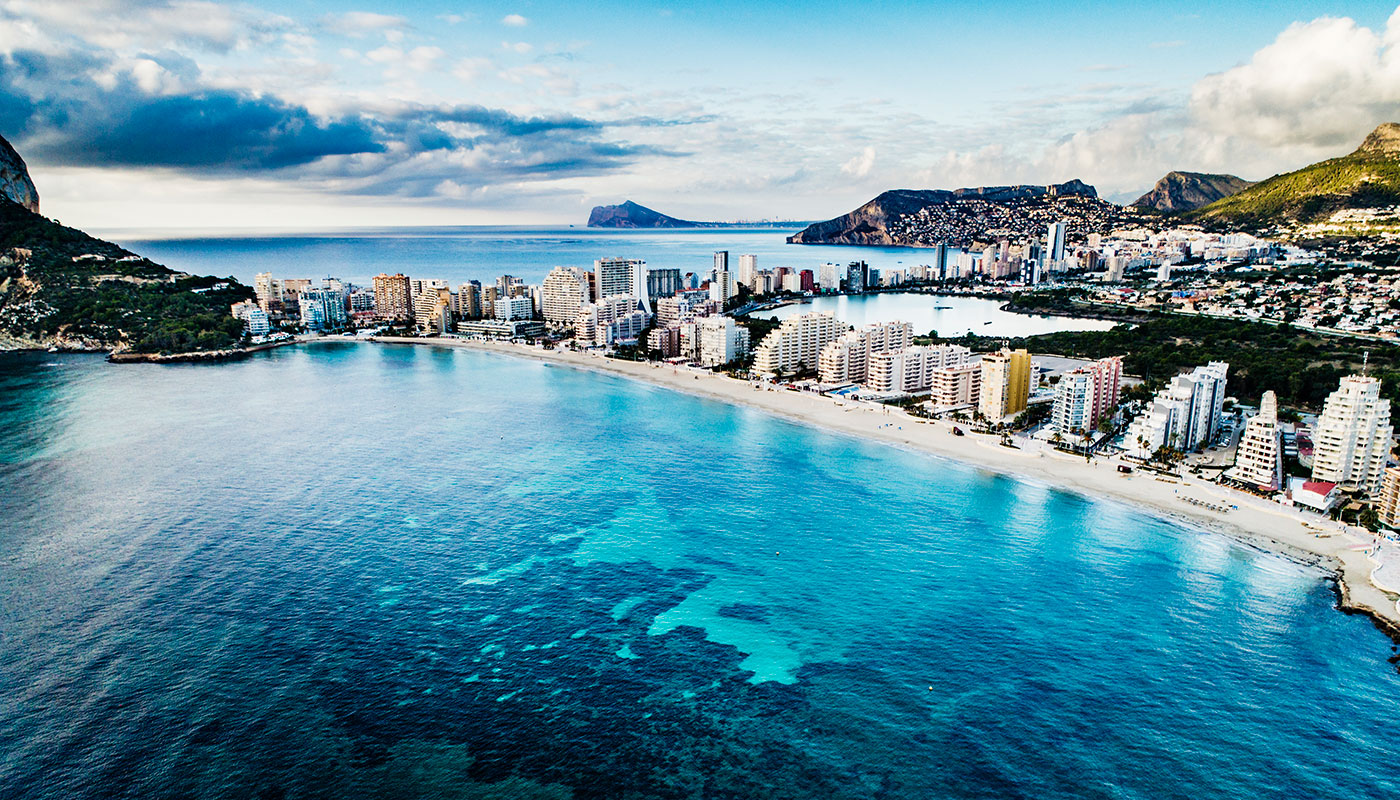
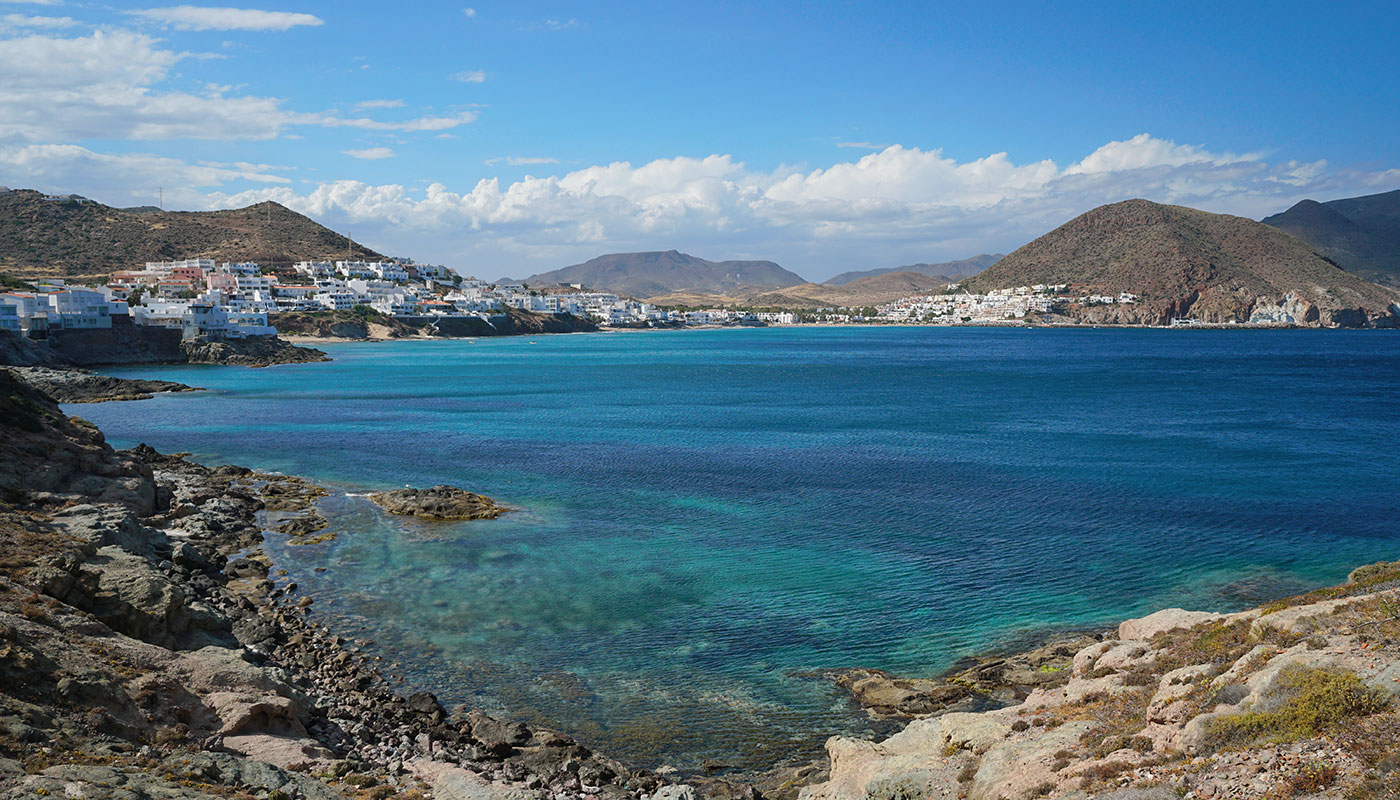

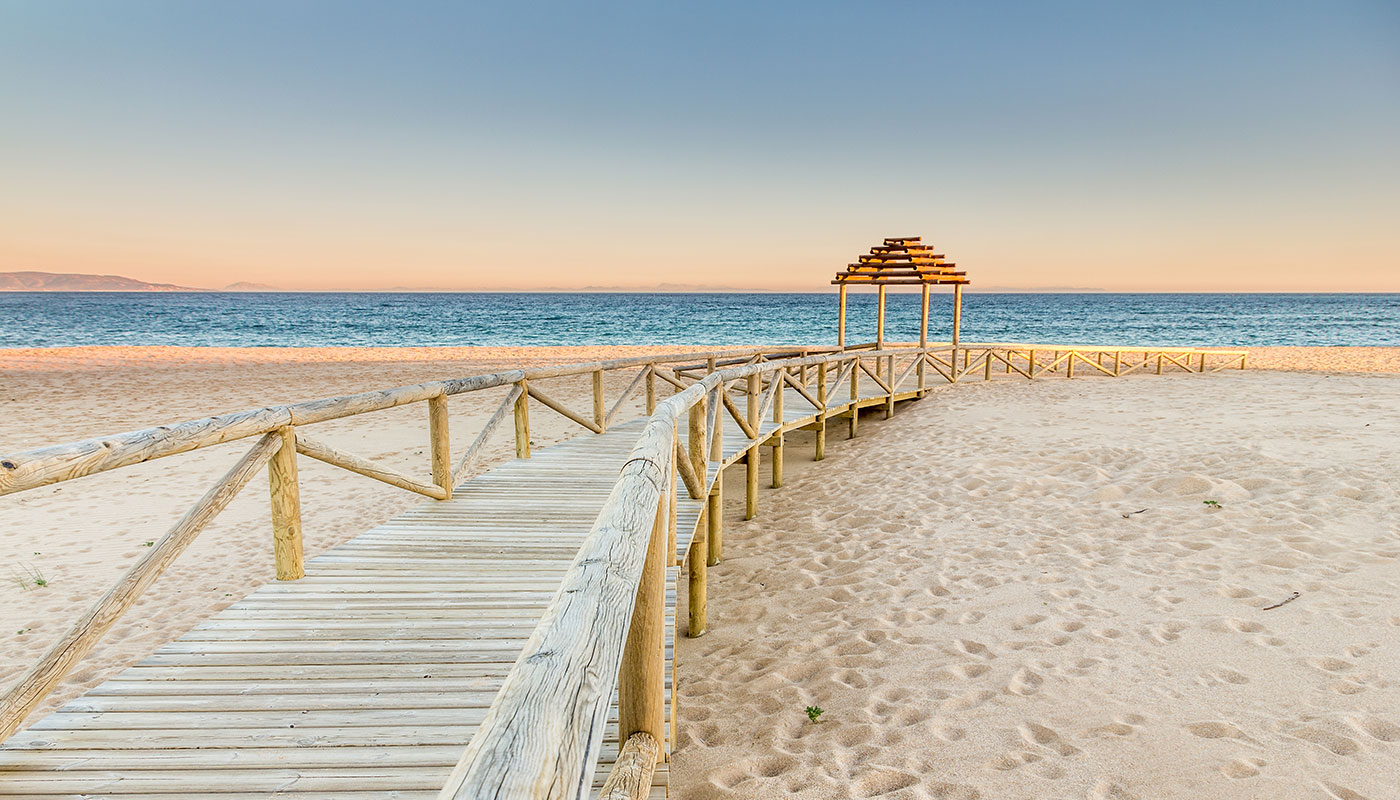
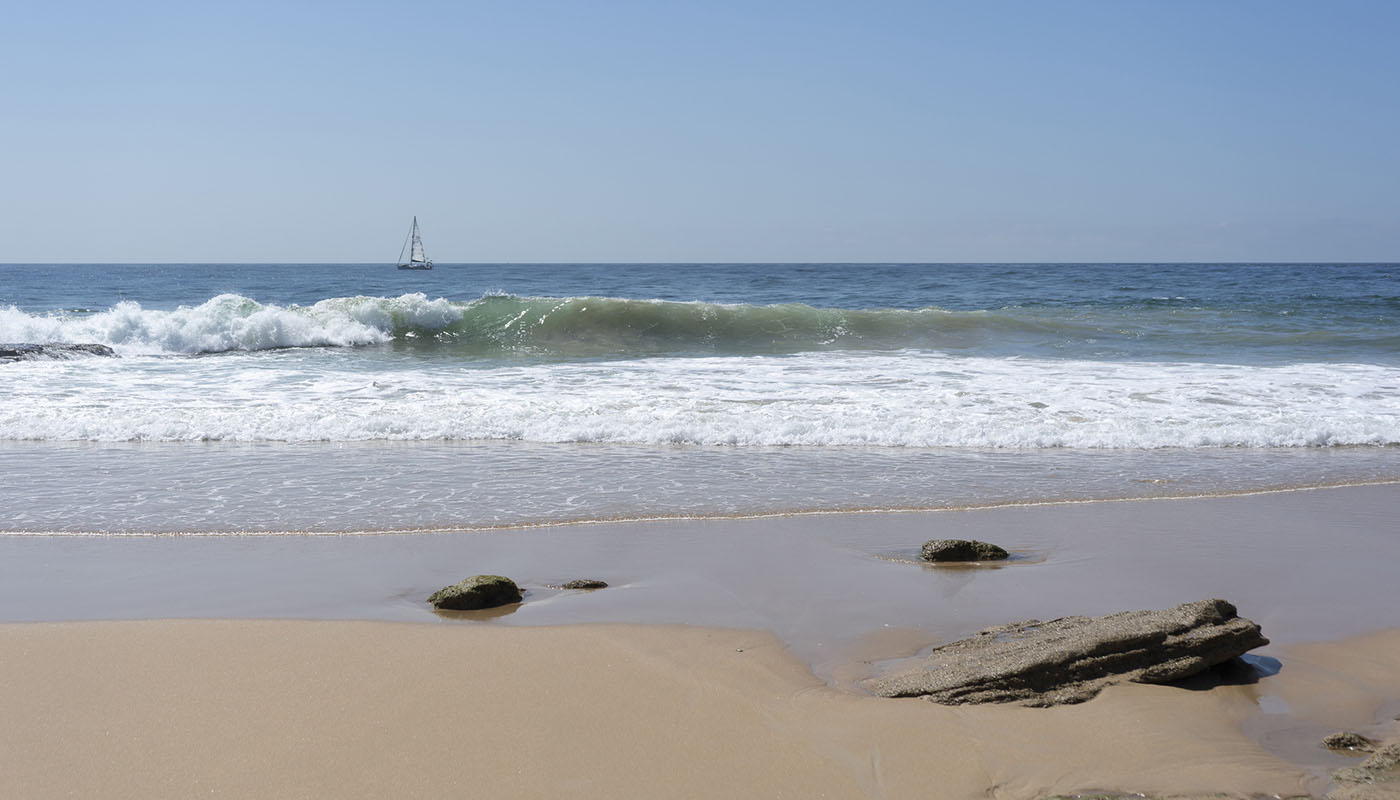

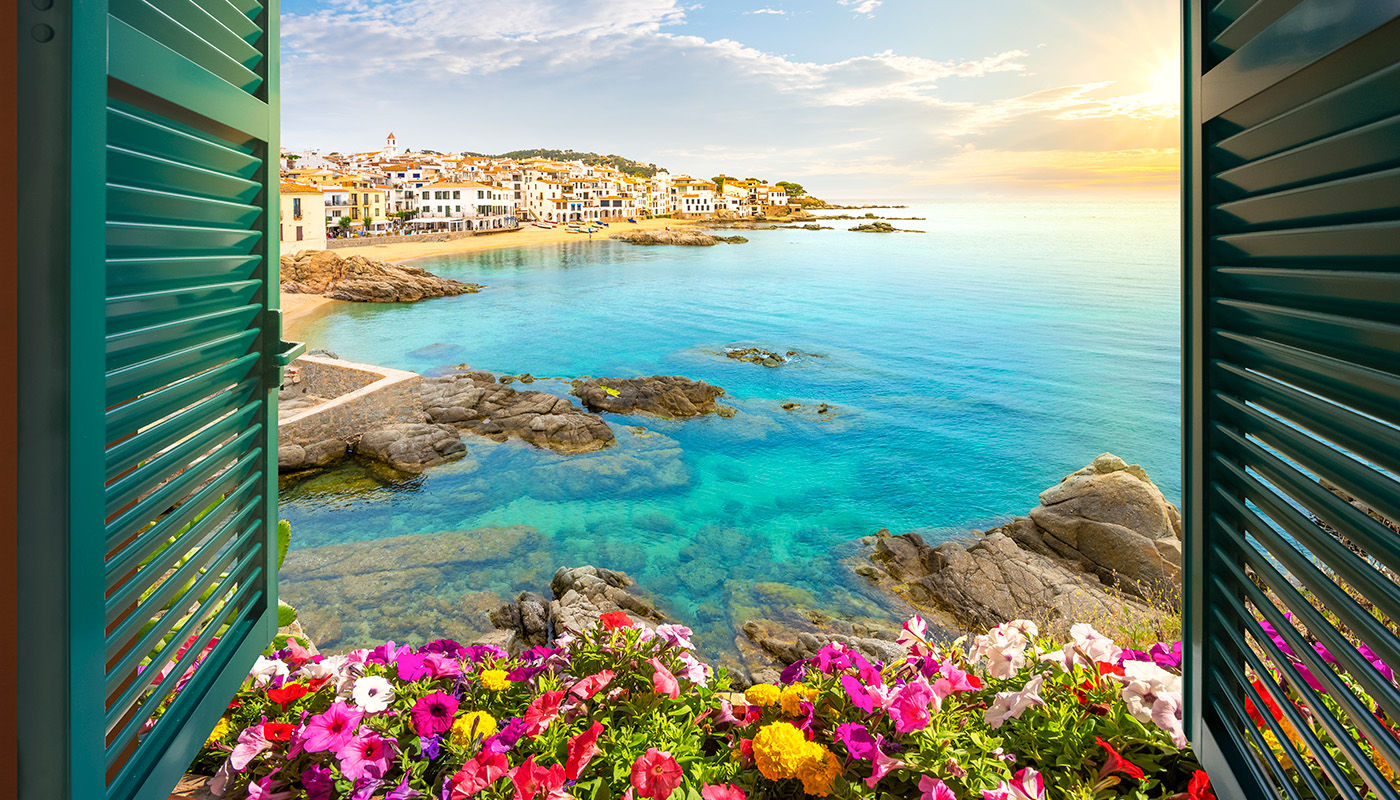

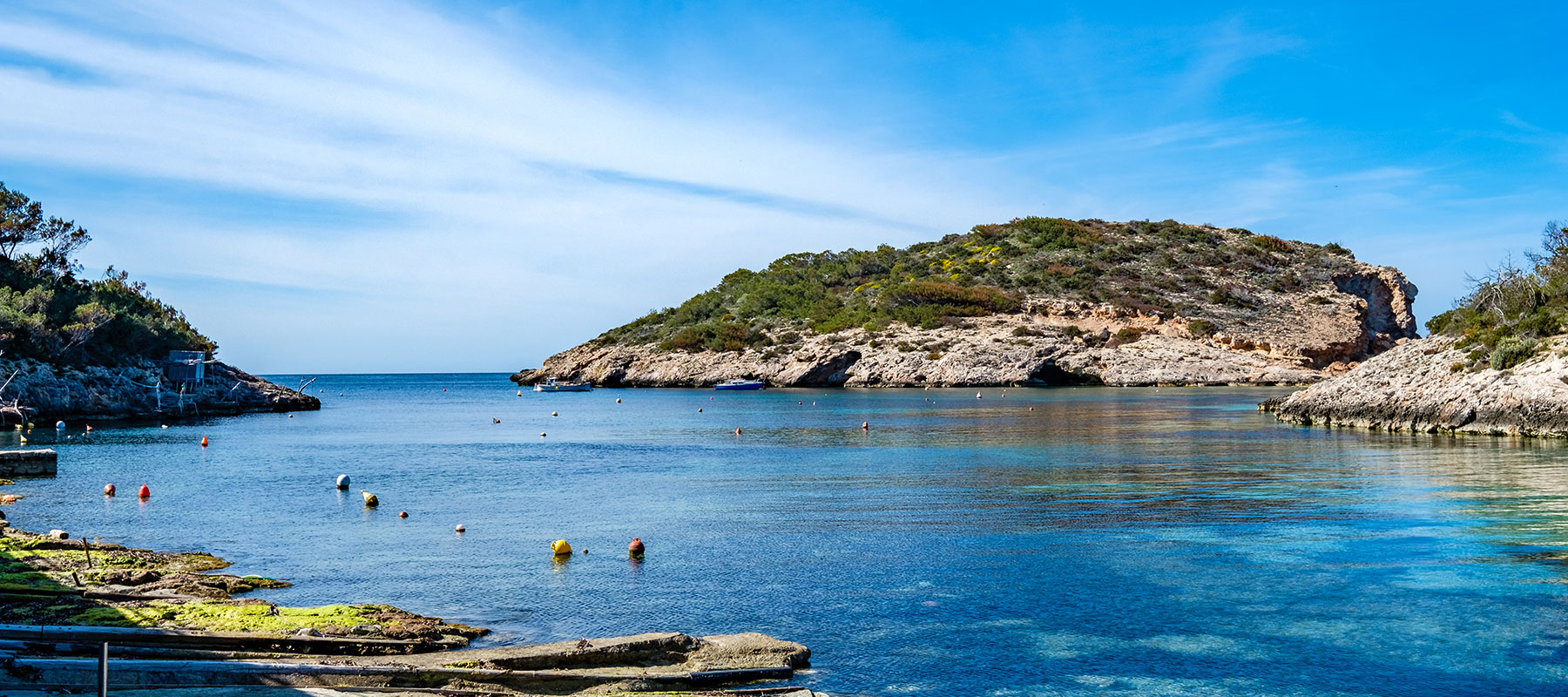


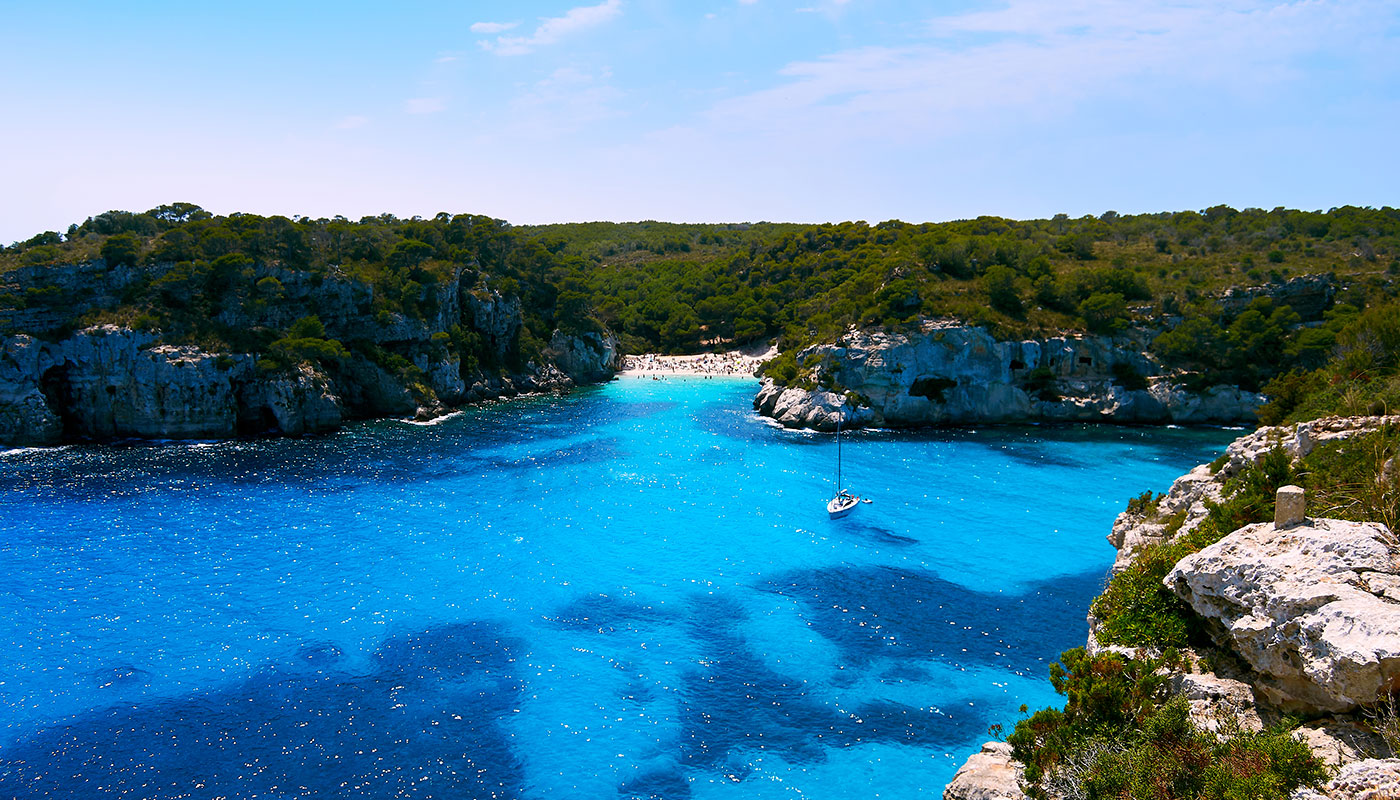
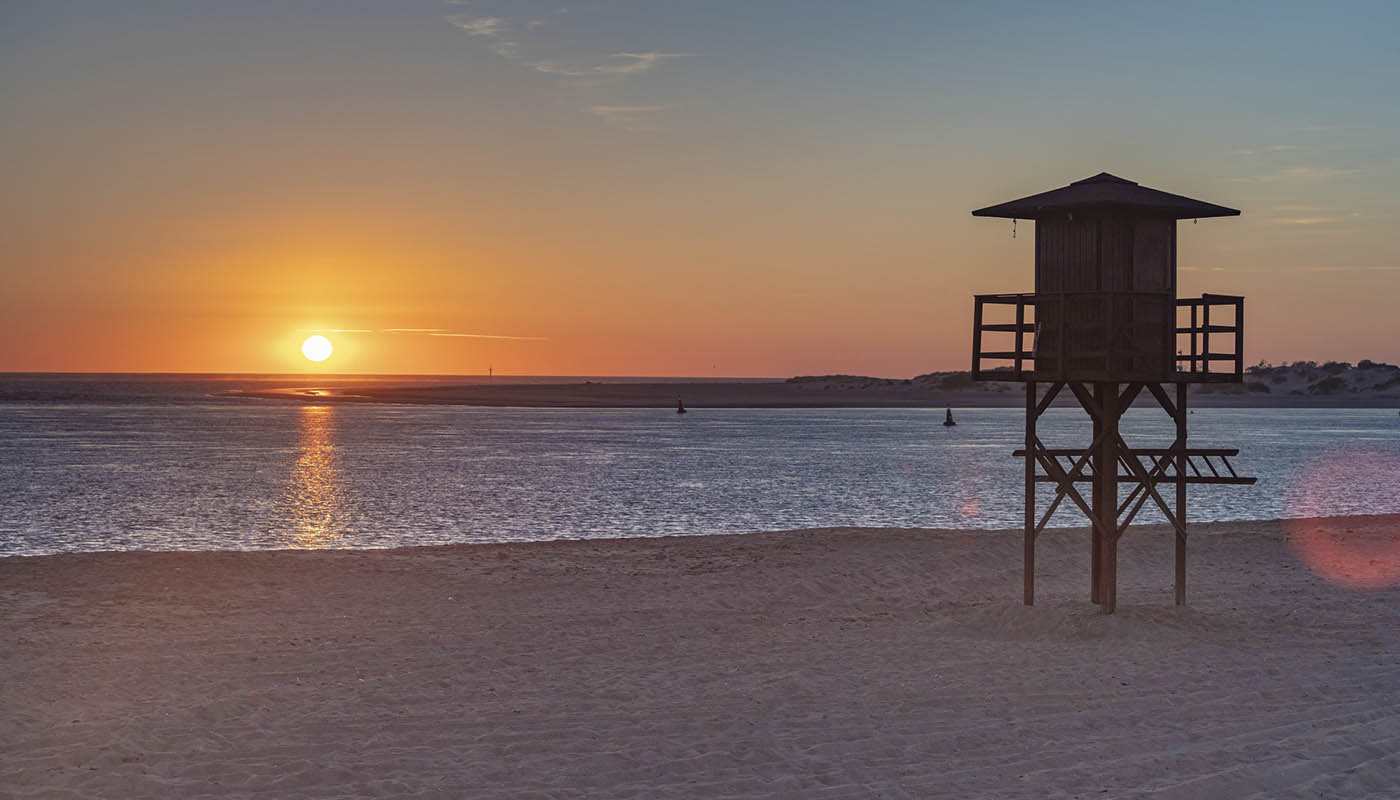
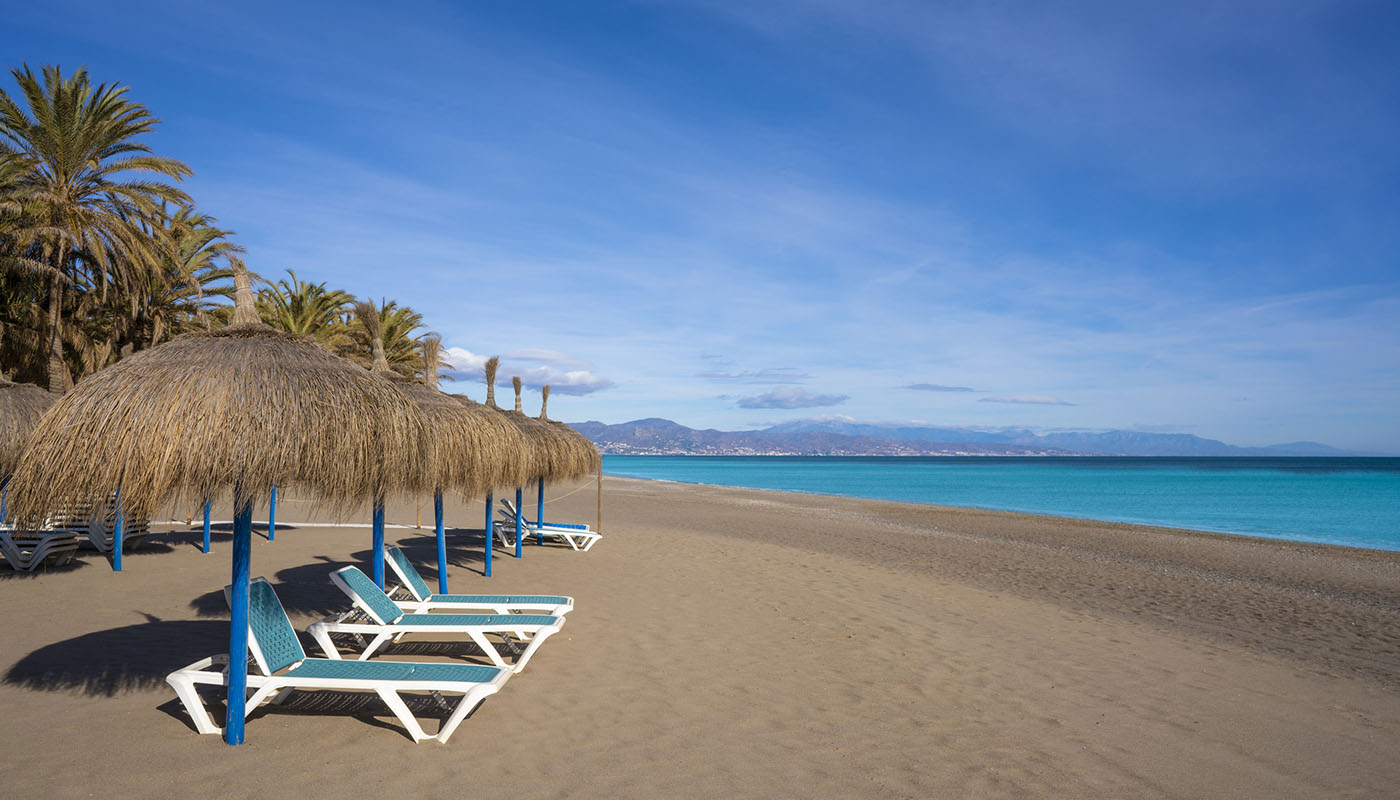


With a population of around 90,000, Chiclana de la Frontera is a major tourist destination in Andalusia, and is the third most highly populated town in the metropolitan area of the Bay of Cádiz. To the north, it borders with the municipalities of San Fernando and Puerto Real, to the south with Conil de la Frontera, and inland with Medina Sidonia and Vejer de la Frontera. Chiclana de la Frontera boasts fabulous beaches, including the 8-kilometre-long Playa de la Barrosa; in summer, these attract huge numbers of visitors of different nationalities and from many parts of the world. Or there is Playa de Sancti Petri, a beach separated from La Barrosa by a cliff, and famous for being inside a natural park. From this beach, you can see Sancti Petri Castle which, according to legend, in the site of the Melqart (or Hercules) temple.
Lots of people confuse Chiclana de la Frontera with the Novo Sancti Petri tourist resort, which forms part of a natural park known as Puerto Deportivo Sancti Petri. This is a development that boasts the highest number of hotel places in the province of Cádiz, and which has become an extremely popular golf destination.
- The origins of the town of Chiclana
- What to see in Chiclana’s historic quarter
- Bars, and where to eat in Chiclana
The origins of the town of Chiclana
The history of Chiclana dates back to the year 1303, when King Fernando IV of Castile handed over the territory to the House of Medina Sidonia. However, archaeological remains have been discovered that suggest the Phoenicians were present in the area long before that — one example being the Nueva Gadeira archaeological site, which has been open to the public since 2023. It is thought that there may even have been human settlements here before the arrival of the Phoenicians.
The town of Chiclana as we see it today was built during the eighteenth century, at a time when the area was in the midst of an economic boom as it shared in the huge business and trading activity taking place across the entire Bay of Cádiz. It was during this period that mansions such as that of the Count of Pinar and Casa Brake were built.
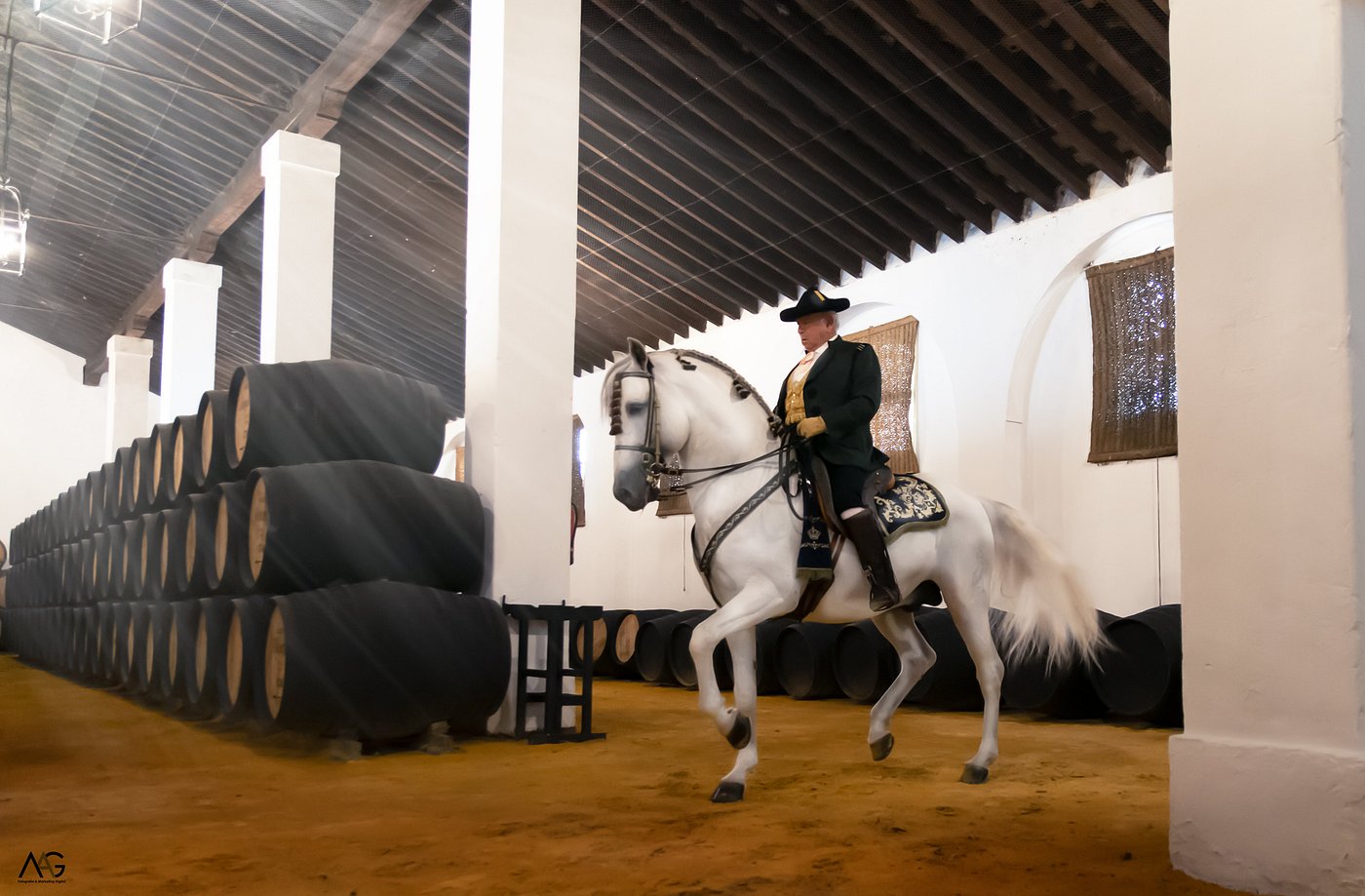
It should be noted that the wine industry has been the traditional mainstay of the town, with wines belonging to the Jerez-Xérès-Sherry and Manzanilla-Sanlúcar de Barrameda appellations of origin. In recent years however there has been a massive rise in tourism, thanks to the town’s many attractions and to its magnificent natural setting, including of course its beaches and golf courses.
What to see in Chiclana’s historic quarter
Despite the growth of tourism in recent years, Chiclana’s historic quarter still remains an authentic Andalusian town, with narrow cobbled streets, quaint squares, and historic buildings.
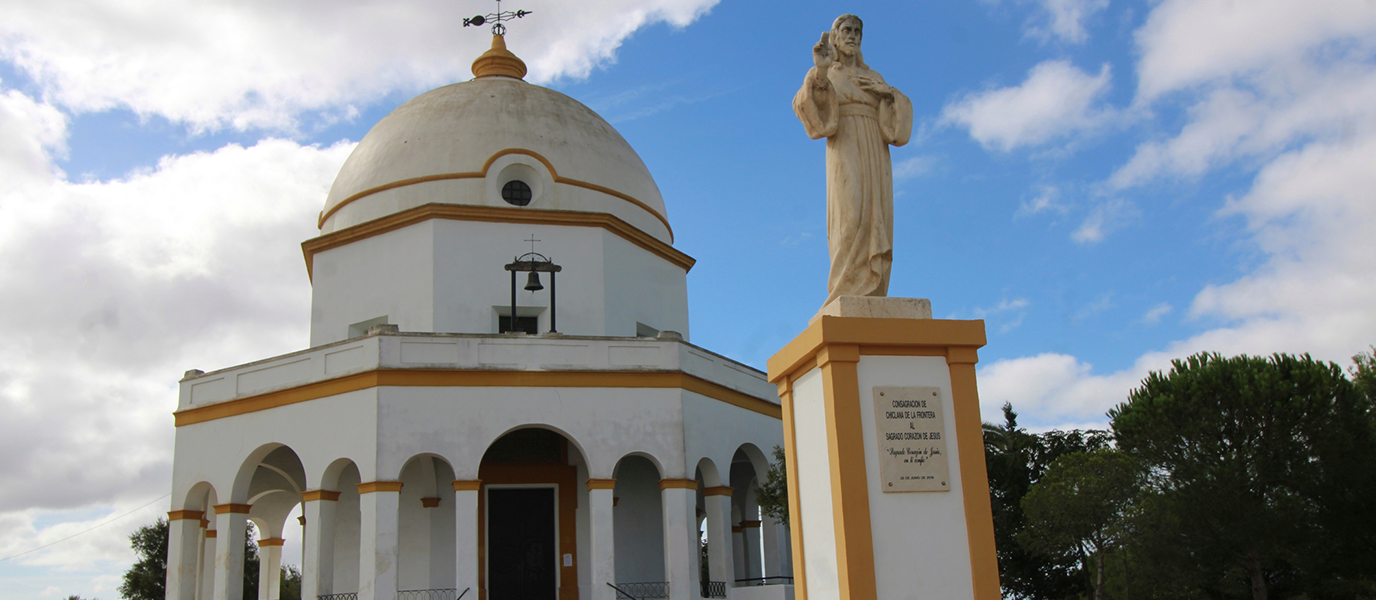
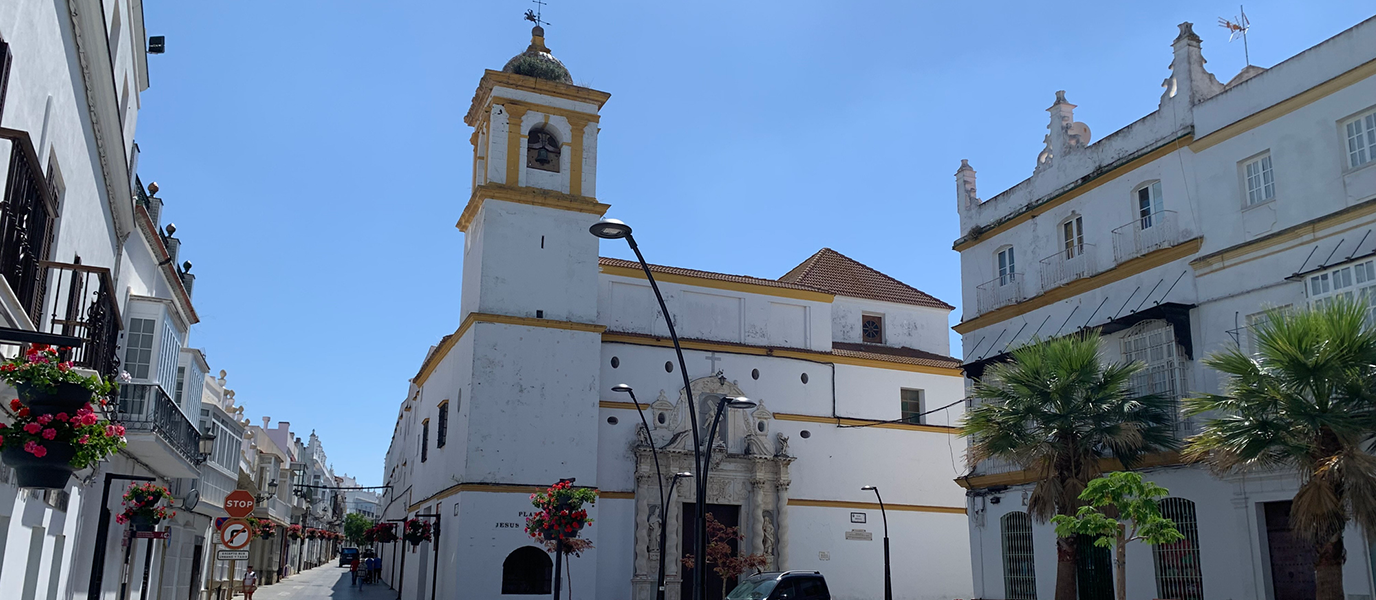
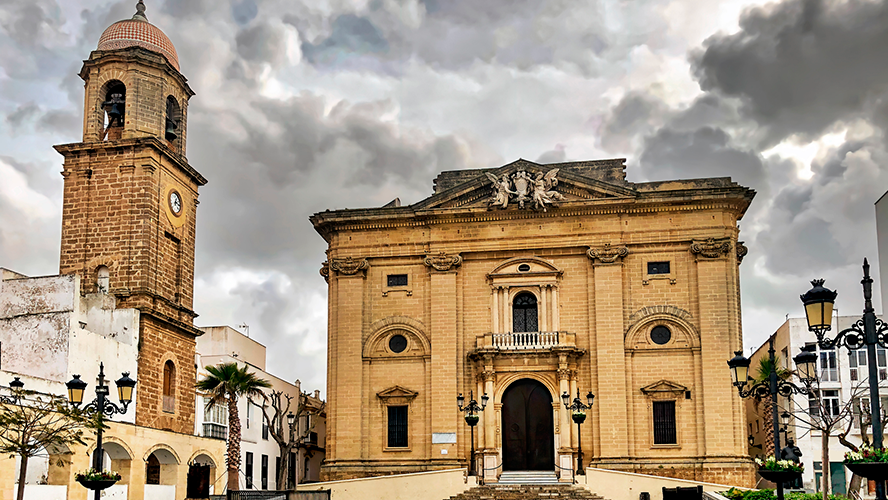
What to see in the centre of Chiclana Don’t forget to visit the Iglesia de San Juan Bautista, a church built during the eighteenth century in the Neo-Classical style, as well as the Jesús Nazareno Monastery, the church of San Telmo, and the Santa Ana hermitage perched on a hilltop. You could also take a look at the eighteenth century Torre del Reloj [Clock Tower].
Other natural attractions not to be missed in Chiclana are the famous La Barrosa beach, one of the town’s jewels; the Mercado de Abastos [Food Market], to discover authentic Andalusian products; a bodega to taste the region’s finest wines; Sancti Petri Castle, which stands on a small islet, and the Bay of Cádiz Natural Park — an oasis of biodiversity, with marshlands, salt flats and swamps.
Bars, and where to eat in Chiclana
Chiclana has a plethora of the usual restaurants and beach bars. There is a vast choice, and everyone will find something to suit them here.
Where to eat in the centre of Chiclana There are endless possibilities, and travellers can choose a restaurant that suits both their tastes and their budget. If you’re seeking an outstanding gastronomic offer, this is the moment to allow yourself to be dazzled by the creativity of Alevante, a two-Michelin-starred restaurant run by the renowned ‘sea chef’ Ángel León in Novo Sancti Petri.
Other good restaurants in Chiclana are Cataria, which specialises in fish and seafood; La Azotea by Aroma de Mar, which serves excellent oxtail croquettes; La Cocina de Melkart, another superb option; Fogón de Mariana for the finest meat dishes in Andalusia; Atripiko, a gastrobar where you can enjoy Caribbean and Latin American style cooking; VAVÁ Playa La Barrosa, an establishment with an extremely varied menu; Novo Sunset Club, with its kitchen overlooking the Mediterranean, or Hornaza 19 Gastrogrill, in the centre of Chiclana.
There is also a good selection of restaurants serving international cuisine. In a nutshell: something to suit all tastes.