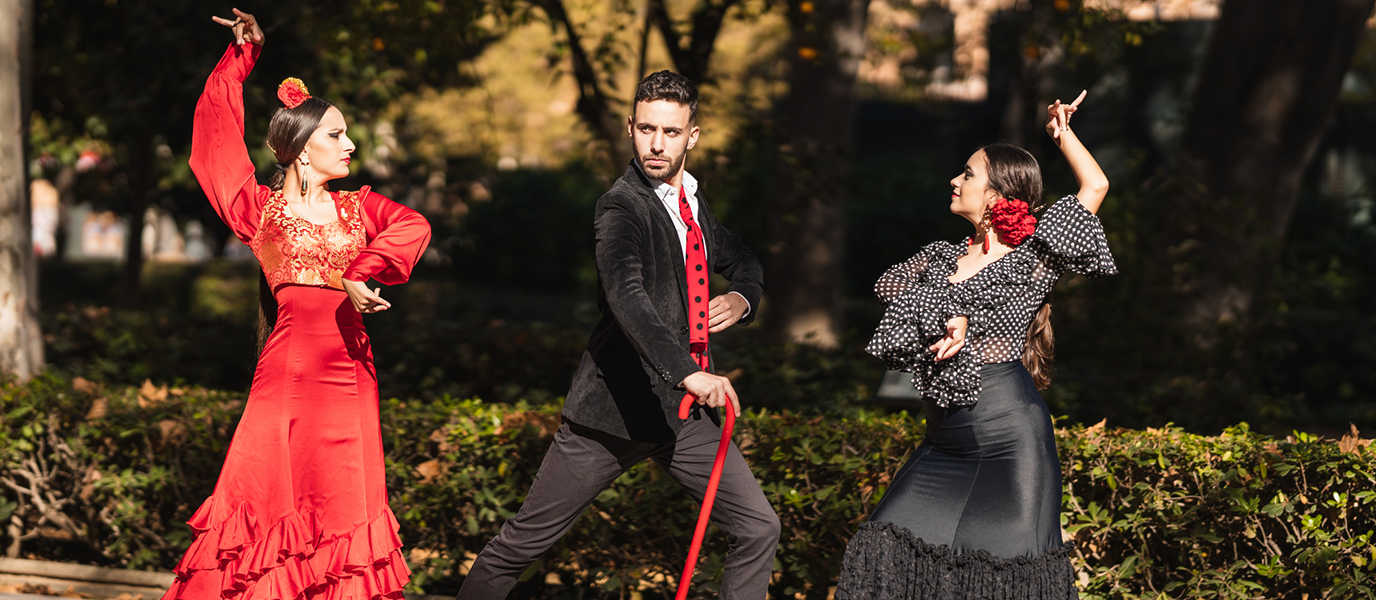










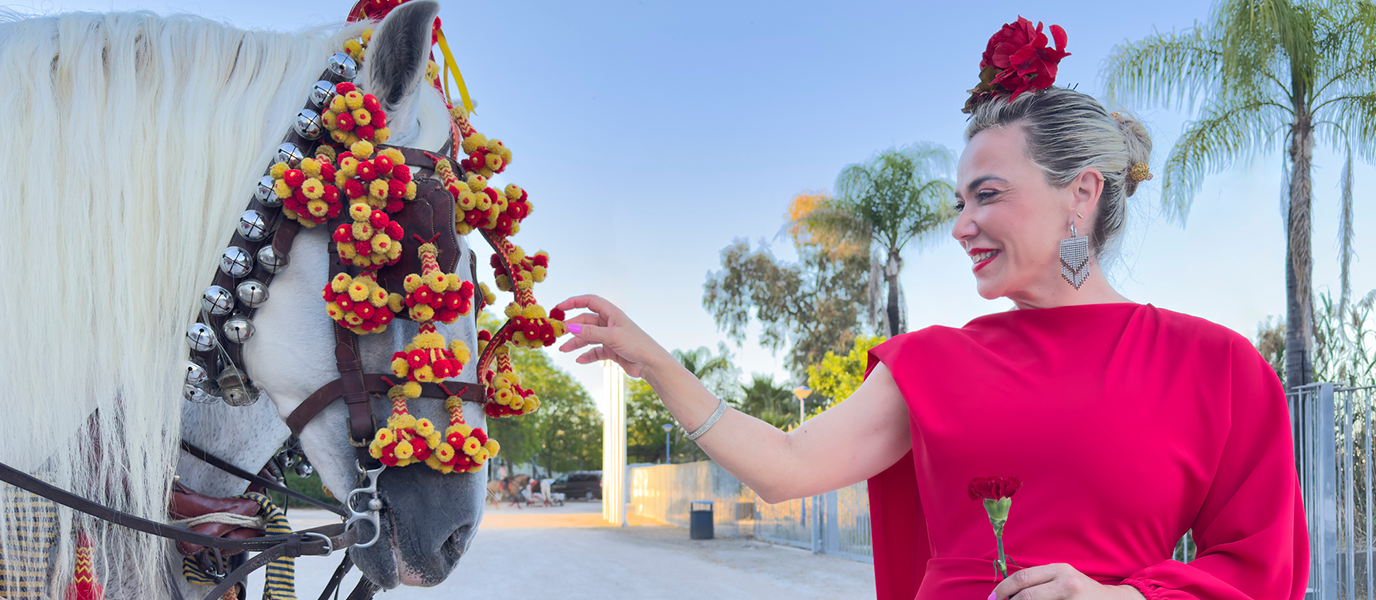
Nothing compares to the Feria de Jerez, no matter how much it is compared to the one in Seville. Although it is smaller, the event, which has been held since the Middle Ages, is open to everyone, and anyone can enter the marquees, order a rebujito and a plate of ham, and enjoy the flamenco performance of the day.
- History and context of the medieval event
- Where and when the fair is held: useful information so you don’t miss a thing
- Events and celebrations in the fair programme
History and context of the medieval event
The story goes that in the fourteenth century, merchants and artists would gather in Jerez for fairs, which were attended by English rag-and-bone men, Breton linen merchants and Flemish merchants who sought, among other things, the wines produced in the region. However, during the time of Alfonso X the Wise, Jerez had already been granted royal permission to hold two large fairs, one in April and another in September, which are, in part, the origin of its famous Horse Fair. Even in the fifteenth century, there was already a street in the fair devoted to these types of gatherings, and the merchants who came were given a letter of safe-passage that meant they could not be arrested, albeit only for three days.
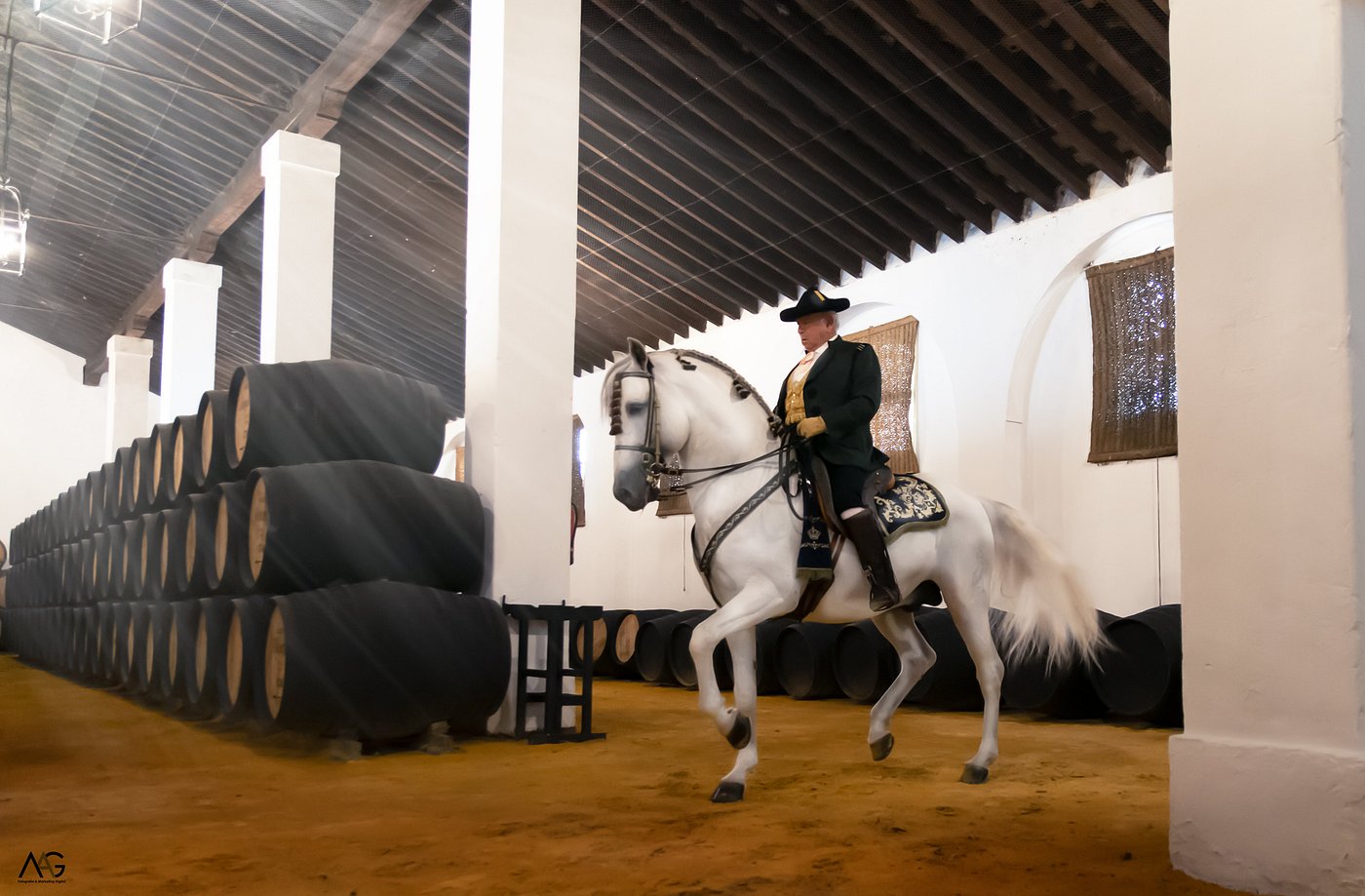
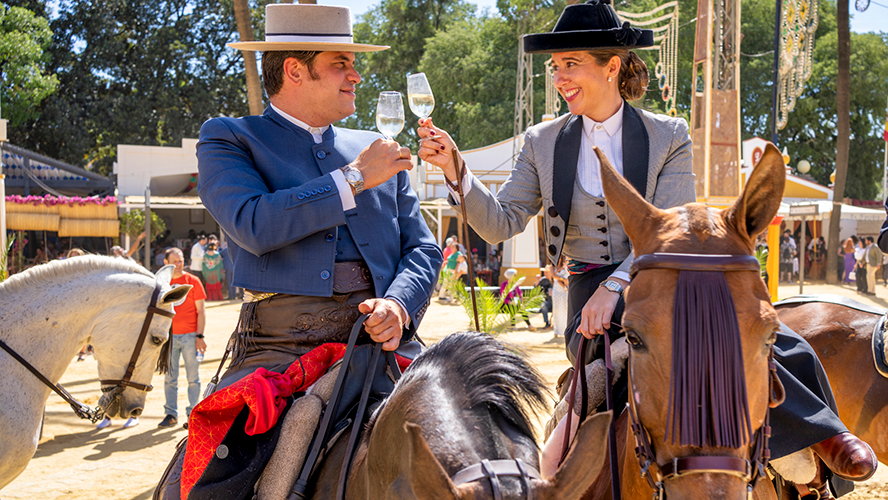
During the Jerez fair, horses are one of the main attractions, and in those days many horses were bought and sold and their beauty greatly appreciated. In the sixteenth century, records show that the famous juegos de toros y cañas—a type of bullfighting on horseback, inherited from the Arabs—would take place in Plaza del Arenal. In the nineteenth century, the fair had become an important livestock market, and the rulers of Jerez sought a permanent location where they could hold this great event every year. In 1902, there was talk of creating a large recreational park in the so-called Campos de Instrucción, which belonged to the City Council, and on 14 September 1902 the fairgrounds, which still stand today, were opened. recinto ferial que se ha mantenido hasta nuestros días.
Where and when the fair is held: useful information so you don’t miss a thing
The Jerez Horse Fair is held during the second week of May, always before the start of the Romería del Rocío pilgrimage, in González Hontoria park. The site became the fairground in 1902, on land that belonged to the City Council, and a year later concessions were granted to individuals and companies so that they could build their own marquees along two large avenues, Las Palmeras and Calle Real.
In the 1960s, the Paseo Nuevo was added, separating the livestock area from the rest of the fair, and in the 1970s, more streets were created to divide the fair into blocks so that more marquees could be accommodated. In 1985, the Jerez City Council decided to demolish almost all the marquees so that the park could be used for other purposes during the rest of the year. However, there were some exceptions that lasted a few more years. Today, only two pavilions remain standing, one of them belonging to the Casino Jerezano.
The rest of the marquees are designed and assembled each year, and an annual competition is even held to award prizes to the three best ones. As we said, the unusual thing about the Fería de Jerez is that anyone can enter the marquees without having to be a member and order whatever they want at the bar and enjoy the flamenco show or music wherever they like. It should be noted that the event now lasts nine days, as the previous weekend has been added to the traditional week-long fair so that people have more opportunity to enjoy it.
Events and celebrations in the fair programme
The main event, and the starting point of the fair, is the switching on of the lights ceremony. On the Saturday when the festival begins, the button is pressed at the City Hall pavilion and the entire site is lit up, from the entrance gate, known as the Puerta del Ferial, to the rest of the streets and avenues. What’s more, every year changes are made to continue surprising the people of Jerez and regular visitors.
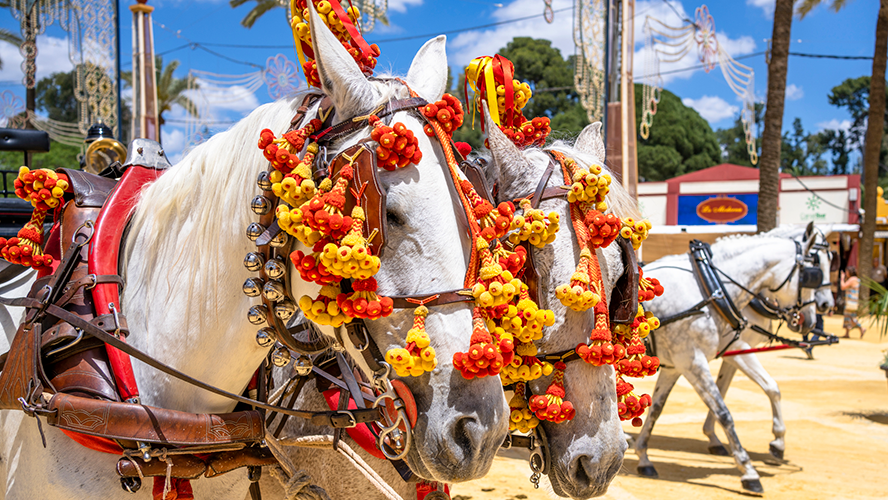
Although some of the fair’s traditions have been lost, such as the Batalla de las Flores, horse-related activities are still held, such as the carriage and coachman competition, where carriages are paraded through the streets of Jerez to display their attractiveness, elegance and dexterity; or the horse competitions in which the Golden Horse is chosen.
Children also have their own special celebration on the so-called Calle del Infierno (Hell Street), where the fairground attractions, the famous raffles and the ice cream, nougat, and now fast-food stalls are located, aimed mainly at a younger crowd. In fact, there is one day during the week called the Día de los Cacharritos, when the price of the attractions is reduced and the fairgrounds are filled with families looking to enjoy the fair with their children.