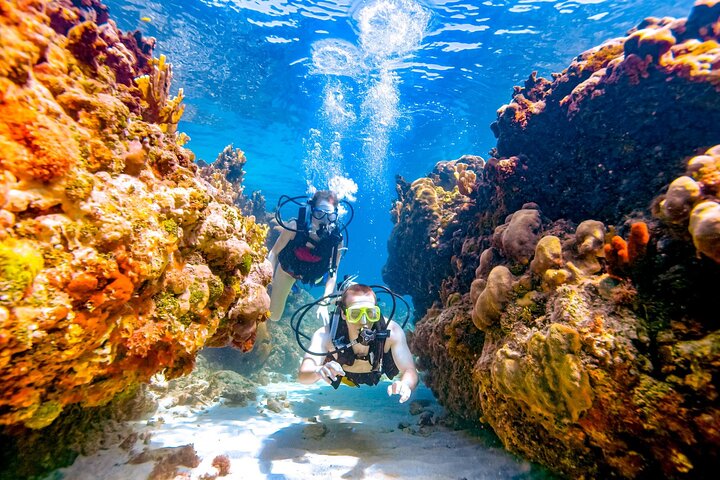



















The Red Sea is undoubtedly one of the most fascinating diving destinations. Its crystal clear water, marine diversity and rich history attract everyone from beginners to the most experienced divers from all over the world. The unique geography of the Red Sea, with its coral reefs fringing deserts, mysterious depths and numerous shipwrecks, has made it a true underwater paradise. Each dive offers a new adventure, whether it is to explore the vibrant marine life or to discover historical remains submerged in time.
- Why the Red Sea is perfect for diving: visibility, biodiversity and adventure
- Natural setting: a sea that blooms in the middle of the desert
- Recommendations and information to consider: preparation and safety
- Best spots for diving in the Red Sea: an underwater journey through its most prized treasures
Why the Red Sea is perfect for diving: visibility, biodiversity and adventure
The Red Sea stands out as a top diving destination due to several key factors. Firstly, the excellent visibility, which can surpass 30 metres in many spots, allowing divers to enjoy underwater landscapes in all their splendour. This clarity is especially appreciated in areas where coral, tropical fish and rocky structures form veritable underwater gardens.
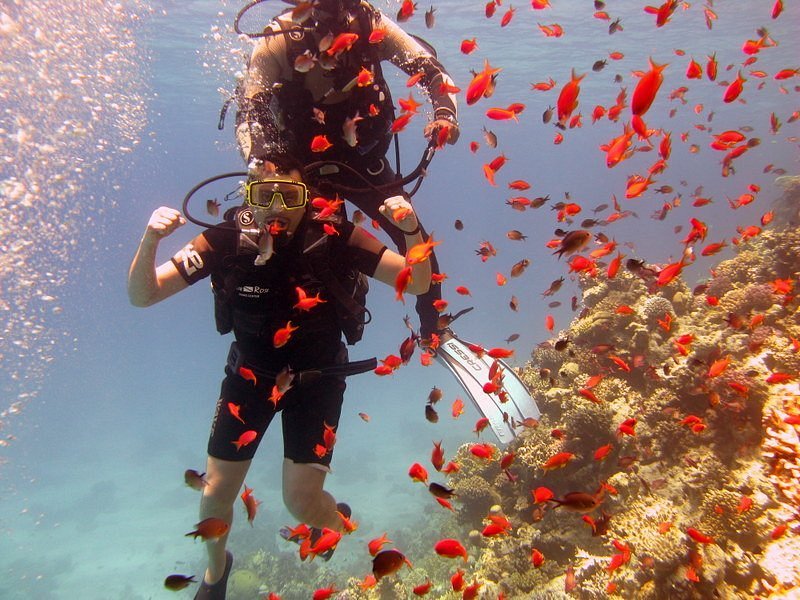
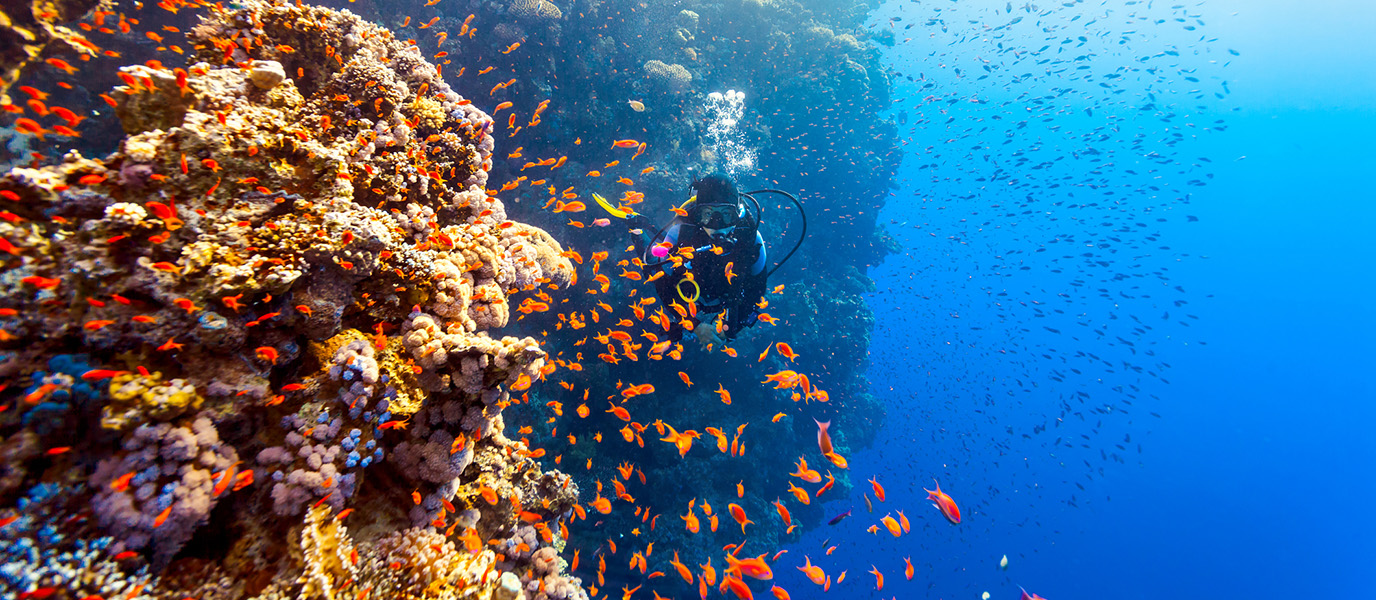
Another aspect that makes the Red Sea unique is its enormous biodiversity. With more than 1,200 species of fish, 10 per cent of which are endemic to the region, and more than 200 types of coral, divers will find an almost infinite variety of colours and shapes all around them. In addition to this, the warm waters, with temperatures ranging from 22 to 30 degrees Celsius, make for a pleasant experience all year round. The dive sites also offer something for all levels, from shallow reefs that are perfect for beginners to depths that challenge even the most experienced divers.
Natural setting: a sea that blooms in the middle of the desert
The Red Sea has geography that is as fascinating as its waters. Separating Africa from the Arabian Peninsula, the body of water is known for its hot, dry climate, yet it is surprisingly rich in marine life. The constant heat and low rainfall in the areas surrounding the sea contribute to the high salinity of its waters, which, combined with ocean currents, creates a peculiar and diverse marine ecosystem.
The desert shores bordering the Red Sea at first glance appear inhospitable, but beneath the waters lie coral reefs, veritable underwater cities that have grown over thousands of years. These reefs not only provide a home for hundreds of species of fish, but also create spectacular underwater landscapes teeming with life. Large predators such as hammerhead sharks and reef sharks also patrol these waters, adding a thrilling component to the dives.
Recommendations and information to consider: preparation and safety
Before venturing out to dive in the Red Sea, there are several factors to consider to ensure a safe and enjoyable experience. Prior experience is key, as some of the region’s most iconic sites, such as the deep wrecks or reefs with strong currents, can be challenging for novice divers. However, there are also many dive sites accessible to all levels.
It is advisable to travel with specialist dive insurance, as some of the best sites are far from medical centres, and in case of emergency, cover is vital. Currents in some spots can be strong, so it is advisable to always dive with a certified guide and avoid exploring dangerous sites without the proper experience.
Finally, it is essential that as a diver you are responsible. The conservation of coral and marine life is a priority in the Red Sea. Not touching the coral or disturbing the local fauna is a basic rule that all divers must abide by in order to preserve the region’s delicate ecosystem.
Best spots for diving in the Red Sea: an underwater journey through its most prized treasures
Sharm El Sheikh: the epicentre of diving in the Sinaí
One of the most popular destinations for divers from all over the world is Sharm El Sheikh, located in the Sinai Peninsula. Not only is it famous for its luxury resorts and lively nightlife, but also for its incredible dive sites. Among the highlights is Ras Muhammad National Park, just 12 kilometres to the south, where divers can explore spectacular world-famous coral reefs such as Shark Reef and Yolanda Reef (the latter also features the wreck of a sunken cargo ship), as well as abundant marine life ranging from tropical fish to reef sharks.
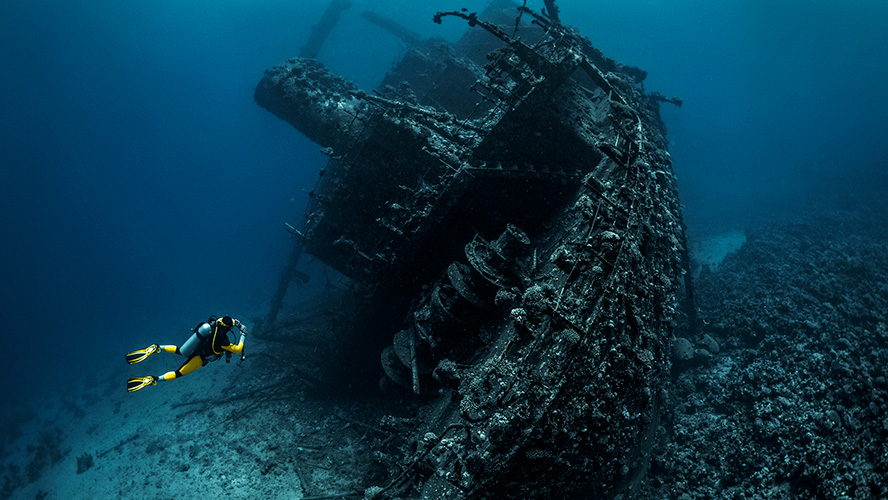
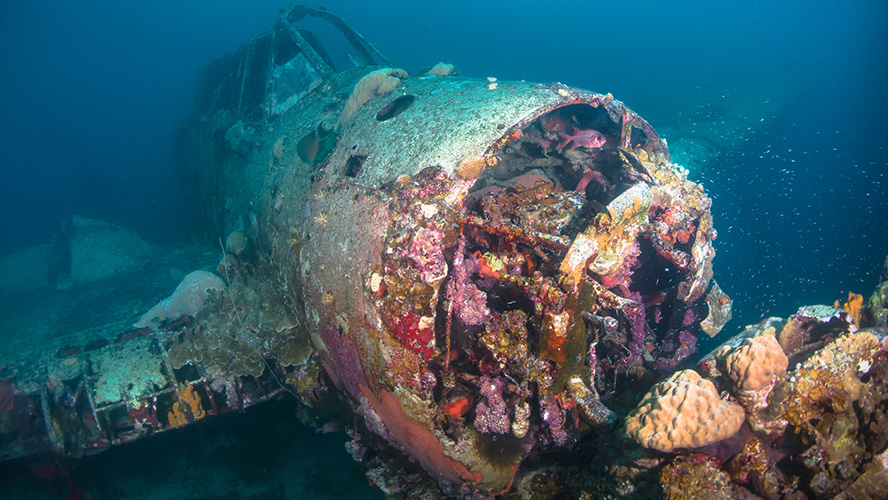
Another highlight in Sharm is the SS Thistlegorm, one of the world’s most famous shipwrecks. Sunk during World War II, this British ship loaded with ammunition and intact vehicles offers a unique historical dive. Diving the Thistlegorm is like travelling back in time, with the remains of motorbikes, trains and rifles still visible in its submerged holds.
Hurghada: diving for all levels
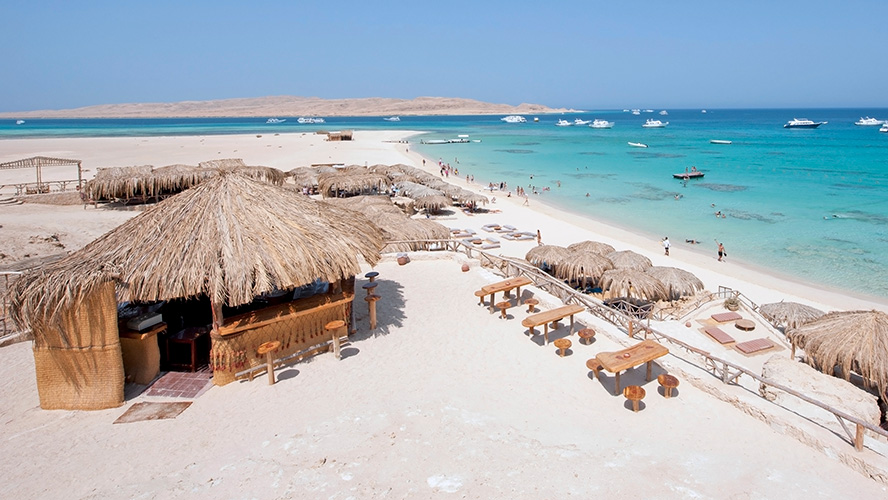
If Sharm El Sheikh is the epicentre of diving in the Sinai, Hurghada is the epicentre of diving on the west coast of the Red Sea. With a wide range of resorts and dive centres, Hurghada is perfect for beginners and more experienced divers alike. The nearby reefs offer a mix of shallow water dives that are perfect for novices, and deeper, more complex dive sites for those with more experience.
One of the most recommended sites are the Giftun Islands reef, a vibrant underwater environment that is home to a vast collection of coral, sponges and colourful fish. On the other hand, Abu Nuhas Reef, a famous ship graveyard, offers a fascinating wreck diving experience. Another wreck accessible from Hurghada is the El Mina, an Egyptian warship sunk in 1969, which offers an intriguing and historical dive.
Sha’ab Mahmud: an experience filled with coral and a steamship sunk in 1876
South of Sharm El Sheikh lies Sha’ab Mahmud, another of the Red Sea’s most famous dive sites. The reef is famous for its currents, but more importantly for the shipwrecks that rest in its waters, such as the SS Dunraven, a British steamship that sank in 1876. As the reef has colonised the wreck, the Dunraven is a fascinating dive, creating a surreal environment where history and nature intertwine. Its holds are open and accessible, allowing divers to swim through the wreck and admire the biodiversity that has settled there.
Dahab: diving at the famous Blue Hole
If you’re looking for a challenging diving experience, Dahab is the place for you. This small coastal town is famous for the Blue Hole, an underwater hole that descends to a depth of over 100 metres. Considered one of the most dangerous sites for technical diving, the Blue Hole attracts experienced divers from all over the world looking to test their skills in a dramatic and challenging environment. Another highlight is the Canyon, an underwater cavern system that offers a unique diving experience where divers can explore the canyon walls and admire the impressive coral formations that adorn them.
Dahab, however, is not just for the experienced. Its shallow waters and vibrant reefs also make it a great place for beginners and those interested in snorkelling.
The Golden Triangle: legendary diving in the middle of three islands
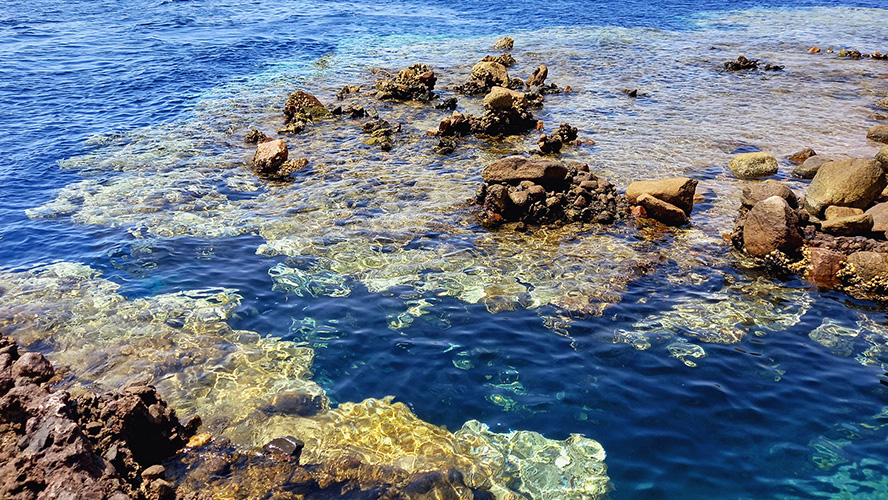
The Golden Triangle, located at the southern end of the Red Sea, is a legendary diving area. Formed by the islands of Brothers, Daedalus and Elphinstone, this triangle is famous for its spectacular walls of coral, large pelagic fish, and above all, encounters with sharks. This is one of the best places in the world to dive with hammerhead sharks, making it a must for the most adventurous divers.